June 25-26
Posted: June 26, 2024 Filed under: America, the American West, Uncategorized 3 CommentsLt. James Bradley led a detachment of Crow Indian scouts up the Bighorn Valley during the summer of 1876. In his journal he records that early Monday morning, June 26, they saw the tracks of four ponies. Assuming the riders must be Sioux, they followed these tracks to the river and came upon one of the ponies, along with some equipment which evidently had been thrown away. An examination of the equipment disclosed, much to his surprise, that it belonged to some Crows from his own command who had been assigned to General Custer’s regiment a few days earlier.
While puzzling over this circumstance, Bradley discovered three men on the opposite side of the river. They were about two miles away and appeared to be watching. He instructed his scouts to signal with blankets that he was friendly, which they did, but for a long time there was no response. Then the distant men built a fire, messages were exchanged by smoke signal, and they were persuaded to come closer.
They were indeed Crow scouts: Hairy Moccasin, Goes Ahead, White Man Runs Him. They would not cross the river, but they were willing to talk.
Bradley did not want to believe the story they told, yet he had a feeling it was true. In his journal he states that he could only hope they were exaggerating, “that in the terror of the three fugitives from the fatal field their account of the disaster was somewhat overdrawn.”
The news deeply affected his own scouts. One by one they went aside and sat down, rocking to and fro, weeping and chanting. Apart from relatives and friends of the slain soldiers, he later wrote, “there were none in this whole horrified nation of forty millions of people to whom the tidings brought greater grief.”
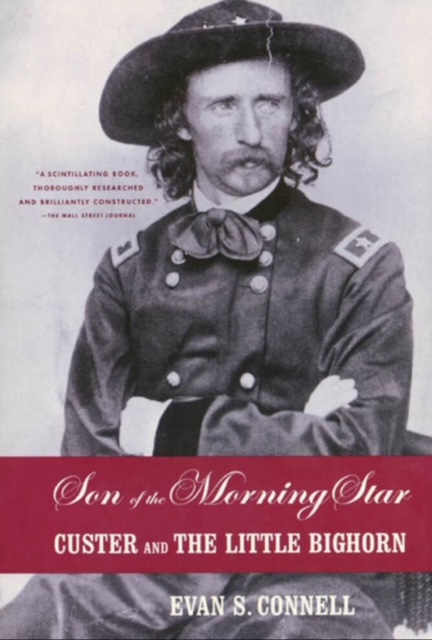
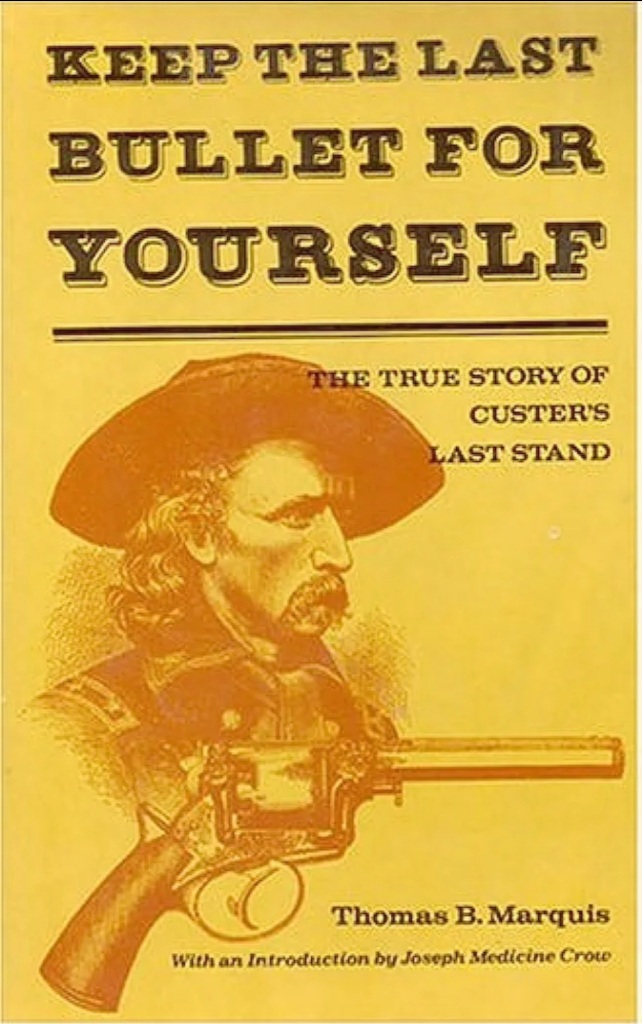
There were no literate survivors to the “last stand” event of June 25, 1876, so we have no firsthand written accounts. What happened was pieced together first from a sort of crime scene investigation. Later, interviews with participants were done, but cultural and linguistic gaps remained. Thomas Marquis, who lived among the Northern Cheyenne and knew many of them, wrote a book whose conclusions were so shocking it couldn’t be published in his lifetime.
Later, art, illustrations, apparently by eyewitnesses emerged, much of it quite vivid.
How about this:
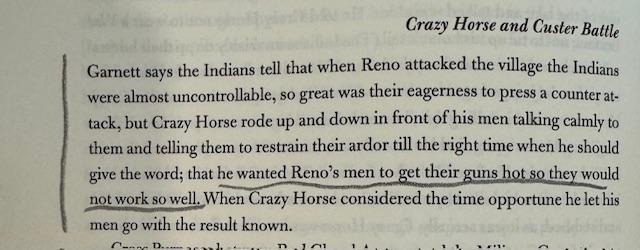
or this:

Those found in:
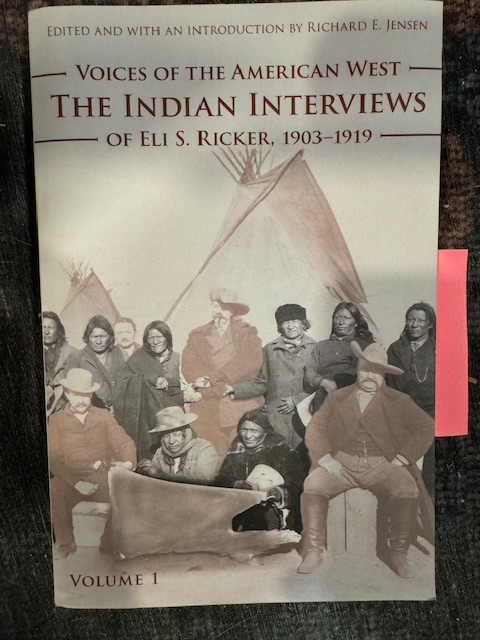
What was this war about, anyway?:
 Helytimes
1
1′”
1ˤˢ%2527%2522