Kress collections
Posted: April 12, 2026 Filed under: America Since 1945, art history Leave a commentSamuel Kress was born in Cherryville, Pennsylvania. He worked in stone quarries, and as a school teacher, and eventually started a store.
This eventually grew into a chain of 5-10-25 cent department stores. Kress stores had a distinctive architectural look – there’s one here in Los Angeles:
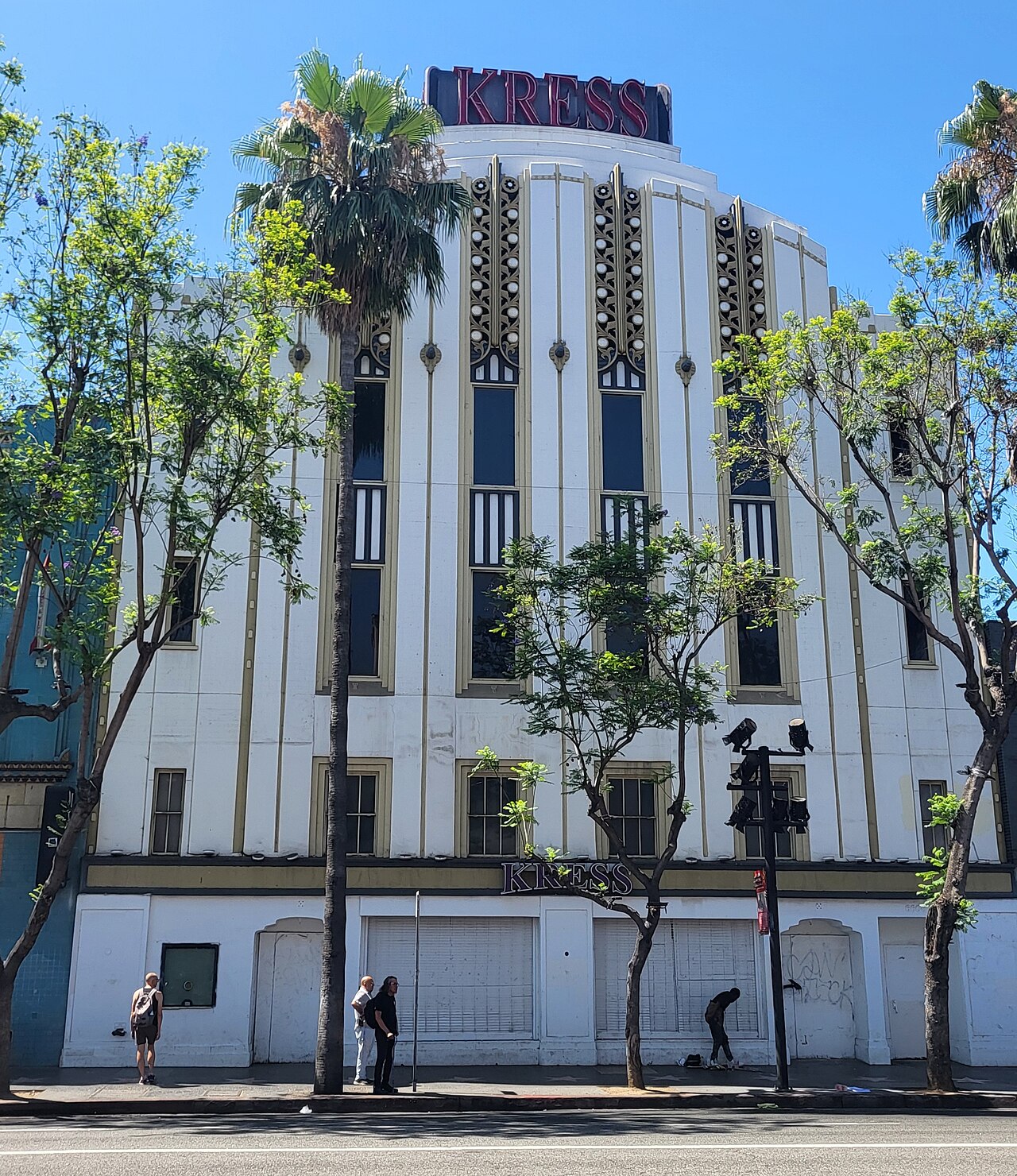
(source)
There’s a whole world of these stores, still standing across the US, repurposed or vacant. Here’s one in Lubbock, Texas:
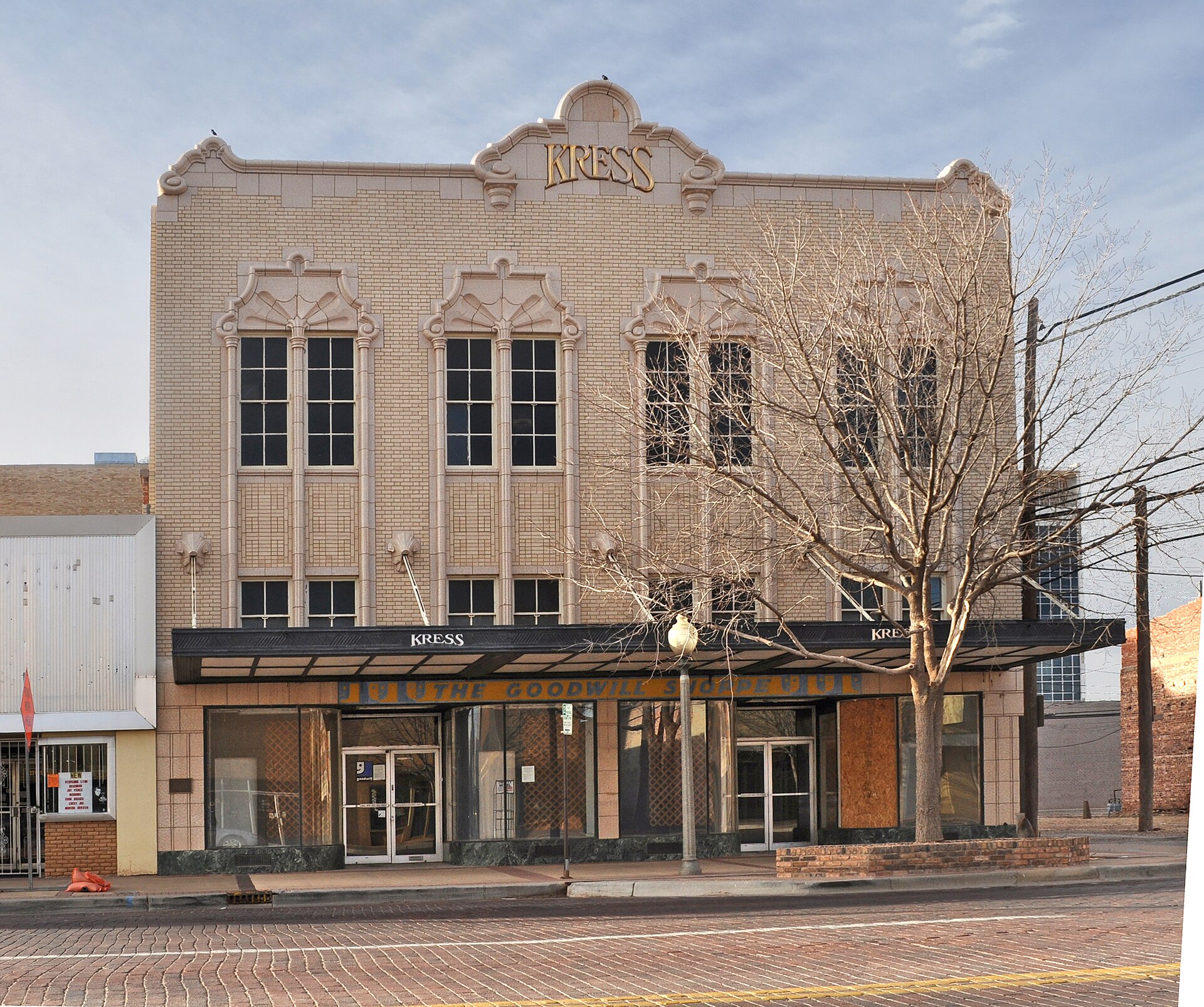
(source).
The most distinctive and best remembered Kress stores are a group of more than fifty Art Deco buildings dating from 1929–1944 and designed by Edward F. Sibbert (1899-1982), the company’s longtime chief architect. Sibbert’s buildings streamlined the Kress image by using sleek modern facades, simple yet distinctive ornament, and colors characteristic of the Kress brand. Curved glass display windows led the shopper through heavy bronze doors into an interior of rich marbles, fine woods, and large customized counters set crosswise down a long sales floor. Well-positioned hanging lamps created a bright atmosphere for an endless array of inexpensive items (there were 4,275 different articles on sale in 1934). Everything – from the constantly restocked merchandise to the gracious retiring rooms and popular soda fountains in the basement – encouraged customers to linger. Like the great movie houses of the day, the “dime store” – and ‘Kress’s’ in particular – was a popular destination during hard economic times.
Many Kress stores had segregated lunch counters, and were a target for sit-ins during the civil rights movement. The case of Adickes vs Kress, involving a white teacher who tried to take several black students to lunch in Hattiesburg, MS made it to the Supreme Court (it gets pretty technical at that point).
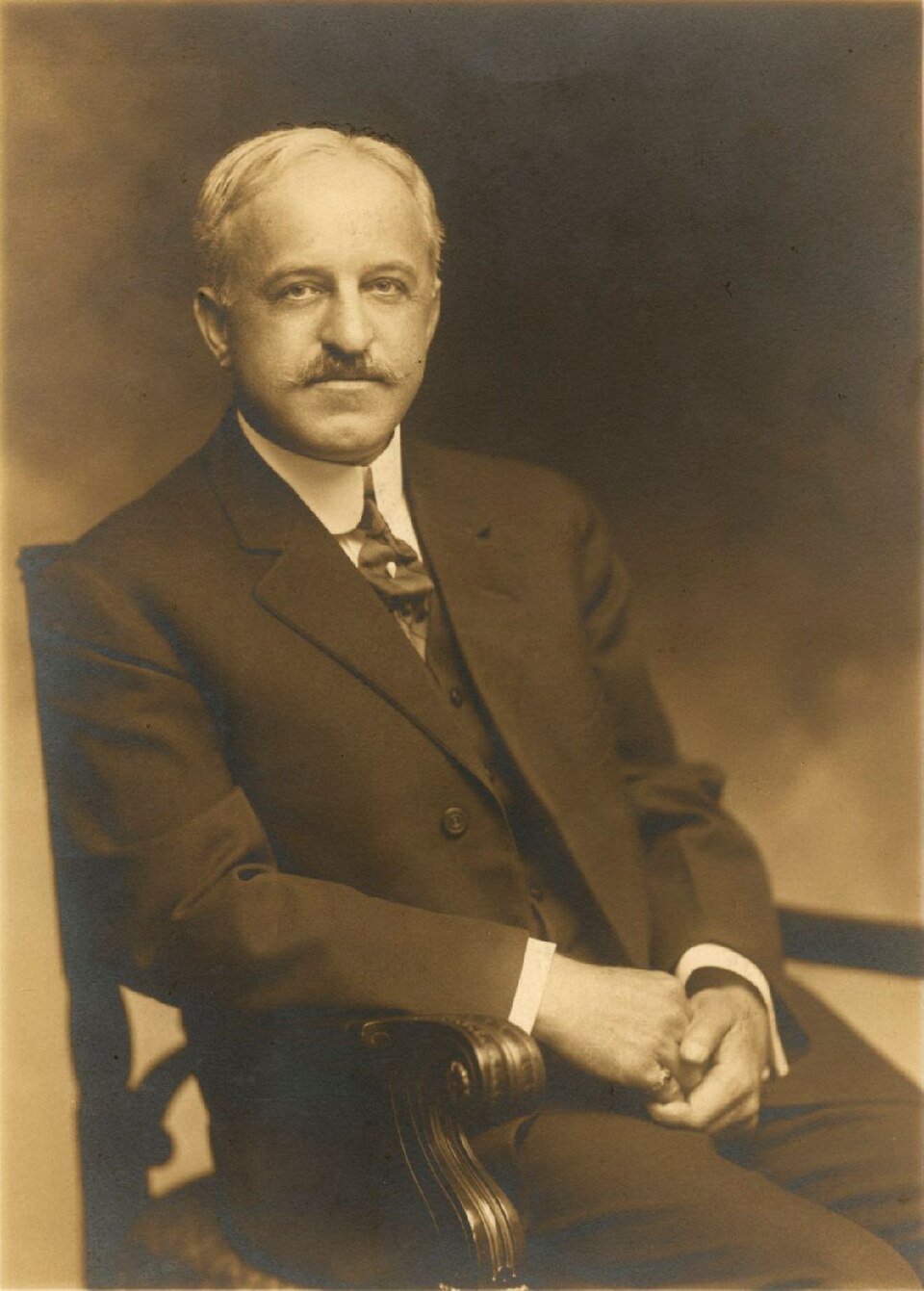
Samuel Kress never married and never had children. He used his fortune to collect European art. Much of this he gave away:
Beginning in the 1930s Kress decided to give much of his art collection to museums across the country while he was still alive. Many paintings were donated to the same smaller cities that had brought him his fortune with their stores. In several cases, his gifts became the founding basis for museums in those areas which otherwise could never have afforded artworks of such importance and quality.
This continued after Kress’s death in 1955:
In the 1950s and 1960s, a foundation established by Kress would donate 776 works of art from the Kress collection to 18 regional art museums in the United States.[1]
An interesting retirement project would be to travel around viewing the regional museums with Kress collections.
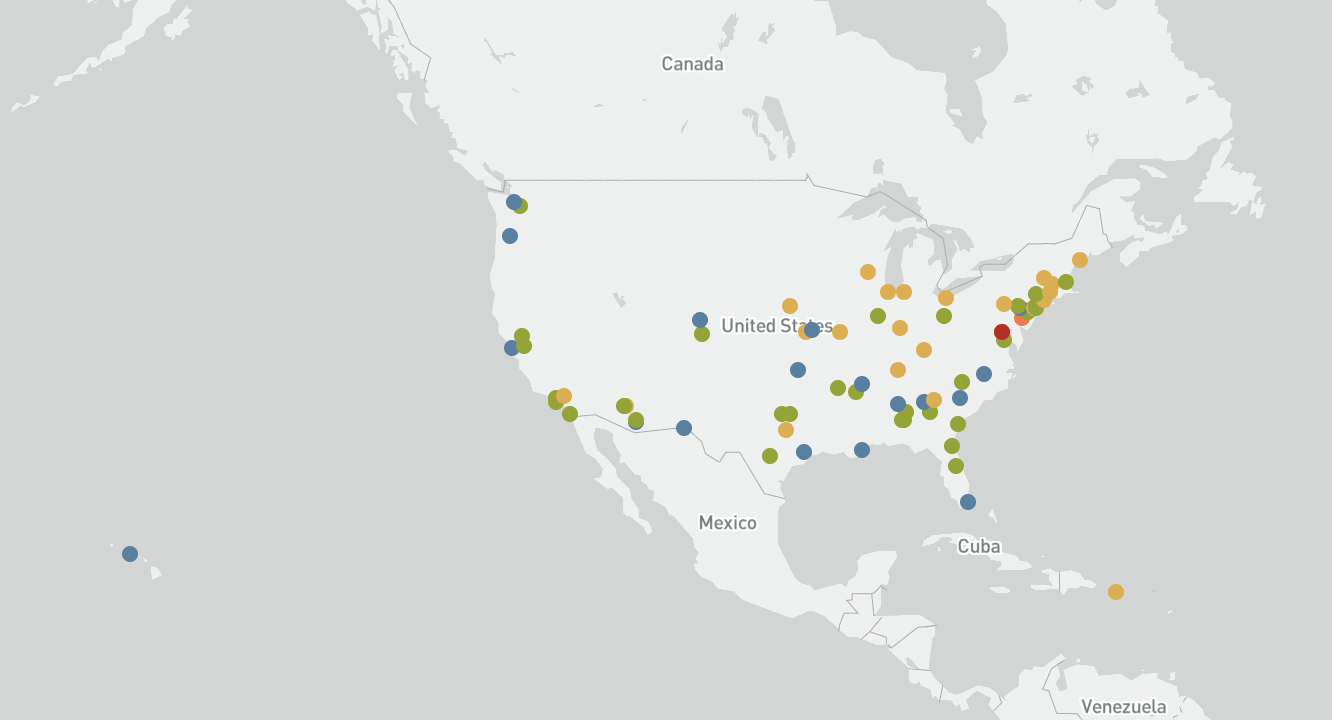
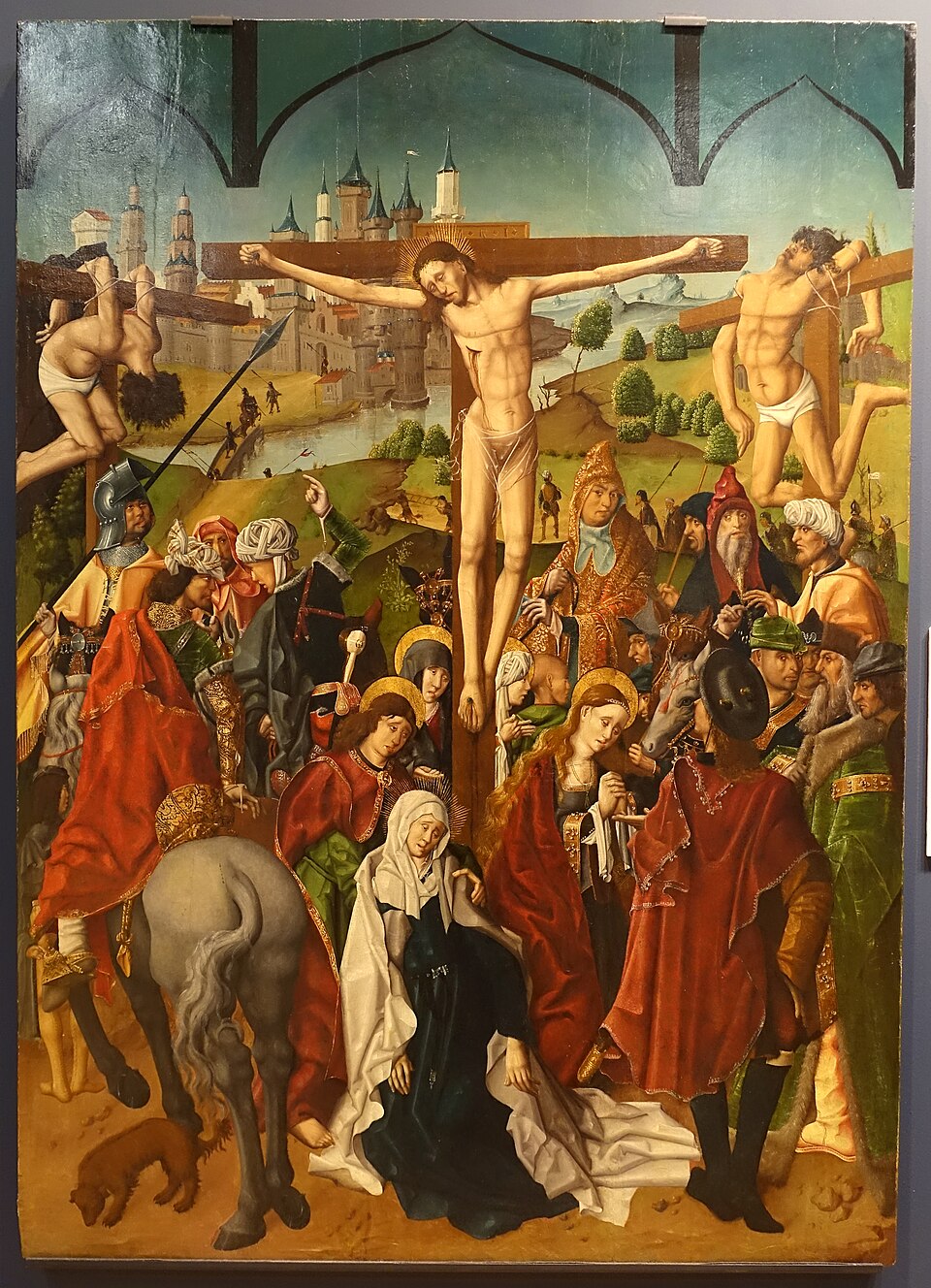
I’d like to see the Crucifixion by Maestro Bartolomé (or workshop) at the University of Arizona Museum in Tuscon:
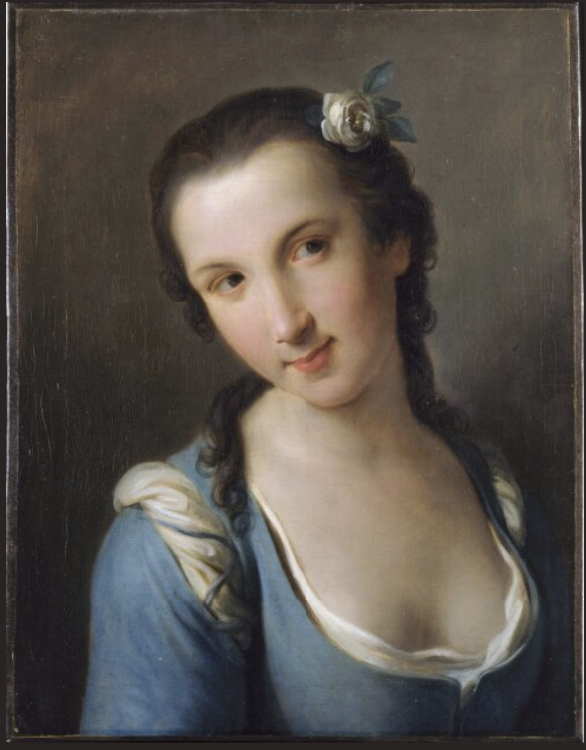
Or Rotari’s Girl in a Blue Dress, in El Paso:
That might be about it actually. A lot of this stuff looks like religious art that doesn’t burst with inspiration.
 Helytimes
#/media/File:Kress_los_angeles.jpg)
