“well he would say that, wouldn’t he”
Posted: February 28, 2026 Filed under: America Since 1945 Leave a comment
I misremembered the famous phrase of Mandy Rice-Davies.
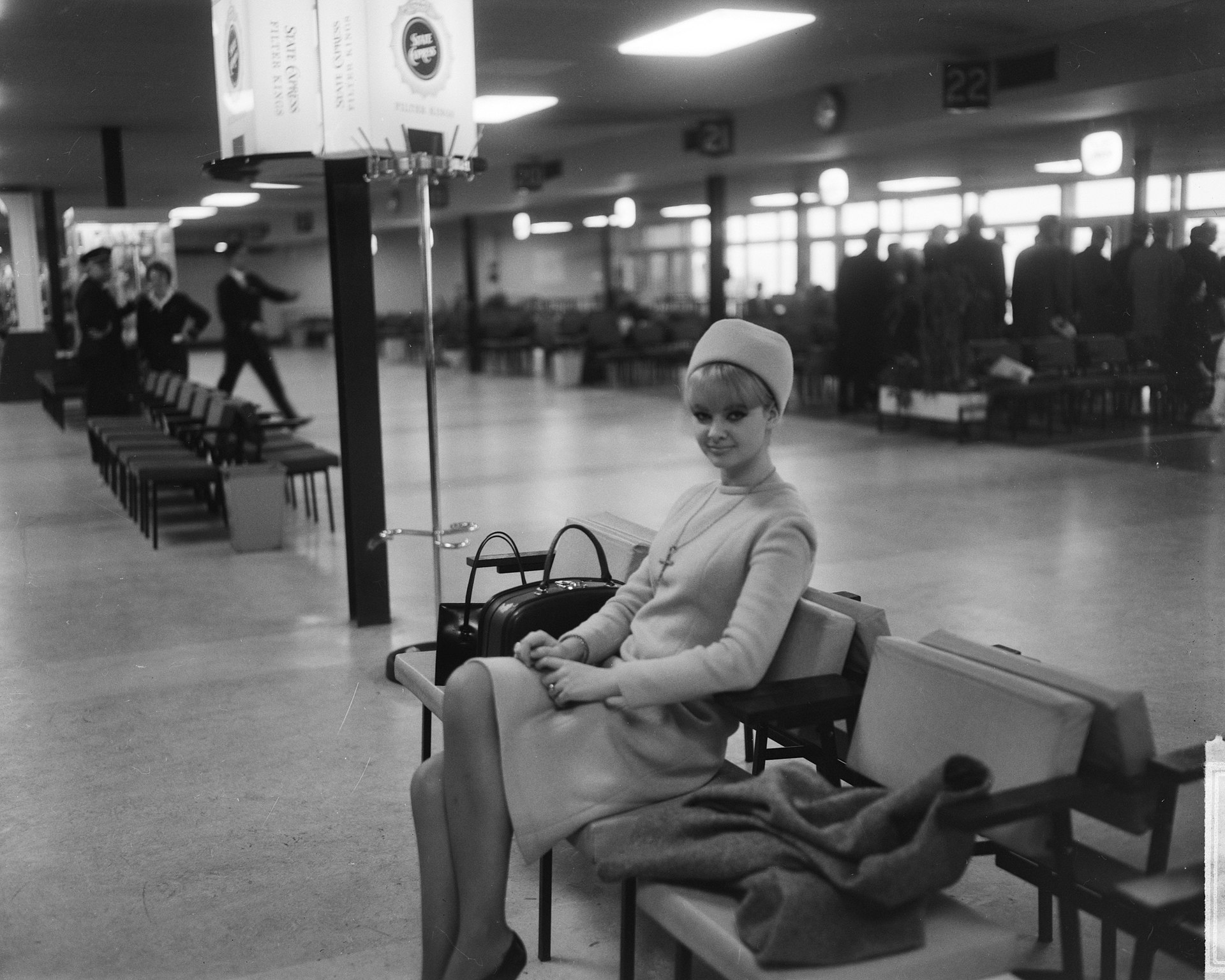
The UK is so odd:
In 1980, with Shirley Flack, Rice-Davies wrote her autobiography, Mandy…Subsequently, journalist Libby Purves, who had met Rice-Davies when Mandy was published, invited her to join a female re-creation on the River Thames of Jerome K. Jerome’s comic novel Three Men in a Boat.
This expedition was commissioned by Alan Coren for the magazine Punch, the other members of the party being cartoonist Merrily Harpur and a toy Alsatian to represent Montmorency, the dog in the original story. Purves recounted how she “immediately spotted that this Rice-Davies was a woman to go up the Amazon with” and, among other things, that “only Mandy’s foxy charm saved us from being evicted from a lock for being drunk on pink Champagne.”
Nothing new
Posted: February 27, 2026 Filed under: America Since 1945 Leave a commentThe idea that AI is gonna give us all too much free time doesn’t worry me. From McCullough’s Truman:

first time I lol’d at Dante’s Inferno
Posted: February 25, 2026 Filed under: Italy Leave a commentCanto 17:
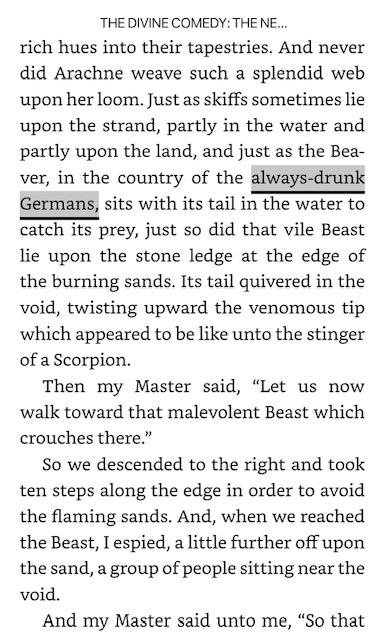
that’s from Gerald Davis translation. John Ciardi gives us:

Mandelbaum:

if we just put “Tedeschi lurchi” in Google translate it gives us “German slugs.”
Cheers to Tom B., age fourteen or something, describing the Inferno as “self insertion fan fiction.” It is!
My two year old daughter saw this guy on the cover of John Sinclair’s translation
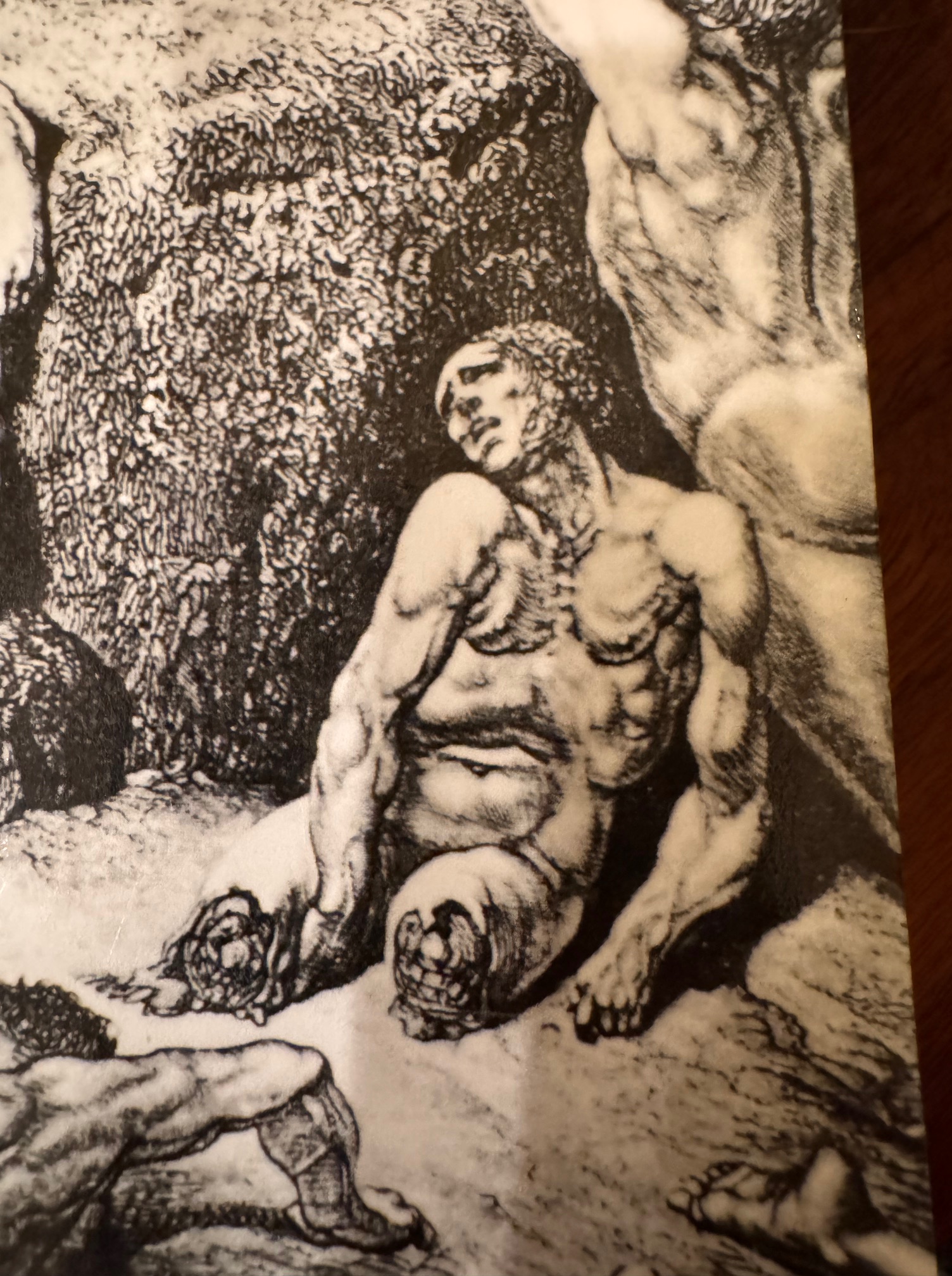
and said
he’s sad. he misses his mommy.
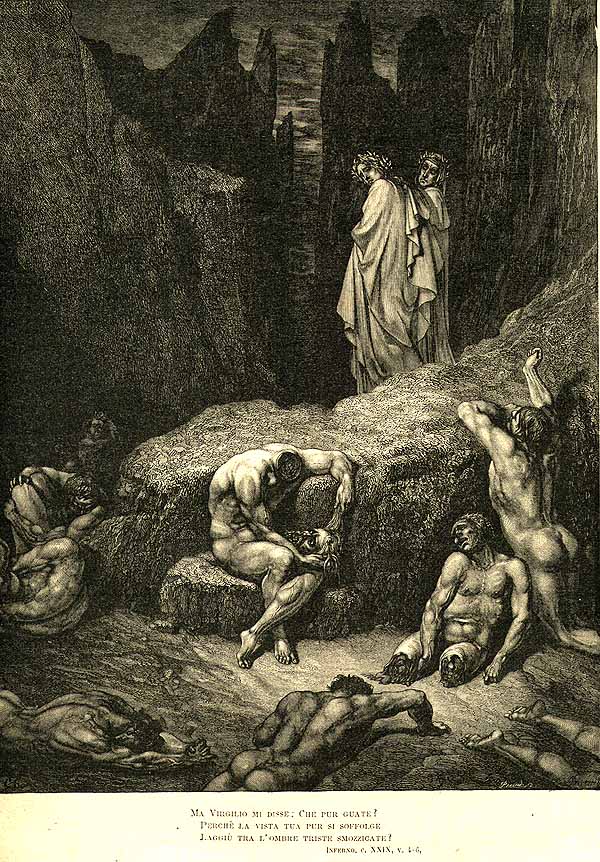
correct, this is from Canto 28, the Schismatics, who are cut apart as they cut families apart.
Restaurants and Railroads: hospice brands
Posted: February 14, 2026 Filed under: business, railroads and restaurants Leave a comment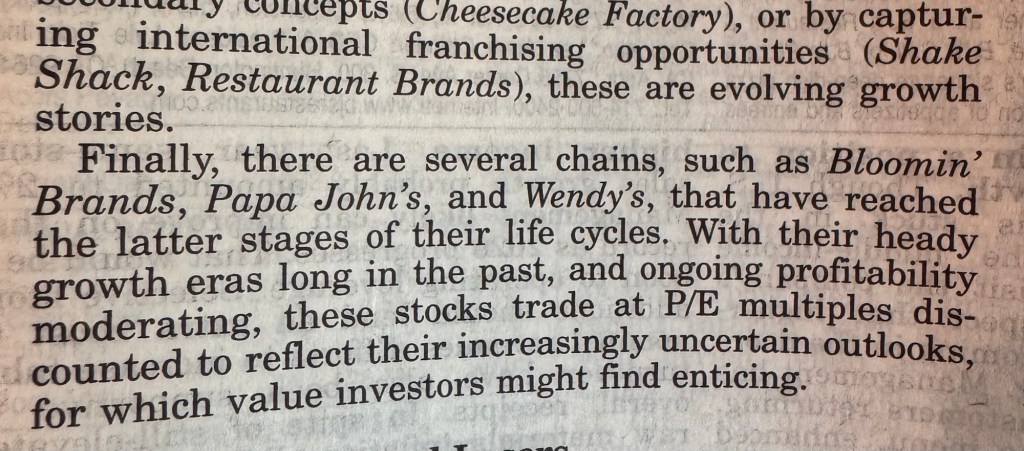
Sad. From ValueLine.
John Dormandy’s Savoy
Posted: February 7, 2026 Filed under: Savoy Leave a comment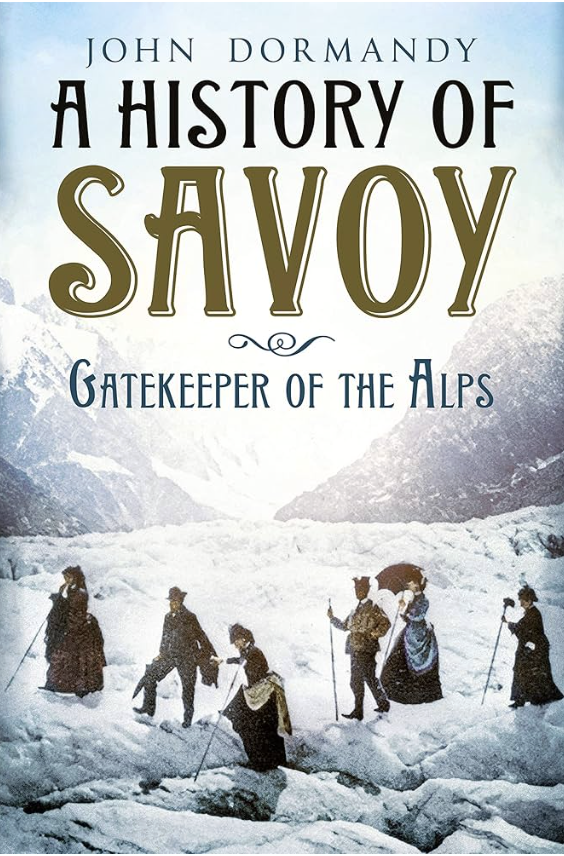
Savoy was a small state – a principality, a dukedom, a kingdom – that covered parts of what’s now northwest Italy, Switzerland, and southeastern France. The borders were always shifting. For a time Savoy was its own country. The ruling family ended up as kings of Italy, until that ended shortly after World War Two. I’m interested in Savoy because I’ve twice been lucky to travel to the animation festival at Annecy, France, historically part of Savoy.
I judged this book by its cover, thought it might be kinda slop, and ignored it even though I have a strong interest in the history of Savoy. But after burning through most English language Savoy specific content, I bought and started reading it, and it’s fantastic! John Dormandy is a great, conversational, witty writer. He makes a great case for the importance of Savoy as a topic. Blessed with some clever rulers it managed to survive a long time while many other small states like Burgundy were swallowed up. Just an excerpt:
In 1858, Emperor Louis Napoleon III and Count Benzo Cavour, prime minister of King Victor Emmanuel, met secretly in the small spa town of Plombières in the Vosges mountains to hatch a plot. The two men, equally devious, agreed to provoke an attack by Austria on the Kingdom of Sardinia that included Savoy; the French would then promptly come to the aid of poor Sardinia, and together they would expel the Austrians from northern Italy. Following that happy outcome, Sardinia would acquire all of northern Italy and in recompense for his help, Napoleon III would be allowed to annexe Savoy to France. That was exactly what happened, except that by the mid-nineteenth century, Europe, particularly Victorian England, was beginning to baulk at countries being traded as commodities, especially if the recipient of the gift was France under a second Napoleon. Cavour and Napoleon, ever resourceful, organised a ‘free’ plebiscite in Savoy in which 99 per cent of the population voted for annexation to France.
I looked up John Dormandy, and sadly, he’s died. He wrote this book as a retirement project. He led a remarkable life. Here’s an edited version of an obituary I found here:
John Dormandy was born on 3 May 1937 in Budapest. He was the son of Paul Szeben, a pea grower who was accustomed to exporting his crop to the UK, and his wife Clara, who was an author and dramatist. He had a sister, Daisy, and his elder brother, Thomas, was to become a consultant chemical pathologist, renowned for his research on the actions of free radicals. The family were Jewish and went into hiding in 1944 when the Nazis invaded Hungary. After several months sheltering in a convent, they escaped to Geneva. In 1948 they made their way to London, where they settled and changed their surname to that of a village in Hungary which was 150 miles east of Budapest, where they had a country estate. John was educated in Hungary, Geneva and Paris before enrolling at London University to study medicine and graduating MB, BS in 1961. Apart from a spell as a registrar at the Royal Free, he was to spend most of his career at St George’s Hospital, progressing from lecturer in applied physiology to senior lecturer in surgery and, eventually, professor of vascular surgery.
He was famous for his pioneering work investigating the diagnosis and treatment of peripheral artery diseases. A colleague referred to him as an unusual surgeon since he was keen to conserve affected limbs rather than to correct [the problem] immediately with a knife. Written with three co-authors, his book Clinical haemorheology (Springer, 1987) remains a standard work in the field. In the early 1990’s he was the first to advocate the use of specialist nurses to manage clinics for patients with chronic vascular disease and eventually this led to a nationwide network. He saw the benefits of multidisciplinary information sharing and was a leading figure in setting up the Trans-Atlantic Consensus for the management of peripheral artery disease (TASC) which published uniform guidelines in 2000. It was due to his personal involvement that so many vascular societies across Europe and North America collaborated in the research and adopted the recommendation. The author of five medical books and over 200 research papers, he continued to write and appear as an expert witness after his retirement in 2001.
In the 1980’s, as his fame grew, he was called upon to deal with some high profile patients. Flown to Baghdad, he operated on the varicose veins of Saddam Hussein’s mother, to be rewarded with a gold watch which was later stolen. In 1983 he went to Libya where he is thought to have treated either Colonel Gaddafi himself or one of his advisors. John was said to be extremely angry that the large bill for this was never paid due to the row over the siege of the Libyan Embassy the following year.
Due to his multicultural upbringing he was fluent in several languages. He was a popular and gregarious host, enjoying fine wines and good food often followed by a cigar. It was said that when he had to implement a no smoking policy as clinical director of St Georges he put a sign on his office door reading You are now leaving the premises of St George’s Hospital. A keen downhill skier, he also enjoyed playing golf and tennis and travelled at hair-raising speed round town on his beloved scooter. Other interests were art, architecture, theatre, opera and travelling – in retirement he published a book on his favourite part of France A history of Savoy: gatekeeper of the Alps (Fonthill, 2018).
His wife, Klara, predeceased him in December 2018 and he died suddenly in Paris on 26 April 2019. He was survived by his children Alexis and Xenia and stepchildren Gaby and Alex. His brother Thomas predeceased him in 2013.
What a guy! I feel like he’s a pal.
Dormandy thinks Konrad Witz’s Crucifixion depicts Annecy:
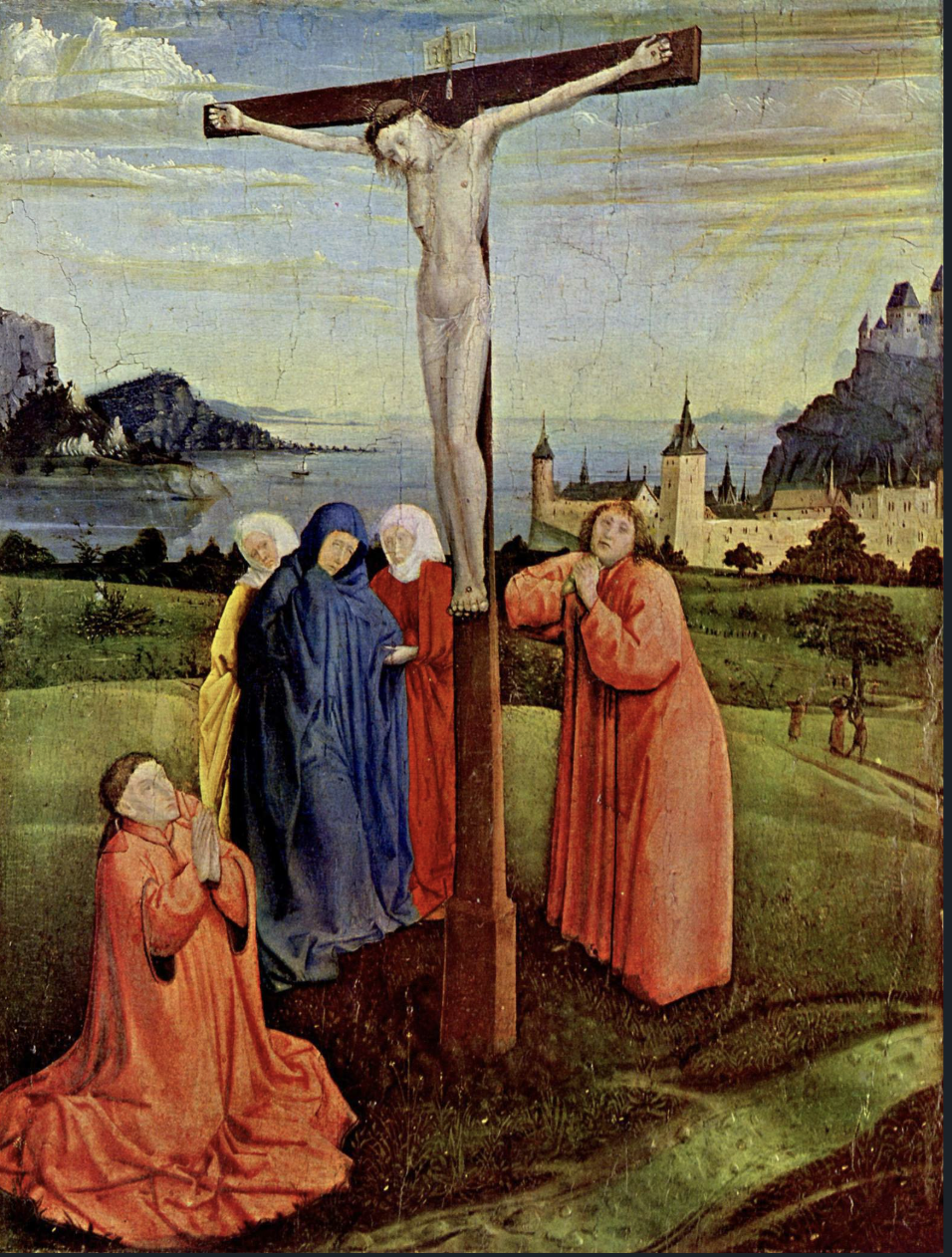
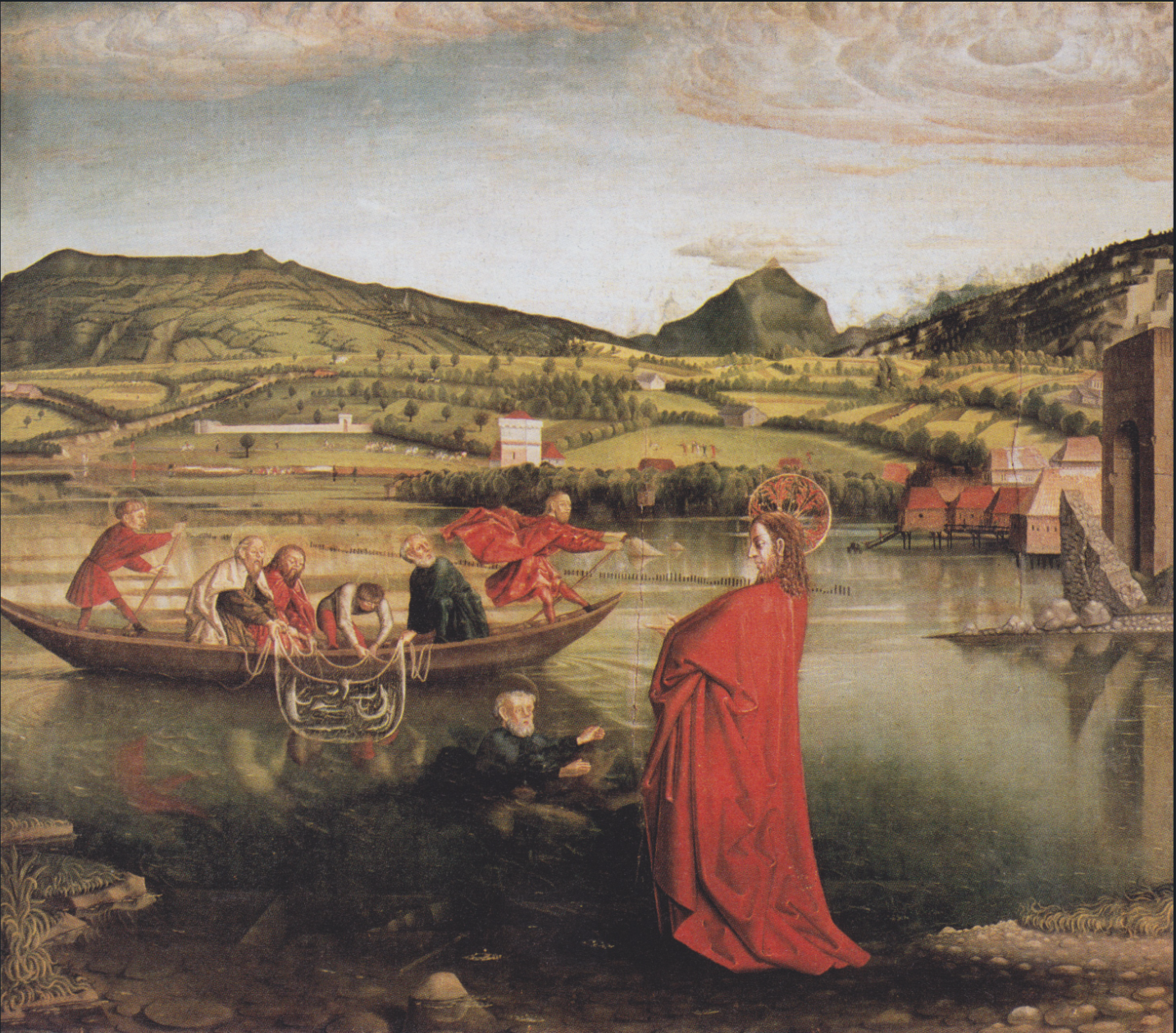
It does look like it. He also thinks Witz’s Miraculous Draught of Fishes depicts Lake Geneva, with Mont Blanc in the background, and that very much looks like it!:
Bamberger
Posted: February 6, 2026 Filed under: business Leave a commentfrom a WSJ obituary of J. David Bamberger, conservationist and shareholder in Church’s Chicken.
He learned, for example, to place new locations in middle-class neighborhoods, but right on the border of lower-income ones; the real estate was cheaper, and you doubled your clientele. “Black people would come over to the white neighborhood to buy chicken. But if you put a store in a predominantly black neighborhood, white people wouldn’t come over and buy there,” Bamberger lamented in LeBlanc’s book.
There’s a Church’s Chicken in the Inland Empire on the way back from Joshua Tree, it’s not quality. But Bamberger retired in 1988. More:
In addition to his restoration of the land now known as “Selah, Bamberger Ranch Preserve,” Bamberger was instrumental in the preservation of nearby Bracken Cave in the early 1990s, home to more than 15 million Mexican free-tailed bats—a colony believed to be the largest concentration of nonhuman mammals on the planet. Bamberger gained the trust of the family that owned the cave and brokered a sale to the nonprofit Bat Conservation International, then paid to build a trail system and other infrastructure to make the site accessible to visitors.
Suddenly enchanted by bats, Bamberger next hired biologists and geologists to hunt for a spot at Selah where he could establish a bat population of his own. They couldn’t find a single suitable site.
“Most people would have said, ‘Oh well, that’s too bad. I guess we’re not going to have a big bat colony here,’ ” explained April Sansom, executive director of Selah, Bamberger Ranch Preserve. “But not J. David. What he said was, ‘Oh, guess we better try to build one.’ ”
Construction of a system of underground caves was completed in 1997—a mammoth project which Bamberger conceded was “eccentric” even for him, and which was mocked locally as “Bamberger’s Folly.” It took several years, and some iterative modifications to the structure, but wild bats eventually moved in and established a colony there. The population is now half-a-million strong.
More NFL, and Klosterman on books
Posted: February 4, 2026 Filed under: sports Leave a commentChuck Klosterman was on Bill Simmons podcast, talking about his new book about football:
When that book Abundance came out last year, okay, now that seems like a book I would read, right? I never did read it, although I completely informed about it because I heard it on podcast nine different times. Sometimes I think that the way things work now is you write a non-fiction book and maybe 150,000 people read it, but most people experience it through this, through these ancillary moments of people discussing the book. I understand that there are people listening to this podcast who I think would be prime people to buy this, and they probably won’t. They’ll be like, I just I don’t buy books anymore. It’s really hard to sell books to men, particularly. So if you want to talk about specifics of the book, that’s fine. I don’t mind.
At first what Klosterman had to say was similar to our own recent post about the popularity of the NFL. But then Klosterman kept going, and showed why he’s one of the world’s best take-havers:
One thing that’s often mentioned, particularly by people who don’t like football, is a very famous Wall Street Journal article from 2011, where these guys studied these pro football games and they were like, Do you know in a three-hour telecast of an NFL game, there’s 11 minutes of action? You’re sitting there for three hours and there’s 11 minutes of action. Now, if somebody was inventing football right now for the first time, there was no way that would get through the pitch meeting. If they said this is a three-hour sport and there’s actually about 11 minutes of action, people would say, That’s insane. No one’s going to sit through that. Nobody wants that. That’s a huge flaw. But it’s not a flaw. As it turns out, 11 minutes is the perfect amount. Because these things you’re talking about, they happen in between play. Phase. Football has this accidental upside, which is super intense, hyper-action in this small window of time, maybe seven seconds. And then there’s This time when you can think about what you saw, what you will see next, what was the meaning of that? Maybe the analyst will describe what we actually saw in a way that we couldn’t comprehend.
Or maybe I’ll hate the analyst and think he’s an idiot. Sure. Either way, I win.
Or you can think about something else. You can talk to somebody about something that’s not involved with the actual football game, or you can talk about the football game. This experience, which seems like it should be a mistake. It should be a mistake that’s something that lasts that long has that little amount of action. This That is one of these things that… It’s one of the many counterintuitive things about football, in that the TV experience is great despite the fact that it would never get through a focus group. The fact that somebody said, The main view you will have in a football game, most of the time, will not show you all the players. You will not be able to see the free safeties. When the quarterback drops back and throws the ball, you will have a moment where you will have no idea if the guy is open or covered. These things that seem like they should be problems actually create this internal psychological tension that makes this experience so enriching. I really believe that football, the reason that it is the best thing television has ever been built with, is because even a bad football game is weirdly watchable in a way that isn’t true about other things.
Barry Diller on Rick Rubin’s Tetragrammaton podcast
Posted: February 3, 2026 Filed under: Uncategorized Leave a comment
Freud on major/minor decisions
Posted: February 2, 2026 Filed under: advice 1 CommentAlmost 100 years ago in Vienna, Theodor Reik asked Sigmund Freud for advice about choosing a career. Freud replied: “When making a decision of minor importance, I have always found it advantageous to consider all the pros and cons. In vital matters, however, such as the choice of a mate or profession, the decision should come from the unconscious, from somewhere within ourselves.”
that quote has stuck with me, perhaps I first read it in this Feb. 2006 letter to the editor of the NYT.
 Helytimes