John Steinbeck on Bob Hope
Posted: March 30, 2026 Filed under: America Since 1945, comedy, Uncategorized Leave a comment
At the Steinbeck Center in Salinas I picked up this edition of Steinbeck’s reporting from World War Two. I was surprised by this piece on Bob Hope, who is not often thought of as a hero these days.
Bob Hope
LONDON, July 26, 1943—When the time for recognition of service to the nation in wartime comes to be considered, Bob Hope should be high on the list. This man drives himself and is driven.
It is impossible to see how he can do so much, can cover so much ground, can work so hard, and can be so effective. He works month after month at a pace that would kill most people.
Moving about the country in camps, airfields, billets, supply depots, and hospitals, you hear one thing consistently. Bob Hope is coming, or Bob Hope has been here. The Secretary of War is on an inspection tour, but it is Bob Hope who is expected and remembered.
In some way he has caught the soldiers’ imagination. He gets laughter wherever he goes from men who need laughter. He has created a character for himself-that of the man who tries too hard and fails, and who boasts and is caught at it. His wit is caustic, but it is never aimed at people, but at conditions and at ideas, and where he goes men roar with laughter and repeat his cracks for days afterward.
Hope does four, sometimes five, shows a day. In some camps the men must come in shifts because they cannot all hear him at the same time. Then he jumps into a car, rushes to the next post, and because he broadcasts and everyone listens to his broadcasts, he cannot use the same show more than a few times. He must, in the midst of his rushing and playing, build new shows constantly. If he did this for a while and then stopped and took a rest it would be remarkable, but he never rests. And he has been doing this ever since the war started. His energy is boundless.
Hope takes his shows all over. It isn’t only to the big camps. In little groups on special duty you hear the same thing. Bob Hope is coming on Thursday. They know weeks in advance that he is coming. It would be rather a terrible thing if he did not show up.
Perhaps that is some of his drive. He has made some kind of contract with himself and with the men that nobody, least of all Hope, could break. It is hard to overestimate the importance of this thing and the responsibility involved.
The battalion of men who are moving half-tracks from one place to another, doing a job that gets no headlines, no public no-tice, and yet which must be done if there is to be a victory, are for-gotten, and they feel forgotten. But Bob Hope is in the country.
Will he come to them, or won’t he? And then one day they get a notice that he is coming. Then they feel remembered. This man in some way has become that kind of bridge. It goes beyond how funny he can be or how well Frances Langford sings. It has been interesting to see how he has become a symbol.
This writer, not knowing Hope, can only conjecture what goes on inside the man. He has seen horrible things and has survived them with good humor and made them more bearable, but that doesn’t happen without putting a wound on a man. He is cut off from rest, and even from admitting weariness. Having become a symbol, he must lead a symbol life.
Probably the most difficult, the most tearing thing of all, is to be funny in a hospital. The long, low buildings are dispersed in case they should be attacked. Working in the gardens, or reading in the lounge rooms are the ambulatory cases in maroon bathrobes. But in the wards, in the long aisles of pain the men lie, with eyes turned inward on themselves, and on their people. Some are convalescing with all the pain and itch of convalescence. Some work their fingers slowly, and some cling to the little trapezes which help them to move in bed.
The immaculate nurses move silently in the aisles at the foot of the beds. The time hangs very long. Letters, even if they came every day, would seem weeks apart. Everything that can be done is done, but medicine cannot get at the lonesomeness and the weakness of men who have been strong. And nursing cannot shorten one single endless day in a hospital bed. And Bob Hope and his company must come into this quiet, inward, lonesome place, and gently pull the minds outward and catch the interest, and finally bring laughter up out of the black water. There is a job. It hurts many of the men to laugh, hurts knitting bones, strains at sutured incisions, and yet the laughter is a great medicine.
This story is told in one of those nameless hospitals which must be kept safe from bombs. Hope and company had worked and gradually they got the leaden eyes to sparkling, had planted and nurtured and coaxed laughter to life. A gunner, who had a stomach wound, was gasping softly with laughter. A railroad casualty slapped the cast on his left hand with his right hand by way of applause. And once the laughter was alive, the men laughed before the punch line and it had to be repeated so they could laugh again.
Finally it came time for Frances Langford to sing. The men asked for “As Time Goes By.” She stood up beside the little GI piano and started to sing. Her voice is a little hoarse and strained.
She has been working too hard and too long. She got through eight bars and was into the bridge, when a boy with a head wound began to cry. She stopped, and then went on, but her voice wouldn’t work anymore, and she finished the song whispering and then she walked out, so no one could see her, and broke down.
The ward was quiet and no one applauded. And then Hope walked into the aisle between the beds and he said seriously, “Fellows, the folks at home are having a terrible time about eggs. They can’t get any powdered eggs at all. They’ve got to use the old-fashioned kind that you break open.”
There’s a man for you— there is really a man.

Mysterious statue
Posted: March 29, 2026 Filed under: art history 1 Comment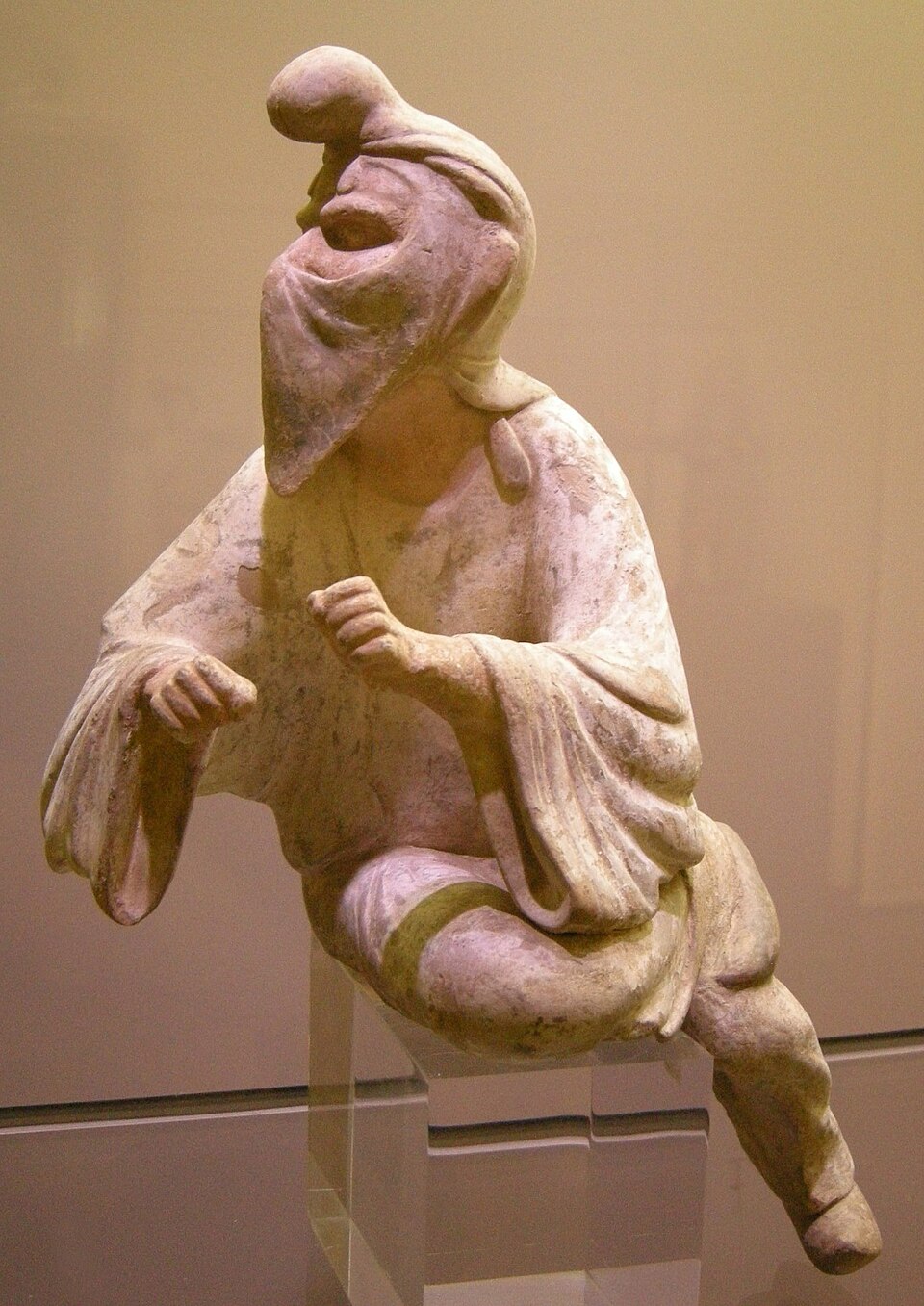
I was looking up what happened in the 8th century and found this. From a 2011 Wall Street Journal article about this fellow:
Made in China during the latter part of the eighth century, this unusual Tang dynasty burial figure today sits on a shelf in the Museo di Arte Orientale (MAO) of Turin, Italy, exuding as much mystery as he does energy. To date, nobody can say exactly who or what he is—his clothes, his pose, his expression don’t add up. Even his manufacture is atypical: While almost all other known burial statuettes are hollow and cast in molds, this one is solid clay and appears to have been sculpted by hand.
Tracy Kidder
Posted: March 27, 2026 Filed under: America Since 1945 Leave a commentI see that Tracy Kidder has died. Several of his books made an impression on me. Here’s a page from his war memoir, My Detachment, which I enjoyed:
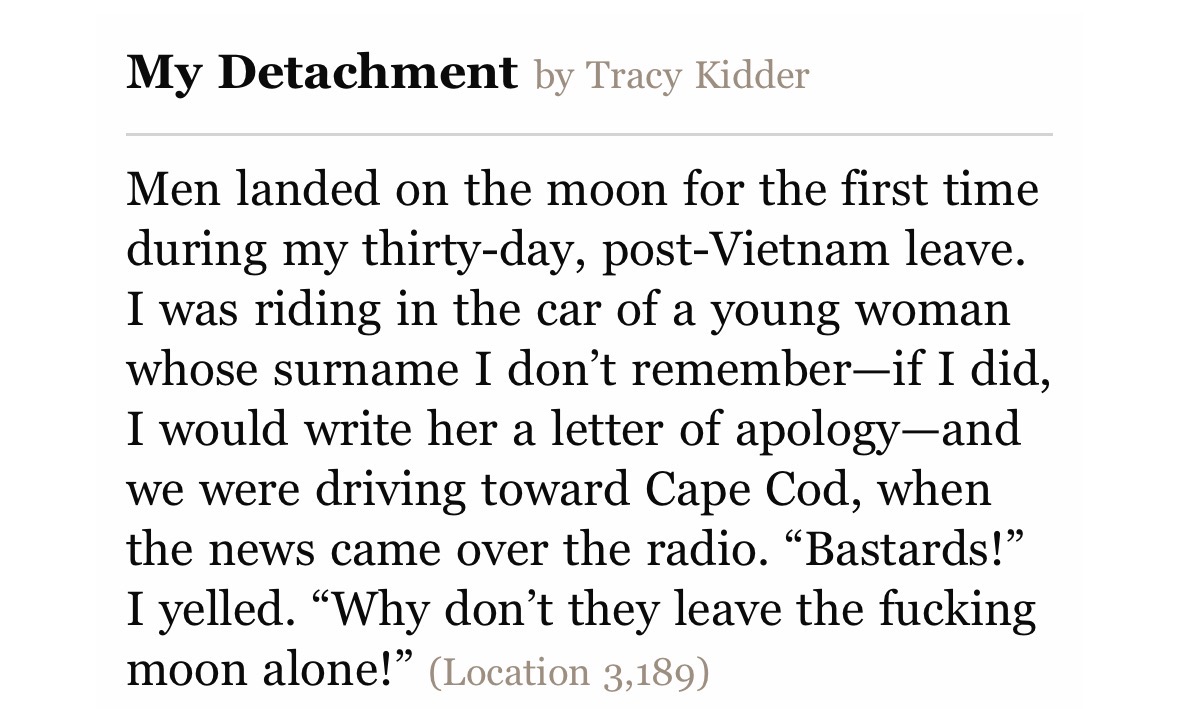
How about this:
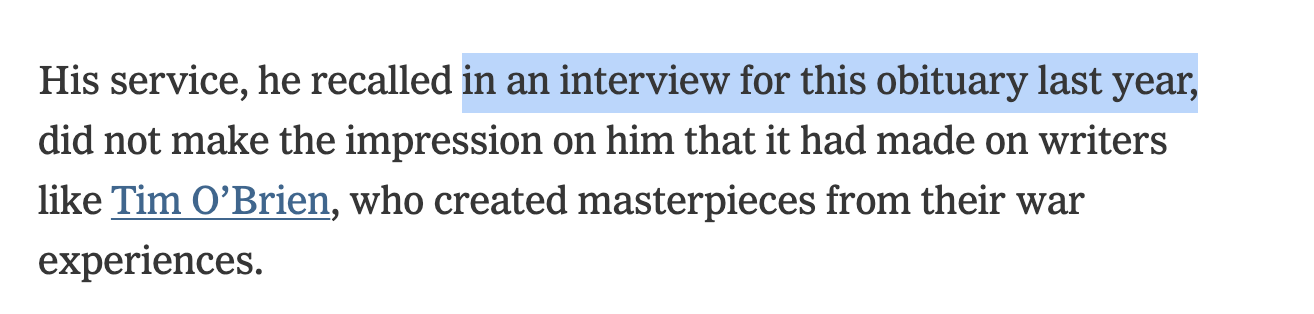
How does that interview work? “Hey um couple questions in case you die.”
Purgatories
Posted: March 7, 2026 Filed under: Italy Leave a commentCanto IV of Dante’s Purgatorio. Dante’s trying to describe the mountain of Purgatory:
Vassi in Sanleo e discendesi in Noli,
montasi su Bismantova in cacume
con esso i piè; ma qui convien ch’om voli;
dico con l’ale snelle e con le piume
del gran disio, di retro a quel condotto
che speranza mi dava e facea lume’
Or:
One goes to Sanleo and descends to Noli,
one climbs the summit of Bismantova
with his feet; but here one must fly;I mean with slender wings and the feathers
of great desire, following that guide
who gave me hope and gave me light.
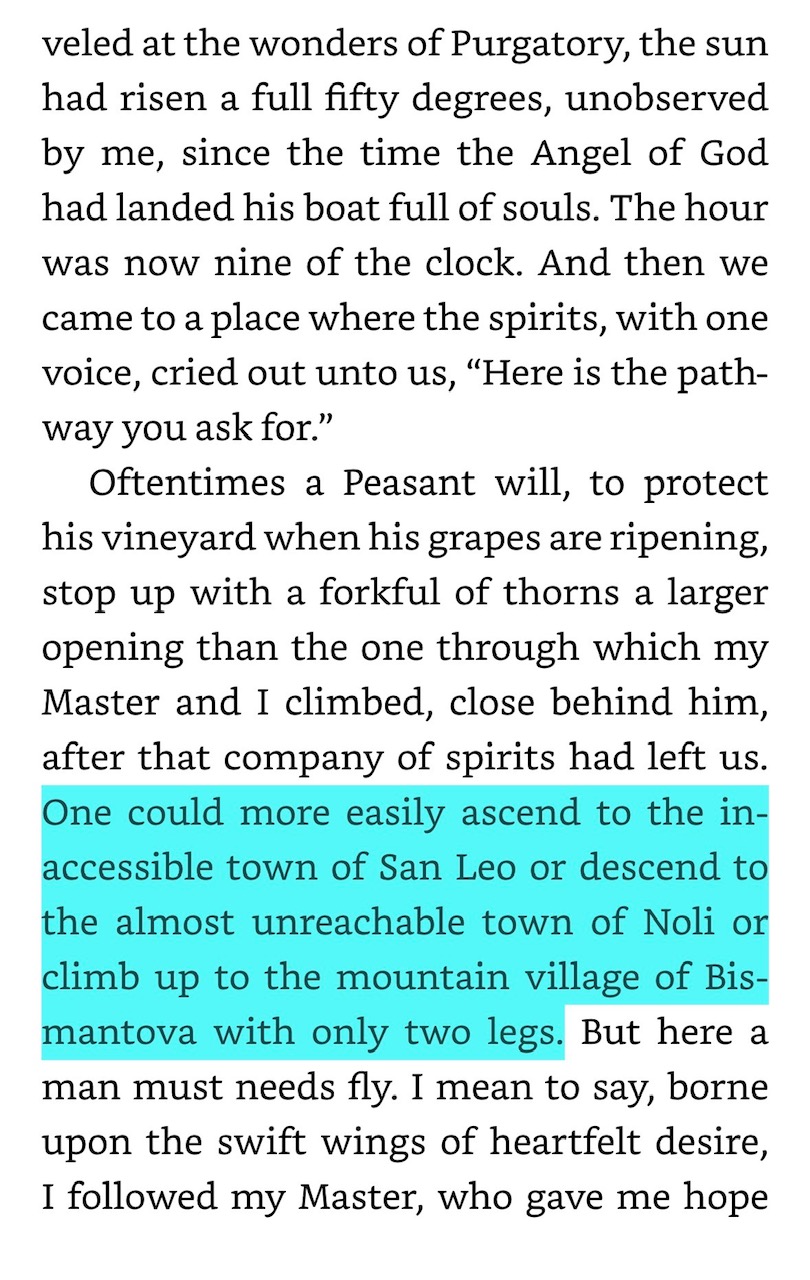
Gerald Davis gives us this as:
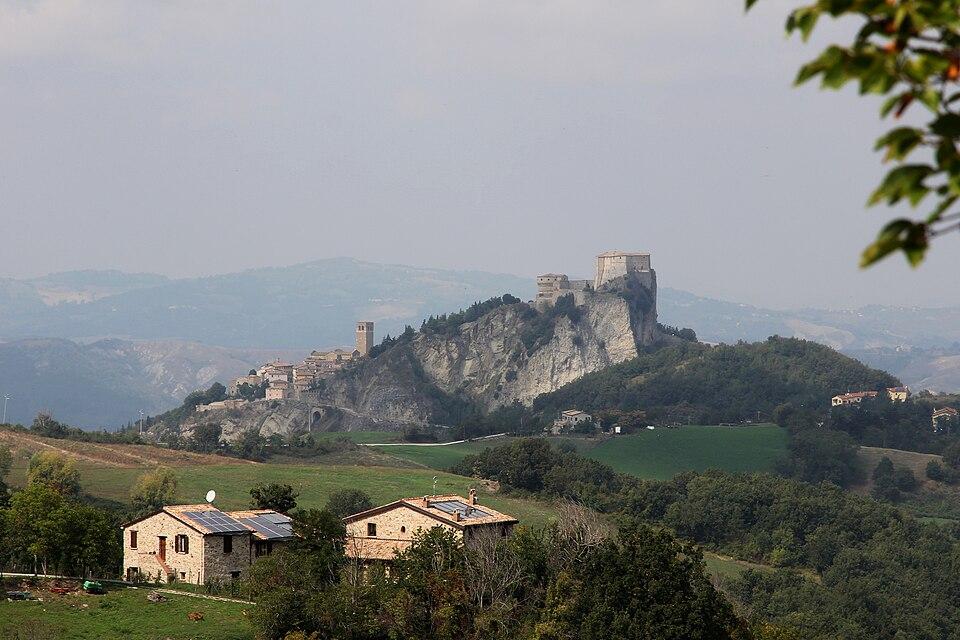
San Leo (source)
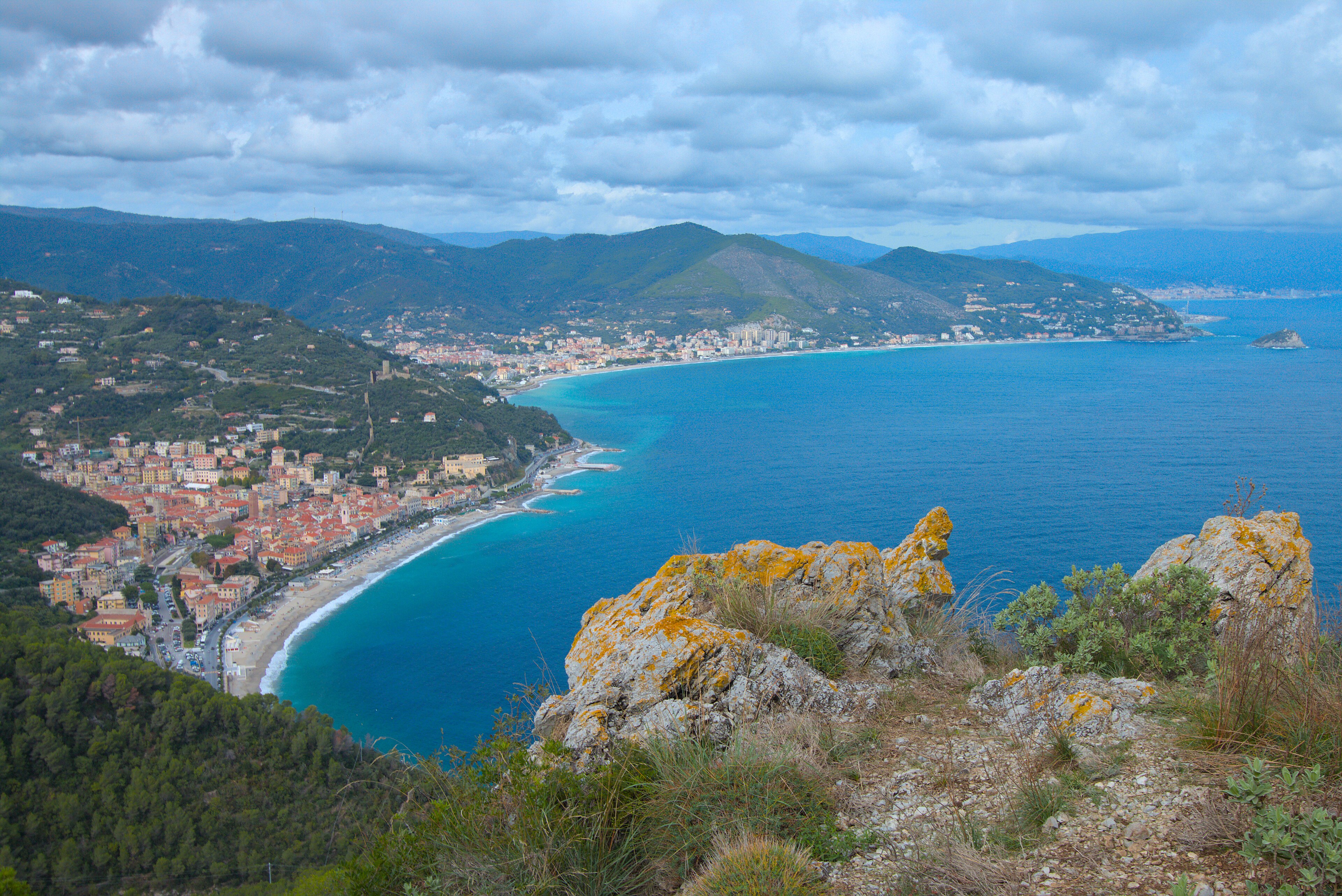
Noli (source)
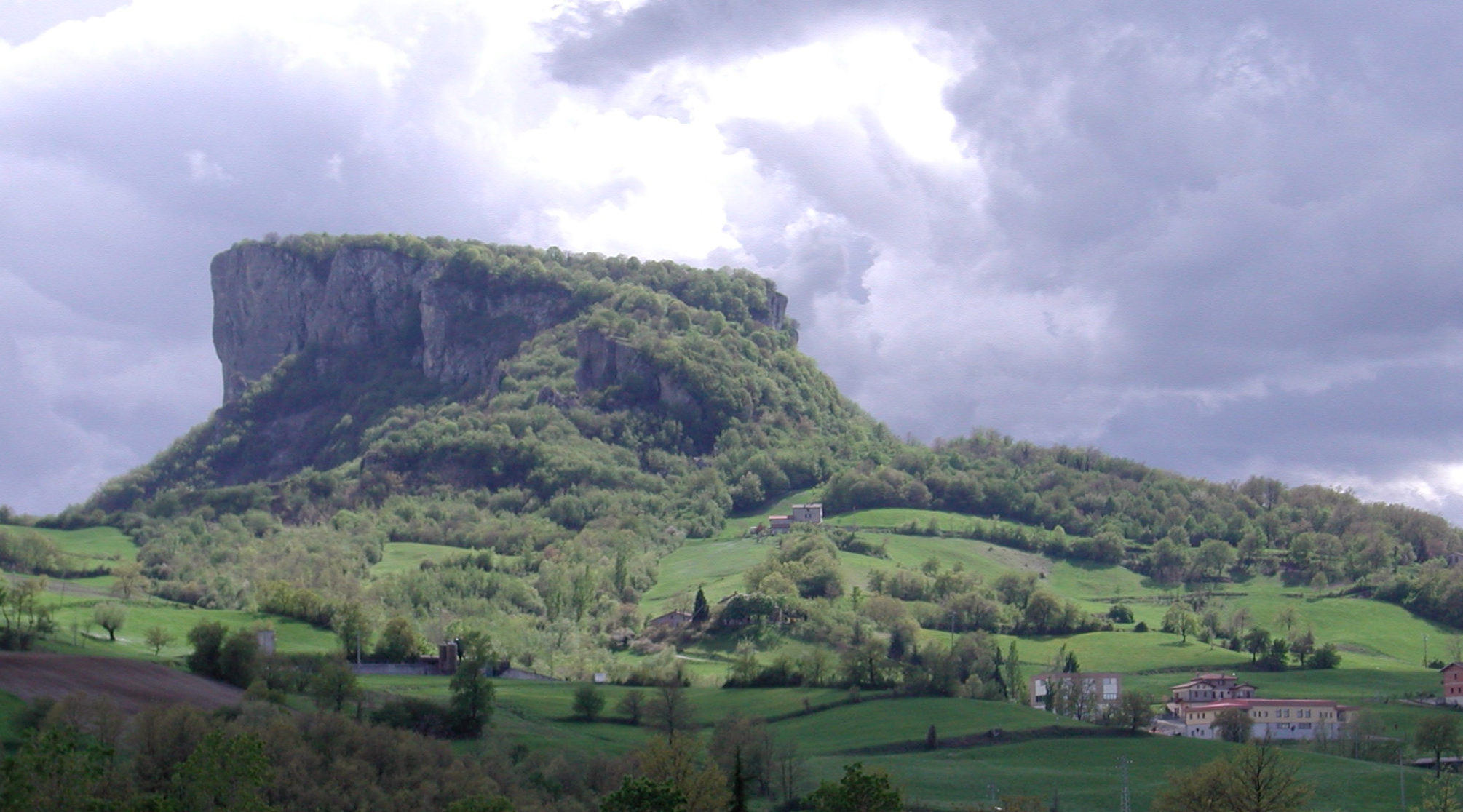
Bismantova (source)
I’d like to visit some day. It may have looked bleaker in Dante’s day:
At the time he saw it, Pietra di Bismantova probably looked even more barren than it does today, because of the intensive deforestation that took place in the surrounding area at the time. In recent decades, the area around the rock has been reforested as a result of the abandonment of local agriculture and a different use of forest resources.
Dateline: Hollywood
Posted: March 5, 2026 Filed under: the California Condition Leave a comment
from this Deadline article about the premiere of HBO’s “The Rooster.” The mood here is on edge. But isn’t it ever thus? One of California’s themes is: on the edge.

F2: Fridericus II
Posted: March 1, 2026 Filed under: hely's history, Italy, Savoy Leave a commentAn important offscreen character in Dante’s Inferno is Fredrick II, the Holy Roman Emperor (to use an anachronistic term).
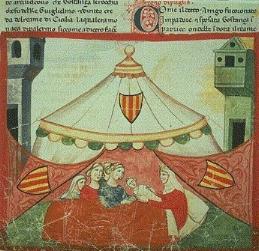
was he really born in the marketplace?
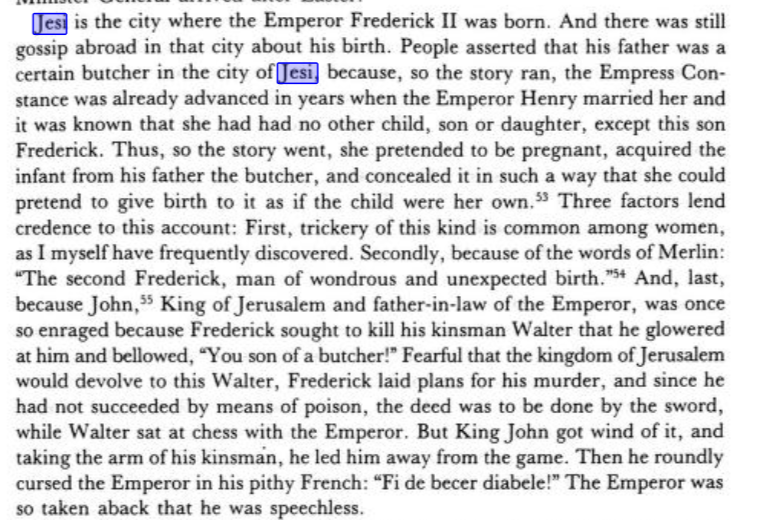
Friderick II (you’ll see why it’s important to spell it that way later) lived from 1194-1250 common era . This was the extent of his domain, in orange and red.
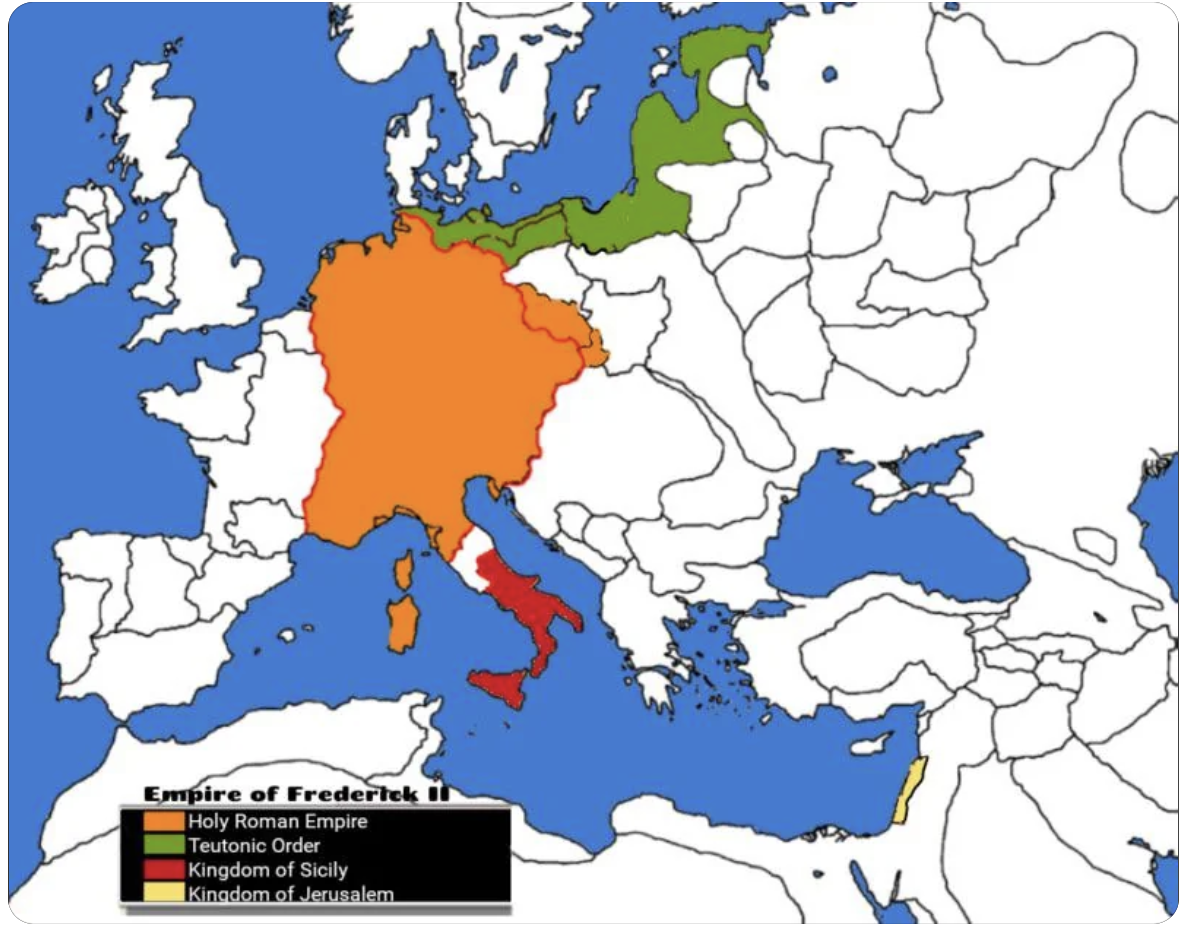
(I got that map from Reddit, you can see that the first commenter is already finding fault, but for our purposes it works).
You can see why Friderick would have conflict with the Pope, who had the lands in white that separated Friderick’s lands from each other. Thus begins (or thus continues) the conflict that tore apart Dante’s Florence, between Guelphs and Ghibellines, supporters of the Pope and supporters of the Emperor, that had such a huge impact on Dante’s life (Dante was Team Pope, but then his own side split into White and Black and he (White) lost and was exiled.)
He knew bird:
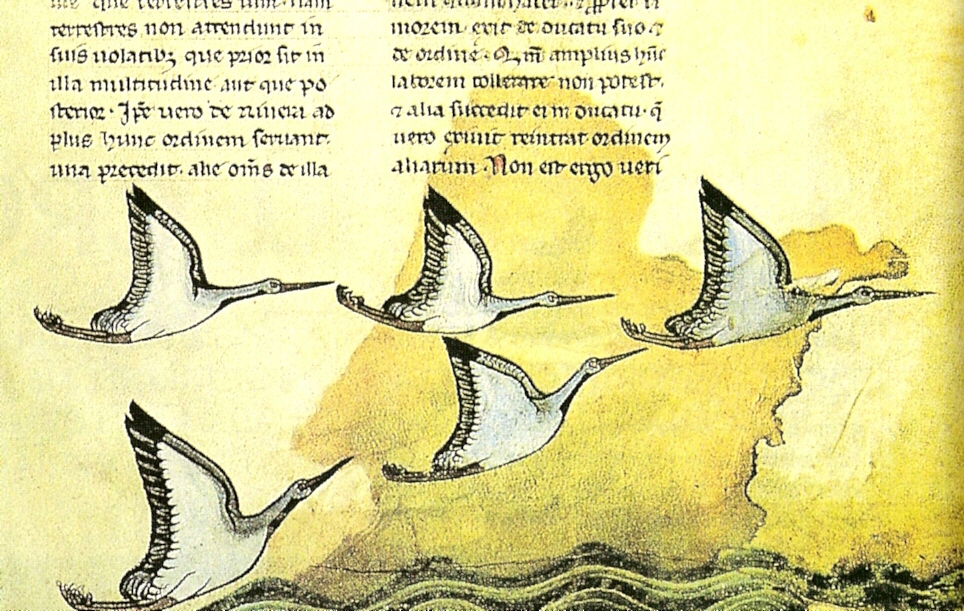
Frederick II is the author of the first treatise on the subject of falconry, De Arte Venandi cum Avibus (“The Art of Hunting with Birds”)…
For this book, he drew from sources in the Arabic language. Frederick’s pride in his mastery of the art is illustrated by the story that, when he was ordered to become a subject of the Great Khan (Batu) and receive an office at the Khan’s court, he remarked that he would make a good falconer, for he understood birds very well. He maintained up to fifty falconers at a time in his court, and in his letters he requested Arctic gyrfalcons from Lübeck and even from Greenland. …
David Attenborough in “Natural Curiosities” notes that Frederick fully understood the migration of some birds at a time when all sorts of now improbable theories were common.
Now here’s something interesting:
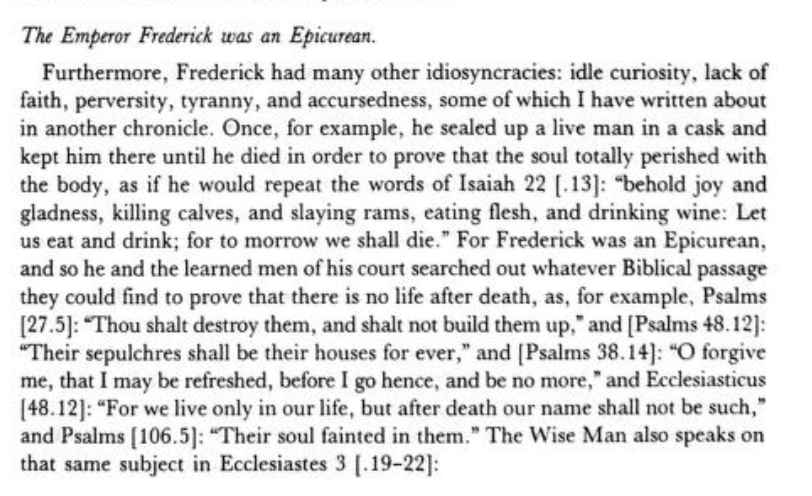
In the language deprivation experiment, young infants were supposedly raised without human interaction in an attempt to determine if there was a natural language that they might demonstrate once their voices matured. It is claimed he was seeking to discover what language would have been imparted unto Adam and Eve by God. Salimbene alleged that Frederick bade “foster-mothers and nurses to suckle and bathe and wash the children, but in no ways to prattle or speak with them; for he would have learnt whether they would speak the Hebrew language (which had been the first), or Greek, or Latin, or Arabic, or perchance the tongue of their parents of whom they had been born. But he laboured in vain, for the children could not live without clappings of the hands, and gestures, and gladness of countenance, and blandishments”.
Our source for that is the Cronica of Salimbene di Adam:
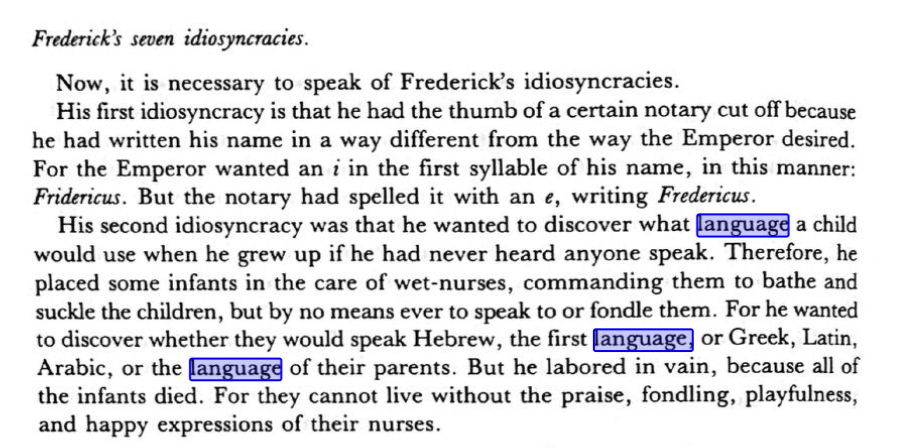
(source)
More experiments reported:
As for his appearance?
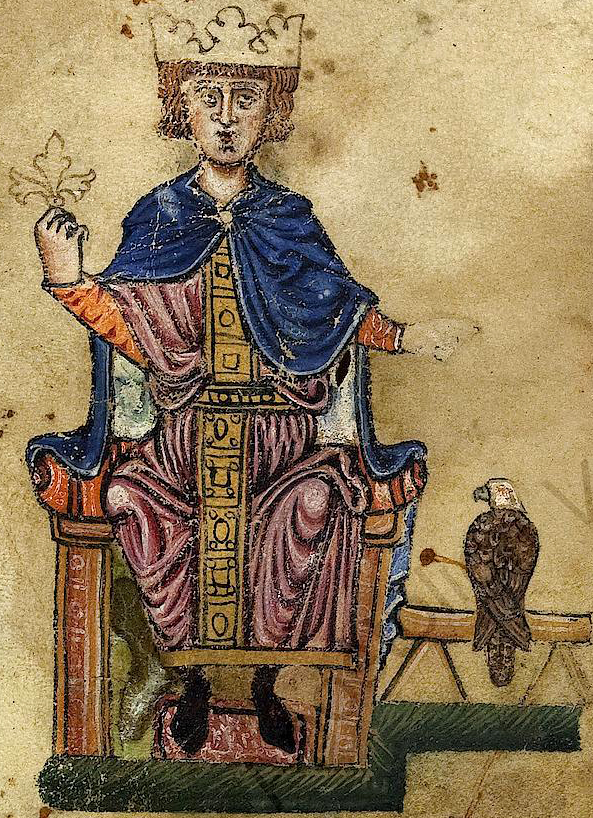
A Damascene chronicler, Sibt ibn al-Jawzi, left a physical description of Frederick based on the testimony of those who had seen the emperor in person in Jerusalem: “The Emperor was covered with red hair, was bald and myopic. Had he been a slave, he would not have fetched 200 dirhams at market.”
It’s very possible we would put this guy today into one of several categories ranging from oddball to neuroatypical. Some clues are he did weird experiments, looked weird, and had a guy’s finger cut off for spelling his name wrong.
Lansing and English, two British historians, argue that medieval Palermo has been overlooked in favour of Paris and London:
One effect of this approach has been to privilege historical winners, [and] aspects of medieval Europe that became important in later centuries, above all the nation state…. Arguably the liveliest cultural innovation in the 13th century was Mediterranean, centered on Frederick II’s polyglot court and administration in Palermo…. Sicily and the Italian South in later centuries suffered a long slide into overtaxed poverty and marginality. Textbook narratives therefore focus not on medieval Palermo, with its Muslim and Jewish bureaucracies and Arabic-speaking monarch, but on the historical winners, Paris and London.
Dante preferred Friderick’s successor, Henry VII.
 Helytimes

