Big books
Posted: November 6, 2016 Filed under: Wonder Trail, writing Leave a comment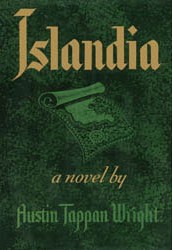
Pretty into two articles this week about enormous imaginative projects.
First up was this New Yorker thing by Charles Finch on Islandia:
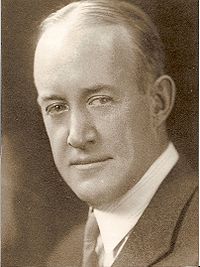
In 1931, a legal scholar named Austin Tappan Wright died in a car accident in Las Vegas, New Mexico, not far from Santa Fe. He was forty-eight. His father had been one of the preëminent academics of the previous century—“A History of All Nations from the Earliest Times,” for which he served as editor, runs to more than twenty volumes—and his mother, Mary Tappan Wright, was a famous novelist, a progenitor of what we now think of as the campus novel. Wright’s own career was more quietly successful. Before his death, he taught at Penn, Stanford, and Michigan, and published articles on maritime law, their scope profoundly, almost rebukingly more modest than that of his father’s work—“Supervening Impossibility of Performing Conditions in Admiralty,” for example, or “Private Carriers and the Harter Act.”
After his unexpected death, Wright’s wife and daughter had the task of going through his papers. They were unprepared for what they discovered there.
Cool story:
In an afterword to the novel, Wright’s daughter recalls that when her father spoke to his wife from a telephone booth, he would remove his hat. This small gesture explains “Islandia,” to me: Wright was part of that great age of anonymous managerial Harvard men who assumed their expected places in society while also maintaining the most intense imaginable internal worlds—Wallace Stevens, T. S. Eliot, Charles Ives if you expand the range to include Yale.
(Ugh, must we include Yale?)

A map of the Karain Semi-Continent based on Austin Tappan Wright’s 1942 Utopian novel Islandia. Created by Johnny Pez on 30 March 2006. from wiki.
Also wild was this New Yorker thing by Esther Yi about German writer Arno Schmidt and the effort to translate his 1300 page book:

“Zettel’s Traum” is both Schmidt’s most famous book and his least read, and for the same reason:
because it’s thirteen hundred pages long?
it is dedicated almost entirely to applying a Freudian theory of language to the works of Poe. (This was familiar ground: Schmidt spent years translating Poe, in collaboration with Hans Wollschläger.) Dan argues that words are composed of units of sound, or “etyms,” that reveal an author or speaker’s unconscious thoughts. To say “whole” is to think “hole,” for instance. With his ear cocked to sexual harmonics, Dan finds in Poe an impotent man who is possessed by the erotic and, unable to express his sexuality in bed, resorts to voyeurism, notably of what people do on the toilet.
Huh.
“One could not tell if this was amazing, or if this was something for crazy people,” Susanne Fischer, the head of the Arno Schmidt Foundation, which manages the writer’s literary estate, told me.
There was a method to Schmidt’s madness:
Each night, at 2 a.m., he would begin writing in the upstairs room, from which even his cats were barred (not least because the one he called Conte Fosco, after a Wilkie Collins character, had urinated on his prized edition of James Fenimore Cooper). He compiled roughly a hundred and twenty thousand scraps of paper, or Zettel, in shallow wooden boxes, which he spread out on his desk. On each Zettel, there was written a bit of dialogue or sexual wordplay (“Im=pussy=bell’–!”) or a literary quote rerouted through his one-track mind (“the fleshy man=drake’s stem. / That shrieks, when torn at night”). After twenty-five thousand hours of knitting the pieces together, Schmidt handed the manuscript to his publisher in a large cardboard box tied with a curtain sash.
For a less hefty read might I recommend:

Available at Amazon or your local indie bookstore.
Back Soon!
Posted: October 31, 2016 Filed under: Wonder Trail Leave a comment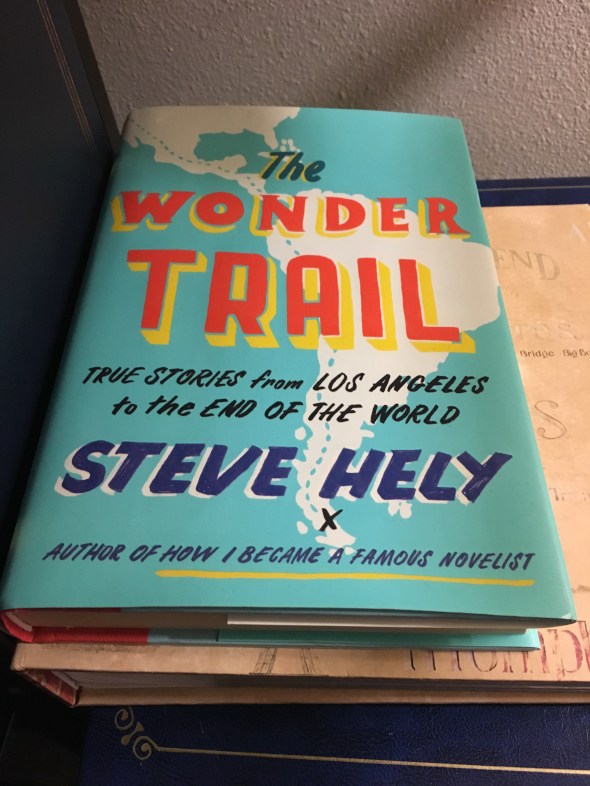
So glad you enjoy what you find here, we’re on a brief hiatus but look forward to a return.
If you haven’t already, try my book, available at Amazon or your local indie bookstore. You’ll enjoy it.
If you’ve read my book, do send me a picture of it in some cool setting, on your shelf or next to some good coffee or your favorite houseplant. I’ve been collecting and compiling these photos, they’re a joy.
Riches await in the archives, on such topics as America Since 1945, Wonder Trail, and the California Condition.
see you soon!
Lady Xoc
Posted: October 18, 2016 Filed under: Mexico, the California Condition, Wonder Trail Leave a comment
from wikicommons, photo by Michel Wai
The ruler, Shield Jaguar, holds a torch while his consort, Lady Xoc, pulls a rope studded with what are now believed to be obsidian shards through her tongue in order to conjure a vision serpent.
says Wiki about Lintel 24 from Yaxchilan, a site in far southern Mexico, along the Usumacinta River, the border to Guatemala.
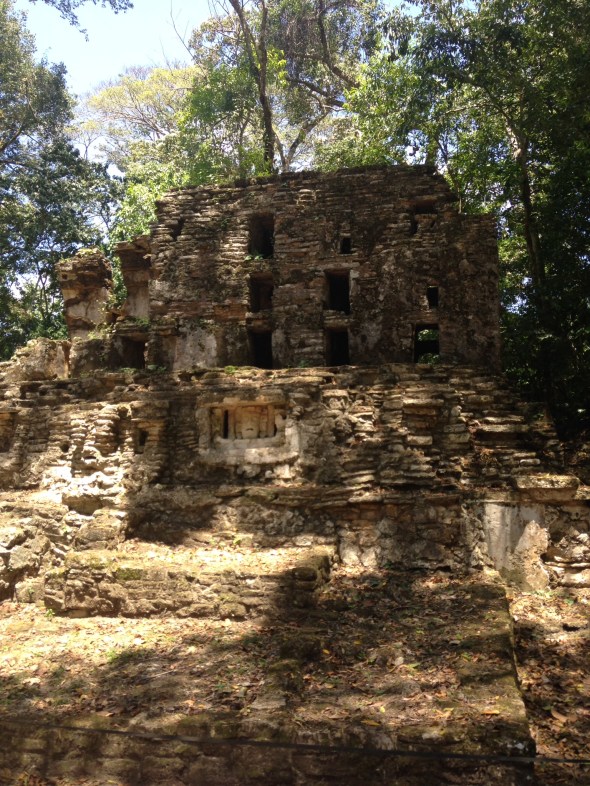
photo by me, Helytimes
Yaxchilan is not easy to get to. You have to take a boat like this:
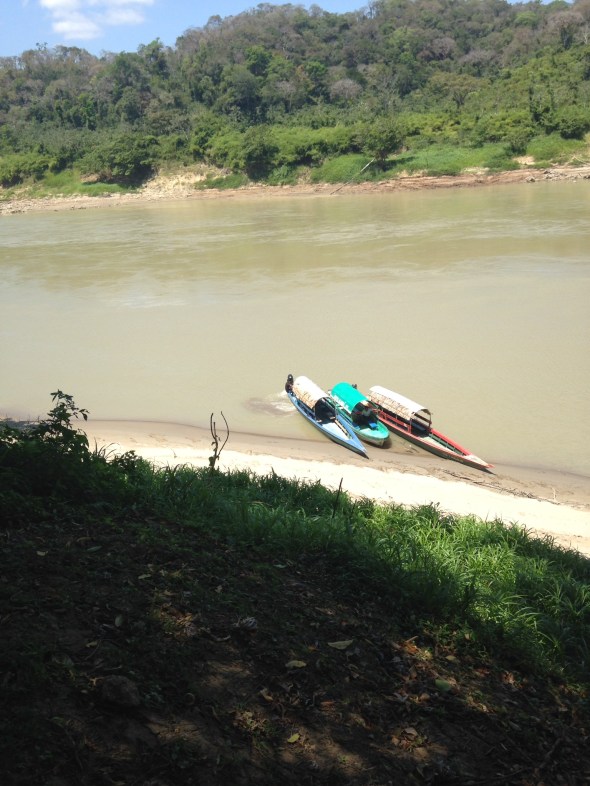
Helytimes!
In the river there are crocodiles, in the towers of the ruins there are bats, everywhere there are spiders.
You won’t find Lintel 24 there though. It’s at the British Museum in London. It was cut out and sent there by Alfred Maudslay.
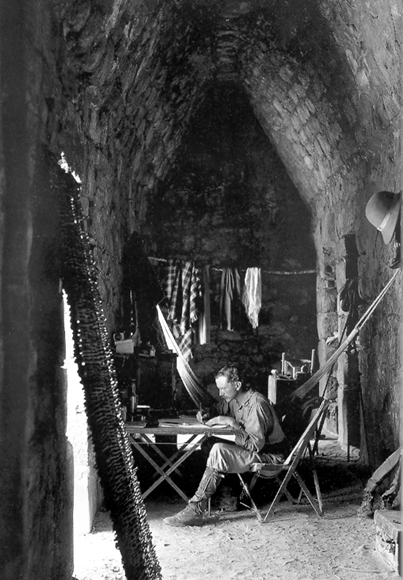
Slay.
What the hell was up with Lady Xoc? She appears on another lintel, Lintel 25:
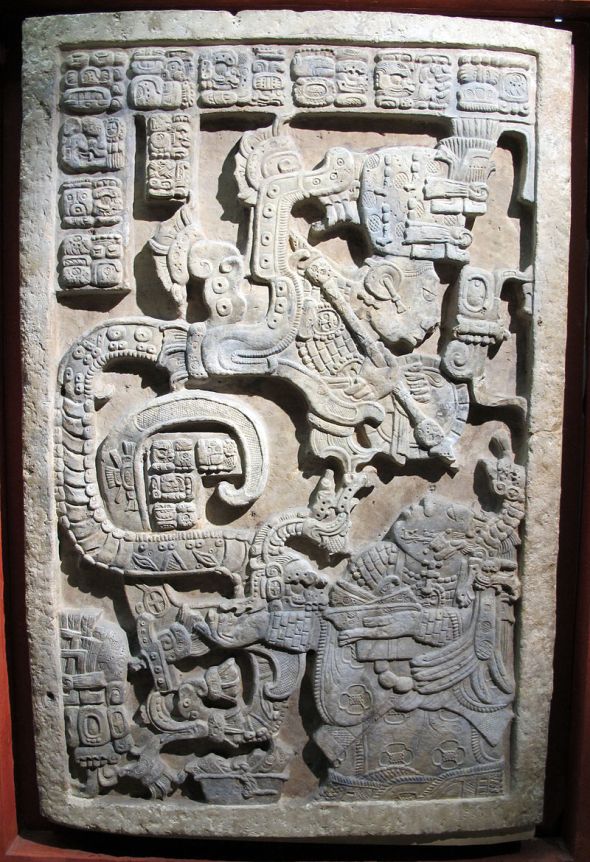
Sailko
her obsidian tongue piercing rope worked, and now she’s seeing the Vision Serpent as she bleeds into a bowl.

Michel wal again
Read more about Yaxchilan, Bonampak, how we figured out how to read Mayan inscriptions, and the mysteries of what the hell Lady Xoc and her friends were up to in my book:
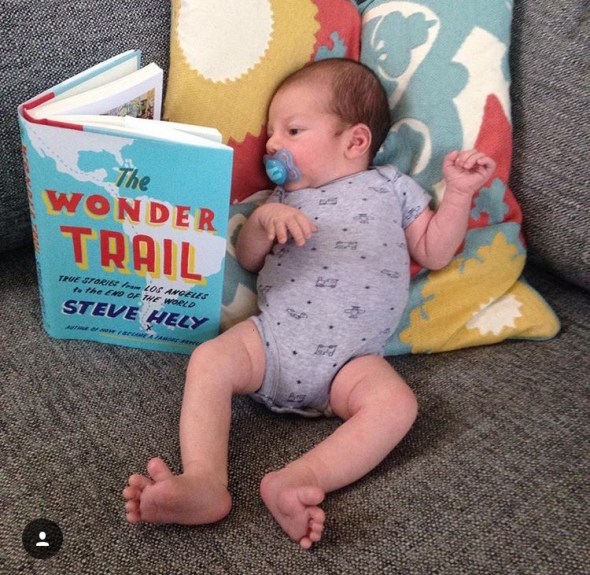
I believe you’ll enjoy it as much as this baby does. Amazon or your local indie bookstore, perhaps, for instance, at Spellbinder Books, way up in Bishop, CA.

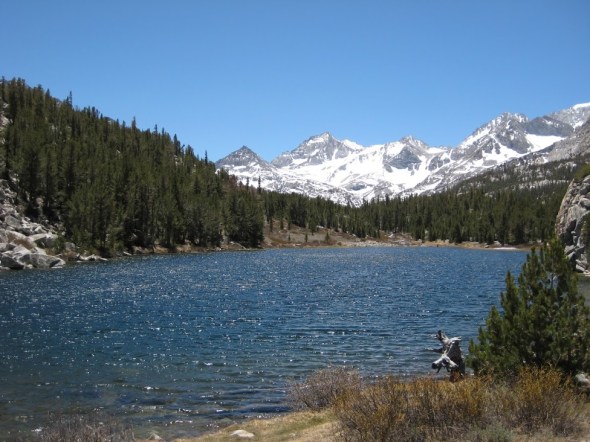
this one from google maps
There’s a lot to like about Bishop.
Portrait of the author in a field of alpacas
Posted: October 4, 2016 Filed under: animals, Canada, Wonder Trail Leave a comment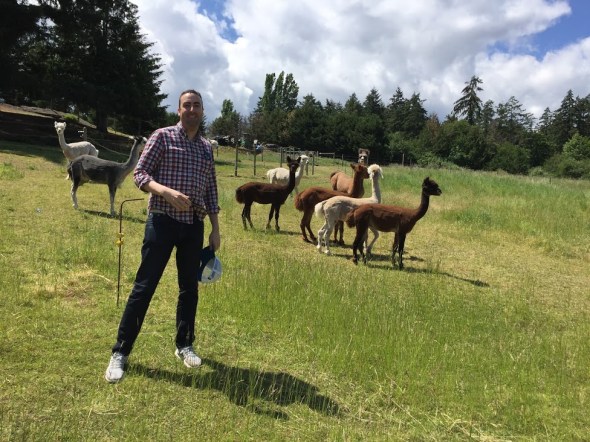
just reviewing some good times summer mems.
Puzzle
Posted: October 3, 2016 Filed under: mysteries, Wonder Trail Leave a commentA sharp-eyed puzzler sends me the solution to the Acrostic in yesterday’s New York Times magazine:
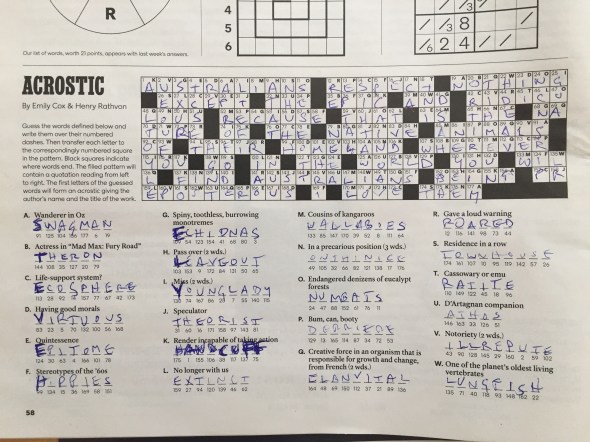
Vy cool. Get yourself to the source in:

Available on Amazon or at your local indie or wherever fine books are sold.
The Records Of A Weather-Exposed Skeleton
Posted: September 22, 2016 Filed under: Wonder Trail Leave a commentNow this:

is a name for a travel book.
from:

Readers’ gallery
Posted: August 12, 2016 Filed under: Wonder Trail Leave a comment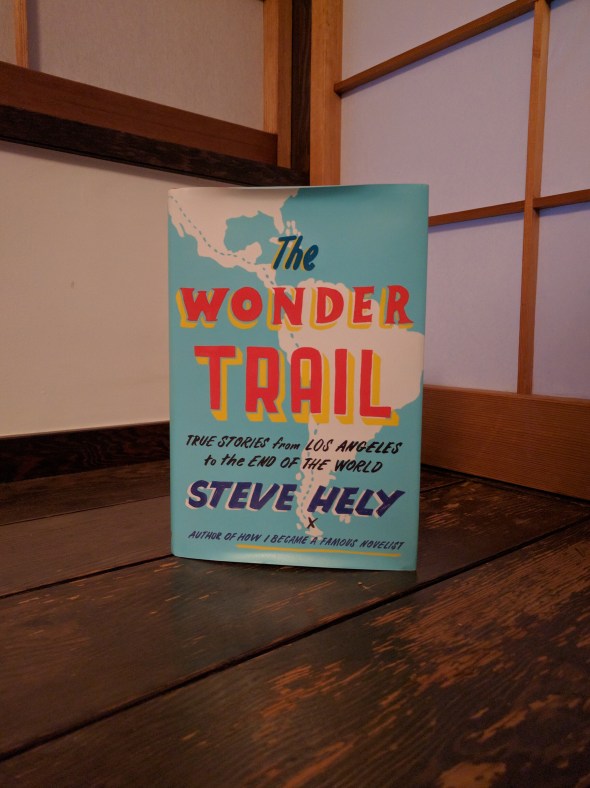
Japan
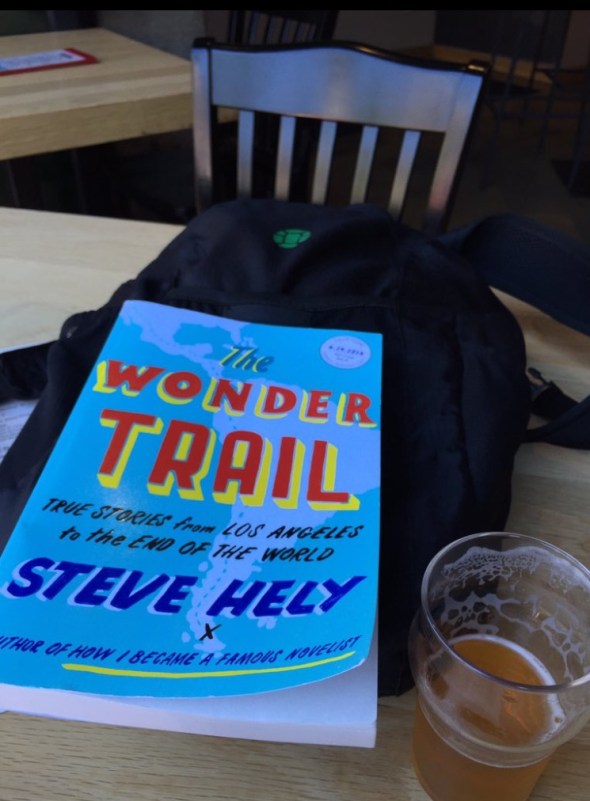
Looks like this lucky fellow got an advance paperback galley
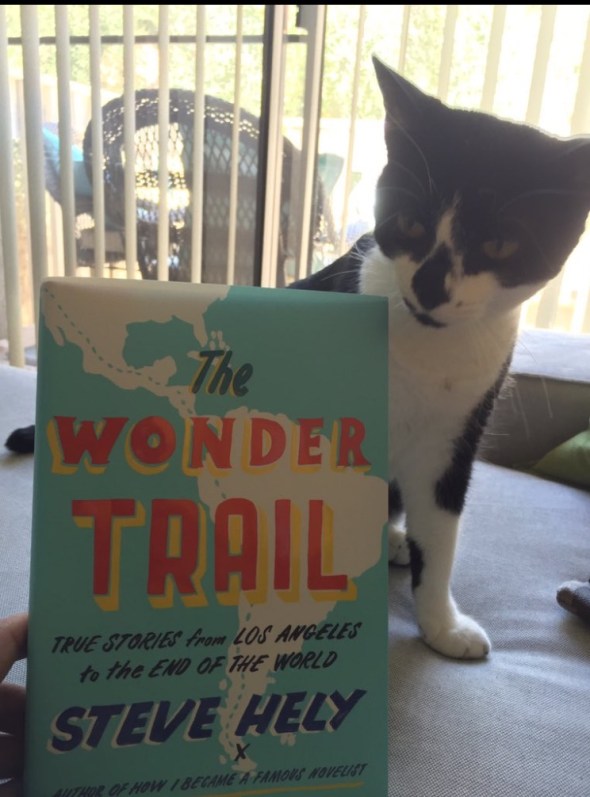
I can haz informative entertainmentz?

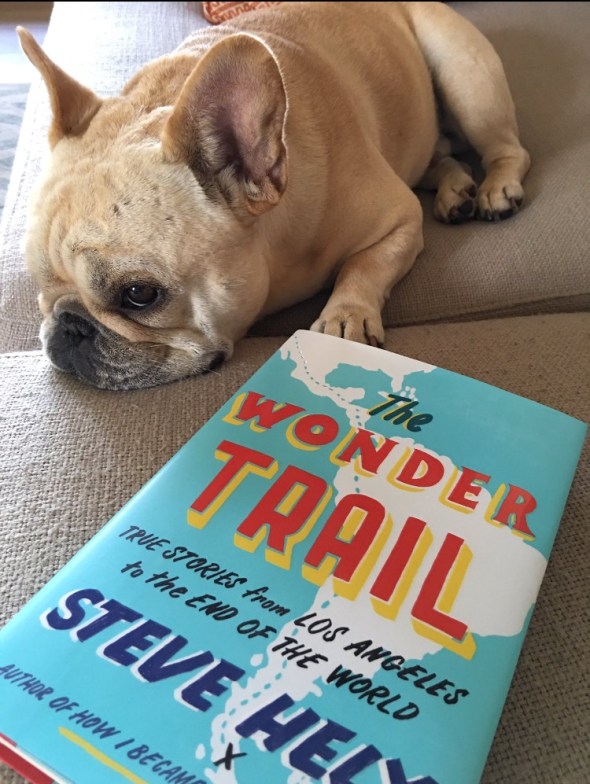
this guy gets it

class story in a classy town
I see the baby went right to the pictures — fair
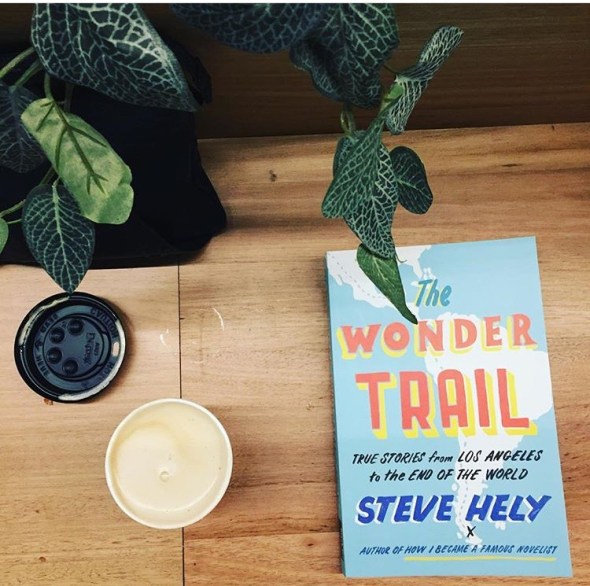
elegant staging — is that the Australian edition?
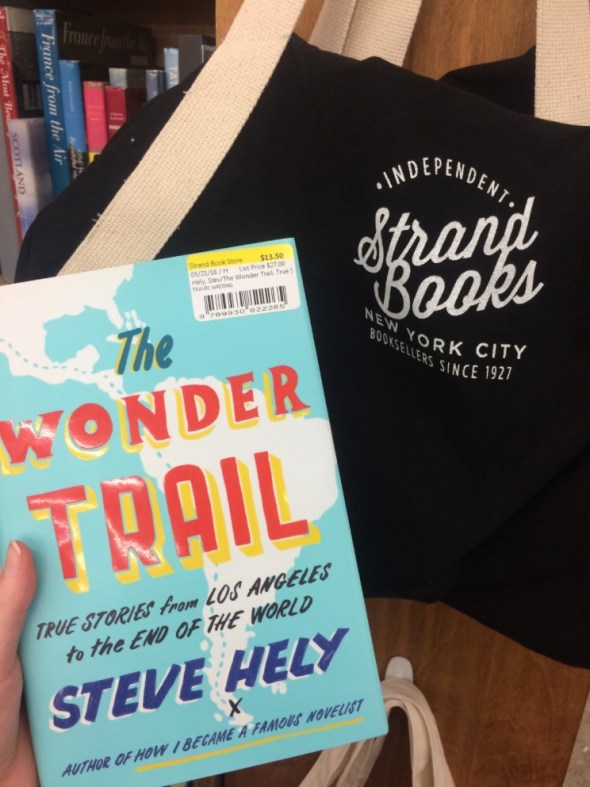
at the Strand? Nice.
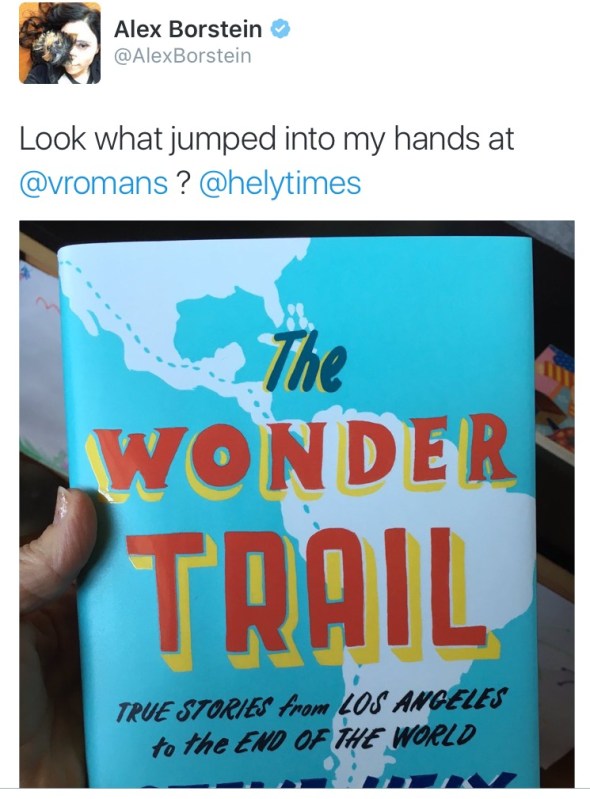
is that TV’s Alex Borstein?!

Ice cream and books?! You kiddin me?!
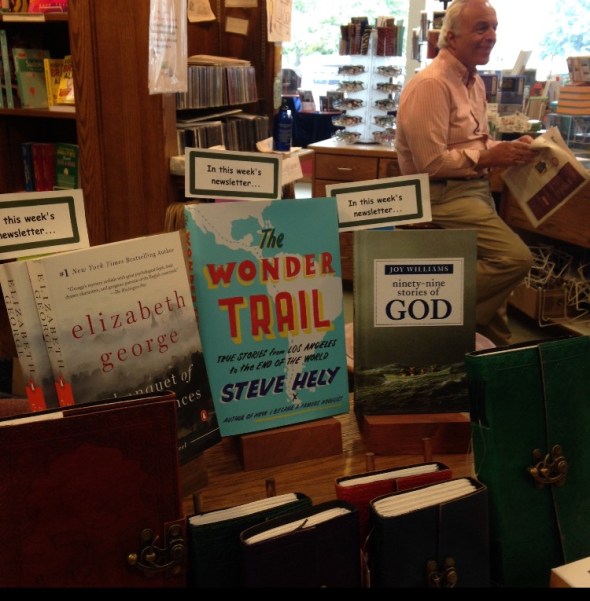
Damn, featured in the newsletter? Damn.
I think I recognize that thumb as belonging to Matt Goldich!
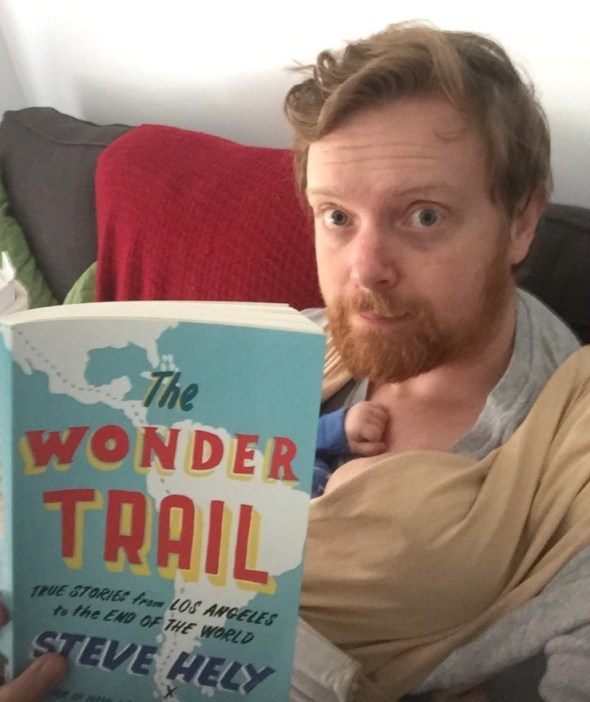
look at this cool as hell post-feminist Australian dad
Send me yours to helphely at gmail.com
Tragedy/comedy/absurdity in southern Mexico
Posted: June 20, 2016 Filed under: Wonder Trail Leave a comment
Reading about the teachers’ protests in Oaxaca I find this photo/caption combo which in a way tells the whole story.
New book out today!
Posted: June 14, 2016 Filed under: Wonder Trail Leave a comment
Get some! More about the book here, Hank the Cat reviews it here, handy reviewers’ guide, order on Amazon here, from your local indie bookstore here! And hey: lemme know what you think. The book’s intended to illuminate and entertain and I hope it does so for YOU.
If you’re in LA, come see me at Book Soup, in conversation with Little Esther, on Monday June 20 at 7pm.
Be like Beyers!
Posted: June 11, 2016 Filed under: Wonder Trail Leave a comment
Come see me interview Mary Roach on Friday, June 17 or come see me be interviewed about WONDER TRAIL at Book Soup in LA on Monday, June 20.
Wonder Trail reviewers’ guide
Posted: May 26, 2016 Filed under: books, Wonder Trail Leave a comment
The main character of my last book had some rough things to say about book reviewers. That was part of the joke. Me? I’ve always rooted for book reviewers. They have a tough job. Newspapers shrinking, etc. I am on the book reviewers side. This site is largely amateur book reviewing. It’s easy (and cheap) to write a bad review. Hard to write a good one.
Let me make things as easy as possible for anyone reviewing of my book.
If you’ve been assigned the job, or if you want to pitch it and take it on freelance (her0), let me help you with this handy reviewers’ kit to The Wonder Trail:

If you’re brave enough to volunteer? At your local publication? God bless. (Happy to answer your interview questions, write me.)
Print that helpful guide out. Download it. All those phrases are free to use.
Start each paragraph on one and you’ll be done in no time!
* this one from actual human reader Margot B. who I don’t know but who very kindly wrote in after winning a copy in the Great Debates Newsletter contest.
Thanks, and good luck!
A month away from WONDER TRAIL release
Posted: May 17, 2016 Filed under: Wonder Trail Leave a comment
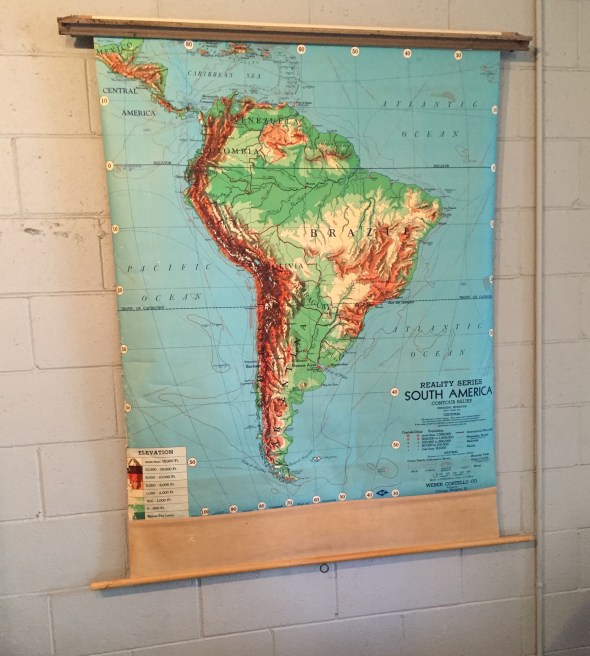
On June 14, my new book The Wonder Trail: True Stories From Los Angeles To The End Of The World, comes out.
You can pre-order the book here on Amazon or here from your favorite independent bookstore(s?!). Independent bookstores were very supportive of my last book, I owe them bigtime. Also who doesn’t love an independent bookstore?
Possible I’m beating the drum on my own book a little too hard. Book promotion can feel very weird. By the time the book comes out, you’re exhausted of it, it’s the last thing you want to talk about.
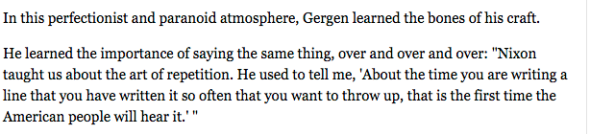
But there’s probably something this lesson about marketing told by David Gergen in this 1993 Michael Kelly profile:
Anyway, I hope the book is cool and fun and entertaining, a perfect summer read that proves surprisingly informative.
It’s not too early to mark Monday, June 20 on your calendar, I’ll be at Book Soup in Los Angeles.

Today I sent to Helytimes Superfan subscribers some excerpts of the book, about Nicaragua. If you’d like to receive it too, just send me an email to helphely at gmail.com
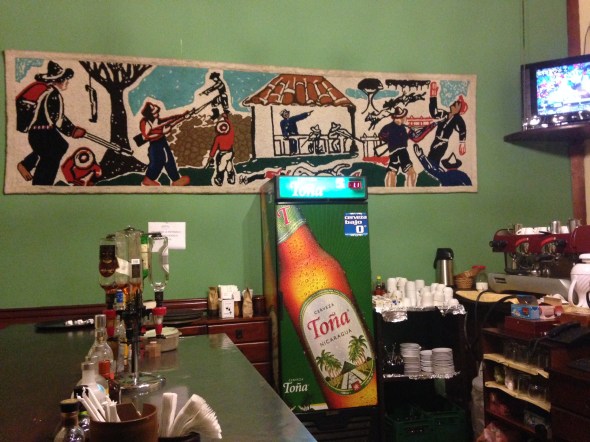
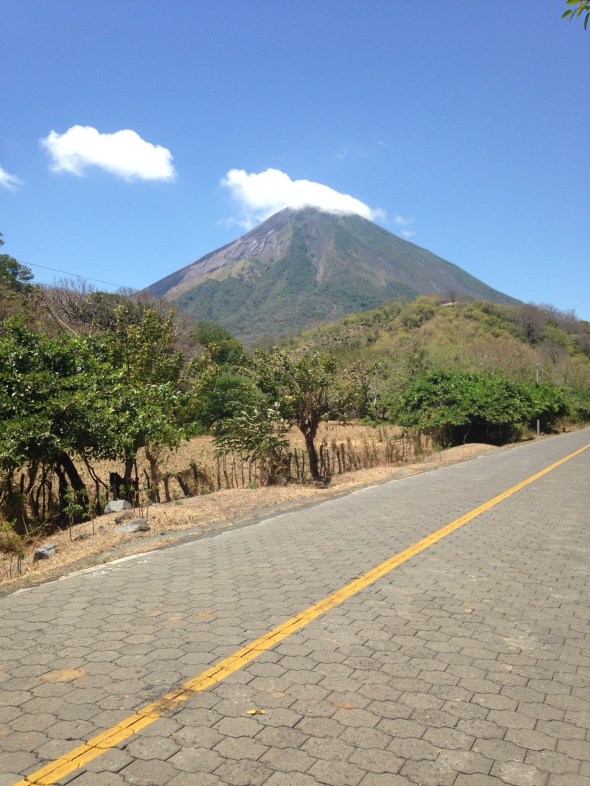
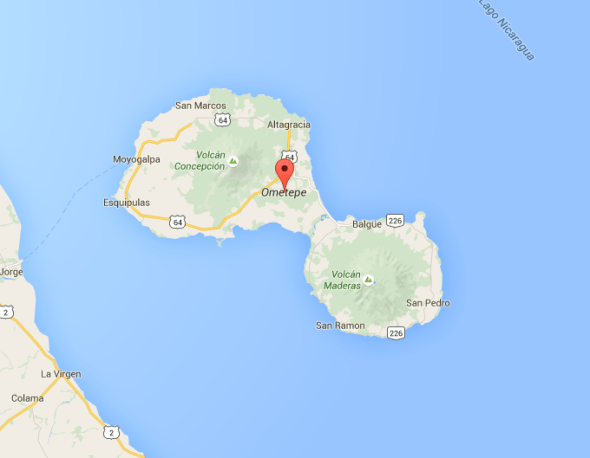
These are all pictures of Nicaragua I took on my travels, here is the Ojo de Agua on the island of Ometeppe:

And a local Coke / wheelbarrow store: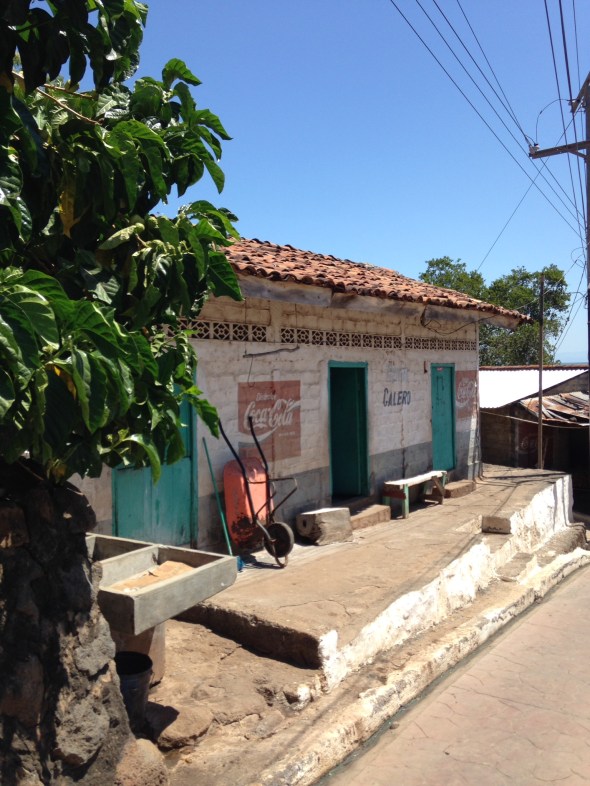
Hank the Cat gets it
Posted: March 29, 2016 Filed under: Wonder Trail Leave a comment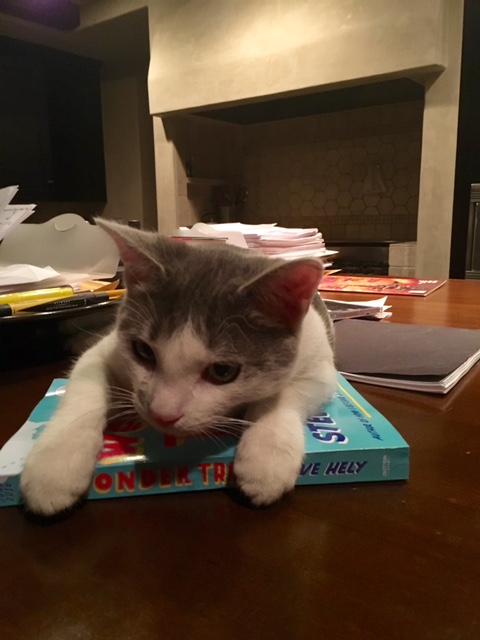
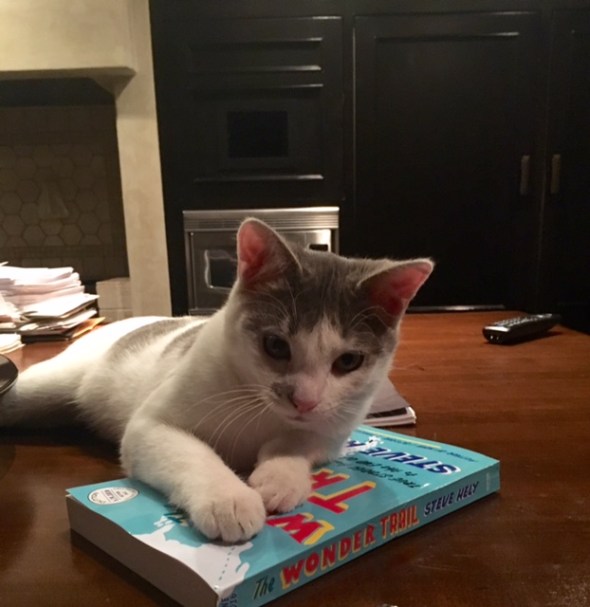
(Thanks to JK for the photos)
Khipus
Posted: January 5, 2016 Filed under: adventures, South America, trips, Wonder Trail Leave a comment
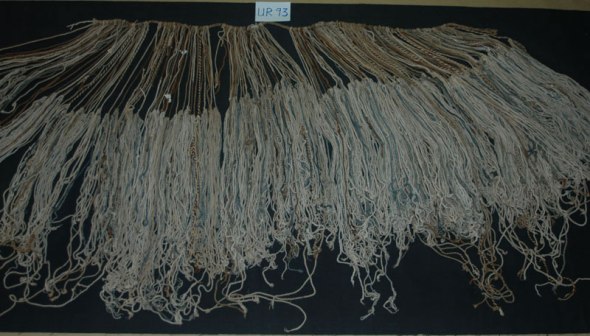
A khipu from the Museo Radicati in Lima, photo from Harvard’s Khipu Database Project website.
We know that the ancient Inca used systems of rope-based accounting called quipus or khipus. Beyond that, it seems like many scholars have come close to losing their marbles trying to sort them out.
Were they something like an abacus? Musical notation? A binary system like a simple computer code? How about this, from Wikipedia:
The Khipu Database Project (KDP), begun by Gary Urton, may have already decoded the first word from a quipu—the name of a village, Puruchuco, which Urton believes was represented by a three-number sequence, similar to a ZIP code. If this conjecture is correct, quipus are the only known example of a complex language recorded in a 3-D system.

Marcia and Robert Ascher, a married couple, he an anthropologist and she a mathematician, collaborated on on ethnomathematic projects, including a good hard look at quipus/khipus and came up with this :
For example, if 4s represents four simple knots, 3L represents a long knot with three turns, E represents a figure-of-eight knot and X represents a space:
- The number 731 would be represented by 7s, 3s, E.
- The number 804 would be represented by 8s, X, 4L.
- The number 107 followed by the number 51 would be represented by 1s, X, 7L, 5s, E.
This reading can be confirmed by a fortunate fact: quipus regularly contain sums in a systematic way. For instance, a cord may contain the sum of the next n cords, and this relationship is repeated throughout the quipu. Sometimes there are sums of sums as well. Such a relationship would be very improbable if the knots were incorrectly read.

Marcia Ascher
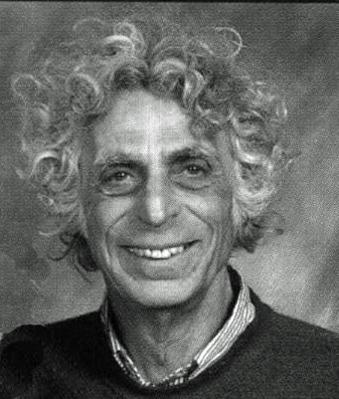
Robert Ascher, both pictures from their obituaries over on legacy.com
Now comes news in the NY Times, “Untangling an Accounting Tool and an Ancient Incan Mystery” by William Neuman, that some quipus have been found in an excavated Incan storehouse in Incahuasi, Peru:
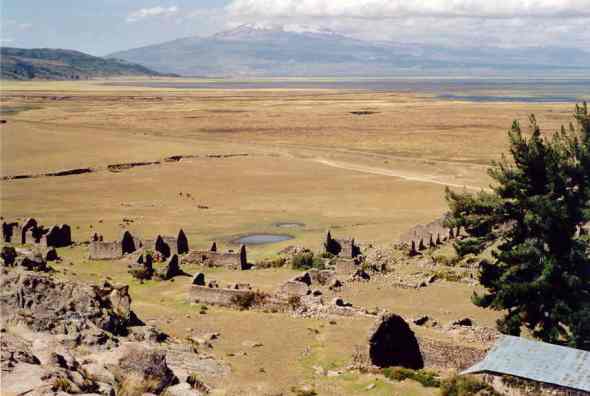
Incahuasi, from wiki.
Says the Times:
Now the Incahuasi researchers hope that by studying the khipus and comparing them with others in a large database, they may find that the khipus discovered with the peanuts contain a color, knot or other signifier for “peanut.” The same goes for those found with chili peppers, beans and corn.
“We can look at how the chili pepper khipu differs from the peanut khipu and from the corn khipu in terms of their color and other characteristics and we can build up a kind of sign vocabulary of how they were signifying this or that thing in their world,” said Gary Urton, a leading expert on khipus who is studying the new trove with Alejandro Chu, the archaeologist who led the excavation.
“It’s not the great Rosetta Stone but it’s quite an important new body of data to work with,” he said, adding, “It’s tremendously exciting.”

Prof. Gary Urton, from the website for Harvard’s Khipu Database Project.
Prof. Urton has been working on khipu for almost as long as I’ve been alive. He started his archaeological career helping out at Cahokia.
The Times article introduces us to Patricia Landa, who cleans and untangles the khipu. It sounds like she takes a reverse Marie Kondo approach:
“You have a very special relationship with the material,” Ms. Landa, 59, said. “I talk to them. I say, ‘Excuse me for disturbing your rest but you’re helping us to understand your ancestors.’ ”
There is something deeply moving and wonderful and absurd and human about spending years of your life trying to decipher how 15th century people counted beans and corn. What a worthy challenge to try and sort this out:
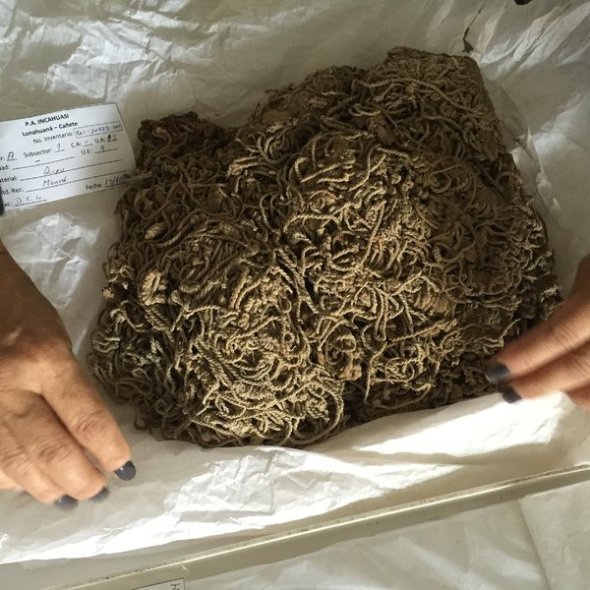
William Neuman for NY Times
To the khipu guys and gals, I say: good luck.
You can read more about khipu/quipu and the Inca/Inka in my book, The Wonder Trail: True Stories From Los Angeles To The End Of The World, coming June 2016.
 Helytimes