Billy The Kid Photographs, Ben Wittick, Croquet
Posted: November 7, 2026 Filed under: New Mexico Leave a comment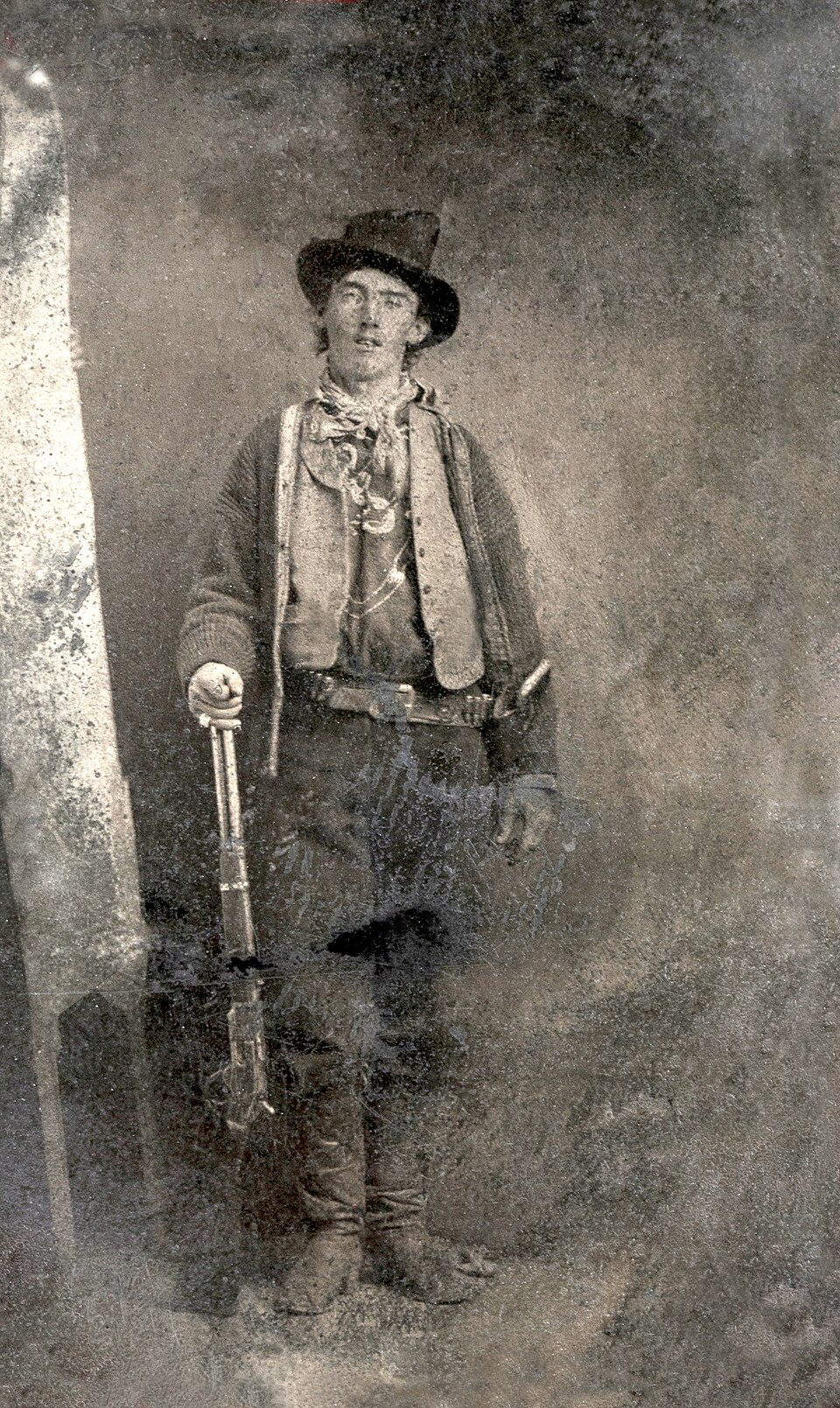
Everybody knows the famous ferrotype/tintype portrait of Billy The Kid. The original was kept by Billy’s friend Dan Dedrick and then his family, and eventually sold at auction for $2.3 million in 2011 to William Koch of Koch Brothers fame.
The image is widely attributed to photographer Ben Wittick.
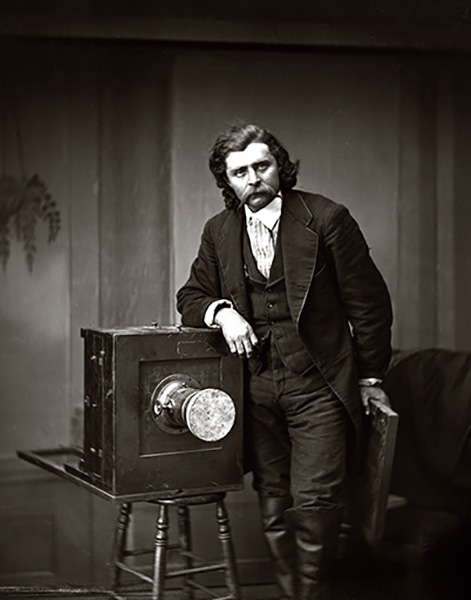
Intriguing uncited line in Wittick’s wikipedia page:
He died August 30, 1903, in Fort Wingate, New Mexico, after a rattlesnake bite from which he never recovered. He was bitten weeks previous, while handling the snake before he left Fort Wingate. His death was said to have been foretold by a Hopi medicine man.
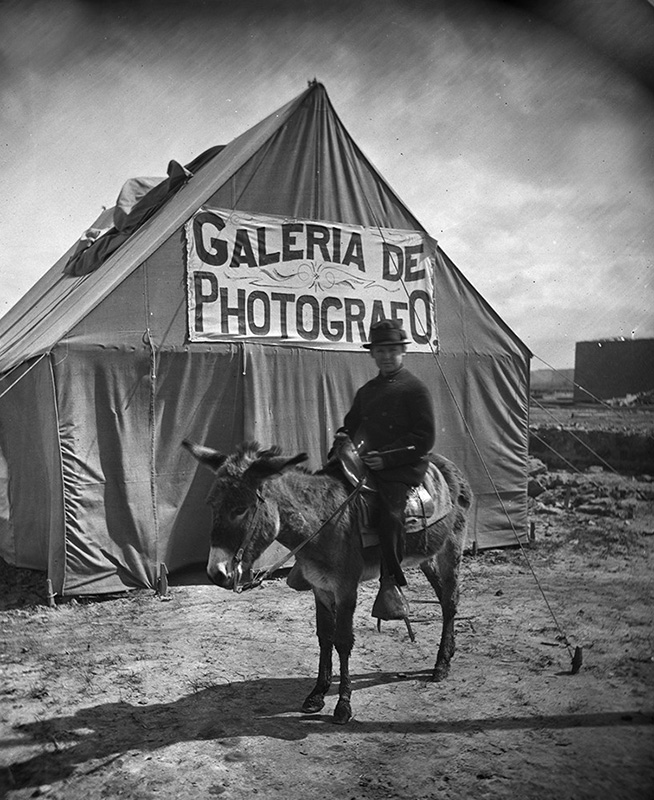
from the Ben Wittick collection at the NM History Museum:
I was talking to some friends the other day who hadn’t heard that a second Billy the Kid photograph had turned up in a Fresno memorabilia shop. There’s some dispute:.
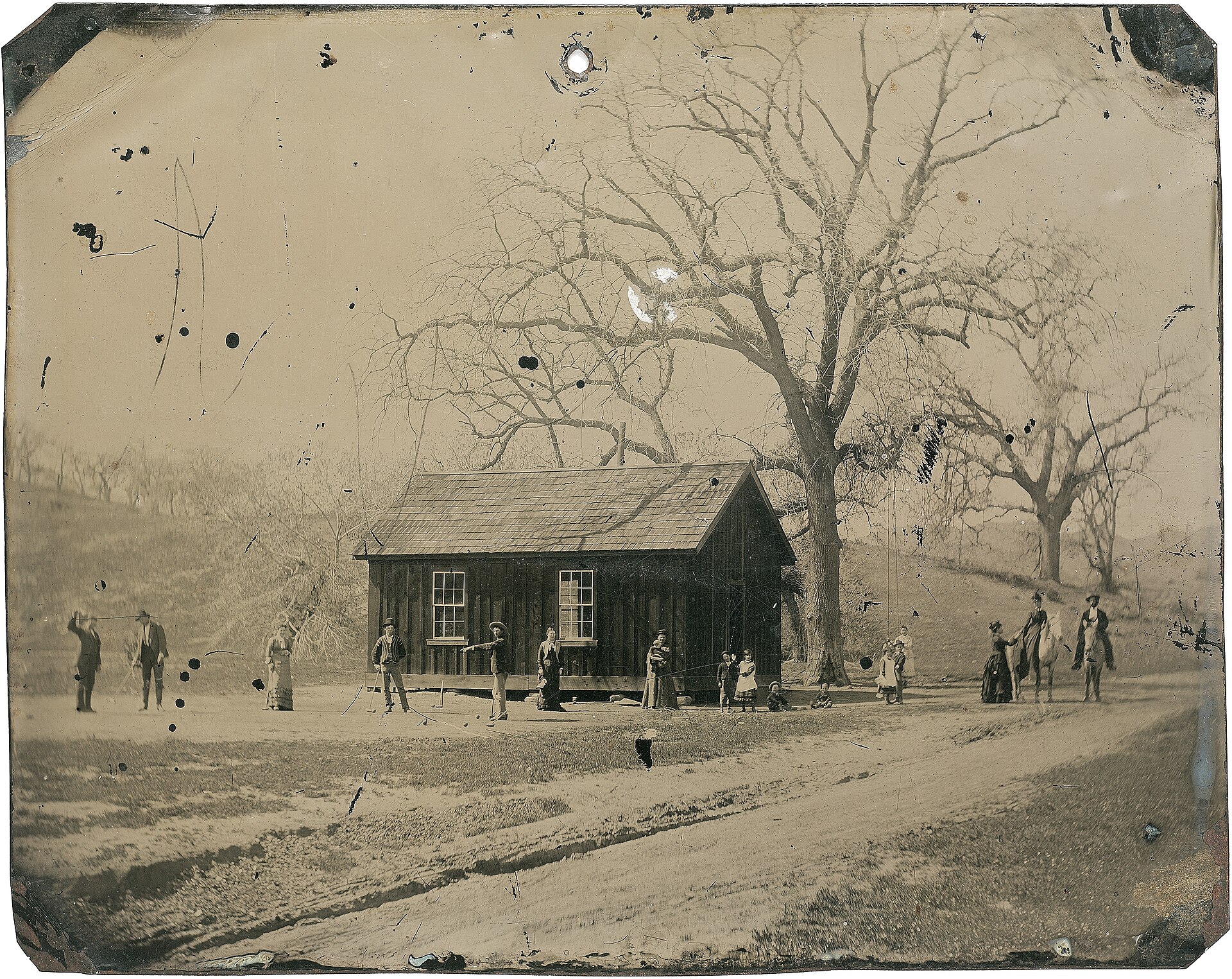
A 4-by-6-inch (100 mm × 150 mm) ferrotype purchased in 2010 at a memorabilia shop in Fresno, California, has been claimed to show Bonney and members of the Regulators playing croquet. If authentic, it is the only known photo of Billy the Kid and the Regulators together and the only image to feature their wives and female companions.[130] Collector Robert G. McCubbin and outlaw historian John Boessenecker concluded in 2013 that the photograph does not show Bonney.[131] Whitny Braun, a professor and researcher, located an advertisement for croquet sets sold at Chapman’s General Store in Las Vegas, New Mexico, dated to June 1878. Kent Gibson, a forensic video and still-image expert, offered his facial recognition software and stated that Bonney is indeed one of the individuals in the image.[130]
In August 2015, Lincoln State Monument officials and the New Mexico Department of Cultural Affairs stated that, despite the new research, they could not confirm that the image showed Bonney or others from the Lincoln County War era, according to Monument manager Gary Cozzens. A photograph curator at the Palace of the Governors archives, Daniel Kosharek, said the image is “problematic on a lot of fronts”, including the small size of the figures and the lack of resemblance of the background landscape to Lincoln County or the state in general.[130] Editors from the True West Magazine staff said, “no one in our office thinks this photo is of the Kid [and the Regulators].”[131]
In early October 2015, Kagin’s, Inc., a numismatic authentication firm, said the image was authentic after a number of experts, including those associated with a recent National Geographic Channel program,[132][133] examined it.[134][135]
That’s Bonney, allegedly, on the left.
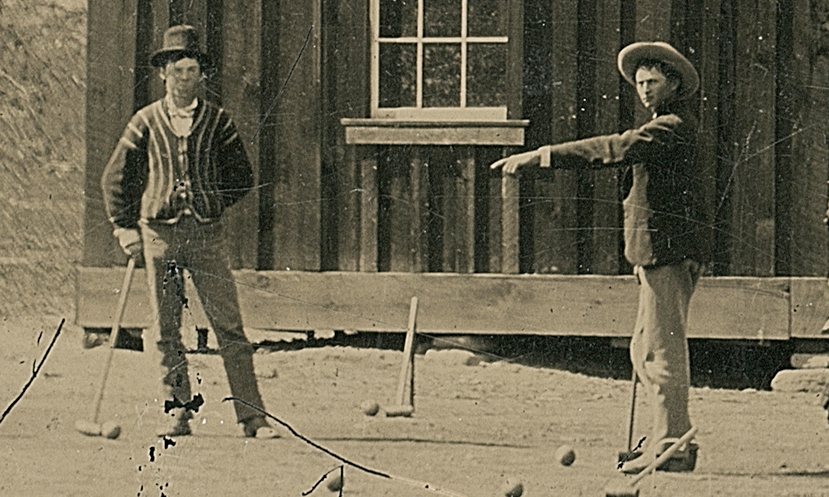
The full photo has a real haunted quality:
From a 2015 Guardian article:
The team spent a year investigating the photo, and even found the location where it was taken, in Chaves County, New Mexico. There they unearthed the remains of the building shown. “We found the old lumber underneath,” said Jeff Aiello, director of a National Geographic Channel documentary on the find, scheduled to be broadcast this month. “We found those exact rock piers are still there.”
We have to be skeptical of the incentives here – wouldn’t the director of the documentary want it to be authentic, otherwise there’s not much of a movie?
The Guardian article diverts to discussing the popularity of croquet at this time:
“Croquet became popular in the 1860s because it was the first sport that women could play on the same terms as men, and men and women could play each other. It had a huge boost in its popularity.” In the UK, however, it was still not a game for the masses: “Not really. You needed a lawn, and a fairly large one.”
Things were, however, slightly different in the US, where companies making croquet gear created a smaller-scale version of the sport, which could be played on rougher turf, using cheaper, lightweight equipment.
During the 19th century, the game in America had a somewhat different image to the genteel, cucumber-sandwich stereotype of Britain, according to a history by the United States Croquet Association: “Croquet as a public sport suffered a setback in the 1890s when the Boston clergy spoke out against the drinking, gambling and licentious behaviour associated with it.”
All types of Americans played. In 1867, General George Custer wrote to his wife, Elizabeth, from his frontier fort in Kansas, asking her to “bring a set of field-croquet” when she next visited.
Investigating this leads to another (possible) Ben Wittick image, of a Hopi snake dance at Walpi, 1898:
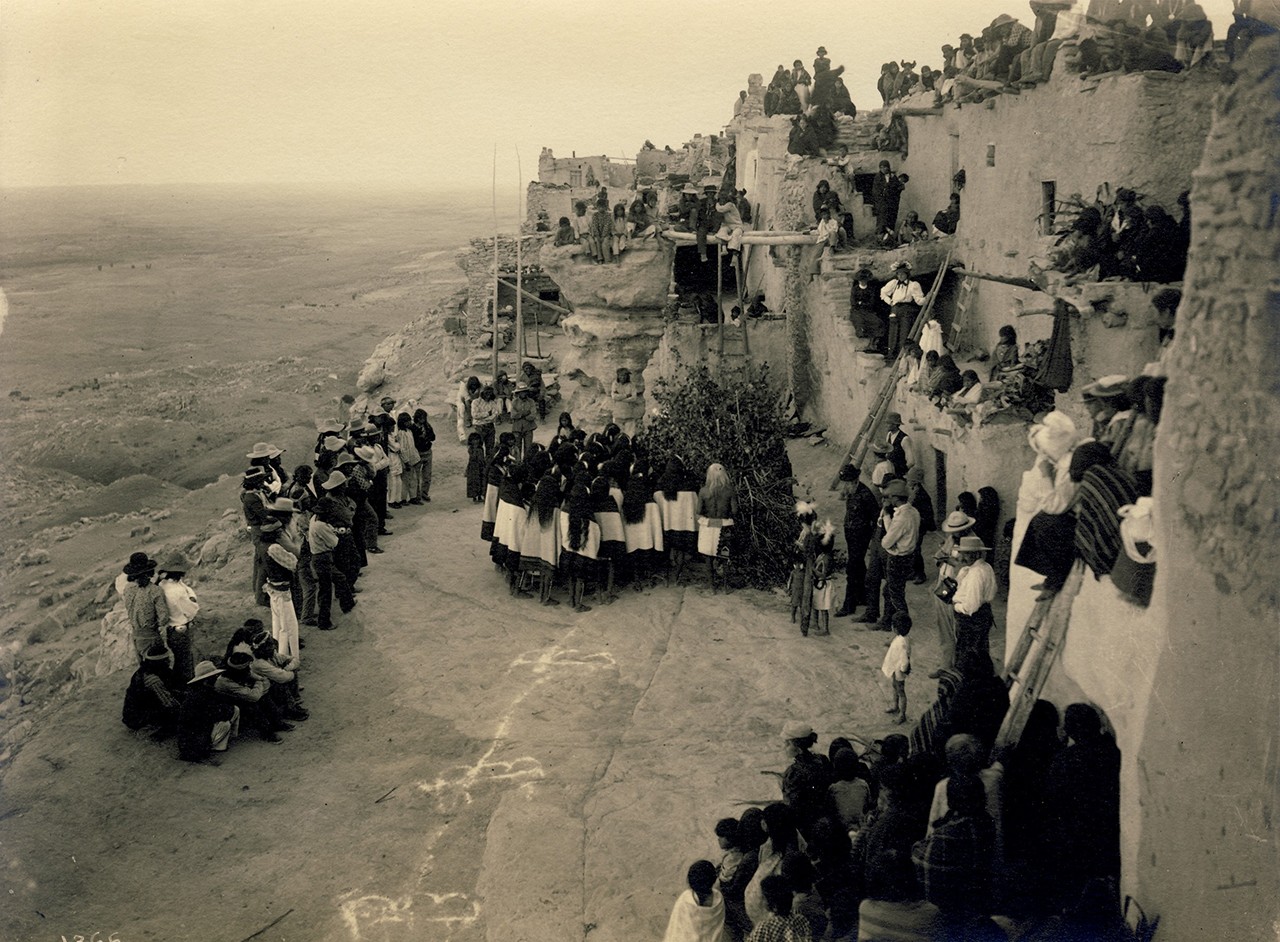
from an archived Bowers Museum site.
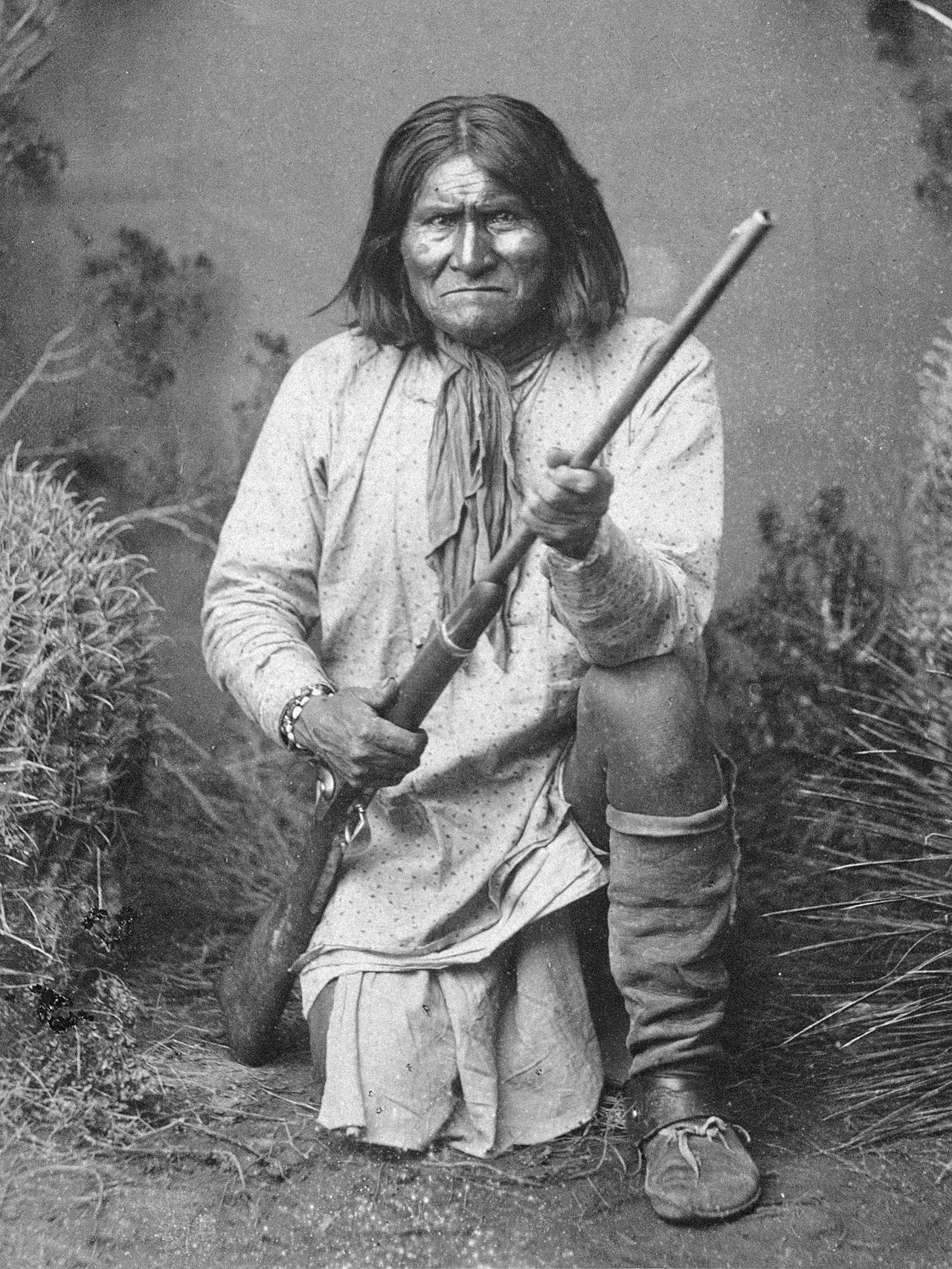
Wittick also took the most famous photo of Geronimo/:
Much more Wittick can be found here.
Fintan O’Toole wrote a detailed New Yorker piece on Billy the Kid back in 1999, pondering possible connections to Irish violence. His take seems reasonable to me. There’s no mention of croquet.
Evan S. Connell started out writing about Billy the Kid before switching to Custer and the Little Bighorn event for Son of the Morning Star. I wonder if his Billy the Kid notes are somewhere. Claude tells me:
Evan S. Connell’s papers are archived, and they’re a good bet for finding traces of a Billy the Kid project. He gave his papers to Stanford University’s Department of Special Collections and University Archives in November 2013, shortly after his death. The collection is cataloged as the Evan Shelby Connell Papers (M1961), 26.5 linear feet spanning 1946–2012, held in Green Library at Stanford
I wrote to Connell biographer Steve Paul, who tells us he found no Billy the Kid material in the Stanford papers.

