Elsa Morante
Posted: September 27, 2026 Filed under: Italy Leave a comment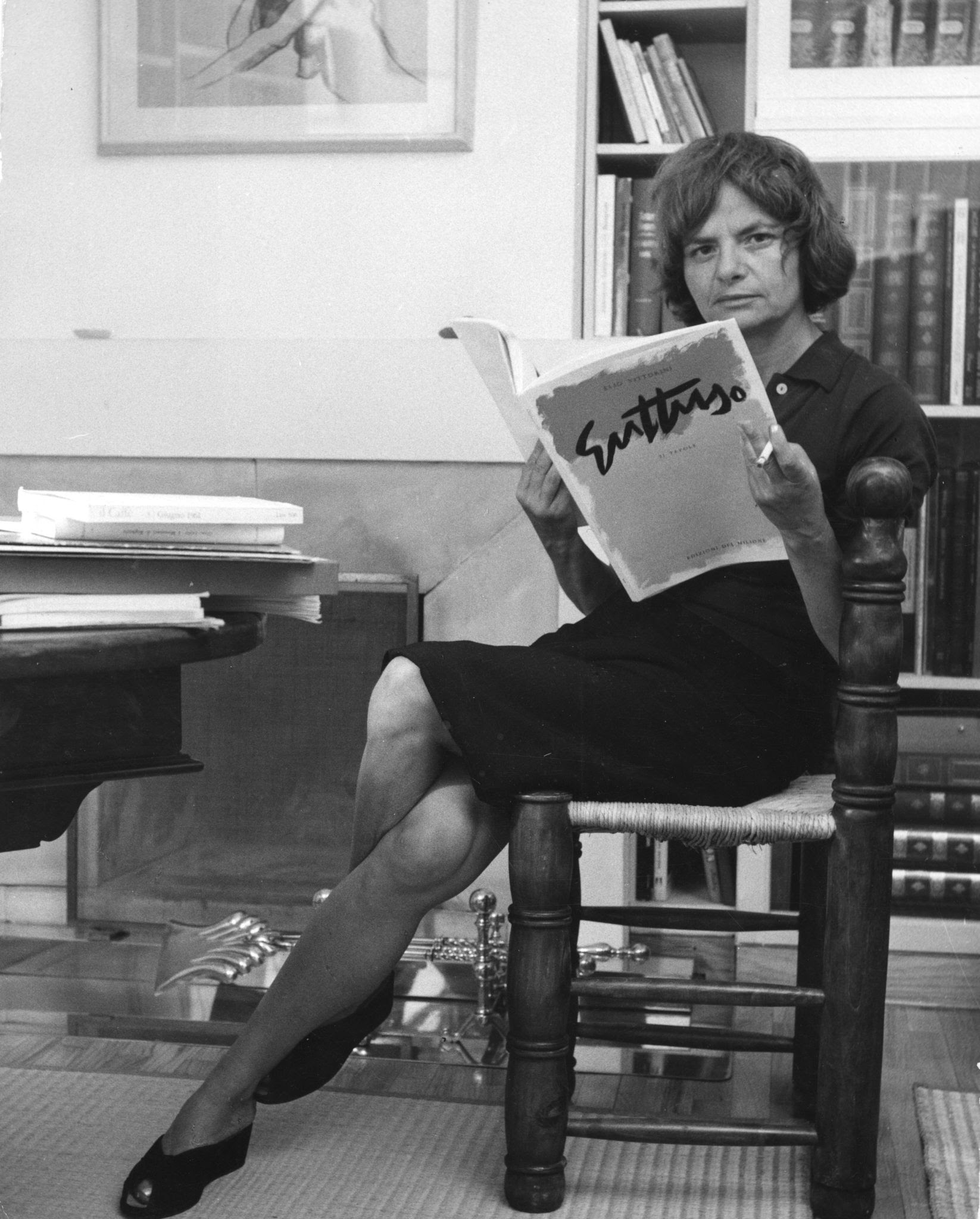
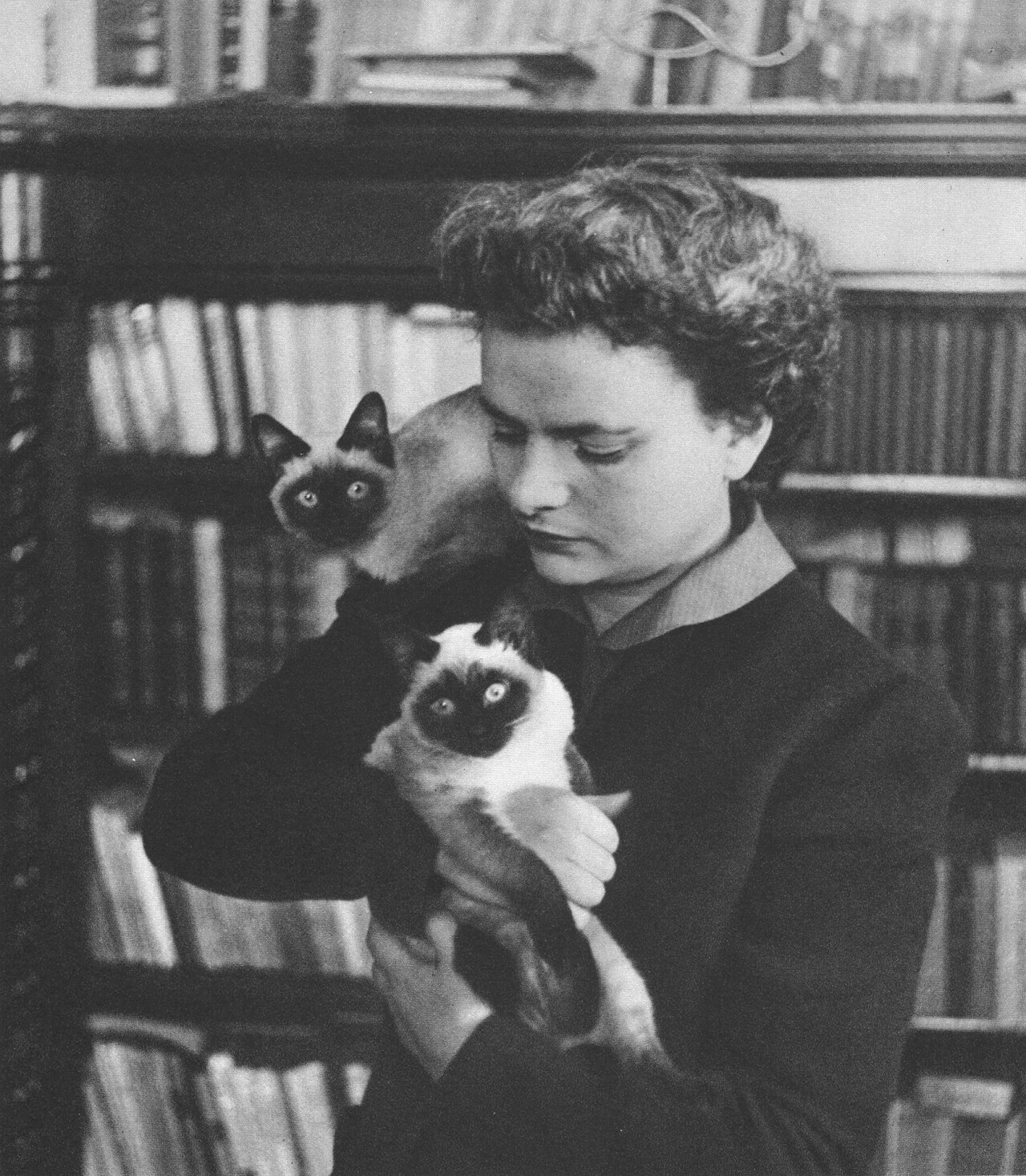
The Italian writer Elsa Morante browsing a Renato Guttuso catalog in her apartment. Rome, 1961 (Photo by Marisa Rastellini/Mondadori via Getty Images)
This 2015 New Criterion piece about Elena Ferrante and Italy called my attention to Morante’s work:
Elena Ferrante, The Boston Globe tells us, is a “reclusive avant-garde genius.” Yet there is nothing avant-garde about her writing. As Ferrante’s pseudonym suggests, and as she has admitted, she is inspired by Elsa Morante, whose History (1974) might be a Roman ancestor of the Neapolitan novels. Nor does Ferrante exhibit genius, in the Romantic sense of spontaneous, profound evocation. Ferrante is expert in the techniques of late nineteenth- and early twentieth-century modernism. She switches nimbly between omniscient and unreliable narrations. She times her twists and cliffhangers perfectly. She avoids the long words and long sentences that might challenge her readers, but winks to the canon of modern Italian literature. To create a national language, Manzoni revitalized an artificial “Milanese Tuscan” with a “rinsing in the Arno” of Florentine dialect. Elena, entrusted with Lila’s confessions in Neapolitan dialect, tips them back into the Arno. All this artlessness takes a lot of practice.
from Morante’s Wiki page:
In 1974 Morante published La storia, a book chronicling the events surrounding Rome during World War II. It became a national bestseller in Italy, partially due to Morante’s insistence that publisher Einaudi would put it out in an economical paperback edition. Despite its commercial success, the book provoked furious and at times negative reactions from left-wing literary critics, who disliked its anti-ideological tone. After Pier Paolo Pasolini wrote a negative review of the book, Morante broke off their friendship.
The History:
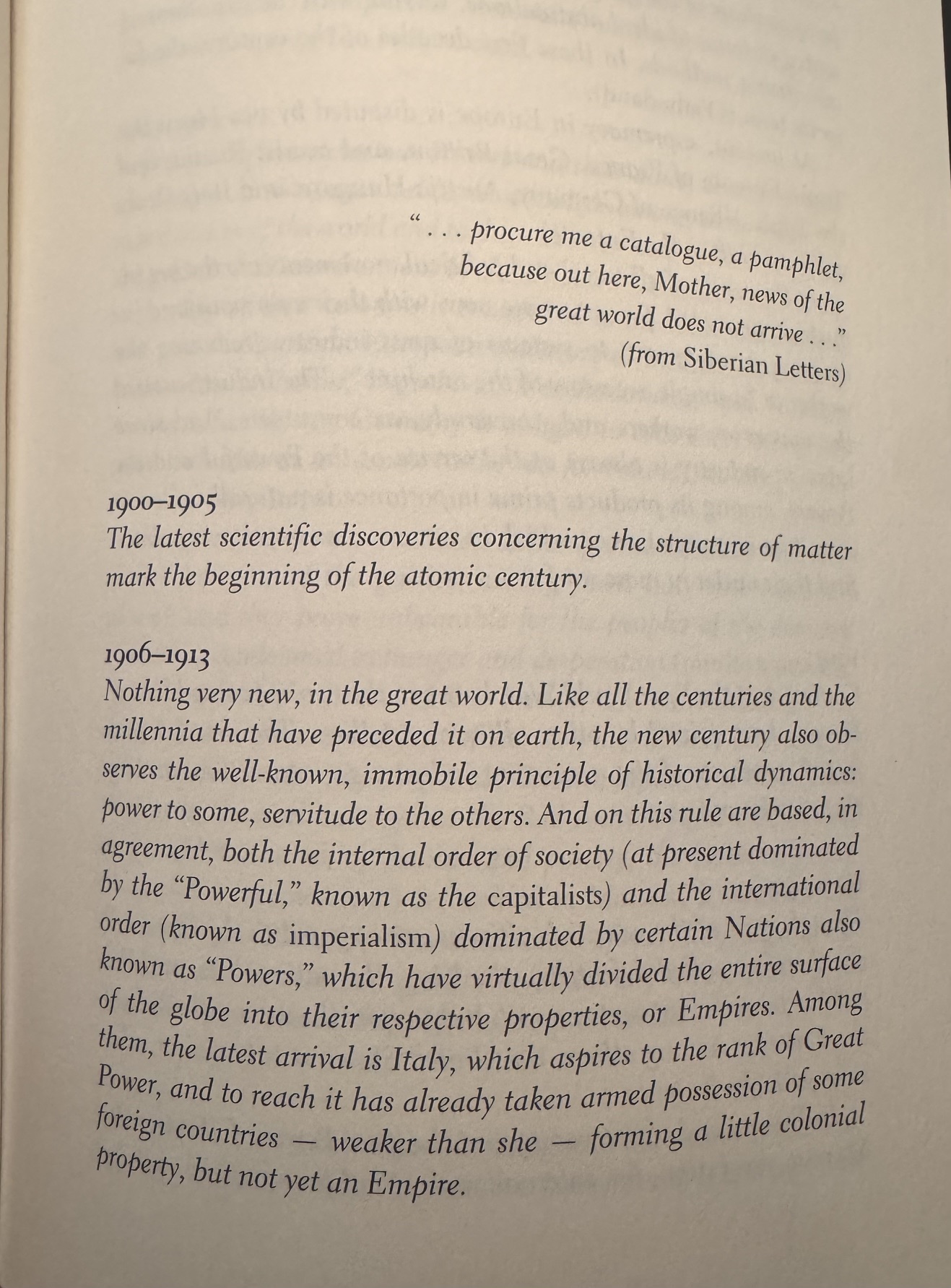
Each of the novel’s eight sections is prefaced by a precis of macro-historical events that actually took place in the year of the fictional Ramundos’ life in the subsequent section, usually from an anarchist or Marxist perspective. The narrator frequently interrupts this fictional narrative to note how her own research verifies the subjective accounts of the characters …
When Elsa Morante published La Storia in 1974, it hit Italy like a storm, quickly becoming the most talked about book of the year. In the first year, it sold, in Italy alone, a record 800,000 copies (at a time when a successful novel rarely sold more than 100,000 copies). La Storia became one of the few best-sellers written by a living author in the turbulent 1970s.
Pretty spectacular way to open page one of a 700+ page novel:
It’s kind of giving Gramsci’s Outline of History from his Prison Notebooks:
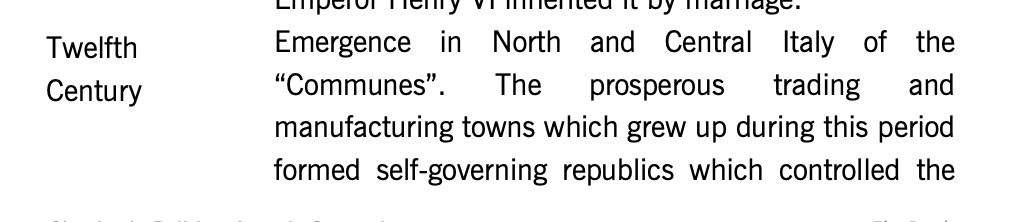
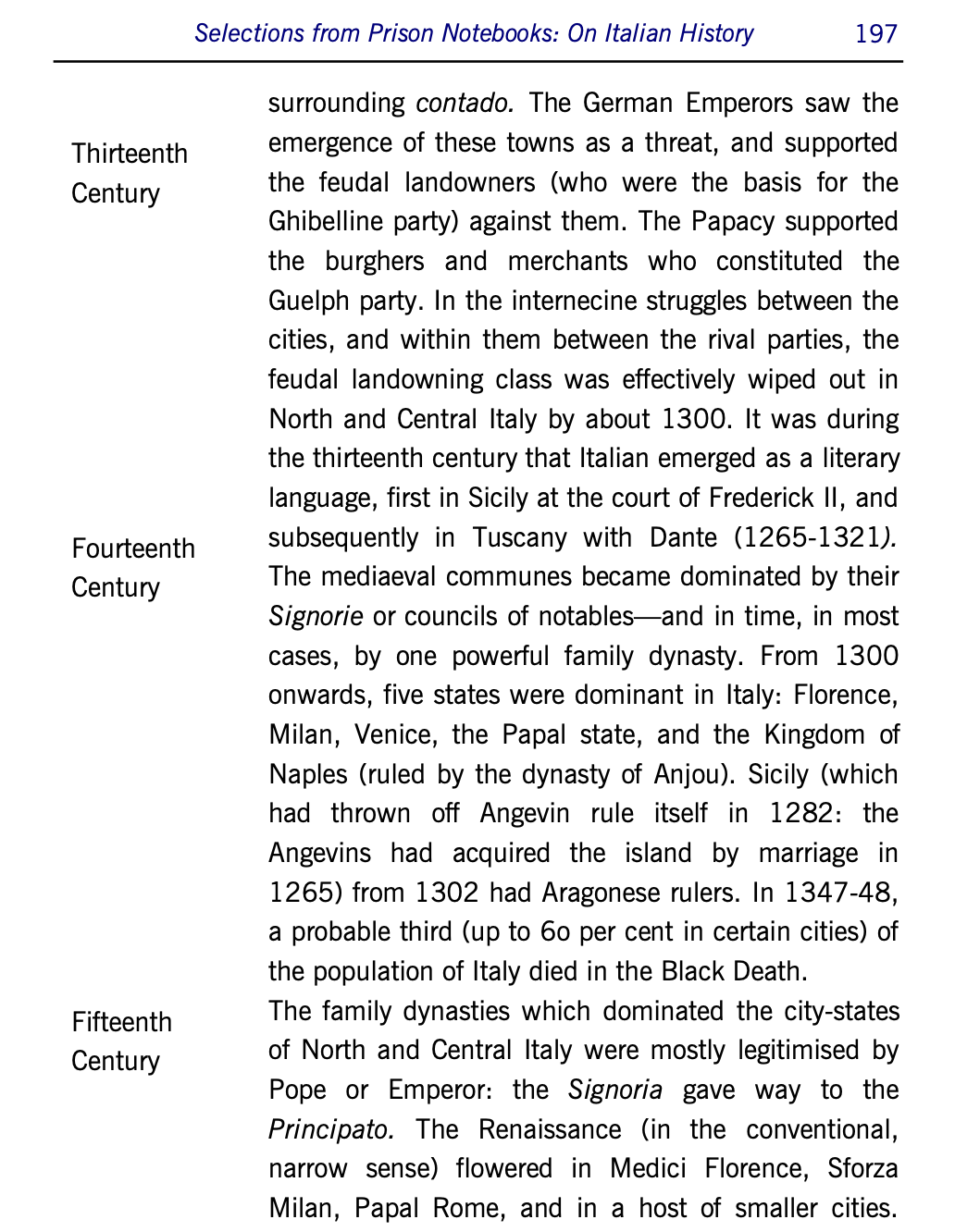
(I bet Elsa Morante had some opinions on Gramsci).
My copy of The History is the 2007 edition translated by Lily Tuck. Unfortunately a used edition of this book appears to be around $65 and up. From some scouting it looks like Penguin in the UK has a new translation coming out in November? That will make for an excellent LRB piece no doubt.
The naked city and the eel pit of Hollywood
Posted: September 21, 2026 Filed under: New York, the California Condition, writing advice from other people 1 Comment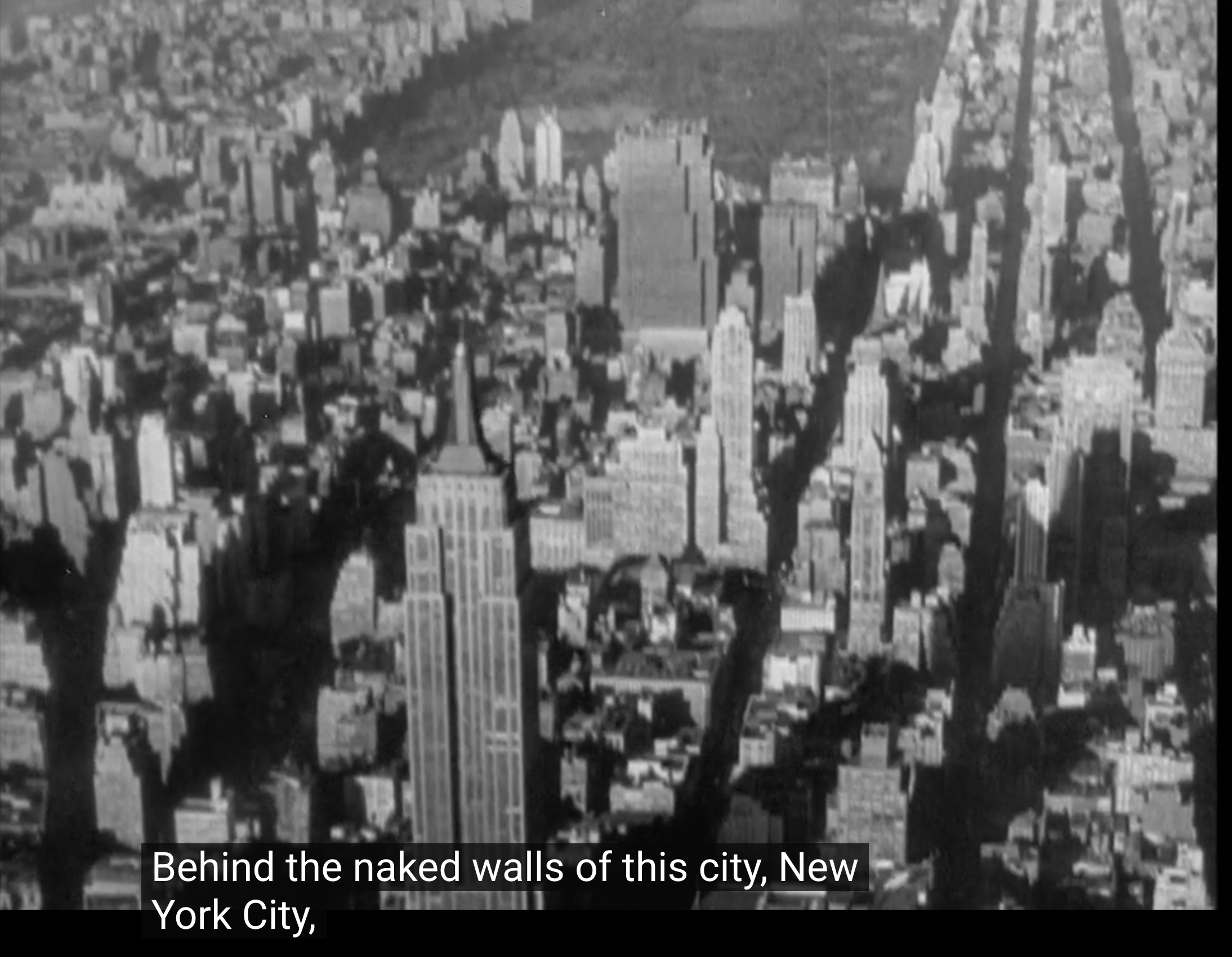
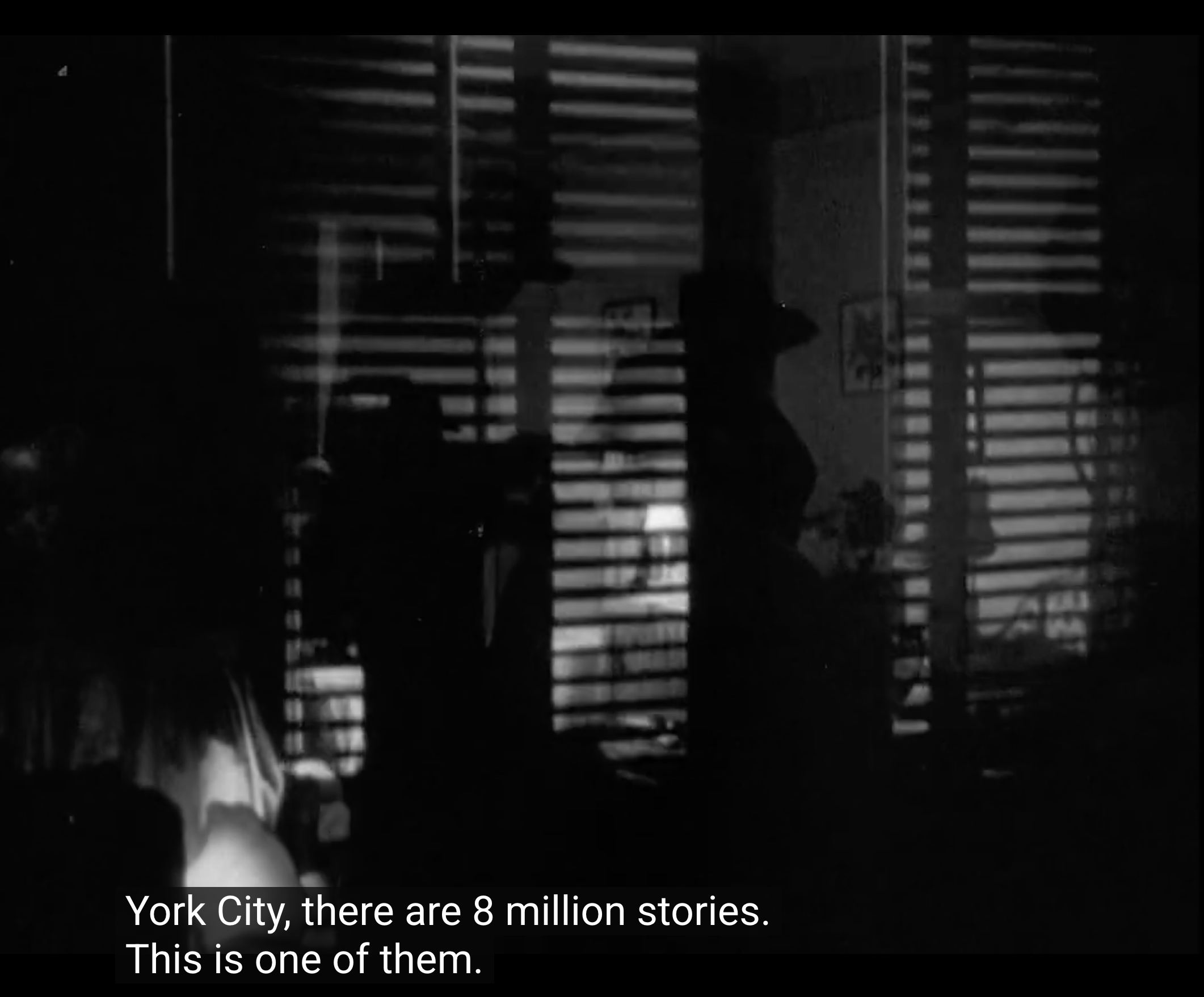
There are eight million stories in the naked city…
Where did this phrase enter my consciousness? I don’t think I ever saw the 1948 movie The Naked City nor the TV series which ran from 1958-1964.
Yet the phrase entered my mind and lived there. I thought of it the other night as I stood on the roof of my apartment building looking over a stretch of lower Manhattan.
The movie took its title from Weegee’s 1945 collection of photographs:
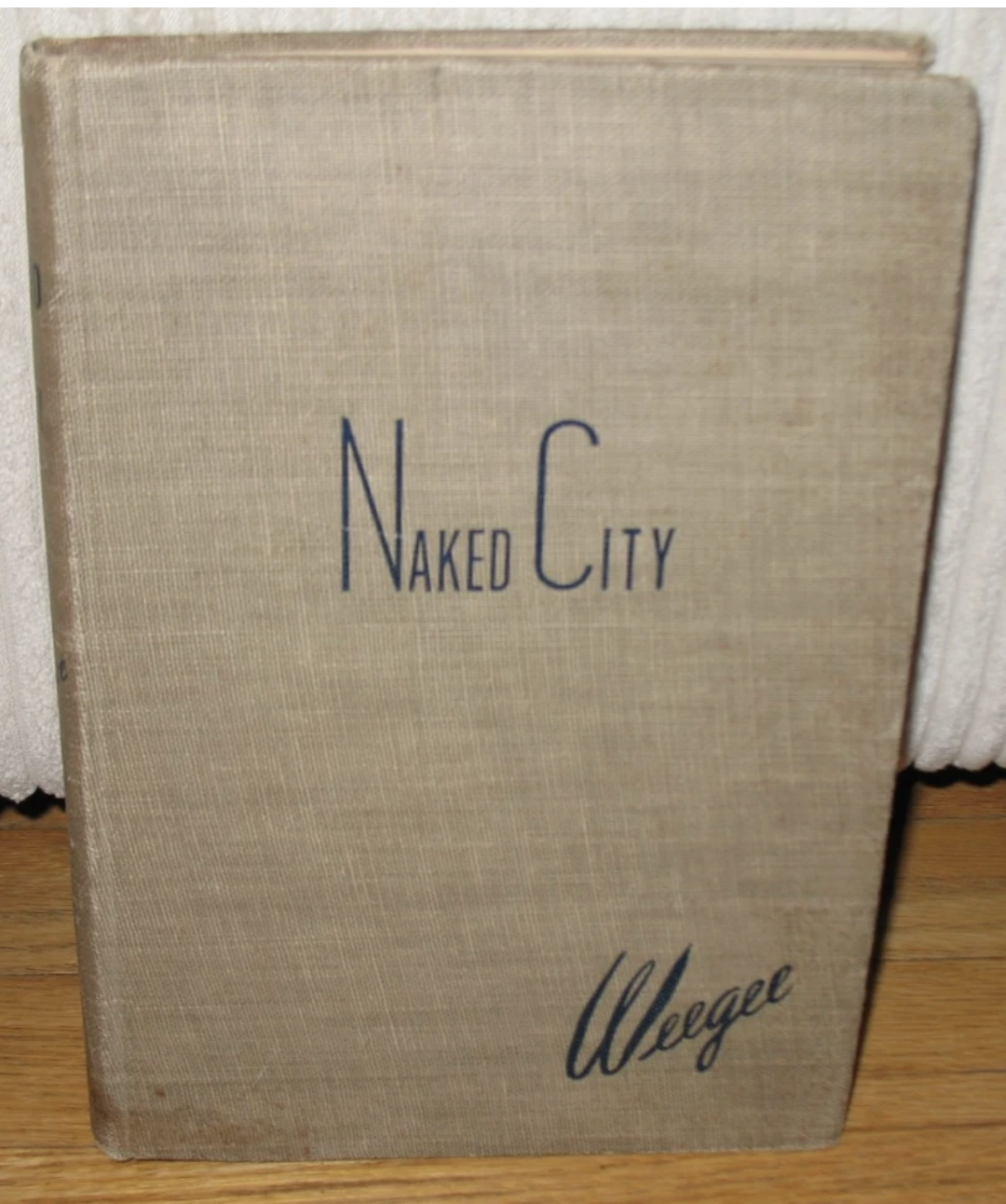
Here’s a sample of what’s found inside.
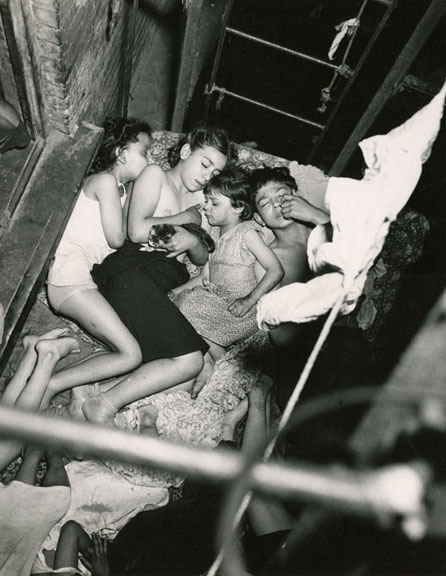
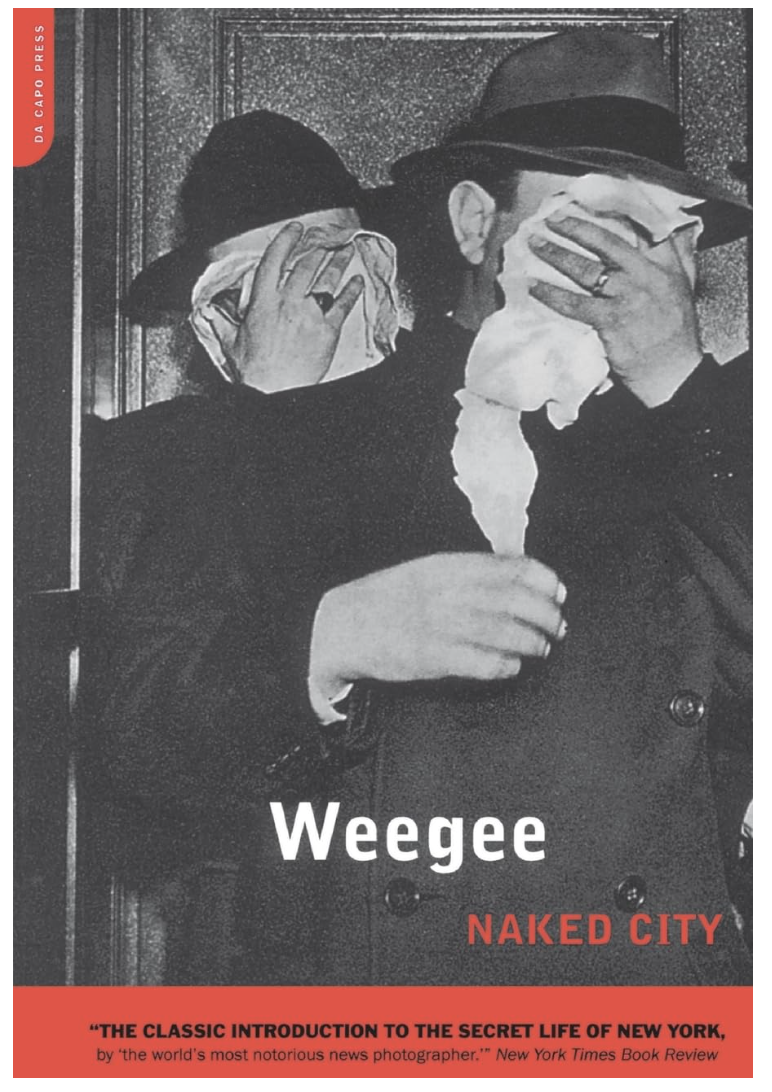
When you read about these old movies on Wikipedia, you often find a quote from NYT movie critic Bosley Crowther. I wonder which cinema historian fed these in to Wikipedia? There he is.
Bosley was mixed on The Naked City:
New York Times film critic Bosley Crowther, while having problems both with the script and Dassin’s direction, liked the location shooting and wrote, “Thanks to the actuality filming of much of its action in New York, a definite parochial fascination is liberally assured all the way and the seams in a none-too-good whodunnit are rather cleverly concealed. And thanks to a final, cops-and-robbers ‘chase’ through East Side Manhattan and on the Williamsburg Bridge, a generally talkative mystery story is whipped up to a roaring ‘Hitchcock’ end.”[11]
Bosley Crowther had some interesting opinions and a snappy style. He hated Bonnie and Clyde. From his NYT obituary:
His sober, resolutely nonpoetic style conveyed wit and the talent of a good storyteller, but it reflected his own fairness and sense of responsibility toward his craft. It also gave no quarter to cacophonous critical notices by some colleagues. There was, thus, an almost official quality to his writing.
What about this?: Bosley Crowther was grandfather to 9/11 hero Welles Crowther, “the man in the red bandana.”
Stirling Silliphant created the Naked City TV series, which ran for 138 episodes.
For the first season, the primary writer was Stirling Silliphant, who wrote 32 of the season’s 39 episodes.
The Route 66 TV series was a sort of spinoff of the Naked City show – an episode of Naked City functioned as a backdoor pilot:
Morris was cast beside Maharis in a 1959 episode of Naked City that was written by Silliphant as a backdoor pilot to a potential spin-off series featuring two young travelers who were looking to find themselves. At that point, the Route 66 title was not yet decided upon, and the potential spin-off was tentatively entitled The Searchers. The Naked City episode that served as the Searchers pilot was called “Four Sweet Corners”, and in it, Maharis played Johnny Gary, while Morris was Link Ridgeway. Both were ex-servicemen. After spending most of the episode rescuing Johnny’s kid sister from a shoplifting ring, the two friends decides they are too restless to stay in New York City, and they want to see the world. They end the episode by leaving Johnny’s family’s apartment building, setting out for parts unknown.
I went to look up Stirling and found his NTY obituary:
In the 1980’s, he became increasingly disillusioned with Hollywood. He sold his two homes in California, his yacht and his valuable coin collection and moved to Thailand. He left the United States, he said, to change his life and to get away from what he described as “the eel pit of Hollywood.” After years of being in the movie spotlight, he luxuriated in the privacy he found in his adopted country. He became a Buddhist.
“Nobody knows me here,” he said. “I’m an observer, a sojourner, a ghost.” He also said it felt good “to be part of the human stream, and not some Hollywood big shot.” While in Thailand, he worked on various movie and television projects, including “The Fusion” and “Day of Reckoning,” and had plans to help expand the local film industry.
Cheers to Silliphant, who wrote 47 features and hundreds of episodes of TV.
Let’s give the last word to Bosley Crowther:
”There is, I am told, a vagrant notion that all we members of the screen department do is go to movies and sit around drinking in plush cafes with voluptuous Hollywood stars,” he said in a 1951 article for Times Talk, The Times’s house organ. ”To be sure, we do go to movies. But if any invidious outsider has the notion that this is all we do, he has another notion coming.”
The Silent Traveler in New York by Chiang Yee
Posted: September 11, 2026 Filed under: New York, Uncategorized Leave a comment
Chiang Yee wrote a series of illustrated travel books starting with The Silent Traveler: A Chinese Artist in Lakeland in 1937, and ending with a 1972 book on Japan. This one was first published in 1950.
A VILLAGE in the center of New York City sounds like a joke.
When I heard of it a few days after my arrival, it reminded me of the time when, shortly after my arrival in England some fifteen years ago, I was introduced to a gentleman as ‘the hermit of London. Buddha once remarked: Remember, my sons, there is nothing constant but change,” and I find that this is even true of the meaning of a word which, while keeping its original idea, gains new significance in particular circumstances. Experience has confirmed that a hermit can live in the heart of London and that a village does exist in the metropolis of New York.
Greenwich Village today no longer looks much like a village, but its name is a pleasant reminder of its former appearance. Van Wyck Brooks wrote in The World of Washington Irving:
«Bleecker Street was a blackberry-preserve, and water trom the tea-water pumps was sold at a penny a gallon from door to door.
New Yorkers could remember corn-fields on Nassau Street. In those days, not too remote, fishermen drew their seines on the beach at the foot of Greenwich Street, and a mill at Coenties-slip was turned by a spring, and a line of palisades at Chambers Street cut straight across the island trom river to river Everything northward was still open country, with farms, thickets, swamps and market-gardens and the hamlets of Greenwich, Chelsea, Yorkville and Harlem… here were pretty country roads that wound about the island, through little ricky valleys, groves and copses, and both the river-banks were lined with quiet country-seats, embosomed in gardens, vines and hawthorn hedges.”
That was in the early nineteenth century, in the days of Peter Cooper and Jefferson.
Cheers to reader Patrick C. for recommending. The book is contemplative; from time to time the Silent Traveler is inspired to compose a poem. There are both color and b&w illustrations:


Here’s how Chiang Yee concludes:
There is an old American saying about New York: It is a nice place to visit, but I wouldn’t want to live there, because there is that little thing called MONEY.” Nevertheless, I look forward to my next visit when the ‘little thing’ becomes available to me again.
I’ve got ST’s Boston on order.
Animals talking
Posted: September 5, 2026 Filed under: animals Leave a comment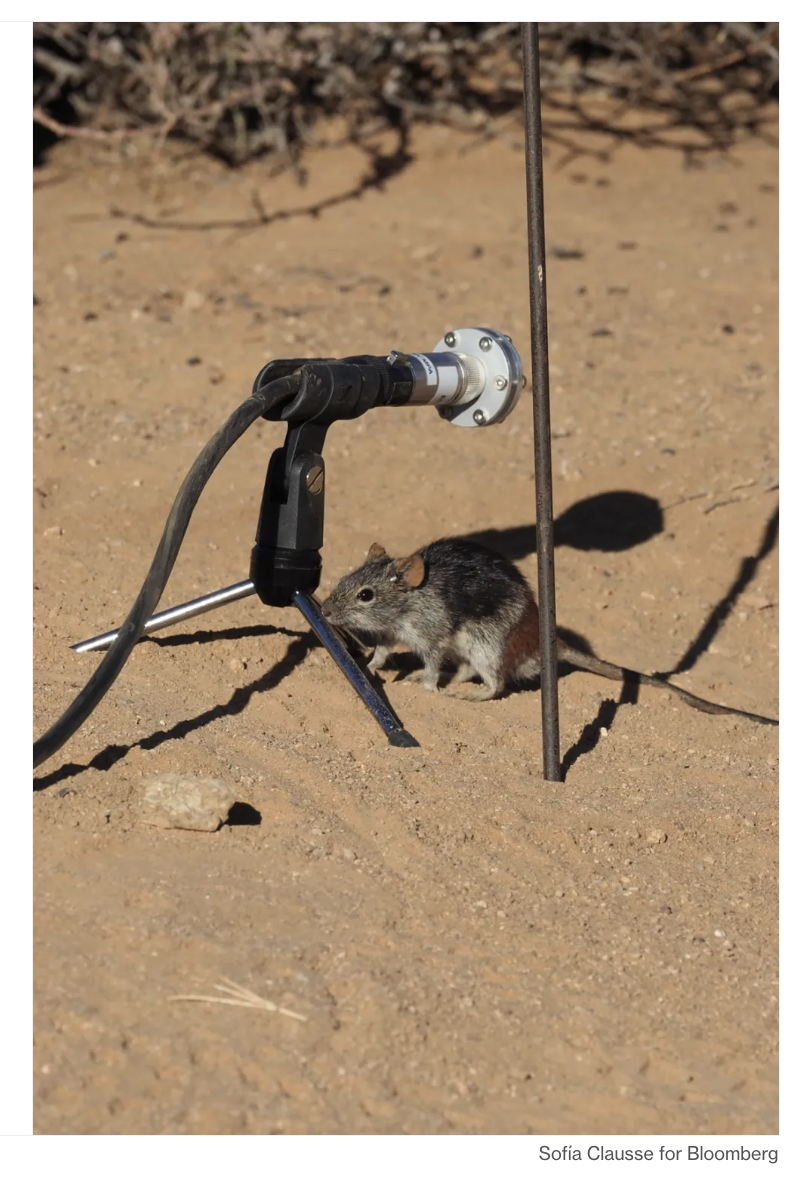
from this Bloomberg article about the ethics of using AI to understand animal languages (the understanding isn’t really an ethical problem, but playing the sounds back, tricking animals with animal deepfakes, gets kinda troubling).
We don’t know exactly what we want there,” says Yovel, whose own work involves sedating bats, putting them in an MRI machine and playing them recordings of other bats as they come back into consciousness.

