The naked city and the eel pit of Hollywood
Posted: September 21, 2026 Filed under: New York, the California Condition, writing advice from other people 1 Comment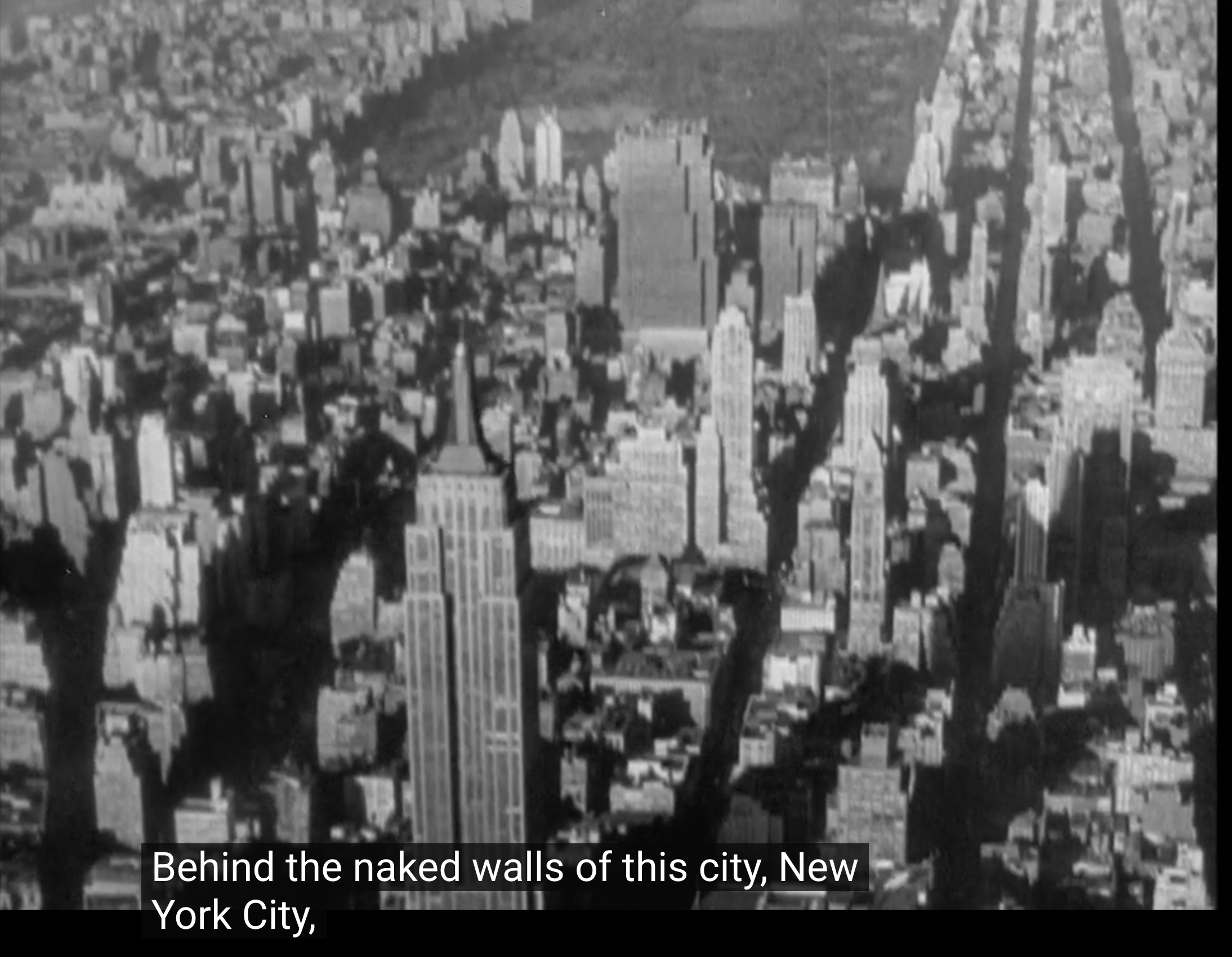
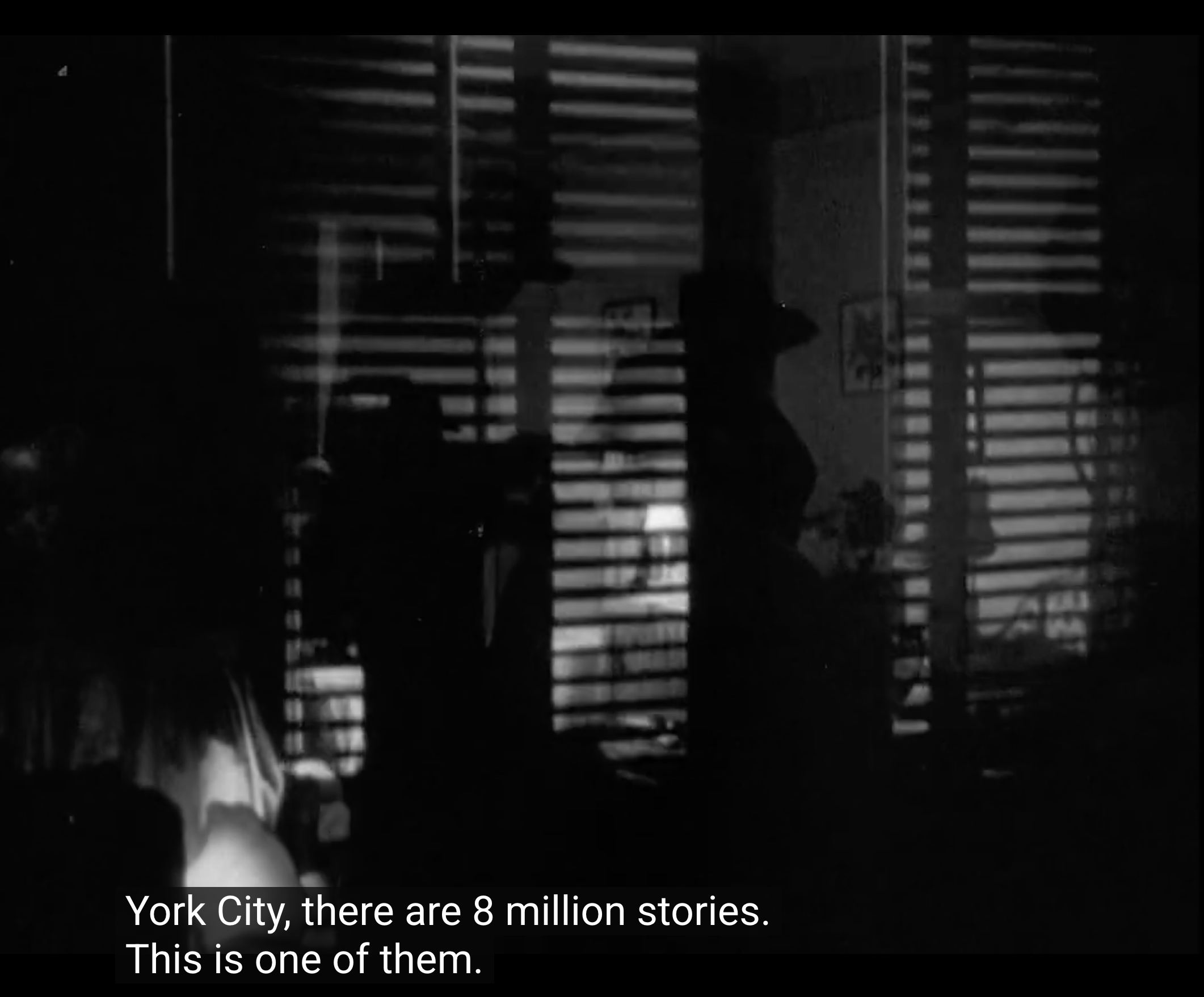
There are eight million stories in the naked city…
Where did this phrase enter my consciousness? I don’t think I ever saw the 1948 movie The Naked City nor the TV series which ran from 1958-1964.
Yet the phrase entered my mind and lived there. I thought of it the other night as I stood on the roof of my apartment building looking over a stretch of lower Manhattan.
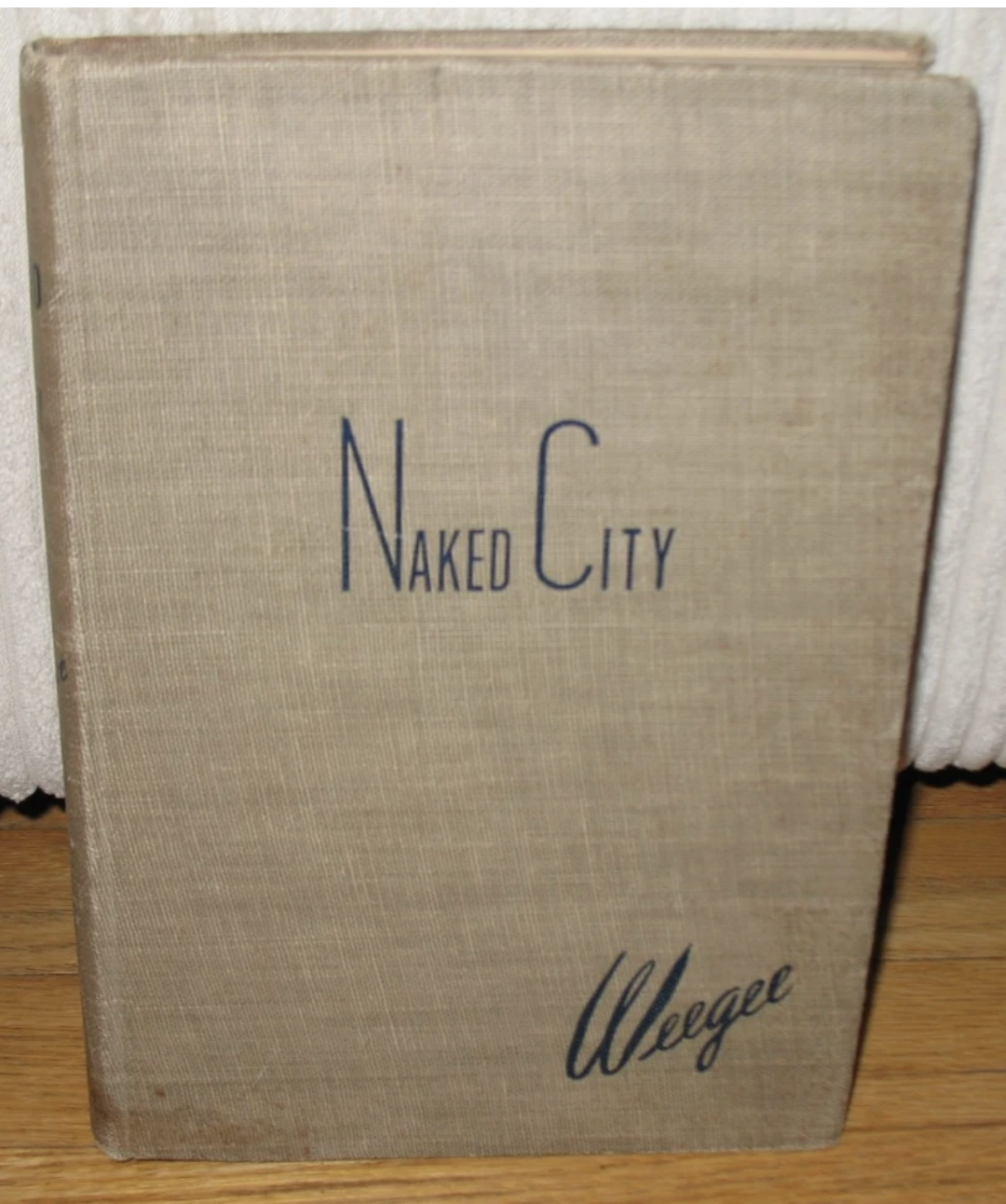
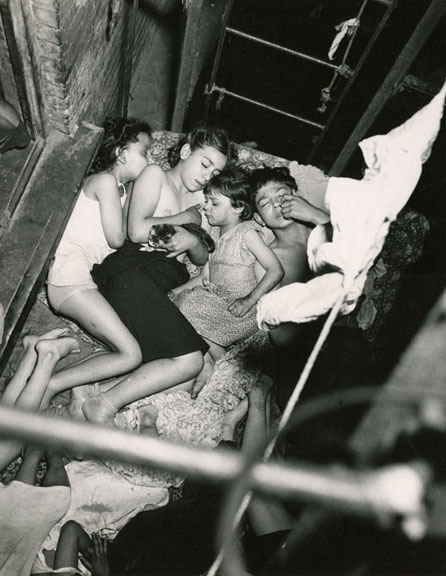
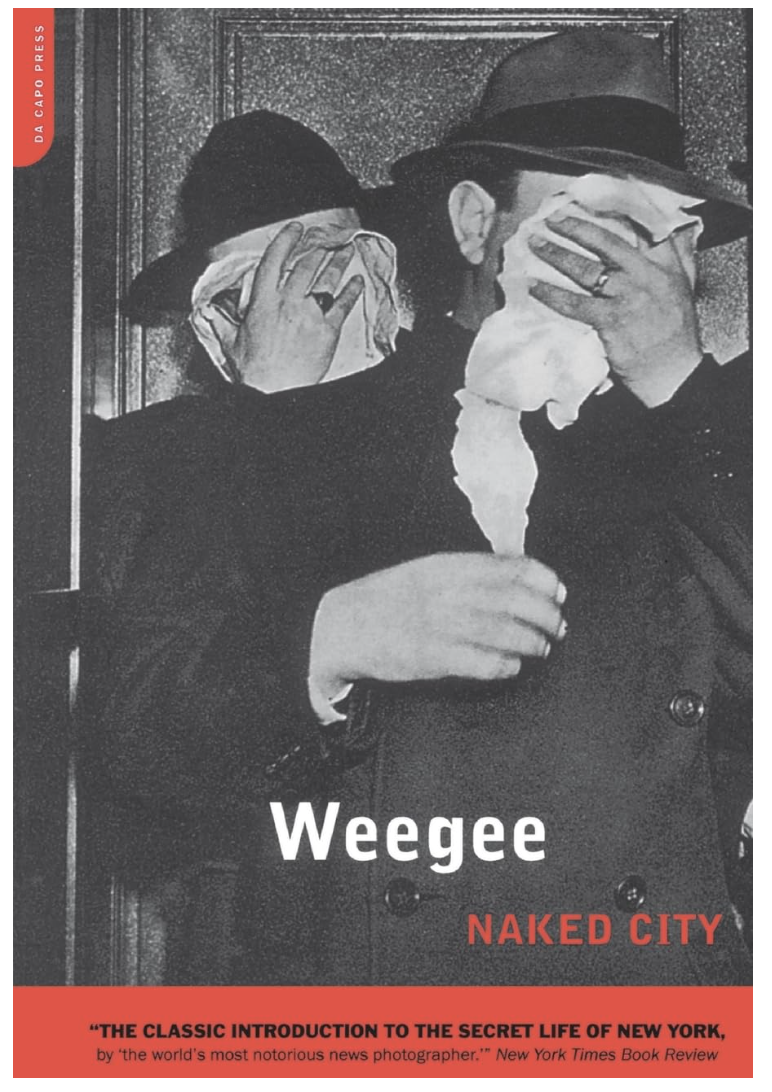
The movie took its title from Weegee’s 1945 collection of photographs:
Here’s a sample of what’s found inside.
When you read about these old movies on Wikipedia, you often find a quote from NYT movie critic Bosley Crowther. I wonder which cinema historian fed these in to Wikipedia? There he is.
Bosley was mixed on The Naked City:
New York Times film critic Bosley Crowther, while having problems both with the script and Dassin’s direction, liked the location shooting and wrote, “Thanks to the actuality filming of much of its action in New York, a definite parochial fascination is liberally assured all the way and the seams in a none-too-good whodunnit are rather cleverly concealed. And thanks to a final, cops-and-robbers ‘chase’ through East Side Manhattan and on the Williamsburg Bridge, a generally talkative mystery story is whipped up to a roaring ‘Hitchcock’ end.”[11]
Bosley Crowther had some interesting opinions and a snappy style. He hated Bonnie and Clyde. From his NYT obituary:
His sober, resolutely nonpoetic style conveyed wit and the talent of a good storyteller, but it reflected his own fairness and sense of responsibility toward his craft. It also gave no quarter to cacophonous critical notices by some colleagues. There was, thus, an almost official quality to his writing.
What about this?: Bosley Crowther was grandfather to 9/11 hero Welles Crowther, “the man in the red bandana.”
Stirling Silliphant created the Naked City TV series, which ran for 138 episodes.
For the first season, the primary writer was Stirling Silliphant, who wrote 32 of the season’s 39 episodes.
The Route 66 TV series was a sort of spinoff of the Naked City show – an episode of Naked City functioned as a backdoor pilot:
Morris was cast beside Maharis in a 1959 episode of Naked City that was written by Silliphant as a backdoor pilot to a potential spin-off series featuring two young travelers who were looking to find themselves. At that point, the Route 66 title was not yet decided upon, and the potential spin-off was tentatively entitled The Searchers. The Naked City episode that served as the Searchers pilot was called “Four Sweet Corners”, and in it, Maharis played Johnny Gary, while Morris was Link Ridgeway. Both were ex-servicemen. After spending most of the episode rescuing Johnny’s kid sister from a shoplifting ring, the two friends decides they are too restless to stay in New York City, and they want to see the world. They end the episode by leaving Johnny’s family’s apartment building, setting out for parts unknown.
I went to look up Stirling and found his NTY obituary:
In the 1980’s, he became increasingly disillusioned with Hollywood. He sold his two homes in California, his yacht and his valuable coin collection and moved to Thailand. He left the United States, he said, to change his life and to get away from what he described as “the eel pit of Hollywood.” After years of being in the movie spotlight, he luxuriated in the privacy he found in his adopted country. He became a Buddhist.
“Nobody knows me here,” he said. “I’m an observer, a sojourner, a ghost.” He also said it felt good “to be part of the human stream, and not some Hollywood big shot.” While in Thailand, he worked on various movie and television projects, including “The Fusion” and “Day of Reckoning,” and had plans to help expand the local film industry.
Cheers to Silliphant, who wrote 47 features and hundreds of episodes of TV.
Let’s give the last word to Bosley Crowther:
”There is, I am told, a vagrant notion that all we members of the screen department do is go to movies and sit around drinking in plush cafes with voluptuous Hollywood stars,” he said in a 1951 article for Times Talk, The Times’s house organ. ”To be sure, we do go to movies. But if any invidious outsider has the notion that this is all we do, he has another notion coming.”


Spike Lee had Jimmy Breslin saying this in the intro/outro frame to _Summer of Sam_ (1999) that was where I first heard it.