ECLIPSE SAFETY UPDATE
Posted: March 6, 2017 Filed under: America Since 1945 Leave a commentAs the date of the August 21 eclipse draws near, keep this important safety information in mind: You MUST use special eclipse safety glasses to view a partial eclipse and the partial phases of a total eclipse. To do otherwise is risking permanent eye damage and even blindness. The ONLY time it’s safe to look at a TOTAL eclipse without proper eye protection is during the very brief period of totality when the Sun is 100 percent blocked by the Moon. If you’re in a location where the eclipse won’t be total, there is NEVER a time when it’s safe to look with unprotected eyes.
NationalEclipse.com sends that along.

Great info at their site. Plus Eclipse Classifieds:

Can’t help but note the Path Of Totality is pretty red. Then again, I guess any path is:

Map by the great Brilliant Maps.
NOW?!
Posted: March 6, 2017 Filed under: America Since 1945 Leave a comment
This appears in the News section of my phone.
Warren Buffett
Posted: March 4, 2017 Filed under: America Since 1945, business, writing Leave a comment
New Berkshire Hathaway letter is out. Free insight and humor for capitalism’s cheery uncle, a great read every year, even if I understand at most 1/12 of it.

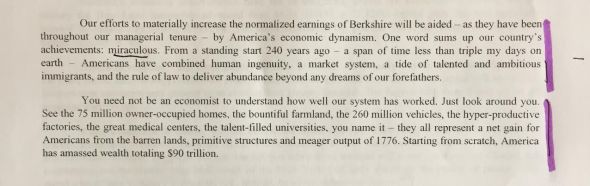
Sunny American optimism:
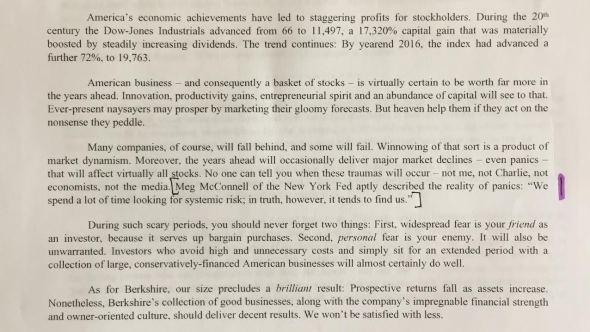
The infectious, enthusiastic amateur style of writing reminds me of Bill James:

Some of the companies Berkshire owns:


9.3% of your Coke is Berkshire’s.
An unlikely hero:
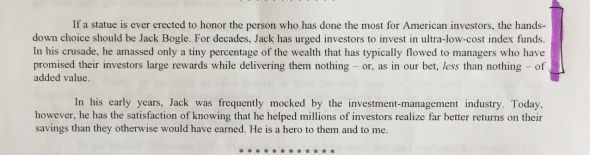
Jack Bogle founded Vanguard, and created a simple, low cost index fund for everyday investors.

found that at JL Collins impressive website.
Buffett tells you, in simple terms, how to get rich:

Why people don’t do that:
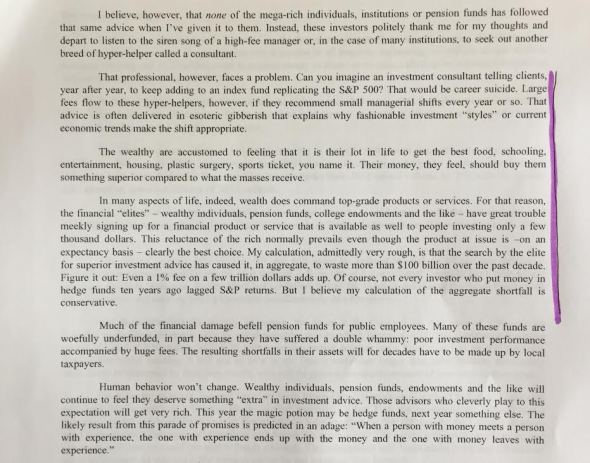
On the other hand here’s the S&P 500 chart since 1980:

Doesn’t look like a washtubs moment to me.
Over at marketplace.org, Allan Sloan points out some of the things Buffett leaves out:
Allan Sloan: Two things are missing. One was how wonderful the management of Wells Fargo was, which he wrote the previous year. The second thing is he lavished praise on this company called 3G, what’s known as a private equity company, from Brazil, which manages a company called Kraft Heinz, which is Berkshire Hathaway’s biggest investment. And what it does is it goes around, it buys companies — now with the help of a lot of financing from Berkshire Hathaway — it fires zillions of people, the profits go up, and then after a while, it goes out and buys another company and does the same thing.
Buffett makes me think of Andrew Carnegie, a zillionaire of a hundred years ago who also had some kind of public conscience. If some percentage billionaires weren’t also lovable characters like Buffett, would capitalism collapse? Does his dad humor, like Carnegie’s library building, plug a dyke that holds back revolution?

At the Berkshire Hathaway shareholders conference, you can challenge table tennis champ Ariel Hsing:
Speak Out!
Posted: March 2, 2017 Filed under: America Since 1945, the California Condition Leave a comment
WILD response to Hayes’ post on Measure S and California’s ballot cranks. Very cool.
Yes!

Source: the WPA
Do you have an issue you’re passionate about?
Make your voice heard! We have an easy format for posting, and welcome strong takes on California conditions.
Find us.
Which one of you jokesters
Posted: March 1, 2017 Filed under: America, America Since 1945, Middle East, politics, presidents, the California Condition Leave a comment
Ordered me two copies of The Complacent Class by Tyler Cowen?
Very funny.
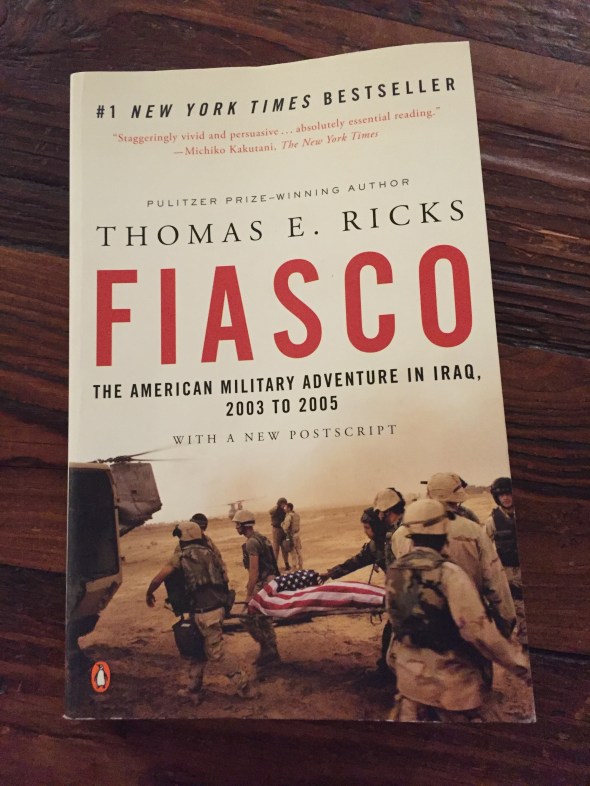
Mission accomplished, it’s next up after I finish Tom Ricks:
No On Measure S
Posted: February 25, 2017 Filed under: America Since 1945, the California Condition 11 Comments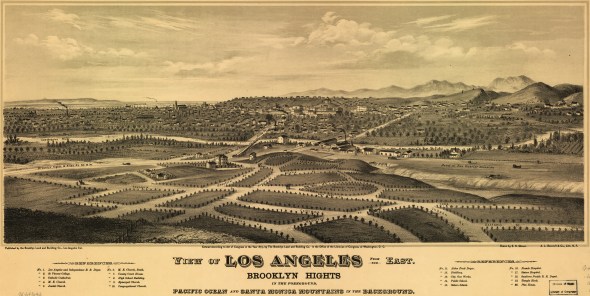
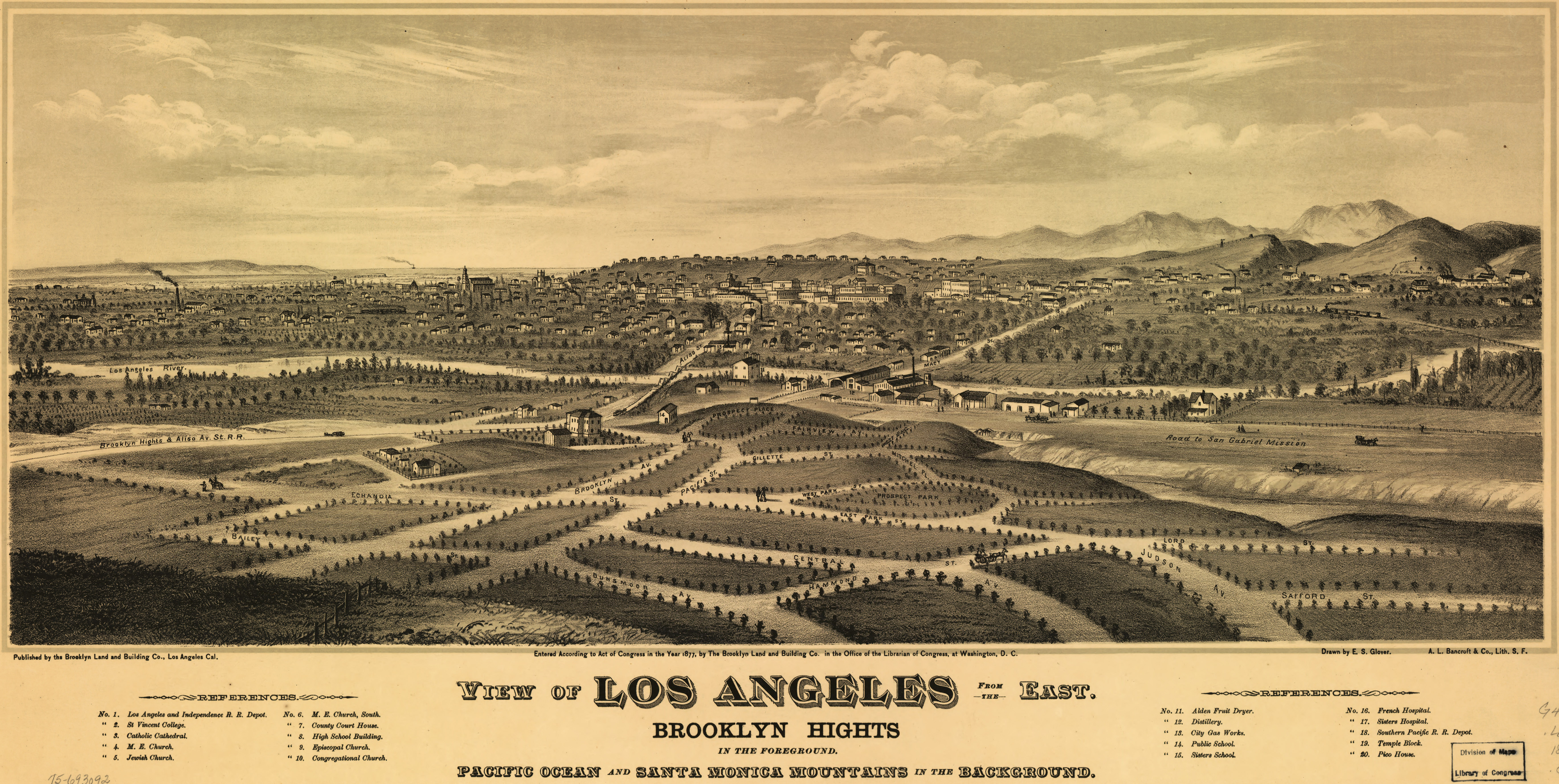
Los Angeles in 1878 (and 2020 if Measure S passes). Source.
LA Is In the Middle of a Full-Blown Housing Crisis

Source: Legislative Analyst’s Office
But Measure S means LESS housing. And that means the crisis would get way worse. Rent would go up, affordable housing construction would plummet, and many, many more people would end up displaced and homeless.
Both the Republican and Democratic parties of Los Angeles have come out against it, along with the Mayor, the LA Times, and a lot of others.
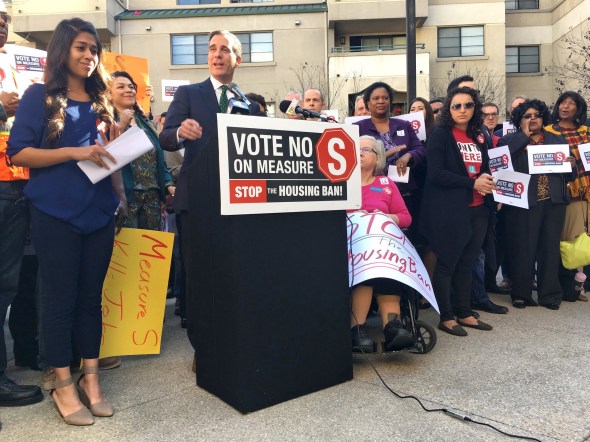
A lot of actual experts have written much better stuff than I could about this.
A lot of California initiatives are like that: if you spend enough money, you can buy enough signatures to get pretty much anything on the ballot. Then, if you spend even more money, your proposal has a pretty good chance of becoming the actual law.
As a result, the state has a history of very wealthy, very angry people throwing cash around to get their own measures through the ballot initiative system, sometimes even successfully.
The angry person behind Measure S is Michael Weinstein.

Michael Weinstein’s website bio pic.
- Prop 61, which was supposed to lower the prices that public employees pay for drugs
- Prop 60, which would force porn actors to wear condoms
Two normal things for the people to vote on, as the Founding Fathers intended.
Michael Weinstein’s ballot initiatives are designed to benefit Michael Weinstein.
- The porn czar had to be Michael Weinstein.
- He would get paid by the state to do this job (watch porn and sue people over it).
- The state wouldn’t be allowed to fire him, unless it got a majority vote from both houses of the state legislature.
- Even then, he could only be fired with “good cause.” Like… not watching enough porn, I guess.
Weinstein’s drug bill, meanwhile, would have made it the law that the prices paid by state employee HMOs for drugs couldn’t be higher than the discounted price the VA pays. Sounds great! But it exempted certain HMOs from the rule… including the HMO Michael Weinstein himself runs. He also once again wrote in a rule allowing him to sue people who violated the law, while having the state pay his legal fees.

Rendering by Palladium Towers, found at Curbed
Michael Weinstein peers out the window of his corner office on the 21st floor. Hollywood is growing all around him. In every direction, there are construction cranes, dirt pits and street closures.
“It’s just ungodly,” he says.
Very chill, approachable guy. Not at all supervillainy.
Michael Weinstein doesn’t spend his own money on his political causes. He spends money donated by other people to the AIDS foundation he runs.

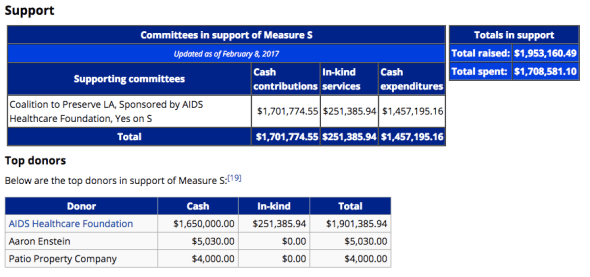

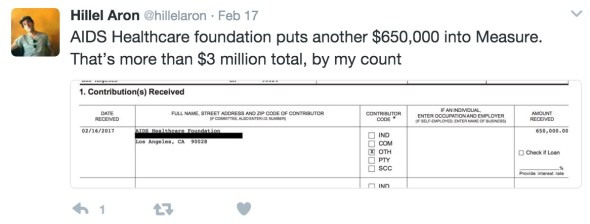
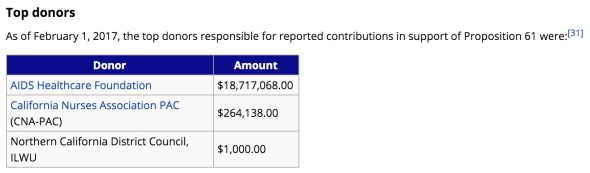

One name you don’t see among any of the donors is “Michael Weinstein.” It’s all foundation money. He has near-total discretion over how it’s spent. Far from costing him anything, he gets paid $400,000 a year by his foundation to do this.
- $10 – Be a Friend of AHF
- $50 – Help Purchase Medical Supplies
- $100 – Help Save a Life
- $500 – Trains a Physician in the Provision of HIV/AIDS Medical Care
- $1000 – Provides HIV/AIDS Treatment and Care to Five Patients for a Year
- $5000 – Provides HIV/AIDS Treatment and Care for 25 Patients for a year
- $10000 – Supports HIV/AIDS Prevention & Care Worldwide
Eisenhower appears in a dream
Posted: February 23, 2017 Filed under: America Since 1945, politics, presidents Leave a comment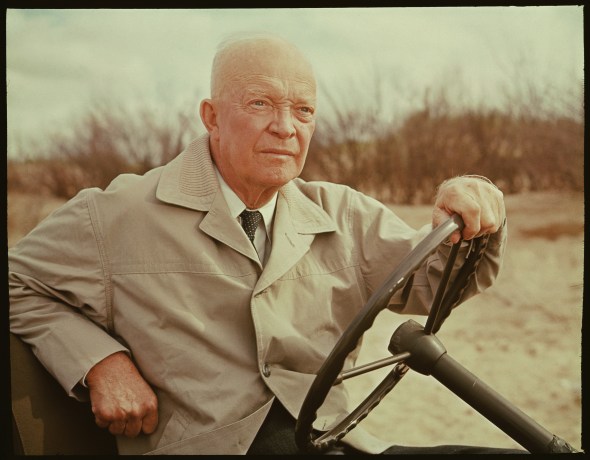
Last night in my dream Dwight Eisenhower appeared. What would he make of all this? We didn’t have a chance to discuss it.
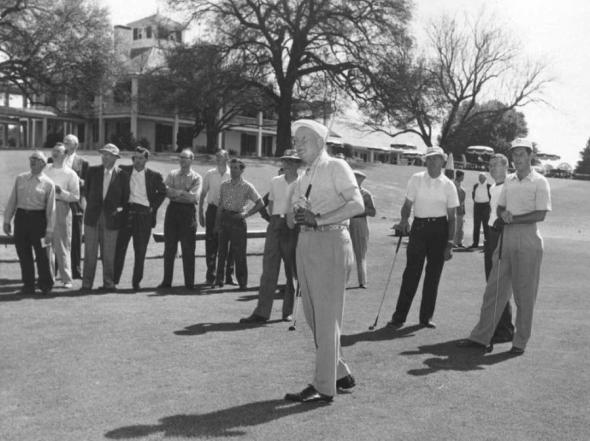
A golfer. A university president. Chosen over other generals to command the Allied Expeditionary Force because of his understanding of and gift for diplomacy.
100% white men around him. What would’ve been his view on trans bathrooms?
A Republican who invested the government in big projects, like the interstate highway system, and warned against defense spending in his farewell speech, which is thought-provoking:
Yet in holding scientific discovery in respect, as we should, we must also be alert to the equal and opposite danger that public policy could itself become the captive of a scientific-technological elite.
Confidence, competence.
The current president like a clown version of him, a grotesque vision from a nightmare.

Source: the Wikipedia article on “grotesque”
Eisenhower was from Abilene, Kansas.

First president to ride in a helicopter.

Three Good Reads
Posted: February 23, 2017 Filed under: America Since 1945, politics 3 Comments
Way out in Death Valley
Three provocative reads about Trumptimes.
First up, this one, from Medium: “4Chan: The Skeleton Key To Trump” by Dale Beren, about 4Chan, Gamergate, and young male Trump supporters:
They disguised their own sensitivity (namely, their fear that they would be, “forever alone”) by extreme insensitivity. The rules, like everything else, were always half in jest. Everything had to be a done with at least a twinkle of winking irony. This was an escape route, a way of never having to admit to your peers that you were in fact expressing something from your heart, in other words — that you were indeed vulnerable. No matter what a user did or said, he could always say it was “for the lulz” (lols). Like (by comparison the tame and sophisticated precursor) “Something Awful” board that spawned it, 4chan defined itself by being insensitive to suffering in that way only people who have never really suffered can — that is to say, young people, mostly young men, protected by a cloak of anonymity. The accepted standard was a sort of libertarian “free speech” banner, in which isolated man-boys asserted their right to do or say anything no matter someone else’s feelings. This meant generally posting pornography, swastikas, racial slurs, and content that reveled in harm to other people.
And this:
It was almost as if all these disaffected young men were waiting for a figure to come along who, having achieved nothing in his life, pretended as though he had achieved everything, who by using the tools of fantasy, could transmute their loserdom (in 4chan parlance, their “fail”), into “win”.
Section 5 of the article is where it really gets going, if you’re strapped for time:
Trump, of course, has made his fortune in a similar manner, with casinos, correspondence courses, and pageants, swindling money out of aspiring-millionaire blue collar workers, selling them not a bill of goods, but the hope of a bill of goods, the glitz and glamour of success, to people who don’t win, or in Trump’s parlance, “don’t win anymore.” As if once, in the mythic past he invented, they did once and soon will again, since at the heart of what he promised was, “you’ll win so much you’ll get sick of winning”. In other words, if we are to understand Trump supporters, we can view them at the core as losers — people who never ever bet on the right horse — Trump, of course, being the signal example, the man obsessed with “losers” who, seemingly was going to be remembered as one of the biggest losers in history — until he won.
The older generation of Trump supporters the press often focuses on, the so called “forgotten white working class”, are in this sense easier to explain since they fit into the schema of a 1950s-style electorate. Like the factory workers in Factotum, the baby boomers were promised pensions and prosperity, but received instead simply the promises. Here the narrative is simple. The workers were promised something and someone (the politicians? the economy? the system itself?) never delivered. Their horse never came in.
This telling of the story ignores the fact that, as Trump often points out, “it was a bad deal”. The real story is not that the promise was never fulfilled. Manny and Hank’s deal with the workers was the same as the factory’s deal with them: the empty promise was the bargain. The real story is not that the horse didn’t come in, it’s that the bet was never placed.
In the first presidential debate, Hillary evoked her conservative father as a way of appealing to the electorate, “My father was a small-businessman.” she said. “He worked really hard… And so what I believe is the more we can do for the middle class, the more we can invest in you…”
No one noted how wildly outdated Clinton’s picture of the average voter was (her father, a suburban business man in the 50s) because we are used to every politician holding up the same faded 65 year old snapshot anytime he or she regards the American electorate. Just like how images of Christmas on Coke bottles and catalogs are forever stuck in the 30s and 40s, so we expect politics to be eternally frozen in the 1950s. That is to say, as a nation still (somehow!) defined by its baby boomers, we understand this era as the baseline for understanding ourselves, considering it, “where we are from”.
But what does the American electorate look like if we put down the snapshot? Peel away how we perceive ourselves from what we actually are? How has that image of a 1950s business man who owns his own home in the suburbs changed after decades of declines in wages, middle classdom, and home ownership?
To younger generations who never had such jobs, who had only the mythology of such jobs (rather a whimsical snapshot of the 1950s frozen in time by America’s ideology) this part of the narrative is clear. America, and perhaps existence itself is a cascade of empty promises and advertisements — that is to say, fantasy worlds, expectations that will never be realized “IRL”, but perhaps consumed briefly in small snatches of commodified pleasure.
Thus these Trump supporters hold a different sort of ideology, not one of “when will my horse come in”, but a trolling self-effacing, “I know my horse will never come in”. That is to say, younger Trump supporters know they are handing their money to someone who will never place their bets — only his own — because, after all, it’s plain as day there was never any other option.
In this sense, Trump’s incompetent, variable, and ridiculous behavior is the central pillar upon which his younger support rests.
This made me think about the Chapo Dudes. Though from the opposite side of the political aisle, their failson language and busted, depressed tone seems somewhere on the same spectrum. Their Twitters are really funny but kinda hopeless and nihilistic.
Trump supporters voted for the con-man, the labyrinth with no center, because the labyrinth with no center is how they feel, how they feel the world works around them. A labyrinth with no center is a perfect description of their mother’s basement with a terminal to an endless array of escapist fantasy worlds.
Trump’s bizarre, inconstant, incompetent, embarrassing, ridiculous behavior — what the left (naturally) perceives as his weaknesses — are to his supporters his strengths.
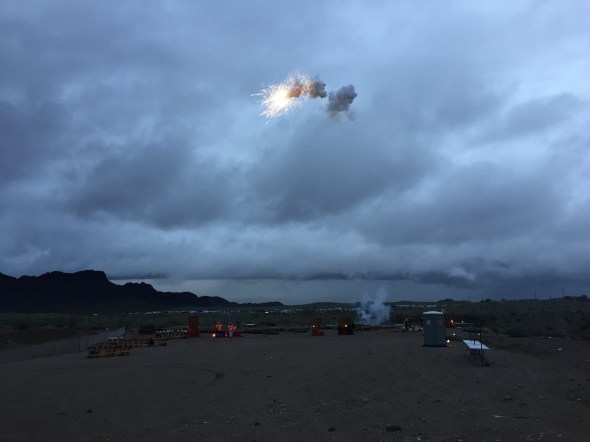
at the pyro festival in Lake Havasu
Next up, “Sanctimony Cities” by Christopher Caldwell in the Claremont Review, “the bible of highbrow Trumpism” says the NYT. (I first found Claremont Review back when Mark Helprin was writing for it, where’s he been? Too much Mark Helperin, not enough Mark Helprin if you ask me). Thought this insight about tribalism was worth hearing:
Any place that has political power becomes a choke-point through which global money streams must pass. Such places are sheltered from globalization’s storms. They tend to grow. Austin, Texas, adds tens of thousands of residents a year, and is now the country’s 11th-largest city. The four richest counties in the United States are all in the suburbs of Washington, D.C. Resources are sucked from almost everywhere into political capitals and a few high-tech centers and university towns allied with them, where ambitious people settle and constitute a class. The Democratic Party is the party of that class, the class of the winners of globalization.
There are now just three regions of the country in which Democrats dominate—New England, California, and the Pacific Northwest. Otherwise, the party’s support comes from the archipelago of powerful New Economy cities it controls. Washington, D.C., with its 93-to-4 partisan breakdown, is not that unusual. Hillary Clinton won Cambridge, Massachusetts, by 89 to 6 and San Francisco by 86 to 9. Here, where the future of the country is mapped out, the “rest” of the country has become invisible, indecipherable, foreign.
And the rest of the country belongs to Trump. Pretty much all of it. Trump took 85% of America’s counties; Hillary Clinton took 15%. Trump even won a third of the counties that voted for Barack Obama twice. In November the New York Times had the idea of drawing up a topographical map for each candidate that showed won counties as land and lost counties as water. Trump’s America looks almost exactly like the actual United States, diminished a bit on the coasts and with a couple of new “lakes” opened up in urban areas. Hillary’s looks like the Lesser Antilles. It is possible to travel coast to coast—from, say, Coos Bay, Oregon, to Wilmington, North Carolina—without passing through a single county that Hillary Clinton won. Indeed there are several such routes. This is the heart of the country and it is experiencing a kind of social decline for which American history offers no precedent. (The economic crises of the 1870s and 1930s were something different.) Here people fall over, overdosed on heroin, in the aisles of dollar stores, and residential neighborhoods are pocked with foreclosures. This country, largely invisible to policymakers until the 2016 election, is beginning—only just beginning—to come into view. Trump was the first candidate to speak directly to the invisible country as something other than the “everyplace else” left over when you drive away from the places that are powerful, scenic, or sophisticated.
Intense:
Trump intuited that the difference between Republicans and Democrats was a tribal one. Feminism and anti-racism had become successful policies not because they convinced voters logically or struck them as sensible, although in many cases they did, but because they conveyed loyalty viscerally. “Breaking the glass ceiling,” for instance, was supposed to be the theme of Hillary Clinton’s victory party on election night at New York’s Javits Center. Her staff chose that venue because it literally has the largest glass ceiling surface in New York. Glass-ceiling rhetoric was not an ethical argument but a war-cry. It was not about women but about our women. When, shortly after the election, Trump named his campaign manager Kellyanne Conway a White House counselor, his press release announced she was “the first female campaign manager of either major party to win a presidential general election,”—which indeed she was! Had ideological feminism rather than tribal loyalty been at issue, this would have been considered an achievement worthy of extensive coverage. It was not.
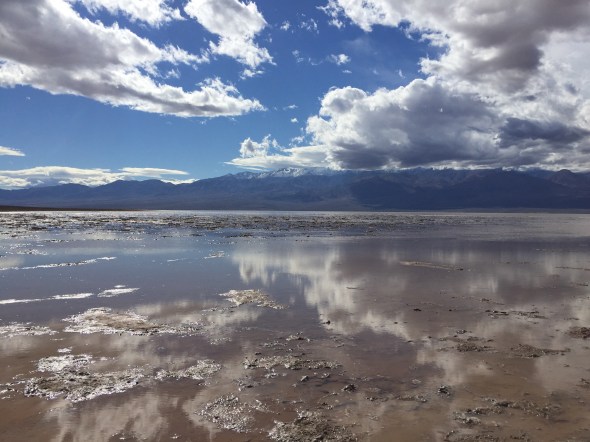
Badwater Basin had rain in it!
Last, “The Shallow State” by David Rothkopf in Foreign Policy:
The shallow state is in many respects the antithesis of the deep state. The power of the deep state comes from experience, knowledge, relationships, insight, craft, special skills, traditions, and shared values. Together, these purported attributes make nameless bureaucrats into a supergovernment that is accountable to no one. That is a scary prospect. But the nature of bureaucracies, human nature, inertia, checks and balances, and respect for the chain of command makes it seem a bit far-fetched to me. (The bureaucracy will drive Trump, like many presidents, mad, and some within it will challenge him, but that’s not the same thing.)
The shallow state, on the other hand, is unsettling because not only are the signs of it ever more visible but because its influence is clearly growing. It is made scarier still because it not only actively eschews experience, knowledge, relationships, insight, craft, special skills, tradition, and shared values but because it celebrates its ignorance of and disdain for those things. Donald Trump, champion and avatar of the shallow state, has won power because his supporters are threatened by what they don’t understand, and what they don’t understand is almost everything. Indeed, from evolution to data about our economy to the science of vaccines to the threats we face in the world, they reject vast subjects rooted in fact in order to have reality conform to their worldviews. They don’t dig for truth; they skim the media for anything that makes them feel better about themselves. To many of them, knowledge is not a useful tool but a cunning barrier elites have created to keep power from the average man and woman. The same is true for experience, skills, and know-how. These things require time and work and study and often challenge our systems of belief. Truth is hard; shallowness is easy.
And:
It is convenient to blame Trump and write this off as a flaw in his character and that of his acolytes and enablers. But, honestly, you don’t get a reality TV show president with no experience and no interest in big ideas or even in boning up on basic knowledge (like the nature of the nuclear triad — after all, it has only three legs) without a public that is comfortable with that … or actively seeks it. Think about the fact that two out of the last four Republican presidents came from show biz (and a third gained a chunk of his experience as a baseball executive). There is no doubt that the rise of the cage-match mentality of cable news has undercut civility in American political discourse, but it has also made politics into something like a TV show. You switch from the Kardashians to Trump on The Apprentice to Trump the candidate in your head, and it is all one. Increasingly shows are about finding formulas that produce a visceral reaction rather than stimulate thoughts or challenge the viewer. That’s not to say that not much is wonderful in the world of media today … but attention spans are shrinking. Social media contributes to this. But the way we consume even serious journalism does, too. Much of it is reviewed in quick snippets on a mobile device. The average visit to a news website is a couple of minutes, the average time spent with a story shorter still. We skim. We cherry-pick.
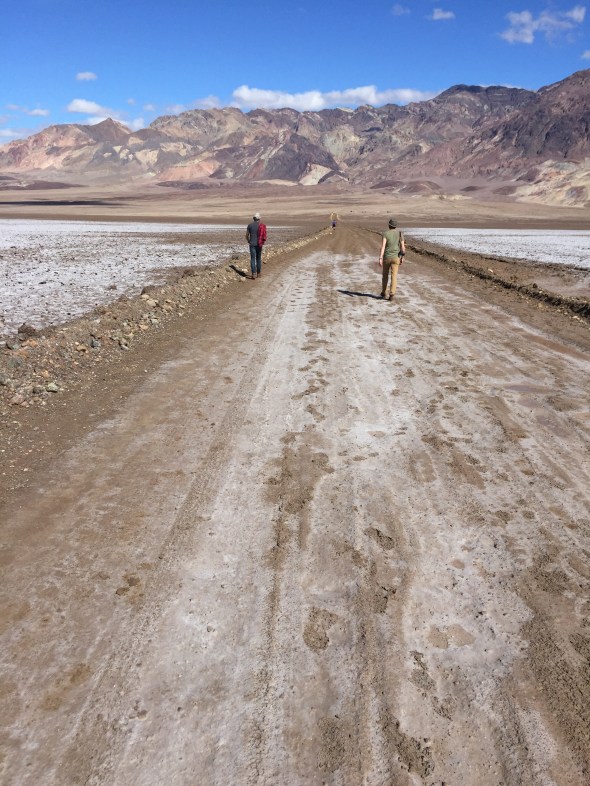
A long road ahead
Emolument
Posted: February 17, 2017 Filed under: America Since 1945, politics, presidents, Uncategorized Leave a comment
Source: giphy
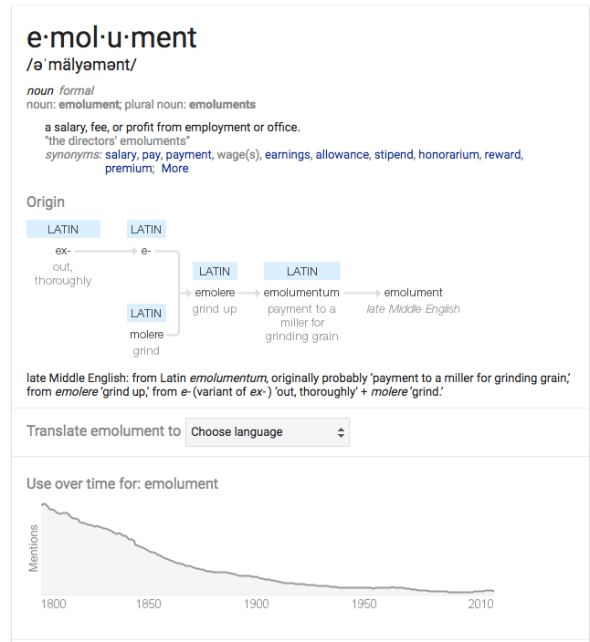
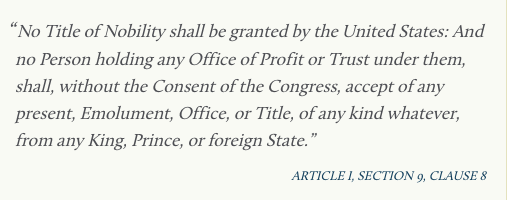
From the Heritage Foundation, about as conservative as it gets:
Similarly, the Framers intended the Emoluments Clause to protect the republican character of American political institutions. “One of the weak sides of republics, among their numerous advantages, is that they afford too easy an inlet to foreign corruption.” The Federalist No. 22 (Alexander Hamilton). The delegates at the Constitutional Convention specifically designed the clause as an antidote to potentially corrupting foreign practices of a kind that the Framers had observed during the period of the Confederation. Louis XVI had the custom of presenting expensive gifts to departing ministers who had signed treaties with France, including American diplomats. In 1780, the King gave Arthur Lee a portrait of the King set in diamonds above a gold snuff box; and in 1785, he gave Benjamin Franklin a similar miniature portrait, also set in diamonds. Likewise, the King of Spain presented John Jay (during negotiations with Spain) with the gift of a horse. All these gifts were reported to Congress, which in each case accorded permission to the recipients to accept them. Wary, however, of the possibility that such gestures might unduly influence American officials in their dealings with foreign states, the Framers institutionalized the practice of requiring the consent of Congress before one could accept “any present, Emolument, Office, or Title, of any kind whatever, from…[a] foreign State.”
Meanwhile I read the news:
China awards Donald Trump valuable trademark deal
Donald Trump sons set for UAE visit to open Trump International Golf Club Dubai
(A fun aspect to the Trump deal is: feels like every Joe and Josephine on Twitter is rapidly presenting themselves as a self-taught expert on like intelligence practices and the Ninth Circuit and what “emoluments” means.)
A thing I don’t understand: there must be at least one or two of the 248 Republican congressmen who’ve fantasized since youth about a chance to go full Profiles In Courage.
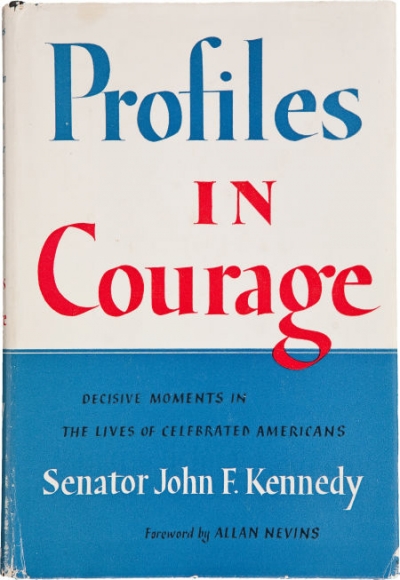
Here’s your chance bro! Take on your scumbag President, go down for it, live on! Are they all too lame? (Update: a possible candidate)
Anyway. A chance to revisit famous mills of my youth:

Wayside Grist Mill, Sudbury, MA
Let’s keep this simple
Posted: February 12, 2017 Filed under: America Since 1945, politics, presidents Leave a comment
[National Security Advisor Michael] Flynn repeatedly called the Russian embassy in Washington to discuss the transition. The White House has denied that anything substantive came up in conversations between Flynn and Sergei Kislyak, the Russian ambassador.
That was a lie, as confirmed by an extensively sourced bombshell report in TheWashington Post, which makes clear that Flynn grossly misrepresented his numerous conversations with Kislyak—which turn out to have happened before the election too, part of a regular dialogue with the Russian embassy. To call such an arrangement highly unusual in American politics would be very charitable.
so says The Observer which is controlled by the President’s son in law?
What the fuck is happening?
A real shot
Posted: February 8, 2017 Filed under: America Since 1945, politics, presidents Leave a comment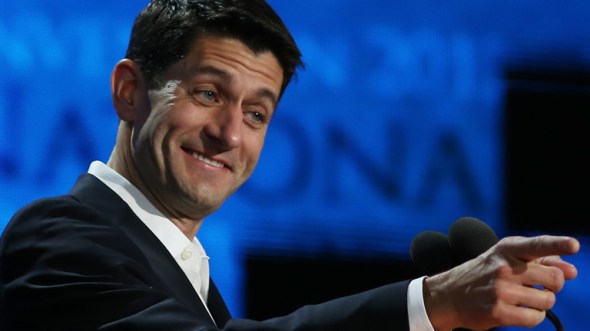
Ryan then took questions. This was the first one: “The President made some new false statements yesterday, notably that there are major terrorist attacks that the media, essentially, isn’t covering. Are you getting concerned at all about his grasp of the truth?”
Ryan shrugged his shoulders.
[…finally he answers]
“Look,” he said. “I’m going to do my job. I’ll let you guys do yours with respect to how you report, or what you don’t report. The problem is we do have a war on terror in front of us. We do have isis trying to conduct terror attacks across the globe. This is a real serious problem. And what I am focussed on is doing our job and making sure our law-enforcement authorities, our military, have the tools to keep us safe.”
from this NYer piece by the great John Cassidy.
Paul Ryan has a real shot at going down in history as a pristine example of cynical soul-selling.
Are the Republicans really for:
- the importance of virtue, morality, religious faith, stability, character and so on in the individual
- sexual morality or what came to be termed “family values”
- the importance of education to inculcate good character and to teach the fundamentals that have defined knowledge in the West for millennia
- societal norms and public order
- the centrality of initiative, enterprise, industry, and thrift to a sound economy and a healthy society
- the soul-sapping effects of paternalistic Big Government and its cannibalization of civil society and religious institutions
- a strong defense and prudent statesmanship in the international sphere
I didn’t pluck those out of thin air, those are exactly what Michael Anton, Bannon advisor, says conservatives should be for in this essay, The Flight 93 Election, his pre-election argument for DT.
Is DT making things better, stronger, or greater on any of those fronts? How’s his prudent statesmanship? What message does he send on virtue, morality, character, stability? He’s rich (maybe) but does he demonstrate industry and thrift? How’s he on education to inculcate good character and teach the fundamentals that have defined knowledge in the West for millennia? “Family values?”
The Republican Party did this to us. Reince Priebus, Trump chief of staff, is an old Wisconsin buddy of Paul Ryan.
The best case is Paul Ryan is trading all the other values for fighting “the soul-sapping effects of paternalistic Big Government and its cannibalization of civil society and religious institutions” but even he must know by now he’s fighting cannibalism by signing up with a bigger, worse cannibal.
Best case for Ryan is he makes it harder for people to pay for health care first.
Good luck! Get ‘im, Scott Pelley!
His sporting blood turned to horsepiss
Posted: February 7, 2017 Filed under: America, America Since 1945, Arkansas, books, writing Leave a comment
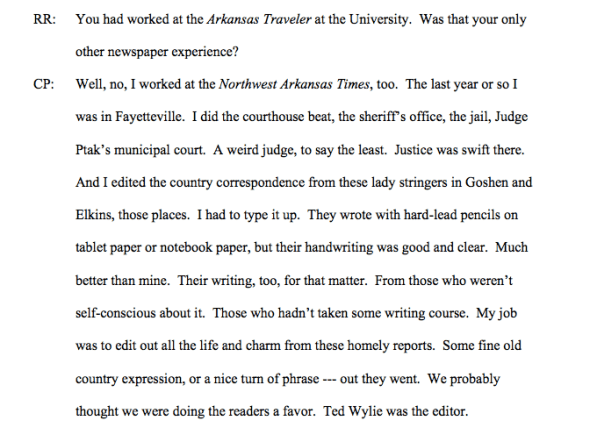
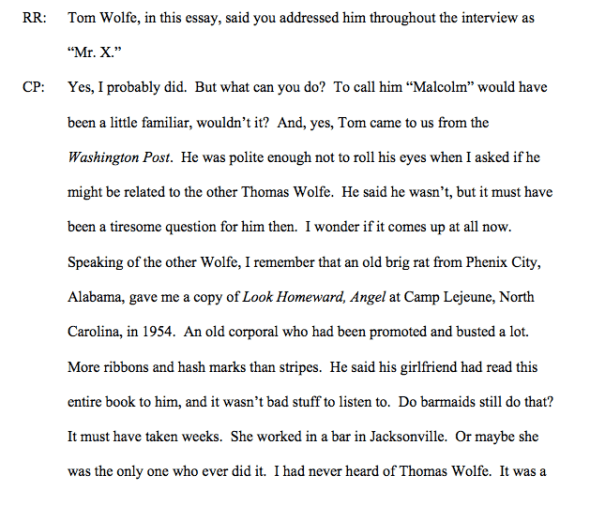
This interview with Charles Portis, on his days a young reporter, for an oral history project about the Arkansas Gazette newspaper is so wonderful.
Lady stringers:
On Tom Wolfe and Malcolm X:
They made movies out of several Portis books:
is one and
is another.
What does Charles Portis make of all this I wonder?

Click on this link for an amazing picture of William Woodruff sailing up the Mississippi with his printing presses.
We are better than this
Posted: February 6, 2017 Filed under: America Since 1945, politics, presidents Leave a comment
User magicpiano on Wikipedia
NOTE: Per a conversation with a Catholic sister in New Hampshire who sometimes teaches Helytimes posts to her advanced English class, I’ve cleaned up some language here.
The goal should be to raise the discourse.
62,418,820 Americans voted for him. All those people are not dumb jerks.


Many bad people in my experience end up with exactly the punishment they deserve
This is a mess and a shame.
Part of our job as citizens for the rest of our lives will be undoing this disgrace and bringing some honor back to this country. USA has done much that’s staggeringly, tears to your eyes amazing and heroic and noble.

photo of John Young by Charlie Duke
This work sucks, because I’m very lazy and have other things I’d rather do and preferred when my civic responsibility was minimal.
Counterpoint from Rabih Alameddine about whether we are better than this or not. He tells a beautiful story at the end.
Buffett
Posted: February 3, 2017 Filed under: advice, America Since 1945, business, politics, presidents Leave a comment
Warren Buffett’s advice always sounds simple, which isn’t the same as easy to follow.

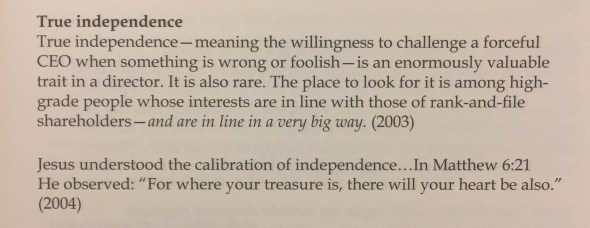
Loved the doc about him on HBO. The first scene is him advising high school kids to take care of their minds and bodies. The second scene is him in the drive-through line at McDonald’s.
Oil Wells in National Parks
Posted: February 1, 2017 Filed under: America Since 1945 2 CommentsThis is part one of our series on Our Public Land Under President DT and the GOP
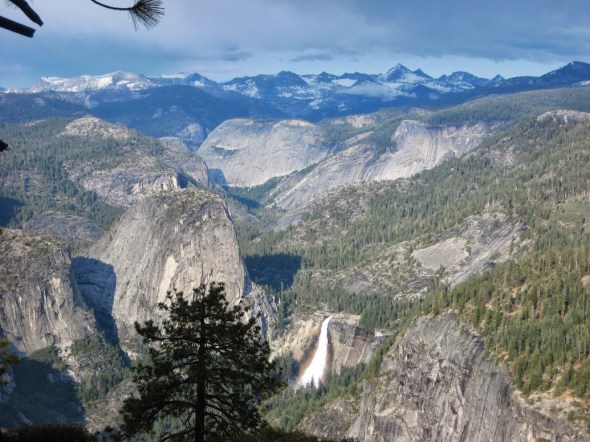
I took the pictures that aren’t credited to someone else.
We can’t all be experts on every outrage that’s going to come along. After the November Calamity we had a meeting here at Helytimes and decided our beat would be Our Public Land.

up in the national forest
The land owned by the US government in the form of national parks, national forests, national monuments, and much more.

This land is special to us, our heritage, we owe it to our children to leave it to them undestroyed, un-shat upon.

Federal land ownership is a complex issue. Our Spotlight team has been deep-diving on the topic. Many aspects deserve some careful exploration.

Map of federally owned land. Source: USGS
For example, maybe the federal government should return some Bureau of Land Management land to the state of Utah.
And who will follow Jonathan Jarvis as head of the NPS?
There are even areas where conservationists can find common cause with President Trump. Even use the issue to drive a wedge between him and the GOP congress.
We’ll be discussing that in Part 2 and 3. First up is the most disgusting matter of:
HJ Res 46
A sneaky little bill:
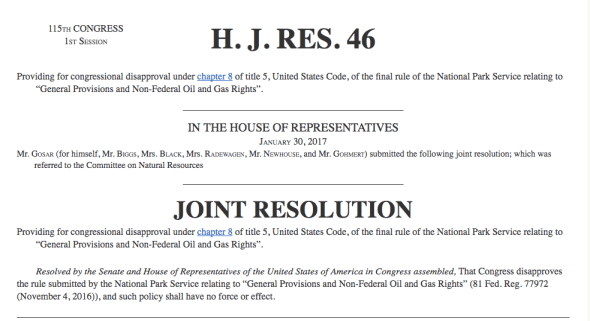
Introduced by this man:
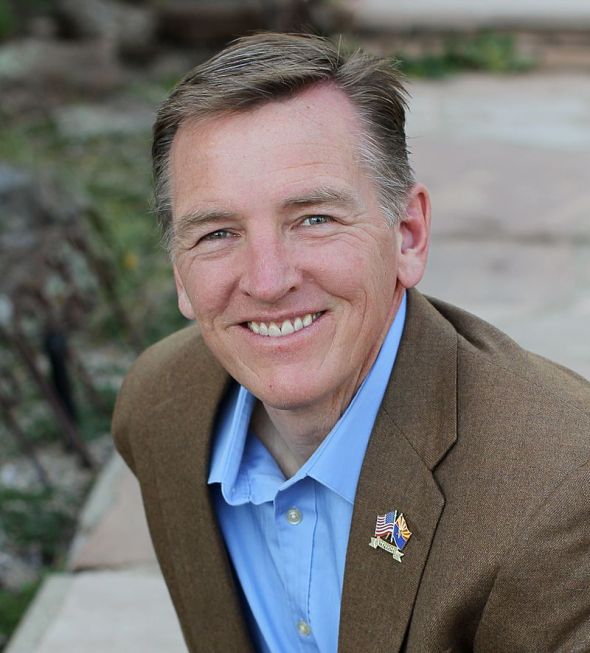
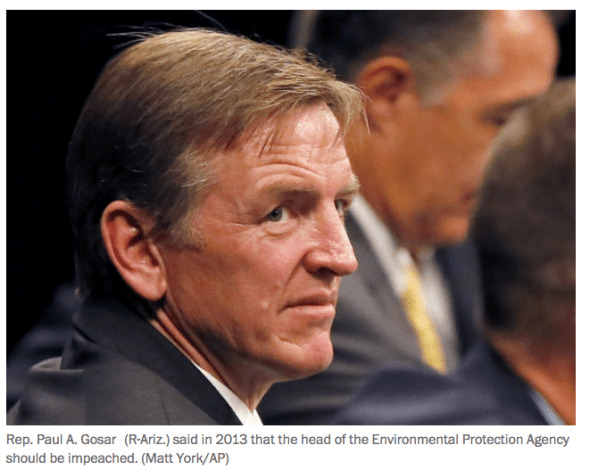
Arizona’s Paul Gosar. Noted for boycotting the Pope’s visit to Congress and then milking it for fundraising purposes, among other low deeds. The Washington Post has a somewhat less flattering photo of him:
Now listen, to his credit, Gosar was the Arizona Dental Association’s Dentist of the Year in 2001, which is cool. Credit where it’s due.
However with his hopefully limited time in Washington, he’s spending some of it loosening rules for oil and gas drilling in National Park Service land.
This is a complicated issue. Here’s the Washington Post’s Daryl Fears on the subject:
But his latest move came as a surprise to many. Gosar submitted a resolution Monday that threatens to repeal the National Park Service’s authority to manage private drilling for oil, gas and minerals at 40 national parks, according to the National Parks Conservation Association. Under what are known as the 9B rules, the Park Service, which controls the surface of natural parks, can decline drilling rights to parties that own resources beneath the surface if it determines that the operation would be an environmental threat.
There already are some drilling concessions in national parkland. Here’s some info from Curbed:
The so-called “split-estate” situation involves land acquired by the federal government for national parks where private owners maintain their rights to potentially lucrative minerals underground…
Some key split-estate parks include Everglades National Park in Florida, the Grand Teton National Park in Wyoming, the Flight 93 Memorial in Pennsylvania, and the Grand Canyon National Recreation Area.
It’s also important to note that due to this particularly quirky legal status, there are a dozen national parks that currently have oil and gas operations—including Big Cypress National Park in Florida, with 20 active wells, and Lake Meredith Recreation Area in Texas, with 174 active wells.

Back to Mr. Fears at the Post:
Gosar called claims that he’s trying to open the parks to more drilling “utterly false.” His resolution “simply seeks to block a midnight Obama [administration] regulation implemented in November” that he said targets the livelihoods of existing drilling operations in national parks.
The lawmaker was referring to an update to the 9B rules drafted by the Park Service a week before Trump was elected in November. At that time, then-Park Service Director Jonathan Jarvis bemoaned that 60 percent of drilling operations allowed in parks were exempt from the regulations.
Jarvis also said a cap on financial assurance that went toward cleaning up any mess caused by drilling operations, $200,000, was inadequate to cover the true cost to restore the land. Finally, the Park Service had no authority to require compensation when operations strayed outside the boundaries of where they were limited to operating.
The park service eliminated the exemptions, removed the cap on financial assurance and authorized compensation to taxpayers when operations went outside their boundaries.
Hey Coastal Elite, what the hell do you know about Arizona’s need for more drilling?
A fair question. Federal bureaucracies can be annoying as hell. What if you owned mineral rights in an area that then became a national preserve? Maybe Paul Gosar DDS knows more about this than you.
Well, interestingly, none of the drilling in national parklands appears to be in Arizona at all.
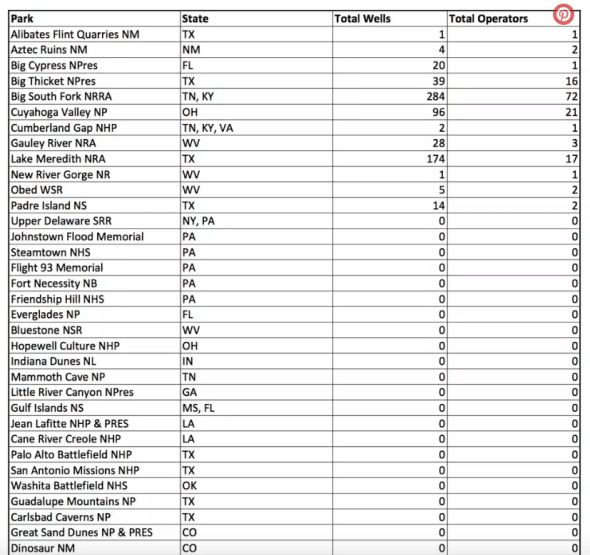
So, my guess is Rep. Gosar anticipates some expansion of drilling.
If you want to get the facts as Rep. Paul Gosar, DDS sees them, you can do so here. You will find language like this:
Private property rights are a bedrock principle of America. However, the Park Service’s midnight oil and gas regulation jeopardizes significant investments made by job creators, states and private companies. The federal government has no right to impose job-killing regulations for private and state-owned oil and natural gas wells not owned by the federal government, especially when these wells are already subject to existing environmental regulations.
He further quotes an objection filed by the state of Utah:
The proposed 180 day timeframe for oil and gas permits is completely unacceptable. The proposed change to Section 9.104 would lengthen the timeframe for the NPS to reach a final decision on a future oil and gas permit application, from 60 days to 180 days, plus allowances for an extension if the NPS determines that it needs more time. Six months for a permit decision by the NPS is an exorbitant length of time that creates unnecessary delays in industry operations.
The National Park Service’s side of the story
How much oil, gas and mineral extraction should there be in the national parks and national preserves? Me, I’m ok with zero. Since there’s some already, I’m with former National Park Service Director Jonathan Jarvis:
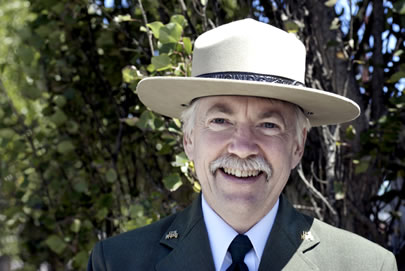
Here’s what Jarvis had to say back in November 2016 when the rule adjustments were made:
Oil and gas drilling is rare on NPS land and is limited to areas where a private or state landowner controls mineral rights. Drilling only happens in 12 of the 413 national parks.
“We have a fundamental responsibility to conserve park resources and the values for which these parks are created for the enjoyment of future generations,” NPS Director Jonathan Jarvis said in a statement.
“The changes we made to this rule bring more than 300 previously exempt oil and gas operations in parks under NPS regulations,” he said. “The rule clarifies the process for oil and gas development in the small group of parks where current operations exist, and for parks that may have to manage oil and gas operations in the future.”
The rule had not been updated in 37 years.
The update brings 319 wells under NPS regulations, removes a cap on financial bonding requirements for drillers and strengthens enforcement powers.
Let’s hear a strong take from the National Parks Conservation Association:
House Moves to Encourage Drilling in National Parks

Well, let’s be reasonable here, the NPCA is putting a slightly hyperbolic spin on the situation.
The National Park Conservation Association is one of the “extremist groups” referred to on Congressman Gosar’s Twitter:
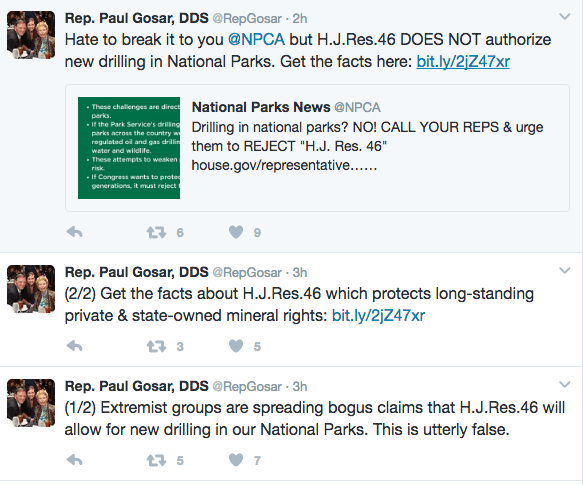
(Why did this knucklehead quote and share their negative tweet about him?)
I think, though, that even Rep. Paul Gosar, DDS, would have a hard time calling The Coalition to Protect The National Parks an extremist group.

These are all former Park Service employees. Here is their quite reasoned take on the changes to the rules that Gosar wants to undo:
-
NPS has documented 26 instances of surface contamination and water quality degradation from spills, storm water runoff, erosion, and sedimentation;
-
Forty-seven cases of oil and ground water contamination have been found from existing drilling mud pits, poorly constructed wells, pump jack leaks, operations and maintenance spills, and tank battery leaks;
-
Many sites cause air quality degradation from dust, natural gas flaring, hydrogen sulfide gas, and emissions from production operations and vehicles, and NPS inspections have documented 14 instances of notable odors emanating from the wellhead;
-
Increased human presence and noise from seismic operations, blasting, construction, drilling and production operations effect wildlife behavior, breeding, and habitat utilization, and negatively impact the visitor experience;
-
Adverse effects on sensitive and endangered species. NPS site inspections have documented 15 sites with sensitive species or habitat;
-
Disturbance to archeological and cultural resources from blasting associated with seismic exploration and road/site preparation, maintenance activities, or by spills; and
-
Visitor safety hazards from equipment, pressurized vessels and lines, presence of hydrogen sulfide gas, and leaking oil and gas that can create explosion and fire hazards. Through site inspections the NPS has documented 62 instances of visitor safety hazards.
Another critical improvement is the NPS proposal to eliminate the current bonding (financial assurances) limit of $200,000 per operator per unit. Currently, in the case of an inadequate bond amount, the only NPS recourse is a civil suit to recover additional reclamation costs – a difficult, costly, and time consuming process. In cases where the operator is insolvent or can’t be located the cost of well plugging and site reclamation fall on the NPS and American taxpayers.

from the NPS instagram
Our national parklands are terrific. Any effort to mess with them must be met immediately and aggressively. Why Congressman Gosar is so passionate about making oil, gas and mineral exploitation easier in these lands is no doubt an intriguing story.
What to do
- Call Paul Gosar and tell him he may be a fine dentist but he’s a seemingly pisspoor steward of our national treasures. Here’s a possible script:
Hi, I’m calling because I’m an American citizen, and I’m disappointed with HJ Resolution 46, introduced by the Congressman.
[they’ll ask you where you’re from — no doubt many Helytimes Readers live in Arizona’s Fourth Congressional District. But if you don’t, just mention that you’re an American citizen and a frequent visitor to our national parkland, so this affects you too.]
It’s a disgrace to weaken protections for these treasured national landscapes. And a strange way for the Congressman to spend his time. I’ll be paying attention to this issue, and I’ll be paying attention to the Congressman’s next election. Thank you, and goodbye.
(202) 225-2315
to call him in Washington.
(928) 445-1683
in Prescott, AZ
- Donate to the National Parks Conservation Association, an aggressive pro-parks lobbying group.
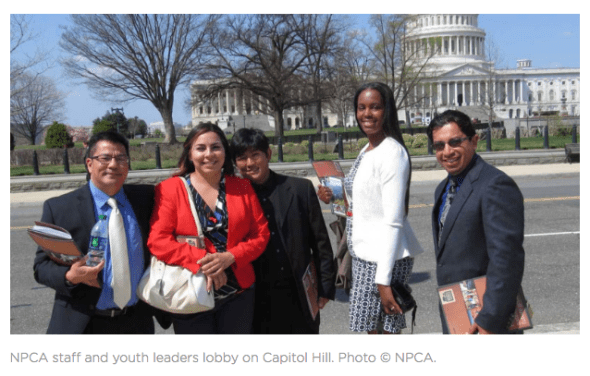
- Donate to the Coalition to Protect the National Parks — a gentler, less aggressive, more experienced squad.
- If your own Congressman is on the House Committee On Natural Resources, give them a call. Tell them you’ll be keeping an eye on HJ Res 46.
- Let me know if I got something wrong! If you are an expert on the 9B rules! If you are an independent petroleum driller! If you are Rep. Paul Gosar and you feel slandered!
- That’s it, you’re done!
You know damn well we wouldn’t ask you to do anything we hadn’t done ourselves.
In our next installment:
H. R. 621: Bowhunters and Joyce Carol Oates vs the land-sellers!
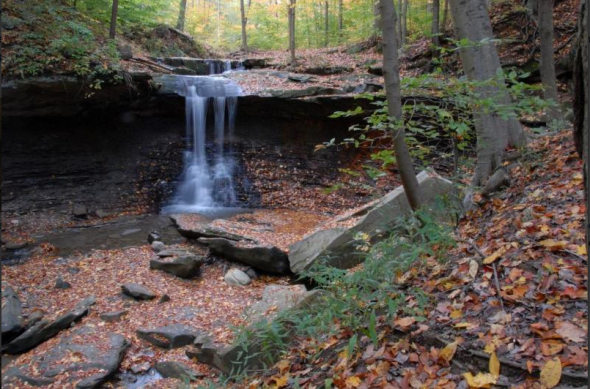
Cuyahoga Valley National Park has 96 wells in it, photo from the Cuyahoga Valley NPS website
Cosmopolitan
Posted: January 31, 2017 Filed under: America Since 1945 Leave a comment
“In America and Europe, working people are reasserting their right to control their own destinies,” Bannon wrote. “Jeff Sessions has been at the forefront of this movement for years, developing populist nation-state policies that are supported by the vast and overwhelming majority of Americans, but are poorly understood by cosmopolitan elites in the media that live in a handful of our larger cities.”
source: The Washington Post. Bannon wrote this in an email to The Washington Post, he is trolling the Washington Post. Maybe best reaction to a troll is ignore it, but the classic schoolyard retort “takes one to know one” might be valid here.
Bannon: a Georgetown and Harvard Business School graduate turned Goldman Sachs banker and Hollywood producer.
In the late 1980s, he and some Goldman colleagues broke off and formed their own investment bank, Bannon & Co., housed in an office on Canon Drive in Beverly Hills, California.
Trump: a Wharton graduate television host from New York City
Shoddy
Posted: January 31, 2017 Filed under: America Since 1945, politics, presidents Leave a comment
from Whitehouse.gov, a shoddy website
- badly made or done
- lacking moral principle; sorid
poor-quality
inferior
second-rate
cheap
trashy
careless
sloppily-made
worthless
prone to falling apart, disintegrating
valueless
unworthy
inadequate
Snapshot of Tim Ferriss’s twitter
Posted: January 25, 2017 Filed under: America Since 1945 Leave a comment
If you seem like a parody of yourself, you’re doing something right.
Cool shoutout to Great Debates in Tools Of Titans — we gotta get this dude on the podcast.
Thurgood’s take, and Yoichi Okamoto
Posted: January 2, 2017 Filed under: America Since 1945, photography, politics, presidents Leave a comment
From Stephen L. Carter’s 2017 predictions, via Tyler Cowen. (Helytimes is increasingly becoming a Tyler Cowen processing center).
Thurgood:

That photo is by Yoichi Okamoto:

Looking a bit like Fredrik Wikingsson there, and here are more by Yoichi:


found at this NYT slideshow of his work from 2013.
The Generals by Thomas Ricks
Posted: December 23, 2016 Filed under: America Since 1945, politics, war, WW2 1 Comment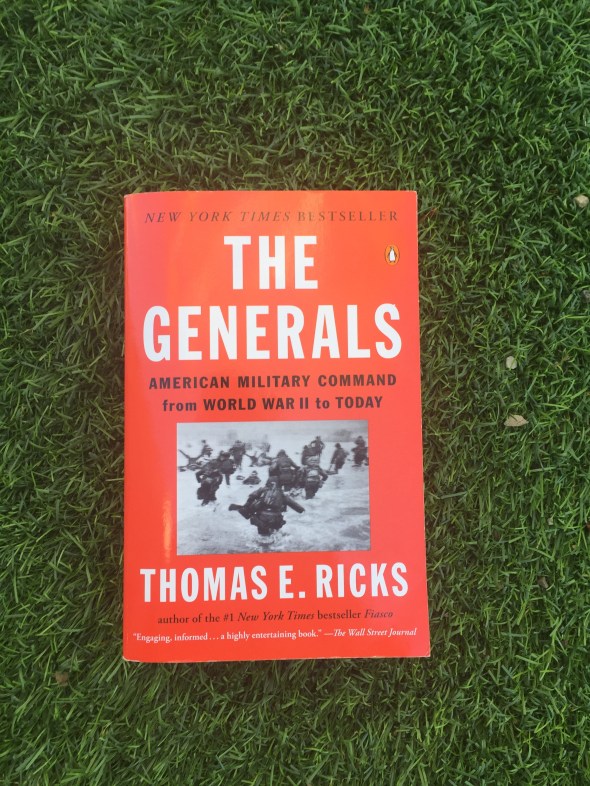
This book is so full of compelling anecdotes, character studies, and surprising, valuable lessons of leadership that I kind of can’t believe I got to it before Malcolm Gladwell or David Brooks or somebody scavenged it for good stories.

Generaling
Consider how hard it would be to get fifteen of your friends to leave for a road trip at the same time. How much coordination and communication it would take, how likely it was to get fucked up.
Now imagine trying to move 156,000 people across the English Channel, and you have to keep it a surprise, and on the other side there are 50,350 people waiting to try and kill you.

The Puerto Rican 65th Infantry Regiment’s bayonet charge against a Chinese division during the Korean War. Dominic D’Andrea, commissioned by the National Guard Heritage Foundation
Even at a lower scale, say a brigade, a brigadier general might oversee say 4,500 people and hundreds of vehicles. Those people must be clothed, fed, housed, their medical problems attended to. Then they have to be armed, trained, given ammo. You have to find the enemy, kill them, evacuate the wounded, stay in communication, and keep a calm head as many people are trying to kill you and the situation is changing rapidly and constantly.

32nd Brigade Command Sgt. Maj. Ed Hansen, on floor in front of podium, accepts reports from battalion command sergeants major as the brigade forms at the start of the Feb. 17 send-off ceremony at the Dane County Veterans Memorial Coliseum, Madison, Wis. Family members and public officials bade farewell to some 3,200 members of the 32nd Infantry Brigade Combat Team and augmenting units, Wisconsin Army National Guard, in the ceremony. The unit is bound for pre-deployment training at Fort Bliss, Texas, followed by a deployment of approximately 10 months for Operation Iraqi Freedom. Wisconsin Department of Military Affairs photo by Larry Sommers.
Being a general is a challenging job, I guess is my point.

U.S. Army Gen. Martin E. Dempsey, left, chairman of the Joint Chiefs of Staff, and U.S. Marine Corps Gen. James N. Mattis, commander of U.S. Central Command, talk on board a C-17 while flying to Baghdad, Dec. 15, 2011. Source.
I saw this post about Gen. Mattis, possible future Secretary of Defense, on Tom Ricks blog:
A SecDef nominee at war?: What I wrote about General Mattis in ‘The Generals’
The story was so compelling that I immediately ordered Mr. Ricks’ book:

A fantastic read. Eye-opening, shocking, opinionated, compelling.
The way that Marc Norman’s book on screenwriting works as a history of Hollywood:

The Generals works as a kind of history of the US since World War II. I’d list it with 1491: New Revelations On The Americas Before Columbus as a book I think every citizen should read.
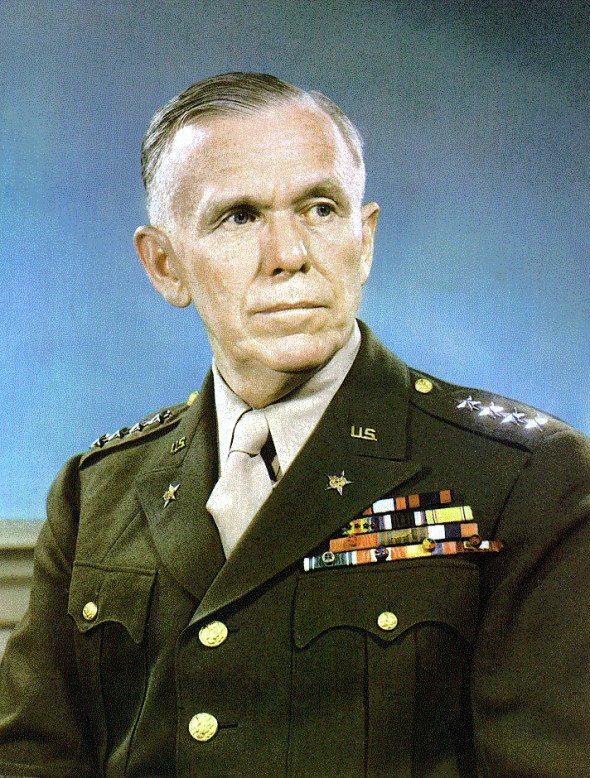
The observation that drives The Generals is this: commanding troops in combat is insanely difficult. Many generals will fail. Officers who performed well at lower ranks might completely collapse.
During World War II, generals who failed to perform were swiftly relieved of command. (Often, they were given second chances, and many stepped up).
Since World War II, swift relief of underperforming generals has not been the case. The results for American military effectiveness have been devastating. Much of this book describes catastrophe and disaster, as I guess war is even under the best of circumstances and the finest leadership.
Ricks is such a good writer, so engaging and compelling. He knows to include stuff like this:


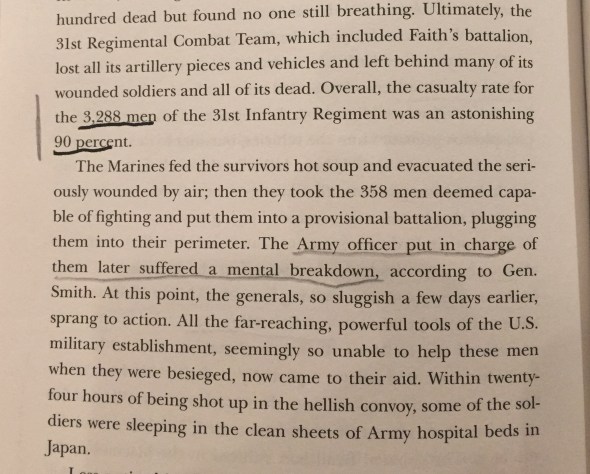
Ricks describes the catastrophes that result from bad military leadership. How about this, in Korea?:
What kind of effect did this leadership have, in Vietnam?:

He discusses the relationship of presidents and their generals:



Here is LBJ, years later, describing his nightmares:
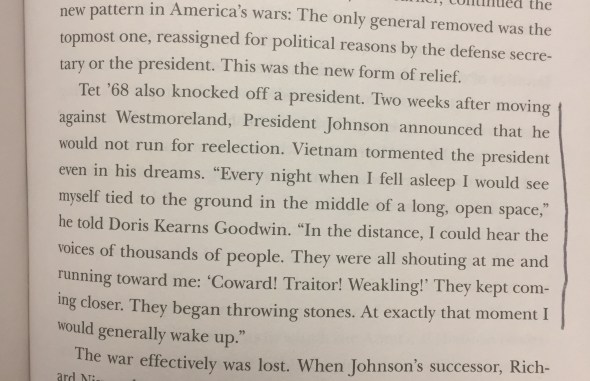
Ricks can be blunt:
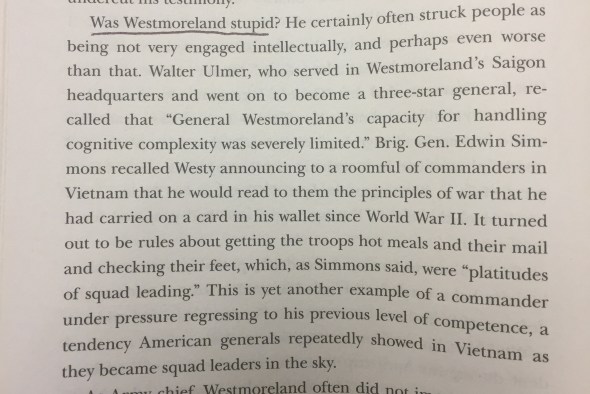
Hard lessons the Marines had learned:


Symbolically, There’s a Warning Signal Against Them as Marines Move Down the Main Line to Seoul From RG: 127 General Photograph File of the U.S. Marine Corps National Archives Identifier: 5891316 Local Identifier: 127-N-A3206
A hero in the book is O. P. Smith

who led the Marines’ reverse advance at the Chosin Resevoir, when it was so cold men’s toes were falling off from frostbite inside their boots:

The story of what they accomplished is incredible, worth a book itself. Here’s Ricks talking about the book and Smith.
A continued challenge for generals is to understand the strategic circumstances they are operating under, and the political limitations that constrain them.

031206-F-2828D-373
Secretary of Defense Donald H. Rumsfeld walks with Army Lt. Gen. Ricardo Sanchez after arriving at Baghdad International Airport in Iraq on Dec. 6, 2003. Rumsfeld is in Iraq to meet with members of the Coalition Provisional Authority, senior military leaders and the troops deployed there. DoD photo by Tech. Sgt. Andy Dunaway, U.S. Air Force. (Released) source

Recommend this book. One of the best works of military history I’ve ever read, and a sobering reflection on leadership, strategy, and the United States.
 Helytimes