Shamans and Rabbis
Posted: December 3, 2025 Filed under: religion Leave a comment
The American anthropologist Franz Boas records the story of a powerful Kwakwaka’wakw shaman, Qā’sElid, who had embarked on his apprenticeship because he wanted to know whether the magic of shamans was real or if they were just pretending. So he learned the tricks of the trade, becoming especially proficient at a procedure in which a feather, concealed in the mouth and bloodied by biting one’s tongue, is ‘sucked out’ of a sick person during a ritual then proclaimed the cause of their illness. Having used this trick to cure a patient who had asked for him after seeing him in a dream, Qā’sElid’s renown spread, and soon neighbouring shamans started to beg for his secrets. He began to wonder whether the tricks he had learned were actually potent; they certainly seemed to effect more impressive cures than the charlatanry around him (some of his peers didn’t even bother with the bloody feather, merely sucking and blowing at their patients). Qā’sElid ends his narrative far less certain about magic than when he set out. What seemed false had become true.
from an LRB piece by Francis Gooding reviewing David Toop’s book about Dr. John’s 1967 album Gris-Gris. Recorded right here in LA with time stolen from Sonny & Cher.
In the same issue, a review of a new translation of Maimonides Guide to the Perplexed. What a great title. I hadn’t really known what was perplexing people, here’s a summary:
The work is addressed to Maimonides’s student Joseph Ibn Shimon, and by extension to anyone troubled by the same issue as Joseph – that is, the apparent conflict between Aristotelian science and Jewish religion. Aristotle’s God is an immaterial intellect, which gives rise to eternal celestial motion simply by thinking about itself. The God of the Torah, by contrast, is an emotional and wilful being, who created the world in a known span of time. This God seems to have a body, because he ‘sits’ and ‘stands’. He apparently has spatial location, since he is said to dwell ‘high in the heavens’ and then to ‘come near’. He is even compared to such tangible earthly phenomena as fire and rock.
Maimonides was born Córdoba in Islamic Spain, sometime around 1135 CE. He ended up in Cairo. From a 2010 LRB review of Maimonides In His World by Sarah Stroumsa:
Ibn Tumart attacked what he saw as the anthropomorphising and polytheistic tendencies of Islam in his day; the treatises he wrote were designed to provide his followers with the prophetic foundations for the pure monotheistic beliefs and practices incumbent on every Muslim, uncluttered by the later disputes of the learned. The Almohad movement he inspired – from the Arabic al-Muwahhidun, meaning the ‘proclaimers of God’s one-ness’ – swept to power throughout North Africa and Muslim Spain. The Almohads, unlike nearly all their predecessors in the history of Islam, did not tolerate the presence of Jews and Christians on their territory. With their arrival in Cordoba in 1147, when Maimonides was a child, the famously plural society of Muslim Spain came to an end. Many Arabic-speaking Jews and Christians fled to the northern Christian kingdoms. Others, like Maimonides’ family, accepted forced conversion to Islam and began a long series of displacements or exiles. The family seems to have spent 12 years wandering from city to city in Muslim Spain before settling for five years in Fez, where, according to a Muslim biographer, Maimonides learned the Quran by heart and studied Islamic law. He then escaped the Almohads’ orbit, moving briefly to Palestine and then to Egypt, where he could live openly as a Jew. He remained there until he died, in 1204.
On Stroumsa:
as early as 1213 Samuel ibn Tibbon, Maimonides’ translator in southern France, pointed out that readers of the Mishneh Torah in Christian lands had been led astray by their ignorance of the Arabic and Islamic context of its vocabulary. But few have learned the Arabic necessary to investigate this claim. Stroumsa is one of the handful of modern scholars who has done so
Badass. From Wikipedia:
Maimonides then explains his views on the reasons for the 613 mitzvot, the 613 laws contained within the five books of Moses. Maimonides divides these laws into 14 sections—the same as in his Mishneh Torah. However, he departs from traditional Rabbinic explanations in favour of a more physical/pragmatic approach by explaining the purpose of the commandments (especially of sacrifices) as intending to help wean the Israelites away from idolatry.
Somewhat shocked to read circulation numbers for the London Review of Books, it’s like 29,000. That means 0.000689 % (?) of all subscribers are regularly lunching together in Pasadena.
Calvin’s Geneva (Swiss History Part Five or Six)
Posted: June 7, 2024 Filed under: religion, Switzerland Leave a commentPrevious posts on Swiss history.

Jean Cauvin was a twenty-four year old lawyer and scholar when his friend/ally gave a speech at the University of Paris that was so scandalous the guy had to leave town and move to Basel. The topic of the speech? Reforming the Catholic Church.
Shortly after events got so heated (y’all remember The Affair of the Placards) that Calvin had to leave town too. The Universal History of the World picks up:


The Universal History of the World, which I bought volume by volume for 50 cents each at the Needham Public Library, really fired up my youthful imagination. The book has a slight Protestant slant.
Wikipedia gives us Voltaire’s take on the reign of Calvin:
Voltaire wrote about Calvin, Luther and Zwingli, “If they condemned celibacy in the priests, and opened the gates of the convents, it was only to turn all society into a convent. Shows and entertainments were expressly forbidden by their religion; and for more than two hundred years there was not a single musical instrument allowed in the city of Geneva. They condemned auricular confession, but they enjoined a public one; and in Switzerland, Scotland, and Geneva it was performed the same as penance.”
Marilynne Robinson, in her Death of Adam, has a long essay sticking up for Calvin (she uses the spelling Cauvin):
Still, I would like to consider a little longer the strange figure of Jean Cauvin himself, because he is a true historical singularity. The theologian Karl Barth called him “a cataract, a primeval forest, something demonic, directly descending from the Himalayas, absolutely Chinese, marvelous, mythological.”
…
His commentaries on the Psalms and on Jeremiah are each about twenty-five hundred pages long in English translation, and he wrote commentary on almost the whole Bible, besides personal, pastoral, polemical, and diplomatic letters, treatises on points of doctrine, a catechism, and continuous revisions of his Institutes of the Christian Religion, the first, greatest, and most influential work of systematic theology the Reformation produced.
Robinson points out that by way of Geneva, many Protestant exiles who ended up in the future USA had an example of a republican type of government:
There are things for which we in this culture clearly are indebted to him, including relatively popular government, the relatively high status of women, the separation of church and state, what remains of universal schooling, and, while it lasted, liberal higher education, education in “the humanities.” All this, for our purposes, emanated from Geneva—in imperfect form, of course, but tending then toward improvement as it is now tending toward decline.
and:
In 1528 Geneva became an autonomous city governed by elected councils as the result of an insurrection against the ruling house of Savoy. Though the causes of the rebellion seem to have had little to do with the religious controversies of the period, in the course of it two preachers, Guillaume Farel and Pierre Viret, persuaded the city to align itself with the Reformation, then recruited Cauvin to guide the experiment of establishing a new religious culture in the newly emancipated city. That is to say, Calvinism developed with and within a civil regime of elections and town meetings…
Again, the republican institutions of Geneva were in place before Calvin set foot in that city; the Northern Netherlands freed itself and governed itself under Calvinist influence, which was strong but never exclusive; the New Englanders embraced a revolutionary order whose greatest exponents were Southerners.
She suggests we ease up on Calvin, after all he only executed the one heretic:
Bear in mind that Calvin approved the execution of only one man for heresy, the Spanish physician known as Michael Servetus, who had written books in which, among other things, he attacked the doctrine of the Trinity. One man is one too many, of course, but by the standards of the time, and considering Calvin’s embattled situation, the fact that he has only Servetus to answer for is evidence of astonishing restraint.
But she notes some difficult aspects:
Cauvin has an unsettling habit of referring to himself or to any human being as a “worm.”
I hope to learn more about John Calvin/Cauvin in Geneva. I find myself more drawn to Servetus:
Servetus also contributed enormously to medicine with other published works specifically related to the field, such as his Complete Explanation of Syrups
When Calvin died, they were worried his resting place would become a place of veneration, as for a saint, which he wouldn’t approve of, so he was buried in an unmarked grave.
Whose special praise it is
Posted: December 31, 2018 Filed under: religion Leave a comment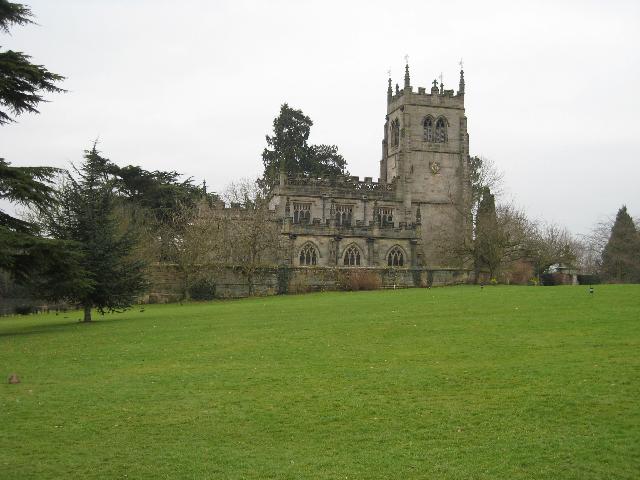
Source: David Sowell for Wikipedia
In this church in Staunton Harold, England, there’s an inscription:
When all things sacred were throughout ye nation Either demollisht or profaned
Sir Robert Shirley Barronet founded this Church whose singular praise it is to have done ye best things in ye worst times And hoped them in the most callamitous.
This is Sir Robert the 4th Baronet, who died a prisoner in the Tower of London.
shoutout to FWJ who told me that one.

Source: Colin Smith for Wikipedia
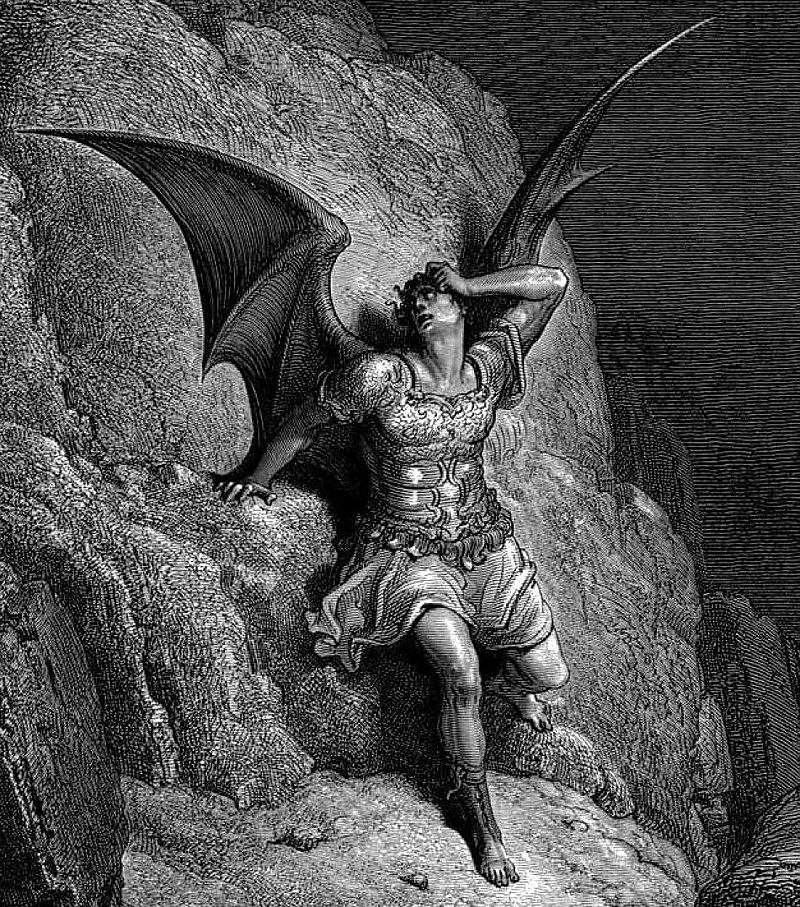
Sympathy for the Devil
Posted: December 4, 2018 Filed under: religion, writing Leave a comment
I was thinking about how a lot of movies and shows (a rewatch of The Sopranos is what made me thing of this) could be called Sympathy For The Devil.
Isn’t the premise of this show to take a murderer and crime boss and get you to sympathize with him?
Ron Hansen
Posted: October 21, 2018 Filed under: Christianity, religion, writing Leave a comment
found in my notes some quotes from an interview with novelist Ron Hansen:
You may pray to God for guidance about some decision in your life, and God might say, ‘Look inside yourself and see what you want. It’s not necessary for you to be a priest. It’s not necessary for you to be married. It’s whatever you decide.’ In essence, God says, ‘Surprise me.’ We’re co-creators in a lot of ways, and what God relishes most about us is our creative freedom.
How about this:
For me, each Mass has a plot. It’s a kind of murder mystery. There is for me within the liturgy a sense of the importance of this celebration-this reenactment of the conspiracy and murder and resurrection of an innocent man. Here’s a man who on the eve of his betrayal celebrates dinner with his friends. Then he’s led away and whipped and has all these terrible things happen to him. But at the end the story we find out it’s a comedy, because it has such a wonderful, happy ending. And we get to share in it, in this mystery of the redemption.
love the idea of Mass as murder mystery slash comedy.
The opening of Ron Hansen’s The Assassination of Jesse James By The Coward Robert Ford:
He was growing into middle age and was living then in a bungalow on Woodland Avenue. Green weeds split the porch steps, a wasp nest clung to an attic gable, a rope swing looped down from a dying elm tree and the ground below it was scuffed soft as flour. Jesse installed himself in a rocking chair and smoked a cigar down in the evening as his wife wiped her pink hands on a cotton apron and reported happily on their two children. Whenever he walked about the house, he carried serval newspapers – the Sedalia Daily Democrat, the St. Joseph Gazette, and the Kansas City Times – with a foot-long .44 caliber pistol tucked into a fold. He stuffed flat pencils into his pockets. He played by flipping peanuts to squirrels. He braided yellow dandelions into his wife’s yellow hair. He practiced out-of-the-body travel, precognition, sorcery. He sucked raw egg yolks out of their shells and ate grass when sick, like a dog. He would flop open the limp Holy Bible that had belonged to his father, the late Reverend Robert S. James, and would contemplate whichever verses he chanced upon, getting privileged messages from each. The pages were scribbled over with penciled comments and interpretations; the cover was cool to his cheek as a shovel. He scoured for nightcrawlers after earth-battering rains and flipped them into manure pails until he could chop them into writhing sections and sprinkle them over his garden patch. He recorded sales and trends at the stock exchange but squandered much of his capital on madcap speculation. He conjectured about foreign relations, justified himself with indignant letters, derided Eastern financiers, seeded tobacco shops and saloons with preposterous gossip about the kitchens of Persia, the Queen of England, the marriage rites of the Latter Day Saints. He was a faulty judge of character, a prevaricator, a child at heart. He went everywhere unrecognized and lunched with Kansas City shopkeepers and merchants, calling himself a cattleman or commodities investor, someone rich and leisured who had the common touch.
in my Quora digest
Posted: August 8, 2018 Filed under: Islam, religion, the California Condition Leave a comment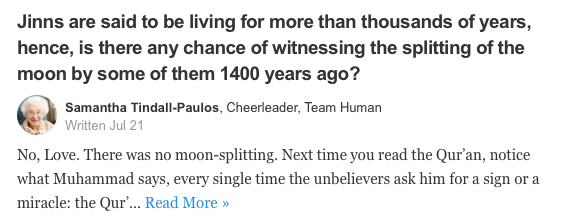
The source
Posted: August 5, 2018 Filed under: Christianity, religion Leave a comment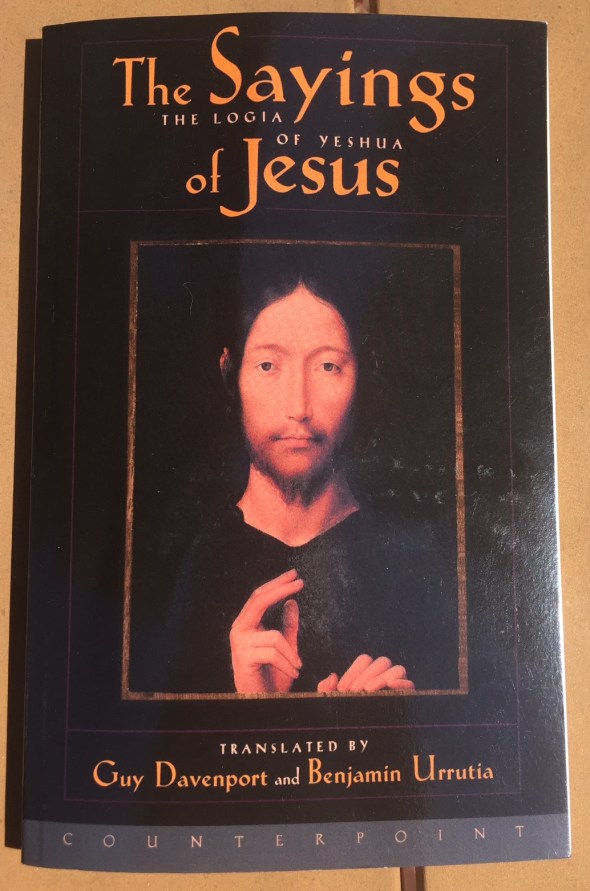
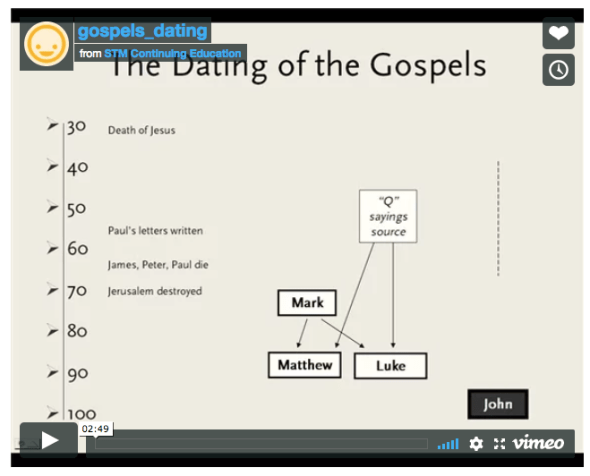
Most scholars seem to agree that Mark, Luke, and Matthew used a common source, a sayings source. A list or record of Jesus sayings. This now lost source is called Q, from the German Quelle, meaning source.
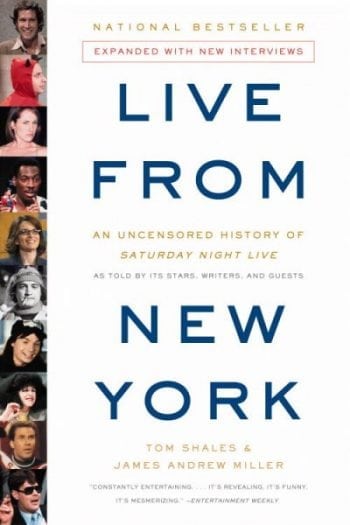
The stories about John Belushi in this book were written down at about the same time distance as the stories about Jesus in the Gospel of Mark.
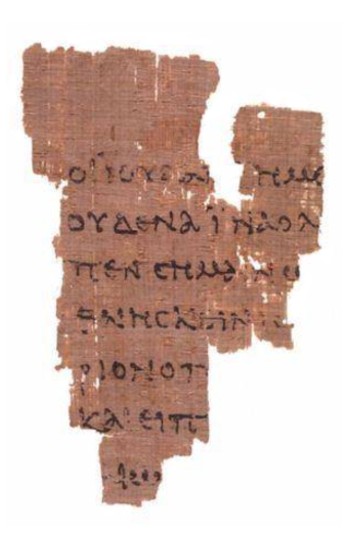
Though the oldest written fragments of the Gospels are on papyrus from 100-200 CE, most scholars seem to agree Mark was written around 70 AD.
Richard Bauckham, author of this book:
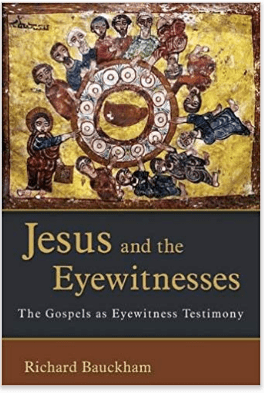
and this one:
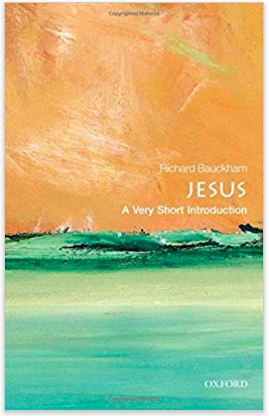
makes a strong case, I believe, that one of Mark’s main sources was Peter. Directly or indirectly, who knows. But in Mark we’re getting something like Peter’s version. Peter himself is a character in the story. Mark tells stories only Peter (or only Peter and a few others) could have known.

“Get behind me Satan!”
There are times in Mark when Jesus is angry and frustrated with Peter. In a way Mark tells Peter’s version of a story of a complicated bromance with Jesus.
How much was Mark getting his stuff from Peter? Or other eyewitnesses to Jesus? Here is a lowkey fiery debate on this topic. Gets very hot around 19:54 as these guys try to jab each other over how many people were literate in Palestine two thousand years ago. (Hard not to root for the American tbh.)
Luke alone has receipts:
Many have undertaken to draw up an account of the things that have been fulfilled among us, just as they were handed down to us by those who from the first were eyewitnesses and servants of the word. With this in mind, since I myself have carefully investigated everything from the beginning, I too decided to write an orderly account for you, most excellent Theophilus, so that you may know the certainty of the things you have been taught.

It feels infuriating that Paul says that the time he’s writing 1 Corinthians (15:6) there are 251 at least (?) eyewitnesses still alive who saw Jesus after the crucifixion:
New International Version
After that, he appeared to more than five hundred of the brothers and sisters at the same time, most of whom are still living, though some have fallen asleep.New Living Translation
After that, he was seen by more than 500 of his followers at one time, most of whom are still alive, though some have died.
and yet Paul doesn’t bother interviewing any of them! Paul was a better philosopher than a reporter I guess.
Going back to the source is a passion here at Helytimes.
Did Jesus have a brother?
Posted: June 17, 2018 Filed under: Christianity, religion Leave a comment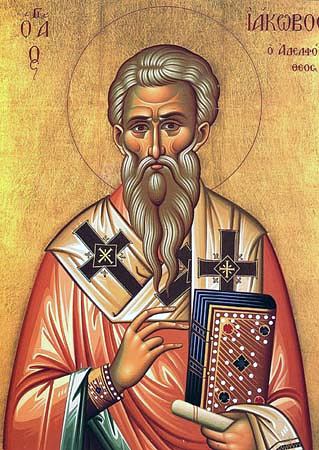
My take? Yes! Definitely, sounds like he had some sisters too!
This isn’t that hard. Mark 6:
6 Jesus left there and went to his hometown, accompanied by his disciples.2 When the Sabbath came, he began to teach in the synagogue, and many who heard him were amazed.
“Where did this man get these things?” they asked. “What’s this wisdom that has been given him? What are these remarkable miracles he is performing? 3 Isn’t this the carpenter? Isn’t this Mary’s son and the brother of James, Joseph,[a] Judas and Simon? Aren’t his sisters here with us?” And they took offense at him.
4 Jesus said to them, “A prophet is not without honor except in his own town, among his relatives and in his own home.” 5 He could not do any miracles there, except lay his hands on a few sick people and heal them. 6 He was amazed at their lack of faith.
We’ve been talking about Mark, and how the evidence is compelling that it is probably the oldest record we have of a guy who lived and taught sometime around years now marked 1-30 AD named Jesus.
Mark says that guy had brothers and sisters.
So do all the other Gospel writers! Matthew, 13:55-56. Luke, 8:19. They all got him having brothers. I’m not even gonna get into it with the sisters. John’s pretty straightforward about it too.
The Greek word used is (I’m told) adelphos.
In Paul’s Letters, written sometime after this Jesus was executed, he mentions Jesus’ brother.
In a number of other early Christian sources, there are discussions of Jesus’ brothers.
Why is it a problem that Jesus had brothers, maybe sisters too?
It’s not.
Unless having brothers and sisters like a human of his time screws up what you think you’re supposed to believe about Jesus God status.
The Catholic and Orthodox churches are determined to insist that Mary was a perpetual virgin who never had sex.
Why?
That seems twisted and conjured up out of nowhere. When I hear that I’m like ok I think maybe you guys are a little weird about sex.
You can ponder and explore for yourself why the theologians cooked up that one. I’m sure there’s whole shelves in the Catholic libraries about it. It matters enough that you find scholars twisting themselves into pretzels about the meanings of different words for brother in 1st century Greek and Aramaic.
But hey, maybe they really were his cousins!
Who cares?
Well, if you are trying to get back to primary sources about a historical Jesus, and what that guy actually said, and what he was like, and possible brothers, or cousins so close they used the same word to describe them, that’s something.
Of the brothers, James comes up the most in early Christian history. What this James believed Jesus was up to is too big a question for us today.
What I can tell you about James’ views is that he and Paul did not see eye to eye.
Interesting to me, because it suggests you could be a Jesusist without being a Paulist.

Attorney General Jeff Sessions cites Romans 13.
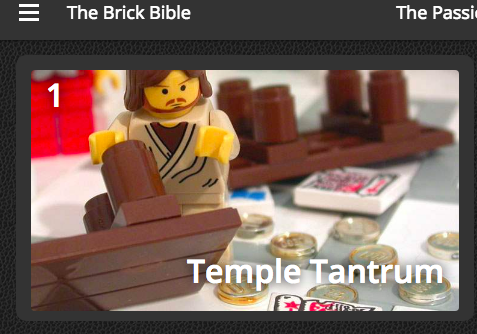
Check out The Brick Bible.( I hope Elbe Spurling doesn’t mind me using this screenshot)
Jesus, it’s easy to forget, was arrested and executed for causing trouble for the authorities.
Discussion question for brunch:
Which characters in the New Testament remind you most of the Attorney General and the President? Do you like those characters?
Have a joyful Sunday everyone! (We welcome your letters btw! I know we got some Bible scholars out there who can school me!)
“donned lewdly by Rihanna”
Posted: May 9, 2018 Filed under: religion Leave a comment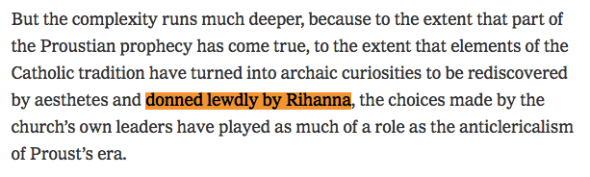
lol Ross Douthat are you doing a bit?
(h/t the Wrensh)

Mark Five: Weird
Posted: January 21, 2018 Filed under: Christianity, religion Leave a commentFifth in our series about the Book of Mark:
Mark One, about the scraps of Mark on Papyrus One.
Mark Two, an intro to Mark, and what’s going on with it.
Mark Three, about “The Secret Gospel of Mark.”
Mark Four, about J. B. Phillips.
As a kid the first time I heard The Book of Mark was read aloud to me, in deliberate boring tone, in Catholic church, a notoriously stiff and elderly kind of place, not all that appealing to the average child.
On the plus side, you did get a good education in a way in the Bible and some aspects of human behavior.
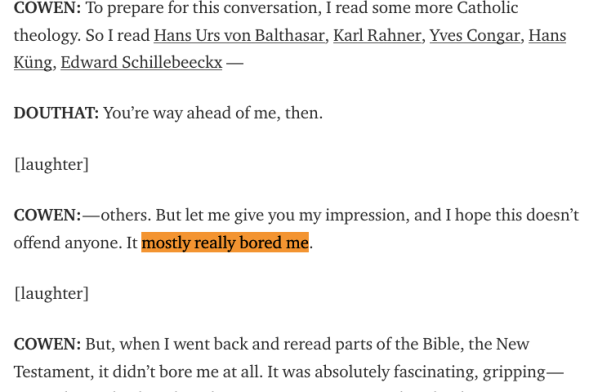
Wanted to stand up and cheer when I got to this part of Ross Douthat and Tyler Cowen’s conversation. Connecting Catholic theology to what the Guy says on the hillside in Galilee in the Gospels takes insane mental labyrinth building. A fun project in a way but not what the Guy himself seems to describe as the way forward.
Take, for example, Mark Five. (Turns out we’ve discussed it before).
Here’s what the NIV gives as the rough sections of this chapter.
Jesus Restores a Demon-Possessed Man
Jesus Raises a Dead Girl and Heals a Sick Woman
JB Philips gives it:
Jesus meets a violent lunatic
Faith is followed by healing

Weird, supernatural type stuff. How’re you gonna deal with this? Unpacking the events of Mark Five could probably be a career for a theologian.
Hard to make your church last 2,000 years without sanding the edges down a bit I guess but when you go back to the source you can sometimes feel like what’s missing is the compelling, almost alarming strangeness of the story.
Let’s say only that by Chapter Five of his book, Mark’s Jesus is unstoppable, coursing with power that flows almost like electricity.
If Mark is avail they should hire him for a Marvel movie.
Next time:

Mark Three: Secret Mark?
Posted: December 10, 2017 Filed under: Christianity, Mark, religion Leave a commentLatest posts in our series on the Book of Mark, one of the weirdest and most popular books of all time.
Mark One
on Papyrus One
Mark Two
Why Mark?
and now:
MARK THREE
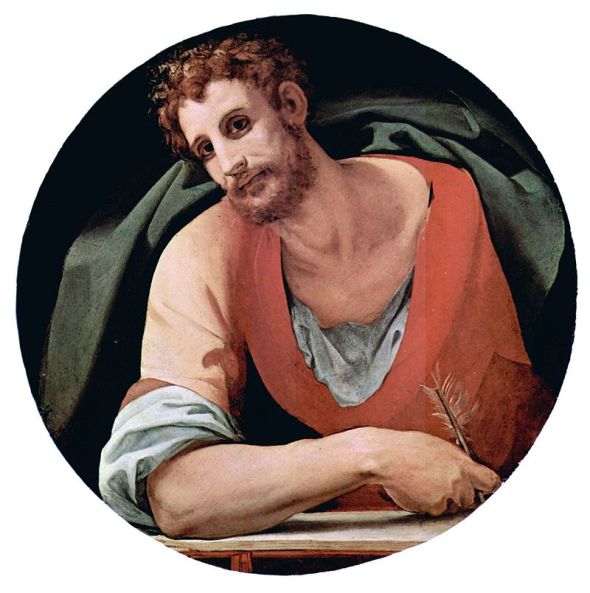
Did Mark look like this? by Bronzino
Or like this?
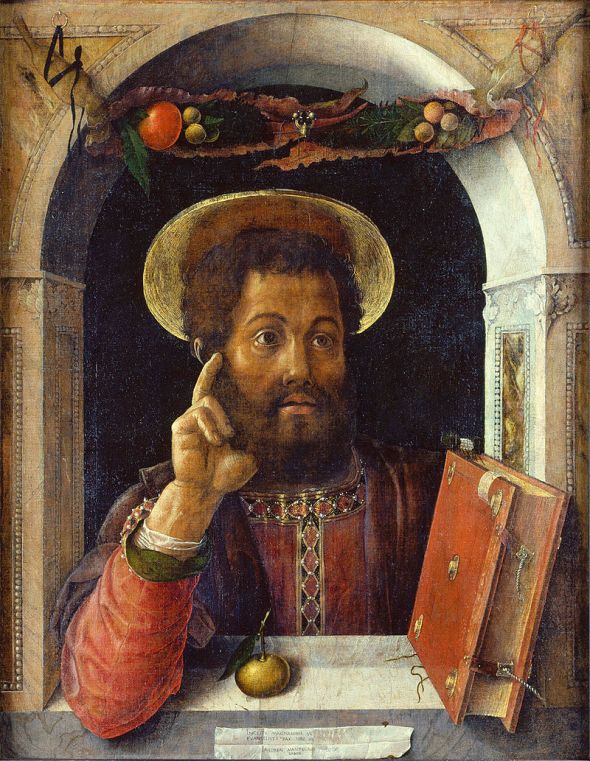
or this? by Mantegna
Here we see the Mar Saba monastery in Israel, twelve miles outside Jerusalem:
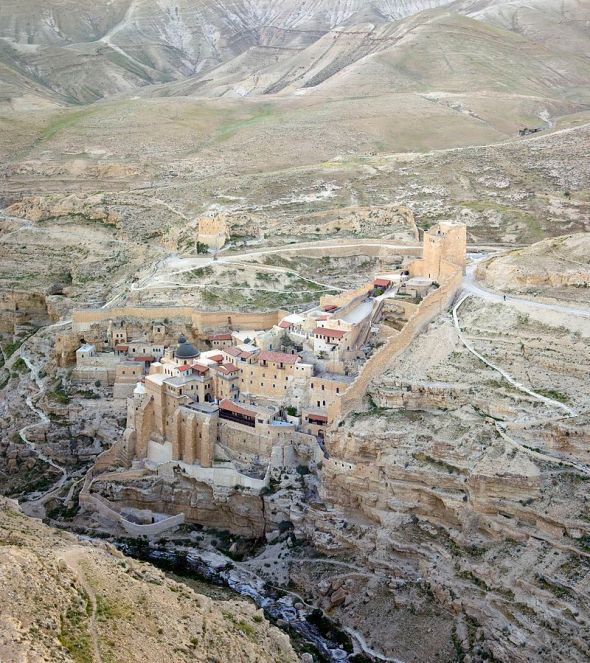
Cool structure. Would make a dope boutique hotel.
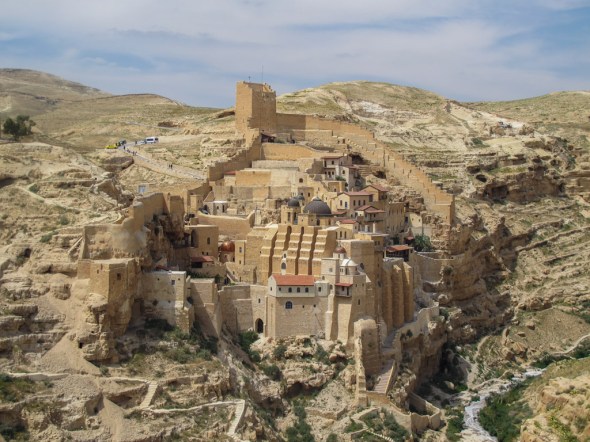
This is where Morton Smith supposedly found a
previously unknown letter of Clement of Alexandria transcribed into the endpapers of a 17th-century printed edition of the works of Ignatius of Antioch
The letter, which would’ve been from like the year 200, says (I paraphrase) “hey there’s a more spiritual, weirder version of the Gospel of Mark floating around, heads up.”
Was there a “Secret Gospel Of Mark”? Says Wiki:
Ron Cameron (1982) and Helmut Koester (1990) argued that Secret Mark preceded the canonical Mark, and that the canonical Mark is in fact an abbreviation of Secret Mark. This would explain the narrative discontinuity above. John Dominic Crossan (1985) has also been supportive of these views of Koester: “I consider that canonical Mark is a very deliberate revision of Secret Mark.”
An interesting question for sure. As Wiki says:
The process of canonization of the New Testament was complex and lengthy.
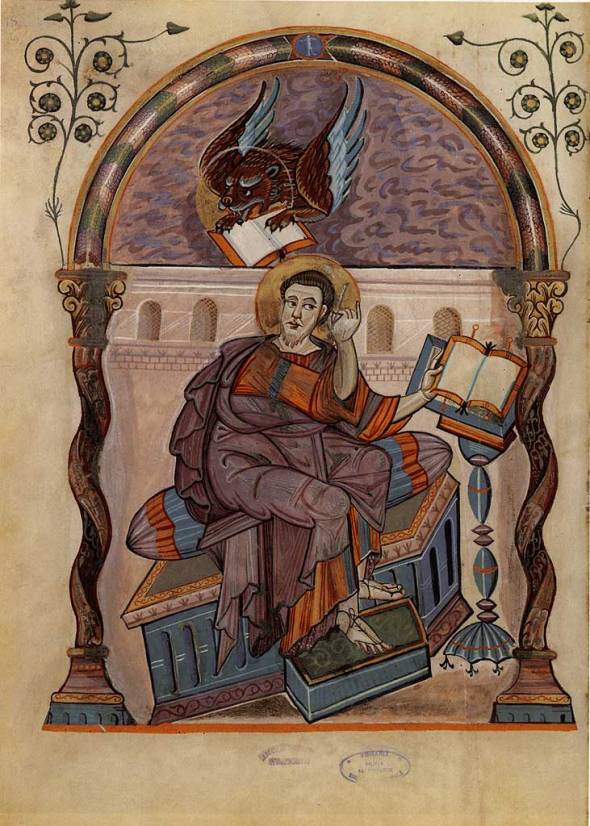
Mark?
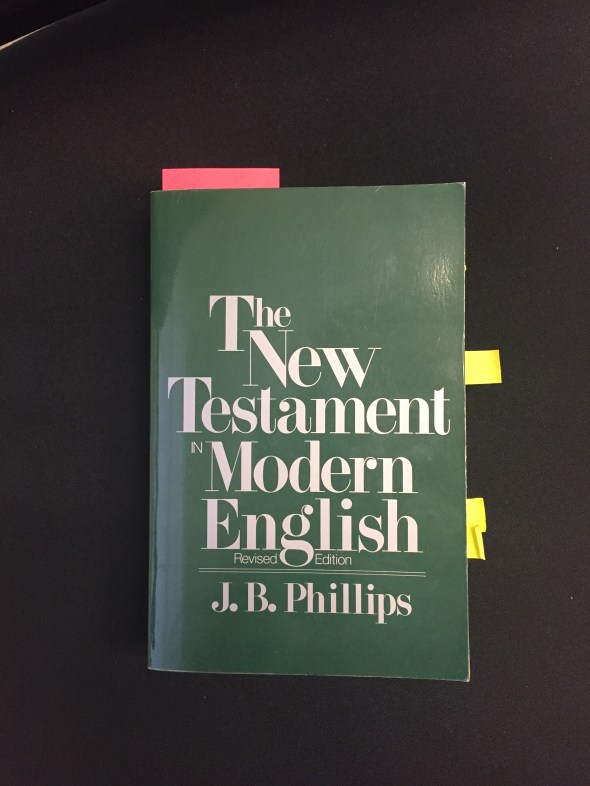
The version I’m using is this one:
I don’t think the late J. B. will mind my excerpting his helpful introduction:
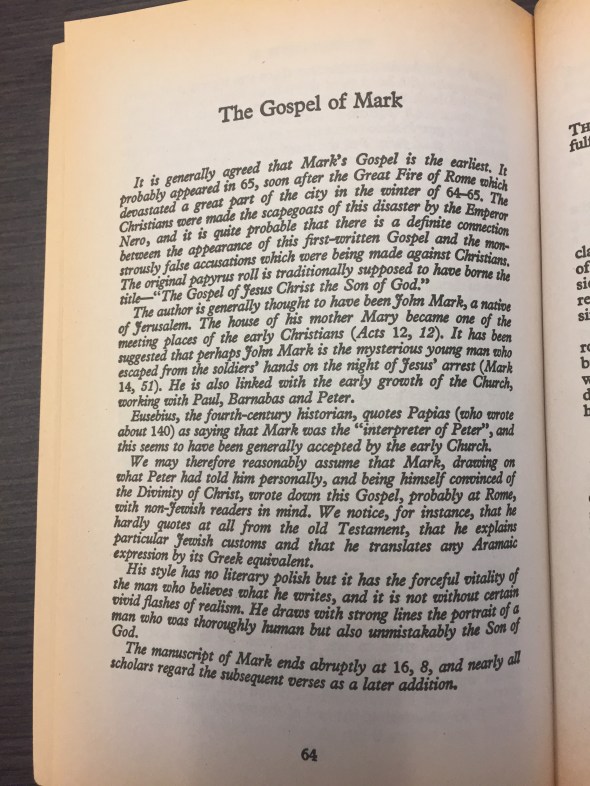
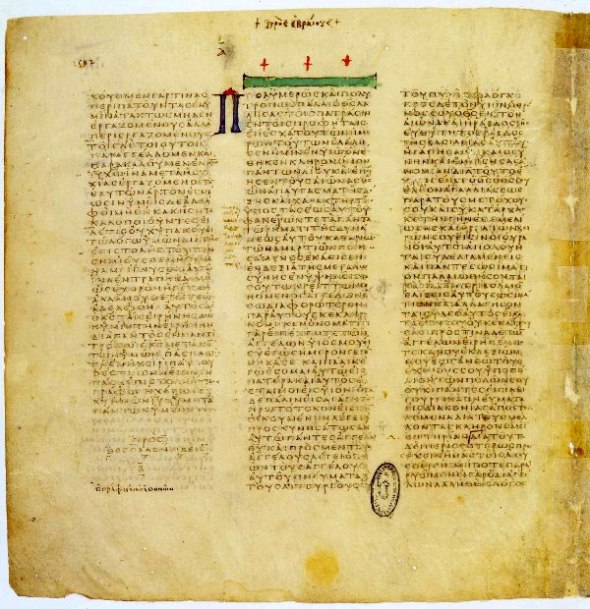
When J. B. talks about “the manuscript of Mark,” I’m not sure what he means. Wiki tells me the oldest complete version is the Codex Vaticanus,
and the Codex Sinaiticus, which they found at St. Catherine’s Monastery:
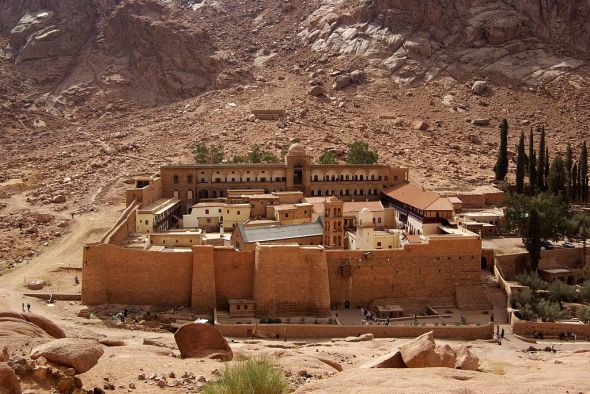
which would also make a cool boutique hotel. The Codex got taken to Russia, and then:
In 1933, the Soviet Union sold the codex to the British Museum for £100,000 raised by public subscription (worth £6.5 million in 2017)
You can read it if you want online.
The oldest known written scrap of Mark appears to be Papyrus 45:
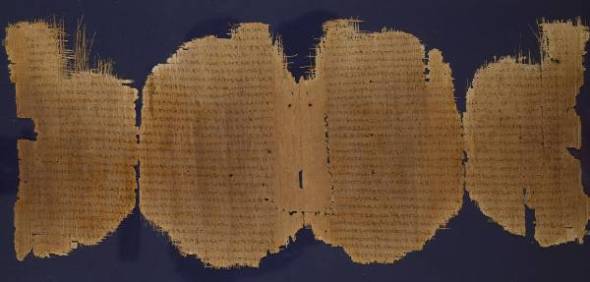
which came from who knows where. American-Anglo-Irish industrialist Chester Beatty, the “king of copper,” was mad for papyri apparently and bought tons of them from illegal dealers.
His first job in the mines earned him $2 per day as a ‘mucker’, clearing away rock and soil from mine tunnels. He was quickly promoted to supervisor of the Kektonga Silver Mine.
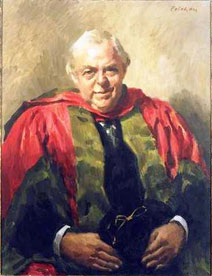
Alfred Chester Beatty by Colin Colahan.
© Mrs. Monique Colahan. From the Chester Beatty Library website.
Papyrus 45 is now in Chester’s library/museum in Dublin:

source: Wiki user Charles Curling
NEXT TIME in our series on Mark:
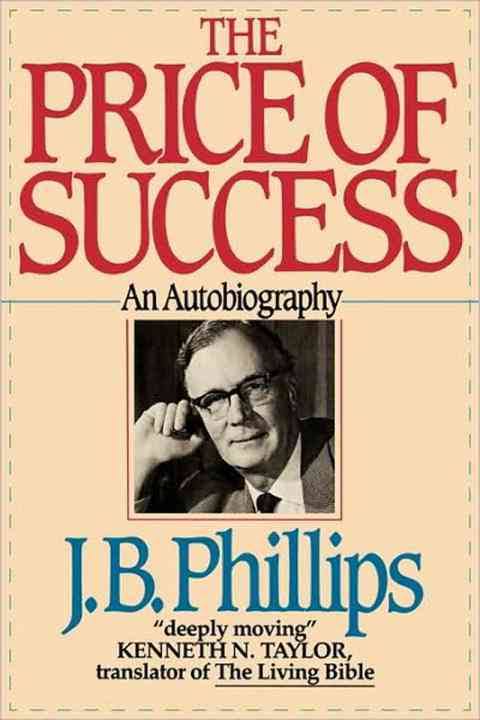
Translator J. B. Phillips, who started working on the New Testament in a bomb shelter during the London Blitz.
Mark Two
Posted: December 3, 2017 Filed under: Christianity, religion Leave a comment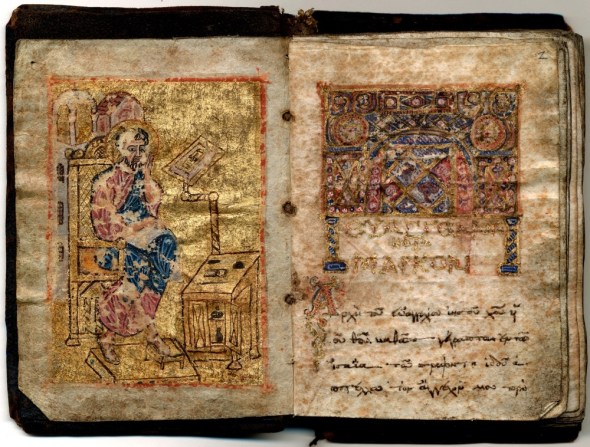
Miniature 2427, “Archaic Mark,” turns out is actually a forgery?
“Why Mark?”, I asked. “Because it’s short“, he replied. I was willing to give anything a go, so I took the vicar’s advice and read it and the Gospel of Mark just swept me up.
So says Australian musician Nick Cave
in his intro to the Gospel of Mark, which I found on this Italian Nick Cave fan site.
The Gospel of Mark has to be one of the weirdest and most compelling books ever written. Nick Cave continues:
Scholars generally agree that Mark’s was the first of the four gospels to be written. Mark took from the mouths of teachers and prophets the jumble of events that comprised Christ’s life and fixed these events into some kind of biographical form. He did this with such breathless insistence, such compulsive narrative intensity, that one is reminded of a child recounting some amazing tale, piling fact upon fact, as if the whole worlddepended upon it – which , of course, to Mark it did. ‘Straightway’ and ‘immediately’ link one event to another, everyone ‘runs’, ‘shouts’, is ‘amazed’, inflaming Christ’s mission with a dazzling urgency. Mark’s Gospel is a clatter of bones, so raw, nervy and lean on information that the narrative aches with the melancholy of absence. Scenes of deep tragedy are treated with such a matter of factness and raw economy they become almost palpable in their unprotected sorrowfulness.
Couple things about the Gospel of Mark:
- there’s no Christmas. Jesus just turns up one day down by the river where John The Baptist is doing his thing.

- the oldest gospel. “Most scholars agree” is a term you come across again and again when you read into Bible stuff, especially New Testament stuff. Let’s acronym that as msa. As far as I can tell most scholars do agree on this one.
- the shortest gospel. 11,304 words. Very cool.
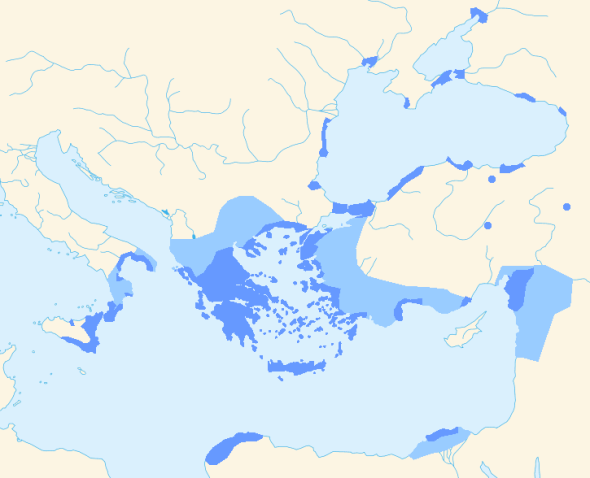
- simple language. Mark is written in Koine Greek which I can’t read. I’m told this was a simple version of Greek that people could use all over the Mediterranean. “Koine” just means “Common.” Mark wrote Common Greek.
I’m told Mark’s Greek is “rough”:

(from:
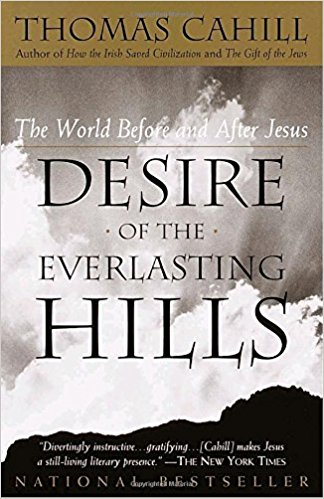
Now, “rough” sure but “unrehearsed”? Isn’t it likely Mark was writing down stories and quotes that had been transmitted orally, and thus were quite rehearsed?)
The version I’m reading is:
Here’s what J. B. says:
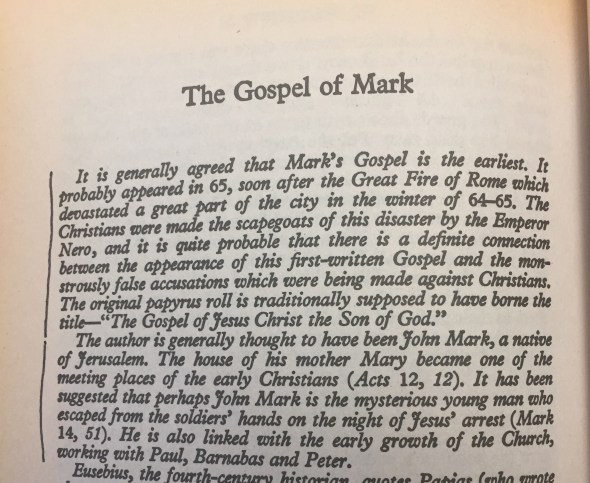
J. B. seems more confident than others that Mark = John Mark, but who cares?
It’s cool to imagine in the rubble of burned out Rome Mark starts going around saying “guys, I got some good news.”
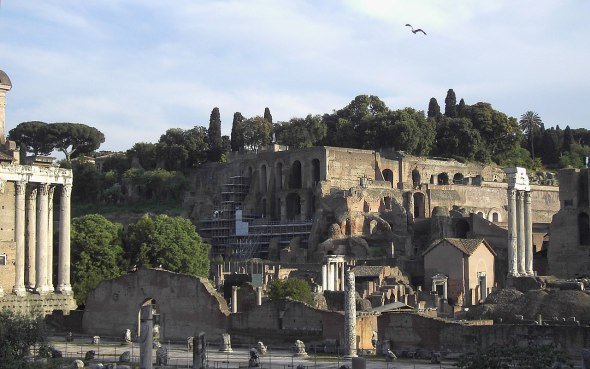
“Who wants to read my book?”
Other scholars insist that Mark was written after 70 AD, because that’s when the Temple was destroyed after the Roman Siege of Jerusalem:
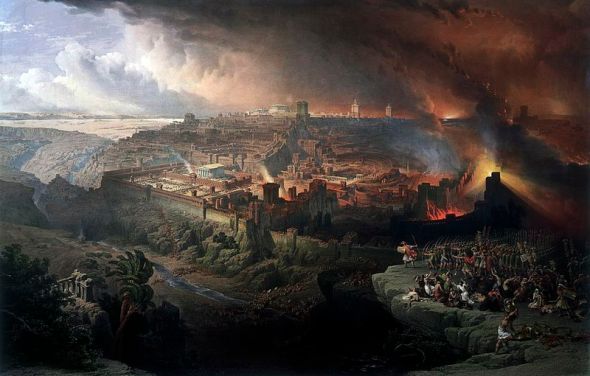
David Roberts’ lost painting of the siege of Jerusalem, source
which was a traumatic time. That chronology is the one Reza Aslan believes:
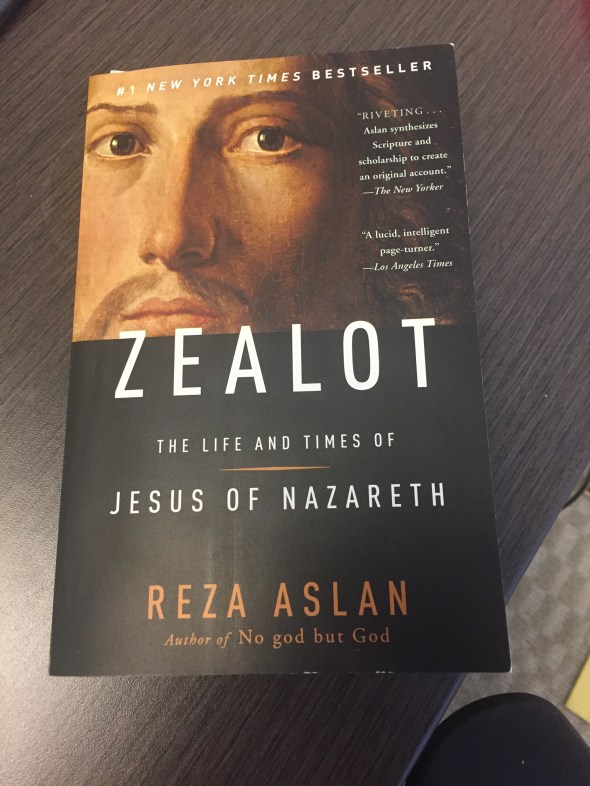
Me personally? I’m no expert but I think it’s possible someone like the writer of Mark might’ve been obsessed with the idea of the destruction of the Temple before it happened.
Maybe Mark saw things coming the way the Simpsons saw President Trump coming:
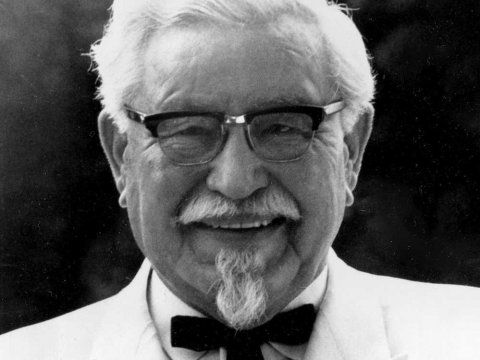
But let’s say Mark was written in 70. He’s writing about Jesus, who msa died around 33. So it’s like writing a book, today, about a guy who died in 1980.
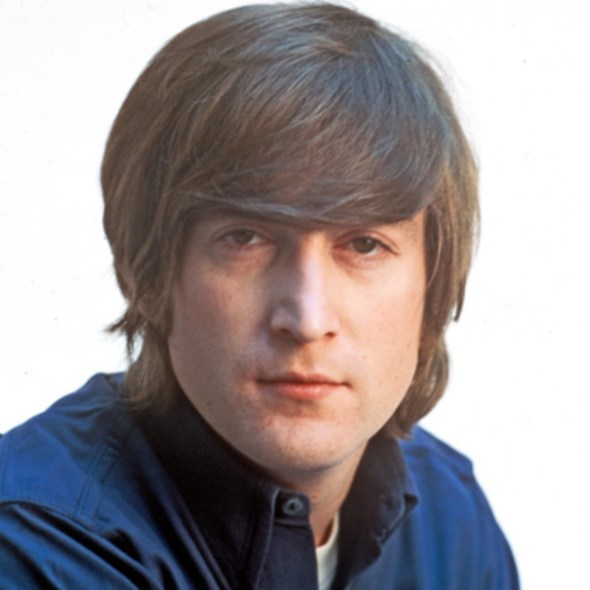
John Lennon, say, or Colonel Sanders.
Mark isn’t writing a biography of Jesus though, he’s writing the “good news.” A good point by theologian Marcus Borg over at HuffPo:
-
Placing the Gospels after Paul makes it clear that as written documents they are not the source of early Christianity but its product. The Gospel — the good news — of and about Jesus existed before the Gospels. They are the products of early Christian communities several decades after Jesus’ historical life and tell us how those communities saw his significance in their historical context.
Here’s the craziest part about Mark imo. The last sentence of the original version, msa, is 16:8.
The women were shaking and confused. They went out and ran away from the tomb. They said nothing to anyone, because they were afraid.
What a freaky ending to your book!
Learned a lot about the Gospel origins from the PBS series From Jesus To Christ. Li’l snippet from this essay by Marilyn Matthews on their website:
What message did Mark intend to send to his audience? Scholars do not agree. Some argue that Mark deliberately constructs a bleak and frightening picture because that was the experience of the people for whom Mark composed his work. Elaine Pagels offers a different interpretation: “And the last words of the original gospel are ‘and they were terrified.’ It would be very bad news if it weren’t that underneath this rather dark story is an enormous hope . . . that this very promising story and its terrible anguished ending is nevertheless not the ending. That there’s a mystery in it, a divine mystery of God’s revelation that will happen yet. And I think it’s that sense of hope that is deeply appealing.”
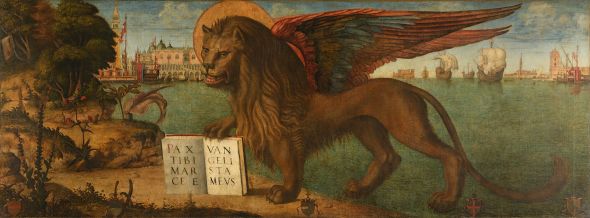
This is Helytimes so next time we will have a look and see if we can find the oldest source of Mark.
Mark One
Posted: December 1, 2017 Filed under: Christianity, religion Leave a comment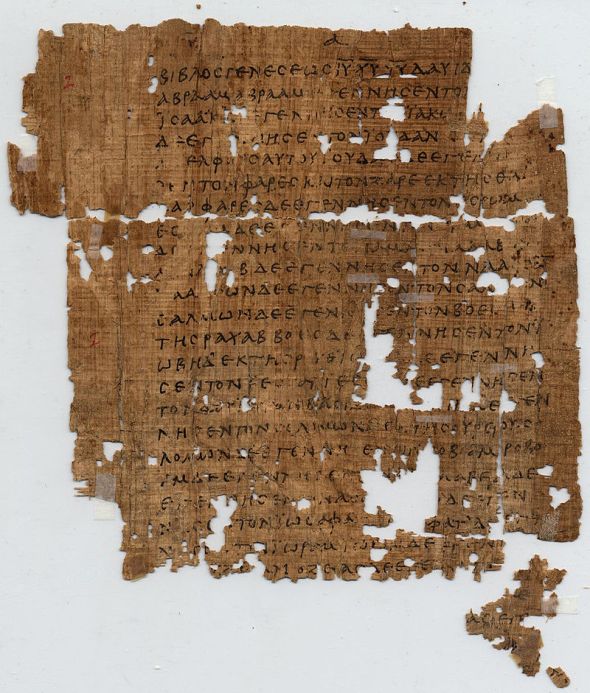
1: 1] genealogy library YY YY YY yyyid [YY] Abraham [1: 2] Abraham [Heaven] nor did he [be] present in [his] [1: 3] take care of him and take him out of him they did not greet the embassy [1: 4] did not give birth and they have been in the midst of the sea
1: 5] Salvation shall not [be] of the rabbi did not recognize him from the p [o] y [to be] s een [1: 6] the dairy farm has been re-established it was the sausage of the sky. [1: 7] nor is it possible to do so ạμ does not enforce the [lacuna] you will be able to find [ gap [1:12] gap the man who gave birth to [n and he did not have the olive tree, [1:15] [Oliver] ḍε̣ [[in] η̣̣̣ [σ] ε̣ [ν] ο ελέξΑζζάρ ελέ [and] he did not do [the] knowledge of [ [1:16] and [he] is not [ [to] enforce the law of the [ ̣̣̣̣̣ []] ξ </s> </s> </s> </s> </s> </s> </s> </s> </s> </s> </s> </s> </s> </s> </s> </s> </s> [1:17] ̣̣̣̣̣̣̣̣̣̣ ̣̣̣̣̣̣̣̣̣̣̣̣̣̣̣̣̣̣ I have been born and I have been born [d] ạ [υ] ι̣δ̣ [ε] ω̣σ̣ τ̣η̣ [ς] (s) of [b] the weight of the toilet seat [to] of the YYYYyyyyyy [I] D [1:18] and YYYYY genera so that it can not be misinterpreted he shall have [his] name before the [e] found that this is the case of a gypsy [1:19] [ωσηφ̣̣̣̣̣̣̣̣̣̣̣̣̣] and [those] who do not desire it, compass [t] e [is] [1:20] [th] thou hast thou vnto him, []] [[]] [] [] [] [] that] [appears] [to] say [h] φ son] ḍ [da] ṃ [η] φ̣̣ β β β</s></s></s></s></s></s> [receive] [make] the [you] know [your] name the birth of [t] ns [estin] α̣ [son] [1: 21-23] the gap with [heat-treated methane]
Put some of Papyrus One through Google Translate and this is what I got.
Probably a li’l jumbled between the 2nd century Greek and the modern Greek.
Wiki tells me that what’s on Papyrus One is, in fact, Mark 1 1-9.
The beginning of the good news about Jesus the Messiah, the Son of God, as it is written in Isaiah the prophet:
“I will send my messenger ahead of you,
who will prepare your way”—
3 “a voice of one calling in the wilderness,
‘Prepare the way for the Lord,
make straight paths for him.’”4 And so John the Baptist appeared in the wilderness, preaching a baptism of repentance for the forgiveness of sins.
5 The whole Judean countryside and all the people of Jerusalem went out to him. Confessing their sins, they were baptized by him in the Jordan River.
6 John wore clothing made of camel’s hair, with a leather belt around his waist, and he ate locusts and wild honey.
7 And this was his message: “After me comes the one more powerful than I, the straps of whose sandals I am not worthy to stoop down and untie.
8 I baptize you with[e] water, but he will baptize you with the Holy Spirit.”
9 At that time Jesus came from Nazareth in Galilee and was baptized by John in the Jordan.
The papyrus skips over Mark 10:
10 Just as Jesus was coming up out of the water, he saw heaven being torn open and the Spirit descending on him like a dove.
Cool edit. The dove is a little much, too John Woo.
Then it continues:
11 And a voice came from heaven: “You are my Son, whom I love; with you I am well pleased.”
12 At once the Spirit sent him out into the wilderness,
13 and he was in the wilderness forty days, being tempted by Satan. He was with the wild animals, and angels attended him.
That from the New International version via Bible Gateway.
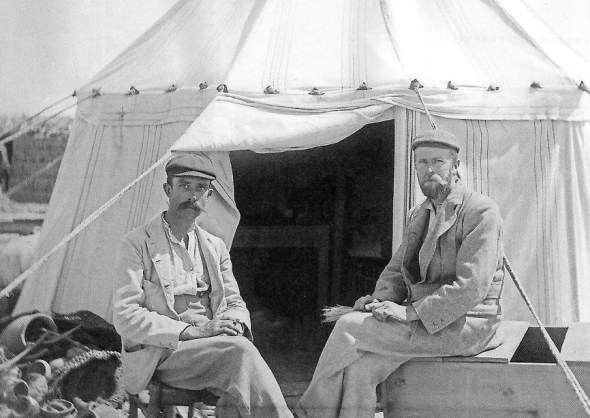
Grenfell and Hunt found Papyrus One at Oxyrhynchus in Egypt, along with a lot of other paperwork:
Administrative Documents assembled and transcribed from the Oxyrhynchus excavation so far include:
-
The contract of a wrestler agreeing to throw his next match for a fee.
-
Various and sundry ancient recipes for treating haemorrhoids, hangovers and cataracts.
-
Details of a corn dole mirroring a similar program in the Roman capital.
Plus some comedy scripts:
The classical author who has most benefited from the finds at Oxyrhynchus is the Athenian playwright Menander (342–291 BC), whose comedies were very popular in Hellenistic times and whose works are frequently found in papyrus fragments.
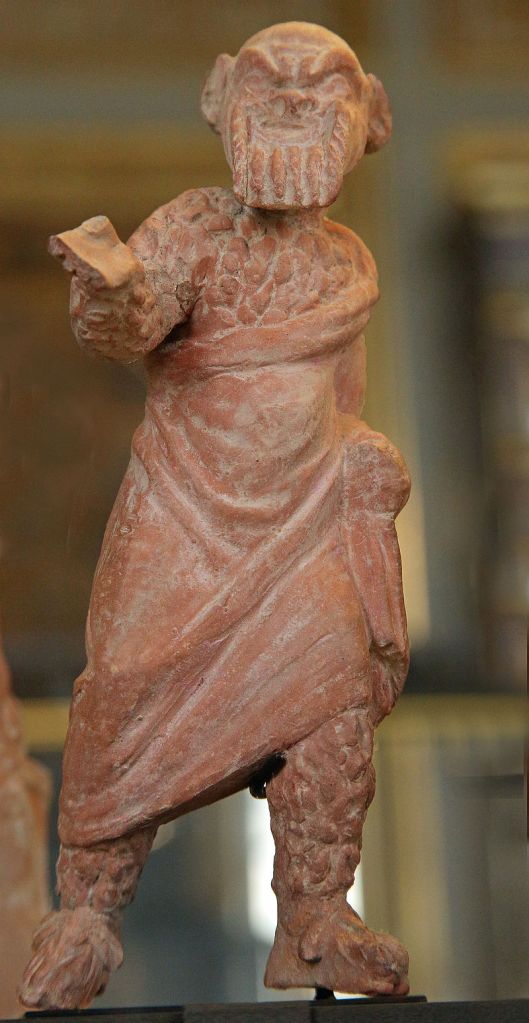
The Grouch at the Louvre by Wiki’s Rennet Stowe
Menander’s most popular character was a kind of proto Oscar the Grouch it sounds like.

Menander or literally me:
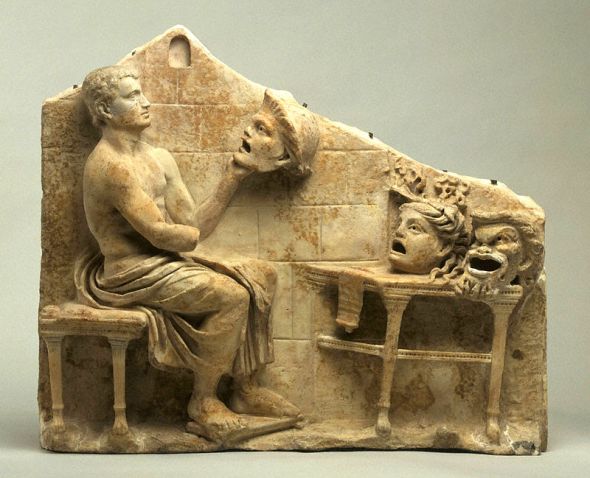
photo by Wiki’s Dave & Margie Hill of a relief of Menander choosing New Comedy masks.
Papyrus One is dated to the early 3rd century. Is Papyrus One the earliest fragment of Mark known to exist? We’ll take that up another time.
It’s interesting that there’s no birth of Jesus (“Christmas”) in Mark. Mark just jumps right in.
Here are the things Jesus says in Mark, Chapter One.
The time has come at last – the kingdom of God has arrived. You must change your hearts and minds and believe the good news.
Come and follow me, and I will teach you to catch men!
(to a demon) Hold your tongue and get out of him.
Then we will go somewhere else, to the neighboring towns, so that I may give my message there too – that is why I have come.
(to a leper) Of course I want to – be clean!
(also to a leper) Mind you say nothing at all to anybody. Go straight off and show yourself to the priest, and make the offerings for your cleansing which Moses prescribed as public proof of your recovery.
NEXT TIME:
Mark Two: what is the oldest version of Mark?
Catholic
Posted: October 2, 2017 Filed under: religion Leave a comment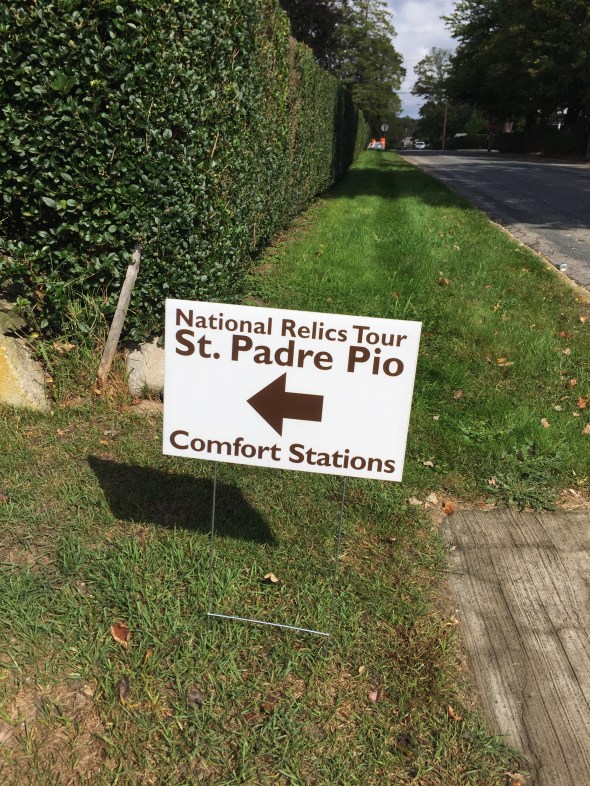
St. Padre Pio relics will be displayed at St. Thomas More Church as part of national tour
A Rhode Island correspondent sends us this article from the RI Catholic:
Many of the relics showcased in the exhibition relate to Pio’s stigmata, including blood from the wounds, scabs collected from them, and the fingerless gloves which the saint used to conceal the nail-marks on his hands. Other relics on display include the saintly priest’s mantle, a lock of his hair and a handkerchief used to wipe his brow as he lay dying.
Increasingly clear to me I was born into a cult — but then again, aren’t most people?
The Catholic Church’s emphasis on suffering can be warping
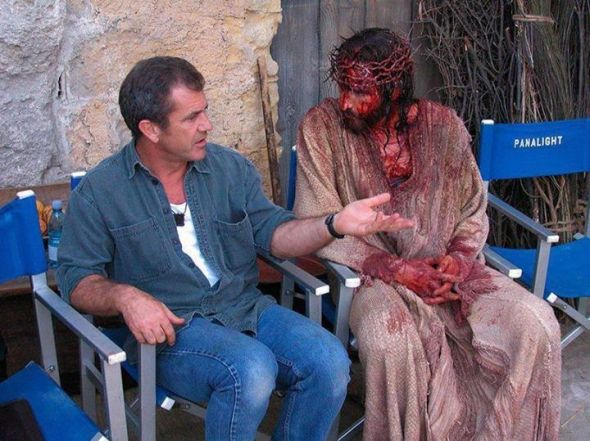
but in my Catholic boyhood I saw the ways this faith gave meaning and holiness to people’s suffering and pain, and the comfort of that can’t be measured.
On the other hand:
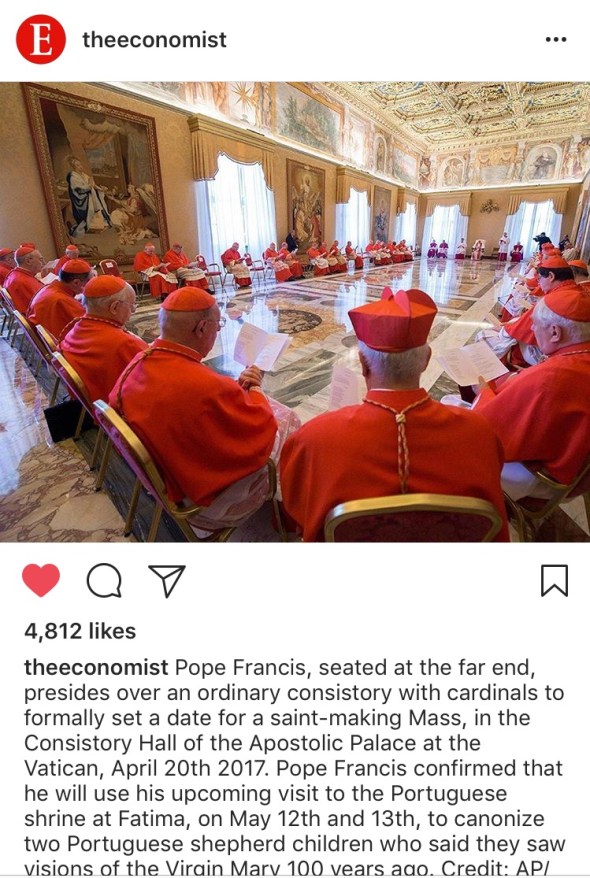
If Jesus Christ as described in any of the Gospels, canon or no, saw this, do you think he would say anything other than SMH?
Woe to you, scribes and Pharisees, you hypocrites! You shut the kingdom of heaven in men’s faces. You yourselves do not enter, nor will you let in those who wish to enter.
How did we end up here?
It’s enough to make me sign on for this Lutheran propaganda I saw at LACMA:
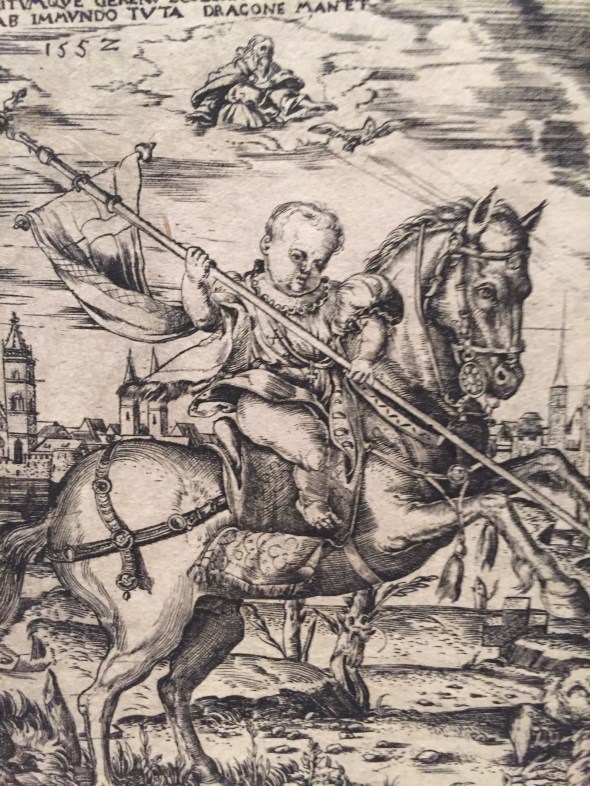
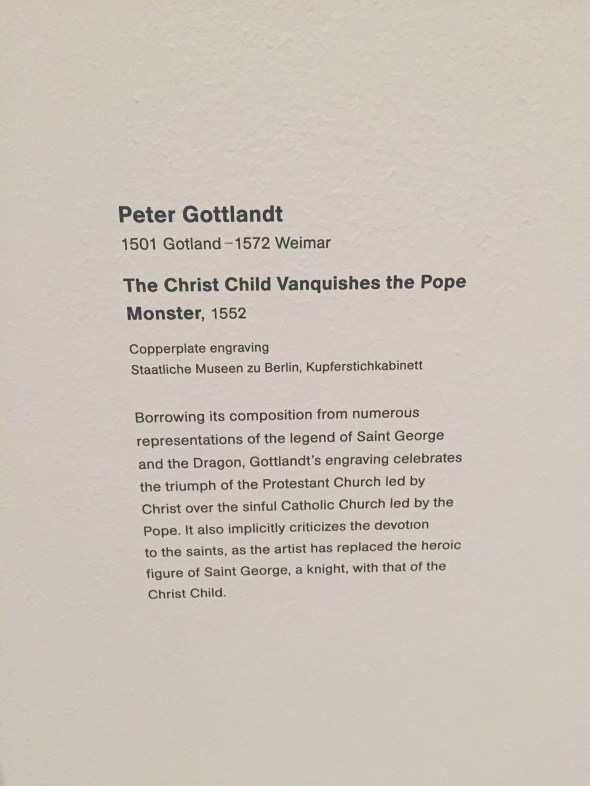
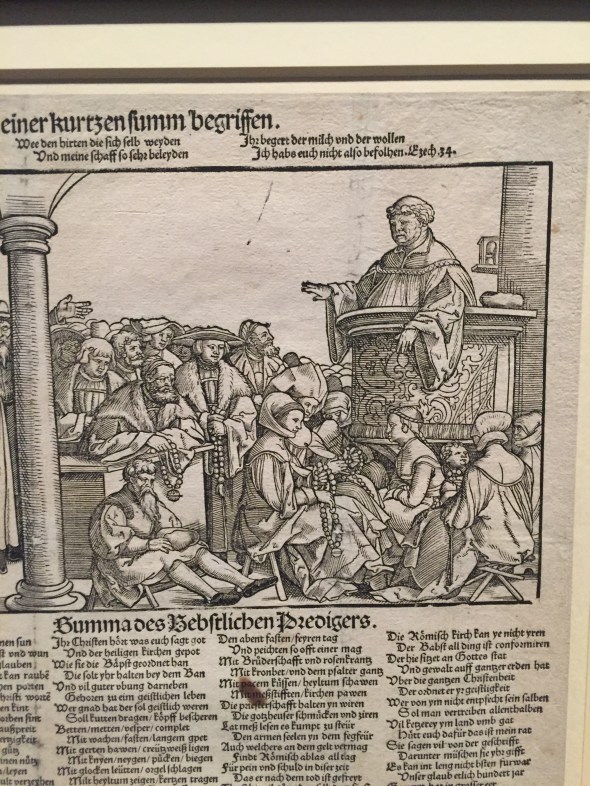
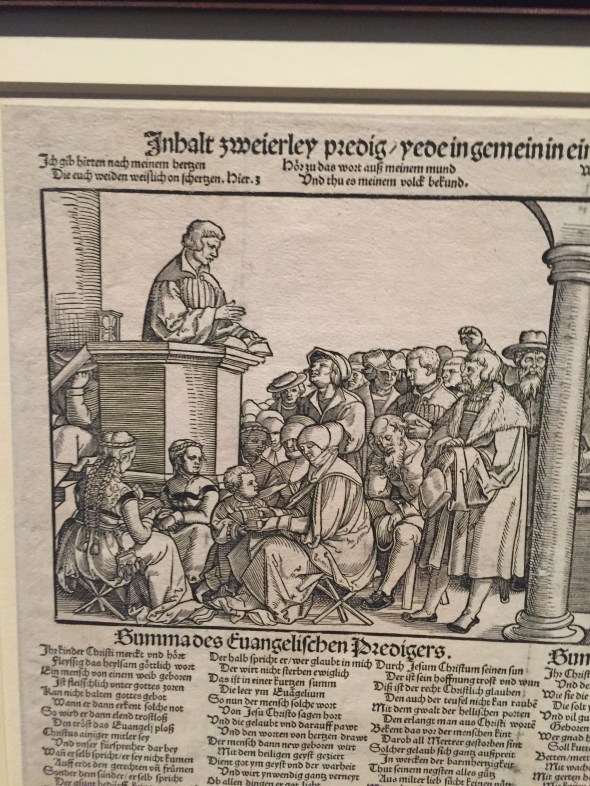
On the other hand I would go look at some famous scabs, sure.

photos: our RI correspondent
Waterless Places
Posted: August 30, 2017 Filed under: Christianity, religion, the California Condition Leave a comment
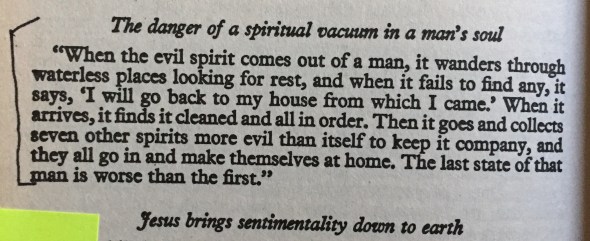
from:
He’s like an old doughnut seller
Posted: July 16, 2017 Filed under: Japan, religion, Sunday sermons Leave a comment
Stop, stop. Do not speak.

From:

A good one from Penguin.
Myself, I find stuff worth pondering in Gateless Gate:
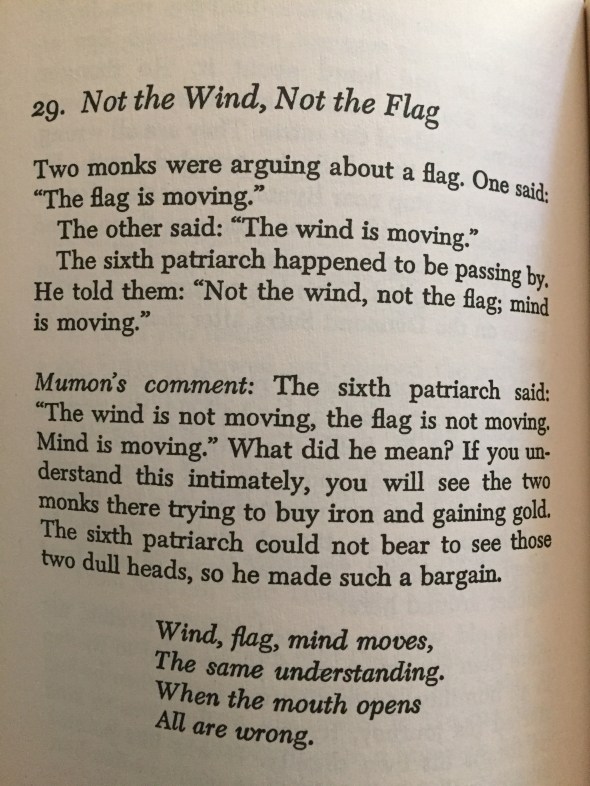
(you can skip Mumon’s comment if you want, it’s not on the quiz)

Today’s I Ching
Posted: May 25, 2017 Filed under: China, mysticism, religion 1 Comment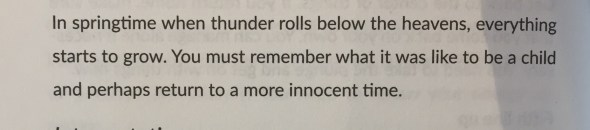
In some translations springtime is rendered as Long June
from:

the only book I’ll ever need?!
if I want to learn more about China I can pick up this month’s Westways:

Lol did somebody pitch Westways “how about a story about China?”
WESTWAYS EDITOR: what angle?
PITCHER: Everything from cities to cuisine! All the facets!
EDITOR: All?!
PITCHER: Well, many facets.
EDITOR: Is there enough there?
PITCHER: I think so. Did you know it is a 5,000 year old civilization?
EDITOR: Wow! OK let’s also have a piece on Iceland and car racing for amateurs and I think we’re good!
A field hospital after a battle
Posted: March 24, 2017 Filed under: Christianity, religion, war Leave a comment
US Air Force Expeditionary Aeromedical Evacuation Squadron members monitor patients during a C-17 aero-medical evacuation mission from Balad Air Base, Iraq, to Ramstein Air Base, Germany. U.S. Air Force Photo/Master Sgt. Scott Reed
Something about the health care debate got me pondering Pope Francis’ quote in a 2013 interview that the Church should be like a field hospital after a battle.
“I can clearly see that what the Church needs today is the ability to heal wounds and warm the hearts of faithful, it needs to be by their side. I see the Church as a field hospital after a battle. It’s pointless to ask a seriously injured patient whether his cholesterol or blood sugar levels are high! It’s his wounds that need to be healed. The rest we can talk about later. Now we must think about treating those wounds. And we need to start from the bottom.”
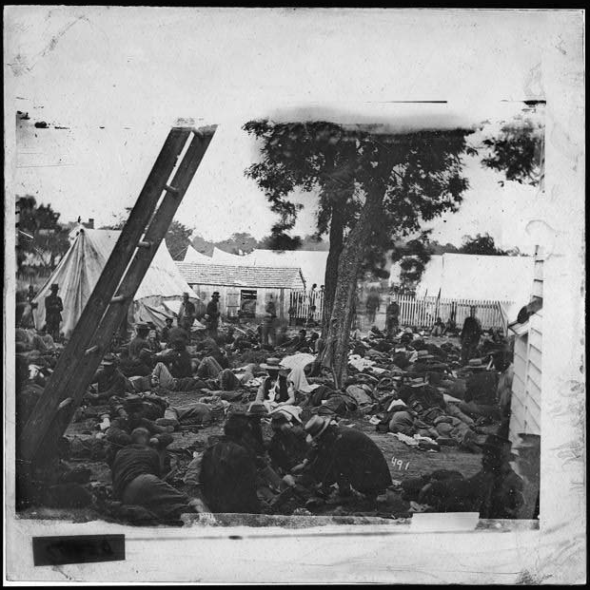
“Savage Station VA field hospital after the battle of June 27” in the Library of Congress, photographer James Gibson
There’s a lot of good writing about field hospitals after battles. Walt Whitman and Hemingway both saw some firsthand. Or how about
I never really watched MASH tbh and got kinda sad when it would come on instead of something more fun.
Arabic
Posted: January 30, 2017 Filed under: Islam, Islam, Middle East, politics, religion Leave a comment

The challenge: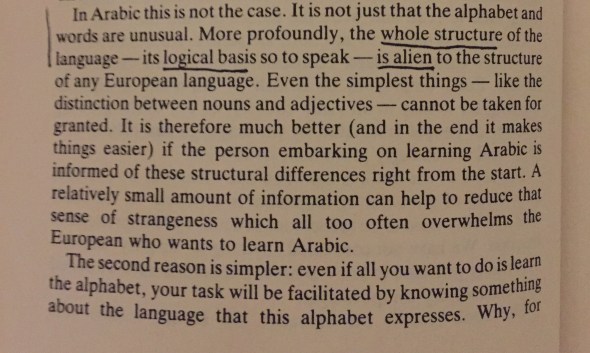
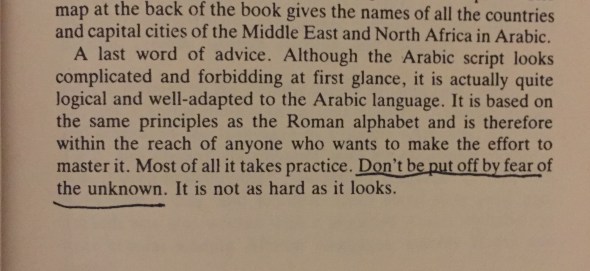
How to react:
Hadith
Posted: December 12, 2016 Filed under: Islam, Islam, religion 2 Comments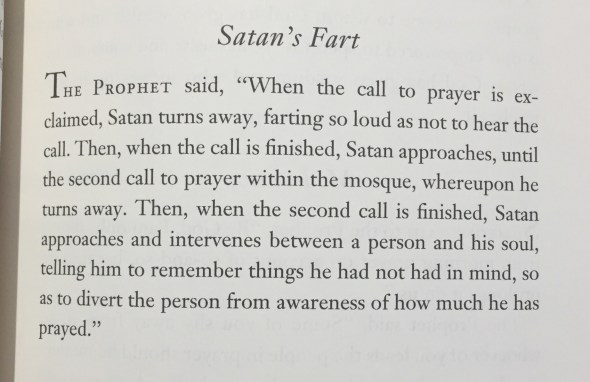
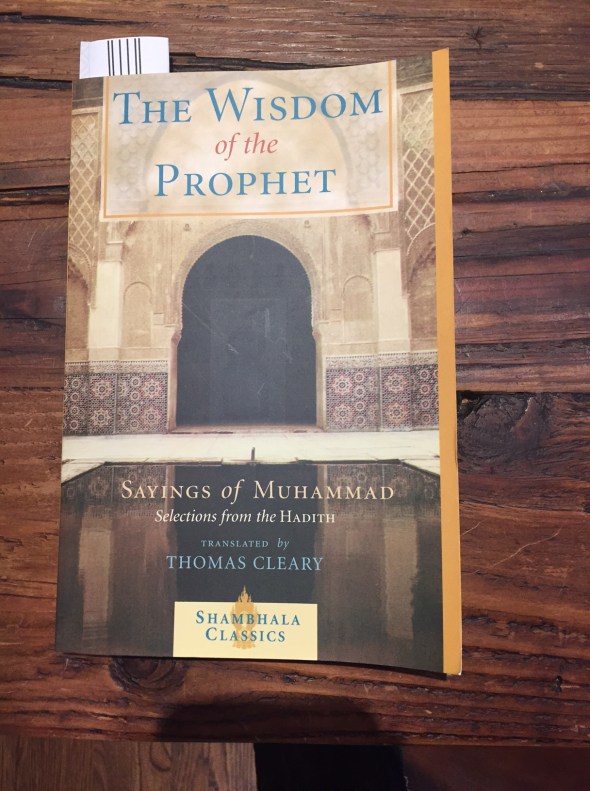
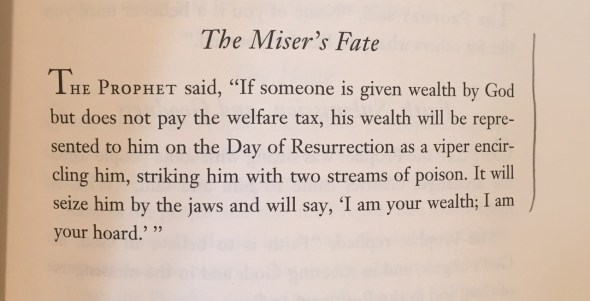
Reading some of the sayings of The Prophet, the Hadith, in Thomas Cleary’s translation:
A word of warning for PEOTUS:
 Helytimes


