
Sipapu
Posted: February 20, 2020 Filed under: native america, New Mexico, skiing Leave a commentI was at the bar in Santa Fe, New Mexico watching the national college football championship game, eating nachos and drinking beer. A small place, the atmosphere was social, and the guy next to me got to talking about skiing. He mentioned a small mountain called Sipapu. They’d just had some fresh snow and he made it sound so good. “It’s real small.” “Almost a local’s only mountain.” “They have great blues.” The only thing I had to do the next day was have lunch at 1pm, so I thought well heck, why don’t I wake up early and drive up there?
So that’s what I did, I woke up and drove up there very early, up past Chimayo and Abiquiu, in the Kit Carson National Forest. The spot was small and nothing fancy, there’s nowhere to stay up there, renting skis was kind of a rickety procedure. But once you got going it was beautiful, the sky was clear and blue, warm and the snow was soft.
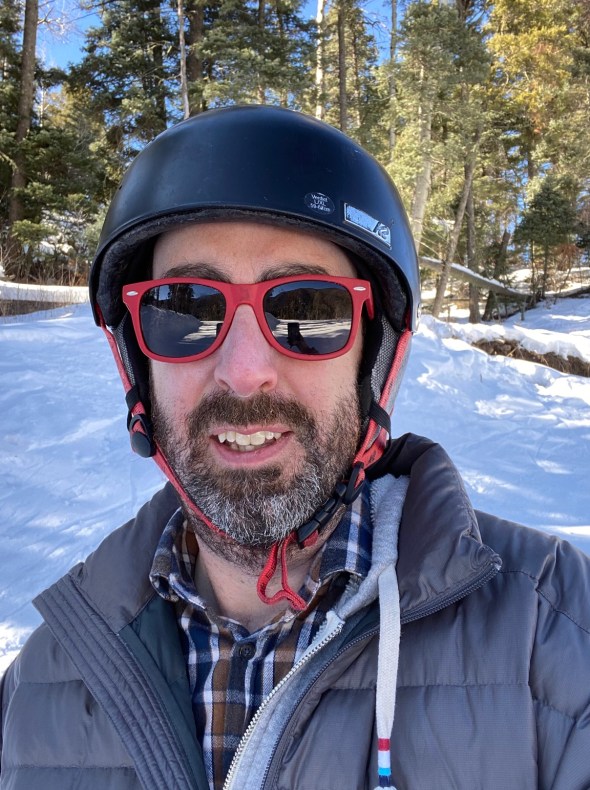
I tried out the portrait mode on my phone.
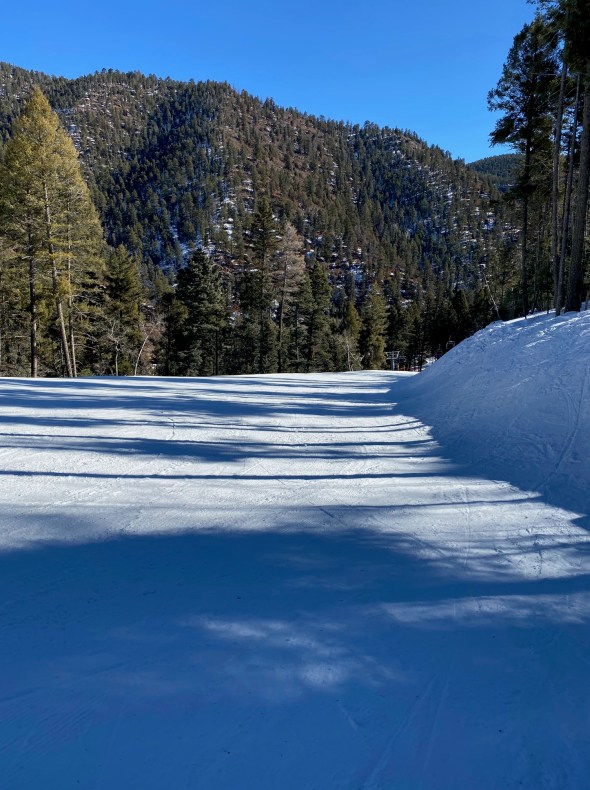
Mostly, I had the place to myself.
I didn’t think much about the name, Sipapu, although I liked it. I said it in my head, alone on the chairlift. Sipapu.
Later I was home I was looking through this book:


From the glossary:
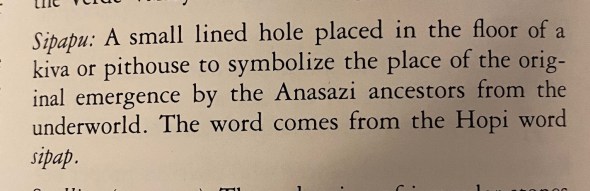
Sipapu.
Fire as visual entertainment
Posted: February 19, 2020 Filed under: joshua tree Leave a comment
Been blessed to sit by some good fires in the last while.

The warmth and the draw of a campfire, we all know. A good fire is also a fun thing to watch, a visual entertainment as well.
Cahokia news
Posted: February 6, 2020 Filed under: archaeology, native america Leave a comment
Don’t get too excited by the headline over at Phys.org. What they really seem to have found is that people continued to live in the Cahokia region even after the big population center “collapsed” or sort of dwindled out.
I call your attention to this article because it highlights what I love about archaeology: the extremes of methodology. You read this and you’re like cool, new light on an ancient city. How did they find it out?
To collect the evidence, White and colleagues paddled out into Horseshoe Lake, which is adjacent to Cahokia Mounds State Historical Site, and dug up core samples of mud some 10 feet below the lakebed. By measuring concentrations of fecal stanols, they were able to gauge population changes from the Mississippian period through European contact.
These people are paddling out into a lake, dredging up mud, and testing it for human shit.
You know what? There are worse ways to spend an afternoon. There’s something so deeply funny and human about thinking that maybe in a thousand years or so some archaeologist will be studying your stool to find out what the hell you were up to.
Coaches, Super Bowl LIV
Posted: February 2, 2020 Filed under: America Since 1945, sports Leave a comment
Andy Reid, head coach of the Kansas City Chiefs football team, poses for a photo with leadership of the 139th Airlift Wing, Missouri Air National Guard, at the Chief’s training camp in St. Joseph, Mo., Aug. 14, 2018. The Chiefs hosted a military appreciation day on their final day of training. (U.S. Air National Guard photo by Master Sgt. Michael Crane)
Will you be doing a coaches profile for the Super Bowl this year, Helytimes, as you’ve done in the past?
I get asked this so much when I’m out.
To be honest, I can’t do it this year. Just haven’t had the free time and enthusiasm to study the biographies, food habits, and philosophies of the two coaches to give a true, honest effort.
I’d say from a quick skim I admire much about both Andy Reid and Kyle Shanahan.

(I like those shoes.)

Reid is from LA:
Born in Los Angeles, California, Reid attended John Marshall High School and worked as a vendor at Dodger Stadium as a teenager.
If I have to make a flash prediction it’s that Reid will put in the superior coaching effort and execute the better strategy, and the Chiefs will win the game as well as beat the current 1.5 Vegas spread.
(I will not be betting on it, I don’t think I have any edge, sports betting isn’t my thing. The only skin I put behind this prediction is my public reputation for sports predicting acumen (which I don’t value much)).
Enjoy the Super Bowl, everyone. Send us a picture of your favorite snack!
Daniel Vickers
Posted: February 1, 2020 Filed under: history, New England 3 Comments
source
Happened to turn on the TV the other day and Good Will Hunting was on. What a great movie. It’s a superhero movie.
We were right in the scene where Will backs up Ben Affleck and destroys a jerk who’s showing off his education.
One moment in this scene I’ve thought about more than necessary is when Will identifies the jerk (he’s listed as “Clark” on IMDb, played with precision by Scott William Winters) as “a first year grad student.” Given how much Clark knows about history, and his reading list, should we infer that Scott William Winters is a first year grad student in history?
WILL: See the sad thing about a guy like you is in about 50 years you’re gonna start doing some thinking on your own and you’re gonna come up with the fact that there are two certainties in life. One, don’t do that. And two, you dropped a hundred and fifty grand on a fuckin’ education you coulda got for a dollar fifty in late charges at the Public Library.
CLARK: Yeah, but I will have a degree, and you’ll be serving my kids fries at a drive-thru on our way to a skiing trip.
WILL: [smiles] Yeah, maybe. But at least I won’t be unoriginal.
It’s interesting that Clark’s brag is that Will will be “serving my kids fries on their way to a ski trip.” There are no doubt history professors living this way, but I do feel if that were your goal, becoming a grad student in academic history would be a harder way to go than like, business school or something?
Maybe that is part of the point Will is making about what a dope this guy is.
In their exchange, Will cites “Vickers, Work In Essex County.”

Had to look this one up, and boy, did I profit. I learned about Daniel Vickers, who sounds like an amazing man. From a Globe & Mail “I Remember” by Don Lepan:
Dr. Vickers went to Princeton for his PhD. It was there that he began what became his life’s work academically, but he found Princeton itself stiflingly elitist, and escaped as often as he could to Toronto or to New England towns such as Salem or Nantucket, Mass., where he would spend long hours poring over local records.
God that’s beautiful. Can you imagine sitting in Nantucket, poring over the records? (Yes).
This was followed in 2005 by Young Men and the Sea: Yankee Seafarers in the Age of Sail, in which Dr. Vickers challenged the long tradition of treating a young man’s decision to go to sea as an inherently momentous one, and the life of a seafarer as inherently exceptional; again through painstaking archival research, he demonstrated that that most young men who went to sea did so with a sense of inevitability – and that not until the late 19th century did seafaring life begin to seem exceptional. Maritime history was somewhat out of fashion with the general public when the book appeared and it sold less well than its publishers had hoped, but reviews of Dr. Vickers’s work by historians were again extraordinarily enthusiastic; the book was praised as “a masterly work” and “the most original American maritime history ever published.”
As with his first book, Dr. Vickers was aided greatly in his research by his wife, Christine.
Vickers taught at UCSD for awhile, but
the family found the suburban lifestyle and sunny consumerism of San Diego less congenial than the rocky insularity and dour humour of Newfoundland.
If you prefer Newfoundland to San Diego, come sit near me.
Wanted to share that with the Helytimes family. Have a good weekend everyone! I bet the picture of Daniel Vickers here will give you some cheer.
When I read about UK or USA politics
Posted: January 31, 2020 Filed under: America Since 1945, politics Leave a comment
sometimes I’m just like, haven’t we seen this before?
How Will You Measure Your Life?
Posted: January 27, 2020 Filed under: business, food Leave a comment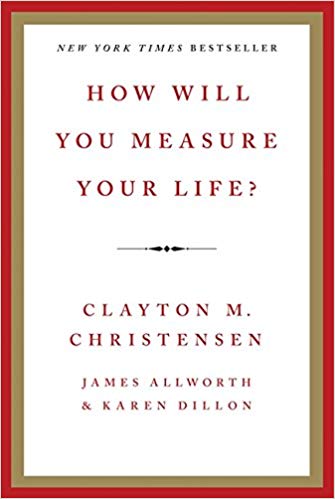
Some books give value just with their title. I’d say I think about the title of Clayton Christensen’s book about once every two weeks or so. Most of what’s in the book can be found in Christensen’s 2010 speech on that theme.
This theory addresses the third question I discuss with my students—how to live a life of integrity (stay out of jail). Unconsciously, we often employ the marginal cost doctrine in our personal lives when we choose between right and wrong. A voice in our head says, “Look, I know that as a general rule, most people shouldn’t do this. But in this particular extenuating circumstance, just this once, it’s OK.” The marginal cost of doing something wrong “just this once” always seems alluringly low. It suckers you in, and you don’t ever look at where that path ultimately is headed and at the full costs that the choice entails. Justification for infidelity and dishonesty in all their manifestations lies in the marginal cost economics of “just this once.”
I also find myself often thinking of an anecdote about milkshake purchases Christensen describes in the book:
The company then enlisted the help of one of Christensen’s fellow researchers, who approached the situation by trying to deduce the “job” that customers were “hiring” a milkshake to do. First, he spent a full day in one of the chain’s restaurants, carefully documenting who was buying milkshakes, when they bought them, and whether they drank them on the premises. He discovered that 40 percent of the milkshakes were purchased first thing in the morning, by commuters who ordered them to go.
The next morning, he returned to the restaurant and interviewed customers who left with milkshake in hand, asking them what job they had hired the milkshake to do. Christensen details the findings in a recent teaching note, “Integrating Around the Job to be Done.”
“Most of them, it turned out, bought [the milkshake] to do a similar job,” he writes. “They faced a long, boring commute and needed something to keep that extra hand busy and to make the commute more interesting. They weren’t yet hungry, but knew that they’d be hungry by 10 a.m.; they wanted to consume something now that would stave off hunger until noon. And they faced constraints: They were in a hurry, they were wearing work clothes, and they had (at most) one free hand.”
The milkshake was hired in lieu of a bagel or doughnut because it was relatively tidy and appetite-quenching, and because trying to suck a thick liquid through a thin straw gave customers something to do with their boring commute.
Something illuminating about food as something to do.
Understanding the job to be done, the company could then respond by creating a morning milkshake that was even thicker (to last through a long commute) and more interesting (with chunks of fruit) than its predecessor. The chain could also respond to a separate job that customers needed milkshakes to do: serve as a special treat for young children—without making the parents wait a half hour as the children tried to work the milkshake through a straw. In that case, a different, thinner milkshake was in order.
In the book, Christensen also goes on about how parents have to say no very often, and a milkshake is a relatively easy “yes.”
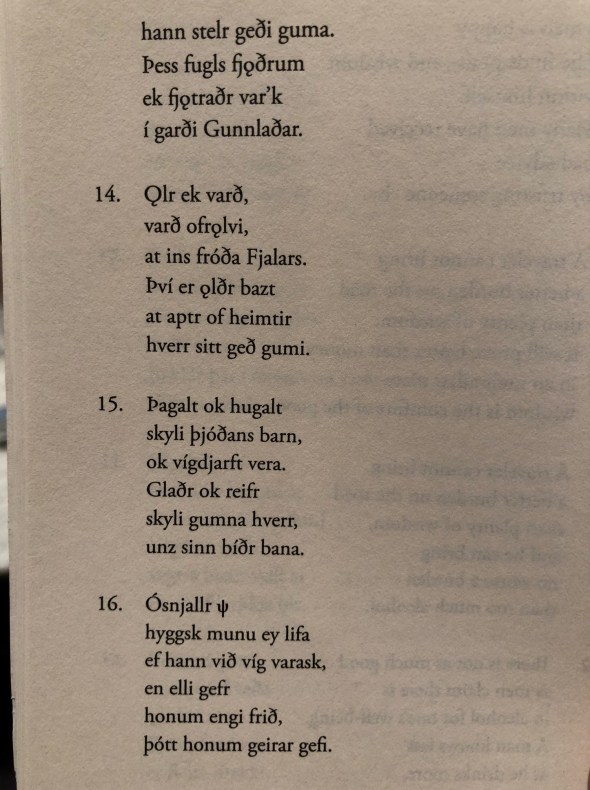
The Wanderer’s Hávamál translated by Jackson Crawford
Posted: January 27, 2020 Filed under: advice, travel, words, writing Leave a comment
loving this one. Supposedly the words of Odin himself.

Even Odin gets sloppy sometimes.
Crawford includes the Old Norse, if you need that. I’m not up on my Old Norse, I’m way behind on my Arabic as it is, my French is déchet, my Spanish is worse, most of my Irish is forgotten, but it’s cool to look at some of these syllables.
The Supernova pictograph
Posted: January 22, 2020 Filed under: art history, New Mexico 2 Comments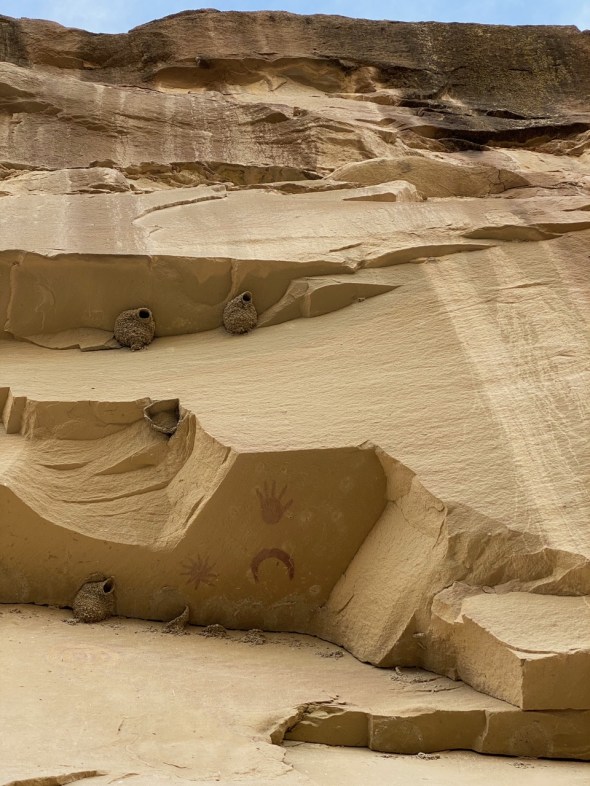
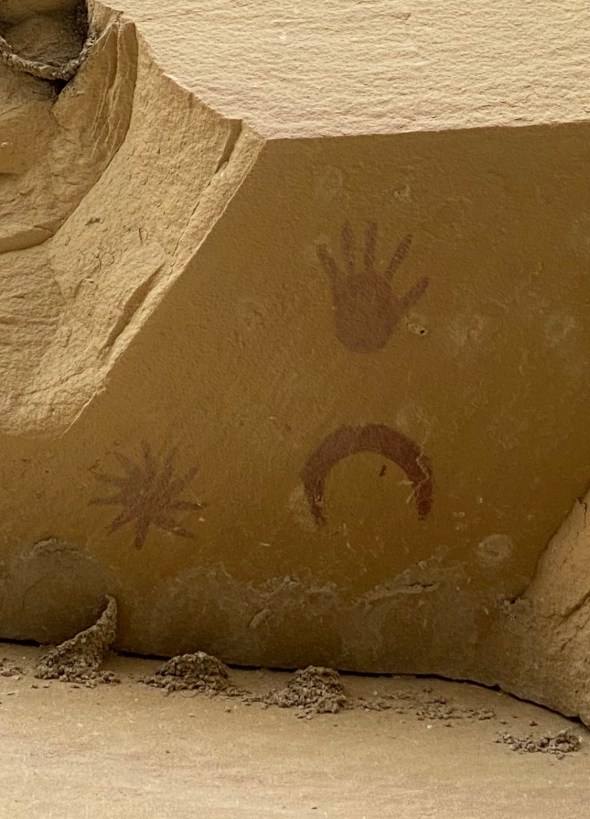
Regular readers of this website will know I’ve expressed some reservations about whether the Peñasco Blanco pictograph actually depicts a supernova from the year 1054 AD. It’s an exciting theory. For background, here’s what Timothy Pauketat has to say about it in his excellent book on Cahokia:
On that morning, recorded by a Chinese astrologer as July 4, a brilliant new luminary appeared in the sky. It was a “guest star,” a supernova, a visitor in the constellation Taurus, visible today with a high-powered telescope as the Crab Nebula. One of only fifty supernovas ever recorded – only three in our own Milky Way galaxy* – this nuclear detonation was the last gasp of a dying star. The inaudible explosion discharged a billion times more energy than the small star had previously emitted, and that morning a brilliant beacon – four times brighter than Venus – appeared in the daylight adjacent to a crescent moon…
Whatever i might have meant to the native peoples, a New Mexican Mimbres valley potter commemorated the celestial event by painting a pot with a star ad the foot of a crescent-shaped rabbit, a representation of the rabbit many indigenous North Americans believed resided in the moon. Ancient rock art in Arizona also appears to illustrate the supernova, as do petrogylphs in Missouri, which show the moon and supernova astride rabbit tracks. And in Chaco Canyon, New Mexico, a map of the night sky in July 1054 was painted on the sandstone cliffs above a palatial-sized, multi-story Great House called Peñasco Blanco, under construction at about the same time in the middle of the eleventh century. The pictograph shows the exploding star next to a crescent moon and a human hand, the later possibly representing a group of stars still known among Plains Indians today as the Hand constellation. Also in Chaco Canyon, construction began around this time on a massive new kiva, an underground ceremonial building, now called Casa Rinconada, just south of the largest Great House, Pueblo Bonito.
There was a “big bang” culturally in North America around 1000 AD, and it is interesting that around that same time, there were two supernovas, bright new stars in the sky.
Recently I had the opportunity to have a look at the so-called Supernova Pictograph in its location in Chaco Canyon, New Mex. Seeing it myself provoked some thought.
One observation is that there’s a huge amount of rock art in Chaco Canyon. I consider myself kind of a petroglyph enthusiast, but even for a passionate fan, there’s a lot. You’ll actually get pretty bored of looking at petroglyphs. Much of the rock art in the canyon is striking and weird.
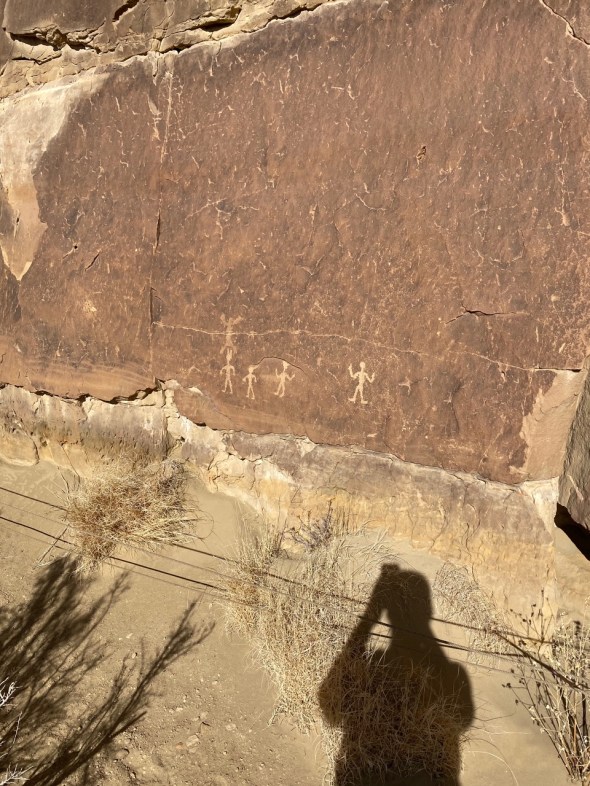
Some of it feels pretty crude and amateur, or could be attributed to later visitors.
But the Super-Nova / Peñasco Blanco pictograph really stands out, both in vividness and in the drama of its location.
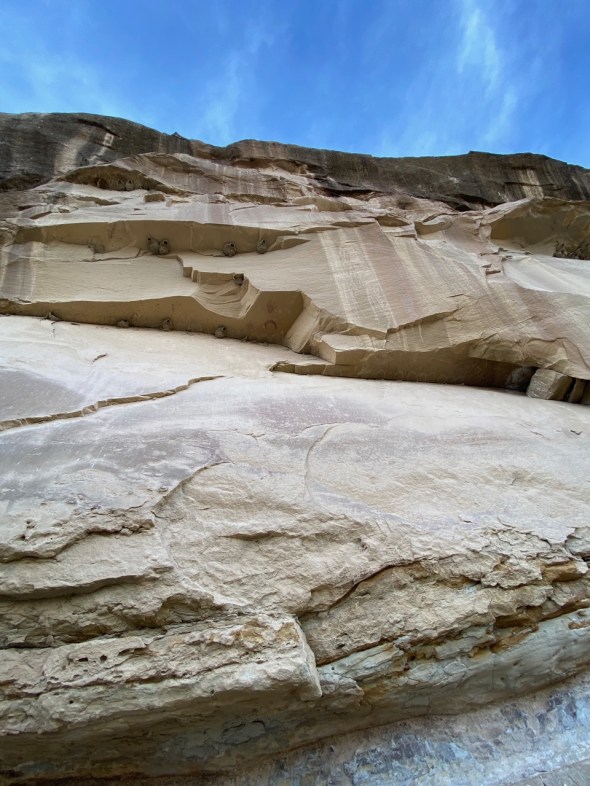
It’s almost upside down. Was it painted Sistine Chapel style?
The pictoglyph is on what I guess? could be a very old trail, that leads up from Chaco Wash to a mesa where the Peñasco Blanco “great house” sits. The Peñasco Blanco site is huge:
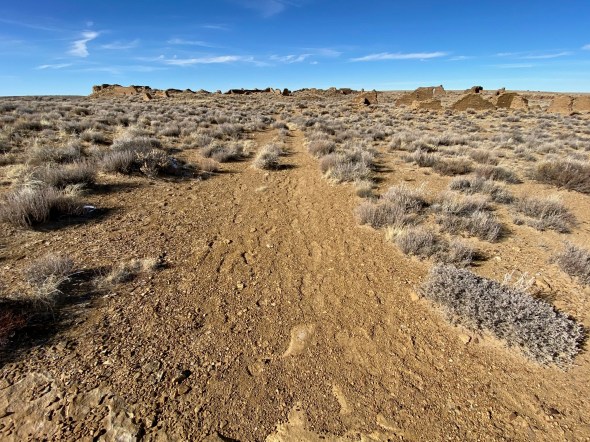
It was three stories tall and had 300 rooms. Construction had begun by the 900s, so before the appearance of the supernovas of the 1000s.
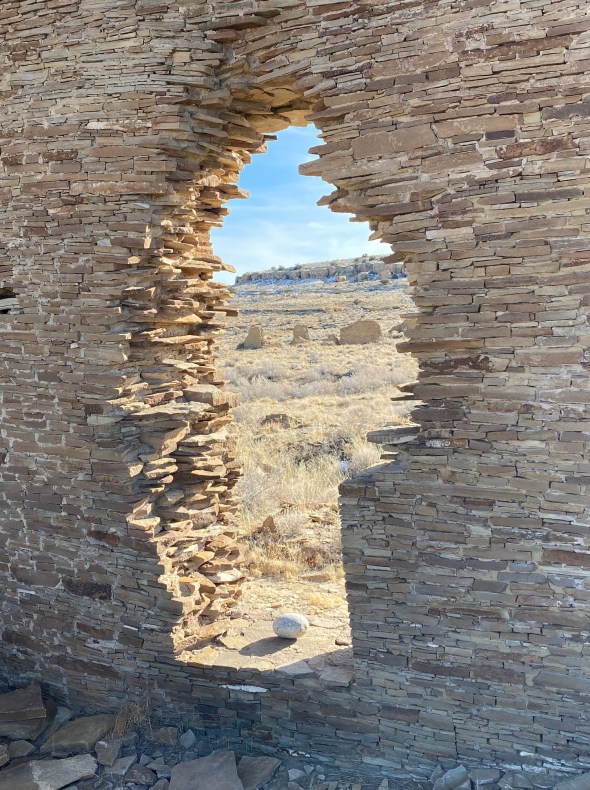
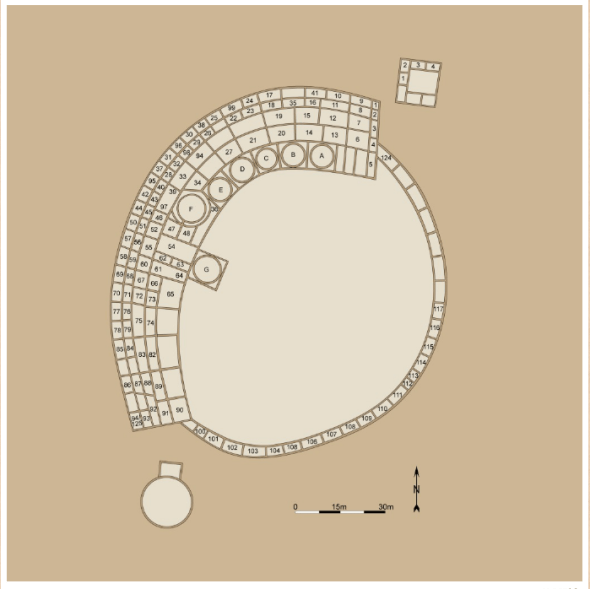
The structure was laid out with some thought to north-south alignment, as most Chaco sites seem to have been. To me it does suggest something like an astronomical theater:
On the day I was there I was the only person around, which is a spooky feeling.
The site reminded me of Irish monastic sites from the same era:
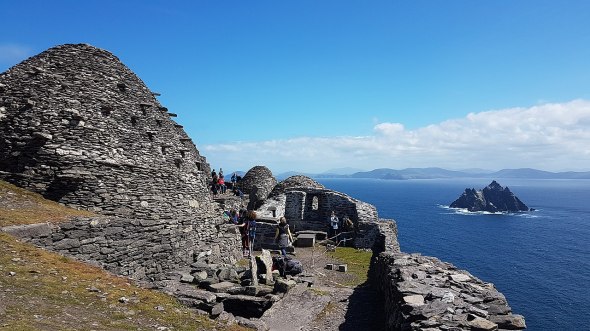
Certainly whoever was hanging around Peñasco Blanco was interested in the sky.
The park service is not shy about identifying this pictoglyph as depicting a super-nova:
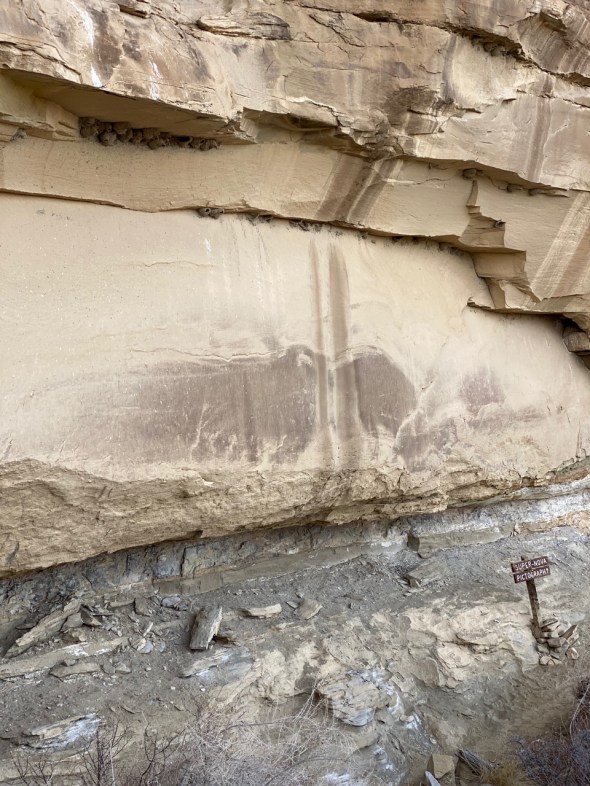
Note the sign, bottom right. But I’m just not sure the evidence is there.
Krupp’s investigations have ultimately caused him to dismiss all of the connections between Southwest cave paintings and the Crab supernova. “I am certain that star-crescent combos have absolutely nothing to do with the 1054 A.D. event,” he said. While some may indeed be celestial symbols, “their meaning varies with culture and time.”
from a 2014 Scientific American piece, “‘Supernova’ Cave Art Myth Debunked,” by Clara Moskowitz.
On the other hand:
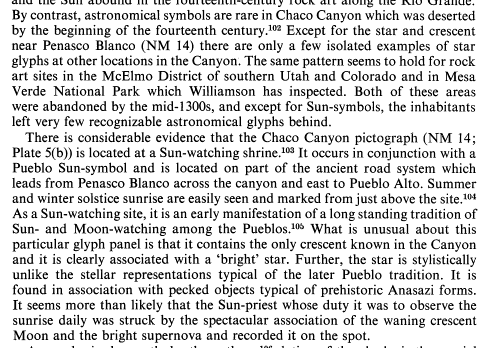
from a 1979 paper, “The 1054 Supernova and Native American Rock Art,” by Brandt, J. C. & Williamson, R. A. in the Journal for the History of Astronomy, Archaeoastronomy Supplement, Vol. 10, p.S1
There’s no way to reliably date a work like this. Chaco Canyon was occupied or had at least semi-frequent visitors around 1054 AD, and these visitors were absolutely interested in sky events. The dating of the pictograph is usually attributed to nearby pottery shards. You can still find ancient pottery lying around all over the place.
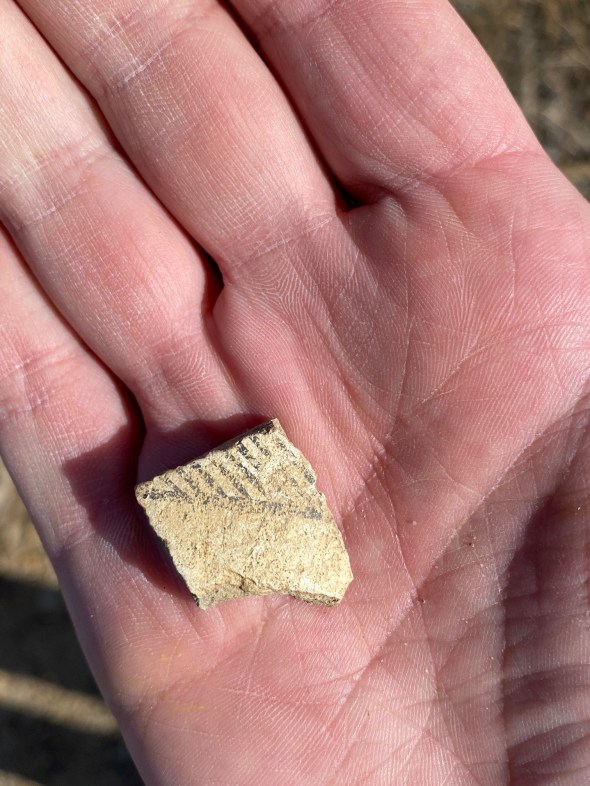
obviously reader I left this where I found it.
One thing is clear: if these people had a message they wanted to leave for us from one thousand plus years ago, it is “hand – crescent – star.”
A day before visiting this site I had lunch with a friend of mine who works on shooting lasers at rocks on Mars to determine their chemical makeup. We’re still OBSESSED with the sky!

Los Danzantes of Monte Alban
Posted: January 12, 2020 Filed under: UNESCO, Wonder Trail Leave a comment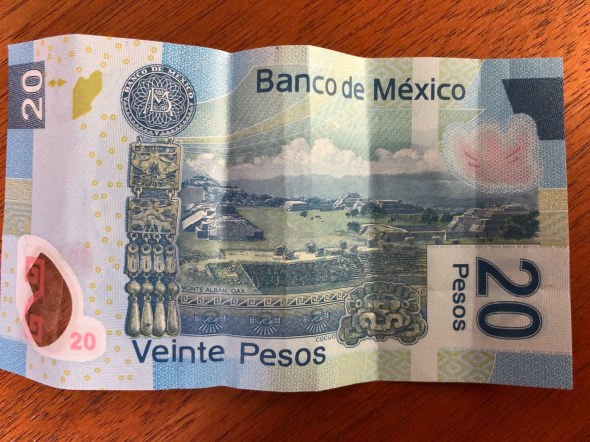
Monte Alban is a pre-Columbian site near the present day Mexican city of Oaxaca. It thrived sometime between about 500 BCE and 500 CE.
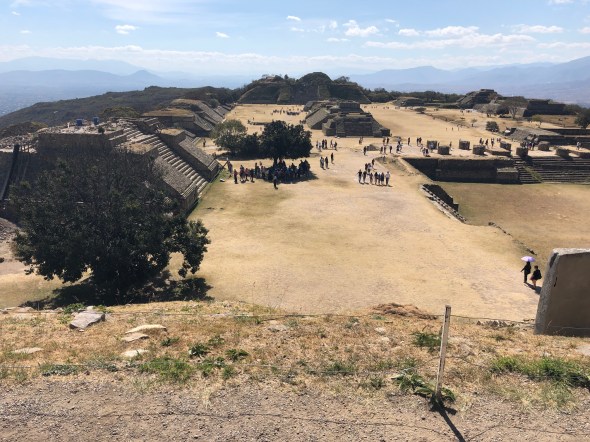
One of the famed features of the site are some carvings called Los Danzantes, “the dancers”
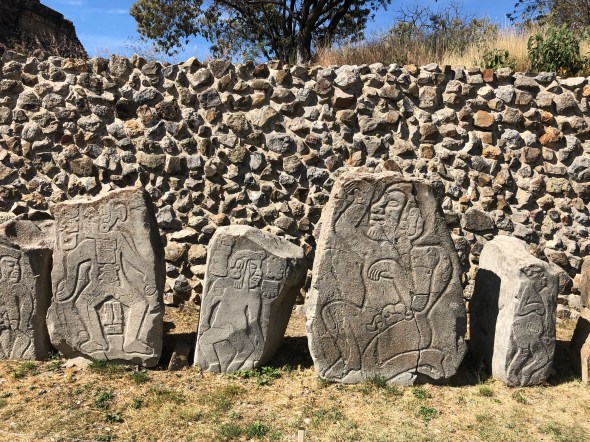
That’s a fun interpretation! However, current thinking suggests that these aren’t, in fact, people having a cool time dancing, but captives being subjected to various horrible tortures. Having their genitals mutilated and so on. There are glyphs next to their heads, maybe their names, and the idea is the Monte Albanians were celebrating conquering and torturing the leaders of various rival towns.
That was the interpretation of Michael Coe anyway, one of the great Mesoamerican problem solvers. In this book: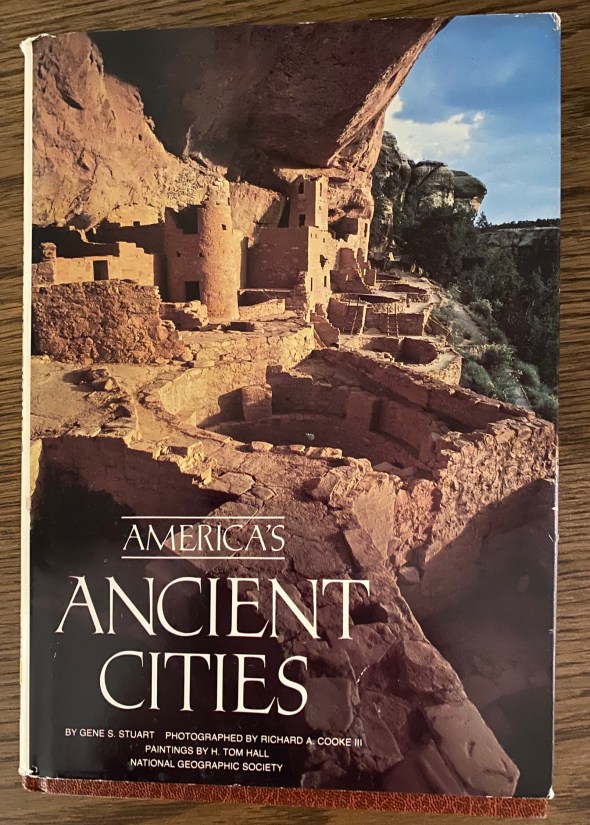
it’s suggested that the Danzantes may have been connected to a war memorial:
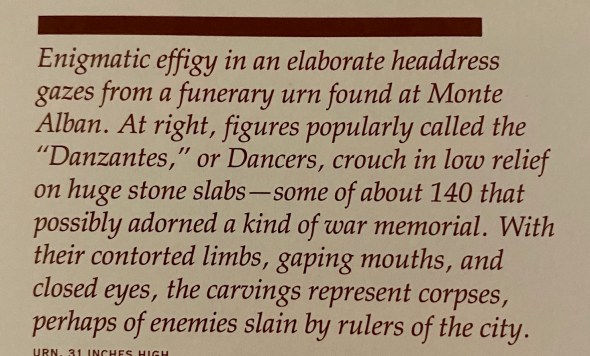
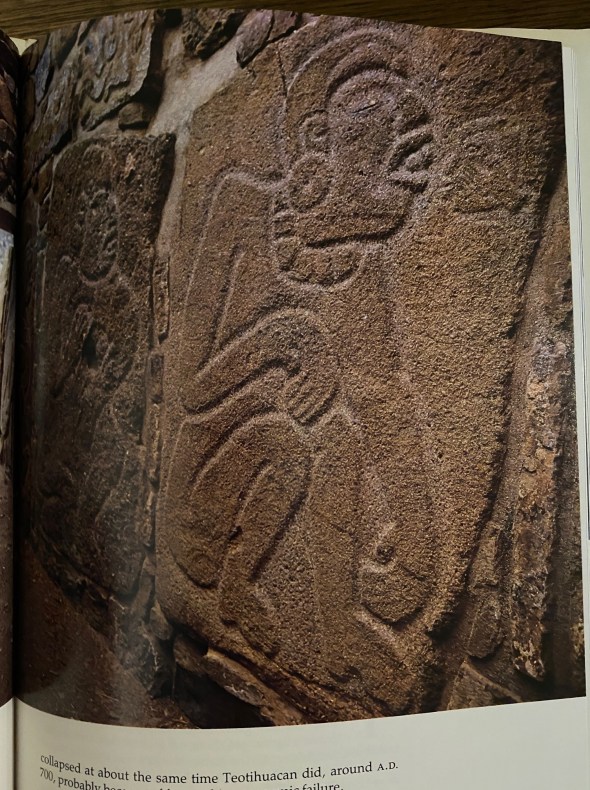
Still, you have to account for the emphasis on the genital messed-upitude. Are we looking at a self-punishment that led to ritual visions, not unlike the Mayan case of Lady Xoc?
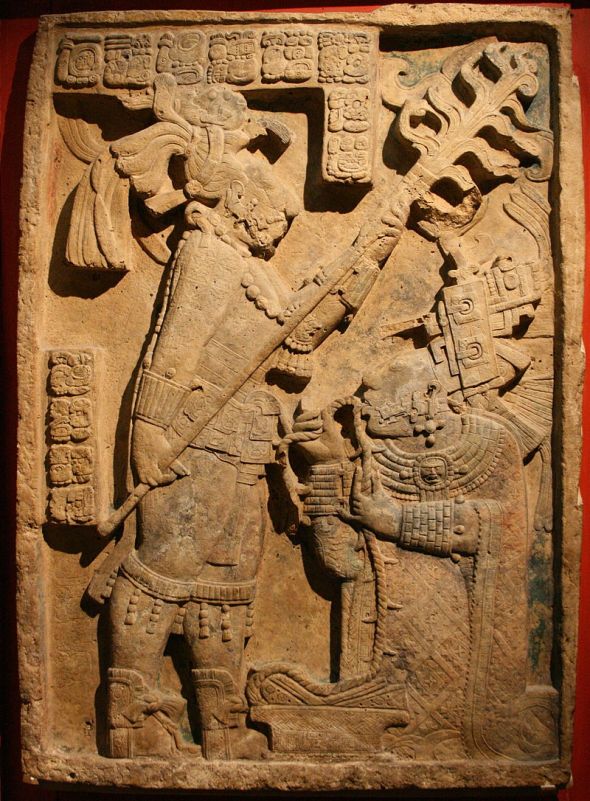
from wikicommons, photo by Michel Wai
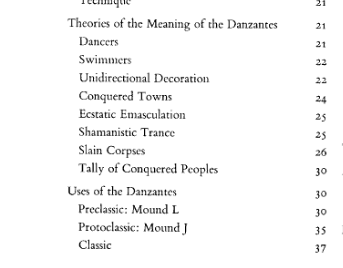
Looking at the Danzantes, I wondered at an alternative explanation, if these are depictions of people suffering from a weird disease or plague of some kind. (I’m not the first to think of that).
Or maybe they’re up to some shamanic ritual. Here’s a whole paper by John F. Scott and W. P. Hewitt from 1978 looking into the mystery. Some possible explanations are explored:
It struck me looking at this photo that the Danzantes have a resemblance to the gravestones of early New England.
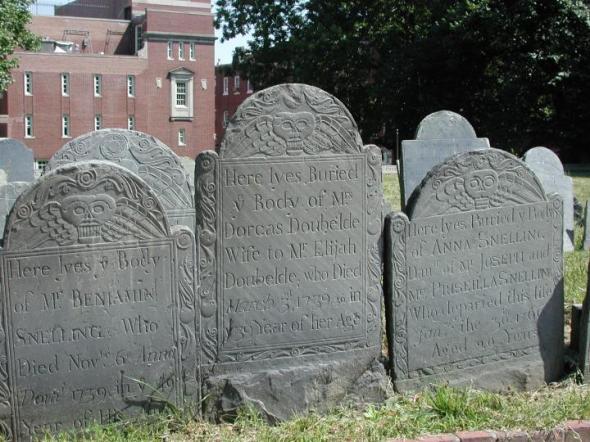
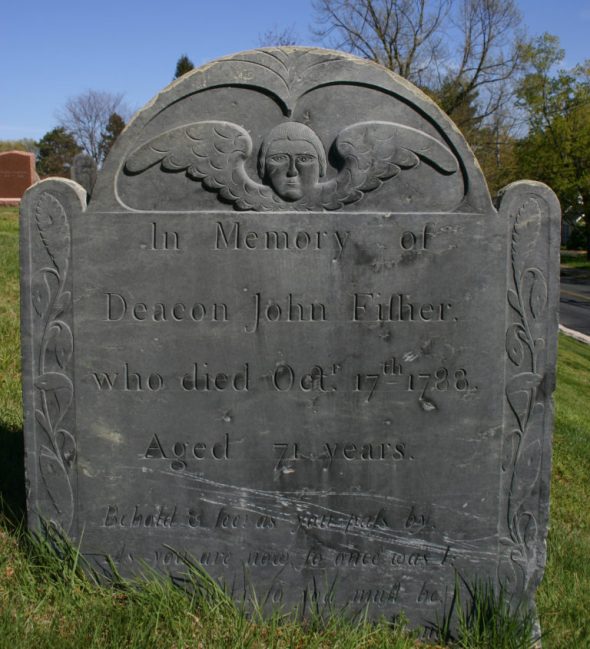
from Needhamhistory.org
These too will perhaps be mysterious and a subject of speculation when they are 1600 years old. They’re already pretty weird.
Los Danzantes is also the name of a highly regarded restaurant in Oaxaca and Mexico City:

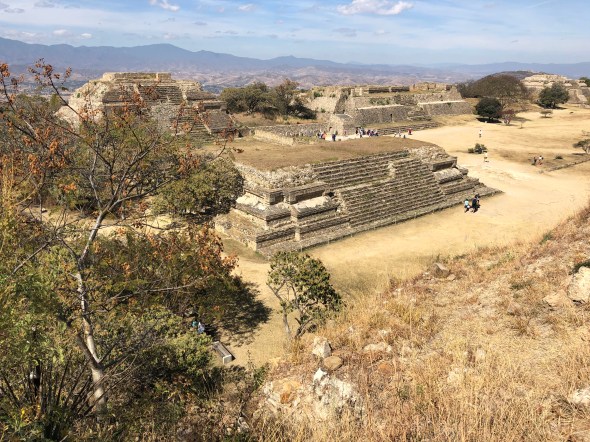
Amazing chart
Posted: January 9, 2020 Filed under: UK Leave a comment
I love this. I feel like I’m watching a magician fool me with a trick! Source.
Notes on a decade
Posted: January 8, 2020 Filed under: America Since 1945, music Leave a comment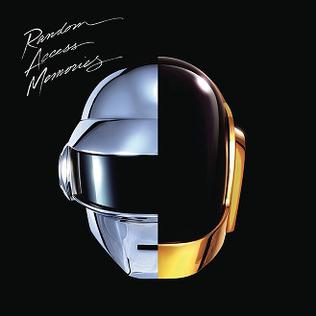
Born near the turn of a decade, the decades of the marked years neatly match my own personal decades. The 2010s were pretty much my 30s. Probably I was less in tune culturally than I was in the 2000s / 20s. Or maybe I was REALLY tuned in. Who can say? Sometimes re: “current events”, they did feel like little more than backdrop to my own personal dramas. If nothing else I was present for a lot of cool moments, the finales of The Office and VEEP, for example.
For that I’m grateful.
Helytimes was launched in 2012, out of a desire to claim a space for myself on what we still called “the Internet,” plus a sense that figuring out how to write online would be important. Haven’t quite made it to ten years yet, which I remember setting as a benchmark to strive for.
The 2010s decade, if we’re being flexible, has to begin with the September 2008 financial crisis and aftermath. The bad guys really did get away with it. That’s a fact we’ve had to sit with all decade, and I think it’s an ugly, unpleasant fact that lies beneath a lot of the roiling turmoil since then. A small percentage of people rigged the economy and were reckless with the lives of others, and mostly left others holding the bag and were never held to account.

Did it all begin here?
The decade was really split by the shock of the 2016 election. A troubling, disturbing shock, even to the guy who won! When I consider that was almost four years ago it feels weird, I’m still kinda not out of the initial dizziness that Donald J. Trump is the President. It feels like it warbles the universe to even write that and have it be true.
Historywise, what was this decade? Was it good? Was it bad? Was it tumultuous? Are we brimming with more hope than we were in 2009? If you were making one of those CNN docs of the decade, what would you have to include? The fact that it is kinda hard to answer does – well I don’t want to say it disappoints, but it might suggests this was not a decade of great innovation.
Art and culture of the 2010s? How were they distinct from the 2000s? I can’t name the true trends in music, or even film or TV. What about literature? Here we are in 2019 and who’s a hot young writer? Sally Rooney? Jia Tolentino? Is there anyone else who pops out of this decade in literature?
Technology-wise, 2010 was very different for me than 2000, when I didn’t own a phone. But I don’t think 2019 is that different from 2010.
The big ticket of the 2010s, it seems to me, is “social media.” My phone regularly reports to me that I spend five or so hours on it A DAY, and I don’t think I’m that unusual. Twitter, Insta, TikTok, etc. Gaming streams? Social is where people live.
Is sorting the decades by their cultural touchstones itself kind of a Boomer idea? Feels like it became strongest with “the Sixties.” As David Halberstam pointed out in his book, it wasn’t like nothing was going on in the ’50s, it just felt like that for a certain generation which hadn’t yet come awake.
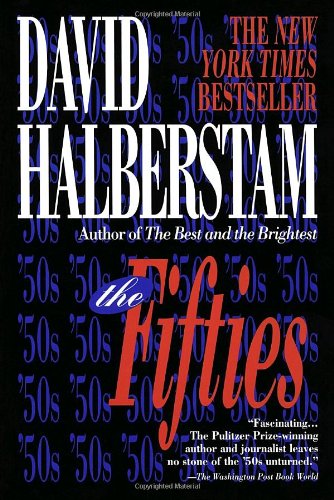
maybe thinking about “decades” is itself an old idea, we’re so fast now we’re on years, months, days, moments.
Moments. Were the 2010s the decade of moments? We could capture and share moments better than ever before. I remember a tech bro pitching me an idea in Austin for some kind of photo storing service. “I was getting so sick of missing moments,” he said. Within a few months another person pitched me essentially the same idea, though neither time did I really understand what the problem was, exactly, nor the solution.
One quality the 2020s will need is hope. One of the best things there is is hope, and here’s hoping for a decade of amazing moments for Helytimes readers, and well heck, why not wish everyone a peaceful, happy, prosperous decade with just the right amount of excitement.
I put on Spotify’s best of the decade and man, I’d forgotten this one:
CeeLo’s “Fuck You” if the link dies, as they inevitably do.
Nissan
Posted: January 7, 2020 Filed under: America Since 1945, cars Leave a comment
A Datson Model 11 by HKT3012 for Wikipedia
The best business story of last decade snuck in under the wire, when Carlos Ghosn, the former head of Nissan Motor Co. and Renault SA who was out on bail in Japan awaiting trial on charges of financial misconduct, popped up in Lebanon just before New Year’s after being smuggled out of Japan in, apparently, a large black case used for audio equipment.
As Matt Levine put it. Interested in the mysterious case of Ghosn the Nissan outlaw, I started looking into the history of Nissan. A key figure is an American engineer, William Gorham. Gorham traveled to Japan several times as a boy with his dad, an Asia manager for Goodyear tires. In 1918, he moved to Japan with his wife and children, and got involved with Gonshiro Kubota:
Gonshiro Kubota, a successful businessman who founded and led his eponymously-named firm into becoming the largest manufacturer of agricultural machinery in Japan was eager to enter the automobile market. At the time, the only two mass-production Japanese automobile manufacturers were Isuzu, and Kaishinsha, founded by Matsujiro Hashimoto. Kubota hired Gorham as chief designer, with Gorham designing the vehicles and setting up the manufacturing plants for Gorham’s three-wheeled automobile. Along with other Japanese investors, Kubota and Gorham would found Jitsuyo Jidōsha, who would manufacturer the three-wheeled automobile as the Gorham, and a four-wheeled automobile of Gorham’s design as the Lila. Jitsuyo Jidōsha and Kaishinsha would later be merged into a predecessor of the Nissan Motor Company.
A vivid picture:
In David Halberstam‘s 1986 book The Reckoning, Halberstam states: “In terms of technology, Gorham was the founder of the Nissan Motor Company” and that “In 1983, sixty-five years after [Gorham’s] arrival… young Nissan engineers who had never met him spoke of him as a god.
In May of 1941, Gorham renounced his US citizenship. Reported in the NY Times:
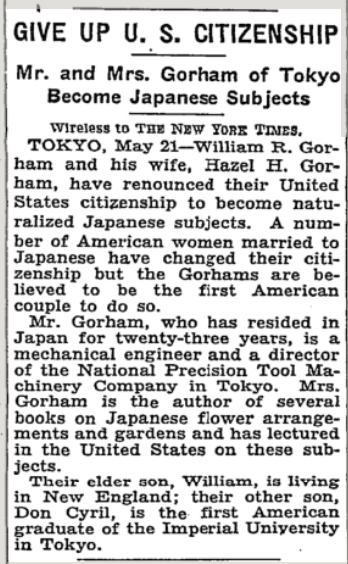
He stayed in Japan as the US and Japan went to war.
After the end of the war, the United States government declined to charge him or his wife with treason since they had become Japanese citizens before the war began; in fact, he ended up working in a liaison position with the headquarters of Supreme Commander for the Allied Powers Douglas MacArthur regarding industrial problems
Gorham:

They Britney’d the abandoned KMart!
Posted: January 6, 2020 Filed under: America Since 1945, music Leave a comment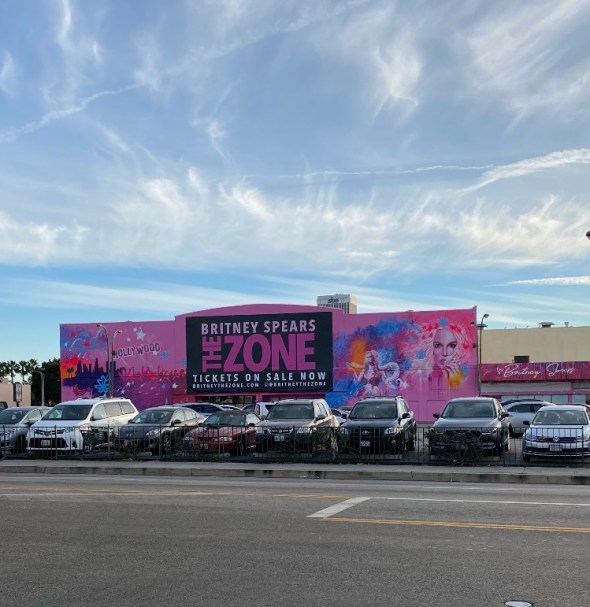
Not sure the photo captures the majesty of seeing it in person.
America as casino
Posted: December 29, 2019 Filed under: America Since 1945, politics Leave a comment
from visitpittsburgh.com
Now we finally have a former casino operator as our President. It was inevitable. Gambling is really at the heart of America, IMO. Even in the ancient myths of the desert Southwest we hear of The Gambler. The thing is, this isn’t really a country, it’s a casino. Anybody* can come here and take their chances. Any immigrant to America was weighing the odds and taking a big chance. If you win big, congratulations, if you crap out that’s on you. Maybe that’s why we don’t have nationalized health insurance, and why we tolerate rule by billionaires. It’s a feature, not a bug. Social safety nets for societies. Casinos don’t have a safety net.
Before Trump, Bill Clinton might have been our most casino-adjacent president. He liked to describe himself as the man from Hope, but he was really from Hot Springs, a kind of local Arkansas Las Vegas from before the age of Southwest Airlines. His mother spent her time at the race track and the house where young Bill spent his time had “a bar on which stood a rotating cage with two huge dice in it.”
I’m not saying I love that America is more of a casino than a country, but let’s accept that reality. Maybe a winning political messaging could come out of something like “MAKE THE CASINO FAIR” or “A FAIR CASINO FOR ALL!” It’s hard to look around and not think the casino is at least a little rigged, or at the very least that current management is crooked.
Or how about CLEAN UP THE CASINO! or EVEN THE ODDS!
Tom Wolfe
Posted: December 27, 2019 Filed under: America Since 1945, writing Leave a comment
The people in the psychedelic world had been religious but had always covered it up. There was such a bad odor about being frankly religious. I mean Kesey would refer to Cosmo, meaning God; someone in the group used the word manager. Hugh Romney [a.k.a. Wavy Gravy] used to say, “I’m in the pudding and I’ve met the manager.”
On unusual style / carrying yourself as a reporter:
When I first started at Esquire, I made the mistake of trying to fit in. And given the kind of things I was sent to cover – stock car racing, the Peppermint Lounge, topless restaurants in San Francisco – not only did I not fit in no matter how hard I tried, but I would deprive myself of the opportunity to ask very basic questions that the outsider can ask. You just discover after awhile that people like to be asked questions they know the answers to.
Elsewhere:
be an odd, eccentric character… people will volunteer information to you
On American literature:
In France they discovered Faulkner – not as we would, as a very complex and somewhat arty writer, but as a primitive who had barely emerged from the ooze, somehow, to write.
At the same time they were admiring the energetic, classless and low-rent, rude, animal side of American art, our artists were striving like mad to shed all of that and to stop being hicks and rustics.
re: The Painted Word and From Bauhaus to Our House
I want people to pay attention to what I think is my sole contribution in these areas – showing how certain fashions, certain styles, certain trends come about. They’re not like the weather. Most of our critics and historians seem to think that styles are like Bermuda highs. That it’s the spirit of the age and so cosmic in nature that you don’t have to think about how it happened. You just note that it happened, and if the weather is serious enough, you bow down. What I keep saying is that styles are created by people. And the task of a historian – which is all I picture myself as in these books – is to find out who these people are and what the competitions were that brought the styles out.
On advice to young journalists:
You should get up your courage and approach the biggest magazine you can think of that might be interested in the subject. Approach a junior editor rather than the man at the top, because the junior editors are in competition with one another to discover new writers. Even if you’ve already written it, present the story idea to the editor, because editors like to feel that they’re part of the creative process. Wait a decent interval of about two weeks and then send them a manuscript. Magazines will be in a receptive mood if you have approached them ahead of time. They’ll want it to be good, they’ll want to buy it, and they’ll want it to be a success. There’s a continual shortage of good writers and good journalists. It’s really not an overcrowded field because there’s not that much talent to go around. A lot of it is having the determination and perseverance to do the reporting.
There are several references to an article I’m not sure I’d read before, about carrier pilots operating off the USS Coral Sea, dodging missiles over North Vietnam, “The Truest Sport: Jousting with Sam and Charlie,” which you can read here on Esquire’s website.

Status competition, that’s what interests Wolfe.
Making writing appear spontaneous:
I wanted the writing to appear buoyant, free and easy, spontaneous. Creating the effect of spontaneity in writing is one of the most difficult and artificial things you can do. I was much relieved to learn that Celine used to spend four or five years rewriting his novels in order to achieve the effect of someone just sitting down across the table from you, spouting up the story of his life. Writing is an extremely artificial business: it’s artificial by its very nature – you’re taking sounds and converting them into symbols on a page. To make that transference from one sense to another and reinvest the words with vigor and rhythm and spontaneity is quite a feat.
more:
my intention, my hope, was always to get inside of these people, inside their central nervous systems, and present their experience in print from the inside.
[after he wrote an attack on The New Yorker, and everybody came after him]
I suddenly found myself denounced by the likes of Joseph Alsop, Walter Lippman (he called me an ass in print), Murray Kempton, a distinguished columnist for the New York Post. Richard Goodwin called up from the White House to denounce me; E. B. White; even J. D. Salinger, whom the press hadn’t heard from for years, sent in a telegram denouncing me as a yellow journalist. I really felt that perhaps the world was coming to an end. All these eminent people descended upon me, and I felt the sky was falling in. Then a few days later I woke up, and nothing had happened. It dawned on m that it’s very difficult to get hurt in a literary fight. In a strange way, all the shouting and shooting and the explosion were part of the literary excitement.
(funny that one of the criticisms, J.D. Salinger’s term, was that Wolfe’s attack was “gleeful.”
The next two are from an interview with Ron Reagan in “GEO, 1983. The prompt here is about Pol Pot and the then rampant Khmer Rouge:
So much of the political thought and fashion among writers and other commentators in the United States is based on the idea that liberty has always existed in a kind of mist over the left. In this country there have been very few ideologues, but there has often been a Marxist mist, the idea that there is something wonderful about socialism that if pursued correctly will lead to liberty, peace, harmony and the betterment of man in a way that nothing going on in modern industrial nation can. In the past ten years it’s been discovered that socialism, when put into effect by experts, leads only to extermination camps. This has been a terrible blow to a very fashionable idea. That’s why it’s embarrassing to dwell on Pol Pot. Pol Pot is not a maniac. He’s a man who studied the future for his country for years starting in France, and the whole Khmer Rouge movement was probably as rational an undertaking under a Marxist ruler as has ever occurred. Everywhere the experts have put socialism into effect, the result has been the gulag. Now to point this out is to be regarded as right wing. I regard it only as obvious – so obvious, in fact, that you have to be crazy to avert your eyes from it.
On why writers like Hemingway and Mailer are interested in fighters and “people who got their hands dirty”:
For this analysis, I go to Sigmund Freud. He said that writers and artists are people who discovered as youngsters that they lost out in the hurly-burly of the playground. They discovered, however, that they had the power to fantasize about such things, about the fruits of power, such as money, glory and beautiful lovers. In a way, that resonated with the fantasies and dreams of other people who were not so talented. When they are successful in presenting these fantasies to the public, they end up achieving through fantasy that which they were previously able to achieve only in fantasy. But somehow it’s not enough to be known as someone who is a skilled fantasist. That is second best; it would have been much better to have ruled the playground. So they constantly try to prove to themselves that they can rule the playground if they really try. But only rarely do you run into an obsession like that.
Wolfe later mentions he things handguns should be banned:
I think if manufacture and sale stopped, the price of the ones remaining would go up on the black market. If it became a felony nationally to possess a handgun and there was a public call to turn them in , I think you’d be surprised at how many would be turned in.
Wolfe had really done his homework to develop his styles.
I really made a concentrated effort to get in the game. I adapted a lot of things I had run across in graduate school. For example, there were these early experimental Soviet writers like Aleksei Remizov, Boris Pilniak, Andrei Sobel and the Serapion Brothers. One of them, Yevegeni Zamyatin, was best known for We, the book that Orwell’s 1984 was based on. From Zamyatin, I got the idea of oddly punctuated inner thoughts. I began using a lot of exclamation points and dashes and multiple colons. The idea was, that’s the way people think.
The four basic techniques of novels Wolfe tried to introduce to nonfiction:
The first is scene-by-scene construction. In other words, telling the entire story through a sequence of scenes rather than simple historical narration. Second is the use of real dialogue – the more the better. The third, which is the least understood of the techniques, is the use of status details. That is, noting articles of clothing, manners, the way people treat children, the way they treat servants. All the things that indicate where a person thinks he fits in society and where he hopes to go socially. The fourth is the use of point of view, which is depicting the scenes through a particular pair of eyes.
Re: psychedelia and mus:
Without that world, without Ken Kesey and the Grateful Dead, there would have been no serious music by the Beatles. They take off from the Grateful Dead, starting with that album Revolver. Everything from Revolver on comes out of the American psychedelic world, to which they were turned on by Bob Dylan – in person, in private. Not by listening to his records, but by getting involved with him personally.
One more:
Here’s another thing that’s now like a foreign notion. The seven deadly sins are all sins against the self. And this is an idea that’s vanished pretty much. Lust for example. The reason that lust in Christian religion was – particularly in the form of Catholicism that originated the seven deadly sins – was considered a sin was not that some man would be leading some nice girl from Akron into white slavery, or the pages of pornographic magazines, but that he would be hurting himself by wasting his spirit on this shallow and pointless, base passion.
I hope editor Dorothy Scura doesn’t mind me quoting so extensively from her book, which is itself a roundup of other interviews. My goal is simply to share some of these wonderful insights with likeminded readers.
True Wolfeheads can find more content here.
Cats (2019)
Posted: December 24, 2019 Filed under: film 1 Comment
A tribe of cats must decide yearly which one will ascend to the Heaviside Layer and come back to a new life
Somebody who saw the movie before me said “it helps if you know that the Cats are competing in a contest of singing about their lives to see who gets to go up in a hot air balloon and die and then get reborn with a new life.” That does help.
A critical failure can be kind of fun, even a badge of honor, but a colossal financial failure is bad. That makes everyone uncomfortable.
I kind of enjoyed my experience of the movie, I wasn’t bored. Several people in my theater (at The Grove) were straight up bawling crying with real emotion, both during “Memory” and during the song Dame Judi Dench sings about growing old (“Finale: The Ad-Dressing of Cats”). I myself was quite moved. I’d never seen Cats the musical and didn’t know much about it. I was struck that this was really kind of a veiled story about city lowlifes and pimps and shady customers and dramatic sad sacks, and theater kids. It’s about finding redemption for a squandered or spent life? The setting appeared to be something like London’s West End and Trafalgar Square.
It’s almost silly to talk about what went wrong with this movie. When Idris Elba is dancing and his genitals are either tucked into a suit or disguised with some kind of CGI, so he doesn’t even have normal cat genitals, that’s a jarring image, certainly, and takes one out of the film.
Francesca Hayward, the Kenyan-born dancer who plays White Cat, the star or at least our guide through this thing, is an amazingly gifted dancer and performer. Probably. It sounds like it, I can’t really say, because this movie hits at level of fakiness where I can’t really tell what’s her, and what’s faked. I can see how that might sound “cool” in conception but in reality it just robs me of seeing human talent.
Why didn’t they just assemble this amazing cast of talented actors for about thirty days and then have them put on a simple production of Cats in a big empty warehouse? It would’ve been much more engaging to see what these performers can really do, to see what they might bring out in each other, to see what kind of magic they can make just with their bodies and voices. I suspect the answer to why they didn’t do that is:
1) they didn’t trust an audience would consider that spectacular, new, unique enough for a movie
and
2) it would’ve been too hard.
The makers of this movie didn’t trust an audience, they assumed we could be easily fooled by manipulated computer-designed imagery that’s not “cheap” in terms of money but is cheap in terms of artistry. That, to me, explains some of the reaction this movie. These people think we’re fools. Whoever (and I guess we have to say “director Tom Hooper”) made this movie didn’t go forward to make something they themselves would find really cool and impressive and special, just the way they’d like to see the story told, and then struggle to achieve that vision, and then share it with us. Instead, the makers set out to fake us out with tricks that we know are tricks, and they know are tricks. It’s disrespectful, and that’s shameful.
How great would it have been to actually stage Cats with Taylor Swift and Jennifer Hudson and James Corden and Ian McKellan and Dame Judi Dench, stripped down if necessary, and just show us the results? But that’s too hard, they never could’ve convinced those actors, they never could’ve gotten the scheduling right, to do that would’ve been an act of absurd daring and ambition. So instead they just threw money at it and made something cheap and gaudy and unconvincing. The result is kind of like being a kid and being taken to Disneyland and your divorced dad is buying everything but he’s on his phone the whole time. You know you aren’t being given anything of real value.
Money is cheap in movies. It’s not impressive. Making an expensive movie is easy, Hollywood does it all the time. Talent and vision and effort and energy and collaboration are what’s rare. That’s what’s impressive. Some of that actually shines through the movie of Cats, despite everything.
I thought James Corden did a heroic job, a true showman. And Laurie Davidson as Mir. Mistoffelees was great.

I compared a few of the songs to the Broadway versions and preferred the movie versions. (Compare, for instance, Corden’s Bustopher Jones).
No, the reason why people will hunger to see ”Cats” is far more simple and primal than that: it’s a musical that transports the audience into a complete fantasy world that could only exist in the theater and yet, these days, only rarely does.
That’s what Frank Rich said back in 1982. These days movie audiences are REGULARLY transported to complete fantasy worlds that could only exist in the movies. Why mess around with trying to translate a magical theater experience to that? (Deadline highlights the obvious reasons: good track record of musicals for Universal, incredible cast, huge hit IP, etc).
Maybe that was the mistake of the movie, to try and duplicate the massive transformation the show did to a theater to something a movie could do. To do that, while also showing you the faces of these beloved actors, was maybe just a mismatch?
And also the plot is very strange. It’s funny, almost one of the lessons of Cats the Broadway sensation is that people can go along with a pretty dense internal logic without a lot of handholding provided there’s a lot of intense longing, empathy, nostalgia, vivid expressions of where characters are coming from. However many million people who enjoyed Cats the show just accepted the many uses of the word “jellicle” and went along. People will do that, if the vision is coherent! Fairy tales are full of that kind of buy-in. Maybe the filmmaking team just lost their confidence somewhere along the way. I’m made to understand they actually added more of a plot, for the movie.
The Financial Times liked the film! I give it a B+. I’m not here to poo on things, it was a fun early afternoon.
Reader Dan G comments:
To me it seems likely “they” made the choices they made in good faith, with high hopes and something just didn’t quite work. Happens all the time.
I agree!
The only UNESCO World Heritage site in French Polynesia
Posted: December 15, 2019 Filed under: Tahiti, the ocean Leave a comment
is the Marae at Taputapuātea on Ra’iātea Island. It doesn’t really look like much now to be honest. The only other people there on a visit last spring were a few white tourists getting what sounded like a pretty tedious lecture in French. Two guards were chilling under a tree. When I sort of tentatively started to walk on the marae’s volcanic rock base, one of the guards gave me a whistle and like a don’t do that gesture, but didn’t bother getting up.
But that’s 2019. We have to picture the marae as it was, when it was at its most magnificent. Covered with vines, when the great drums sounded:
Marae became fearful places. They were dark, shaded by groves of sacred trees… People spoke of these places as the jawbones of the gods, biting the spirits who passed into the dark underworld where they were consumed by the gods while the stone uprights on their pavements were called their niho or teeth
High priests told the early missionary John Osmond:
Terrible were the marae of the royal line, their ancestral and national mare! They were places of stupendous silence, terrifying and awe-inspiring places of pain to the priest, to the owners, and to all the people. It was dark and shadowy among the great trees of those marae.
After raids:
canoes beached by the marae, wailing conch trumpets sounded, and the heads and genitals of their most high-ranking victims were tightly bound with the multi-coloured plait sennit of the god, destroying the mana (ancestral power) and fertility of their lineages and districts. Some of these corpses were hung up in the sacred trees, while others were used as canoe rollers
So tells Dame Professor Anne Salmond in her book:

I looked forward to reading the rest of Dame Professor Salmond’s book, it’s incredible. She makes the point that when Europeans first made contact with Tahiti, they tended to think of it as like this unspoiled paradise. But Polynesia was in the midst of its own turbulent history, the Europeans arrived at a particular moment in Polynesia’s development. There’d just been a violent takeover by islanders from Bora Bora.
They weren’t waiting around for guys in ships to show up. There was a whole scene!
 Helytimes

