Jerry The Dog
Posted: April 15, 2016 Filed under: animals, family Leave a comment


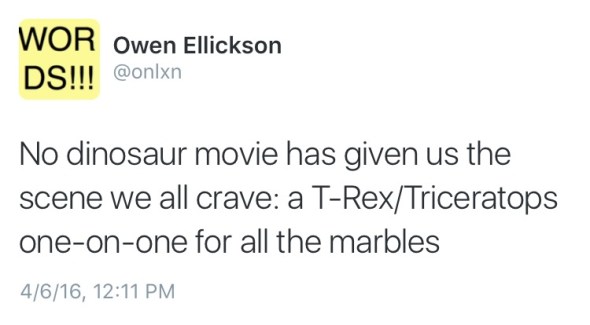
My pal and former Office co-worker Owen Ellickson is one of the greatest Twitterers in the game right now IMO, on track to become a legendary Dad Humorist.

Owen and his lovely wife used to be my neighbors, so I oft visited with Owen’s dog Jerry, who was, to be blunt, not always a pure joy to encounter. Nonetheless I was fond of Jerry and sad to learn of his recent passing. Owen wrote a tribute to his dog that I found very refreshing and tender and with permission I reprint it here for Helytimes readers:

We put our dog Jerry down yesterday. Jerry was somewhere between 13 and 15, and had lived with me for over a decade. Everyone has been very nice about it; in truth, few will mourn his loss. Jerry was a bad dog.
We like to think of dogs as paragons of kindness, bottomless pits of furry empathy that remind their owners what they aspire to be. In this “Marley & Me” framing of dogdom, even the worst things our little friends do are adorable, the kind of benign bloopers rom-com protagonists commit. Marley’s big sins were things like “chewed up a bra,” and “pooped somewhere silly.” Jerry’s sins were things like “bit a person,” and “bit a dog,” and “bit another person.” Over the ten-plus years Jerry was with me, he bit four dogs and six people. He bit residents and visitors; he bit men and women; he bit inside and outside. He bit me. He bit my wife. Owning him made me feel angry and nervous and guilty and negligent. Yesterday was a long time coming… the subject of putting him down was on the table for the majority of our time together. Jerry wasn’t a (charmed coo) “bad dog.” He was a (frightened whisper) “BAD dog.”
Jerry had bounced around Los Angeles pounds in his youth – ours was at least his fourth home, Jerry at least his fourth name (previous monikers included Frowly, Donut and Buster). He’d gotten smacked around a bit at his previous stop, and maybe before that too; whether that was the sole cause of his demons wasn’t clear. What was clear, a month or two in, once he started getting comfortable: Jerry was a little nuts. He flew into rages when anyone tried to enter our house. He had an unquenchable thirst for screaming like a lunatic at dogs he encountered on the street. And he didn’t like sharing me with anyone: if I kissed or hugged my girlfriend (now wife) in front of Jerry, he’d let out this piercing whine. It made us laugh, but, I mean, that’s crazy, right?
Simply put, Jerry had problems. We gave those problems names (separation anxiety, border aggression, stress-induced colitis, psychogenic polydipsia) and plenty of attention (heavy exercise, chicken-flavored Prozac, a litany of trainers and experts and behaviorists, including a man who called himself the Dog Whisperer’s protégé, although I never got documentation on that, although how could you, really, I guess), but we never solved those problems. At best, we managed them. At worst, he bit. If our goal was to make him a good dog, we failed.
But I don’t think it’s fair to say that HE failed. I don’t think there was some beatific, Upworthy version of Jerry that he simply refused to become. He was who he was; he gave what he had. Jerry wasn’t a perfect soul, a living vision of kindness. He was just another asshole, like the rest of us. He was aggressive and neurotic and selfish and flawed. He was still my couchmate, my hiking buddy, my pillow, my eater of last resort. He still animated our home with his grumpy-old-man noises, still made us laugh when he stared at apple-eaters like a weird drooling Sphinx, still licked my head fanatically after basketball. He still made me happy every day that I owned him, even if he made me feel all sorts of other things too.
Jerry was a bad dog. But if I could go back in time and pick a different dog from the tens of thousands that littered 2005 Los Angeles, I wouldn’t. And, with apologies to the various creatures he bit, if I could go back in time and change Jerry into a good dog, I wouldn’t. I didn’t love him because he was good. I loved him because he was Jerry.
Bad name!
Posted: April 12, 2016 Filed under: food Leave a comment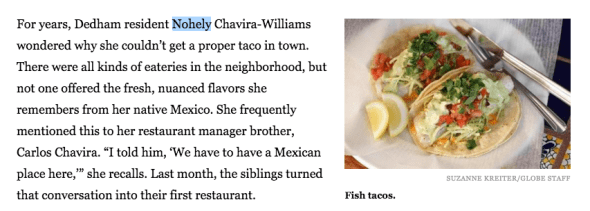
sent in by our Boston correspondent.
Like a Hockney painting
Posted: April 9, 2016 Filed under: America Since 1945, art history, Kennedy-Nixon, the American West Leave a comment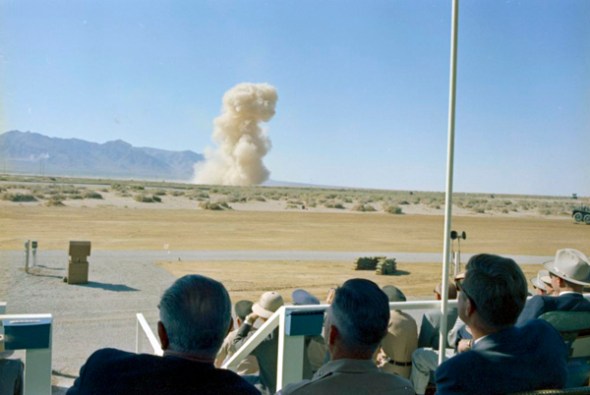
JFK checking out a missile test at White Sands, New Mexico.
Trip to Western States: White Sands Missile Range, New Mexico
Cecil Stoughton. White House Photographs. John F. Kennedy Presidential Library and Museum, Boston
Uncomfortable giant bunny
Posted: April 8, 2016 Filed under: animals, New England Leave a comment
An anonymous correspondent sends us this one with text:
maybe drunk but thought video was funny
http://wpri.com/2016/04/06/rescue-a-pet-demi/
The California Condition
Posted: April 7, 2016 Filed under: the California Condition Leave a comment
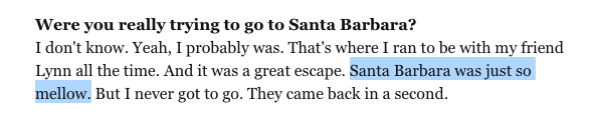
Deep California sentence in this Vulture interview with Marcia Clark:
Obama kowtows to yet another foreign leader!
Posted: April 6, 2016 Filed under: politics Leave a comment
When you look at an old photo of a boxing match
Posted: April 4, 2016 Filed under: the California Condition Leave a comment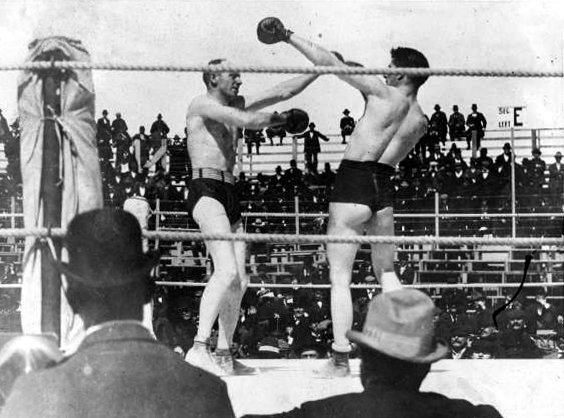
It’s like what the hell is going on?
Came upon the Fitzsimmons Corbett fight while reading about local history. The film of the fight is sometimes said to be the world’s first feature film. Thomas Edison himself said Corbett was the first film star (which is extra interesting because spoiler alert guess who is the winner and who the loser?)
You can watch it yourself on YouTube, I can’t say it gripped me completely:
This movie was directed by Enoch Rector. Should not all documentarians honor their forbearer? Yet there is little to read of this man online. Let me share some choice things then from his NY Times obituary when he left this Earth-existence on January 27, 1957 at age 94:
Born near Parkersburg, W. Va., Mr. Rector attended the University of West Virginia, but an urge to travel caused him to leave before graduation. He qualified as a transit theodolite operator and worked with a surveying crew on the transcontinental right of way for the Northern Pacific Railroad.
Mr. Rector arrived in Seattle with $200 and invested $150 in passage on a sailing ship that took him around Cape Horn. Landing at Buenos Aires he became engineer in charge of surveys for a railroad that runs through Bolivia.His inventions included a kerosene carburetor that was used successfully on Fifth Avenue buses but was abandoned for economic reasons.Surviving are a daughter, Mrs. Anne Rector Duffy, wife of Edmund Duffy, a political cartoonist.
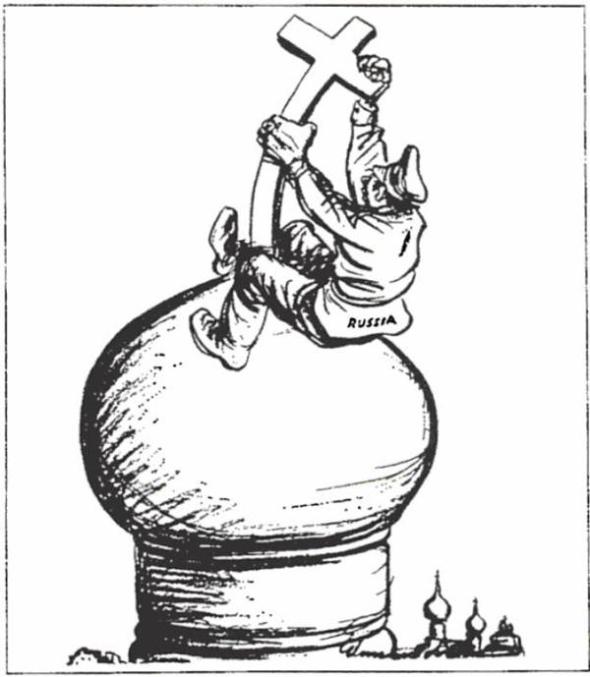
You’re gosh-darn right I’m gonna show you the work of Edmund Duffy! Let’s see the three times he won the Pulitzer Prize:
An Old Struggle Still Going On (1931):
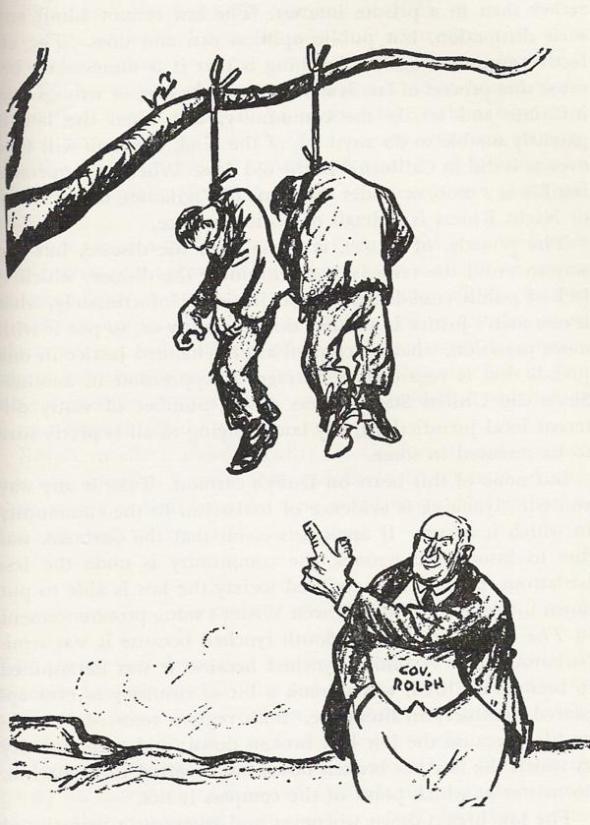
California Points With Pride (1934):
The Outstretched Hand (1940):
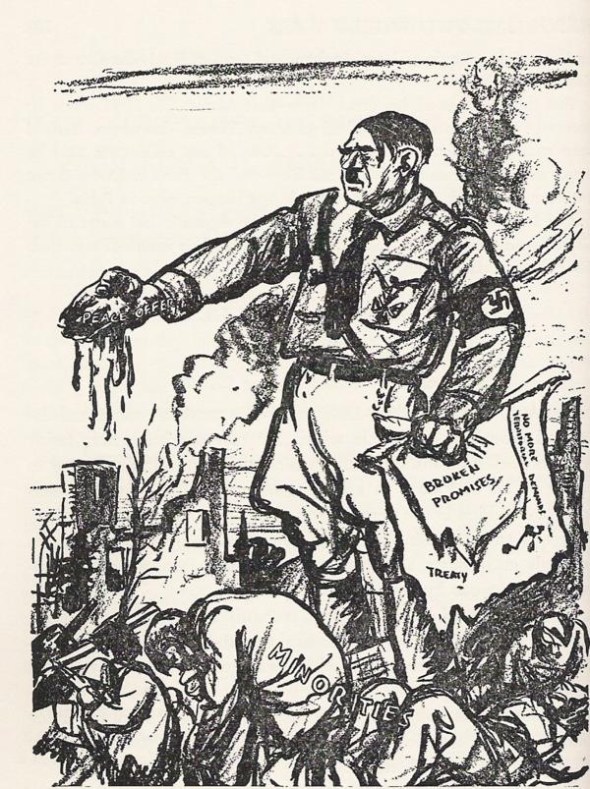
Huge props to Brian Cronin over there at Comic Book Resources for writing up about those Duffy cartoons. I hope he doesn’t mind that I reuse here as long as I credit him and thank him.
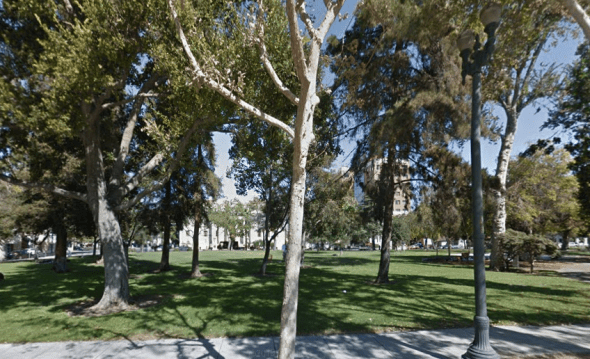
Incredible story on the middle one in particular, which depicts the lynching of two (white) kidnap-murderers in St. James Park in San Jose:
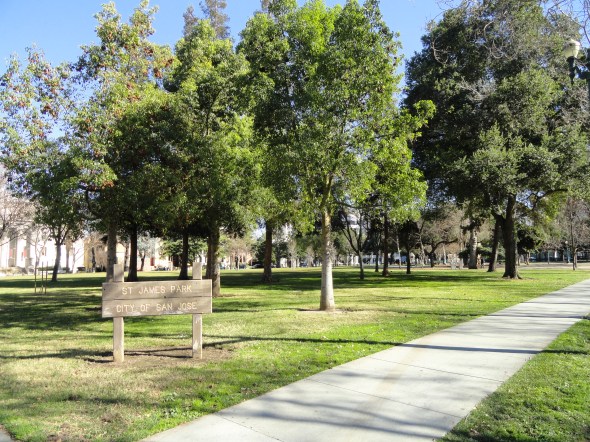
Oh and what’s that? Jackie Coogan was one of the lynchers? You mean this guy?:

(that day did he look more like this guy?)
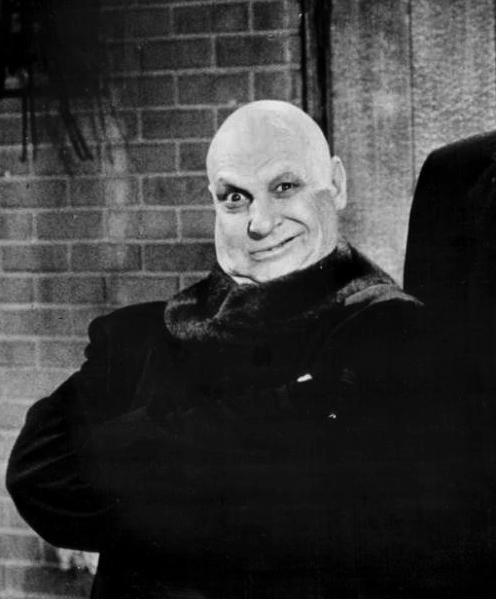
California man. Always interesting.
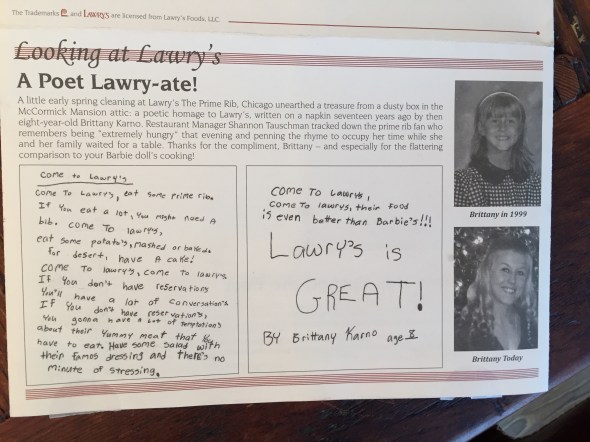
Kudos to Lawry’s
Posted: April 3, 2016 Filed under: good work, the California Condition Leave a comment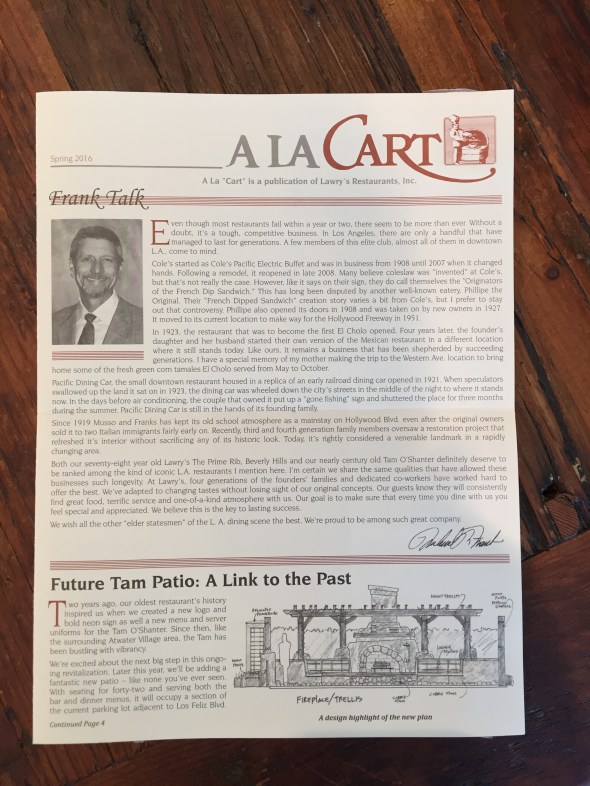
One of the finer restaurant newsletters in the game. 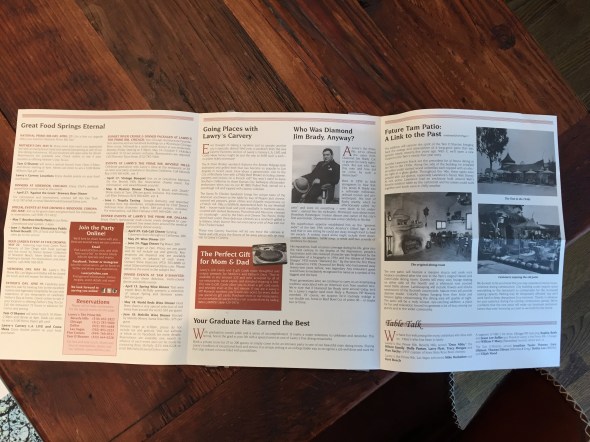
Damn if I’m not gonna learn everything I’ll ever know about Diamond Jim Brady from a steakhouse newsletter.
Understanding politics
Posted: April 3, 2016 Filed under: America Since 1945, politics Leave a comment

The American people were so disgusted with the political process that they vomited up Trump. That’s why he’s orange. He’s barf.
that from the incomparable Dan Greaney:

(here’s how he got mixed up in it)
If the political work degrades in a dysfunctional joke, soon enough people demand it at least be an entertaining dysfunctional joke.
A reaction to finding a disgusting process may be to make it more disgusting, visually , so that at least there is no trick or lie . The process will then be honest about its true repulsive character.
those both from Björn Skövde’s post about “Understanding Berlusconi and the European Future” (“Förstå Berlusconi och europeisk framtid“) published on Folket i Bild online, April 2009. Translated it myself using Google so may be a little wonky.

Grey old scolds from Vermont can generate excitement with the young, who yearn so for wisdom that they find it in every crusted Yankee pronouncement.
from reporter/novelist Vivien Kent’s sassy 1964 Life mag piece on:
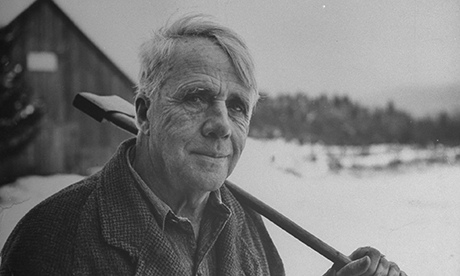

which is unforch not online.
A+ to this book
Posted: March 31, 2016 Filed under: books, heroes Leave a comment
Unauthorized excerpt:

Lot of the feel of David Markson’s books, Boyland’s copies of which I read all in one fall in NYC.
This novel contains much information and true stories in it, which I always enjoy:


This was so interesting was that I looked into more about Komarov:

He successfully re-entered the Earth’s atmosphere on his 19th orbit, but the module’s drogue and main braking parachute failed to deploy correctly and the module crashed into the ground, killing Komarov. According to the 1998 bookStarman, by Jamie Doran and Piers Bizony, as Komarov sped towards his death, U.S. listening posts in Turkey picked up transmissions of him crying in rage, “cursing the people who had put him inside a botched spaceship.”

As always, the more you read about the story the more interesting it gets. Did they really hear his screams?
Komorov is one of the people honored in the Fallen Astronaut memorial left on the moon by David Scott on the Apollo 15 mission.

If you’re looking for that it’s over on the Hadley Rille:

According to NASA, the origin of lunar sinuous rilles remains controversial.[1] The Hadley Rille is a 1.5 km wide and over 300 m deep sinuous rille. It is thought to be a giant conduit that carried lava from an eruptive vent far to the south. Topographic information obtained from the Apollo 15 photographs supports this possibility; however, many puzzles about the rille remain.
Hank the Cat gets it
Posted: March 29, 2016 Filed under: Wonder Trail Leave a comment
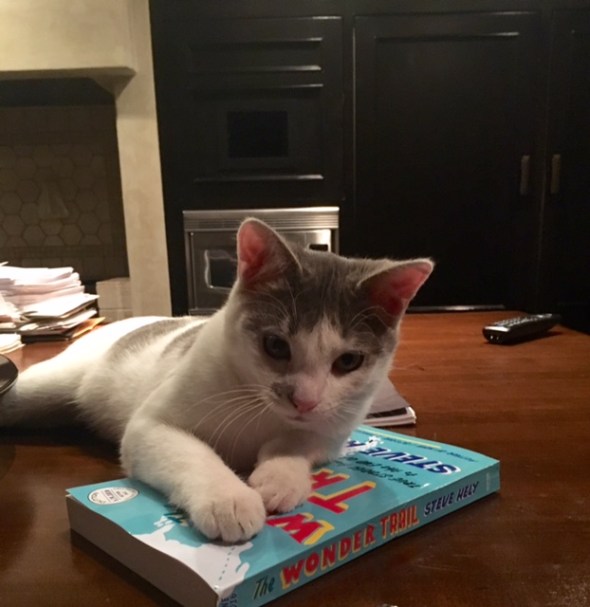
(Thanks to JK for the photos)
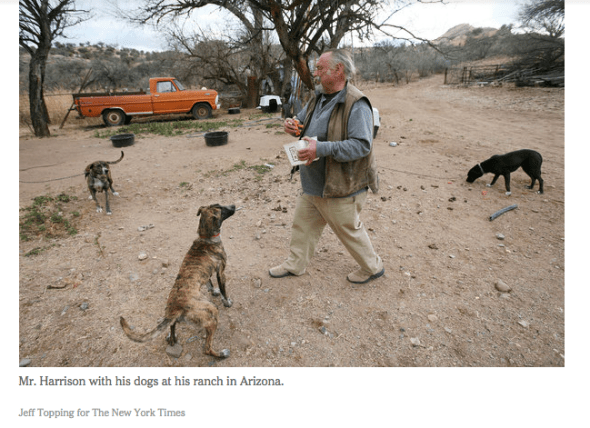
Jim Harrison
Posted: March 28, 2016 Filed under: America Since 1945, food, how to live, women, writing Leave a comment
Briefly shared a publisher, Grove/Atlantic, with Jim Harrison, which made me feel cool. Some gems in his New York Times obituary:
There was the eating. Mr. Harrison once faced down 144 oysters, just to see if he could finish them. (He could.)
“If you’ve known a lot of actresses and models,” he once confided with characteristic plain-spokenness to a rapt audience at a literary gathering, “you return to waitresses because at least they smell like food.”
Mr. Harrison had his detractors. With its boozing and brawling and bedding, his fiction was often called misogynistic. He did himself no favors with a 1983 Esquire essay in which he called his feminist critics “brie brains” and added, in gleeful self-parody, “Even now, far up in the wilderness in my cabin, where I just shot a lamprey passing upstream with my Magnum, I wouldn’t have the heart to turn down a platter of hot buttered cheerleaders.”
Pigment Collection
Posted: March 28, 2016 Filed under: painting Leave a comment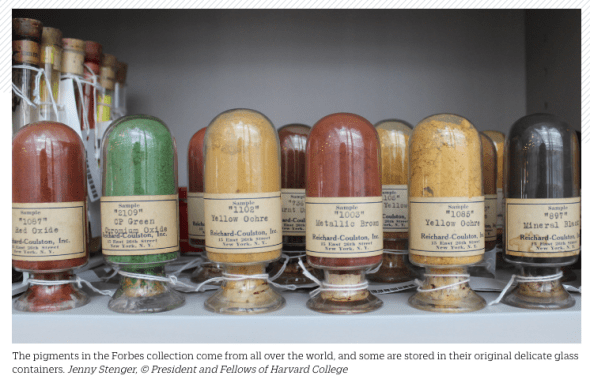
The history of pigments goes back to prehistoric times, but much of what we know about how they relate to the art world comes from Edward Forbes, a historian and director of the Fogg Art Museum at Harvard University from 1909 to 1944. Considered the father of art conservation in the United States, Forbes traveled around the world amassing pigments in order to authenticate classical Italian paintings. Over the years, the Forbes Pigment Collection—as his collection came to be known—grew to more than 2,500 different specimens, each with its own layered backstory on its origin, production, and use.
from this Fast Company article by Diana Budds (great name) about a color library at Harvard.
Cuba
Posted: March 25, 2016 Filed under: Cuba Leave a comment
Air Force One carrying US President Barack Obama and his family flies over a neighborhood of Havana as it approaches the runway to land at Havana’s international airport on March 20. (Alberto Reyes/Reuters)
Two good ones from The Boston Globe’s The Big Picture
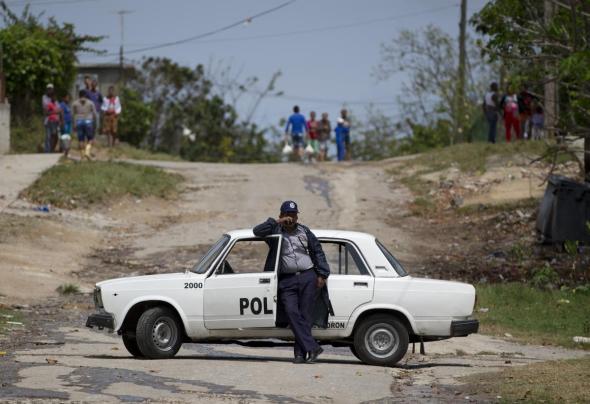
Local residents look on from a hilltop as police block off a road outside the Hemmingway House, where US First Lady Michelle Obama was visiting, in the San Francisco de Paula district of Havana on March 21. (Rebecca Blackwell/Associated Press)
No! We do it like this.
Posted: March 23, 2016 Filed under: heroes Leave a comment

So much that is amazing in this RuPaul interview in NY Mag, but this jumps out:
Is there anyone who interests you in pop culture right now?
The only person who interests me in pop culture right now is Judge Judy. That’s it. Because of the realness — she has kept the story of mankind. There’s a certain decorum and civility that keeps our society together, and it has crumbled so much in the past, really, 20 years. But when you watch her during that hour in the afternoon, she has remembered it and is saying, “No! We do it like this.” And I love it! She remembers the rules of civility. Because if you’ve gotten to the point where you need to go to court to figure out what to do, then you’ve lost your right to be cocky. You need someone. You need a mediator. And she’s that person.

Hurray for Bookstores!
Posted: March 23, 2016 Filed under: books Leave a comment
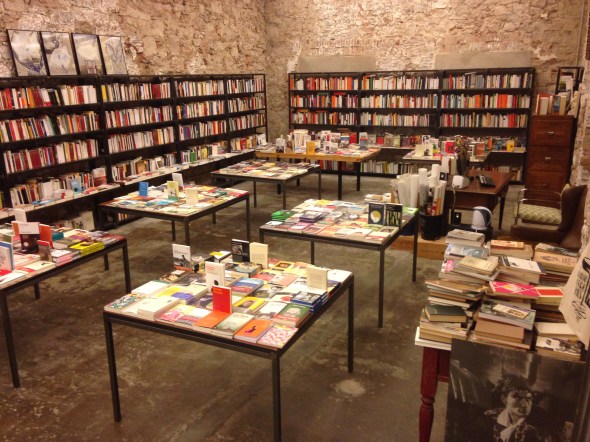
Bookstores are so pretty. Here is a bookstore I saw in Barcelona. I mean man.
Some of my all-time favorites are The Harvard Book Store in Cambridge:

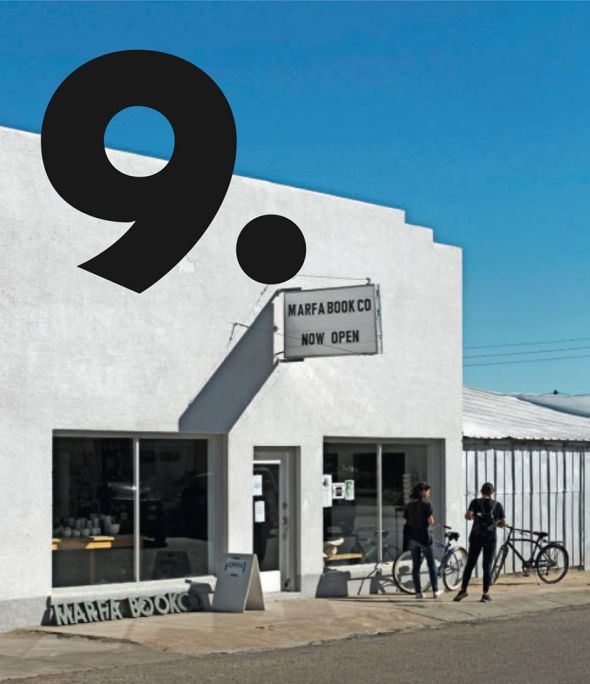
Marfa Book Company in Marfa, TX:
Elliot Bay Books in Seattle:

(their Instagram is like 50% adorable dogs)
and Three Lives Books in NYC:

LA is a great bookstore town, don’t let anyone tell you otherwise. There is Book Soup, right on the Sunset Strip:

And Skylight:

The Last Bookstore is almost like a book theme park:

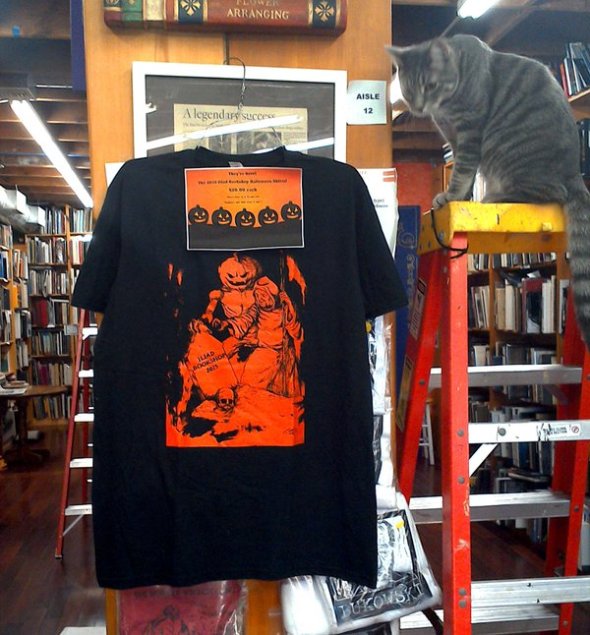
Iliad Books in North Hollywood:
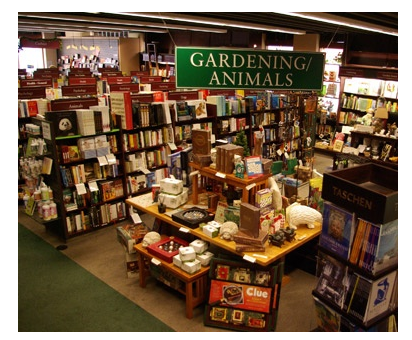
And the granddaddy in Pasadena, Vroman’s:
I will be coming to some bookstores to promote my new book, The Wonder Trail: True Stories From Los Angeles To The End Of The World, in June of this year. My book cover straight up looks good:

and will brighten any bookstore. Can’t take the credit for that, it goes to kickass cover designer Anna Laytham, who says:
I’ve done a fair bit of traveling myself in the last couple years, and as a designer find all the vibrant color and beautifully imperfect handtype to be one of my favorite parts of being in an unfamiliar place. I was happy to express some of that feeling on your cover!And hell yeah people judge books by their cover! I certainly do. Thats why I design them 🙂
Especially looking forward to a trip down to Laguna Beach Books:

If you work in a bookstore and want me to come visit, get at me!
helphely@gmail.com. If at all possible I would love to do it.
And thank you for your great service to our nation!
(photo credits: Helytimes / Harvard Book Store / Marfa Book Co. Facebook / Elliot Bay insta / Google Street View / Google Street View / Skylight Twitter / Helytimes / Iliad Twitter / Helytimes / Rachel Orminston Caffoe for Vroman’s found here)
That Silver Haired Daddy Of Mine
Posted: March 22, 2016 Filed under: music Leave a commentis it time
for this Everly Brothers classic to be repurposed as a gay anthem?
Would they like each other?
Posted: March 21, 2016 Filed under: heroes, war, writing Leave a comment
Before you say look at this fucking hipster re: Saki, remember that he was a lance sergeant in the Royal Fusiliers. Last words before he was killed by a sniper?:
Put that bloody cigarette out!
There is no grave for him, just the Thiepval monument, he is literally one of the missing of the Somme:

Shoutout to Stephen King’s 11/22/63

which sent me to Saki’s “The Open Window.”

King is such a boss. First line of his about the author:

Frank Gehry, William Pereira and SoCal architecture
Posted: March 18, 2016 Filed under: America Since 1945, architecture, art history, the California Condition Leave a comment
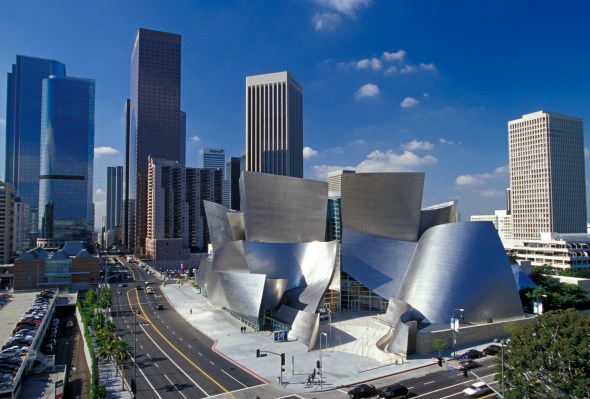
lifted from http://www.archdaily.com/441358/ad-classics-walt-disney-concert-hall-frank-gehry credited to Gehry Partners
Is this a good building?
Is Frank Gehry, who designed it, a good architect?
How would we answer that?
What is good or bad architecture, really?
INTO this NY Review of Books piece by Ingrid Rowland which explores these questions.

http://www.archdaily.com/tag/guggenheim-museum-bilbao, credited to flickr user Iker Merodio
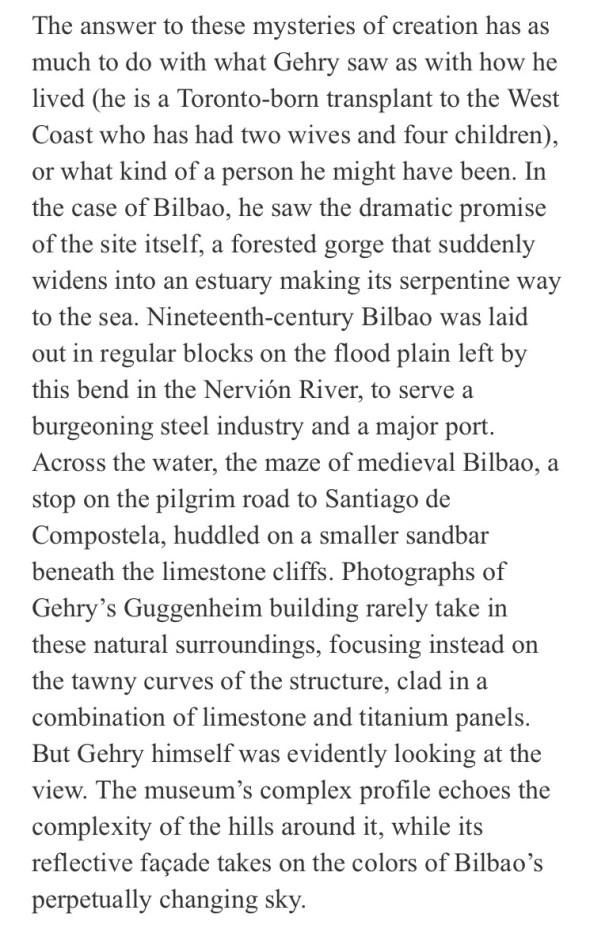
Whoa. 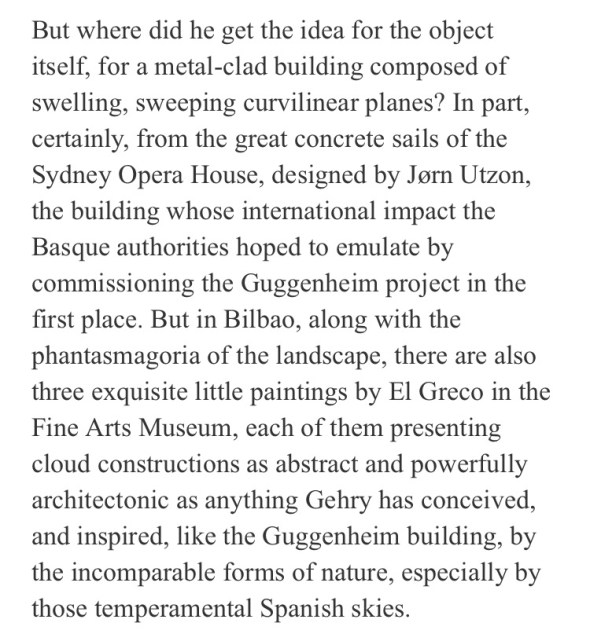
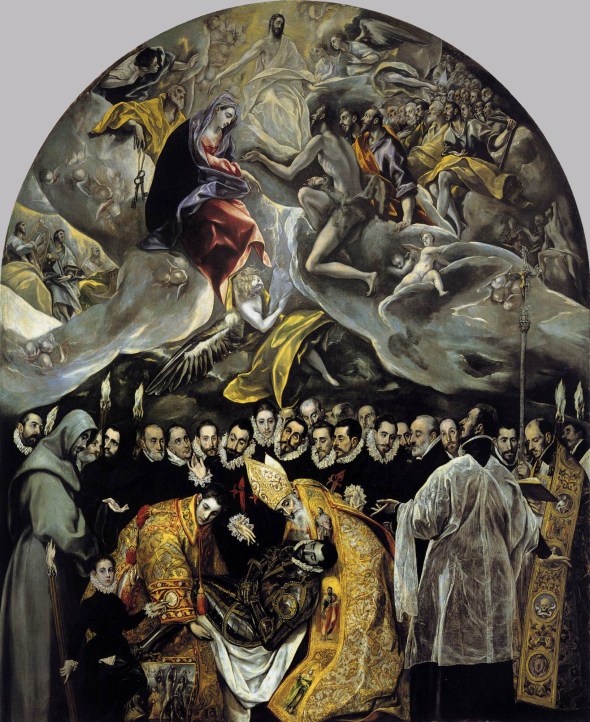
I can only find one of those three “exquisite little paintings” on the Bilbao Fine Arts Museum’s very decent website. The Annunciation:
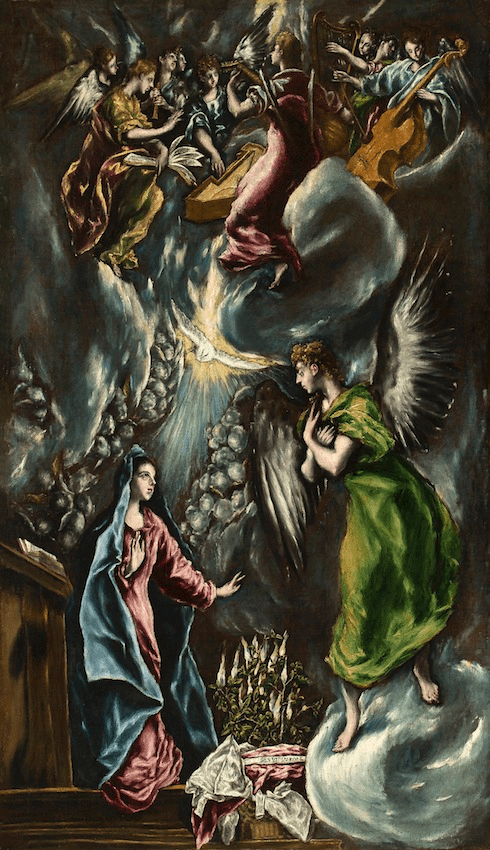
El Greco was rad, my goodness. 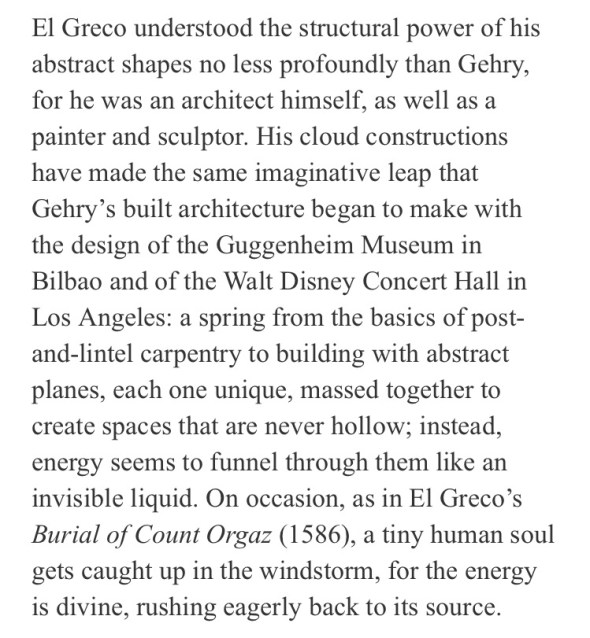
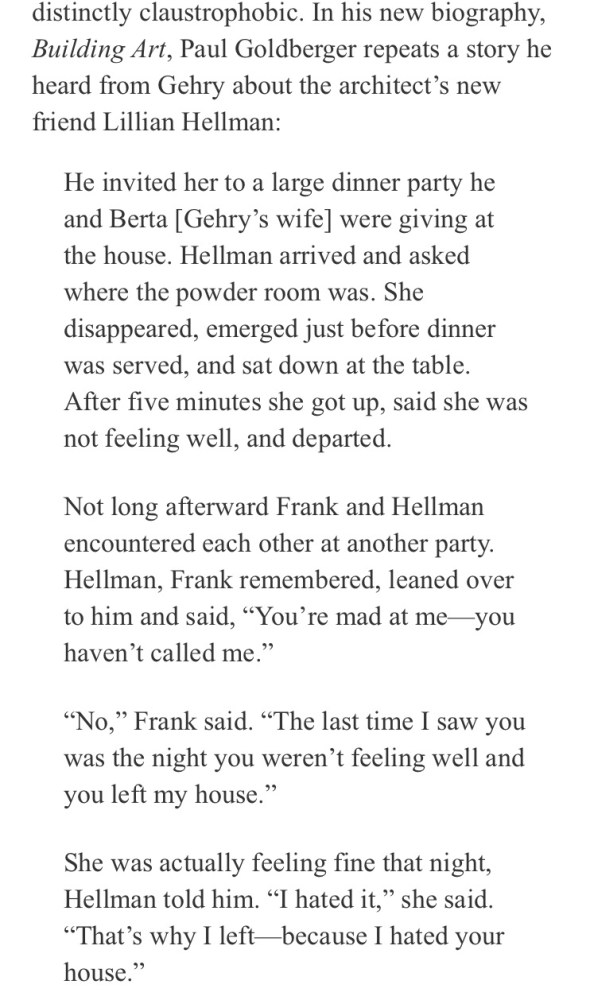
Here, Rowland talks about Gehry’s house in Santa Monica:
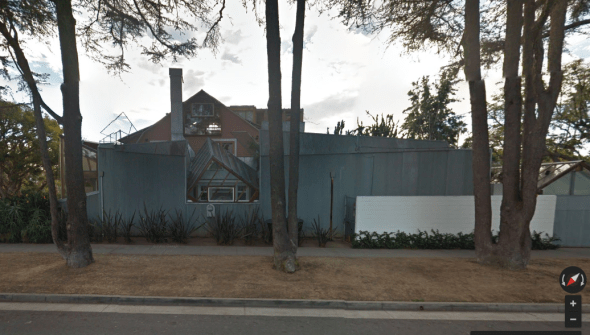
 Let’s have a look, photo from Google Street View:
Maybe the most eye-opening part of this piece to me though was Rowland talking about earlier SoCal architect and Gehry mentor William Pereira. This guy designed so many buildings that I see every day! 
5900 Wilshire, for example.

Pereira’s Oscar was for Reap The Wild Wind:
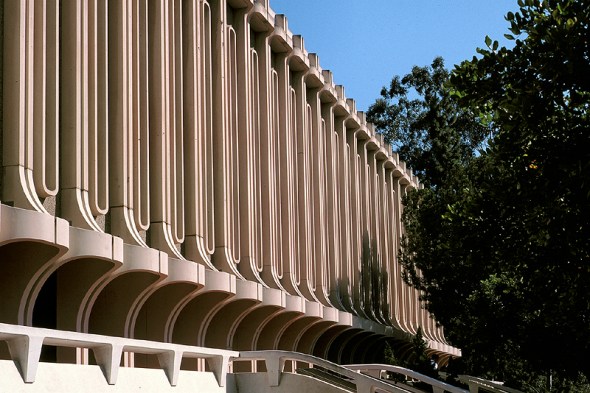
Did he design boats or something? The history of Irvine is topic for another day, but here’s some of Pereira’s work on the UC campus there:
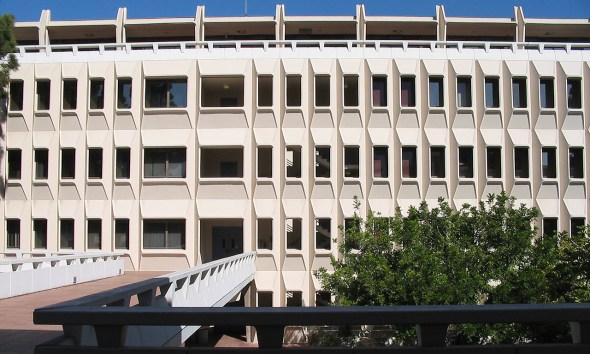
The Theme Building of LAX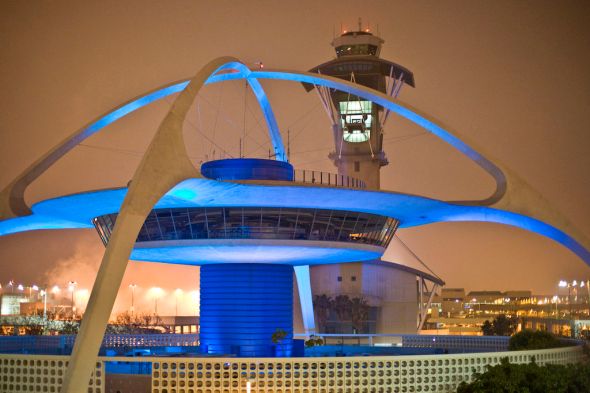
(Wikipedia doles out the credit a bit more generously:
It was designed by a team of architects and engineers headed by William Pereira and Charles Luckman, that also included Paul Williams and Welton Becket. The initial design of the building was created by James Langenheim, of Pereira & Luckman.
Luckman was no slouch himself, he went on to do Boston’s Prudential Tower:
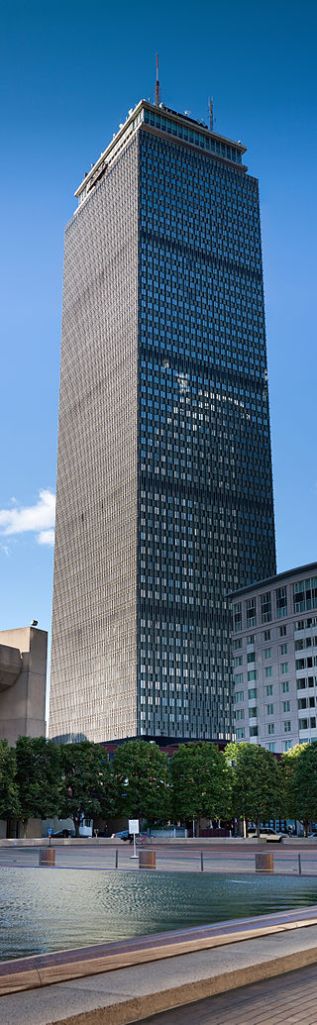
Wikipedia asks me to credit user RhythmicQuietude with the photo
Luckman did the Forum here in LA as well:
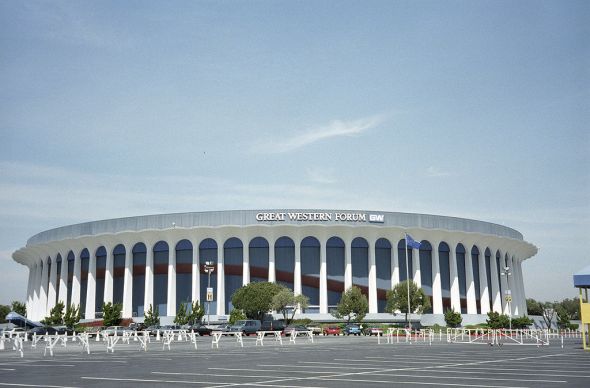
A modest sentence from his Wiki:
Then in 1947, President Truman asked him to help feed starving Europe.
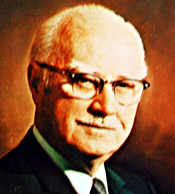
Here’s Pereira’s ziggurat for the Chet Holifield Federal Building:
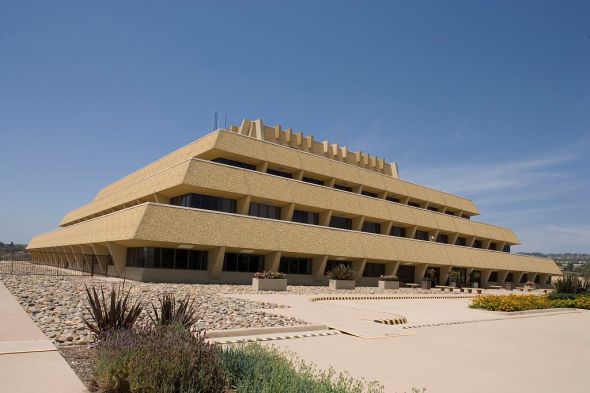
which is of course modeled on Chet Holifield’s head:
More Pereira from UC Irvine:
The Disneyland Hotel:

Sam Howzit (aloha75) – https://www.flickr.com/photos/aloha75/
CBS TV City:

dope tumblr Jet Set Modernist has some good classic pics of CBS TV City in all its Mad Men era glory.
Not sure which of these buildings in Newport Beach Pereira did, but they all have a style we might call Pereiraesque:
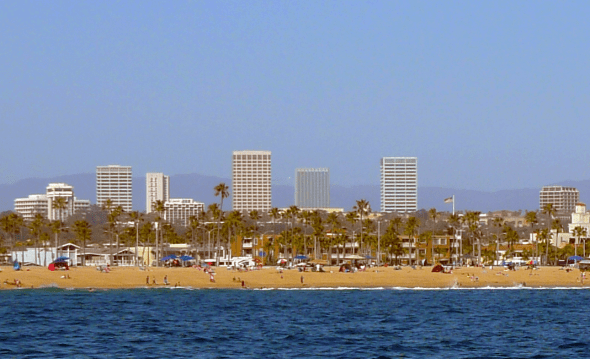
Wiki asks for attribution to user: WPPilot
More more! :
Here’s the Assyrian-revival tire factory turned Outlets:
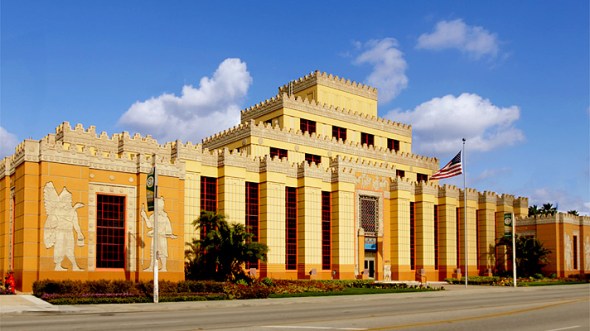
photo from http://www.discoverlosangeles.com/blog/guide-outlet-shopping-la, credited to 1 Johnny, Flickr
And the Patriotic Hall I always wonder about when I see it south of the 10:
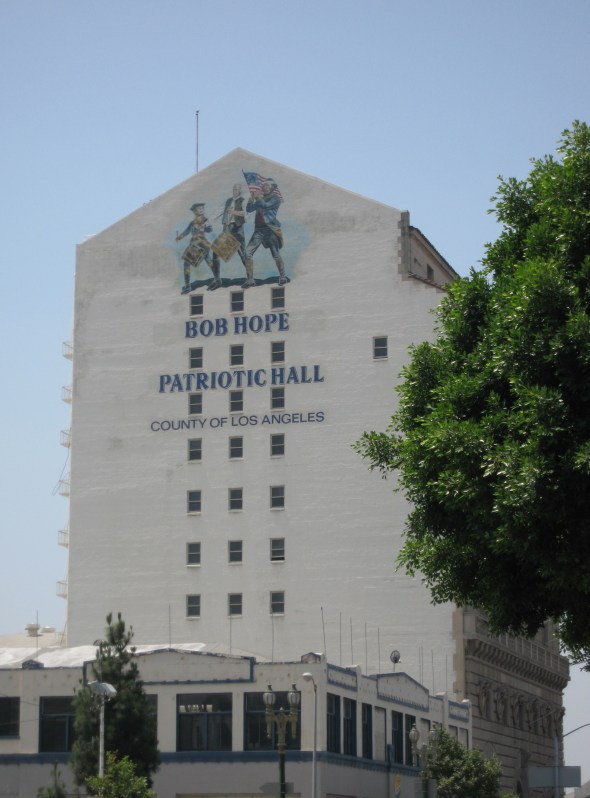
You can see Frank Gehry in the first few minutes of Kate Berlant’s episode of The Characters:

Merrick Garland
Posted: March 16, 2016 Filed under: America Since 1945, politics Leave a comment
Kagan, when she was the dean of Harvard Law School, said this about that shift, when introducing remarks he gave at the school in 2001: “Merrick made one of the coolest and gutsiest career moves I’ve ever heard of: giving up his highly lucrative and prestigious partnership in A&P to become an Assistant U.S. Attorney in the not-so-wealthy and, quite frankly, not-so-prestigious Washington, D.C., office.”
(a service I want to provide here when possible is pulling out the most interesting parts of articles you may be too busy to read)
 Helytimes