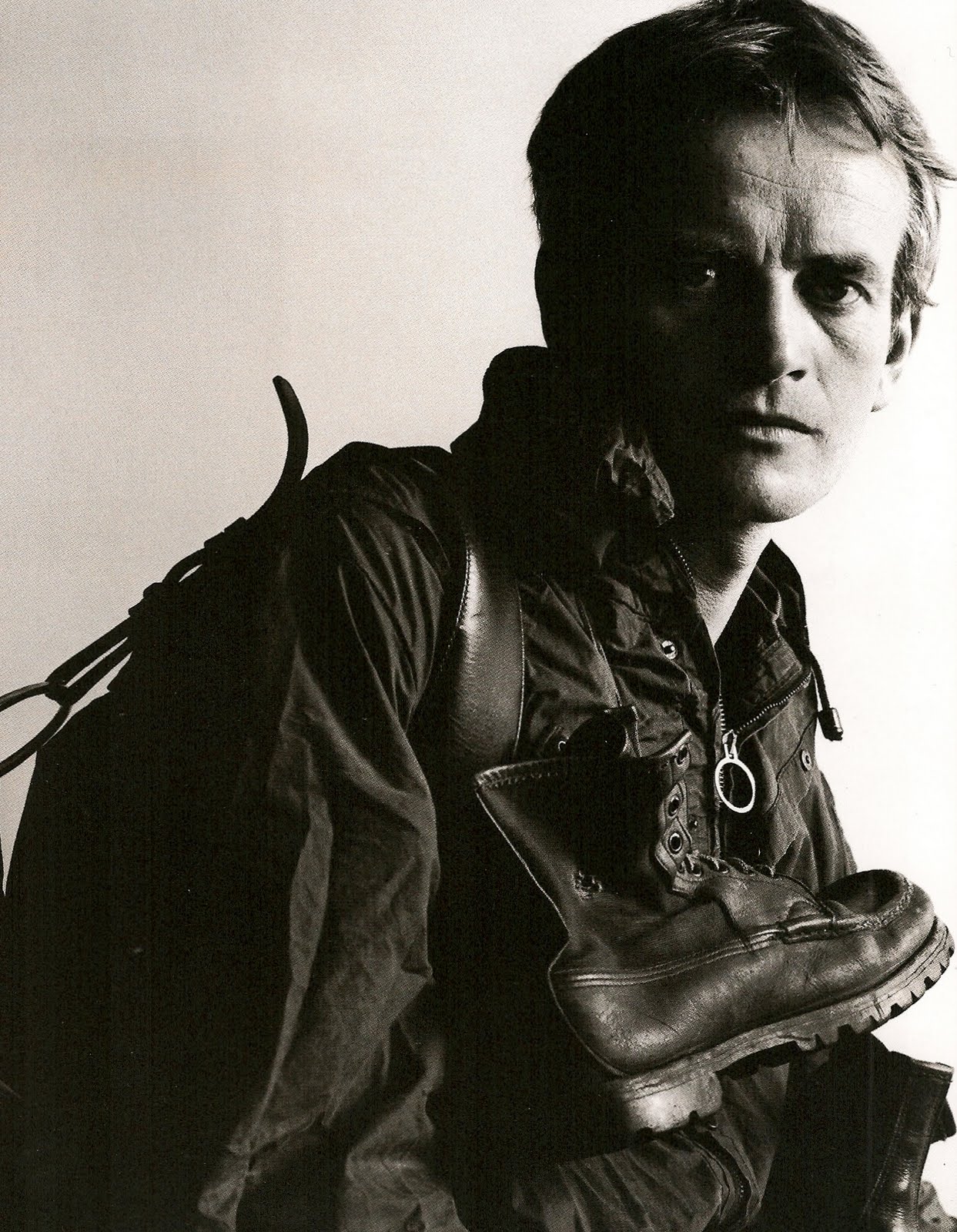
World’s oldest liberry
Posted: March 4, 2016 Filed under: Africa, books, Islam Leave a comment
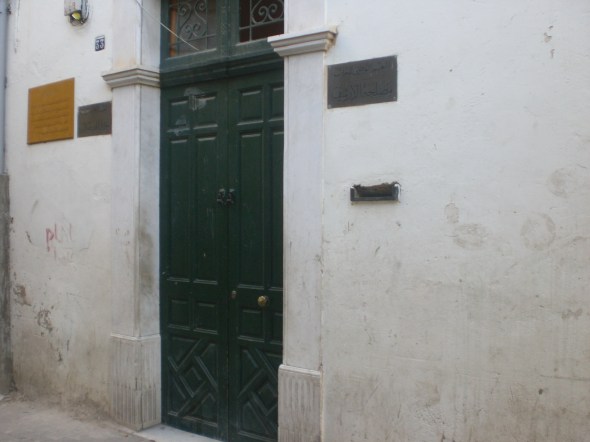
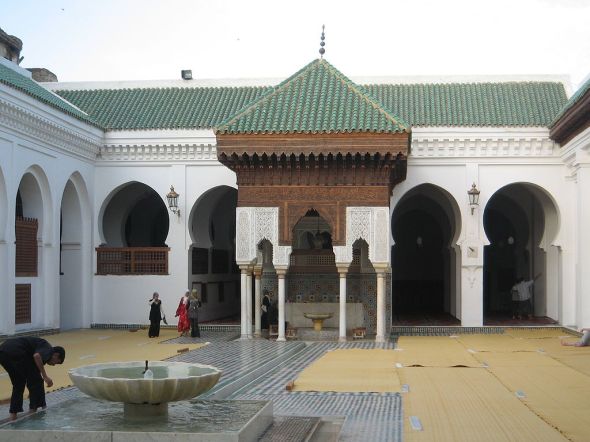
The ancient al-Qarawiyyin Library in Fez isn’t just the oldest library in Africa. Founded in 859, it’s the oldest working library in the world, holding ancient manuscripts that date as far back as 12 centuries.
so I learn from this interesting thing linked by Tyler Cowen.
The al-Qarawiyyin Library was created by a woman, challenging commonly held assumptions about the contribution of women in Muslim civilization. The al-Qarawiyyin, which includes a mosque, library, and university, was founded by Fatima El-Fihriya, the daughter of a rich immigrant from al-Qayrawan (Tunisia today). Well educated and devout, she vowed to spend her entire inheritance on building a mosque and knowledge center for her community.

picture of Fatima from this strange pseudo wikipedia: http://america.pink/fatima-fihri_1528345.html
Among the library hounds was Ibn Khaldun who wrote Muqaddim, The Introduction, which is full of interesting ideas:
Topics dealt with in this work include politics, urban life, economics, and knowledge. The work is based around Ibn Khaldun’s central concept of ‘‘aṣabiyyah, which has been translated as “social cohesion“, “group solidarity”, or “tribalism“. This social cohesion arises spontaneously in tribes and other small kinship groups; it can be intensified and enlarged by a religious ideology. Ibn Khaldun’s analysis looks at how this cohesion carries groups to power but contains within itself the seeds – psychological, sociological, economic, political – of the group’s downfall, to be replaced by a new group, dynasty or empire bound by a stronger (or at least younger and more vigorous) cohesion.
By م ض – Own work, CC BY-SA 3.0, https://commons.wikimedia.org/w/index.php?curid=6287905
Perhaps the most frequently cited observation drawn from Ibn Khaldūn’s work is the notion that when a society becomes a great civilization (and, presumably, the dominant culture in its region), its high point is followed by a period of decay. This means that the next cohesive group that conquers the diminished civilization is, by comparison, a group of barbarians. Once the barbarians solidify their control over the conquered society, however, they become attracted to its more refined aspects, such as literacy and arts, and either assimilate into or appropriate such cultural practices. Then, eventually, the former barbarians will be conquered by a new set of barbarians, who will repeat the process. Some contemporary readers of Khaldun have read this as an early business cycle theory, though set in the historical circumstances of the mature Islamic empire.
By Khonsali – Own work, CC BY-SA 3.0, https://commons.wikimedia.org/w/index.php?curid=4550966
How to pronounce Broad
Posted: February 25, 2016 Filed under: books, business, the California Condition Leave a comment
If you are on Instagram in LA you have seen probably six hundred pictures of The Broad art museum downtown.

How did Broad get so rich? “Moving money around,” was my guess. Part right: he started a homebuilding company, KB Home, and then when that was up and going he started another company, SunAmerica, for retirement savings / mutual funds. Learning this from the man’s book:
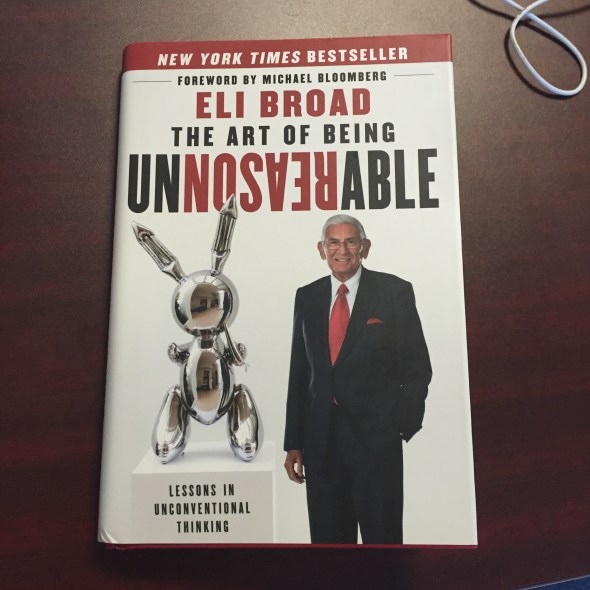
which also gives a final answer on how to pronounce the name:

To summarize: everybody has to say it weird because he didn’t like getting teased as a boy.
(photos of the Broad yanked right off LA Curbed)
New book coming in June!
Posted: January 24, 2016 Filed under: books, the California Condition Leave a comment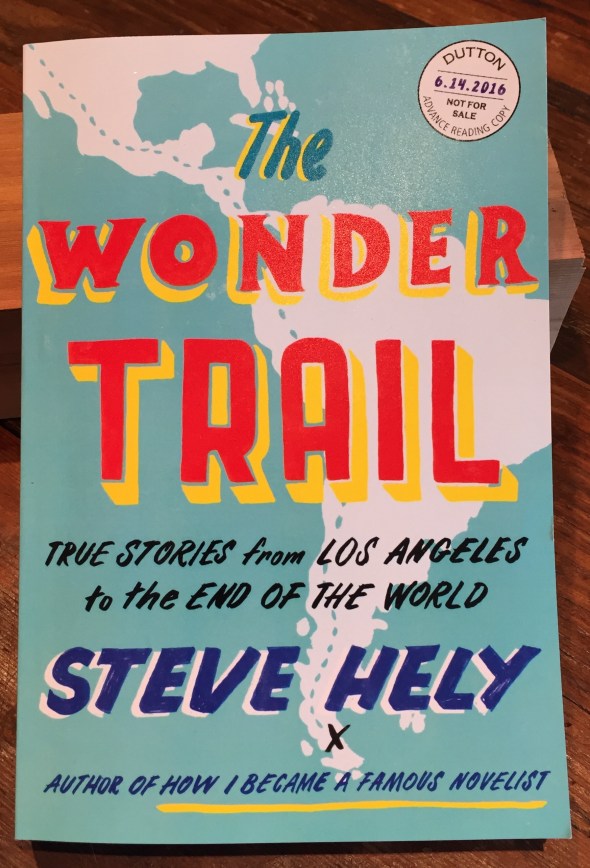
You can pre-order it here on Amazon, and on 6/14/16 your postman or woman will deliver this nice present to you.
Or start gently nudging your friendly indie bookseller to order a pile!
It is 102 short chapters about everything interesting I could find, learn about, or experience between Los Angeles and Patagonia. Topics include:
- sloths
- rocks & ice
- the Aztecs
- the Amazon
- Peru
- Mexico and how Mexico City was the Western Hemisphere’s first metropolis,
- Inca math rope
- the history of travel writing
- how scholars, eccentrics, archaeologists and gum entrepreneurs figured out how to learned to read ancient Mayan
- the crazy violent nightmare adventure of Bernal Diaz
- Boston
- Hollywood
- and hallucinogenic plants.
I hope you enjoy it!
How about that rad cover designed by Anna Laytham?
Treated myself to a couple
Posted: January 14, 2016 Filed under: books Leave a comment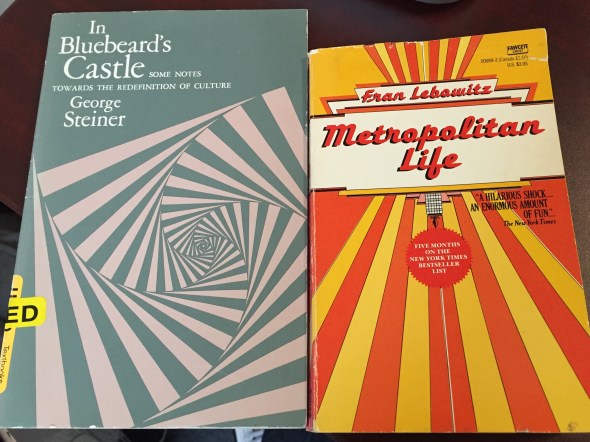
from Bowie’s top 100 books. Will report! He was a fan of Jaynes and Chatwin as well.
In my limited experience musicians are always reading a lot!
An indispensable volume no home should be without
Posted: July 22, 2014 Filed under: books Leave a comment

A funny book
Posted: July 18, 2014 Filed under: books Leave a comment
I recommend this book. Elif decides to get a Ph.D in Russian literature — this is her memoir of what happened next.
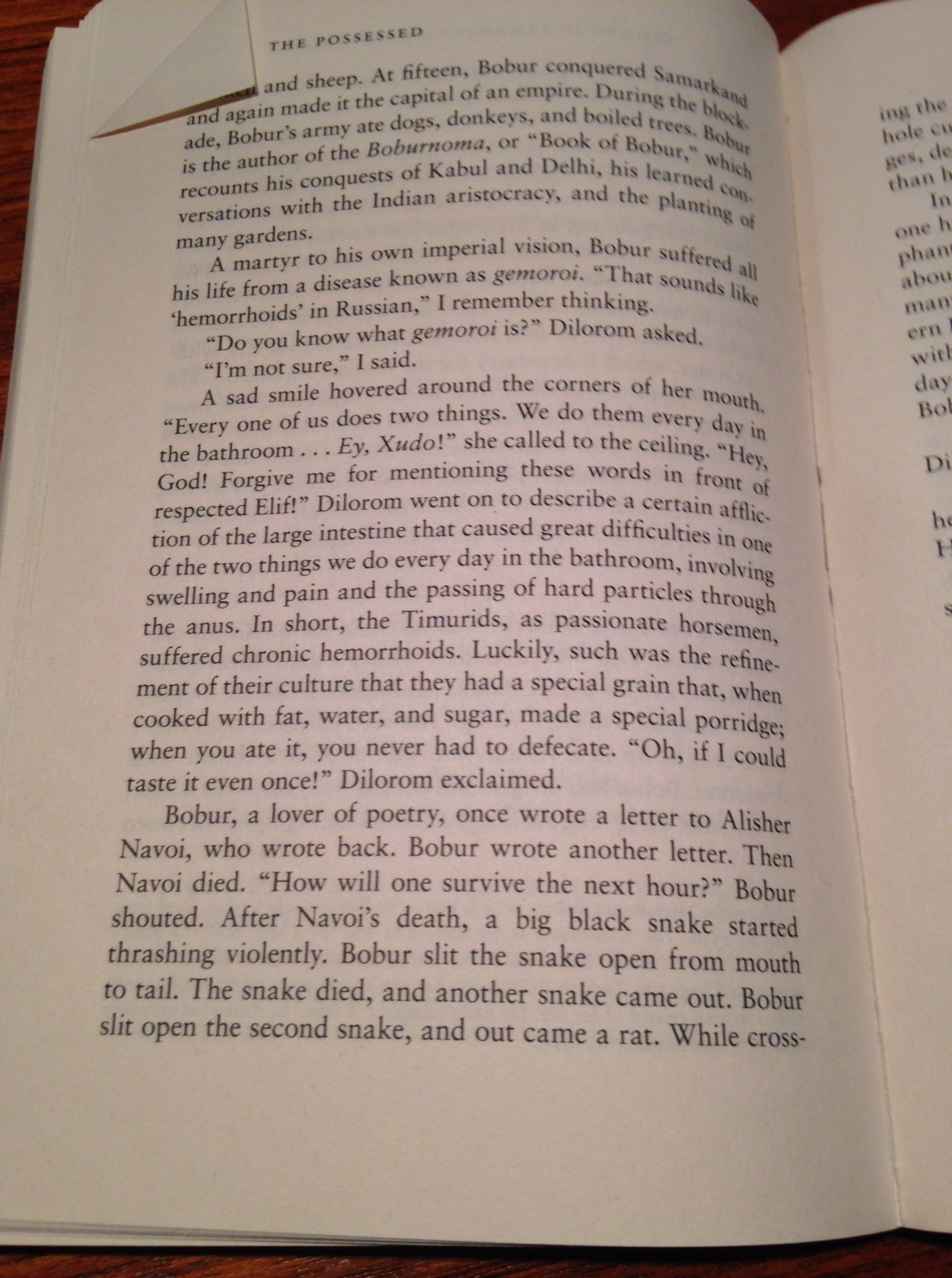

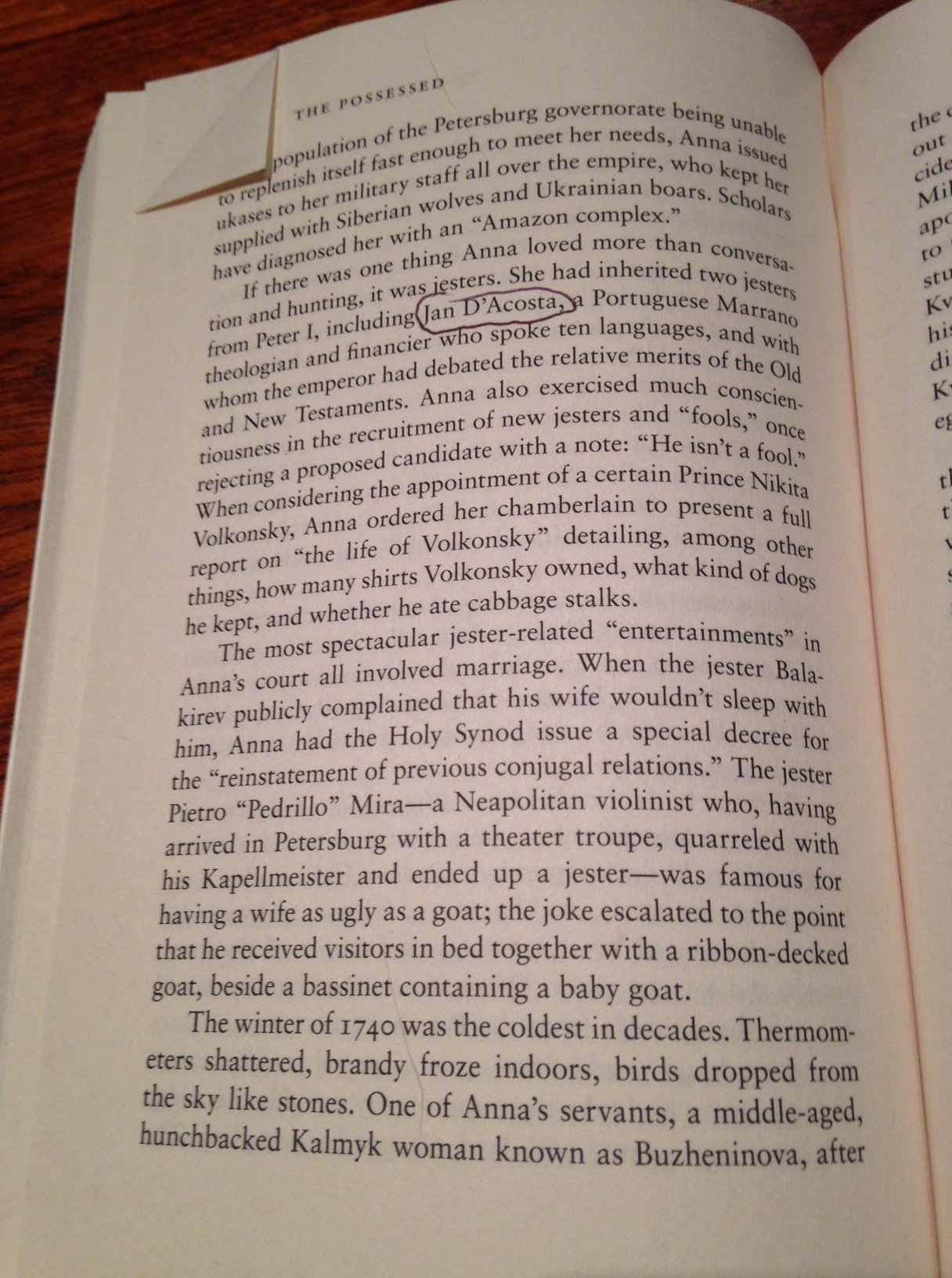
(full disclosure: after I read the book I became pals with the author; she introduced me to many of Istanbul’s best cats:)

ATTENTION BLACK FRIDAY SHOPPERS
Posted: November 27, 2013 Filed under: books Leave a comment if someone finds a copy of this at a decent price, I want!
A cool book cover
Posted: June 19, 2013 Filed under: books Leave a comment
“In Stamboul Train for the first and last time in my life I deliberately set out to write a book to please, one which with luck might be made into a film. The devil looks after his own and I succeeded in both aims.”
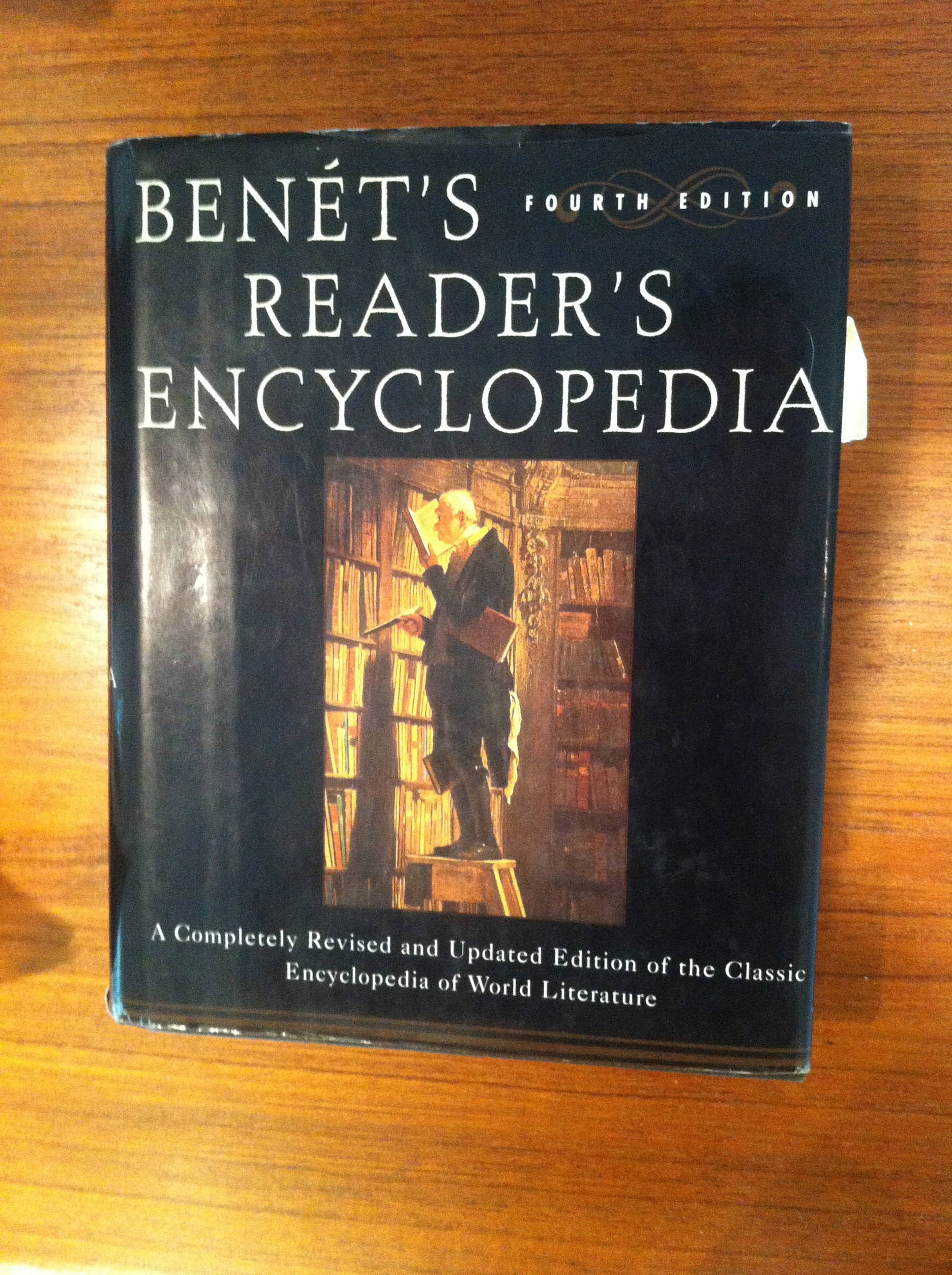
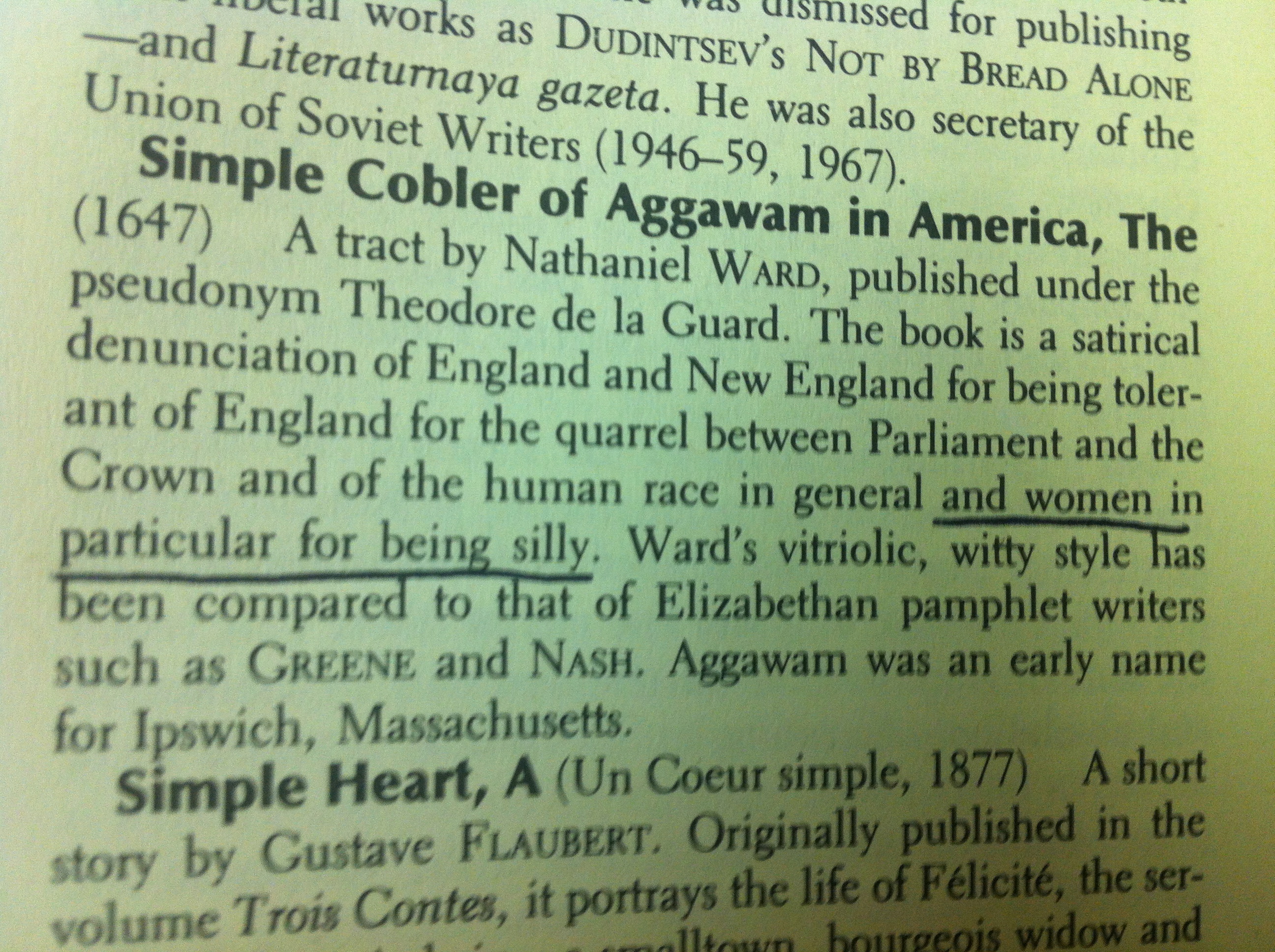
All my Christmas shopping is done!
Posted: December 17, 2012 Filed under: books Leave a commentfor my nieces and nephews.
For Timothy:
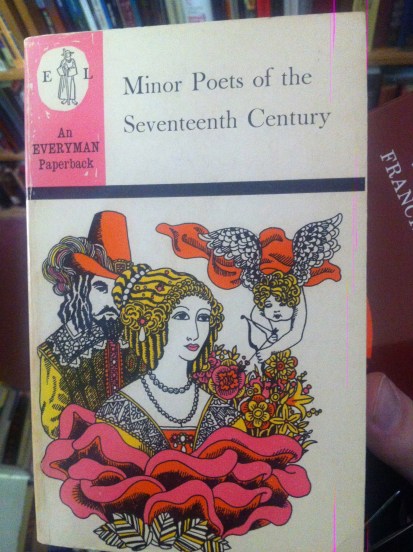 When he’s a little older he can move on to majors.
Eight year old Beth loves her crafts, I think she’ll enjoy her present:
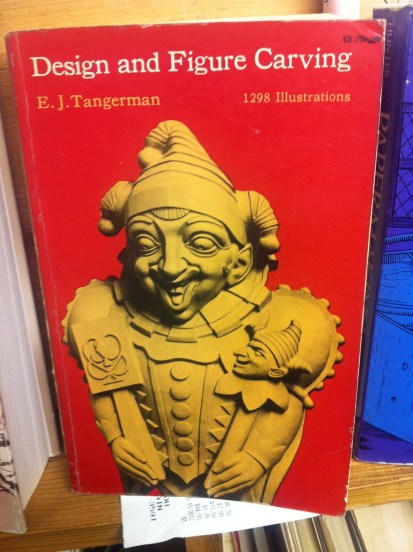
Little Jamie has a real curiosity about the world. He will enjoy his book:

And for Bridgid?
Sitting Bull Part 2
Posted: May 11, 2012 Filed under: books, Custer, Fate, from wikipedia, history, Indians, photography, pictures, the American West, writing Leave a commentThat detail about the meadowlark is from Nathaniel Philbrick, The Last Stand: Custer, Sitting Bull and The Battle of The Little Bighorn. At best the second-best book about the Little Bighorn battle, first of course being:

but that image is amazing. Good on Philbrick.
What is amazing about “Son Of The Morning Star” is Connell doesn’t just tell the story, he follows the meandering lines that lead to it and out of it, and the people who traced them. He demonstrates that as soon as you focus on any particular incident, you can keep finding new dimensions of weirdness in it.
Take, for example, this meadowlark warning Sitting Bull. Philbrick cites that detail as coming from the recollections of One Bull, Sitting Bull’s nephew, found in box 104, folder 21 of the Walter Campbell collection. Walter Campbell was born in Severy, Kansas in 1887. He was the first Rhodes Scholar from the state of Oklahoma. He wrote under the name Stanley Vestal. Why? I don’t know. According to the University of Oklahoma, where his collection is kept, he was adopted by Sitting Bull’s family, and “was named Makes-Room or Make-Room-For-Him (Kiyukanpi) and His Name Is Everywhere (Ocastonka). Kiyukanpi was the name of Joseph White Bull’s father, and Ocastonka is a reference to the Chief’s great fame.”
Here’s a picture from the Walter Campbell collection:

That’s Young Man Afraid Of His Horses. Here’s another:

Regrettably OU won’t let me make that any bigger. Campbell/Vestal/His-Name-Is-Everywhere died of a heart attack on Christmas Day, 1957.
There’s also a Walter CAMP who is very important in Bighorniana. Camp worked for the railroad, and so could travel all over. An unsourced detail from Indiana University’s Camp collection is that this is how he “spent his summers,” finding lost battlefields and interviewing old Indians and soldiers. Here is a picture from Camp’s collection:

As for One Bull, here he is. This is a photograph by William Cross (which I found here):

On wikipedia’s page for One Bull, however, they illustrate him with a picture of his spoon:

This spoon is now in the Spurlock Museum, at the University of Illinois at Urbana-Champaigne, where they also have collections of Japanese wood carvings, Arctic artifacts, and Babylonian clay tablets.
Coup in Mali, 3
Posted: April 5, 2012 Filed under: books, Mali Leave a comment
I thought this writing, in the NY Times by Lydia Polgreen, is good, concise, and informative.
The Tuaregs are a nomadic people who live largely in the Sahara, spanning Niger, Mali, Algeria and Libya. For centuries they plied caravan routes across the desert, but colonial borders turned them into citizens of several nations. In the 1960s and 1990s, Tuareg rebellions erupted in the Sahara, seeking autonomy or independence. Violence flared again in 2007 in Niger, where Tuareg rebels seeking to wrest control of the country’s rich uranium deposits mounted a rebellion.
It allowed me to understand how complicated the Tuareg situation must be. More:
Col. Muammar el-Qaddafi, Libya’s former leader, supported Tuareg rebellions in Mali and Niger over several decades, and analysts in the region say the current uprising is closely linked to the fall of Colonel Qaddafi, whose weapons are suspected of playing a major role in the Malian rebels’ success.
But Lydia Polgreen is reporting from Johannesburg, apparently. Is anyone in towns like Tinzaouaten, which wikipedia tells me was “wrested from control” of the government on Feb. 8, I wondered? So I went looking for pictures of Tinzaouaten. I found this person’s flickr stream. I think she is just an amateur, not a journalist? Don’t want to post them here as she reserves her rights. But jeez.
The rebels attacked the town of Niafunké in January. Ali Farka Toure was born in Niafunke and was the mayor there. Here is a video of him:
Photo up top is of “Timbuktu Manuscripts.”
“In Shark’s life there had been no literary romance.”
Posted: April 4, 2012 Filed under: books, California, love, Steinbeck, Steinbeck Leave a comment
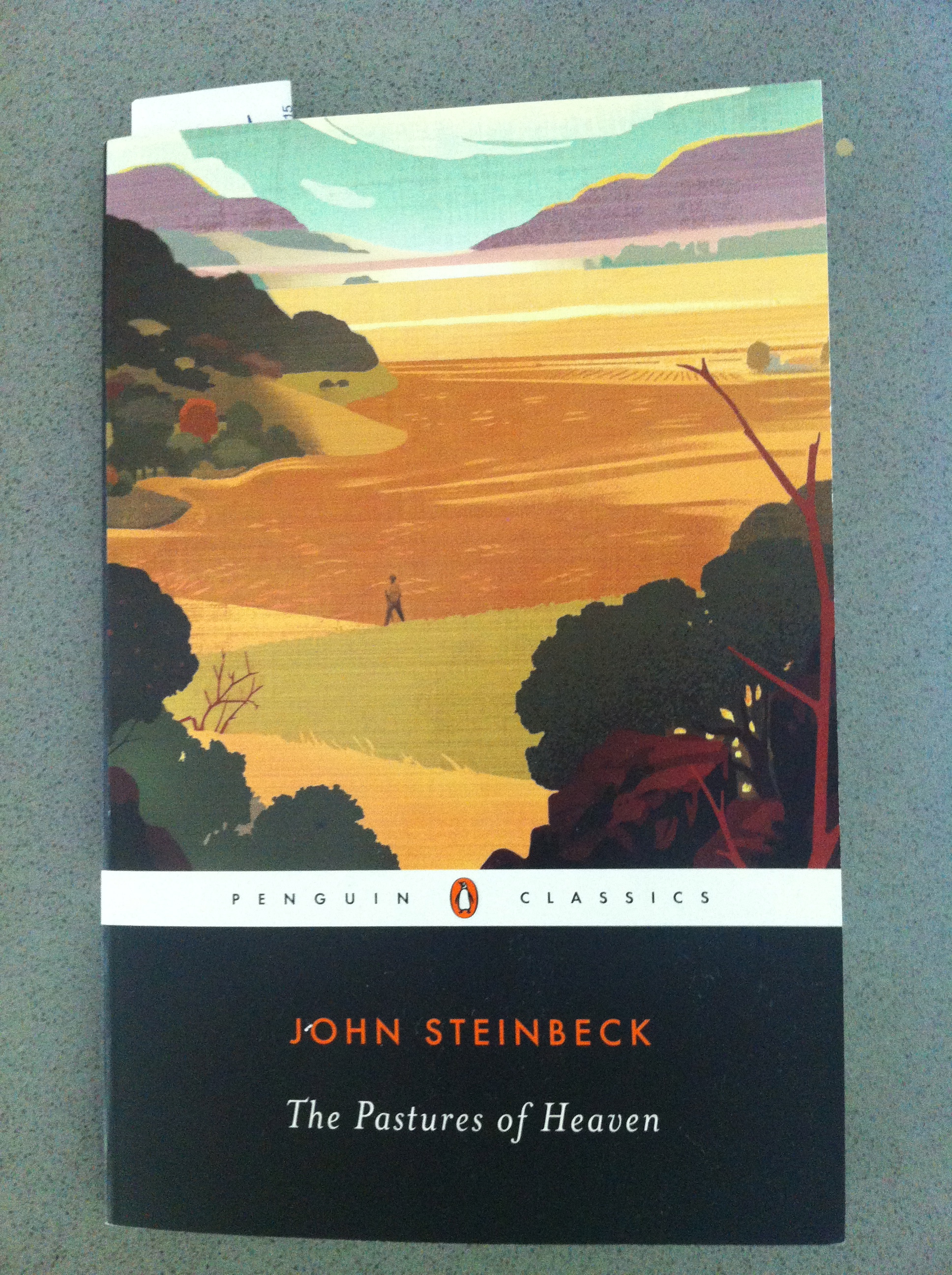
In Shark’s life there had been no literary romance. At nineteen he took Katherine Mullock to three dances because she was available. This started the machine of precedent and he married her because her family and all of the neighbors expected it. Katherine was not pretty, but she had the firm freshness of a new weed, and the bridling vigor of a young mare. After her marriage she lost her vigor and her freshness as a flower does once it has received pollen. Her face sagged, her hips broadened, and she entered into her second destiny, that of work.
In his treatment of her, Shark was neither tender nor cruel. He governed her with the same gentle inflexibility he used on horses. Cruelty would have seemed to him as foolish as indulgence. He never talked to her as to human, never spoke of his hopes or thoughts or failures, of his paper wealth nor of the peach crop. Katherine would have been puzzled and worried if he had. Her life was sufficiently complicated without the added burden of another’s thoughts and problems.
Joke about Boston, from Van Wyck Brooks
Posted: March 30, 2012 Filed under: books, Boston, New England, Van Wyck Brooks Leave a comment
From The Flowering of New England:
One of [Boston publisher James T.] Fields’s jokes was about the Boston man who read Shakespeare late in life but found him far beyond his expectation. “There are not twenty men in Boston who could have written those plays,” he said.
VWB also tells us about John Bartlett, who was just a guy in Cambridge you went to when you needed to know who said something, until he finally went ahead and published his Familiar Quotations.
Van Wyck Brooks on: Emerson
Posted: March 30, 2012 Filed under: books, Boston, heroes, New England Leave a comment
More excellence from The Flowering of New England
…generations later, when people spoke of Emerson’s “education,” they put the word in quotation-marks – it was not that he did not know his Greek and Latin, but that he was never systematic. He had read, both then and later, for “lustres” mainly. He had drifted first to Florida and then to Europe, and finally settled at Concord…As for the lectures that Emerson was giving in Boston, on great men, history, the present age, the famous lawyer, Jeremiah Mason, when he was asked if he could understand them, replied, “No, but my daughters can.”
To the outer eye, at least, Emerson’s life was an aimless jumble. He had ignored all the obvious chances, rejected the palpable prizes, followed none of the rules of common sense. Was he pursuing some star of his own? No one else could see it. In later years, looking back, Emerson’s friends, remembering him, thought of those quiet brown colts, unrecognized even by the trainers, that outstrip all the others on the race-course. He had had few doubts himself. He had edged along sideways towards everything that was good in his life, but he felt that he was born for victory…
Bruce Chatwin
Posted: March 26, 2012 Filed under: adventures, books, bruce chatwin, travel, writing Leave a comment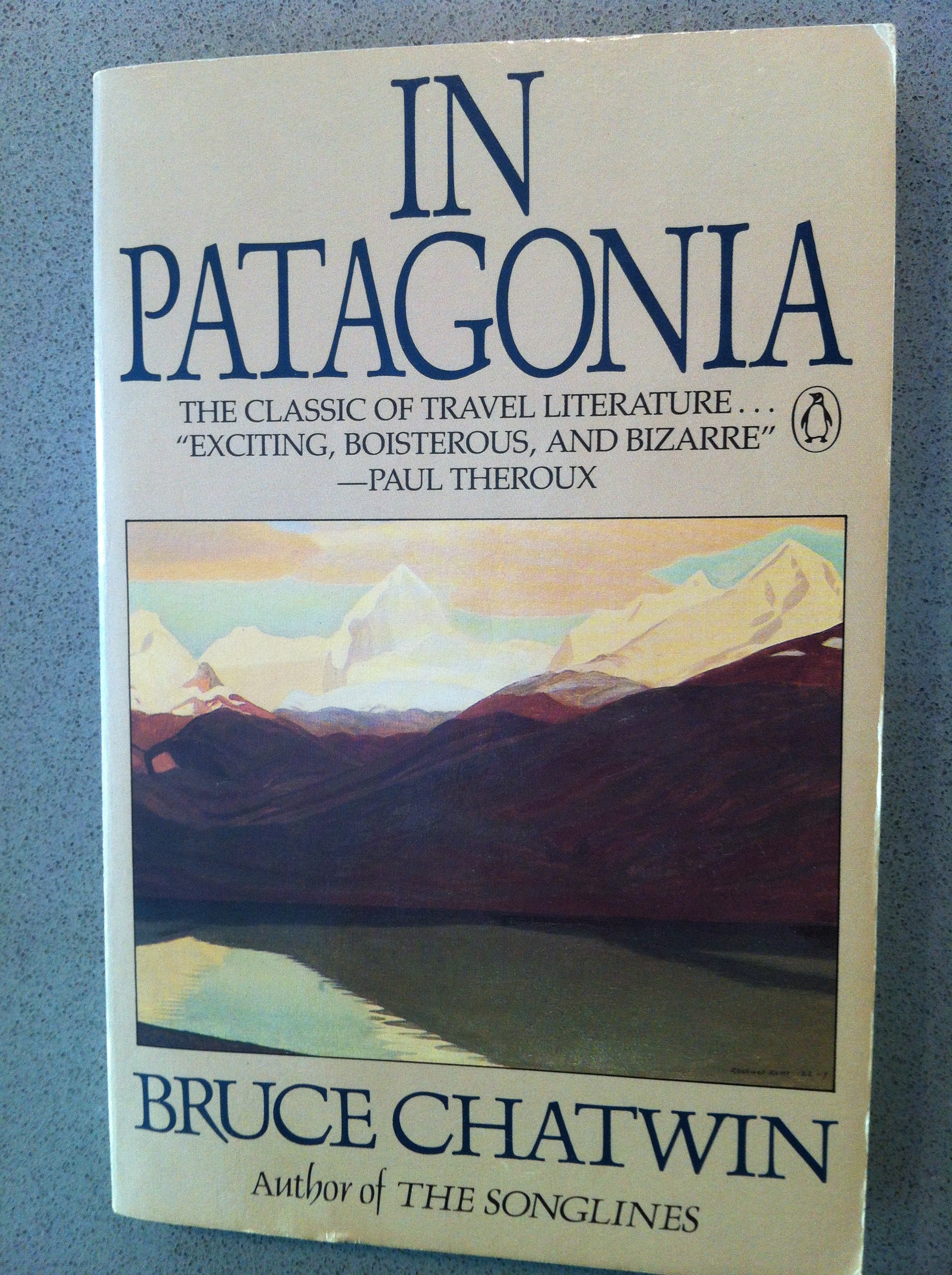
He definitely had bigtime Mike Daisey problems. No way he’d be as famous if he weren’t so photogenic. But still. This is the entire chapter 69 from “In Patagonia”:
The “Englishman” took me to the races. It was the sunniest day of summer. The Strait was a flat, calm blue and we could see the double white crown of Mount Sarmiento. The stands had a coat of fresh white paint and were full of generals and admirals and young officers.
“Day at the races, eh? Nothing like a good race-meeting. Come along with me now. Come along. Must introduce you to the Intendente.”
But the Intendente took no notice. He was busy talking to the owner of Highland Flier and Highland Princess. So we talked to a naval captain who stared out to sea.
“Ever hear the one about the Queen of Spain,” the Englishman asked, trying to liven up the conversation. “Never heard the one about the Queen of Spain? I’ll try and remember it:
A moment of pleasure
Nine months of pain
Three months of leisure
Then at it again.
“You are speaking of the Spanish Royal Family?” The Captain inclined his head.
The “Englishman” said he read history at Oxford.
The Nicholas Shakespeare biography is well-worth a flipthrough. When Chatwin was diagnosed with HIV he claimed, among other things, that he had an extremely rare disease he caught from being bitten by a Chinese bat.
Fitzhugh Lane
Posted: March 15, 2012 Filed under: art, books, fitzhughlane, livesoftheheroesofboston, museum, New England Leave a comment
Fitz Hugh Lane: When he was eighteen months old, in his father’s yard, Fitz Hugh Lane grabbed a handful of some kind of weed and put it in his mouth. John J. Babson’s History of the Town of Gloucester (1860) says it was “apple-peru.” It may have been jimsonweed. No matter. Fitzhugh “was so unfortunate as to lose the use of his lower limbs in consequence, owing to late and unskillful medical treatment.” He was paralyzed.
Apprenticed to a printmaker in Boston, he soon became famous for his paintings of ships and sunsets. He decided to go back home. On a peninsula called Duncan’s Point in Gloucester, he designed and built his own home. He didn’t like the name Fitz Hugh and with some difficulty had it changed legally to Fitz Henry. So in catalogs or museum signs he’s sometimes called that. He was well-known and loved in Gloucester.
Fitz Hugh had a very close friend, all his life, Joseph Stevens, who was from an old Gloucester family. The story’s told that one day, when they were boys, Joseph Stevens rigged up a special contraption of ropes and pulleys to lift Fitz Hugh high up in the masts and rigging of a ship, so he could look out at the harbor.* Fitz Hugh died in Joseph Stevens’ house, with Joseph Stevens at his bedside.
– from Crawley’s Lives of The Heroes Of Boston (1958), which I cannot recommend highly enough. Get yourself the reissued 1998 paperback for like a dollar on Amazon.

Once in winter I drove up to Gloucester to the Cape Ann Museum (got the top picture from their website) to view the Fitz Hugh Lanes.** On the streets of Gloucester with the wind I was as cold as I can ever remember being.
Fitz Hugh Lanes: good name for a Gloucester bowling alley.
*Crawley notes here that he is citing John Wilmerding‘s book Fitz Hugh Lane. Crawley always acknowledges, often at tedious length, that he has done no scholarship of his own and relies on the work of others.
** Much like the Scottish guy Indiana Jones pretends to be in “Last Crusade” drives up to the castle “to view the tapestries.”
The Scottish Himalayan Expedition
Posted: March 10, 2012 Filed under: adventures, books, from wikipedia, heroes, how to live 1 Comment
A quotation by [mountaineer W. H. Murray] is widely misattributed to Johann Wolfgang von Goethe. The following passage occurs near the beginning of Murray’s The Scottish Himalayan Expedition (1951):
-
… but when I said that nothing had been done I erred in one important matter. We had definitely committed ourselves and were halfway out of our ruts. We had put down our passage money— booked a sailing to Bombay. This may sound too simple, but is great in consequence. Until one is committed, there is hesitancy, the chance to draw back, always ineffectiveness. Concerning all acts of initiative (and creation), there is one elementary truth the ignorance of which kills countless ideas and splendid plans: that the moment one definitely commits oneself, then providence moves too. A whole stream of events issues from the decision, raising in one’s favor all manner of unforeseen incidents, meetings and material assistance, which no man could have dreamt would have come his way. I learned a deep respect for one of Goethe’s couplets:
-
Whatever you can do or dream you can, begin it.
-
Boldness has genius, power and magic in it!
-
– from our old friends at Wikipedia. That Goethe quote is great, sure, but I’ll take Murray himself if I’m going on a hike. Murray’s autobiography, btw, was entitled The Evidence of Things Unseen, citing of course Hebrews 11:1.
“pursuing instead a random method”
Posted: February 10, 2012 Filed under: books, people, reading Leave a commentAfter Barry Lyndon did you begin work straight away on The Shining?
When I finished Barry Lyndon I spent most of my time reading. Months went by and I hadn’t found anything very exciting. It’s intimidating, especially at a time like this, to think of how many books you should read and never will. Because of this, I try to avoid any systematic approach to reading, pursuing instead a random method, one which depends as much on luck and accident as on design. I find this is also the only way to deal with the newspapers and magazines which proliferate in great piles around the house — some of the most interesting articles turn up on the reverse side of pages I’ve torn out for something else.
– from this interview of Stanley Kubrick by Michel Ciment. (Picture from this blog.)
 Helytimes