Lakes of France
Posted: July 5, 2026 Filed under: France 2 Comments
Let’s have a list of the largest lakes in France, please!
| Rank | Lake | Area | Type | Note |
|---|---|---|---|---|
| 1 | Lac Léman (French portion) | 234 km² of 582 km² total | Natural, glacial | Shared with Switzerland |
| 2 | Étang de Berre | 155 km² | Natural, saltwater lagoon | Largest entirely in France |
| 3 | Étang de Thau | 75 km² | Natural, saltwater lagoon | |
| 4 | Étang de Vaccarès | 63.3 km² | Natural, saltwater | Camargue |
| 5 | Lac d’Hourtin-Carcans | 58.3 km² | Natural, freshwater | Largest natural freshwater lake fully in France |
| 6 | Lac de Cazaux-Sanguinet | 55.6 km² | Natural, freshwater | Gironde/Landes |
| 7 | Étang de Leucate (+ Le Paurel, Sagne d’Opoul) | 54.8 km² | Natural, saltwater | |
| 8 | Lac de Grand-Lieu | 54.2 km² (varies 35–63 km²) | Natural, freshwater | Largest natural lake in France in winter (variable level) |
| 9 | Marais de Brière | 47.2 km² | Natural wetland/marsh | |
| 10 | Lac du Bourget | 44 km² | Natural, glacial freshwater | Deepest glacial lake (145 m) |
| — | Lac de Serre-Ponçon | 28 km² | Artificial reservoir | Largest artificial lake in France |
| 11 | Étang de Bages-Sigean (+ La Sèche, L’Aute, Peyriac-de-Mer) | 37 km² | Natural, saltwater | |
| 12 | Lac d’Annecy | 26.4 km² | Natural, glacial freshwater | |
| — | Lac de Vouglans | ~16 km² | Artificial reservoir | 3rd largest artificial lake (Jura) |
| 13 | Lac de Lacanau | 16.4 km² | Natural, freshwater | |
| 14 | Étang de Vendres | 15.4 km² | Natural, saltwater | |
| 15 | Étang de l’Impérial | 13.9 km² | Natural, saltwater | |
| 16 | Étang de Biguglia | 13.7 km² | Natural, saltwater lagoon | Corsica |
| 17 | Étang de l’Ayrolle | 13.3 km² | Natural, saltwater | |
| 18 | Étang de Biscarrosse-Parentis | 32.1 km² | Natural, freshwater | (note: actually ranks higher than some above — see correction below) |
| 19 | Étang de l’Or (Mauguio) | 31.4 km² | Natural, saltwater lagoon | |
| 20 | Lac d’Aiguebelette | 5.4 km² | Natural, glacial freshwater |
Source for this full continuation: French Wikipedia “Liste des plus grands lacs et étangs de France” — https://fr.wikipedia.org/wiki/Liste_des_plus_grands_lacs_et_%C3%A9tangs_de_France (their figures are drawn from IGN topographic surveys and regional hydrographic agencies, cited per-entry in the article’s footnotes).
(Claude generated that for me, using French Wikipedia’s table, cross-checked against GIPREB/Sandre-style figures, plus regional/prefecture sources).
Let’s eliminate any saltwater lagoons, and étangs. That leaves us with:
| Rank | Lake | Area | Type | Note |
|---|---|---|---|---|
| 1 | Lac Léman (French portion) | 234 km² (582 km² total) | Natural, glacial freshwater | Shared with Switzerland; excluded from “fully French” rankings |
| 2 | Lac d’Hourtin-Carcans | 58.3 km² | Natural, freshwater | Largest natural freshwater lake entirely in France |
| 3 | Lac de Cazaux-Sanguinet | 55.6 km² | Natural, freshwater | Gironde/Landes |
| 4 | Lac de Grand-Lieu | 54.2 km² (ranges 35–63 km²) | Natural, freshwater | Highly variable level; largest in winter |
| 5 | Lac du Bourget | 44 km² | Natural, glacial freshwater | Deepest glacial lake in France (145 m) |
| 6 | Lac de Serre-Ponçon | 28 km² | Artificial reservoir | Largest artificial lake in France |
| 7 | Lac d’Annecy | 26.4 km² | Natural, glacial freshwater | |
| 8 | Lac de Sainte-Croix | ~22 km² | Artificial reservoir | Verdon |
| 9 | Lac de Vouglans | ~16 km² | Artificial reservoir | Jura |
| 10 | Lac de Lacanau | 16.4 km² | Natural, freshwater |
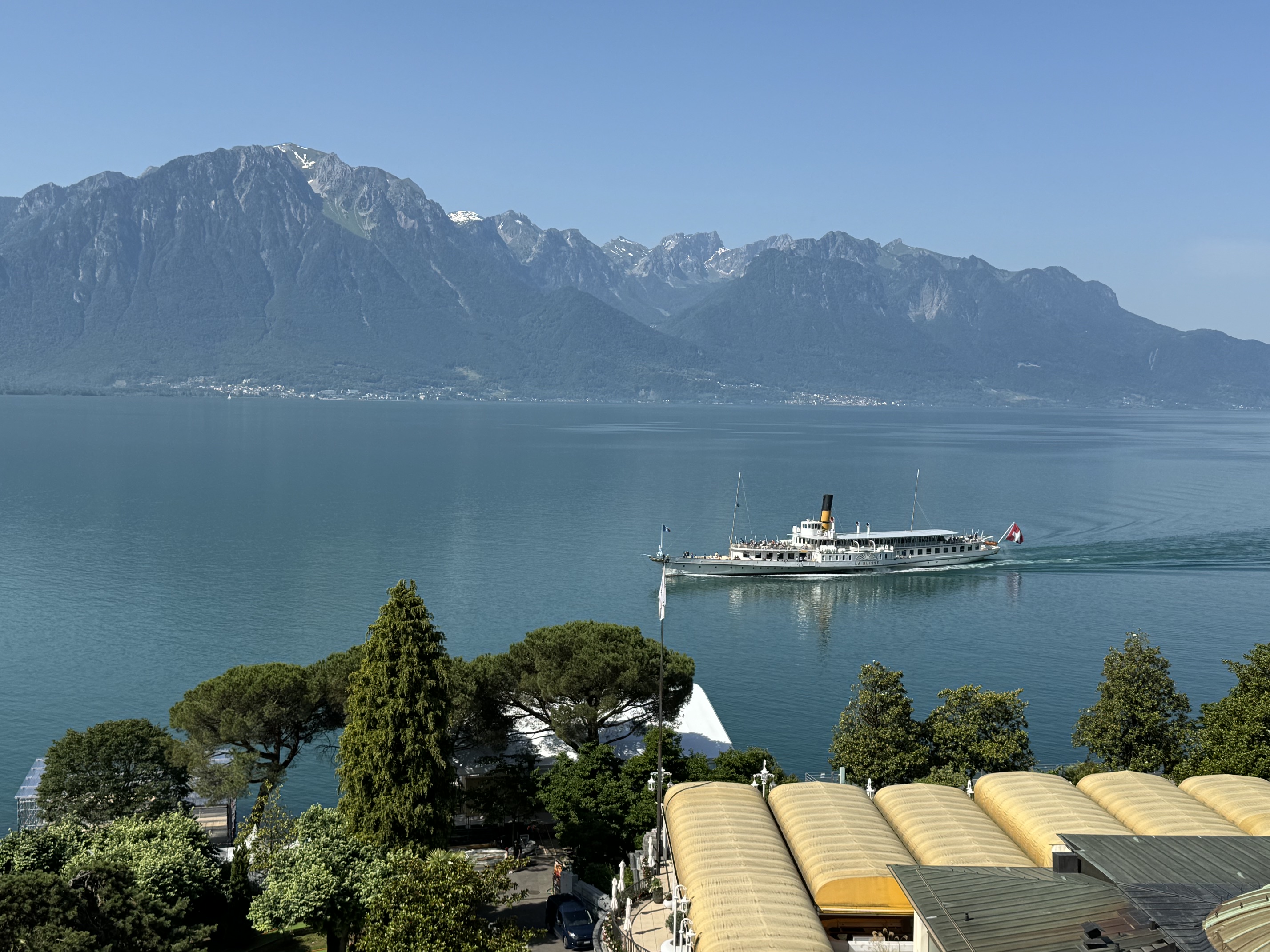
Lac Léman, aka Lake Geneva, is mostly in Switzerland.
Lac d’Hourtin-Carcans is pressed up against the Atlantic coast in a dunes situation:
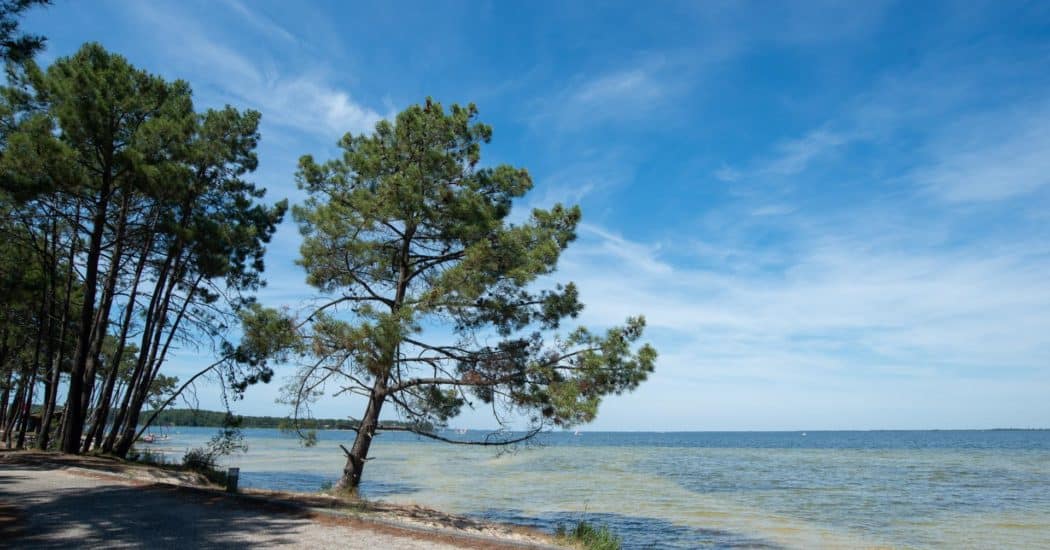
(source) I’ve got to imagine that water is somewhat brackish. Lac de Cazeux a similar setup:
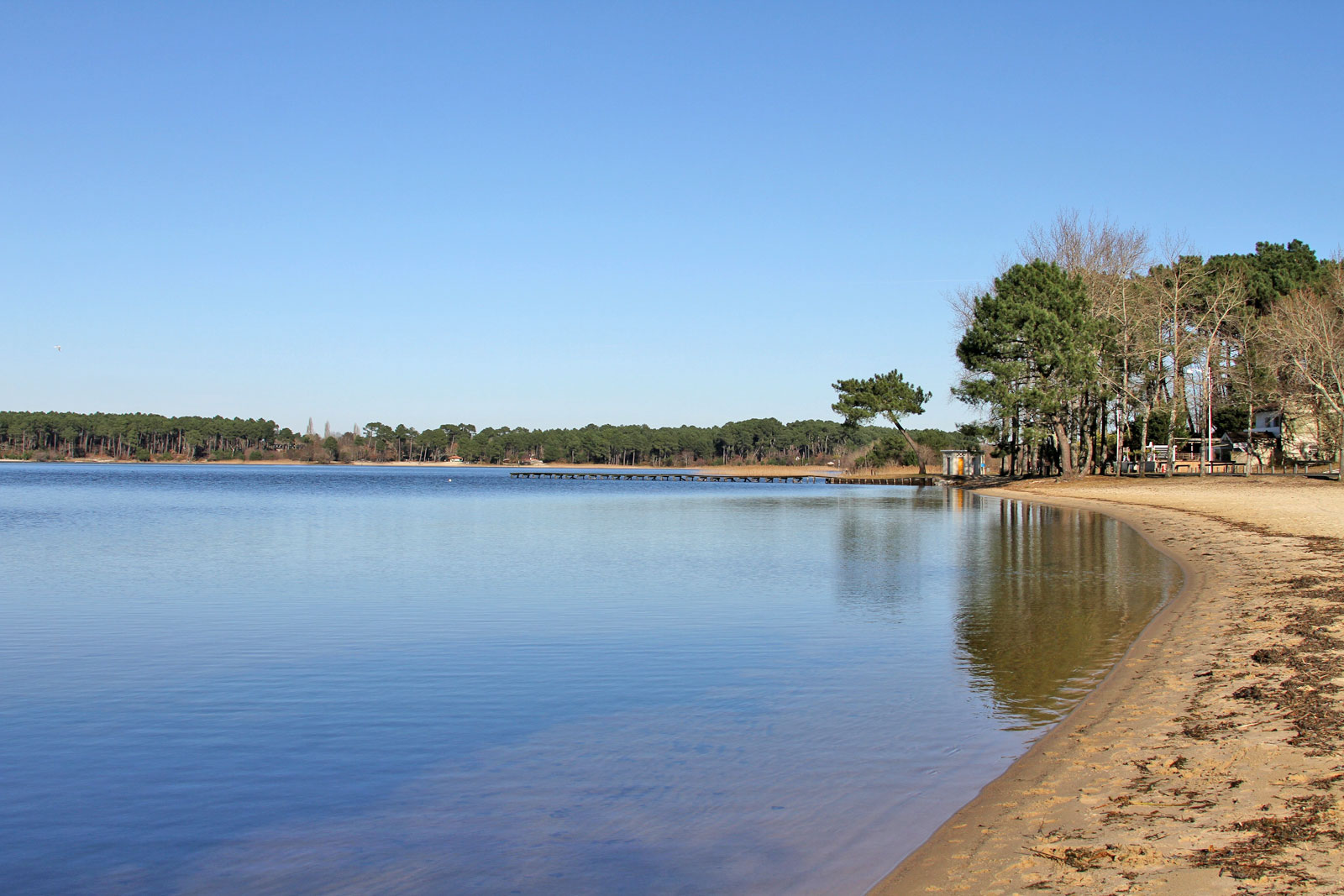
(source). More like a Florida-style lagoon or something than a real lake. That brings us to Lac de Grand-Lieu:
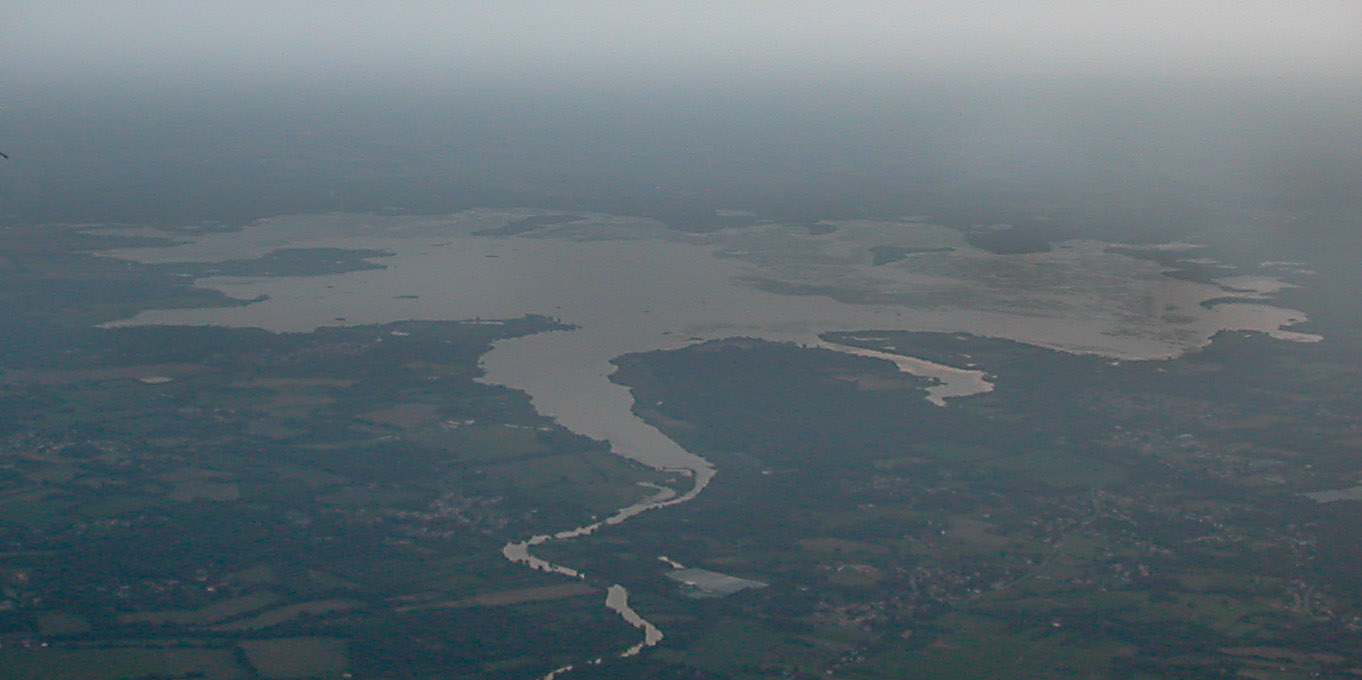
(source). Lake The Big Lake, appropriately named. The size of this lake size fluctuates, it’s very shallow, it’s in a protected area, and access is very limited. There are no towns along the shore. Says English Wikipedia:
Navigation on the lake is prohibited; only seven professional fishermen have been granted specific authorisation to do so. Because of its shallow topography, and its wild vegetation, the lake is difficult to access.
Would love to profile the seven professional fishermen. French Wikipedia suggests there’s a little more fishing allowed, but notes:
In 2024, the national reserve’s warden reported that the lake’s water quality had been deteriorating rapidly for the past five years due to runoff from agricultural land, which introduced excessive amounts of nitrates and phosphates. This nutrient saturation caused a proliferation of microalgae and cyanobacteria . Consequently, water oxygenation decreased, underwater plants disappeared, algae proliferated, and cyanobacteria produced a toxin harmful to local wildlife. Furthermore, three invasive species posed problems for the lake’s ecosystem: Louisiana crayfish, coypu , and water primrose , an invasive aquatic plant that colonized the waters and smothered native plants.
Bummer.
That brings us to Lac du Bourget:
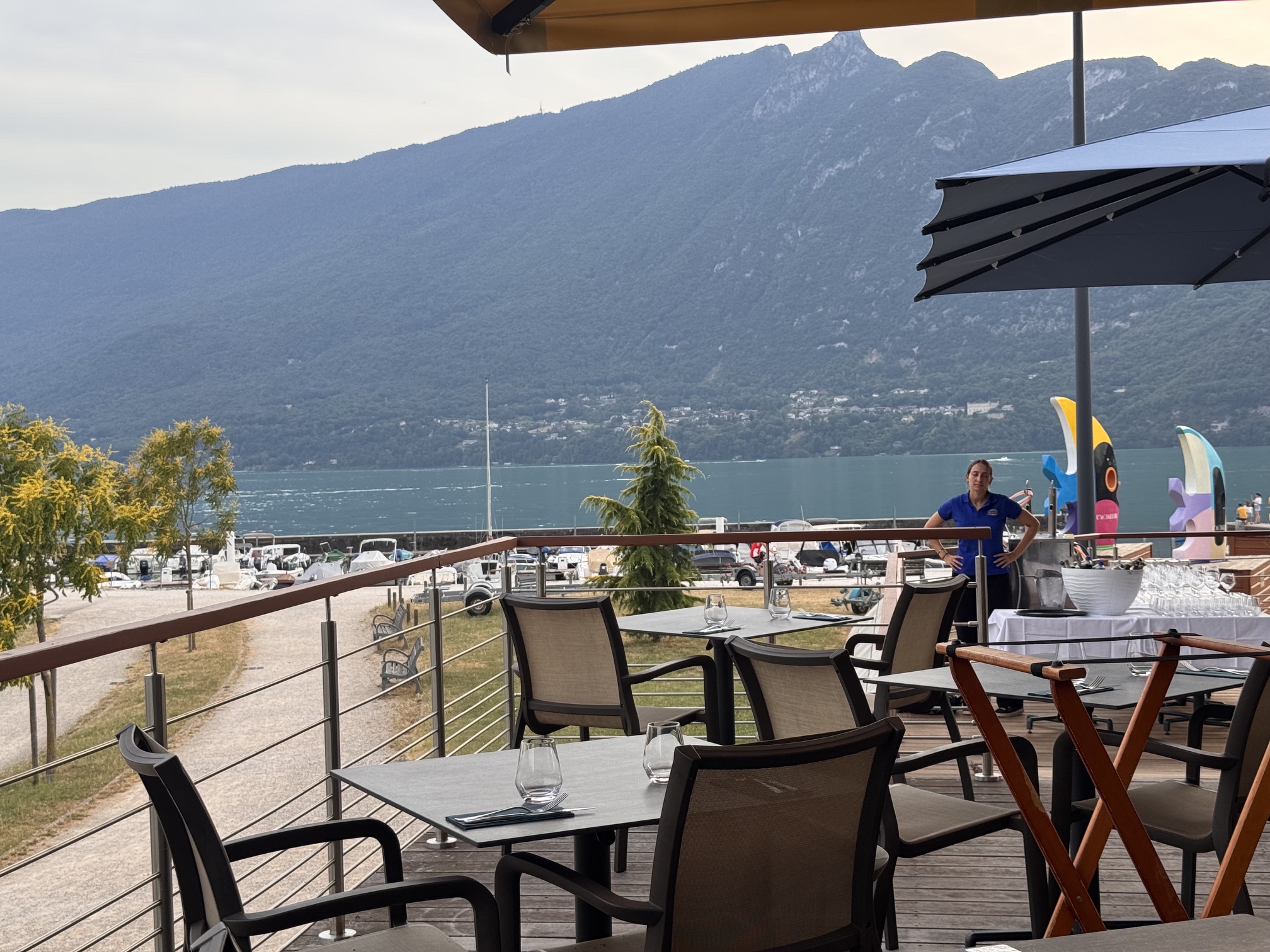
Here it is seen from Brasserie de l’Aquarium in Aix-les-bains.
Lac du Bourget is majestic and deep, but it has a kind of eerie quality. We can see why on a topographical map:
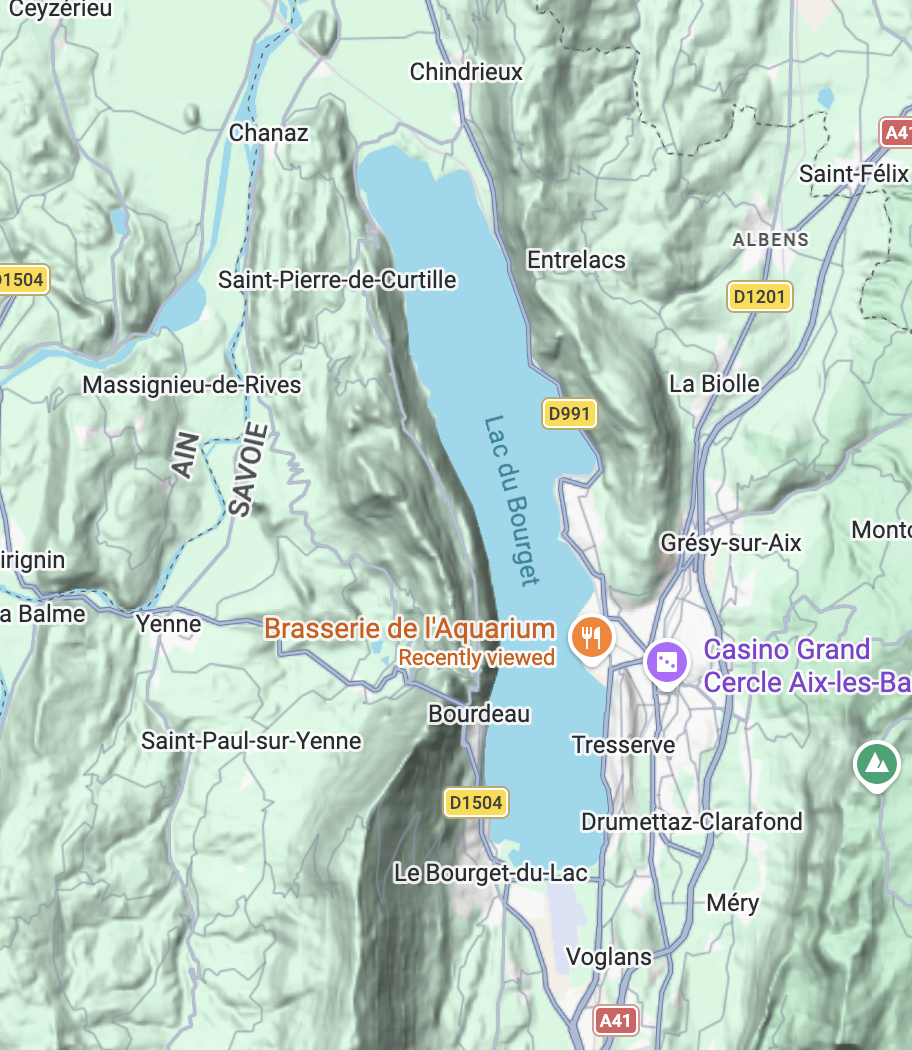
Steep mountains along the west side and much of the east side make it inaccessible, there’s no shore. Lac du Bourget has the isolated Hautecombe Abbey:
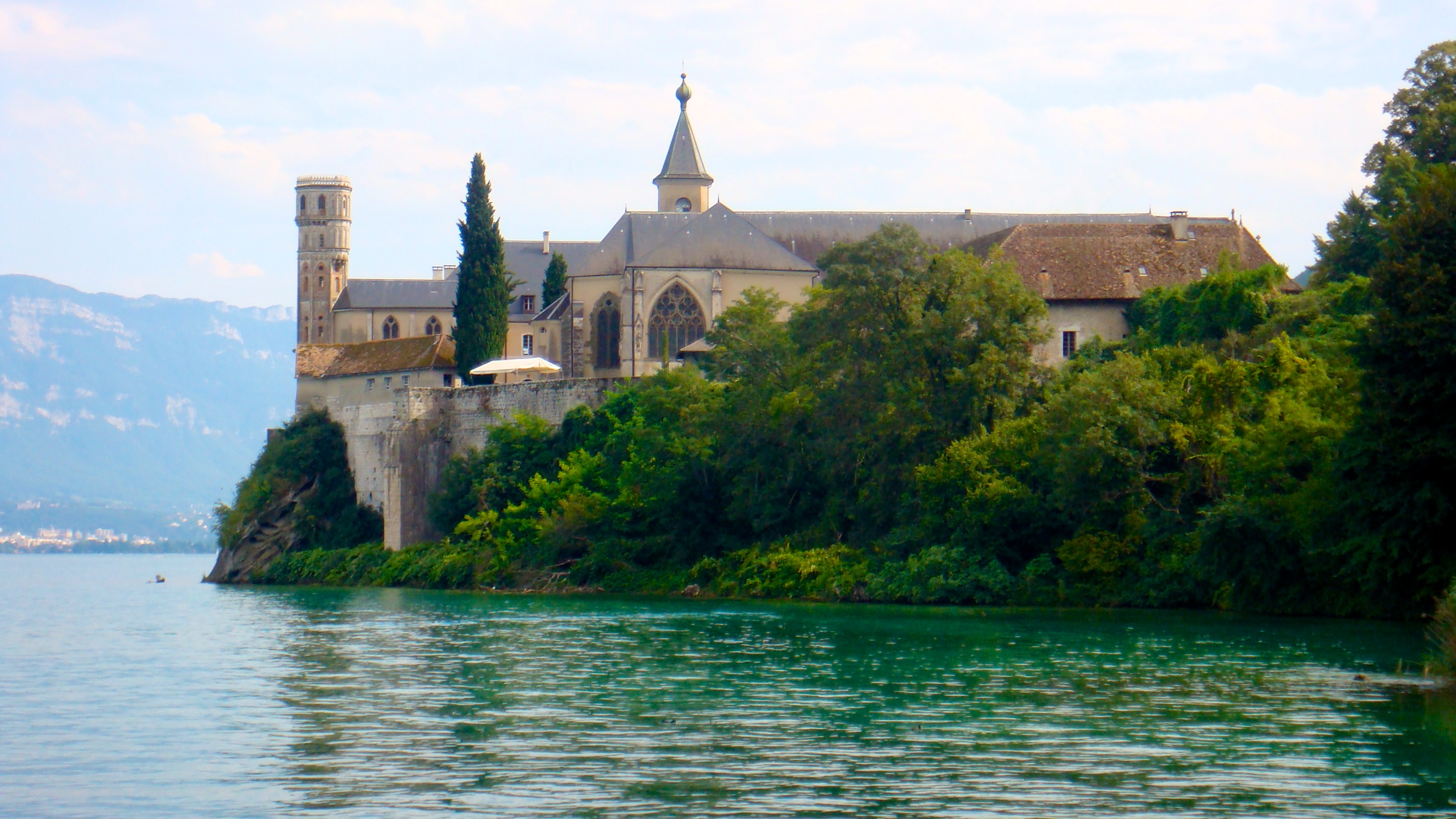
(source), entombment place of various members of the House of Savoy.
On the eastern side, there’s pleasingly symmetrical esplanade:
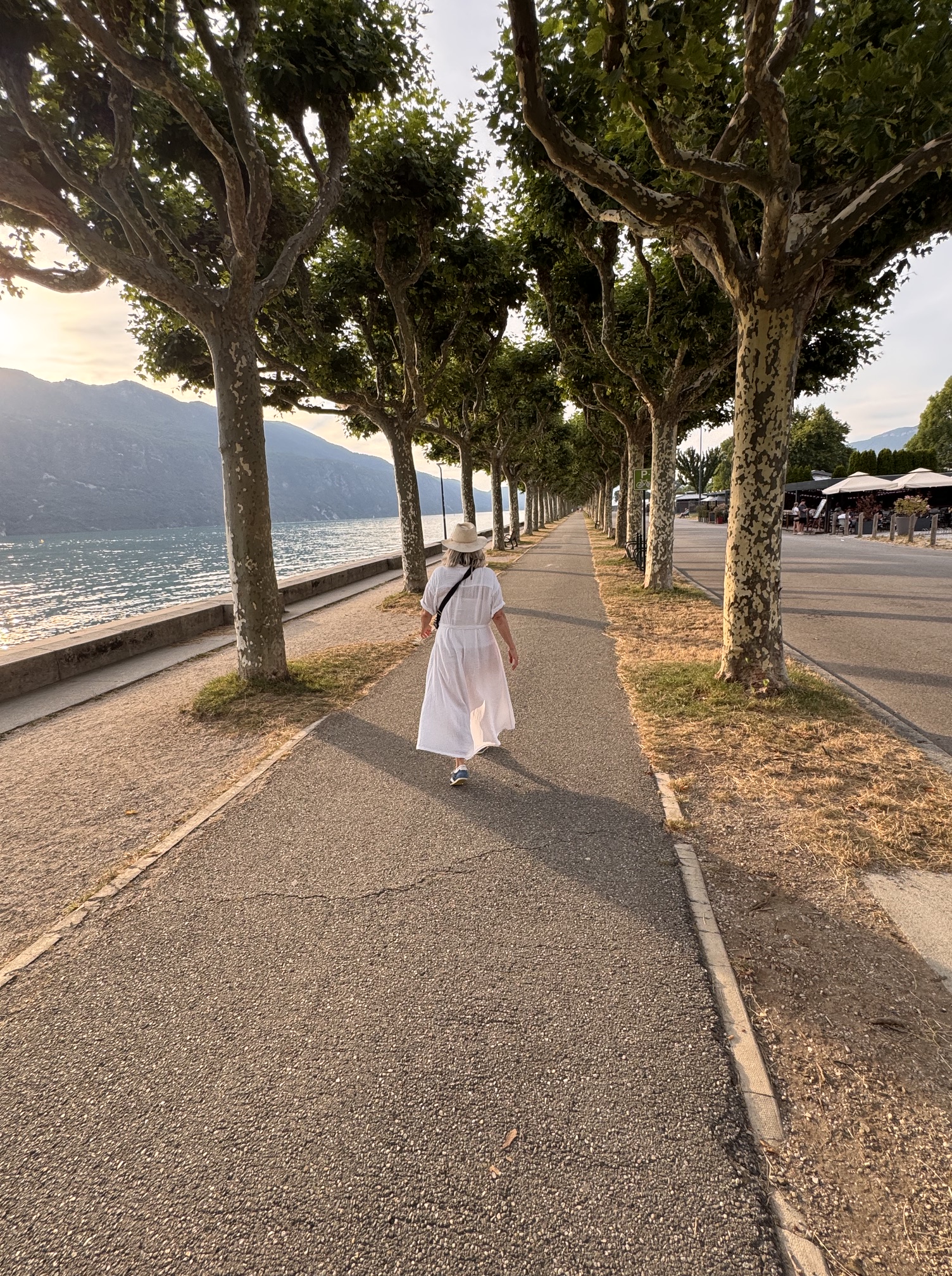
All told, a satisfying lake, not world class.
Next is Lake Annecy, which we’ve covered before:
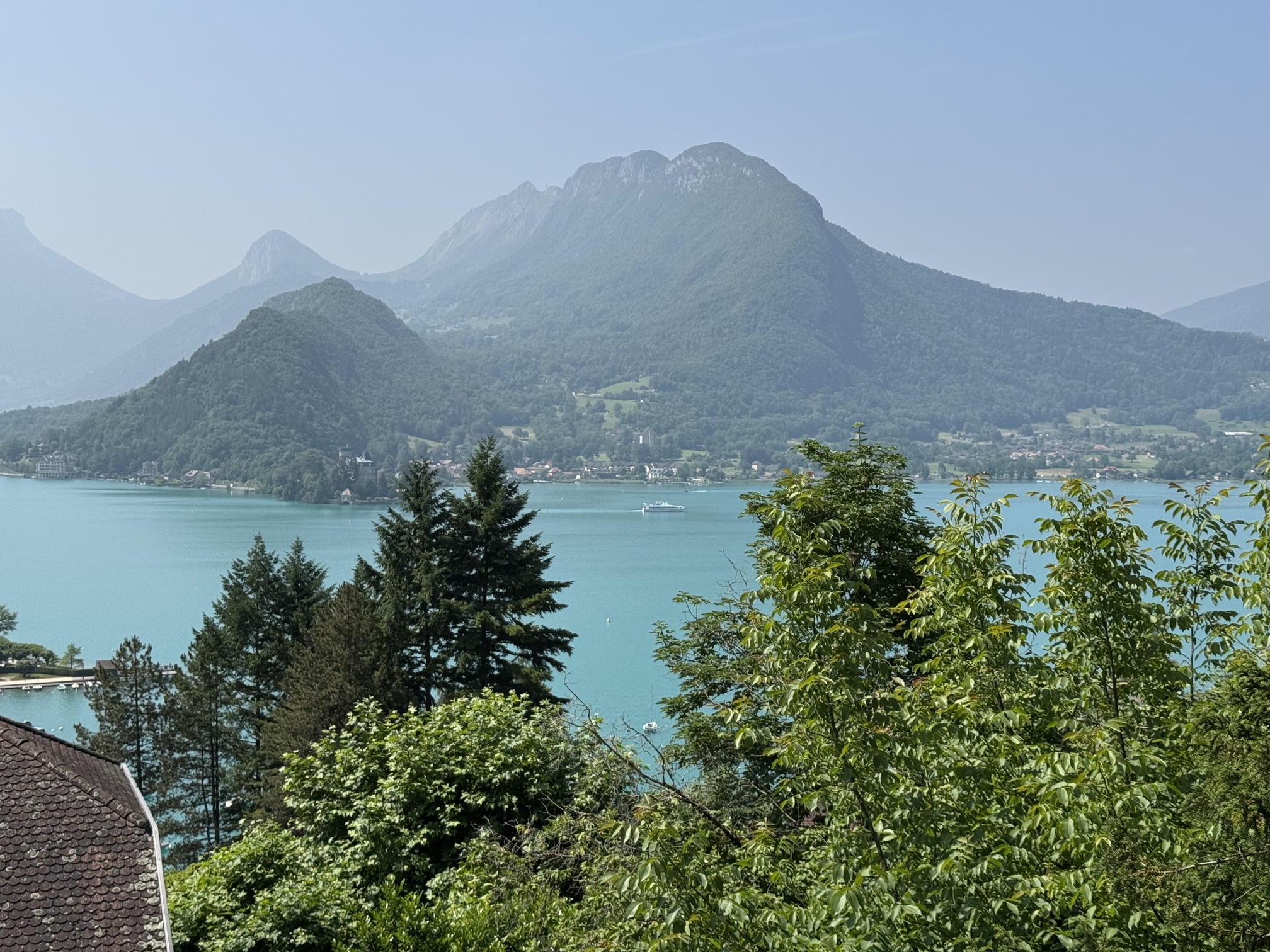
Which really has everything you could want in a lake. Preservation efforts have kept it blue, there are several interesting towns, a couple castles.
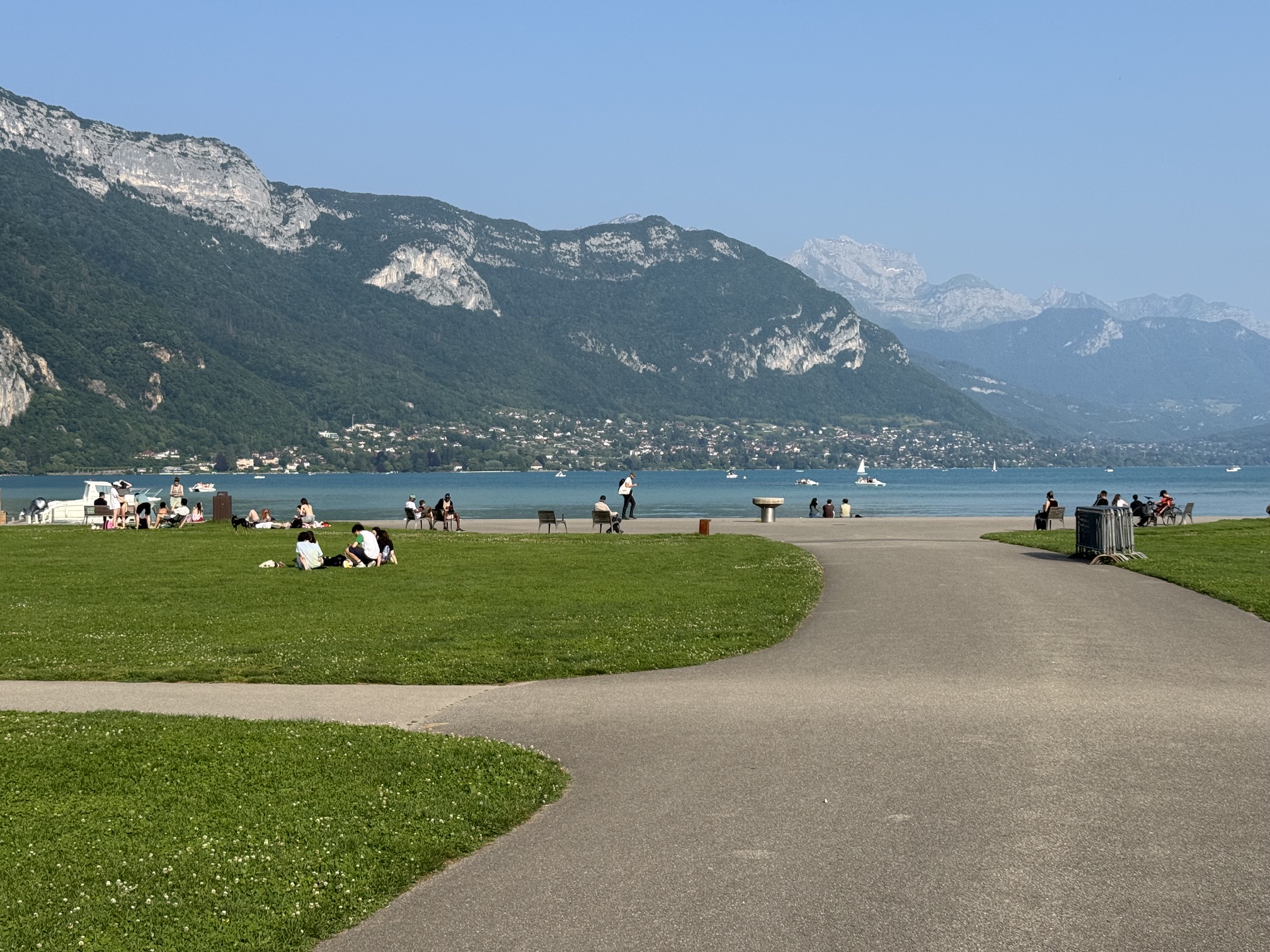
The only note on it might be Cézanne’s, that it’s almost too perfect, it’s too much a lake like you expect a lake to be, a platonic dream of a lake.
Lake Annecy kinda has a French Lake Tahoe vibe, with the rich blueness and mountain setting. But in size, it is a pebble compared to Tahoe. Lake Annecy has an area of about 10 miles, whereas Lake Tahoe is 191 square miles.
In size, Lake Annecy wouldn’t even rank in the top 100 American lakes, maybe not even the top 200 or 300. It’s a nothing on a US lake scale.
The USA is very blessed in its lakes. France is relatively lake poor – even measly Ireland has nine lakes bigger than Annecy. The UK has a whole Lake District. Switzerland, just a hair to the east, is sick with lakes. Bourget would barely crack Switzerland’s top ten.
Texas is a France-sized place:
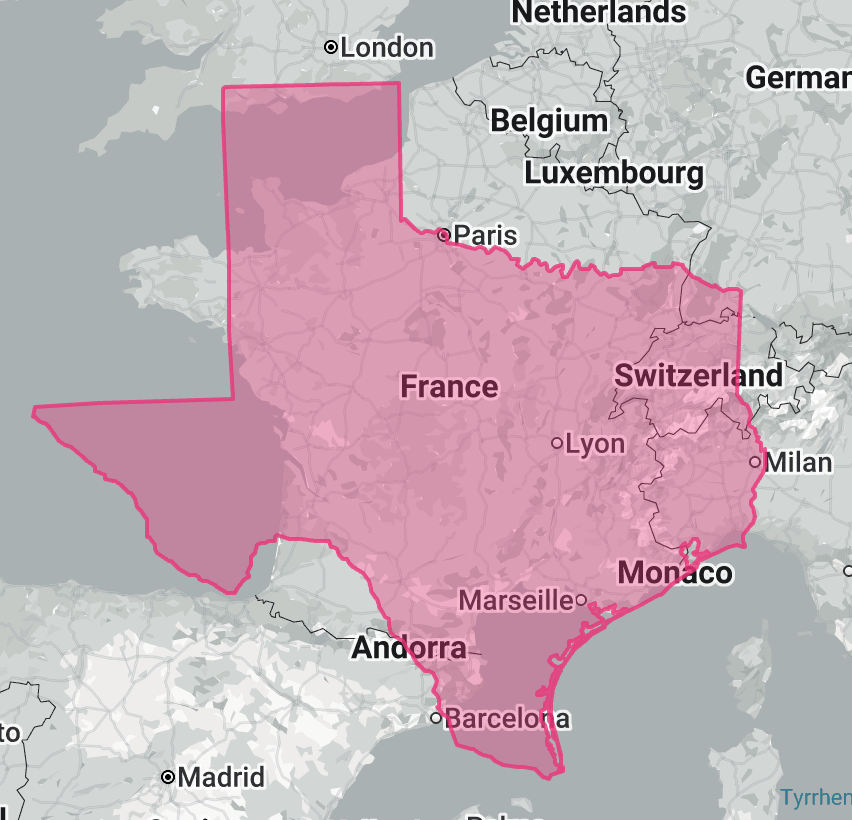
with really only one natural freshwater lake, spooky old Caddo:
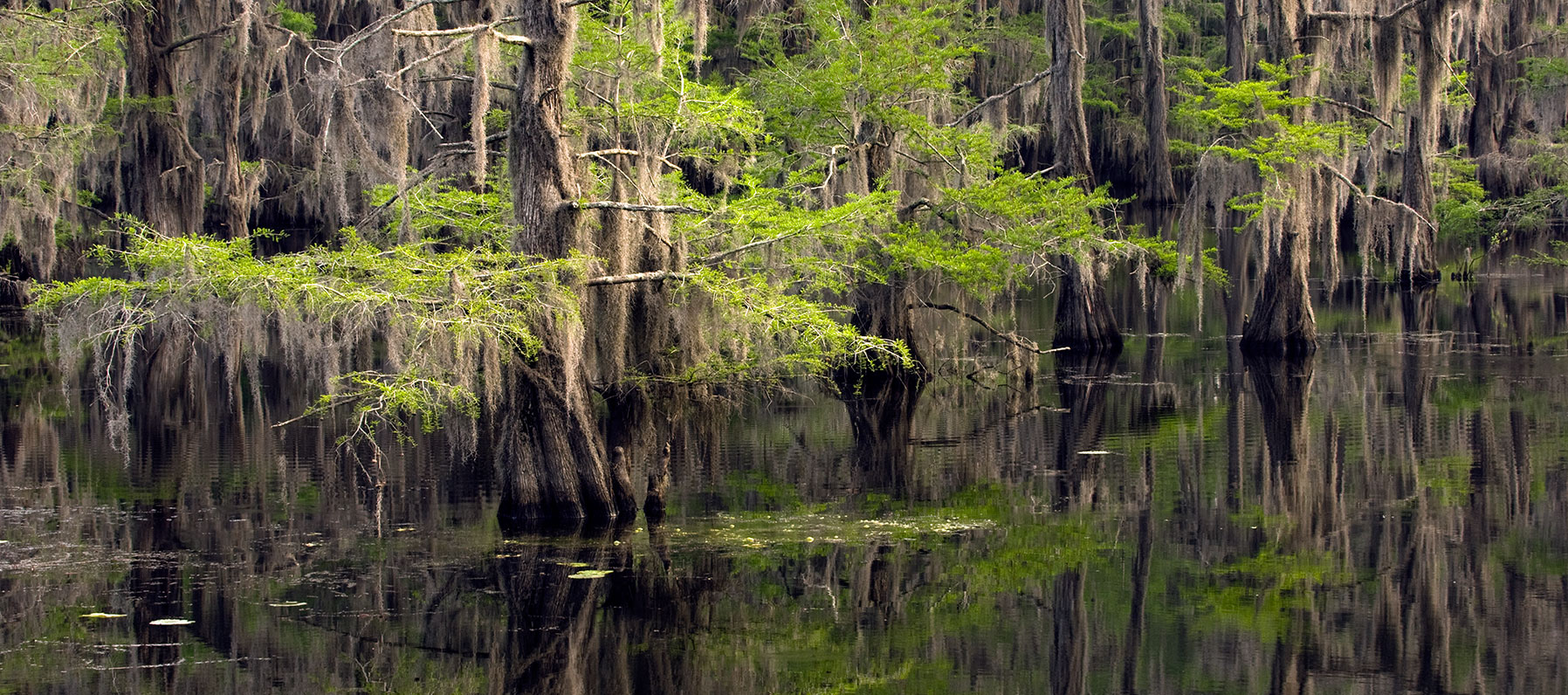
(source) but with great ingenuity the people there have created places to swim out of springs and reservoirs:
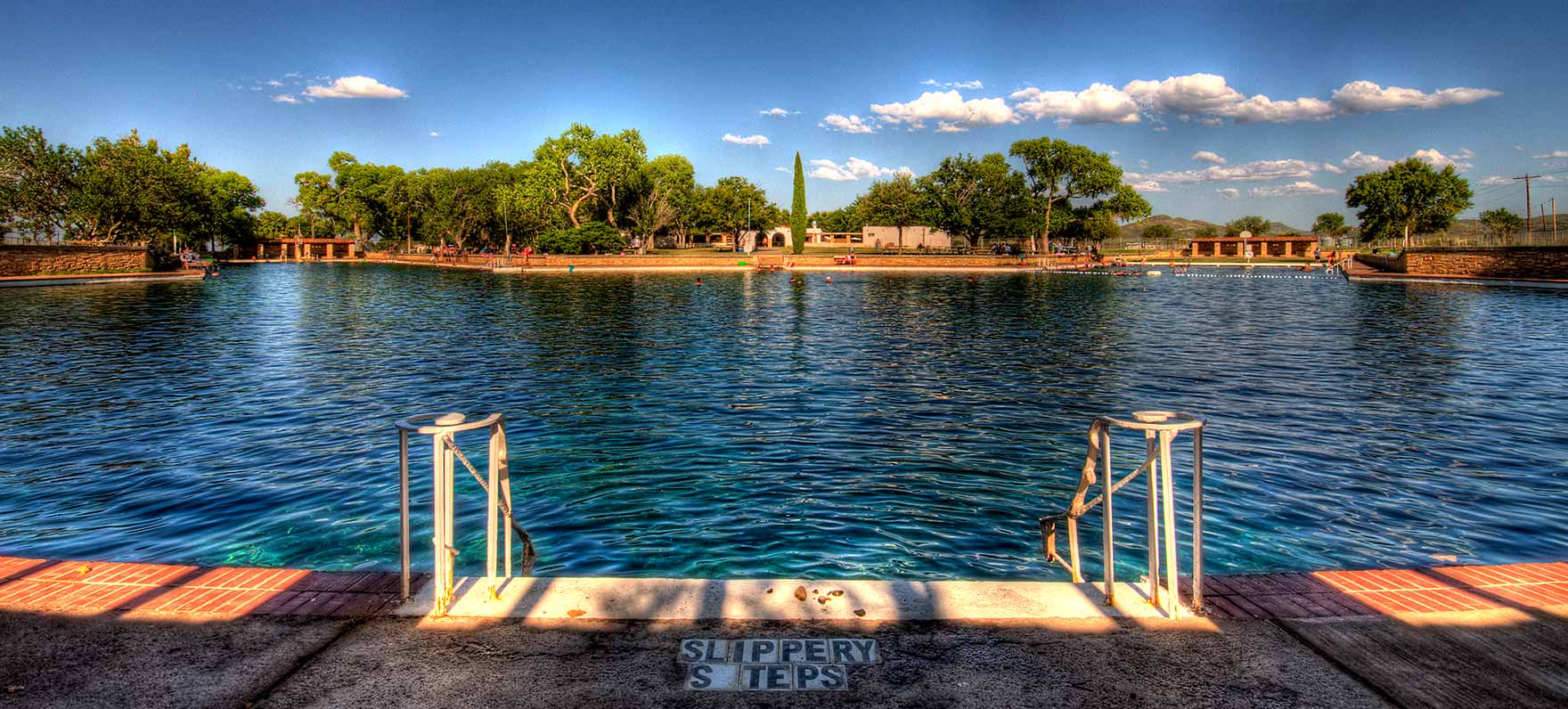
(source)
Discussion question: how do lakes or lack of lakes affect the national character?


Hely, I work for a Canadian NGO that monitors lake health across the country (www.livinglakescanada.ca), protocols range from: groundwater, lake, stream and wetland monitoring, to foreshore health assessments, biomonitoring for aquatic assessment and restoration, and water database development and management. I work in Admin and Finance for the group, occasionally trying to make the scientists laugh and failing most of the time. I will pose your discussion question during our next team Zoom.
Haha thank you! Very cool work.