Magenta
Posted: June 20, 2026 Filed under: Savoy Leave a comment
So many topics we’re working through here could be filed as “footnotes to footnotes.”
In John Dormandy’s A History of Savoy: Gatekeeper of the Alps he drops this one:
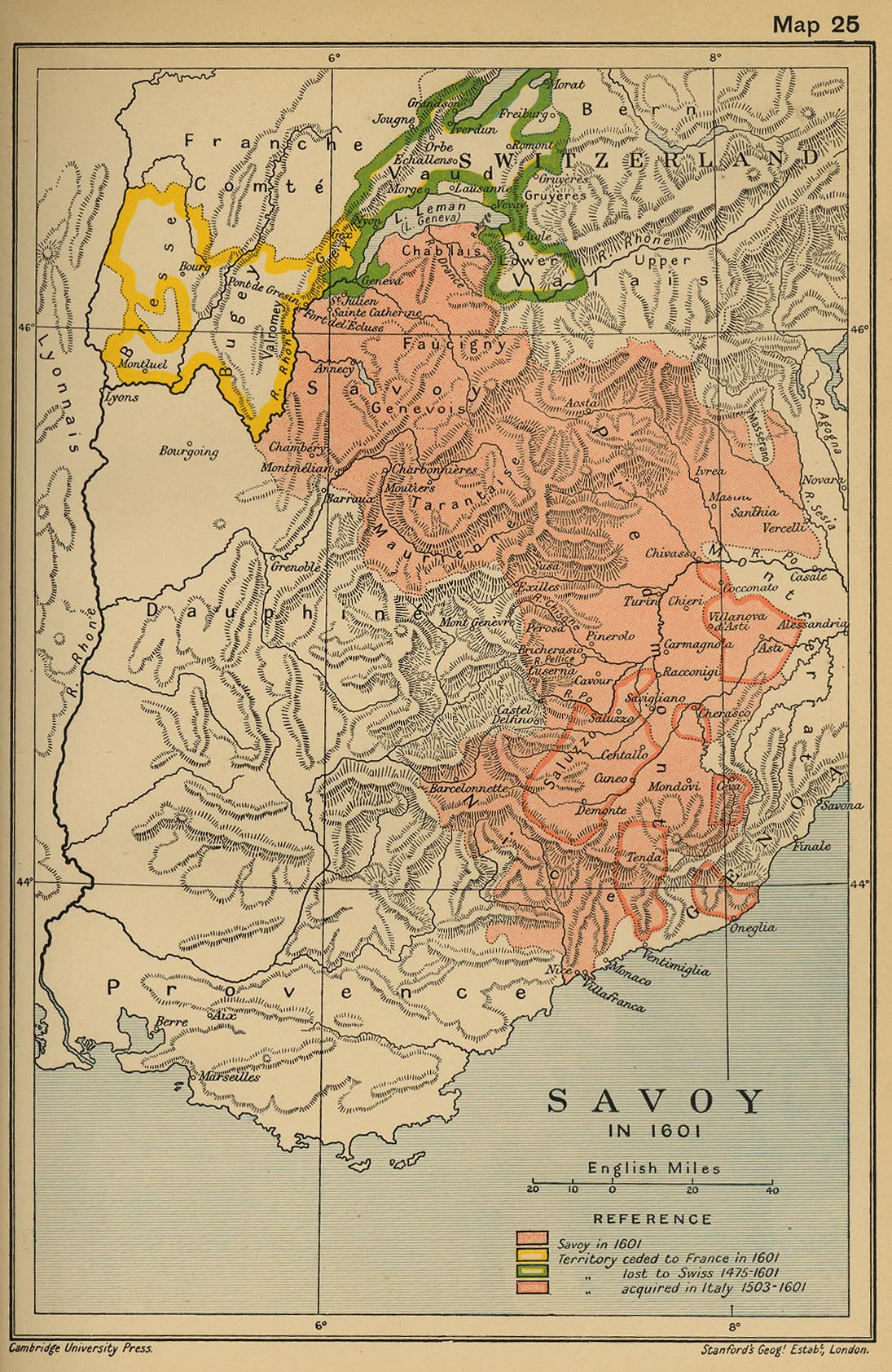
In 1858, Emperor Louis Napoleon III and Count Benzo Cavour, prime minister of King Victor Emmanuel, met secretly in the small spa town of Plombières in the Vosges mountains to hatch a plot. The two men, equally devious, agreed to provoke an attack by Austria on the Kingdom of Sardinia that included Savoy; the French would then promptly come to the aid of poor Sardinia, and together they would expel the Austrians from northern Italy. Following that happy outcome, Sardinia would acquire all of northern Italy and in recompense for his help, Napoleon III would be allowed to annexe Savoy to France. That was exactly what happened, except that by the mid-nineteenth cen-tury, Europe, particularly Victorian England, was beginning to baulk at countries being traded as commodities, especially if the recipient of the gift was France under a second Napoleon. Cavour and Napoleon, ever resourceful, organised a ‘free’ plebiscite in Savoy in which 99 per cent of the population voted for annexation to France.
Savoy has had our attention. Savoy is a region of alpine lakes, mountains, valleys and passes in what’s now France, Italy, maybe a touch of western Switzerland. Savoy was a duchy, a principality, a state, a province, the seat of an empire, a poor source of refugees and emigrees, a retreat for aristocrats, a land of dairies, of resorts, of monestaries. Savoy was an idea, and it was a catchy idea. It spread in funny ways, through marriages and princesses and neighborhoods and towns, a hotel, and then many hotels, a cake, and a dance hall and a song and a beer and a fictional baseball bat.
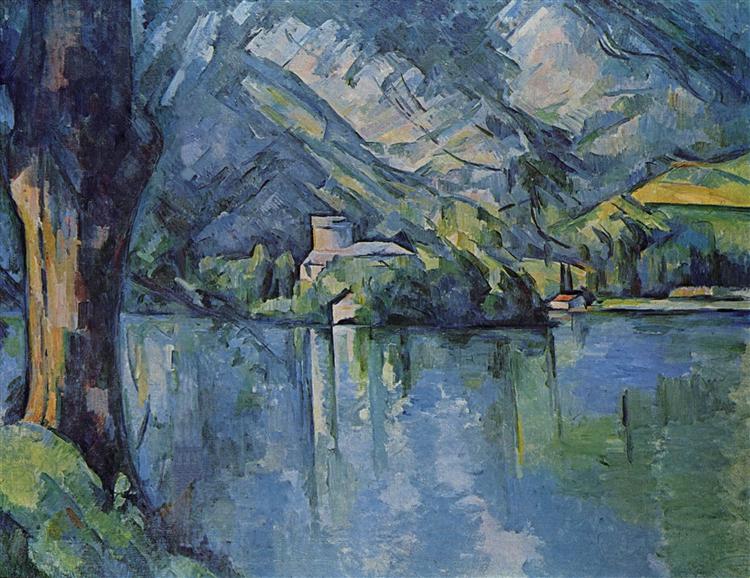
Fortune brought us twice to Savoy to one of her most favored spots, Lake Annecy. We’ll be there again.
If you’re at the animation festival, come see us. We have two panels, one for Common Side Effects on Thursday at 2:30pm at Salle Pierre Lamy, one for Adult Swim on Friday at 1:30pm at MIFA Tent at the Imperial Hotel.
Back to Magenta:
Undeterred by their lack of any military experience, there was no way Napoleon and Victor Emmanuel were going to be talked out of leading their armies in person. Parliament in Turin dissolved itself and gave the King, and therefore Cavour, full executive powers. Once war was declared the anti-Cavour faction in Savoy became as patriotic as everybody else, cheering the French troops as they crossed Savoy, on the way to Italy.
The forty-year-old King concentrated the Sardinian army of 50,000 men between Alessandria and Casale. Napoleon had been gathering his army near Lyons and French troops started crossing Savoy within forty-eight hours of the Austrian army entering Piedmont territory. The French Army used the railway as far as St-Jean-de-Maurienne, but the Mont Cenis Pass had to be crossed on foot. Within days, French soldiers were streaming down the Alps into Piedmont at the rate of 10,000 a day. On 14 May, the fifty-year-old Napoleon joined his army of 107,000 men and 324 cannons in Alessandria.
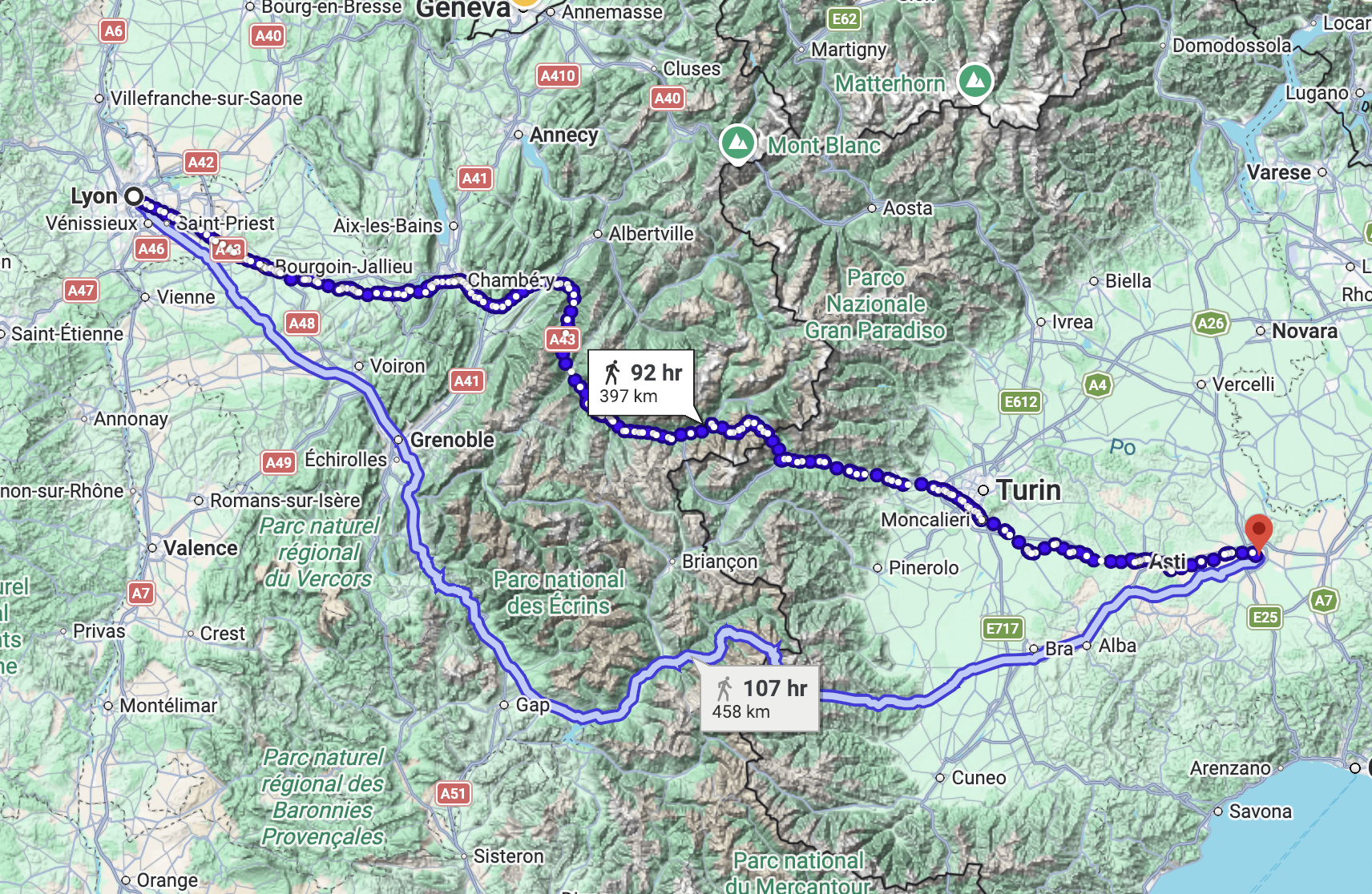
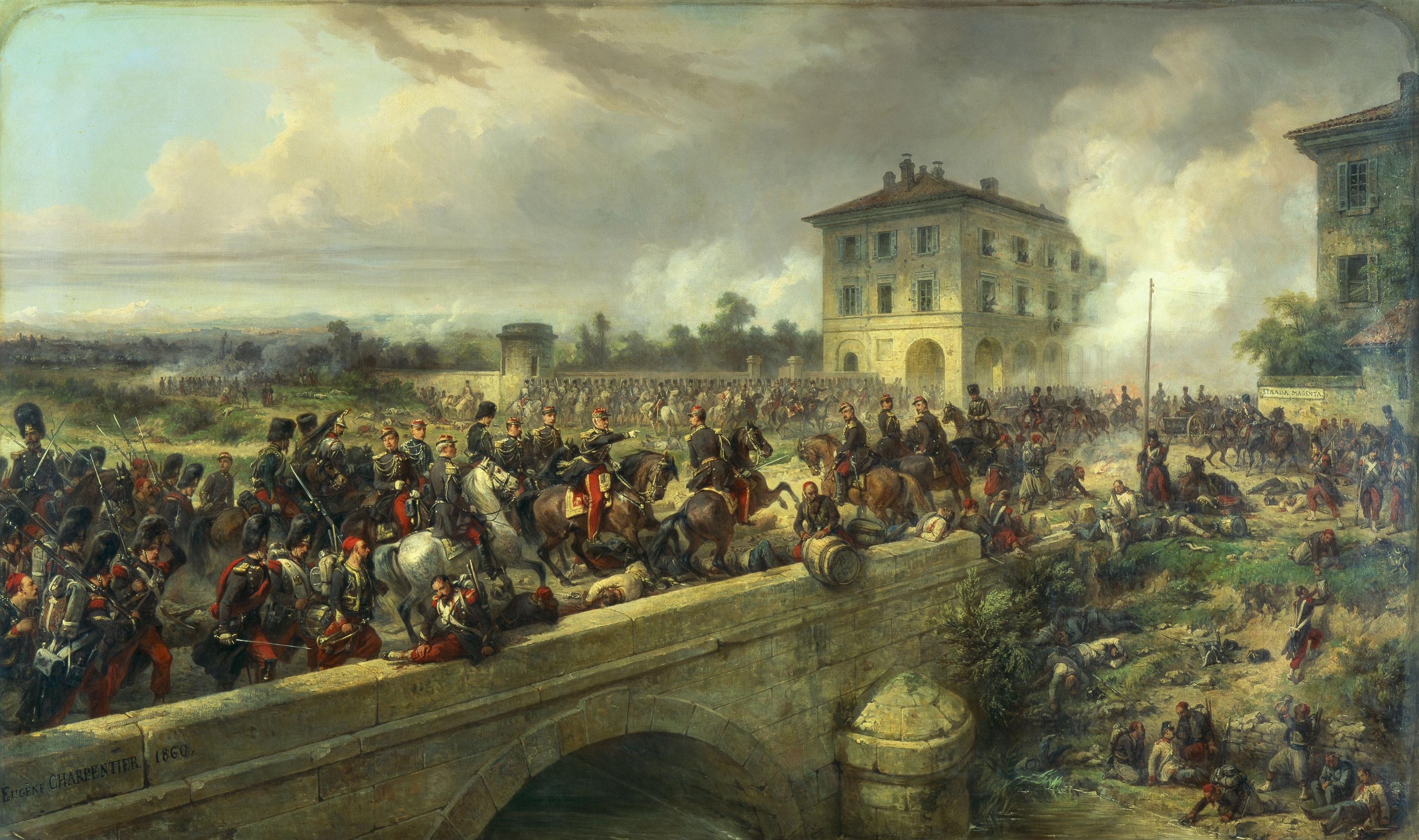
For reasons that are unclear, General Gyulai stopped the unopposed advance of the Austrian army behind the Ticino river and did not resume his advance till 20 May, more than three weeks after crossing the frontier … Ninety-year-old Field Marshal Radetzky was brought out of retirement, but he was too late to undo Gyulai’s blunder. The first major battle took place on 4 June at Magenta, 20 km west of Milan. Some 50,000 French soldiers faced an equal number of Austrians. It was Napoleon’s first experience of commanding an army in battle and for several hours, the outcome was in balance, until finally the French prevailed. About 7,000 Austrian and 4,000 French soldiers died at Magenta.* The twenty-nine-year-old Emperor Franz Joseph, even less experienced than Napoleon or Victor Emmanuel, now took over personal command of the Austrian armies. Victor Emmanuel placed Garibaldi in charge of the volunteer corps of untrained civilians, but without any specific orders, which Garibaldi would probably have ignored in any event. By 20 June, Garibaldi had reached Lake Garda, well behind the Austrian lines, further enhancing his reputation with his men and the Italian public.
Four days after the battle at Magenta, Napoleon and Victor Emmanuel made a triumphal entry into Milan. The Emperor and the King were cheered at the service of thanksgiving in the cathedral, at the gala performance in La Scala, and at a series of banquets. Napoleon assured everyone that he had no personal agenda and that his only motive for being there was to help his ‘brother’ Victor Emmanuel fulfil the legitimate aspirations of the Italian people and liberate Italy…
Napoleon III and Cavour got exactly what they wanted. At first.
Then events got out of their control, Italy became independent, Napoleon III was a prisoner, then died in exile in England. Cavour died of malaria while Prime Minster of Italy, an office that would eventually go to Mussolini. Even these guys who briefly seem as if they bend history end up toppled by unforeseen consequences.
Savoy, meanwhile, took off! It’s great for skiing in the winter and relaxing in the summer. It’s probably the richest it has ever been.
Previous coverage:
Savoy Special (and knowing and not knowing in the age of AI)
Everyday Life in the Holy Roman Empire
Swiss History series: Part One, Bernese Chronicles, William Tell etc., League of God’s House, Why Switzerland?, Calvin’s Geneva, Geneva Conventions

