What the guy at the nursery said to me when I bought a book about cactus identification:
Posted: June 23, 2014 Filed under: the California Condition 1 Comment
I knew someone would want to study the cacti.
Lone Pine
Posted: June 19, 2014 Filed under: the California Condition Leave a comment
Man, next time I’m up in Lone Pine, I’m gonna see if I can buy local writer Llewelyn Kent a cup of coffee.
From an interview with him in Eastern Sierra Review*:
ESR: You’ve been in various emergency-type situations–
L. Kent: Yah, you could call ’em that.
ESR: What’s one lesson these experiences have taught you.
L. Kent: To keep calm. Sounds easy, it isn’t. It’s hard and I can’t say I learned it perfectly. But I did learn, pretty quick: the worse things are, the calmer you ought to be. Just remembering that is useful.

* possible I am the only subscriber south of, say, Mojave. Although someone claimed they saw a copy at Skylight.
California
Posted: February 20, 2014 Filed under: the California Condition 1 Comment
Was reading about missions in California, came across this wonderful tidbit about the mission of San Antonio de Padua:
In popular culture
-
The 1965 horror film Incubus was partly filmed at the Mission. The writer and director, Leslie Stevens, concerned that the Mission authorities would not allow the film to be shot there because of the subject matter, concocted a cover story that the film was calledReligious Leaders of Old Monterey, and presented a script that was about monks and farmers. He was helped in this deception by the fact that the film was shot entirely in Esperanto.[12]
Dance of the Californians
Posted: February 6, 2014 Filed under: the California Condition Leave a comment
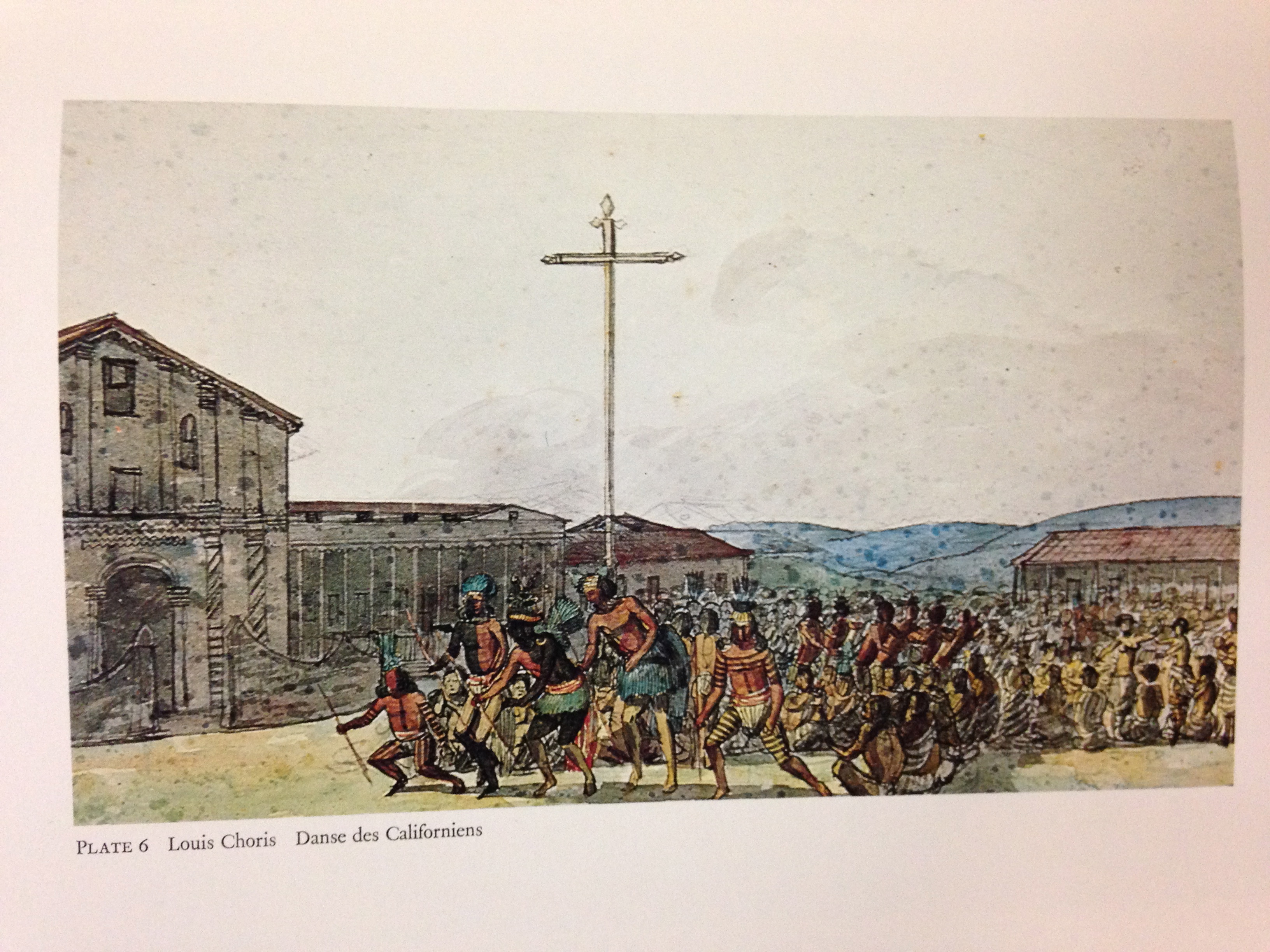
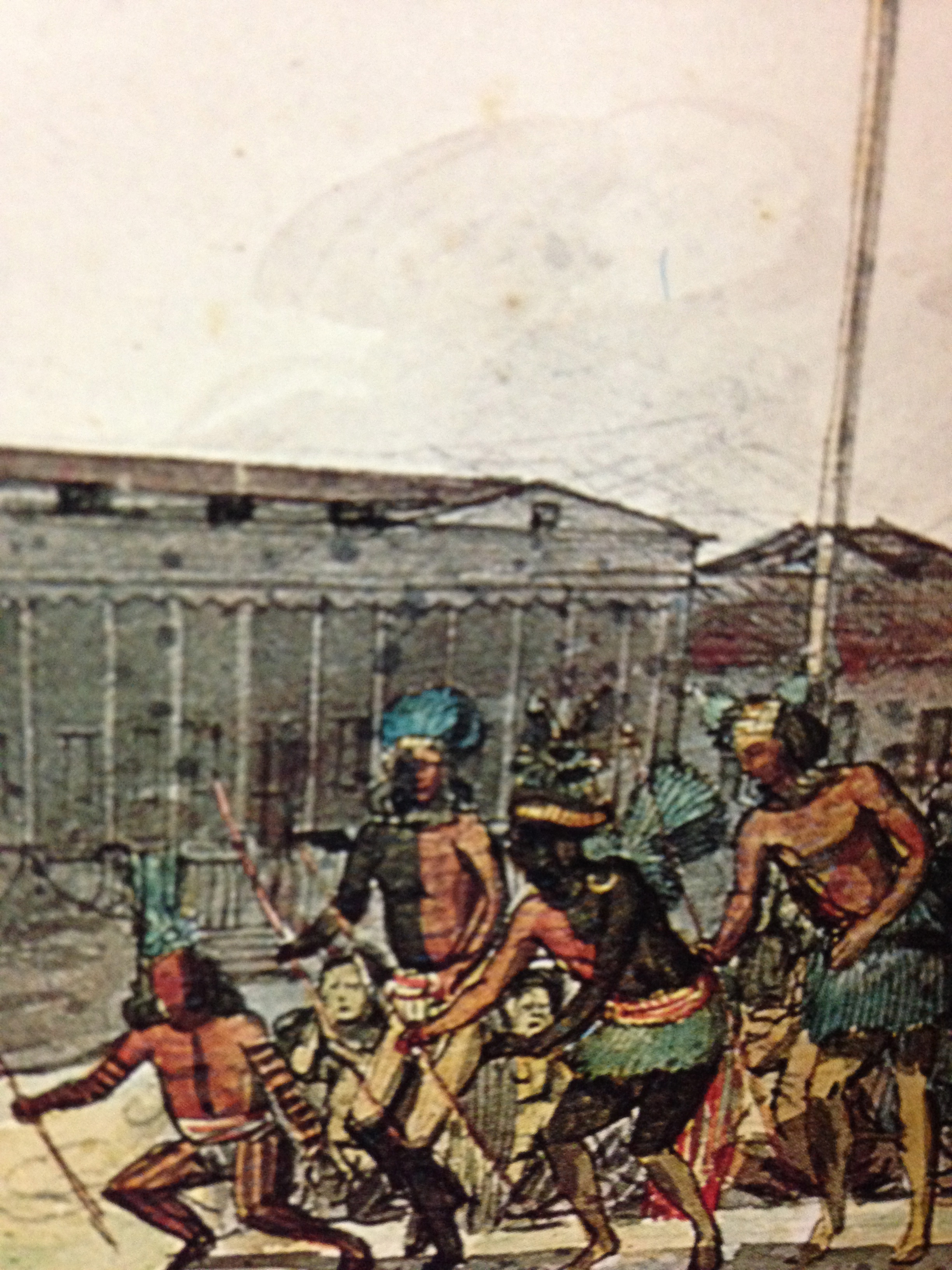
Seized by an irresistible craving for adventure, [Louis Choris] left France in 1827 for South America. He met his end when he was murdered by robbers on March 22, 1828, en route to Vera Cruz, Mexico
Dustin Van Wechel, “Headstrong”
Posted: January 23, 2014 Filed under: painting, the American West, the California Condition 1 Comment
Reader “Matt M.” in La Jolla writes:
Dear Helytimes,
I know you’ve been accused of being “Headstrong” so I thought you might enjoy DVW’s image of the same name, which I saw on the Autry Museum’s Pinterest page.
Love the site!
– Matt M.
Right you are, Matt. Thanks for reading. That painting is oil on linen. Van Wechel is truly one of our finest living buffalo painters.
You can write to HelyTimes Mailbag at helphely at gmail, subject line “Mailbag.”
I don’t think this is a good name.
Posted: January 15, 2014 Filed under: the California Condition Leave a comment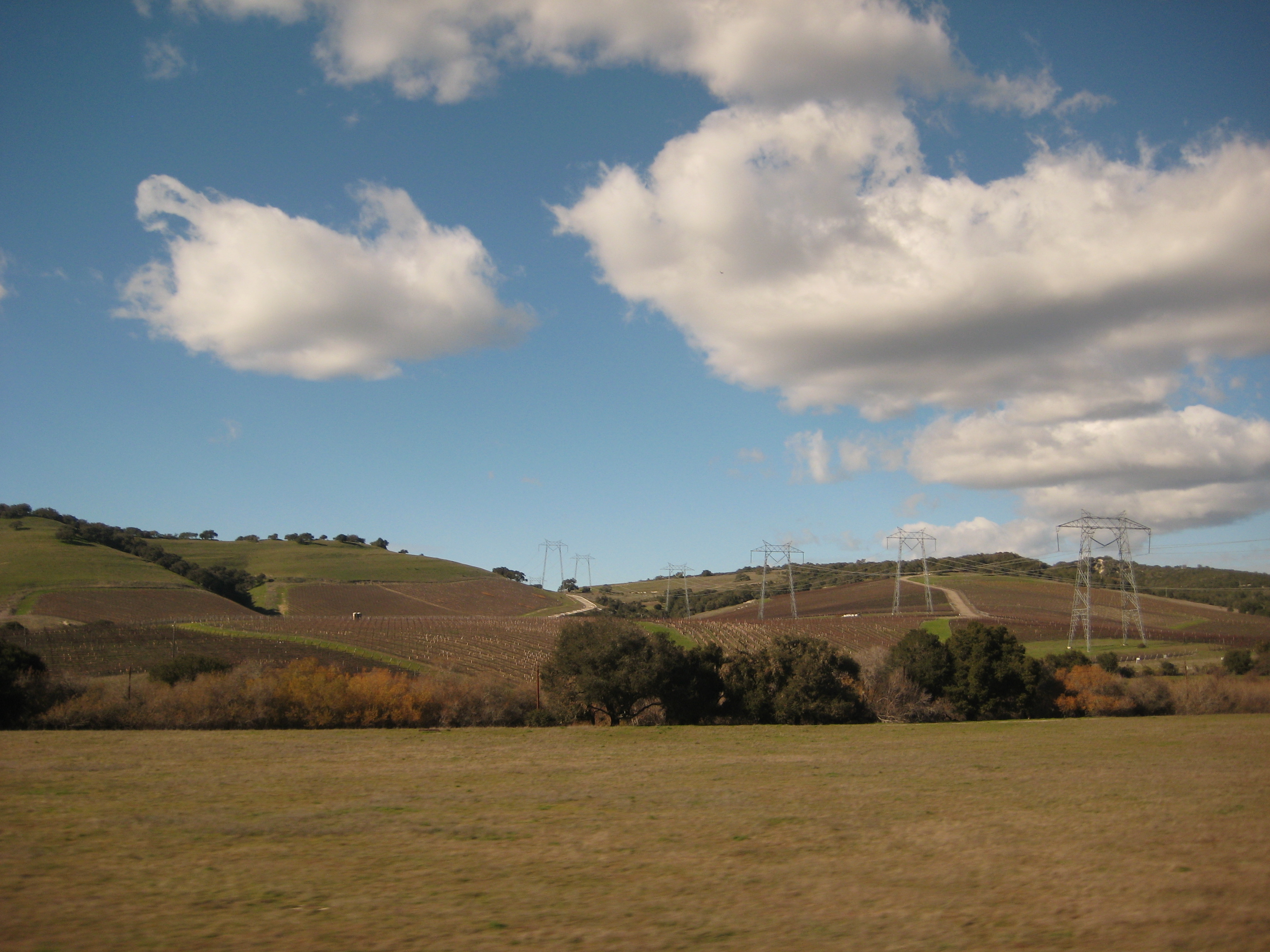
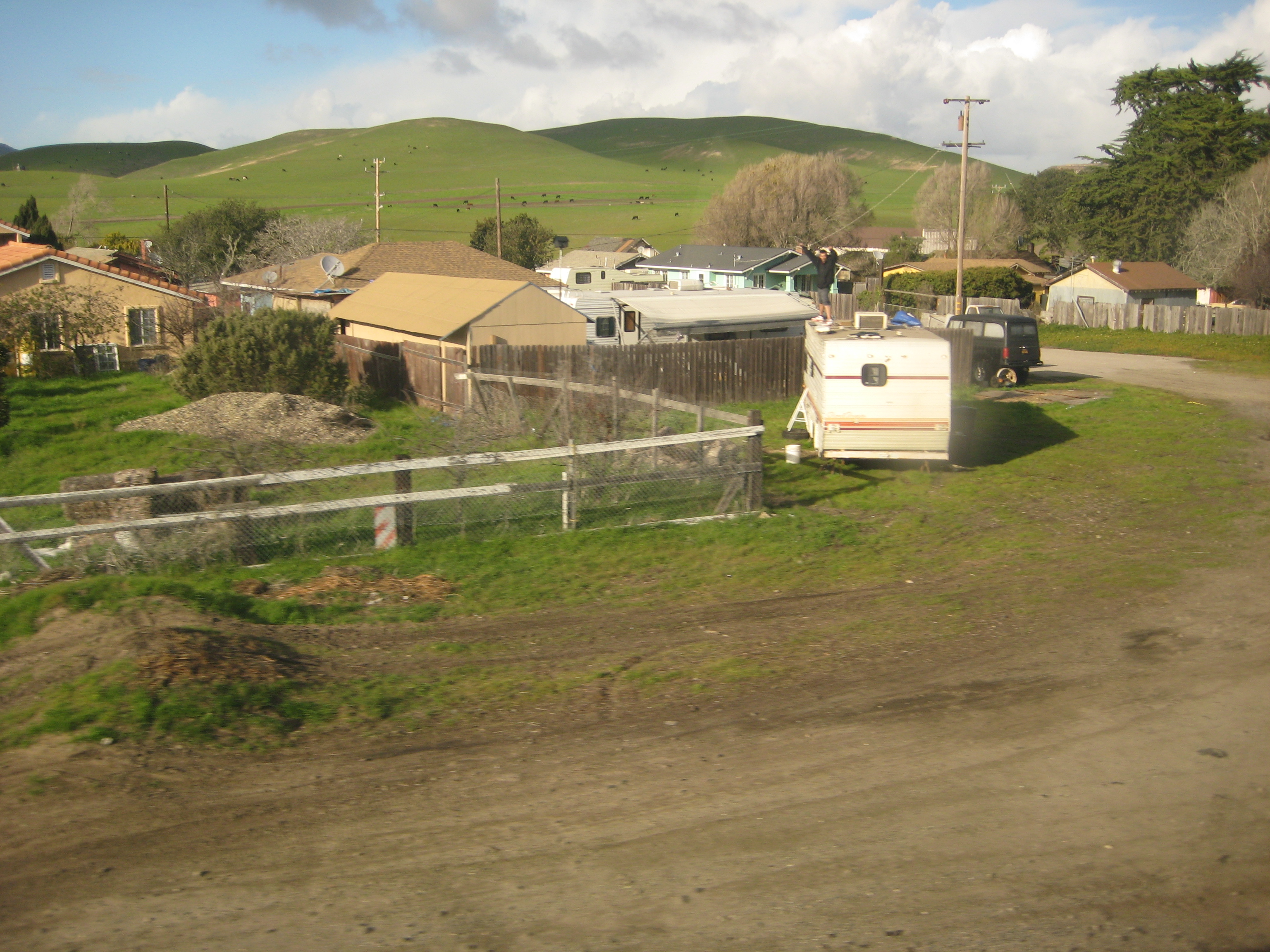
Reading this Dana Goodyear article about valley fever:
“The impact of valley fever on its endemic populations is equal to the impact of polio or chicken pox before the vaccines,” John Galgiani, an infectious-disease physician who directs the Valley Fever Center for Excellence, at the University of Arizona in Tucson, says. “But chicken pox and polio were worldwide.”
Saving Mr. Banks
Posted: December 19, 2013 Filed under: film, the California Condition 1 Comment
* Man, I thought this was a deeply, deeply interesting movie.
* Everybody in the movie does a great job. It is a well-made movie, the story’s really artfully told. I’s not like I remember Mary Poppins super well, but they lay that stuff in just right. I straight up enjoyed this movie.
* But: part of what I liked about it was the thrilling feeling that it was so unbelievably shameless. John Lee Hancock directed this movie, he directed The Blind Side, which was perfectly, amazingly shameless. Or was it not that shameless, is the world really like this and I’m just jaded/cynical and I need movies like this to bring me back to the fullness of humanity??
* What’s at the heart of this movie? What is this movie saying about cynicism, honesty, manipulation, entertainment? There’s Paul Giamatti talking about his handicapped daughter? Is this a play on being a shamelessly cornball movie? Does it matter? Isn’t the argument of this movie that putting something like that into your movie for the purpose of bending your emotions and giving you hope is ok? Is the moral that if you let down your cynicism for one second you’ll find yourself moved, and that feeling, that person, is your truer, better self? But how can the ends of that message come across if the means is truly shameless manipulation?
* How much is it on me, the audience, to agree to not be cynical, and how much is it on them, the storytellers, to not then manipulate me? What’s the deal we make when we suspend disbelief and what counts as a betrayal of that deal?
* At one point Walt Disney (Tom Hanks) looks at P. L. Travers (Emma Thompson) but it’s shot so he’s nearly looking to camera, to the audience. “Trust me,” he says. What are we to make of a movie made by Disney (the company) where the story of the movie is Disney (the man) making the case for manipulative entertainment to a reluctant audience? Where there’s a scene of a cold, repressed woman reduced to tears in a movie theater by the power of a movie?
* Saving Mr. Banks exists at some intersection where cynicism and idealism cross over each other again. If Disney makes a movie that runs right at some of the issues that make cynics so knee-jerk scornful of “Disney,” isn’t that kind of interesting and cool? Even if (of course) the ultimate product is in the end pretty pro-Disney? Or is it just nth level propaganda? Does it matter, if it’s fun and moving to watch?
* now look I’m not comparing anyone to Nazis or anything: but a thing that has stuck with me since I learned it is the idea that Goebbels was continually stunned and amazed at how much better and more effective the American “propaganda” movies that were coming out of a non-state directed Hollywood were than the products of Germany’s completely controlled machine, big example being Mrs. Miniver.

* I don’t want to deal with the idea of possible sexism in Saving Mr. Banks, but I mean the story of this movie is an uptight old woman is seduced by a powerful and calming man and when she finally submits herself to him after a lengthy courtship she experiences an extreme emotional release (right?)
* MORE!: the moviemakers monkeyed with the history at least a little bit, but how much? This article, “Saving Mr. Banks Is A Corporate, Borderline Sexist Spoonful of Lies” from LA Weekly (which I only learned about when the co-screenwriter got in a Twitter spat with the reviewer) would suggest quite a bit. This New Yorker article from 2005, though, suggests it’s hard to know, that maybe P. L. Travers played it a lot of different ways depending on who she was talking to. (that article, btw, written by Caitlin Flanagan, whose thoughts on nanny issues are always good to stir up the Internet).
How much does this matter? Isn’t part of the argument of this movie something about “the goal of entertaining and creating hope through entertainment can supersede other concerns,” or something? I dunno. Surely the people who made this movie looked into it more than your average reviewer and made their own set of ethical choices about how faithful they had to be to reality. If the manipulation of reality for narrative makes us queasy why and at what point does it make us queasy? How far are you allowed to go on these kinds of things?
I mean, a movie is a lie, that’s not really Walt Disney and it’s not really 1961. How much are you allowed to lie, though? I mean we all agree some accuracy is important, see Wikipedia:
To accurately convey Walt Disney’s Midwestern dialect, Tom Hanks listened to archival recordings of Disney in his car and practised the voice while reading newspapers.[37][38] Hanks also grew his own mustache for the role, which underwent heavy scrutiny—with the filmmakers going so far as to matching the same dimensions as Disney’s.[39][40]
Do we like hearing these things because it suggests the moviemakers are showing respect for the truth, and respect for us the audience by doing this work? Does it matter only when the real-life person is as famous/sacred at Walt Disney? Are critics like Amy Nicholson in LA Weekly mad the way we’re mad when we catch someone lying to us? Because it suggests the liar doesn’t respect us and thinks they can get away with it?

* An Australian person once claimed to me that it’s a well-known thing among Australians that Australians are known to get emotional when they come to Los Angeles. The person who claimed this to me said it was a combination of the flora, eucalypts and stuff, reminding them of home, plus Los Angeles is often the last stop on a long trip and they’re tired and on their way home. An odd claim maybe but then it was spontaneously confirmed to me by a whole other Australian. Saving Mr. Banks hints at this theme a little bit, I guess, but even that gets weirder when you learn the Australian scenes were shot in California.
* Real-life P. L. Travers is pretty interesting. Here’s some teasers from her Paris Review interview:
INTERVIEWER
Does Mary Poppins’s teaching—if one can call it that—resemble that of Christ in his parables?
TRAVERS
My Zen master, because I’ve studied Zen for a long time, told me that every one (and all the stories weren’t written then) of the Mary Poppins stories is in essence a Zen story. And someone else, who is a bit of a Don Juan, told me that every one of the stories is a moment of tremendous sexual passion, because it begins with such tension and then it is reconciled and resolved in a way that is gloriously sensual.
or here she is talking about her time with the Navajo:
I’d never been out West and I went to stay on the Navajo reservation at Administration House, which is at Window Rock beyond Gallup…
One day the head of Administration House asked me if I would give a talk to the Indians. And I said, “How could I talk to them, these ancient people? It is they who could tell me things.” He said, “Try.” So they came into what I suppose was a clubhouse, a big place with a stage, and I stood on the stage and the place was full of Indians. I told them about England, because she was at war then, and all that was happening. I said that for me England was the place “Where the Sun Rises” because, you see, England is east of where I was. I said, “Over large water.” And I told them about the children who were being evacuated from the cities and some of the experiences of the children. I put it as mythologically as I could, just very simple sayings.
At the end there was dead silence. I turned to the man who had introduced me and said, “I’m sorry. I failed, I haven’t got across.” And he said, “You wait. You don’t know them as well as I do.” And every Indian in that big hall came up and took me silently by the hand, one after another. That was their way of expressing feeling with me.
I never knew such depths of silence, internally and externally, as I experienced in the Navajo desert. One night I was taken at full moon away into the desert where they were having a meeting before they had their dancing. There were crowds of Indians there, about two thousand under the moon. And before the proceedings began there was no sound in the desert amongst those people except the occasional cry of a baby or the rattle of a horse’s harness or the crackling of fire under a pot—those natural sounds that really don’t take anything from the silence.
They waited it seemed to me hours before the first man got up to speak. Naturally, I didn’t understand what they were saying. But I listened to the speeches and I enjoyed the silences all night long. And when the night was far spent, they began to dance. Not in the usual dances of the corn dance; they had their ordinary clothes on and were dancing two-and-two, going around and around a fire, a man and a woman. And I was told that if you’re asked to dance by a man and you don’t want to dance, you give him a silver coin. So one Indian did come up, but I went with him. I couldn’t do the dance, even though it wasn’t a very intricate dance; it was more a little short step round and round, just these two people together. So we two strangers danced around the fire. It was very moving to me. And we came back to the House in the early morning.
* Oh! What about the part in the movie where P. L. Travers’ dad says of her poetry “it’s not exactly Yeats, is it?” Well real-life P.L. grew up to know Yeats. Is that anything? I dunno, probably not.
* What if this is a story about a pretty good con artist/manipulator (Travers) going up against the best who ever lived (Disney), and when she realizes how meagre her gifts are compared to his she becomes spiteful and petulant (Salieri-in-Amadeus style)?
* They mention in the movie that Robert Sherman got shot. Apparently he was in on the liberation of Dachau. A Jewish guy liberates a death camp and comes home and writes the cheeriest songs anyone’s ever heard? I mean, that’s a whole other interesting movie.
P. L. Travers as a young actress:

Vertigo Sucks
Posted: November 16, 2013 Filed under: film, the California Condition 14 Comments
1) I like many old movies.
Many of them* are “still” good, even though now-movies are faster louder and full of incredible innovations.
2) The cause of encouraging people to enjoy old movies is hurt when we pretend bad old movies are good.
If you’re on the fence about old movies, and you hear about one that’s supposedly good, and then you watch it and it’s boring nonsense, you might conclude “old movies are boring and shitty.”
3) Vertigo sucks.
It is boring to watch. The plot is ridiculous and implausible, multiple times over. This plot is explained in tedious, boring ways.
I absolutely concede that Vertigo might have been AMAZING when it came out in 1958, full of crazy innovations and sexiness. This shot, say – still very cool:
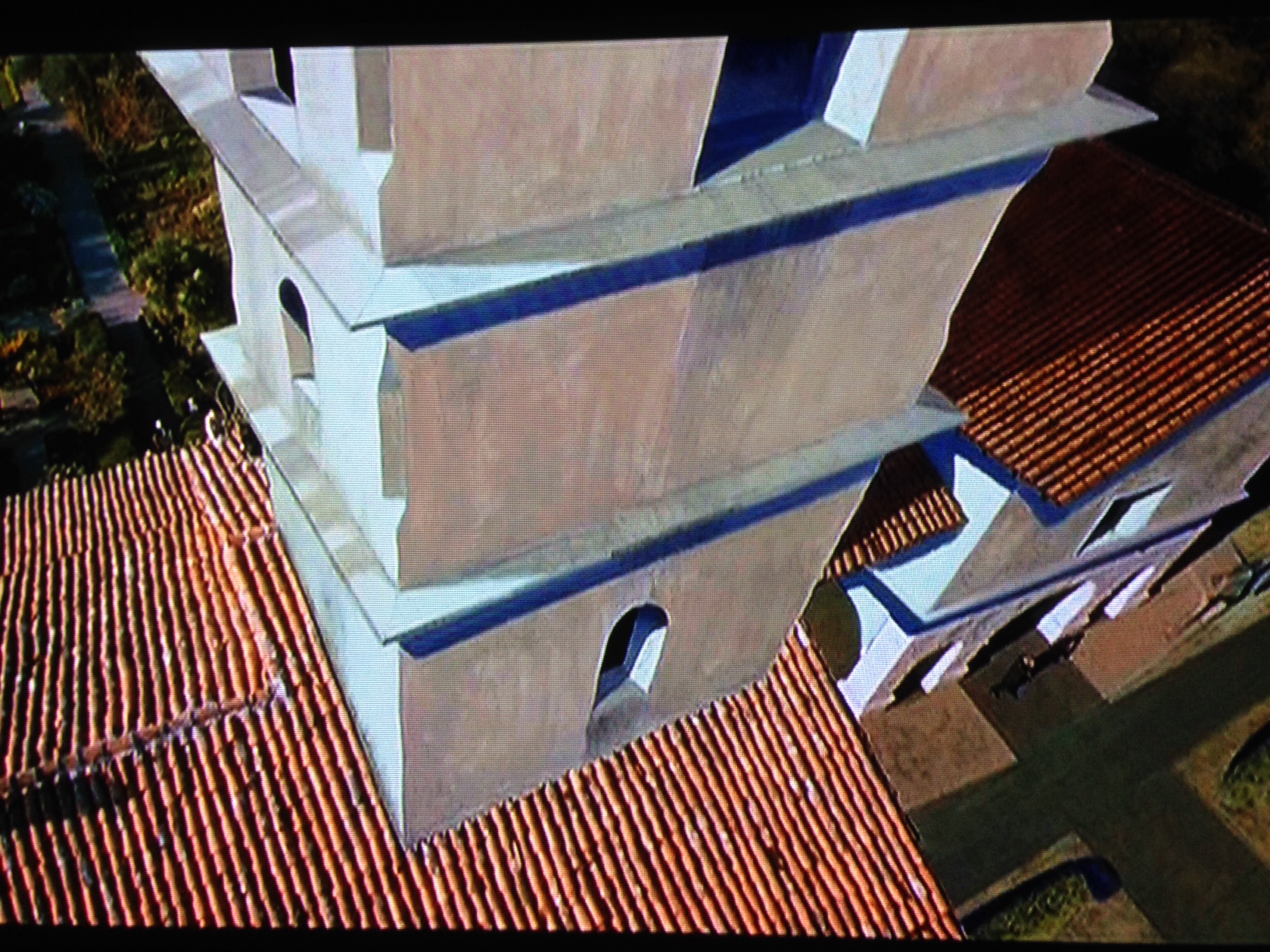
As cool as the paintings on old rides at Disneyland.
4) People pretend Vertigo is good for some reason. This is destructive.
It’s possible that these people just have different taste than me.
But I don’t think so. That’s how much I hated Vertigo. I believe it is either 1) old people who remember seeing Vertigo in 1958, and having their minds blown, which, fine I totally concede or 2) people who for some micro-cultural reason have bought into liking Vertigo as some kind of status indicator or something. Possibly uncharitable, I know, but understand: I hated Vertigo.
I don’t even not like Hitchcock. I would say Rope is 2x better than Vertigo. Psycho is better than Vertigo. So is North by Northwest which also doesn’t make a ton of sense. Rear Window is way better than Vertigo.
Disclaimers:
1) I only just saw Vertigo a couple days ago, maybe I would’ve liked it more if I saw before I’d seen, say 12 Years A Slave, Gravity, and The Counselor.
3) I’m wrong all the time
But I think this is an important cause.
Vertigo was voted in first place in Sight & Sound‘s 2012 poll of the greatest films of all time, both in the crime genre and in general, displacing Orson Welles’ Citizen Kane from the position it had occupied since 1962.
Ok: lists are stupid, deliberately provocative, Sight & Sound is a British magazine so maybe they are biased, and also who cares, and maybe, as Sight & Sound editor Nick James says, it might just be that critics love j. o.’ing to the idea of disguised/impersonated movie stars (paraphrasing).
The problem is that Citizen Kane is good. I think if you’d never seen Citizen Kane tomorrow and you watched it it would still be interesting.
By hyping Vertigo to youths, we encourage them to watch a boring piece of shit, and their conclusion will be “don’t trust the fuckers who say old movies are good.”
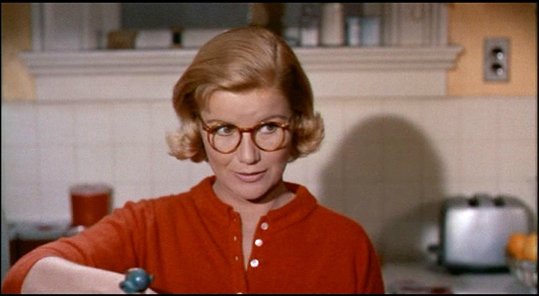
5) Don’t believe anyone who tells you Kim Novak is “sexy” in Vertigo.
The sexy one is tragic, confused Midge.
“Four Centuries Of Pueblo Pottery”
Posted: October 19, 2013 Filed under: America, the California Condition Leave a commentMan, if you go see an exhibit called “Four Centuries of Pueblo Pottery” at the Southwest Museum legally all your property is forfeit to KCRW but I do like this picture.
Like most things involving the site, the show is fraught with uncertainty and controversy, none of it having to do with the artistry and cultural history on display.
The Golden Gate Bridge Under Construction
Posted: July 8, 2013 Filed under: the American West, the California Condition Leave a comment
The very first shot of The Lone Ranger is set in San Francisco in 1933. There’s a wide shot of the Golden Gate Bridge under construction.
I can’t remember ever seeing that before. I went looking for photos of it and found some good ones here, at the UC system’s Calisphere.

and

Tule Fog
Posted: February 27, 2013 Filed under: the California Condition 24 Comments
Tule fog is a thick ground fog that settles in the San Joaquin Valley and Sacramento Valley areas of California’s Great Central Valley. Tule fog forms during the winter and early spring (California’s rainy season) after the first significant rainfall. The official time frame for tule fog to form is from November 1 to March 31. This phenomenon is named after the tule grass wetlands (tulares) of the Central Valley.
Tule fog near Bakersfield, from wiki, which reports:
Motor vehicle accidents caused by the tule fog are the leading cause of weather-related casualties in California.
The word, by the way, is pronounced “tooly,” not “tool” as I long believed.
First observed by this author while he searched for the site of the Mussel Slough gunfight.
photo source: Wikipedia? Gone now.
Obama
Posted: February 18, 2013 Filed under: America, Boston, Chicago, heroes, New England, politics, the California Condition, writing Leave a comment
James Fallows calls my attention to this article, from Chicago Magazine in 2007, about then-Senatorial candidate Obama’s Democratic convention speech.
The best bits, for the busy executive:
Obama composed the first draft in longhand on a yellow legal pad, mostly in Springfield, where the state senate was in overtime over a budget impasse. Wary of missing important votes, Obama stayed close to the Capitol, which wasn’t exactly conducive to writing. “There were times that he would go into the men’s room at the Capitol because he wanted some quiet,” says Axelrod. Once, state senator Jeff Schoenberg walked into the men’s lounge and found Obama sitting on a stool along the marble countertop near the sinks, reworking the speech. “It was a classic Lifemagazine moment,” says Schoenberg, who snapped a picture of Obama with his cell-phone camera.
(Photo not included, regrettably.) Kerry’s folks made Obama take out a line:
After the rehearsal ended, Obama was furious. “That fucker is trying to steal a line from my speech,” he griped to Axelrod in the car on the way back to their hotel, according to another campaign aide who was there but asked to remain anonymous. Axelrod says he does not recollect exactly what Obama said to him. “He was unhappy about it, yeah,” he says, but adds that Obama soon cooled down. “Ultimately, his feeling was: They had given him this great opportunity; who was he to quibble over one line?”
And:
On Tuesday, the day of his speech, Obama was up before 6 a.m. He gobbled down a vegetable omelet en route to the FleetCenter for back-to-back-to-back live interviews with the network morning shows. Next, he rushed off to speak at the Illinois delegation breakfast and then to a rally sponsored by the League of Conservation Voters. Afterwards, he returned to the arena for another hour of TV interviews. There was barely time for lunch, a turkey sandwich that he ate in the SUV while being interviewed by a group of reporters.
Always, always tell me what everyone ate.

(both photos from Chicago Magazine, uncredited. Michelle’s skeptical face in that first photo!)
Farming
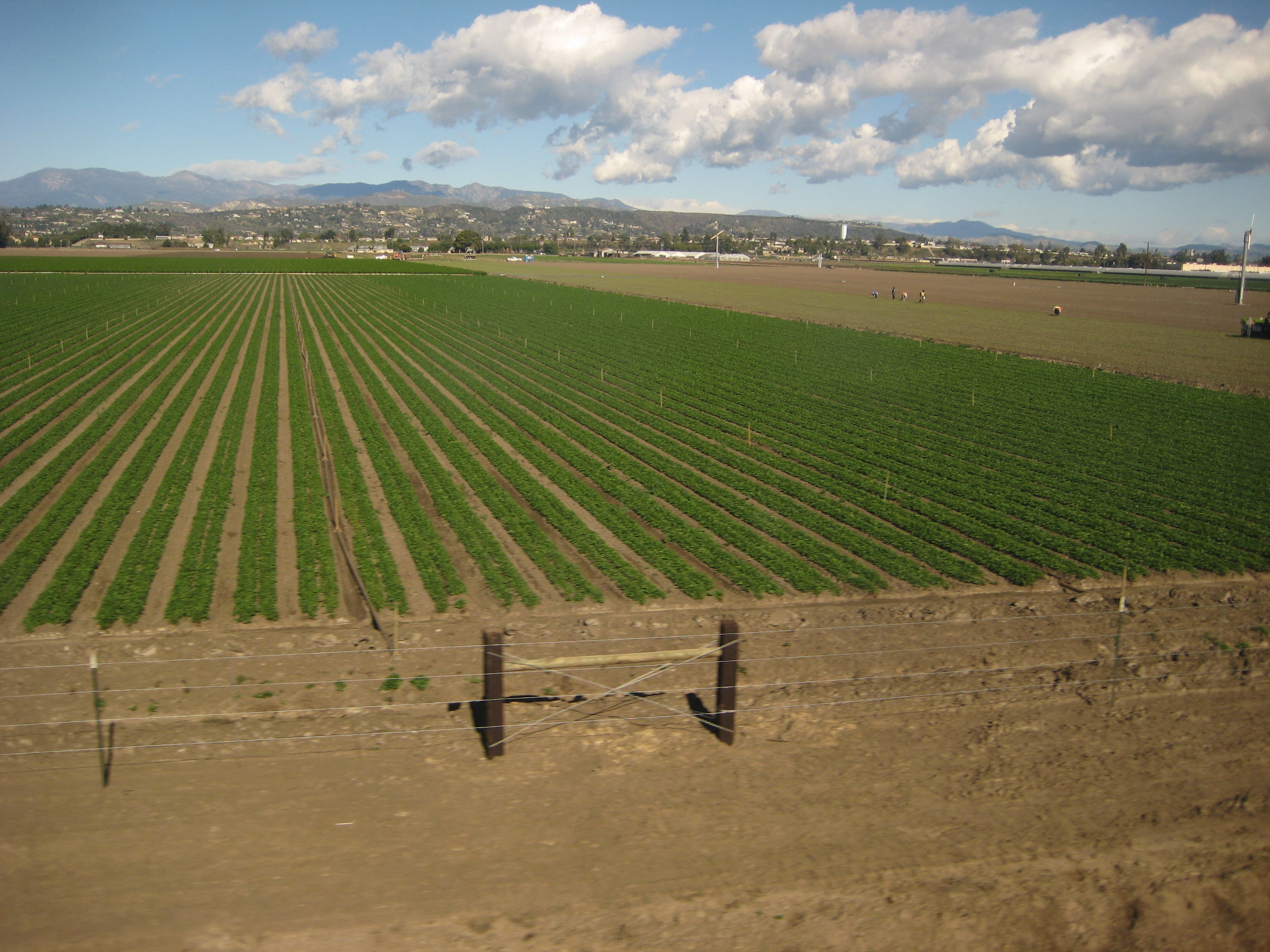
Posted: January 25, 2013 Filed under: the California Condition Leave a commentSometimes I romanticize farming in my mind. Important to remember what a farm is really like.
 (SCH)
(SCH)
Theory
Posted: January 18, 2013 Filed under: photography, the California Condition Leave a comment
If you take a picture of anything in California, then put it in black & white, you can pass it off as being by Ansel Adams.
Surf Beach, California
Posted: January 15, 2013 Filed under: adventures, the California Condition Leave a comment
When I took this picture I was listening to Dave Brubeck’s version of “The Trolley Song.”
Django
Posted: January 5, 2013 Filed under: film, heroes, the California Condition Leave a commentThere’s been much talk about the exchange at 13:56 in this video. But for me the compelling part is at 12:05-13:03. What coolness.

De Longpre Avenue, Los Angeles, CA
Posted: December 13, 2012 Filed under: the California Condition Leave a comment
The artist Paul de Longpre settled in Hollywood in 1889. On arriving in Hollywood, he had traded three flower paintings for three acres of land near what is now the corner of Hollywood Boulevard and Cahuenga.
– so says Carey McWilliams in Southern California: An Island on the Land

