You just can’t beat the Natural History Museum
Posted: July 21, 2014 Filed under: museum Leave a comment


A funny book
Posted: July 18, 2014 Filed under: books Leave a comment
I recommend this book. Elif decides to get a Ph.D in Russian literature — this is her memoir of what happened next.
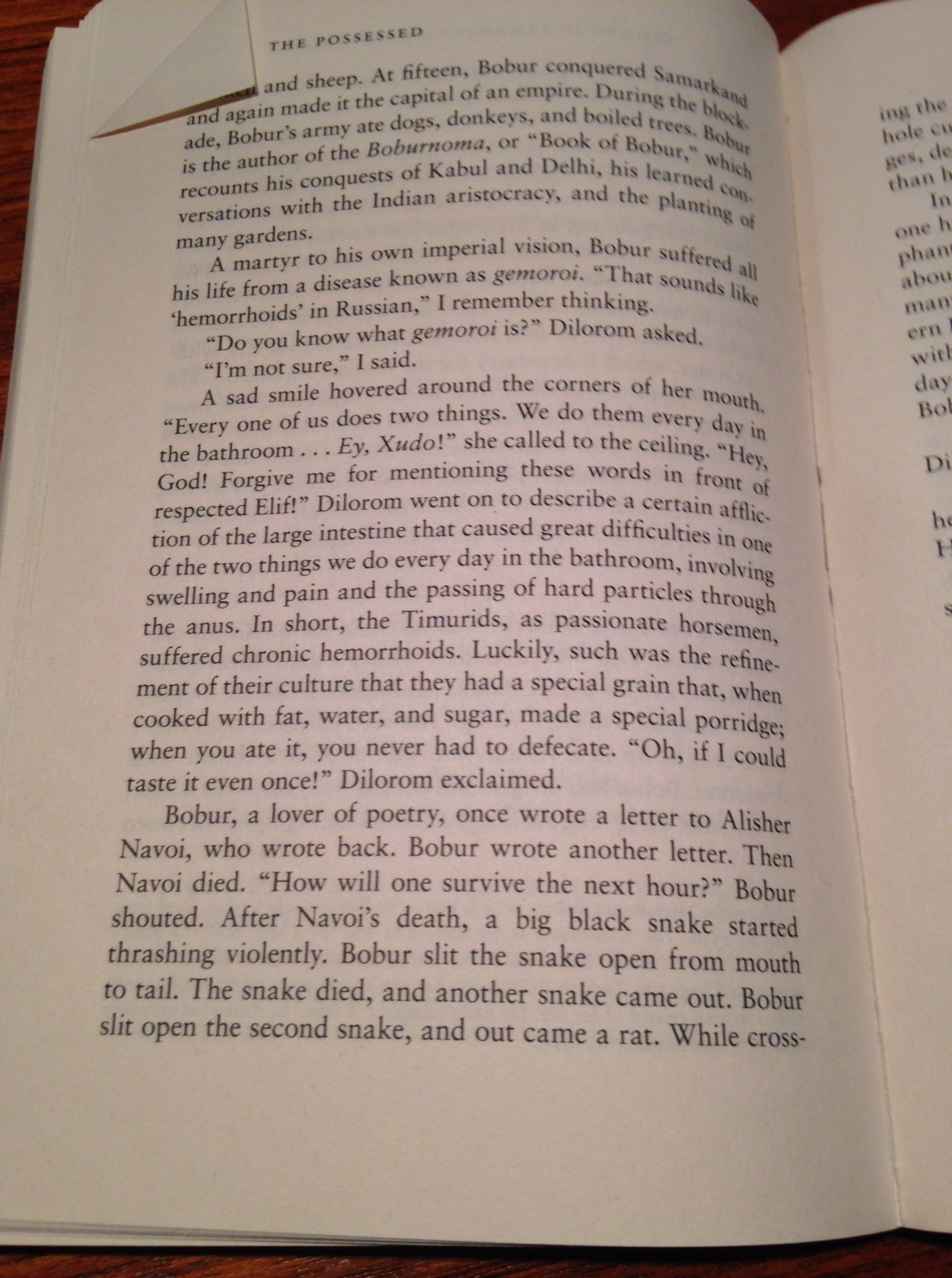

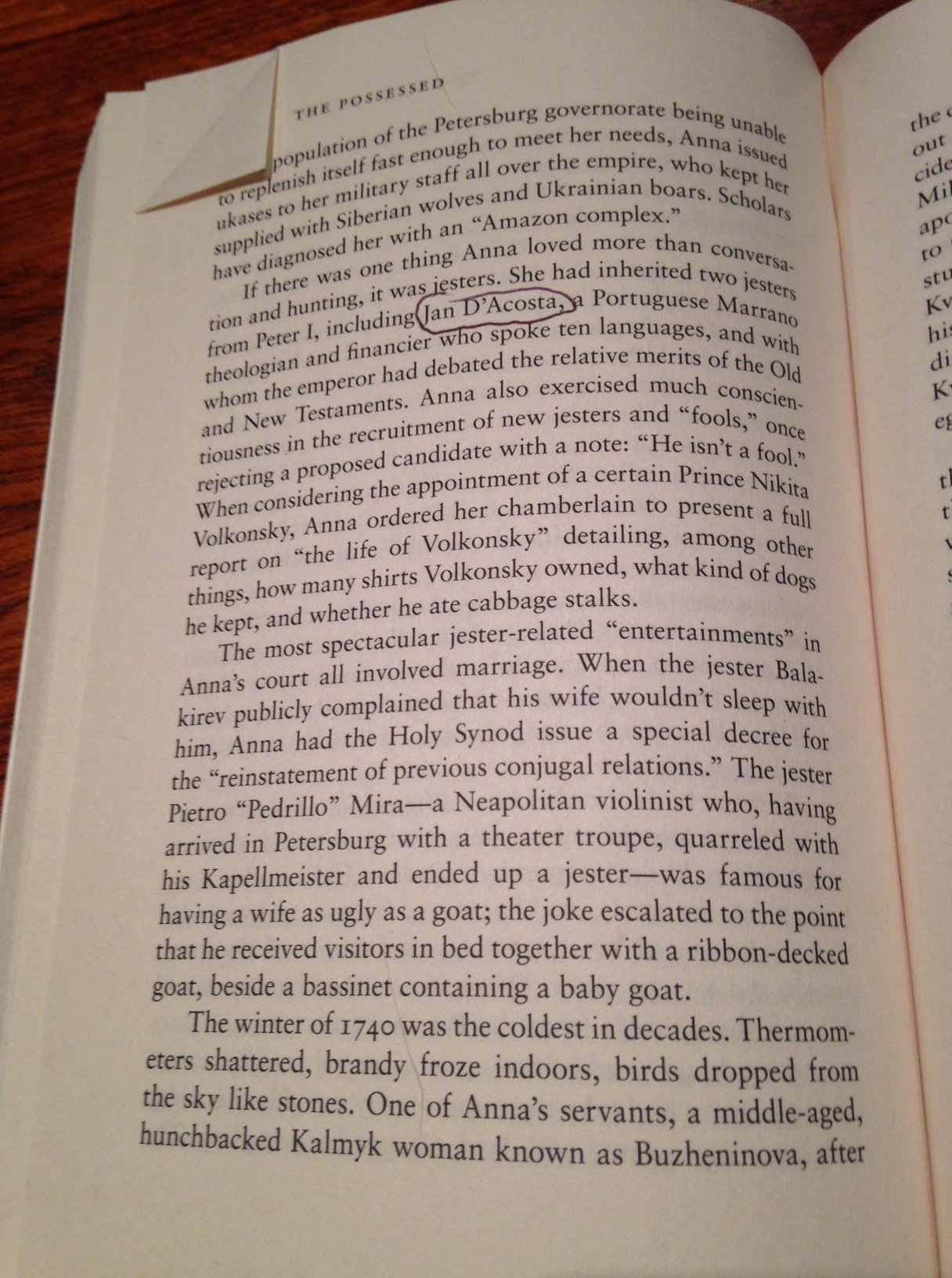
(full disclosure: after I read the book I became pals with the author; she introduced me to many of Istanbul’s best cats:)

Astronaut Scott Carpenter
Posted: July 17, 2014 Filed under: heroes Leave a comment
“The Loner Who Found Himself New Hero For Orbit”

Who drew that X on his head?
 From his Guardian obituary:
He described the combination of weightlessness and the view of “Mother Earth” as an “addictive combination of the senses.
“Conquering of fear is one of life’s greatest pleasures and it can be done a lot of different places,” Carpenter said.
Rupert Murdoch
Posted: July 16, 2014 Filed under: Australia Leave a comment
Murdoch is, in person, charming. Everyone agrees. You get a glimpse of this in the account of working for him written by Philip Townsend, who was his butler in London during the 1980s. (Townsend had a dog who died, and whom he kept in Murdoch’s freezer.) When Murdoch made the switch to living more healthily – influenced by the fact that his father died at 67 – he did so by announcing to his butler: ‘Phil, I’m into yin and yang and all that shit.’
here, from an amazing profile by the great John Lanchester, England’s Michael Lewis.
Been meaning to write for awhile now (will get to) Rupert Murdoch’s parents. Before you talk shit about Rupert Murdoch, Rupert as Mr. Burns, consider that in his head he probably remembers himself as the scared child of two of the toughest, most badass Australians who ever lived.
Rupert’s dad — like, his actual father* — was one of the most powerful forces influencing the 1919 Versailles Conference. Like: his dad was in on the end of World War I.
Every Helytimes reader should devour this book by the great Margaret MacMillan:

If you want to understand Iraq, say, or Palestine? Start here. Learn about how Ho Chi Minh desperately sought a meeting with Woodrow Wilson about the French Indochina/Vietnam situation (no luck).
(I read this book. Still don’t know anything.)
(disclosure: I am a subcontractor/essentially employee of Rupert Murdoch)
* In 1927 he [Keith Murdoch] saw a photograph of an attractive 18-year-old débutante, Elisabeth Joy Greene, in Table Talk magazine, and arranged for a friend to introduce him. [Keith Murdoch was, at that time, 42. Elisabeth is Rupert’s mom. She died two years ago in 2012.]
75 million people
Posted: July 15, 2014 Filed under: advice Leave a comment
That’s how many people speak Telugu, a language I hadn’t heard of until yesterday when correspondent J-Mac sent us this gem from his vast readings, with the following commentary:
Presented without commentary.
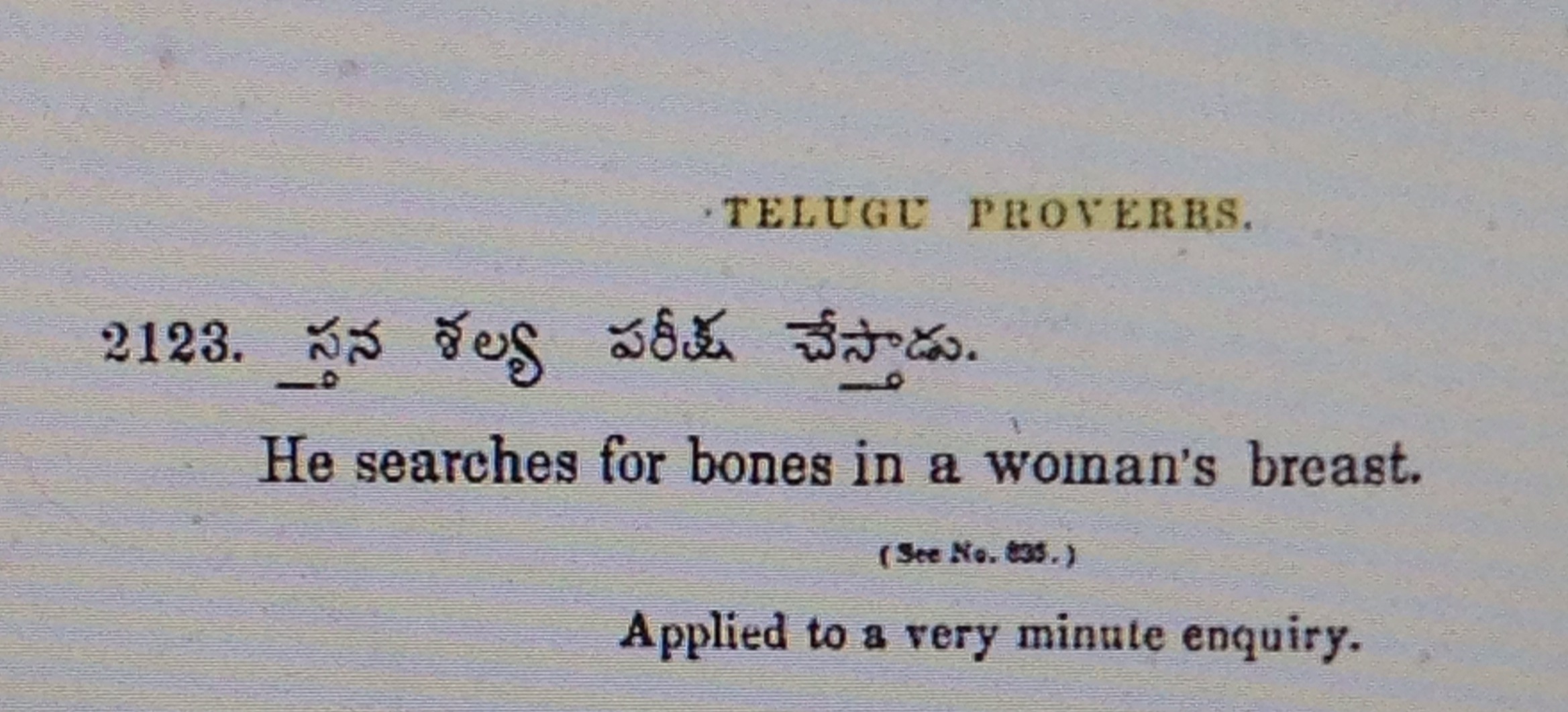 Thanks J-Mac! Among the speakers of Telugu, Wikipedia tells me, are the Sri Lankan Gypsy people:
They make their living by fortune telling, snake charming and using monkeys and dogs in performances.

India: interesting.

Now here is a lady.
Posted: July 14, 2014 Filed under: America Since 1945, music Leave a comment
Kate McGarrigle.
Her ex-father-in-law was Loudon Wainwright, Jr.:
Wainwright joined the staff of Life magazine and worked in a variety of positions over the years, including covering the Mercury astronauts. He and John Glenn listened to the inauguration speech of John F. Kennedy while riding in Glenn’s car in 1961.
John and Mrs. Glenn:

(from Lily Koppel’s extremely rad blog for her book for her (presumably) rad book The Astronaut Wives Club:

Buying that immediately. Check out the postcard she has up there now.
Loudon’s son and Kate’s ex of course is Loudon III:
The old Australian Crawl.
Happy Bastille Day!

In his later years [Jean-Pierre] Houël published two illustrated treatises on elephants. Drawings of other animals suggest he was preparing to publish further zoological works; however, his death at the age of seventy-eight cut short his plans.
Cezanne
Posted: July 11, 2014 Filed under: art history Leave a comment
Anybody who wants to tell me what Cezanne was up to has my attention. Fire away, Morgan Mies:
This holistic approach to art, where individual objects point beyond themselves, was not invented by Cézanne. Holism is an idea as old as the Pre-Socratic philosopher Parmenides in the Western tradition. And it was an idea buzzing around the French Mind quite actively in the middle and late 19th century. For example, Victor Hugo’s Les Misérables was published in 1862. In an abandoned preface to the book, Hugo had written:
This book has been composed from the inside out. The idea engenders the characters, the characters produce the drama, and this is, in effect, the law of art. … Destiny and in particular life, time and in particular this century, man and in particular the people, God and in particular the world, this is what I have tried to include in this book; it is a sort of essay on the infinite.
(No big deal, just an essay on the infinite.)
We can look at Cézanne’s still lifes in roughly the same way: “Fruits and in particular the apple, kitchens and in particular this kitchen, rooms and in particular this room, God and in particular the world, this is what I have tried to include in this painting; it is a sort of painting of the infinite.” Hugo created his essay on the infinite with words that build into stories. Cézanne was trying to do the same thing with paint that builds into visual scenes. By messing with perspective and tonal values, Cézanne created the feeling in his paintings that all the individual objects in the scene are connected and interpenetrated.
Here’s a beef: why does it take five clicks to find out who “the hanged man” is in The House Of The Hanged Man at Auvers?

Thanks to this person who seems to have looked into it:
Well, turns out I was wrong. Supposedly, the house had been owned by a Breton man named Penn’Du, which sounds like the French word for hanged man – ‘Pendu’. Hmmmmm.
Cezanne also did a print in 1873 (same year) entitled “Guillaumin with the Hanged Man”. In this image he actually has a little man hanging in the corner. I read that the tiny hanging man was the sign of an inn called ‘Le Pendu’. Well there sure are a lot of coincidences here!
Guillaumin au pendu

Oysters Grilled And Raw
Posted: July 10, 2014 Filed under: food 1 Comment
Saw Anthony Bourdain enjoying some grilled oysters in Baja California on “No Reservations,” so I fired some up for Fourth of July.
How To Grill Oysters:
Get the grill really flaming hot (I used mesquite charcoal and mesquite chips)
Put the oysters down, shell on.
(don’t be confused by that top image: the oysters should be in the shell, and the shell should be closed. If the shell’s open, chuck ’em)
In 3-4 minutes they’ll pop open.
Take ’em off (with a glove or towel because they’re hot!).
Pop ’em open with a flathead screwdriver.
For sauce, I used this recipe from Food52 (ht Wrenshall).
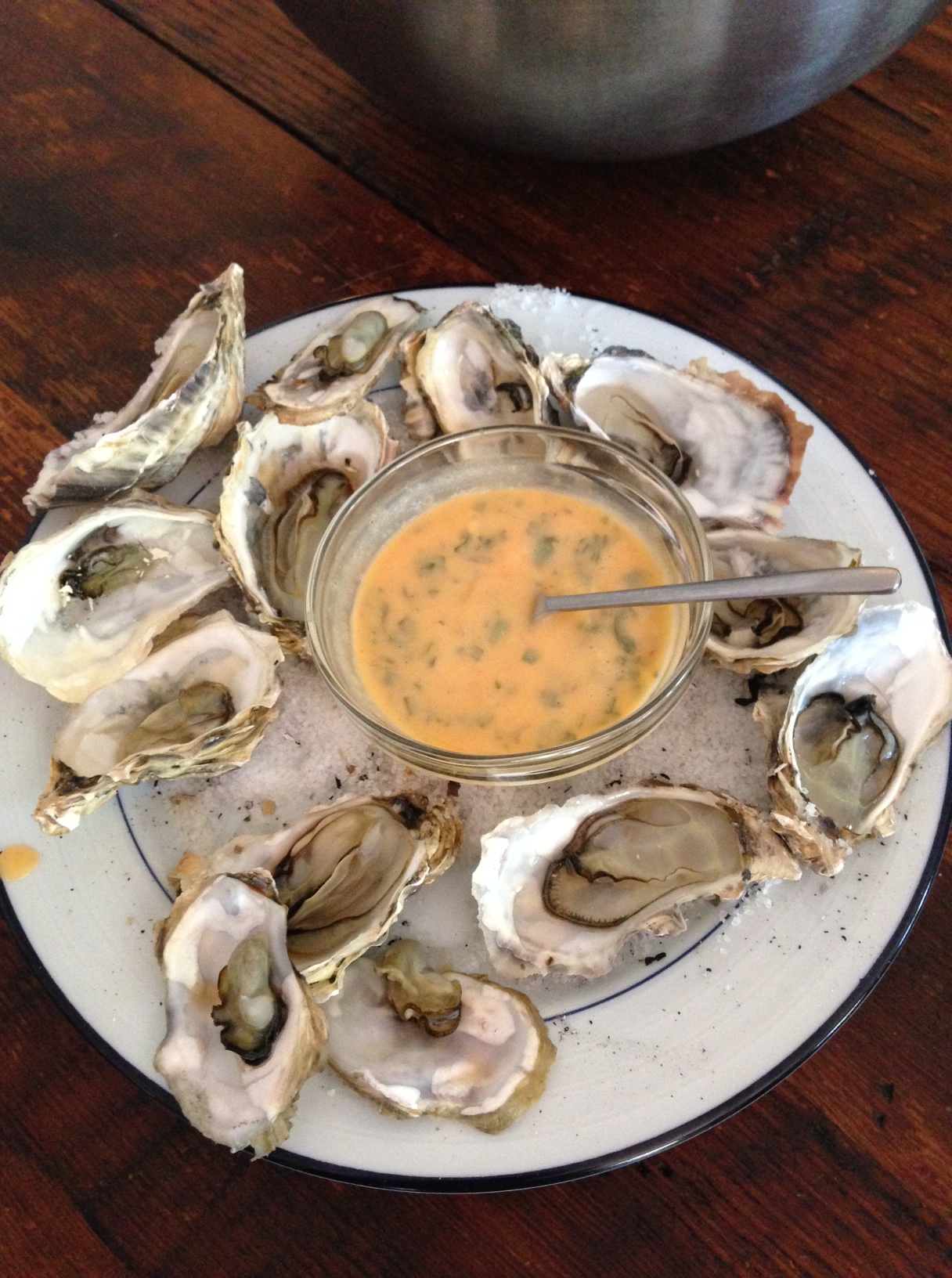
Let’s learn more about oysters.
The type I grilled were Pacific oysters. Maybe the most widely grown bivalve in the world.
Crassostrea gigas was named by a Swedish naturalist, Carl Peter Thunberg in 1795. It originated from Japan, where it has been cultured for hundreds of years. It is now the most widely farmed and commercially important oyster in the world, as it is very easy to grow, environmentally tolerant and is easily spread from one area to another. The most significant introductions were to the Pacific Coast of the United States in the 1920s and to France in 1966. In most places, the Pacific oyster was introduced to replace the native oyster stocks which were seriously dwindling due to overfishing or disease. In addition, this species was introduced to create an industry that was previously not available at all in that area. As well as intentional introductions, the Pacific oyster has spread through accidental introductions either through larvae in ballast water or on the hulls of ships. In some places in the world, though, it is considered by some to be an invasive species, where it is outcompeting native species, such as the Olympia oyster in Puget Sound, Washington, the rock oyster, Saccostrea commercialis in the North Island of New Zealand and the blue mussel, Mytilus edulis, in the Wadden Sea.
Specifically we had Pacific Gold and Carlsbad. Carlsbad are farmed in Carlsbad, CA:
Here’s Thomas Grimm, co-founder of Golden Shore, which owns Carlsbad Aquafarm:

What’s the history of oysters in California? Well everyone knows Jack London was an oyster pirate.

But beyond that? My research ends with the mysterious Mose Wicks.
I wanted to learn more about different types of oysters, with maps. I found this great guide on WaitersToday.com.
Since the mid-1800’s most oysters have been cultured or farmed.Clad in rubber boods and rain gear,oyster growers spend hours on blustery beaches nursing their crop.
Along with current efforts to globalize oyster stocks,the growers we use have helped to foster the interest in boutique oysters – gourmet strains,with names reflecting their bays of origin.
In the old days it was simply “Hood Canal Oysters”.Now we’ll have Hamma,Sunset Beach,Pleasent Cove,Annas Bay,Little Creek,and Dabob Bay just to name a few.All of which are Hood Canal.
Many of these oysters come from small scale farms,which like regional vineyards have proliferated in the past 20 years.
 What a helpful site! I look forward to reading more on WaitersToday.
(If you go down to Australia though? to eat the oysters there? you enter a whole new world.
Someday.)
Readers seriously interested in oysters will enjoy Mark Kurlansky’s great book on the subject.

Kurlansky tells us:
Diarist Samuel Pepys often mentioned eating, giving, or receiving oysters for breakfasts, lunches, and inners – in all he mentions oysters fifty times in his diaries. Dr. Johnson fed oysters to his cat, Hodge, buying them personally because he feared that if he sent servants, they would end up resenting the cat.
And:
William K. Brooks, the nineteenth century Maryland pioneer in the study of oysters, said, “A fresh oyster on the half-shell is no more dead than an ox that has been hamstrung.” If the oyster is opened carefully, the diner is eating an animal with a working brain, a stomach, intestines, liver, and a still-beating heart. As for the “liquor,” that watery essence of oyster flavor that all good food writers caution to save, it is mostly oyster blood.
In 1932, at a convention of the Oyster Growers Association in Atlantic City, Dr. Vera Koehring of the U.S. Bureau of Fisheries said that it was cruel and inhuman to crack open an oyster’s shell and pry the animal loose. Dr. Koehring proposed, “The oysters, before being shelled, should be given an anesthetic.”
And:
The New York of the second half of the nineteenth century was a city overtaken by oystermania. It was usual for a family to have two oyster dinners a week, one of which would be on Sunday. It was one of the few moments in culinary history when a single food, served in more or less the same preparations, was commonplace for all socioeconomic levels. It was the food of Delmonico’s and the food of the dangerous slum. The oyster remained inexpensive. Shucked oysters were sold by street vendors for twenty-five cents a quart. The poor person might eat raw oysters from a street stand or have a stew at the market – it was cheap enough – or a wealthy man might get the same raw oysters to start his meal or the same stew for a fish course at the most expensive restaurants. At Delmonico’s, a serving of six or eight oysters, depending on the size, cost twenty-five cents.
This is also just a great book about New York. Maybe the best pop history of Dutch New York after Shorto:

Here’s a good NYTimes article from 2006 about oyster varieties. First two paragraphs:
A FOOTLOOSE young American named Jon Rowley sat in a down-at-the-heels room in Paris one day in the mid-1960’s, reading “A Moveable Feast,” Ernest Hemingway’s posthumously published memoir of life in the city during the 1920’s.
One passage above all seized his attention. Hemingway had written, “As I ate the oysters with their strong taste of the sea and their faint metallic taste that the cold white wine washed away, leaving only the sea taste and the succulent texture, and as I drank their cold liquid from each shell and washed it down with the crisp taste of the wine, I lost the empty feeling and began to be happy and to make plans.”
I guess my point is, oysters are interesting! Let’s agree to meet back here and discuss oyster gender sometime.

Pacific oyster Crassostrea gigas equiped with activity electrodes to follow their daily behavior 24/7
You knock the MVP over
Posted: July 9, 2014 Filed under: how to live Leave a comment
James Carville, talking about BC in his book, quoted in this old Politico article:
I’ve learned some great lessons in life from Bill Clinton. And one was his rule for working a room: the moment you walk in, you pick out the most vulnerable, least powerful person and you go talk to that person first and foremost. You knock the MVP over to hug the guy who dropped the game-winning pass. Everybody notices it. And he’s probably the more interesting guy to talk with, anyway.
(AP photo from 3/4/97)
Overheard from the World Cup announcers
Posted: July 8, 2014 Filed under: heroes, sports Leave a comment
Hope turns to prayer… the likelihood is that prayer will turn to disappointment.
Wild Heart
Posted: July 7, 2014 Filed under: celebrity, music Leave a comment
Man. Shoutout to MCW for putting me on to this, I’d never seen it. She must be 33 here?
Compare to the person on the cover of the album:

“I’m telling you, a piano player and a girl — get it.”
Nicks toured for Rock a Little in 1986. The tour ended on October 10, 1986.
The tour marked a turning point in Nicks’ life. The January before the tour was to begin, a plastic surgeon warned her of severe health problems if she did not stop using cocaine. “I said, ‘What do you think about my nose?’,” she recalled on The Chris Isaak Hour in 2009. “And he said, ‘Well, I think the next time you do a hit of cocaine, you could drop dead.” At the end of the Australian tour, Nicks checked herself into the Betty Ford Center for 30 days to overcome her cocaine addiction. Recalling the strong influence of Janis Joplin and Jimi Hendrix on her music and life, she told a UK interviewer, “I saw how they went down, and a part of me wanted to go down with them…but then another part of me thought, I would be very sad if some 25-year-old lady rock and roll singer ten years from now said, ‘I wish Stevie Nicks would have thought about it a little more.’ That’s kind of what stopped me and made me really look at the world through clear eyes.”
Also:
Nicks has started a charity foundation entitled “Stevie Nicks’ Band of Soldiers” which is used for the benefit of wounded military personnel.
In late 2004, Nicks began visiting Army and Navy medical centers in Washington, D. C. While visiting wounded service men and women, Nicks became determined to find an object she could leave with each soldier that would raise their spirits, motivate, and give them something to look forward to each day. She eventually decided to purchase hundreds ofiPod Nanos, load them with music, artists, and playlists which she would hand select, and autograph them:
-
“I call it a soldiers’ iPod. It has all the crazy stuff that I listen to, and my collections I’ve been making since the ’70s for going on the road, when I’m sick…Or the couple of times in my life that I have really been down, music is what always dances me out of bed. ” – Stevie Nicks. The Arizona Republic
Happy Fourth, everybody
Posted: July 4, 2014 Filed under: America Leave a commentHere’s those lousy Brits marching into Concord:

as rendered by patriot Amos Doolittle, who wasn’t there but turned up a few weeks or so later and visited the sites. Here’s those same Brits retreating:

Thank goodness we don’t have to put up with that bullshit anymore.

The young Trumbull entered the 1771 junior class at Harvard College at age fifteen and graduated in 1773. Due to a childhood accident, Trumbull lost use of one eye, which may have influenced his detailed painting style.
Sensational
Posted: July 3, 2014 Filed under: South America Leave a comment
New discoveries related to the Tiwanaku civilization:
Prof. Szykulski announced that Polish archaeologists also discovered the tombs of Tiwanaku civilization in the Tambo River delta, dating back to the 7th-10th century AD. “This stone tombs contain ceramic vessels, tools and weapons. This find is sensational, it was previously thought that in this period the Tiwanaku civilization had not reached this area”- said the scientist.
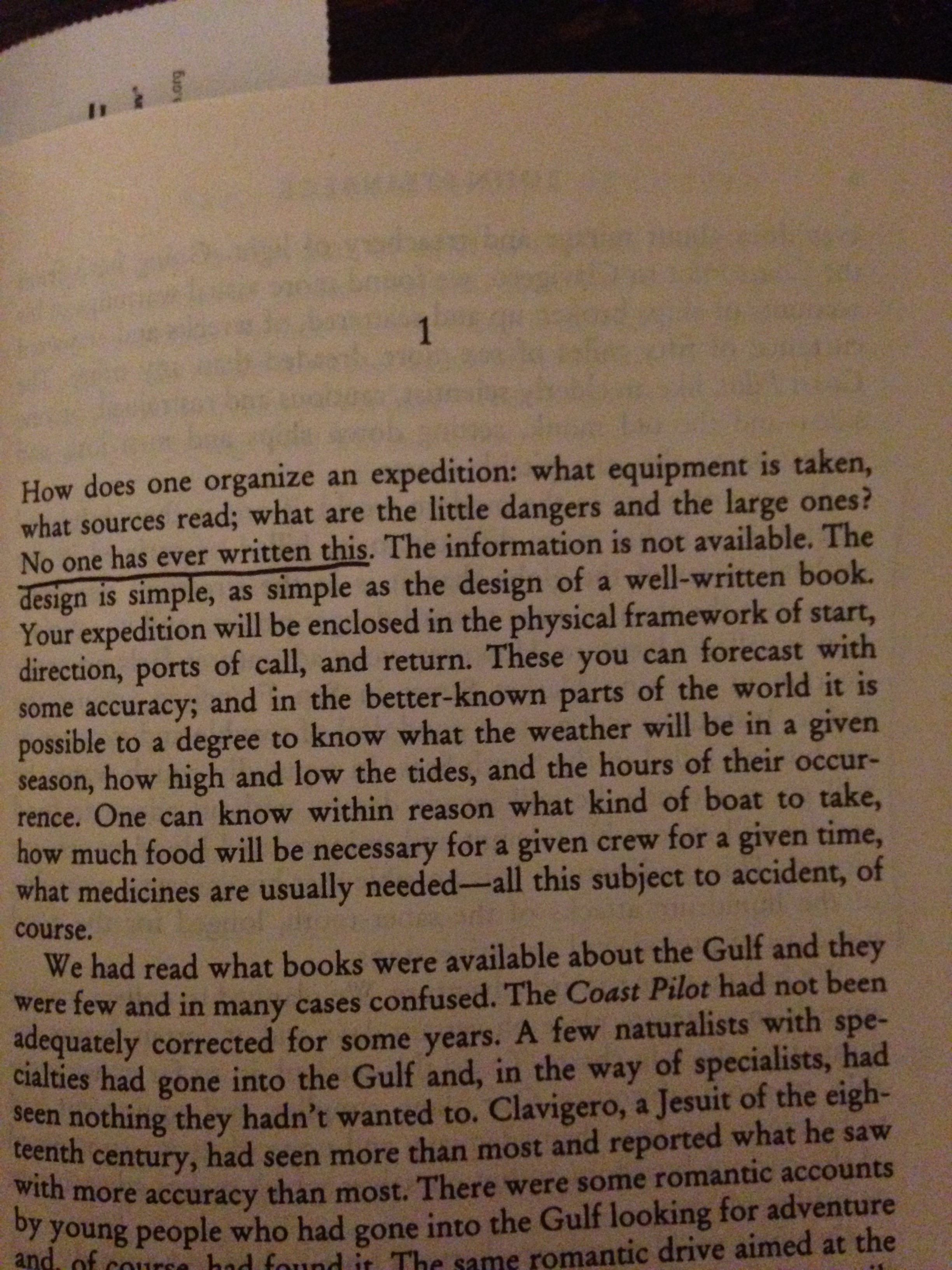
No one has ever written this.
Posted: July 2, 2014 Filed under: the California Condition, writing Leave a comment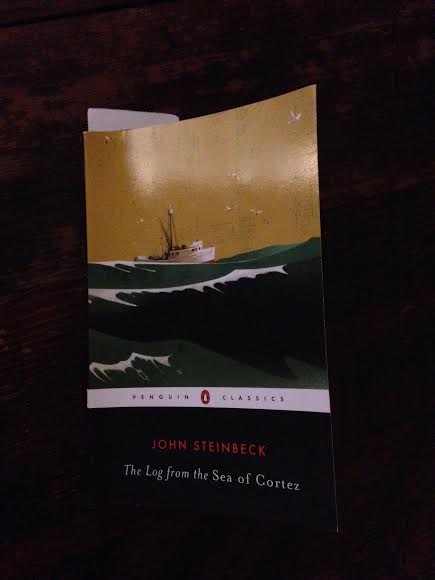
A baller second sentence to write in your book.
Nick Drake
Posted: July 1, 2014 Filed under: music Leave a comment
Gee whiz the story of Nick Drake (1947-1974) is sad.
He played rugby for the C1 House team and was appointed a House Captain in his last two terms. School friends recall Drake at this time as having been confident and “quietly authoritative”, while often aloof in his manner. His father Rodney remembered, “In one of his reports [the headmaster] said that none of us seemed to know him very well. All the way through with Nick. People didn’t know him very much.”
Good song though.

Travel
Posted: June 30, 2014 Filed under: adventures Leave a comment
Out of context this little passage from The Atlantic’s article about millenials traveling was funny:
These skills can translate into a competitive advantage in the workplace. Elizabeth Harper, 25, discovered her career interests while backpacking in Southeast Asia. Traveling gave her time to read for pleasure, and she ended up leafing through books passed around in hostels about atrocities that had occurred in the countries she was visiting.
Motivation
Posted: June 27, 2014 Filed under: adventures Leave a comment
Bezos developed an ambition to travel into space and help mankind migrate from Earth. He was the valedictorian of his high school class and in his speech he quoted from Star Trek and described a plan to build permanent human colonies in orbit so that Earth could be turned into a nature preserve. Years later, his high school girlfriend told reporters that Bezos had always wanted to become rich so that he could “get to outer space.”
from Steve Coll’s profile of the man/review of The Everything Store in NYRB.
History As Emergency
Posted: June 26, 2014 Filed under: history Leave a comment
Here then we arrive at the rub. To sort the actions of the past, to begin to unthread them and lay them out on our examiners’ table, is accomplished only with time, patience, argument.
But Time, cruel as she is, doesn’t stop moving, not even for the historian. In the thirty or forty years it may take historians to come to some preliminary judgment on the recent past, the game’s been going on. The same mistakes have already been made. It is no question of history repeating itself. History repeats itself before it’s even history. The scholar emerges from his library, steps out on the balcony, and announces: “ah! look! tyrants oppress! fools stumble! vanity clouds judgment! fear leads us to folly!” The man in the street – if one can be bothered to look up – says “well done, sir, but while you were in your study, all that’s already happened again.”
… in this sense, the historian is running a race that can only be lost. One could argue that the historian then should work quick as a doctor, his business as pressing as the surgeons’, rushing to prescriptions before the patient collapses. I don’t contend as much, however, not merely because the historians’ business is done sedentarily. No; I think we are best advised to work with a philosopher’s unsurprise. Indeed, for a historian, unsurprise is the beginning of wisdom.
Francis Dunnam, “History As Emergency,” Twombley memorial lecture at Oxford (1938).
For your consideration
Posted: June 24, 2014 Filed under: actors 1 Comment
from this old Vulture interview with Tom McCarthy:
Did you write that [The Station Agent] with Peter in mind?
I did. I met Pete in New York and directed him in a play [called The Killing Agent] way downtown and way, way, way off Broadway, and I just thought he was terrific and saw what everyone knows now. I thought, This guy is a leading man! He has the looks, he’s cool, he just carries himself in that way of a leading man. I started the idea of the script without him in mind, and then I realized, Oh, he fits truly well. It’s funny because I remember when we were distributing that movie, Miramax had this moment where they were trying to put him out there upfront. I said, “We should just have a one-page ad in the New York Times with Peter Dinklage because he’s just that cool.” And they were like, “Nah, nah, it’s too hard. But we’ll figure it out.” And now the guy’s everywhere. He’s the coolest guy on the planet.
 Helytimes