Melancholy
Posted: November 5, 2017 Filed under: America Since 1945, presidents Leave a comment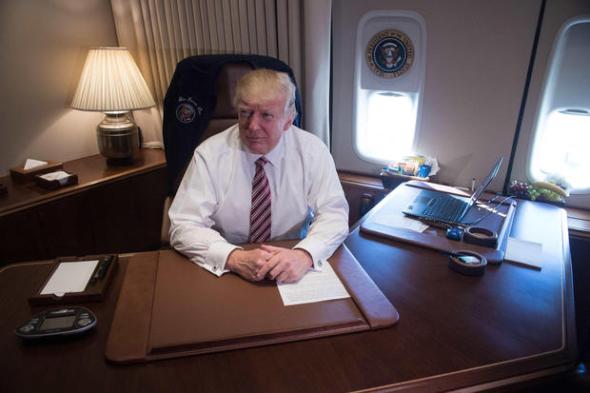
Put it to the test; leave a king entirely alone quite at leisure, with nothing to satisfy his senses, no care to occupy the mind, with complete leisure to think about himself, and you will see that a king without diversion is a very wretched man. Therefore such a thing is carefully avoided, and the persons of kings are invariably attended by a great number of people concerned to see that diversion comes after affairs of state, watching over their leisure hours to provide pleasures and sport so that there should never be an empty moment. In other words they are surrounded by people who are incredibly careful to see that the king should never be alone and able to think about himself, because they know that, king though he is, he will be miserable if he does think about it.”
from Pascal’s Pensées, quoted by Laszlo Foldenyi in his book about melancholy, quoted by Dan Wang!
Abraham Lincoln: Weird
Posted: September 18, 2017 Filed under: history, presidents Leave a comment
From a capsule review in The New Yorker heard about this book:
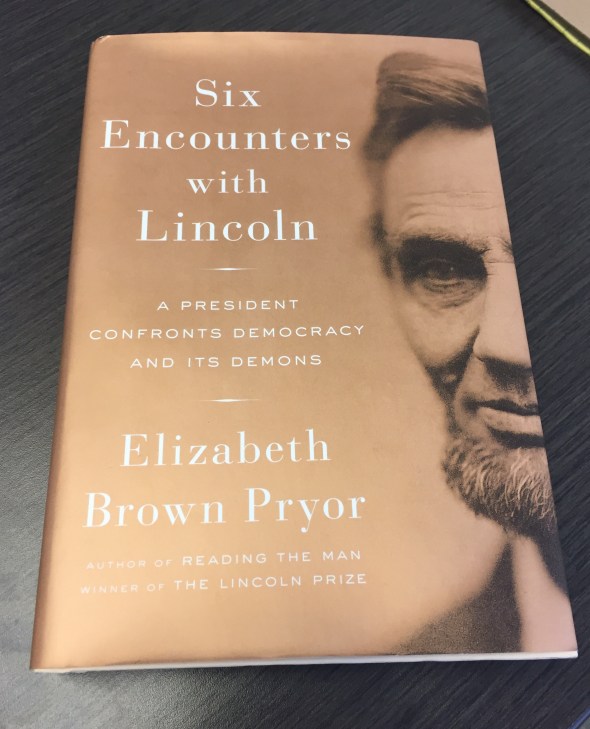
What a cool way to bring Lincoln to life. Tell the story of six meetings Lincoln had that someone wrote an account of.
The six encounters:
- Lincoln’s first meeting, in the East Room of the White House, with Army officers, including Robert E. Lee
from that we examine Lincoln’s relationship with the military, and with the guy who’d end up being the leading general trying to defeat him.
- An odd event where Lincoln tried to raise an American flag on the South Lawn of the White House, but accidentally ripped it
from that we examine how Lincoln used humor and a sort of self-effacing charm
- Lincoln’s encounter with an abolitionist cavalry sergeant named Lucian Waters
which brings us to discussions of Lincoln’s views on race and slavery
- Lincoln’s meeting with Cherokee chief John Ross
from which we can examine Lincoln’s relationships with Indians, who got pretty hosed under the Lincoln presidency
- Lincoln’s meetings the powerful Anna E. Dickenson
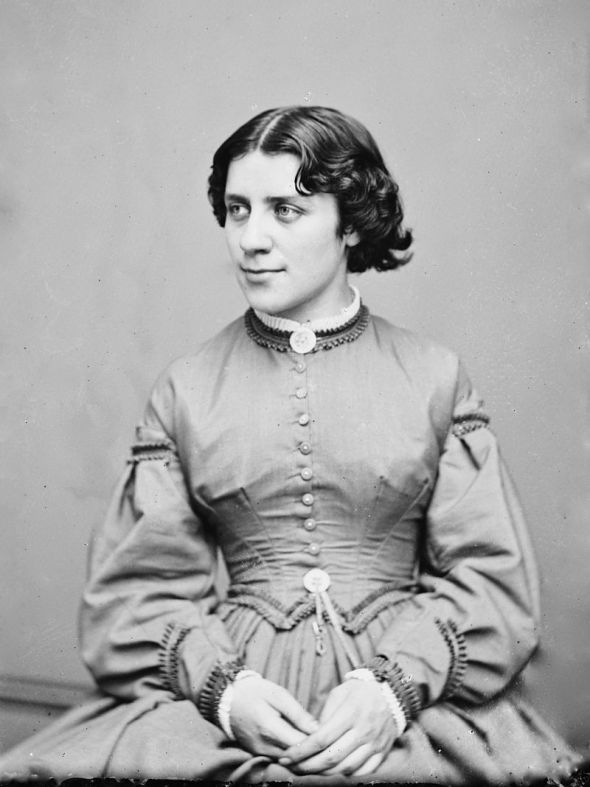
which opens us up to Lincoln’s weird relationships with powerful women
and
- a bizarre encounter with this bro:
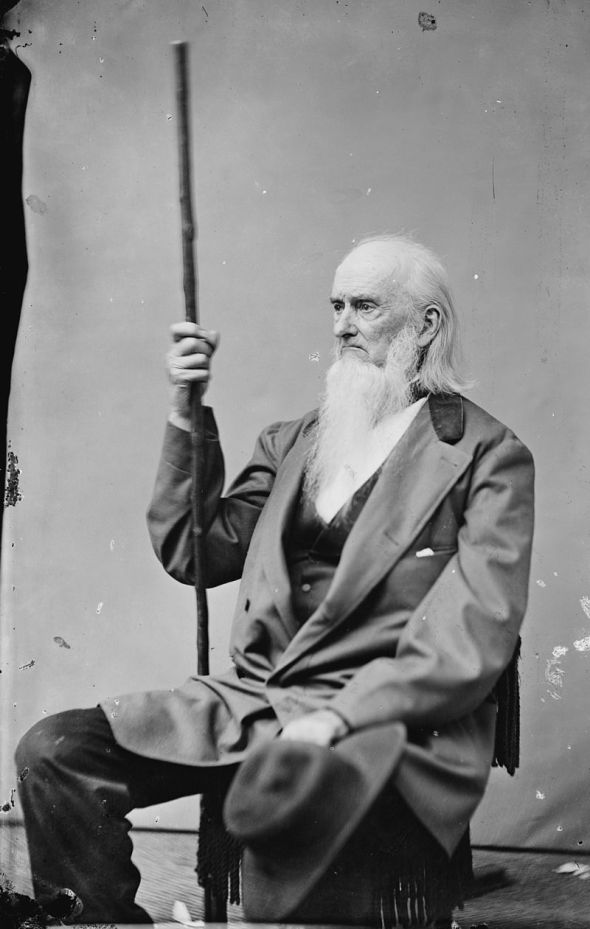
Duff Green, who wanted to talk to Lincoln about a scheme to help Southerners with their land via a federal bank or something.
from there we consider how Lincoln intended to begin the postwar process, if he hadn’t’ve gotten got a few days later.
Pryor uses these encounters to bring to life the odd, magnetic, awkward, charming, conflicted, pained, intense human man Abraham Lincoln, full of conflict and contradiction.
Here is the first sentence of the author’s introduction:
To look again with open eyes at a subject we think we know is never straightfoward.
Pryor does a fantastic job of bringing Lincoln into focus. Some highlights:
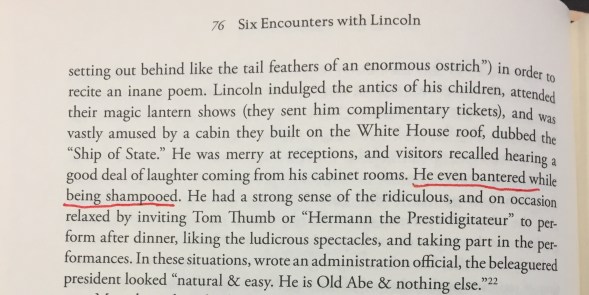
Getting the mitten:


“Why am I always getting the mitten?”
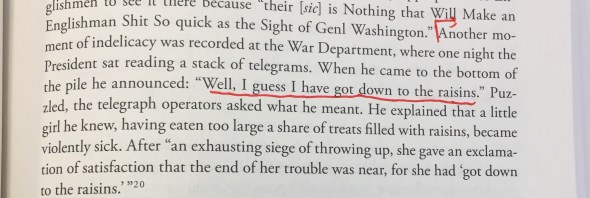
Down to the raisins:
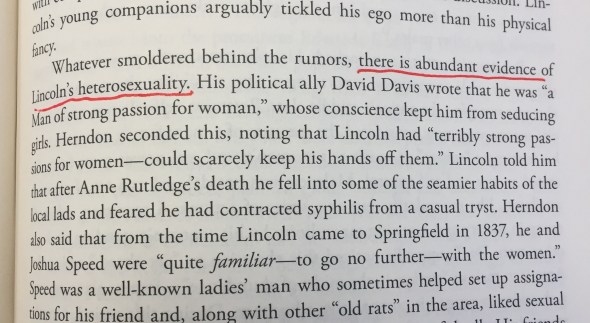
His sexuality:
A very impressive, dense work of history. Stunned when I opened the book and learned the author had been tragically killed in a car crash before publication:
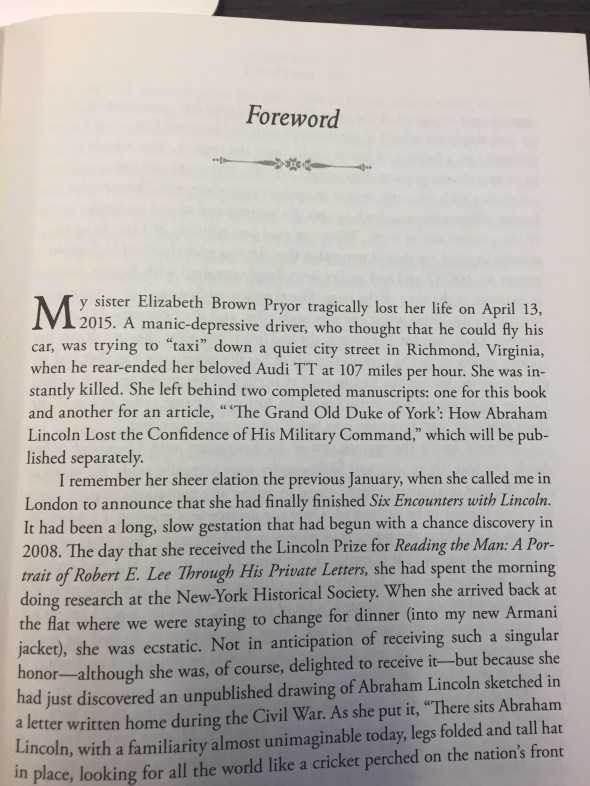
Seems like an amazing woman.
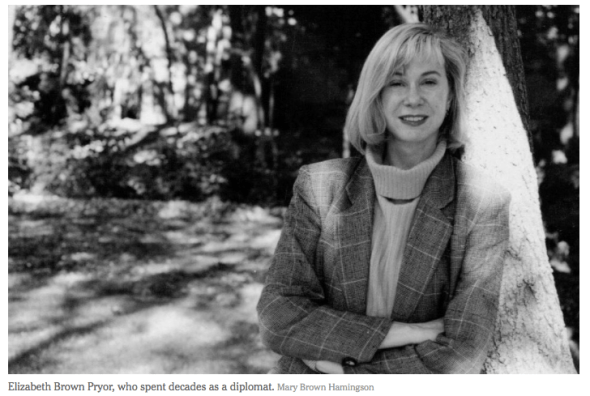
Her obituary in the NYT by Margalit Fox speaks also of her work on Lee:
Though Lee is often cast by history as a brilliant general, Ms. Pryor, examining the strategic errors that led to his retreat at Antietam in 1862 and sweeping defeat at Gettysburg the next year, judged him “bright but not brilliant.”
Addressing Lee’s stance on slavery, she acknowledged, with other historians, that he harbored deep misgivings on the subject. However, Ms. Pryor wrote, those misgivings stemmed not from his opposition to the institution itself, but from his resentment of the managerial burdens it could place on white slave owners.
As a slaveholder, Ms. Pryor showed, Lee was a cruel master, once forcing a runaway slave to endure 50 lashes and then have brine poured on the wounds. He routinely sundered slaves’ families if selling a slave was expedient, and by 1860 “he had broken up every family but one” on his Arlington plantation, she wrote.
The Lincoln book my friend the presidential biographer, Lincoln scholar and former rock star Ted Widmer recommends is Herdon’s Informants.
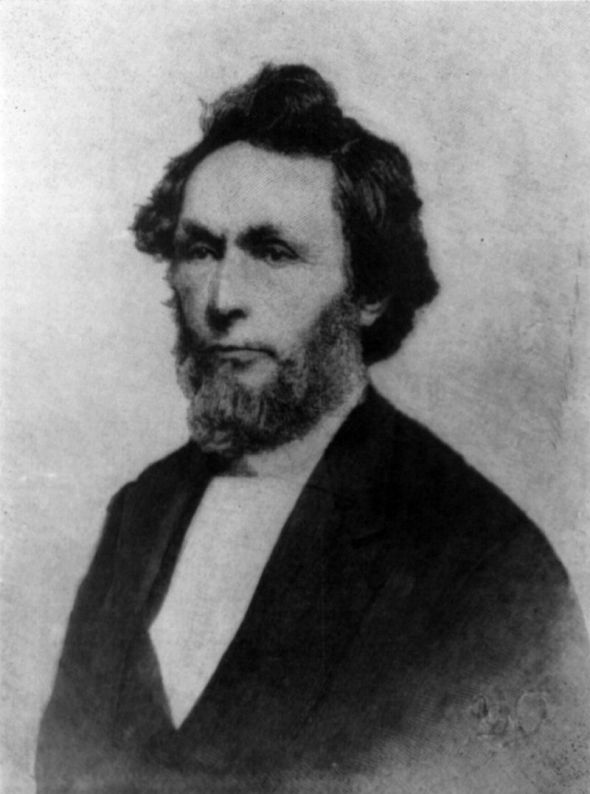
Herndon was Lincoln’s law partner, and after he died he wrote to everyone who’d ever met Lincoln pretty much and asked for what they remembered of him.
Following Lincoln’s assassination, Herndon began to collect stories of Lincoln’s life from those who knew him. Herndon aspired to write a faithful portrait of his friend and law partner, based on his own observations and on hundreds of letters and interviews he had compiled for the purpose. He was determined to present Lincoln as a man, rather than a saint, and to reveal things that the prevailing Victorian era conventions said should be left out of the biography of a great national hero.[17][18][nb 2]
In particular, Herndon said of Lincoln’s “official” biographers, John Nicolay and John Hay: “They are aiming, first, to do a superb piece of literary work; second, to make the story with the classes as against the masses.” He felt that this would represent the “real Lincoln about as well as does a wax figure in the museum.”[19][20]
More:
Particularly damning was the denunciation of the book by Robert Todd Lincoln, whose grudge against Herndon stemmed largely from Herndon’s recounting of Ann Rutledge as the only romantic love of his father’s life.
Herndon didn’t care for Mary Todd, I guess:
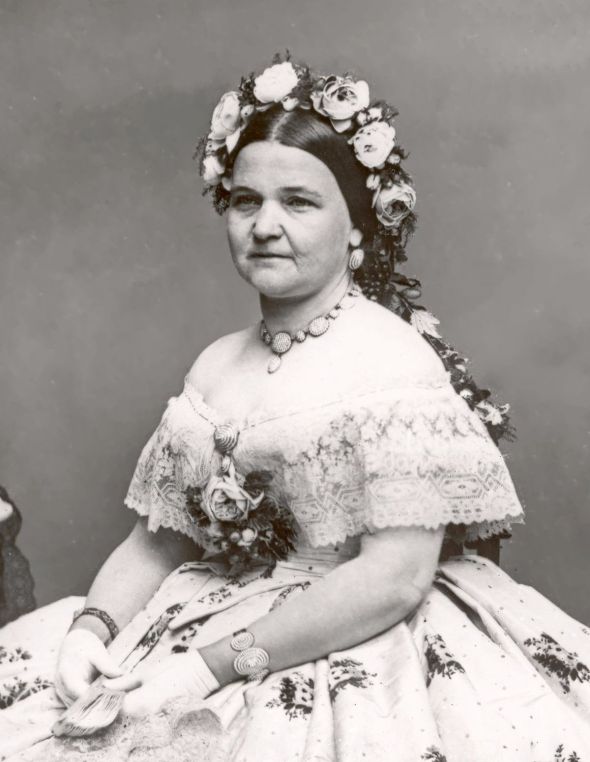
Even though she was considered a bit of a catch for a guy like Abe.
When you think about the stuff that happened to Mary Todd, it’d be a wonder if she didn’t go insane. Three of her children died, her husband got assassinated sitting next to her. Her half-sister was married to a Confederate general who died at Chickamauga.
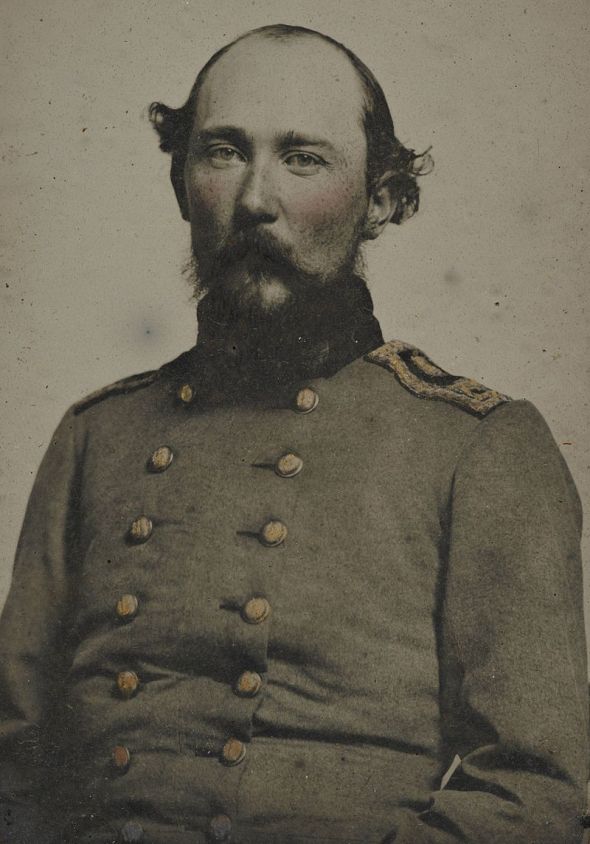
He was a commander of the Orphan Brigade:
At the Battle of Stones River, the brigade suffered heavy casualties in an assault on January 2, 1863, including General Hanson. Breckinridge—who vehemently disputed the order to charge with the army’s commander, General Braxton Bragg—rode among the survivors, crying out repeatedly, “My poor Orphans! My poor Orphans,”
The stuff people go through!
Hoover Boys
Posted: August 1, 2017 Filed under: children, heroes, politics, presidents Leave a comment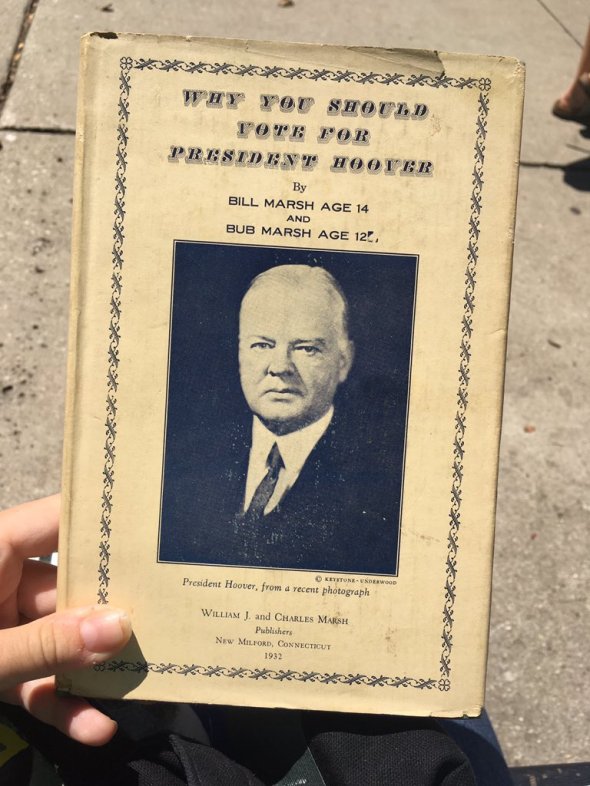
our Chicago correspondent sends us this find:
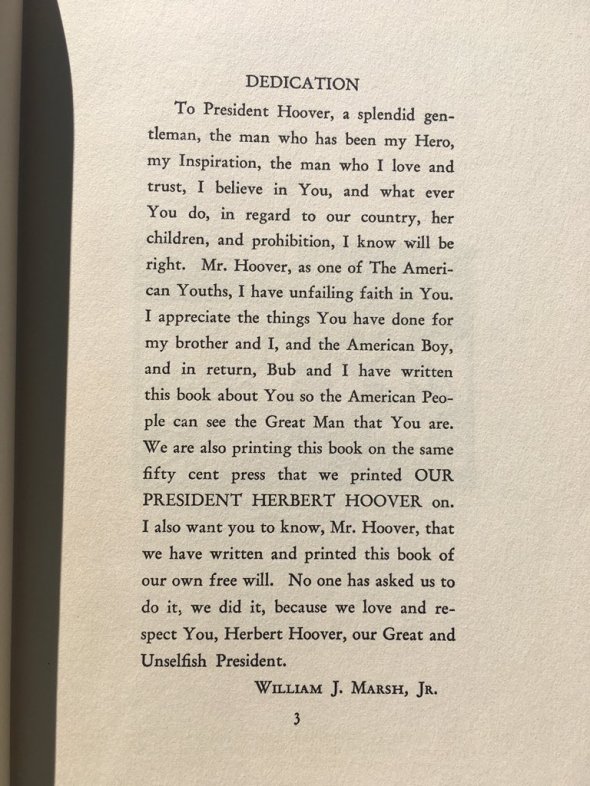
The authors: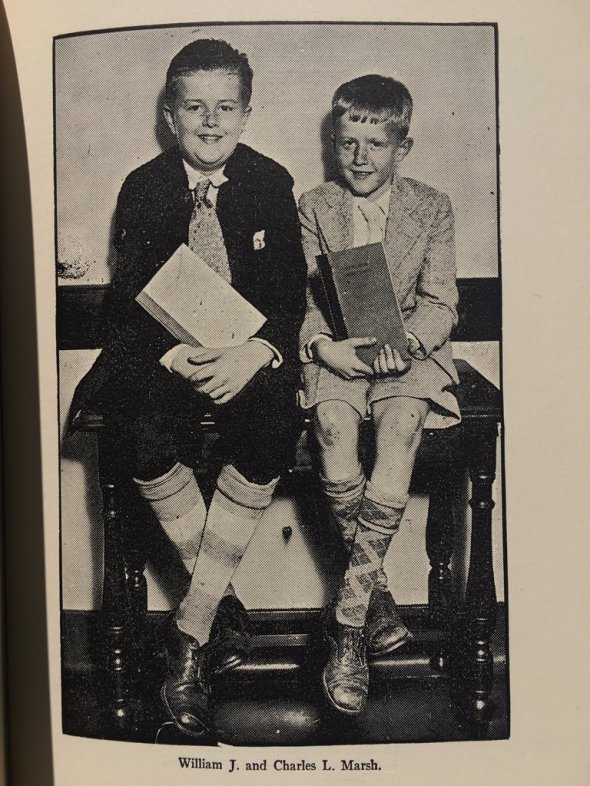
Robert Caro’s two hour audiobook
Posted: May 19, 2017 Filed under: America Since 1945, New York, politics, presidents, Texas Leave a comment
Strong endorse to an audio only, 1 hour 42 minute semi-memoir by Robert Caro, boiling down the central ideas of The Power Broker and the LBJ series. If you’ve read every single extant interview with Robert Caro, as I have, some of its repetitive but I loved it and loved listening to Caro’s weird New York accent.

Two details: he tells how James Rowe, an aide to FDR, told him that FDR was such a genius about politics that when he discussed it almost no one could even understand him. But Lyndon Johnson understood everything.

James Rowe, from the LOC
Caro tells that when LBJ ran for Congress the first time, he promised to bring electricity. Women had to haul water from the well with a rope. A full bucket of water was heavy. Women would become bent, a Hill Country term for stooped over. LBJ campaigned saying, if you vote for me, you won’t be bent. You won’t look at forty the way your mother looked at forty.

from the Austin American Statesman collection at the LBJ Library. The woman’s name is Mrs. Mattie Malone.
Which one of you jokesters
Posted: March 1, 2017 Filed under: America, America Since 1945, Middle East, politics, presidents, the California Condition Leave a comment
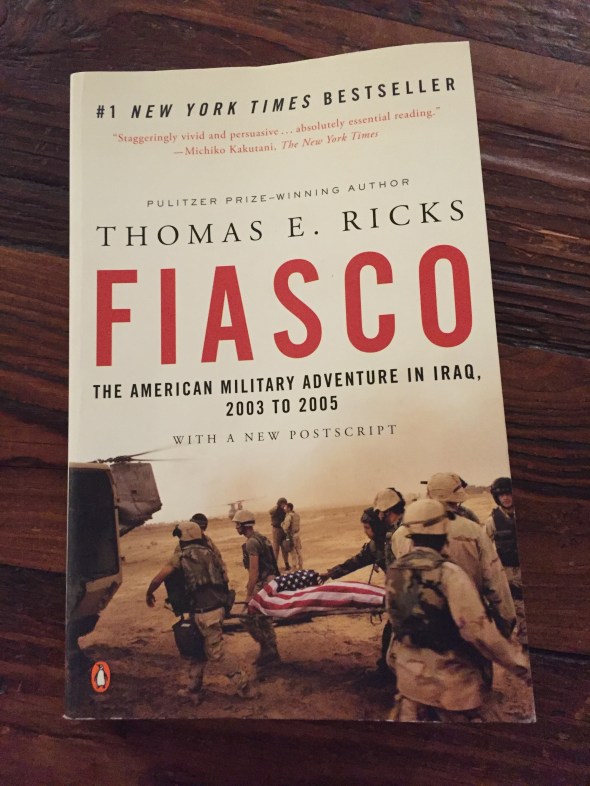
Ordered me two copies of The Complacent Class by Tyler Cowen?
Very funny.
Mission accomplished, it’s next up after I finish Tom Ricks:
More California Ballot Cranks
Posted: February 28, 2017 Filed under: politics, presidents, the California Condition Leave a commentHayes D. is back with a look at some legendary ballot cranks of California history:

I took a sick pleasure in writing about Measure S and Michael Weinstein the other day. Thanks to Steve for asking me to do that.
While I was at it, I dug into some of the other rich, angry men who took advantage of the California ballot system: guys like Weinstein who spent a ton of money and made pretty extreme changes to the law without ever actually being elected to office.
Here are two!
HOWARD JARVIS
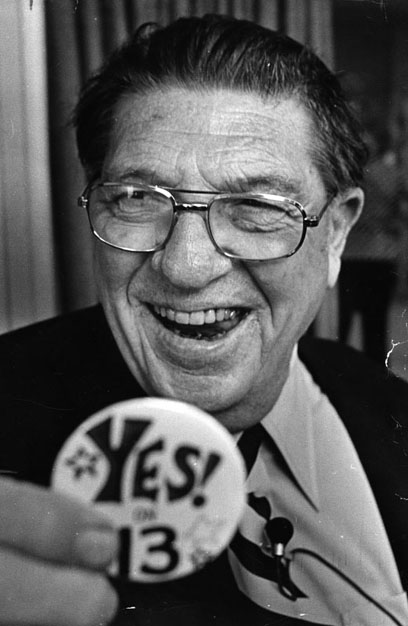
Jarvis was a millionaire from LA who got rich making airplane parts and garbage disposals and other stuff. Your classic 1950’s generic “businessman.” What separated him from his peers was how much he hated taxes.
So after he retired in 1962, he ran for office a few times on an anti-tax platform. Lost every time. Then he discovered the ballot initiative route, and in 1979 he wrote up Proposition 13: a rule that the property tax could only be about 1% of the appraised value of the property, and it couldn’t go up unless the property was sold.
With the help of the base he built from his other campaigns, he and his wife gathered 1.5 million signatures to get it on the ballot. Then Jarvis went on a barnstorming tour of California and riled everybody up so good that the measure passed with 65 percent of the vote.
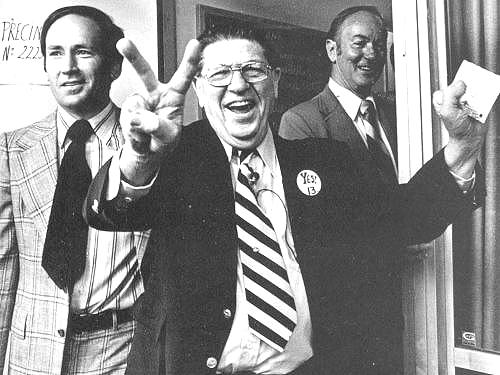
“When I have three, four, five thousand people, I really pour it on,” he said in his gravelly voice. “Like a goddamn Baptist preacher. I tell ’em how government is clobbering them. I rev ’em up. I talk about basic human rights.”Jarvis was quick to admit that playing on the public’s fears was one of the trump cards that made Proposition 13 a big winner.
When he got excited, Jarvis would puff harder on his pipe, and this created a lot of excess “tobacco juice.” During one unfriendly interview with a reporter, Jarvis got agitated and started puffing hard. At one point, sitting behind his big, false desk with no drawers, Jarvis leaned forward and spit some of the excess tobacco juice into a waste can. Jerry Carroll, on the other side of the desk without benefit of a full view, wrote in a 1994 San Francisco Chronicle story that at one point in an interview Jarvis, “jerked opened a drawer in his desk, spit into it and slammed it shut.”

FARYON: Well let’s go back to prior 1978, back in the day when schools needed money. More money to hire students, to pay for classrooms, supplies, and so on. They basically looked to the local taxpayer for money in the form of property taxes. And in fact, they set their budgets, went to the county assessor, the property tax rate was set, and then they collected enough money. As much money as they needed. After 1978, what happened was we couldn’t do that anymore. It was a statewide cap. One percent – that’s all the money that you got. So as a result, before 1978, before Prop 13, statewide the schools had a $9 billion budget. After Prop 13 they lost $3 billion – a third of that – overnight.
***
Here’s a look at California’s per-pupil spending for the past four decades in comparison to other states. The last time California was at the top of the heap was 1965, when it ranked 5th. In 1978 – the year Prop 13 passed –California was 14th out of 50. The next year, the state fell to 22nd place. In 1988, California fell below the national average for the first time and never recovered. The state now ranks 43rd.
Ron Unz

Ron Unz with 80 dollars. Source
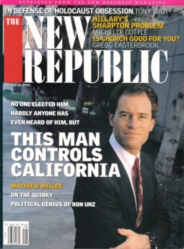
When Ron Unz’s mother, a politically active left-wing schoolteacher from Los Angeles, was in her mid-20s, she met an older professor from the Midwest on a flight to Israel. He seemed odd, eccentric even, but clearly brilliant, too, and Esther-Laio Avrutin decided, after he‘d visited her several times when she’d returned to L.A., that she would a have a child with him. When Esther-Laio wrote to her lover to let him know about her pregnancy, the letter was opened by the professor‘s wife — the existence of this wife came as startling news to Esther-Laio — and that ended any possibility that, her sister says, they would be married.
The results show that while students in English immersion programs perform better in the short term, over the long term students in classrooms taught in two languages not only catch up to their English immersion counterparts, but they eventually surpass them, both academically and linguistically.
So: no, not really. Forcing kids who didn’t speak English to be taught exclusively in English was, it turned out, not a great idea.
Eisenhower appears in a dream
Posted: February 23, 2017 Filed under: America Since 1945, politics, presidents Leave a comment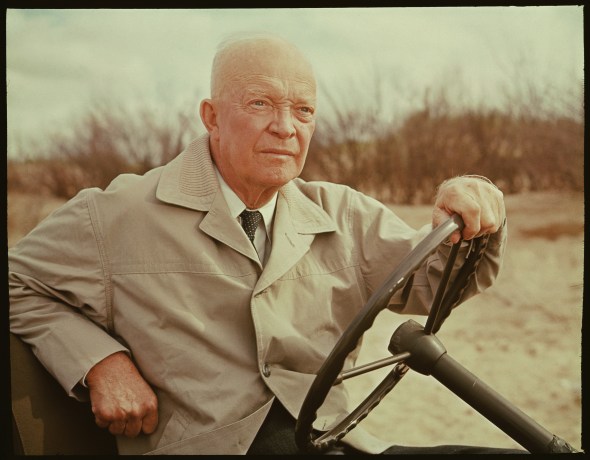
Last night in my dream Dwight Eisenhower appeared. What would he make of all this? We didn’t have a chance to discuss it.
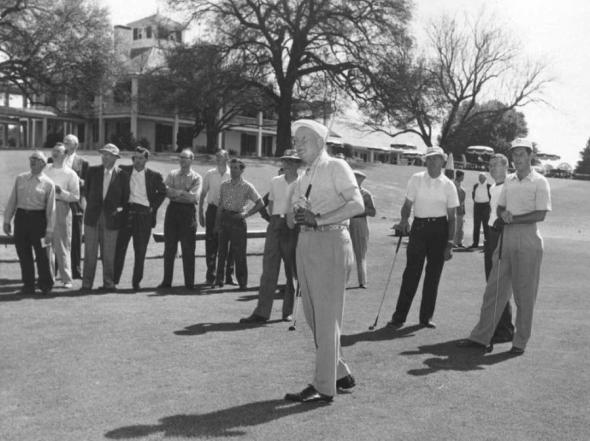
A golfer. A university president. Chosen over other generals to command the Allied Expeditionary Force because of his understanding of and gift for diplomacy.
100% white men around him. What would’ve been his view on trans bathrooms?
A Republican who invested the government in big projects, like the interstate highway system, and warned against defense spending in his farewell speech, which is thought-provoking:
Yet in holding scientific discovery in respect, as we should, we must also be alert to the equal and opposite danger that public policy could itself become the captive of a scientific-technological elite.
Confidence, competence.
The current president like a clown version of him, a grotesque vision from a nightmare.

Source: the Wikipedia article on “grotesque”
Eisenhower was from Abilene, Kansas.

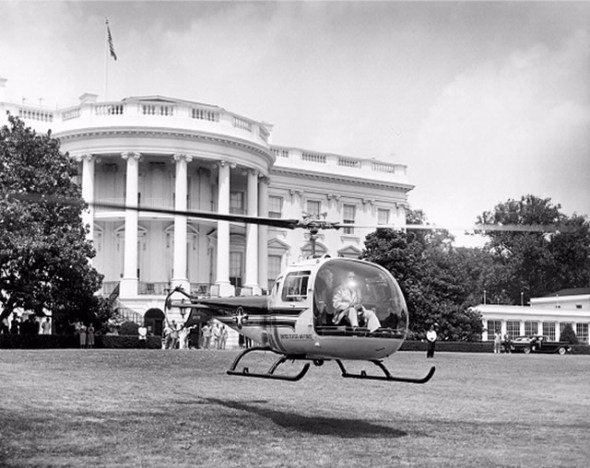
First president to ride in a helicopter.
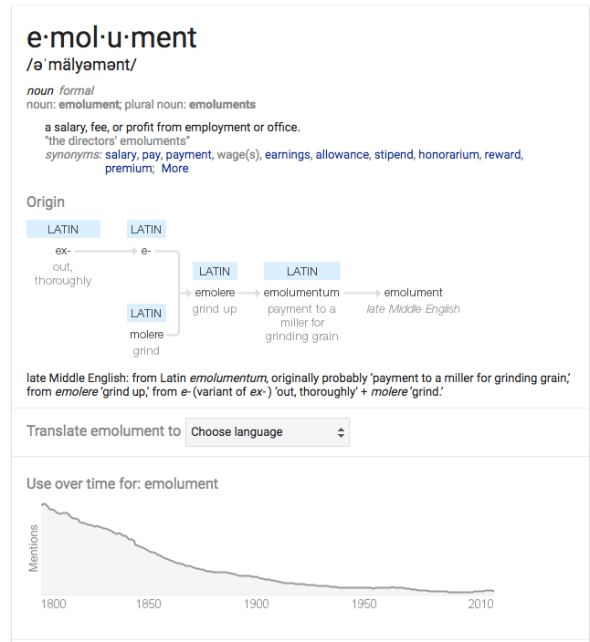
Emolument
Posted: February 17, 2017 Filed under: America Since 1945, politics, presidents, Uncategorized Leave a comment
Source: giphy
From the Heritage Foundation, about as conservative as it gets:
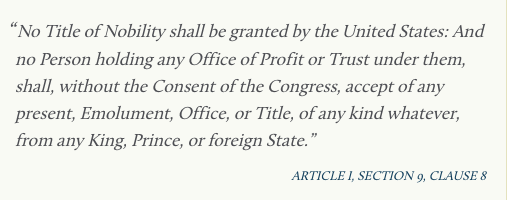
Similarly, the Framers intended the Emoluments Clause to protect the republican character of American political institutions. “One of the weak sides of republics, among their numerous advantages, is that they afford too easy an inlet to foreign corruption.” The Federalist No. 22 (Alexander Hamilton). The delegates at the Constitutional Convention specifically designed the clause as an antidote to potentially corrupting foreign practices of a kind that the Framers had observed during the period of the Confederation. Louis XVI had the custom of presenting expensive gifts to departing ministers who had signed treaties with France, including American diplomats. In 1780, the King gave Arthur Lee a portrait of the King set in diamonds above a gold snuff box; and in 1785, he gave Benjamin Franklin a similar miniature portrait, also set in diamonds. Likewise, the King of Spain presented John Jay (during negotiations with Spain) with the gift of a horse. All these gifts were reported to Congress, which in each case accorded permission to the recipients to accept them. Wary, however, of the possibility that such gestures might unduly influence American officials in their dealings with foreign states, the Framers institutionalized the practice of requiring the consent of Congress before one could accept “any present, Emolument, Office, or Title, of any kind whatever, from…[a] foreign State.”
Meanwhile I read the news:
China awards Donald Trump valuable trademark deal
Donald Trump sons set for UAE visit to open Trump International Golf Club Dubai
(A fun aspect to the Trump deal is: feels like every Joe and Josephine on Twitter is rapidly presenting themselves as a self-taught expert on like intelligence practices and the Ninth Circuit and what “emoluments” means.)
A thing I don’t understand: there must be at least one or two of the 248 Republican congressmen who’ve fantasized since youth about a chance to go full Profiles In Courage.
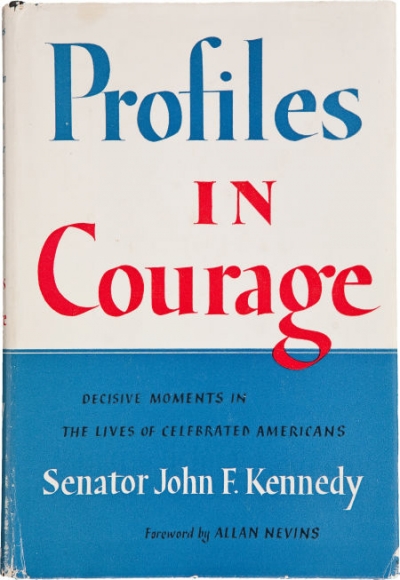
Here’s your chance bro! Take on your scumbag President, go down for it, live on! Are they all too lame? (Update: a possible candidate)
Anyway. A chance to revisit famous mills of my youth:

Wayside Grist Mill, Sudbury, MA
Well? Did I?
Posted: February 16, 2017 Filed under: presidents Leave a comment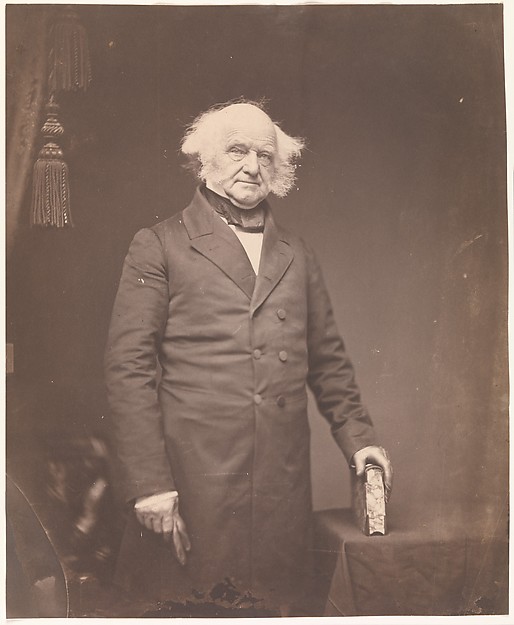
MVB is today’s Met Artwork Of The Day, snapped by Matthew Brady.
Cambridge Analytica
Posted: February 14, 2017 Filed under: politics, presidents Leave a comment
from CA’s website
Remarkably reliable deductions could be drawn from simple online actions. For example, men who “liked” the cosmetics brand MAC were slightly more likely to be gay; one of the best indicators for heterosexuality was “liking” Wu-Tang Clan. Followers of Lady Gaga were most probably extroverts, while those who “liked” philosophy tended to be introverts.
Interested by this article by Hannes Grassegger and Mikael Krogerus in Motherboard about mysterious data company Cambridge Analytica. These don’t seem like especially amazing conclusions to draw.
What about this:
The 70-year-old Trump is not digitally savvy—there isn’t even a computer on his office desk. Trump doesn’t do emails, his personal assistant once revealed. She herself talked him into having a smartphone, from which he now tweets incessantly.
History’s greatest criminal?
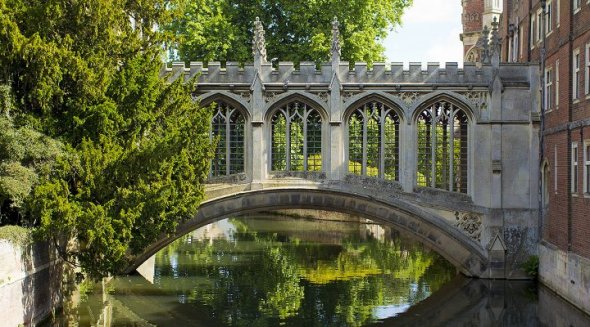
Wild to think of this dark force coming out of Cambridge University.
And how does this outfit connect to Oxford Analytica, founded by Kissinger assistant David Young?
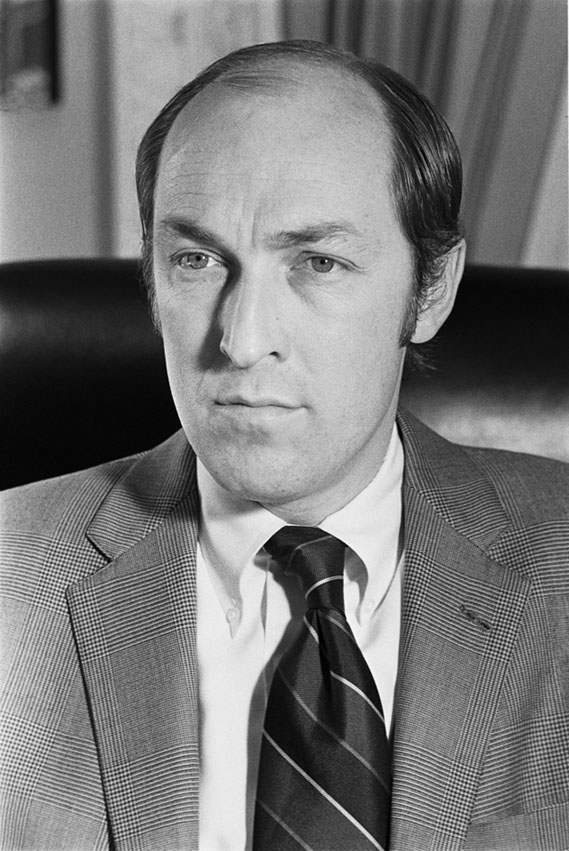
Not loving the news I see on the Oxford Analytica Daily Brief lately.
Let’s keep this simple
Posted: February 12, 2017 Filed under: America Since 1945, politics, presidents Leave a comment
[National Security Advisor Michael] Flynn repeatedly called the Russian embassy in Washington to discuss the transition. The White House has denied that anything substantive came up in conversations between Flynn and Sergei Kislyak, the Russian ambassador.
That was a lie, as confirmed by an extensively sourced bombshell report in TheWashington Post, which makes clear that Flynn grossly misrepresented his numerous conversations with Kislyak—which turn out to have happened before the election too, part of a regular dialogue with the Russian embassy. To call such an arrangement highly unusual in American politics would be very charitable.
so says The Observer which is controlled by the President’s son in law?
What the fuck is happening?
A real shot
Posted: February 8, 2017 Filed under: America Since 1945, politics, presidents Leave a comment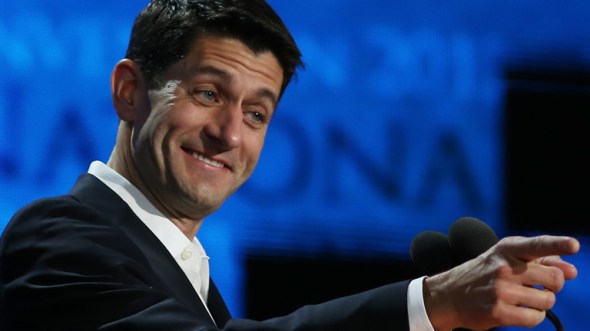
Ryan then took questions. This was the first one: “The President made some new false statements yesterday, notably that there are major terrorist attacks that the media, essentially, isn’t covering. Are you getting concerned at all about his grasp of the truth?”
Ryan shrugged his shoulders.
[…finally he answers]
“Look,” he said. “I’m going to do my job. I’ll let you guys do yours with respect to how you report, or what you don’t report. The problem is we do have a war on terror in front of us. We do have isis trying to conduct terror attacks across the globe. This is a real serious problem. And what I am focussed on is doing our job and making sure our law-enforcement authorities, our military, have the tools to keep us safe.”
from this NYer piece by the great John Cassidy.
Paul Ryan has a real shot at going down in history as a pristine example of cynical soul-selling.
Are the Republicans really for:
- the importance of virtue, morality, religious faith, stability, character and so on in the individual
- sexual morality or what came to be termed “family values”
- the importance of education to inculcate good character and to teach the fundamentals that have defined knowledge in the West for millennia
- societal norms and public order
- the centrality of initiative, enterprise, industry, and thrift to a sound economy and a healthy society
- the soul-sapping effects of paternalistic Big Government and its cannibalization of civil society and religious institutions
- a strong defense and prudent statesmanship in the international sphere
I didn’t pluck those out of thin air, those are exactly what Michael Anton, Bannon advisor, says conservatives should be for in this essay, The Flight 93 Election, his pre-election argument for DT.
Is DT making things better, stronger, or greater on any of those fronts? How’s his prudent statesmanship? What message does he send on virtue, morality, character, stability? He’s rich (maybe) but does he demonstrate industry and thrift? How’s he on education to inculcate good character and teach the fundamentals that have defined knowledge in the West for millennia? “Family values?”
The Republican Party did this to us. Reince Priebus, Trump chief of staff, is an old Wisconsin buddy of Paul Ryan.
The best case is Paul Ryan is trading all the other values for fighting “the soul-sapping effects of paternalistic Big Government and its cannibalization of civil society and religious institutions” but even he must know by now he’s fighting cannibalism by signing up with a bigger, worse cannibal.
Best case for Ryan is he makes it harder for people to pay for health care first.
Good luck! Get ‘im, Scott Pelley!
We are better than this
Posted: February 6, 2017 Filed under: America Since 1945, politics, presidents Leave a comment
User magicpiano on Wikipedia
NOTE: Per a conversation with a Catholic sister in New Hampshire who sometimes teaches Helytimes posts to her advanced English class, I’ve cleaned up some language here.
The goal should be to raise the discourse.
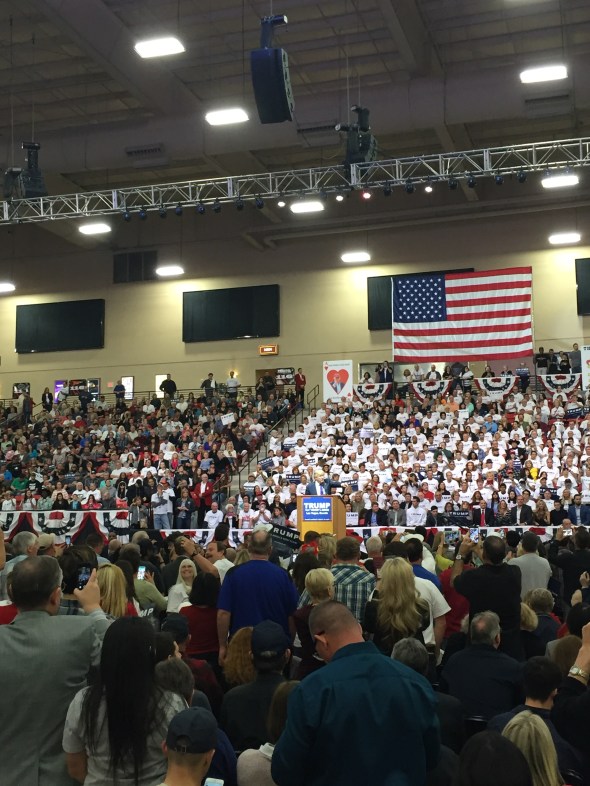
62,418,820 Americans voted for him. All those people are not dumb jerks.

Many bad people in my experience end up with exactly the punishment they deserve
This is a mess and a shame.
Part of our job as citizens for the rest of our lives will be undoing this disgrace and bringing some honor back to this country. USA has done much that’s staggeringly, tears to your eyes amazing and heroic and noble.

photo of John Young by Charlie Duke
This work sucks, because I’m very lazy and have other things I’d rather do and preferred when my civic responsibility was minimal.
Counterpoint from Rabih Alameddine about whether we are better than this or not. He tells a beautiful story at the end.
Buffett
Posted: February 3, 2017 Filed under: advice, America Since 1945, business, politics, presidents Leave a comment
Warren Buffett’s advice always sounds simple, which isn’t the same as easy to follow.

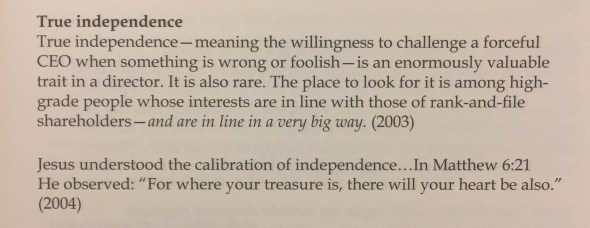
Loved the doc about him on HBO. The first scene is him advising high school kids to take care of their minds and bodies. The second scene is him in the drive-through line at McDonald’s.
Shoddy
Posted: January 31, 2017 Filed under: America Since 1945, politics, presidents Leave a comment
from Whitehouse.gov, a shoddy website
- badly made or done
- lacking moral principle; sorid
poor-quality
inferior
second-rate
cheap
trashy
careless
sloppily-made
worthless
prone to falling apart, disintegrating
valueless
unworthy
inadequate
Bloggers = B Players?
Posted: January 27, 2017 Filed under: politics, presidents Leave a comment
Working my noggin on this quote from Justin Peters’ review of Thomas Friedman’s book over at Slate:
A very perceptive barfly once explained it to me like this. In the corporate world, you’ve got A players, B players, and C players stacked top to bottom like a pyramid. There’s this documentary called Jiro Dreams of Sushi, about a perfectionist Japanese sushi chef. When an A player sees that movie, the barfly explained, she will come to work the next day determined to work harder and smarter than ever before. A B player will spend the next day raving about the movie to anyone who’ll listen; maybe she’ll write a review for her blog. A C player sees Jiro Dreams of Sushi and comes to work the next day inspired to order Japanese food for lunch.
Tom Friedman is a B player interpreting A players for the benefit of C players, and there are lots of C players, and maybe it’s that simple. But both B players and C players habitually miss the point—and, in the end, so does Thank You for Being Late
Let’s consider this:
- this sentence occurs in a review on what is essentially a blog, so is Justin Peters self-identifying as a B player?
- quoting a “very perceptive barfly” is a very Thomas Friedmany kind of thing to do. Is that the joke/point Justin Peters is making?
- are we really calling Thomas Friedman a B player? The dude is the dominant NY Times columnist, consistently crushing it with bestselling books.
The bloggers I enjoy are all A players, I would say.
Sensitive to the fact that the word “blog” has come to connote “loserish.” Have been struck by the fact that Stephen Miller and Steve Bannon, who are today writing the President’s executive orders, are, essentially, bloggers.

Breitbart News Daily Stephen K. Bannon interviews Stephen Miller for SiriusXM Broadcasts’ New Hampshire Primary Coverage Live From Iconic Red Arrow Diner on Feb. 8 in Manchester, New Hampshire. | Getty. Source.
Consider this Politico profile of Stephen Miller by Julia Ioffe. At Duke:
But mostly he used the column as a lightning rod, a way to court angry reaction and put himself at the center of major campus controversies. He wrote that interacting with the population outside the campus was overrated. “Durham isn’t a petting zoo,” he chided. “The residents won’t get lonely or irritable if we don’t play with them.” He was a strong supporter of the war in Iraq and called Ted Kennedy a “traitor” for criticizing American use of torture.
Miller invited another media figure, David Horowitz, to Duke, and that led him to Jeff Sessions:
The name he made for himself in fighting the university establishment, through his column and in inviting Horowitz to speak, would later reap benefits. It was Horowitz who, in 2009, would recommend Miller to his old friend, Jeff Sessions.
President DT himself would not be president if his Twitter micro-blog were not so stimulating and provocative. The Trump movement comes out of provocative media networks. How on Earth is the left losing that battle?

Wonder if — hear me out — an effective force for anti-Trumpism and resistance could be mini-networks, newspapers, arguments, alternatives, ideas, forums for strong takes. Reach people and really change their minds, is the idea.
Write to me, lemme know what you think!
Saucy
Posted: January 3, 2017 Filed under: New York, presidents Leave a comment
some pretty saucy pics on the website for the Theodore Roosevelt Birthplace. Should there be a warning for kids?

source: wiki
Was checking it out because it occurred to me that TR must be the last president before you-know-who who was born in New York City.


Thurgood’s take, and Yoichi Okamoto
Posted: January 2, 2017 Filed under: America Since 1945, photography, politics, presidents Leave a comment
From Stephen L. Carter’s 2017 predictions, via Tyler Cowen. (Helytimes is increasingly becoming a Tyler Cowen processing center).
Thurgood:

That photo is by Yoichi Okamoto:

Looking a bit like Fredrik Wikingsson there, and here are more by Yoichi:


found at this NYT slideshow of his work from 2013.
One last chance?
Posted: December 16, 2016 Filed under: America Since 1945, heroes, politics, presidents, the California Condition Leave a comment
stirred the pot the other day with this tweet.
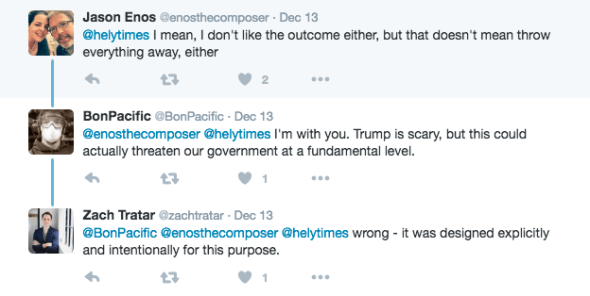


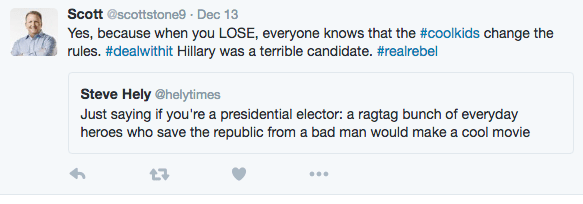
I mean, I like being lumped in with the #coolkids.
When I tweeted that, I meant what I said: it would be a cool movie. The Electoral College members are mostly, as I understand it, a bunch of ordinary schmoes. 99 times out of a hundred their job is rubber stamping, a comical bit of leftover political inanity.
But what if, one day, it wasn’t so easy?
What if, one day, these ordinary citizens were called upon to make a tough choice.
A choice that would bring them right into the line of fire.
A choice that would change history.
The idea of Trump in the White House makes me sick. 61,900,651 Americans disagree, obvs. An Electoral College revolt is a crazy fantasy. But I enjoy thinking about it!
What is right and wrong for the Electoral College to do?
Says the National Archives:
There is no Constitutional provision or Federal law that requires Electors to vote according to the results of the popular vote in their states. Some states, however, require Electors to cast their votes according to the popular vote. These pledges fall into two categories—Electors bound by state law and those bound by pledges to political parties.
The U.S. Supreme Court has held that the Constitution does not require that Electors be completely free to act as they choose and therefore, political parties may extract pledges from electors to vote for the parties’ nominees. Some state laws provide that so-called “faithless Electors” may be subject to fines or may be disqualified for casting an invalid vote and be replaced by a substitute elector. The Supreme Court has not specifically ruled on the question of whether pledges and penalties for failure to vote as pledged may be enforced under the Constitution. No Elector has ever been prosecuted for failing to vote as pledged.
Today, it is rare for Electors to disregard the popular vote by casting their electoral vote for someone other than their party’s candidate. Electors generally hold a leadership position in their party or were chosen to recognize years of loyal service to the party. Throughout our history as a nation, more than 99 percent of Electors have voted as pledged.
The National Association of Secretaries of State (NASS) has compiled a brief summary of state laws about the various procedures, which vary from state to state, for selecting slates of potential electors and for conducting the meeting of the electors. The document, Summary: State Laws Regarding Presidential Electors, can be downloaded from the NASS website.

From the NASS website, here’s how it goes down in my home state of California:
Whenever a political party submits to the Secretary of State its certified list of nominees for electors of President and Vice President of the United States, the Secretary of State shall notify each candidate for elector of his or her nomination by the party. The electors chosen shall assemble at the State Capitol at 2 o’clock in the afternoon on the first Monday after the second Wednesday in December next following their election. In case of the death or absence of any elector chosen, or if the number of electors is deficient for any other reason, the electors then present shall elect, from the citizens of the state, as many persons as will supply the deficiency. The electors, when convened, if both candidates are alive, shall vote by ballot for that person for President and that person for Vice President of the United States, who are, respectively, the candidates of the political party which they represent, one of whom, at least, is not an inhabitant of this state.
That seems pretty standard. In some states they meet in the governor’s office or the office of the secretary of state. In Massachusetts they will meet in the Governor’s office:

Barry Chin for The Boston Globe, found here.
Here’s what the good ol’ Constitution says about the EC.

Now, what is the point of all this? If you’ve read at all about the EC, you will know that Hamilton made the case for it in Federalist 68, which you can read a summary of here or the real thing here.

You’ve probably seen this quote:
Talents for low intrigue, and the little arts of popularity, may alone suffice to elevate a man to the first honors in a single State; but it will require other talents, and a different kind of merit, to establish him in the esteem and confidence of the whole Union, or of so considerable a portion of it as would be necessary to make him a successful candidate for the distinguished office of President of the United States
But to me, the more interesting one is this one:
Nothing was more to be desired than that every practicable obstacle should be opposed to cabal, intrigue, and corruption. These most deadly adversaries of republican government might naturally have been expected to make their approaches from more than one querter, but chiefly from the desire in foreign powers to gain an improper ascendant in our councils.
Wow!
Now, I hear the argument that the cool kids are always changing the rules. I don’t think I agree with the logic of this petition, which is half “Hillary won the popular vote” (who cares, that’s not the rules we were playing by) and half “Trump is unfit to serve.”
The Trump being unfit to serve bit was up to the voters. Seems very dangerous to me for the Electoral College to start making that call. That is some wonked aristocratic bullshit that the Constitution maybe intended, but which the Constitution as practiced and understood has moved away from?
But if it were proven Trump colluded with a foreign power, then I think hell yeah! If you believe, as I do, that the Constitution is a genius mechanism full of checks and failsafes, isn’t the Electoral College designed exactly to be one last chance for good old-fashioned citizens to stop a presidential candidate who allowed a foreign power to gain an improper ascendant in our councils?
I don’t think we have the proof that Trump did that. But I think the Electors are totally within their rights to think about it and decide what to do.
In closing my feelings are well summarized by Ben White:

Faithless electors
Posted: November 16, 2016 Filed under: America Since 1945, politics, presidents Leave a comment
Salving myself with fantasies of whole state delegations of presidential electors tossing out Trump when the Electoral College voting goes down.
The Electoral College never actually meets as one body. Electors meet in their respective state capitals (electors for the District of Columbia meet within the District) on the Monday after the second Wednesday in December, at which time they cast their electoral votes on separate ballots for president and vice president.
The history of “faithless electors” doesn’t break a five on a 1-10 scale of interesting (with 10 being reasonably interesting) but the case of the last faithless elector is kind of funny:
1 – 2004 election: An anonymous Minnesota elector, pledged for Democrats John Kerry and John Edwards, cast his or her presidential vote for John Ewards [sic],[8]rather than Kerry, presumably by accident
There’s some talk of the Electoral College in The Federalist 68, which seems a little optimistic at the moment:
The process of election affords a moral certainty, that the office of President will never fall to the lot of any man who is not in an eminent degree endowed with the requisite qualifications. Talents for low intrigue, and the little arts of popularity, may alone suffice to elevate a man to the first honors in a single State; but it will require other talents, and a different kind of merit, to establish him in the esteem and confidence of the whole Union, or of so considerable a portion of it as would be necessary to make him a successful candidate for the distinguished office of President of the United States.
 Helytimes


