Amazing murals
Posted: December 2, 2014 Filed under: the California Condition Leave a commentMy dad, who deserves to be on the cover of Fantastic Man magazine, sends me a link to this Boston Globe story about WPA projects of the ’30s that live on, like this Ross Moffett mural in a Somerville, MA post office:

MATTHEW J. LEE/GLOBE STAFF
My dad’s fav is Coit Tower, in San Francisco, done by a ton of folks:

This map, from The Living New Deal, is awesome.
Me, I’m a murals guy, so that’s what I’m looking at. Orange Pickers, in the Fullerton CA post office by Paul Julian, is the sexiest one I can find:

The Oceanside post office has a good one by the wonderfully named Elise Seeds, here’s a detail:

Man, the coastal post offices of SoCal are truly blessed. In San Pedro, Fletcher Martin depicted “Mail Transportation”:

Down at Dana Middle School in San Pedro is “The Life And Travels Of Richard Henry Dana” by Adrien Machefort:

Let’s leave California for a moment and observe The Two Rivers in the Rome, GA post office by Peter Blume:

Alaskan Landscape in the (old) federal courthouse in Anchorage, AK by Arthur Kerrick:

Point Loma, at Balboa Park, San Diego, CA by Charles Reiffel:

How about the Lost Continents of Atlantis and Mu, at the Aquatic Park bathhouse in San Francisco, by Hilaire Hiler?:

Or Origin And Development of the Name Of California, by Lucile Lloyd?:

Here is the freakin’ motherlode, really: SDSU has a Flickr of the murals in California.
Where does LA tap water come from?
Posted: November 19, 2014 Filed under: the California Condition Leave a comment
Where does LA’s water come from?
Although the exact percentages can change dramatically from one year to the next, generally L.A. gets about half of its water from Northern California and the Colorado River, 10 percent from local groundwater sources, and a third from the Owens Valley
says this helpful post on KCRW’s blog. (Only adds up to 93%, which is worrisome.)

The Owens Valley looks like this:

photo taken at great risk of injury/snakebite by helytimes
That’s the Owens River, and it feeds into Owens Lake. If Owens Lake sounds nice to you, terrific, apparently it was, once. There are accounts of clear water, and great ducks that swam there, ducks exploded in yellow fat when shot. Here’s what Owens Lake looks like now:

Photograph taken on 5 April 2009 by Charles W. Hull and posted on DVInfo.
Here’s another picture of beautiful Owens Lake:

Here it is on my Raven Map of California:

It’s crazy how far away it is from LA:

How did LA get this water?:
Eager to find water for the growing metropolis, Los Angeles had agents pose as farmers and ranchers to buy water and land rights in the valley.
People in the Owens Valley are still pissed about this water thievery. Here is my bud in front of an LA DWP sign sternly claiming this watery spot some 196 miles from downtown LA:

If you can’t read the graffiti it says “Fuck LA and the horse it rode in on.”
But, progress. That quote comes from this LA Times article I happened to pick up.

LA has sucked the Owens Lake so dry that the big problem there now is dust. The old way they used to suppress the dust, was, weirdly, flooding. Now they’re switching to a new method:
It involves using tractors to turn moist lake bed clay into furrows and basketball-sized clods of dirt. The clods will bottle up the dust for years before breaking down, at which point the process will be repeated.
This is way better, apparently:
The new process, which starts in December, is expected to save nearly 3 billion gallons of water its first year, rising to nearly 10 billion gallons three years later. Most of that water will be put back into the aqueduct.
So, good on LA Mayor Eric Garcetti. But the real hero here seems to be Ted Schade, the Great Basin Unified Air Pollution Control District enforcement officer:
City officials singled out Schade for praise Friday. Garcetti described him as “a truly great environmentalist.”
The comments marked a reversal by a city that just a few years ago made him the target of a barrage of DWP lawsuits, including one accusing him of issuing unreasonable and unlawful orders. The city asked to have him barred from presiding over decisions affecting the city.
Ron Nichols, DWP general manager at the time, said in a statement then that “our water consumer will no longer be victimized by an unaccountable regulator.”
Schade was abandoned by many Owens Valley community leaders and environmental activists who feared that standing up in his defense would risk retribution from DWP.
That federal court lawsuit was dismissed a year later.
This week, Schade, 57, stood on a berm in a portion of the dry lake recently tilled to test the effectiveness of the new dust suppression method.
“I’ve been at war with the DWP for 24 years, two months and 15 days,” he said. “The fighting is over, and the path forward is clear. So, I’m resigning in December. My job here is done.”
Ted Schade, enforcement officer for the agency in charge of Owens Valley’s air quality, is a longtime nemesis of the DWP. But L.A. Mayor Eric Garcetti, in announcing the new agreement, praised him as “a truly great environmentalist.” (Don Kelsen / Los Angeles Times)
Cool dude, sounds like.
Owens Lake isn’t even the biggest massive dried up lake in California. That honor (?) belongs to Tulare Lake.

from an 1871 Southern Pacific railroad map in the Historical Atlas Of California.
Tulare Lake was the largest freshwater lake west of the Mississippi River and the second largest freshwater lake entirely in the United States, based upon surface area. The lake dried up after its tributary rivers were diverted for agricultural irrigation and municipal water uses.
That’s way up in the tule country. And don’t even get me started on the Salton Sea, which I guess is the reverse of a shrinking lake.
Here’s another pic from the Owens Valley:

Let’s hope they have snow like that again.
The Great Debates
Posted: October 7, 2014 Filed under: America Since 1945, the California Condition 1 Comment
To HelyTimes readers, the “admirable thousands,”
Let me direct you to something I think you’ll enjoy.
My friend Dave King *, noted Parks & Recreation and Workaholics writer, and I have started a podcast called The Great Debates.
I know what you’re thinking: more podcasts?! But I think we’ve got something worth hearing.
We pick a topic – one of the great issues of the day – and without any preparation we debate it. The debates are moderated by the sonorously voiced Dan Medina.
This podcast is short, each episode is about twelve minutes.
Listeners can then vote – and suggest new debate topics – by emailing greatdebates69@gmail.com.
The podcast is available for download on iTunes or at www.greatdebates69.com.
I’d love it if you reviewed it and rated it highly on iTunes and spread the word.
We have nine episodes in the can and I’d argue they are enjoyable.
Hope you enjoy!
* not to be confused with jazzist Dave King
Polio and Songwriting
Posted: October 3, 2014 Filed under: America Since 1945, music, the California Condition Leave a commentJoni Mitchell and Neil Young

both got polio in the same 1951 epidemic.

More on that here, with specific reference to Ian Dury. Dury was played by Andy Serkis in the film Sex & Drugs & Rock & Roll:

I learned that Mitchell/Young polio fact, and many other interesting things, from this David Samuels article:
His second discovery was that he could encourage the writing of hits by urging songwriters to follow his nine rules of hit songwriting. While Caren’s rules are not comprehensive or exclusive, it is easy to measure their value by a glance at the dozens of gold and platinum records hanging in his office. He is happy to run down his rules for me. “First, it starts with an expression of ‘Hey,’ ‘Oops,’ ‘Excuse me,’” he begins. “Second is a personal statement: ‘I’m a hustler, baby,’ ‘I wanna love you,’ ‘I need you tonight.’ Third is telling you what to do: ‘Put your hands up,’ ‘Give me all your love,’ ‘Jump.’ Fourth is asking a question: ‘Will you love me tomorrow,’ ‘Where have you been all my life,’ ‘Will the real Slim Shady please stand up.’”
He takes a deep breath, and rattles off another four rules. “Five is logic,” he says, “which could be counting, or could be spelling or phonetics: ‘1-2-3-4, let the bodies hit the floor,’ or ‘Ca-li-fornia is comp-li-cated,’ those kind of things. Six would be catchphrases that roll off the tip of your tongue because you know them: ‘Never say never,’ ‘Rain on my parade.’ Seven would be what we call stutter, like, ‘D-d-don’t stop the beat,’ but it could also be repetition: ‘Will the real Slim Shady please stand up, please stand up, please stand up.’ Eight is going back to logic again, like hot or cold, heaven or hell, head to toe, all those kind of things.”
The ninth rule of hit songwriting is silence. Why? Because most people who are listening to music are actually doing something else, he explains. They are driving a car, or working out, or dancing, or flirting. Silence gives you time to catch up with the lyrics if you are drunk or stoned. If you are singing along, silence gives you time to breathe. “Michael Jackson, his quote was ‘Silence is the greatest thing an entertainer has,’” Caren continues. “‘I got a feeling,’ space-space-space, ‘Do you believe in life after love,’ space-space-space-space-space.”

In addition to writing all the music and lyrics for Nirvana, Kurt Cobain designed the band’s T-shirts and album covers and created shot-by-shot scripts for the band’s videos on MTV, as well as edited the bios and other publicity materials that helped shape the band’s narrative in the rock press. It was all part of his art, or inseparable from his art; it’s what he got paid for. “Rock and roll is a commercial art form, it’s not just about the music, it’s about what you look like, it’s about how you connect with an audience, it’s about the photos that appear in the British trades.” Nirvana’s longtime manager, Danny Goldberg, told me this when I met with him in New York, before I left for the Grammys. Even when Cobain was nodding off on rock-star doses of heroin in the MTV editing suite, Goldberg remembers, he could still identify exactly where the camera should come in and when to cut away. “He had a dark side, but he was so nice to me, you know, it was so out of proportion to anything that I did for him,” he remembered. “He was tremendously intellectually curious, incredibly creative, and had a great sense of humor; he was like a leprechaun or an elf. You’d go to wherever he was living, and he lived in a lot of places, and there’d be like reams of drawings and paintings and poems. He was also a great fan of other artists. He’d always be saying, ‘You’ve got to hear Captain America, you’ve got to hear the Jesus Lizard,’ or whatever those bands were.”

Friday Inspiration!
Posted: August 29, 2014 Filed under: the California Condition Leave a commentToday I’m gonna live my life by Pete Carroll’s Win Forever principles:

He or she goes up the next day in another plane
Posted: August 12, 2014 Filed under: America Since 1945, heroes, the California Condition Leave a comment
Williams at the 62nd Academy Awards in 1990 with journalist Yola Czaderska-Hayek (from Wiki)
Public* mourning makes me uncomfortable. In the tradition I’m from, which let’s say is some combination of Irish/Italian/New England Catholicism and New England puritanism, the appropriate reaction to death, as I understood it, was somber quiet.
Mourning for celebrities tends to very quickly veer into something personal and showy — “I met him once…” “he/she meant this to me…” — that make me a tiny bit queasy. My gut reaction is that it’s a little selfish or self-aggrandizing, a strange reaction to something which should be humbling, reductive of the self.
I can see the other side too, people feel pain and loss and it’s natural enough to want to express it, so: whatever.
There’s also the comedy instinct to find the exact grey border country between “wildly inappropriate” and “just wrong enough, just teasing enough of taboo, to be exciting and boldly funny.” [I still laugh when I think about the guy who walked into the room where we were watching CNN after 9/11 and – not having heard about 9/11 – the dude walked into the room with both middle fingers up and said “what’s up bitches?” Only to then learn what the thing was that was on TV. An accidental joke.] If you’re gonna try this, though, you better be darn sure it’s funny. (The one or two stabs at this I saw yesterday were not just failures but were revolting and ugly.)
Anyway. I guess that’s it. I’m sad Robin Williams died, and the circumstances are extra sad. He died in Tiburon, CA.
Separate note: unrelated:
Yesterday I was reading Warren Bennis‘ book On Becoming A Leader. Not a great book, I have to say, it doesn’t capture or have the same impact of what it was like to hear Bennis in person. But I found myself thinking about this bit, hours later, it stuck in my craw:
Think what a great batting average is: .400 — which means a great batter fails to get a hit more than half the time. Most of the rest of us are paralyzed by our failures, large and small. We’re so haunted by them, so afraid that we’re going to goof again, that we become fearful of doing anything. When jockeys are thrown, they get back on the horse, because they know if they don’t, their fear may immobilize them. When an F-14 pilot has to eject, he or she goes up the next day in another plane.
(* I guess in this case I mean specifically “Twitter”)
Granville Redmond
Posted: August 1, 2014 Filed under: the California Condition Leave a comment
Granville Richard Seymour Redmond was born in Philadelphia,Pennsylvania on March 9, 1871 to a hearing family. He contracted Scarlet Fever at around 2½ to the age of 3; when he recovered, he was found to be deaf.
Granville attended the California School for the Deaf in Berkeley from 1879 to 1890 where his artistic talents were recognized and encouraged. There his teacher Theophilus d’Estrella taught him painting, drawing and pantomime.

While living in Los Angeles, he became friends with Charles Chaplin, who admired the natural expressiveness of a deaf person usingAmerican Sign Language. Chaplin asked Redmond to help him develop the techniques Chaplin later used in his silent films. Chaplin, impressed with Redmond’s skill, gave Redmond a studio on the movie lot, collected his paintings, and sponsored him in silent acting roles, including the sculptor in City Lights. Chaplin told a writer for The Silent Worker of a Redmond painting, “I could look at it for hours. It means so many things” and Chaplin’s famous The Dance of the Oceana Rolls was Redmond inspired.
During this time Redmond did not neglect his painting.

Reminds me of Liz’s awesome art. (I believe she too studied pantomime).
Granville lived for awhile in Tiburon, CA:

What’s that, Tiburon Wikipedia page? “See also Blackie The Horse“? If you say so:
Blackie was a swaybacked horse who, for twenty-eight years, was a well-known fixture in Tiburon, California. He not only stood in the same spot in a pasture at the corner of Tiburon Boulevard and Trestle Glen Road, rarely moving, day after day, but he faced in the same direction, becoming the local mascot of several generations.
On October 1, 1938, Blackie made history by swimming across the San Francisco Bay from the Marin County side to San Francisco’s Crissy Field. He swam it in 23 minutes and 15 seconds, winning a $1,000 bet for his then owner, Shorty Roberts.

The LA Natural History Museum
Posted: July 23, 2014 Filed under: the California Condition Leave a commentWorth paying a visit just to see this model of downtown LA as it was in the ’30s:

That great photo from poster “Citizen” at Archinect
While I was down in that part of the city, I saw a most interesting sight: two sports fans, standing outside the gates of the Coliseum, waiting for summer to end and college football season to start:

While there, don’t miss the sculptures of Naked Woman And Man As Athlete:

The Coliseum “served as the site of the field hockey, gymnastics, the show jumping part of the equestrian, and the track and field events along with the opening and closing ceremonies.”

The 1932 Summer Olympics, officially known as the Games of the X Olympiad, was a major world wide multi-athletic event which was celebrated in 1932 in Los Angeles, California, United States. No other cities made a bid to host these Olympics. Held during the worldwide Great Depression, many nations and athletes were unable to pay for the trip to Los Angeles. Fewer than half the participants of the 1928 Summer Olympics in Amsterdam returned to compete in 1932. Even U.S. President Herbert Hoover skipped the event.
The organizing committee put no record of the finances of the Games in their report, though contemporary newspapers reported that the Games had made a profit of US$1,000,000.
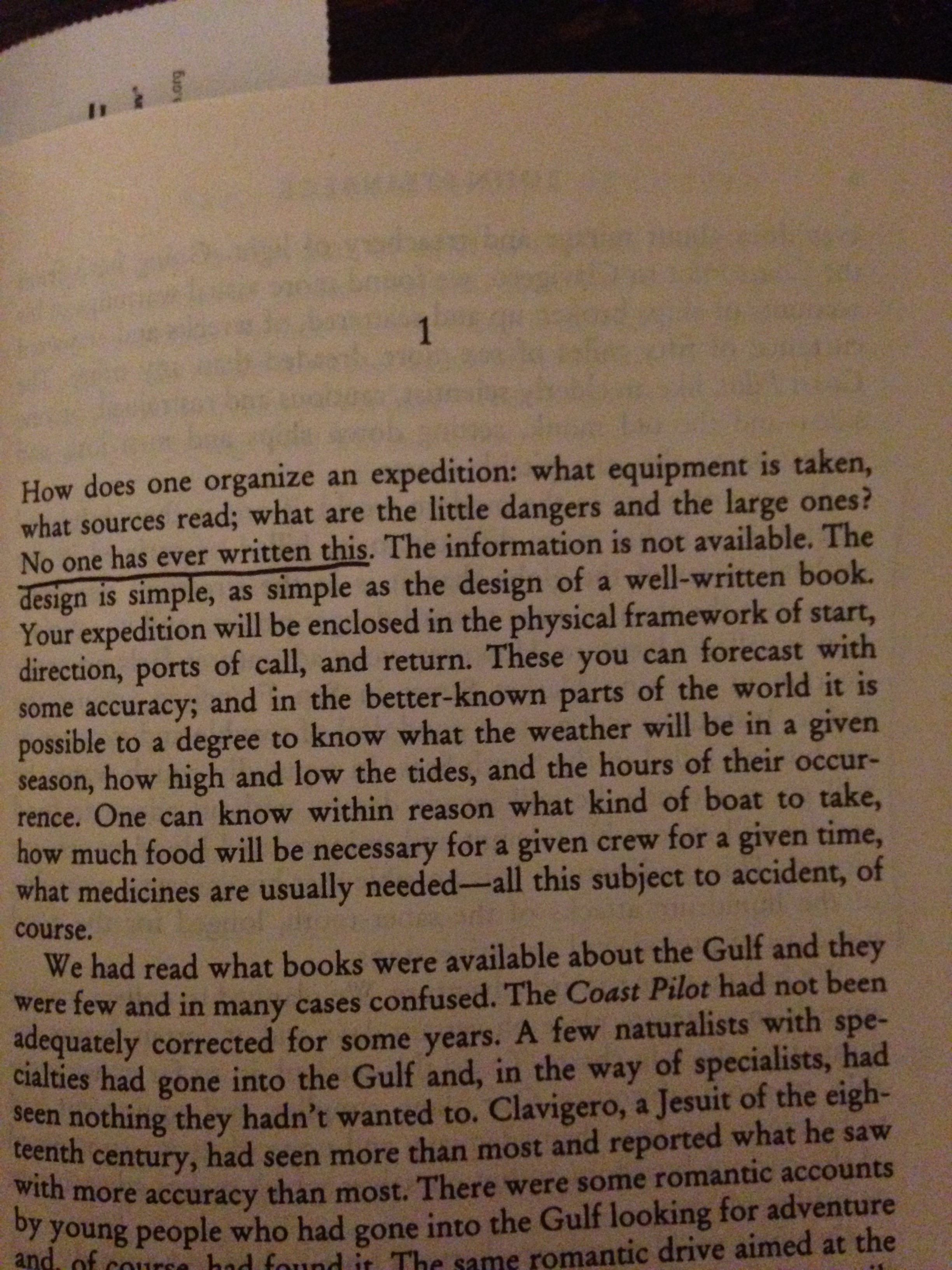
No one has ever written this.
Posted: July 2, 2014 Filed under: the California Condition, writing Leave a comment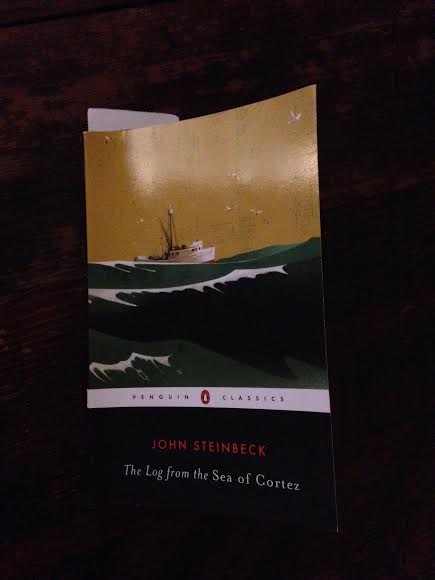
A baller second sentence to write in your book.
What the guy at the nursery said to me when I bought a book about cactus identification:
Posted: June 23, 2014 Filed under: the California Condition 1 Comment
I knew someone would want to study the cacti.
Lone Pine
Posted: June 19, 2014 Filed under: the California Condition Leave a comment
Man, next time I’m up in Lone Pine, I’m gonna see if I can buy local writer Llewelyn Kent a cup of coffee.
From an interview with him in Eastern Sierra Review*:
ESR: You’ve been in various emergency-type situations–
L. Kent: Yah, you could call ’em that.
ESR: What’s one lesson these experiences have taught you.
L. Kent: To keep calm. Sounds easy, it isn’t. It’s hard and I can’t say I learned it perfectly. But I did learn, pretty quick: the worse things are, the calmer you ought to be. Just remembering that is useful.

* possible I am the only subscriber south of, say, Mojave. Although someone claimed they saw a copy at Skylight.
California
Posted: February 20, 2014 Filed under: the California Condition 1 Comment
Was reading about missions in California, came across this wonderful tidbit about the mission of San Antonio de Padua:
In popular culture
-
The 1965 horror film Incubus was partly filmed at the Mission. The writer and director, Leslie Stevens, concerned that the Mission authorities would not allow the film to be shot there because of the subject matter, concocted a cover story that the film was calledReligious Leaders of Old Monterey, and presented a script that was about monks and farmers. He was helped in this deception by the fact that the film was shot entirely in Esperanto.[12]
Dance of the Californians
Posted: February 6, 2014 Filed under: the California Condition Leave a comment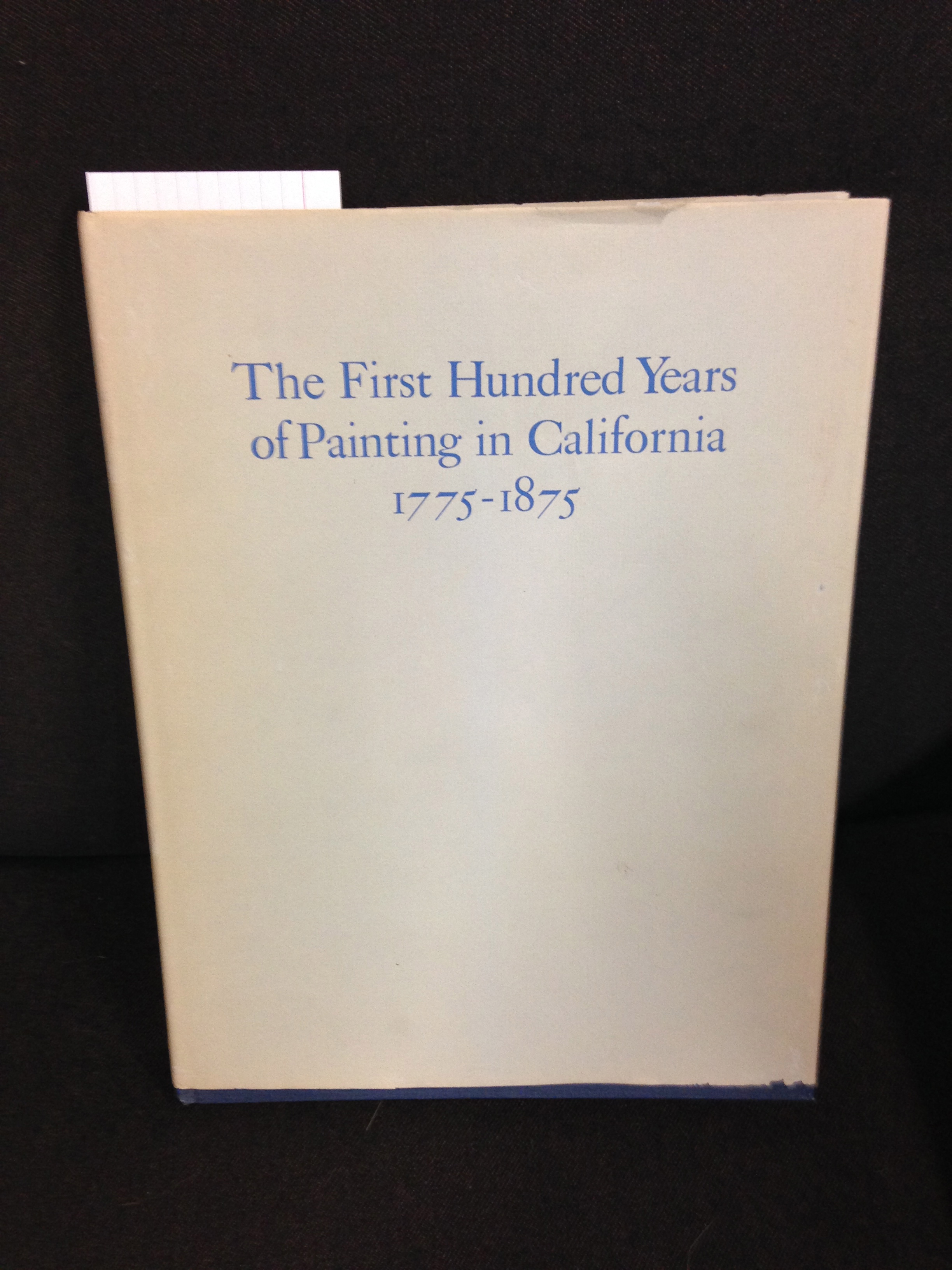
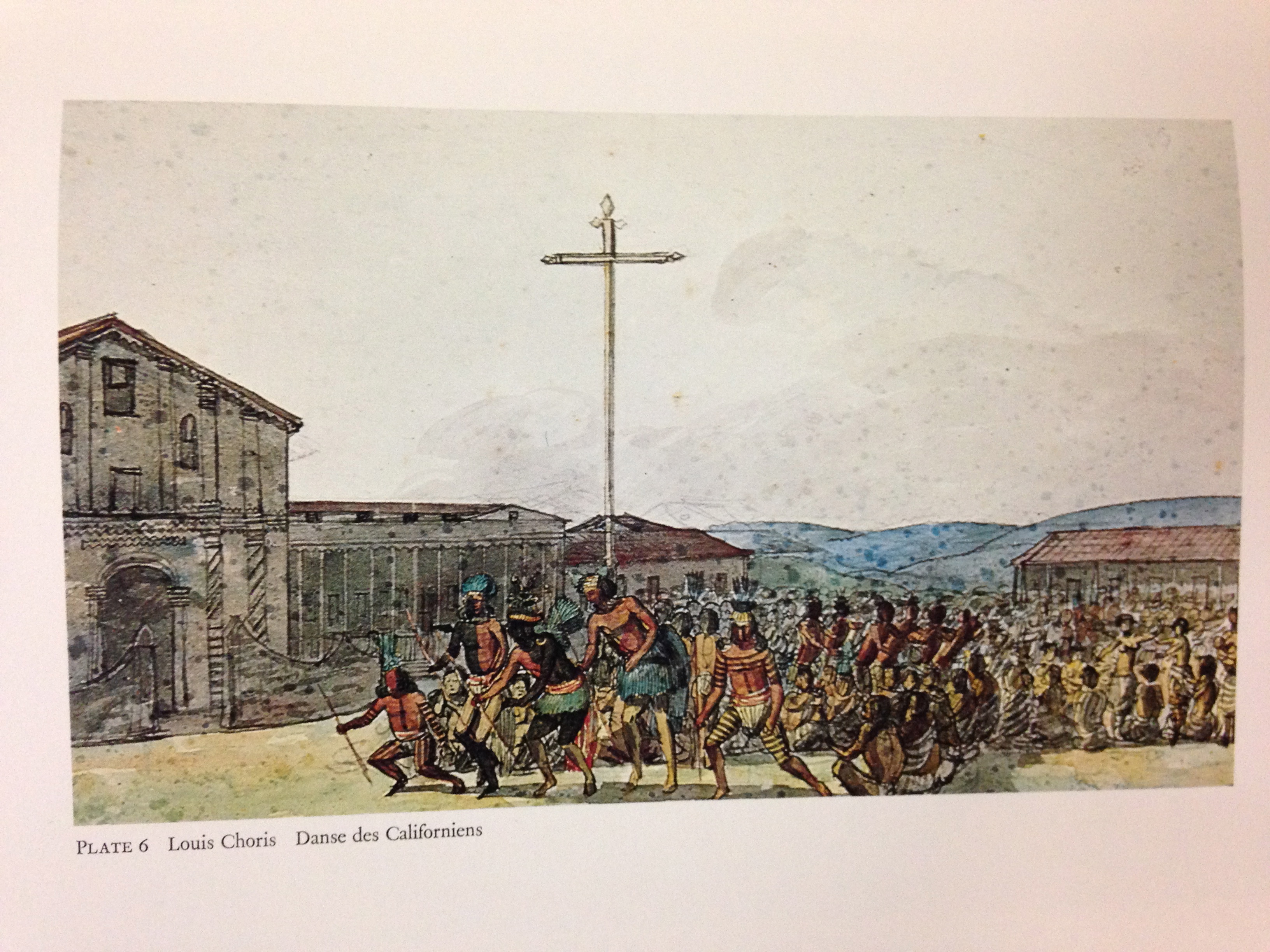
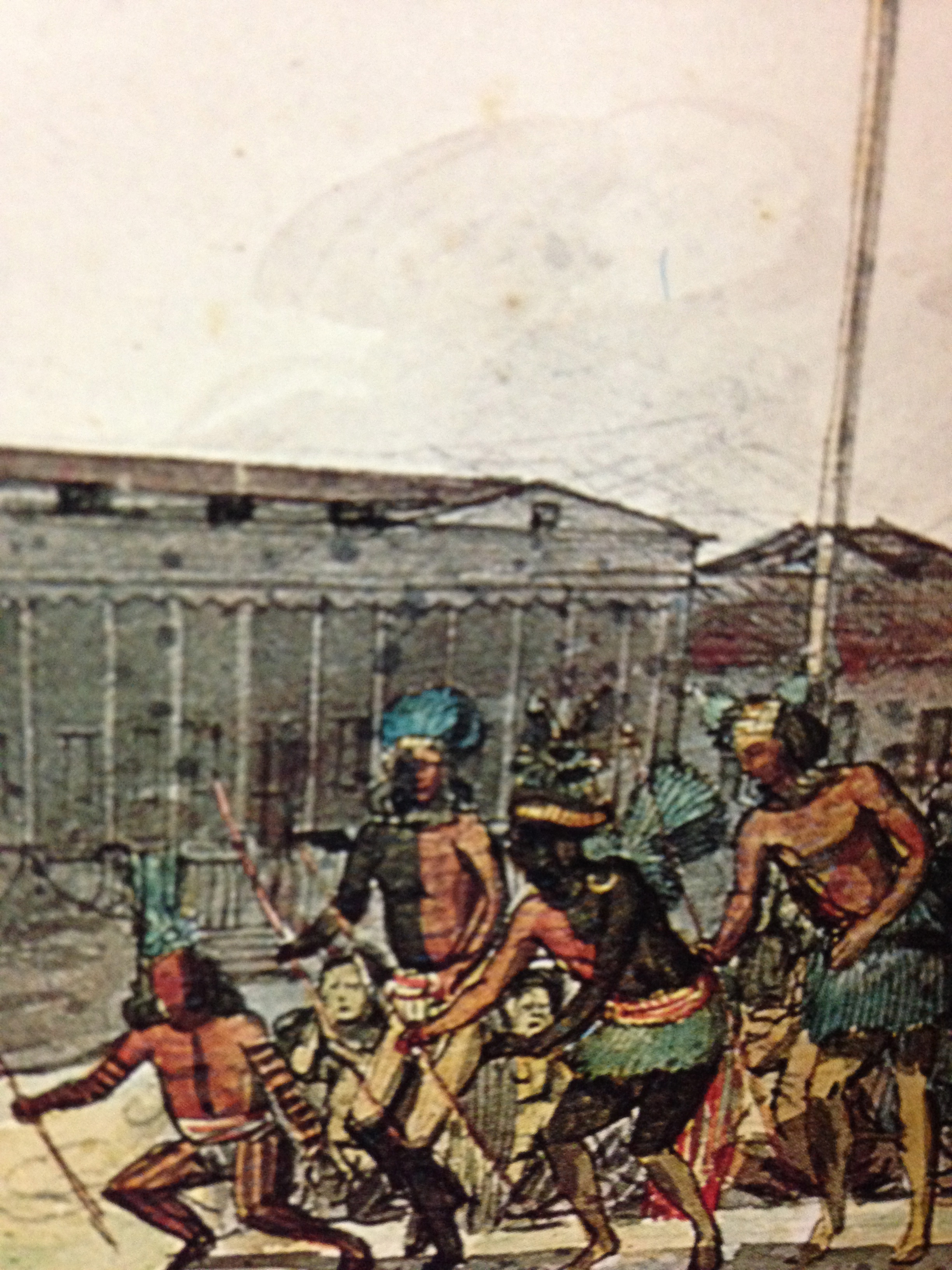
Seized by an irresistible craving for adventure, [Louis Choris] left France in 1827 for South America. He met his end when he was murdered by robbers on March 22, 1828, en route to Vera Cruz, Mexico
Dustin Van Wechel, “Headstrong”
Posted: January 23, 2014 Filed under: painting, the American West, the California Condition 1 Comment
Reader “Matt M.” in La Jolla writes:
Dear Helytimes,
I know you’ve been accused of being “Headstrong” so I thought you might enjoy DVW’s image of the same name, which I saw on the Autry Museum’s Pinterest page.
Love the site!
– Matt M.
Right you are, Matt. Thanks for reading. That painting is oil on linen. Van Wechel is truly one of our finest living buffalo painters.
You can write to HelyTimes Mailbag at helphely at gmail, subject line “Mailbag.”
I don’t think this is a good name.
Posted: January 15, 2014 Filed under: the California Condition Leave a comment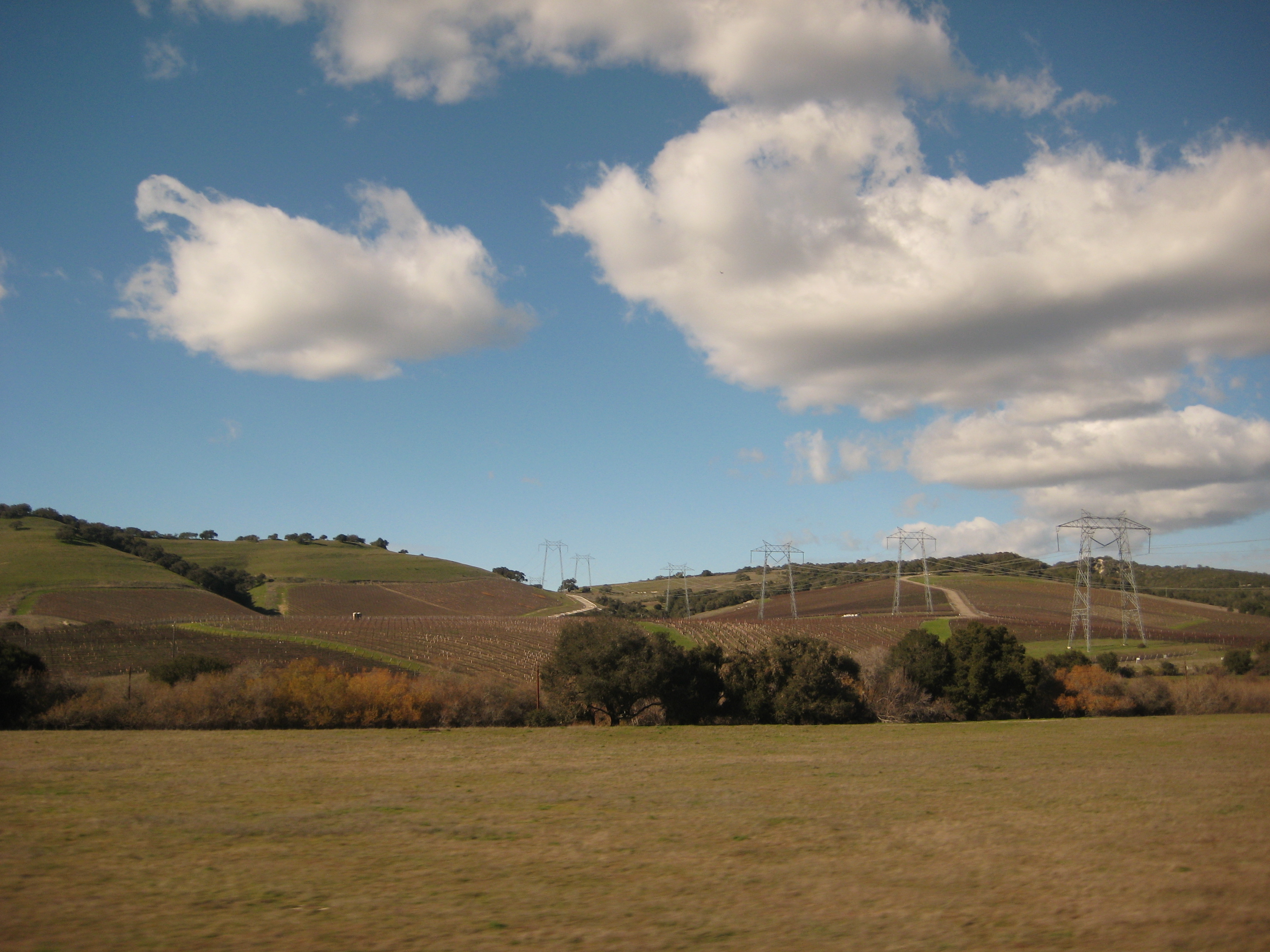
Reading this Dana Goodyear article about valley fever:
“The impact of valley fever on its endemic populations is equal to the impact of polio or chicken pox before the vaccines,” John Galgiani, an infectious-disease physician who directs the Valley Fever Center for Excellence, at the University of Arizona in Tucson, says. “But chicken pox and polio were worldwide.”

Saving Mr. Banks
Posted: December 19, 2013 Filed under: film, the California Condition 1 Comment
* Man, I thought this was a deeply, deeply interesting movie.
* Everybody in the movie does a great job. It is a well-made movie, the story’s really artfully told. I’s not like I remember Mary Poppins super well, but they lay that stuff in just right. I straight up enjoyed this movie.
* But: part of what I liked about it was the thrilling feeling that it was so unbelievably shameless. John Lee Hancock directed this movie, he directed The Blind Side, which was perfectly, amazingly shameless. Or was it not that shameless, is the world really like this and I’m just jaded/cynical and I need movies like this to bring me back to the fullness of humanity??
* What’s at the heart of this movie? What is this movie saying about cynicism, honesty, manipulation, entertainment? There’s Paul Giamatti talking about his handicapped daughter? Is this a play on being a shamelessly cornball movie? Does it matter? Isn’t the argument of this movie that putting something like that into your movie for the purpose of bending your emotions and giving you hope is ok? Is the moral that if you let down your cynicism for one second you’ll find yourself moved, and that feeling, that person, is your truer, better self? But how can the ends of that message come across if the means is truly shameless manipulation?
* How much is it on me, the audience, to agree to not be cynical, and how much is it on them, the storytellers, to not then manipulate me? What’s the deal we make when we suspend disbelief and what counts as a betrayal of that deal?
* At one point Walt Disney (Tom Hanks) looks at P. L. Travers (Emma Thompson) but it’s shot so he’s nearly looking to camera, to the audience. “Trust me,” he says. What are we to make of a movie made by Disney (the company) where the story of the movie is Disney (the man) making the case for manipulative entertainment to a reluctant audience? Where there’s a scene of a cold, repressed woman reduced to tears in a movie theater by the power of a movie?
* Saving Mr. Banks exists at some intersection where cynicism and idealism cross over each other again. If Disney makes a movie that runs right at some of the issues that make cynics so knee-jerk scornful of “Disney,” isn’t that kind of interesting and cool? Even if (of course) the ultimate product is in the end pretty pro-Disney? Or is it just nth level propaganda? Does it matter, if it’s fun and moving to watch?
* now look I’m not comparing anyone to Nazis or anything: but a thing that has stuck with me since I learned it is the idea that Goebbels was continually stunned and amazed at how much better and more effective the American “propaganda” movies that were coming out of a non-state directed Hollywood were than the products of Germany’s completely controlled machine, big example being Mrs. Miniver.

* I don’t want to deal with the idea of possible sexism in Saving Mr. Banks, but I mean the story of this movie is an uptight old woman is seduced by a powerful and calming man and when she finally submits herself to him after a lengthy courtship she experiences an extreme emotional release (right?)
* MORE!: the moviemakers monkeyed with the history at least a little bit, but how much? This article, “Saving Mr. Banks Is A Corporate, Borderline Sexist Spoonful of Lies” from LA Weekly (which I only learned about when the co-screenwriter got in a Twitter spat with the reviewer) would suggest quite a bit. This New Yorker article from 2005, though, suggests it’s hard to know, that maybe P. L. Travers played it a lot of different ways depending on who she was talking to. (that article, btw, written by Caitlin Flanagan, whose thoughts on nanny issues are always good to stir up the Internet).
How much does this matter? Isn’t part of the argument of this movie something about “the goal of entertaining and creating hope through entertainment can supersede other concerns,” or something? I dunno. Surely the people who made this movie looked into it more than your average reviewer and made their own set of ethical choices about how faithful they had to be to reality. If the manipulation of reality for narrative makes us queasy why and at what point does it make us queasy? How far are you allowed to go on these kinds of things?
I mean, a movie is a lie, that’s not really Walt Disney and it’s not really 1961. How much are you allowed to lie, though? I mean we all agree some accuracy is important, see Wikipedia:
To accurately convey Walt Disney’s Midwestern dialect, Tom Hanks listened to archival recordings of Disney in his car and practised the voice while reading newspapers.[37][38] Hanks also grew his own mustache for the role, which underwent heavy scrutiny—with the filmmakers going so far as to matching the same dimensions as Disney’s.[39][40]
Do we like hearing these things because it suggests the moviemakers are showing respect for the truth, and respect for us the audience by doing this work? Does it matter only when the real-life person is as famous/sacred at Walt Disney? Are critics like Amy Nicholson in LA Weekly mad the way we’re mad when we catch someone lying to us? Because it suggests the liar doesn’t respect us and thinks they can get away with it?

* An Australian person once claimed to me that it’s a well-known thing among Australians that Australians are known to get emotional when they come to Los Angeles. The person who claimed this to me said it was a combination of the flora, eucalypts and stuff, reminding them of home, plus Los Angeles is often the last stop on a long trip and they’re tired and on their way home. An odd claim maybe but then it was spontaneously confirmed to me by a whole other Australian. Saving Mr. Banks hints at this theme a little bit, I guess, but even that gets weirder when you learn the Australian scenes were shot in California.
* Real-life P. L. Travers is pretty interesting. Here’s some teasers from her Paris Review interview:
INTERVIEWER
Does Mary Poppins’s teaching—if one can call it that—resemble that of Christ in his parables?
TRAVERS
My Zen master, because I’ve studied Zen for a long time, told me that every one (and all the stories weren’t written then) of the Mary Poppins stories is in essence a Zen story. And someone else, who is a bit of a Don Juan, told me that every one of the stories is a moment of tremendous sexual passion, because it begins with such tension and then it is reconciled and resolved in a way that is gloriously sensual.
or here she is talking about her time with the Navajo:
I’d never been out West and I went to stay on the Navajo reservation at Administration House, which is at Window Rock beyond Gallup…
One day the head of Administration House asked me if I would give a talk to the Indians. And I said, “How could I talk to them, these ancient people? It is they who could tell me things.” He said, “Try.” So they came into what I suppose was a clubhouse, a big place with a stage, and I stood on the stage and the place was full of Indians. I told them about England, because she was at war then, and all that was happening. I said that for me England was the place “Where the Sun Rises” because, you see, England is east of where I was. I said, “Over large water.” And I told them about the children who were being evacuated from the cities and some of the experiences of the children. I put it as mythologically as I could, just very simple sayings.
At the end there was dead silence. I turned to the man who had introduced me and said, “I’m sorry. I failed, I haven’t got across.” And he said, “You wait. You don’t know them as well as I do.” And every Indian in that big hall came up and took me silently by the hand, one after another. That was their way of expressing feeling with me.
I never knew such depths of silence, internally and externally, as I experienced in the Navajo desert. One night I was taken at full moon away into the desert where they were having a meeting before they had their dancing. There were crowds of Indians there, about two thousand under the moon. And before the proceedings began there was no sound in the desert amongst those people except the occasional cry of a baby or the rattle of a horse’s harness or the crackling of fire under a pot—those natural sounds that really don’t take anything from the silence.
They waited it seemed to me hours before the first man got up to speak. Naturally, I didn’t understand what they were saying. But I listened to the speeches and I enjoyed the silences all night long. And when the night was far spent, they began to dance. Not in the usual dances of the corn dance; they had their ordinary clothes on and were dancing two-and-two, going around and around a fire, a man and a woman. And I was told that if you’re asked to dance by a man and you don’t want to dance, you give him a silver coin. So one Indian did come up, but I went with him. I couldn’t do the dance, even though it wasn’t a very intricate dance; it was more a little short step round and round, just these two people together. So we two strangers danced around the fire. It was very moving to me. And we came back to the House in the early morning.
* Oh! What about the part in the movie where P. L. Travers’ dad says of her poetry “it’s not exactly Yeats, is it?” Well real-life P.L. grew up to know Yeats. Is that anything? I dunno, probably not.
* What if this is a story about a pretty good con artist/manipulator (Travers) going up against the best who ever lived (Disney), and when she realizes how meagre her gifts are compared to his she becomes spiteful and petulant (Salieri-in-Amadeus style)?
* They mention in the movie that Robert Sherman got shot. Apparently he was in on the liberation of Dachau. A Jewish guy liberates a death camp and comes home and writes the cheeriest songs anyone’s ever heard? I mean, that’s a whole other interesting movie.
P. L. Travers as a young actress:

Vertigo Sucks
Posted: November 16, 2013 Filed under: film, the California Condition 14 Comments
1) I like many old movies.
Many of them* are “still” good, even though now-movies are faster louder and full of incredible innovations.
2) The cause of encouraging people to enjoy old movies is hurt when we pretend bad old movies are good.
If you’re on the fence about old movies, and you hear about one that’s supposedly good, and then you watch it and it’s boring nonsense, you might conclude “old movies are boring and shitty.”
3) Vertigo sucks.
It is boring to watch. The plot is ridiculous and implausible, multiple times over. This plot is explained in tedious, boring ways.
I absolutely concede that Vertigo might have been AMAZING when it came out in 1958, full of crazy innovations and sexiness. This shot, say – still very cool:
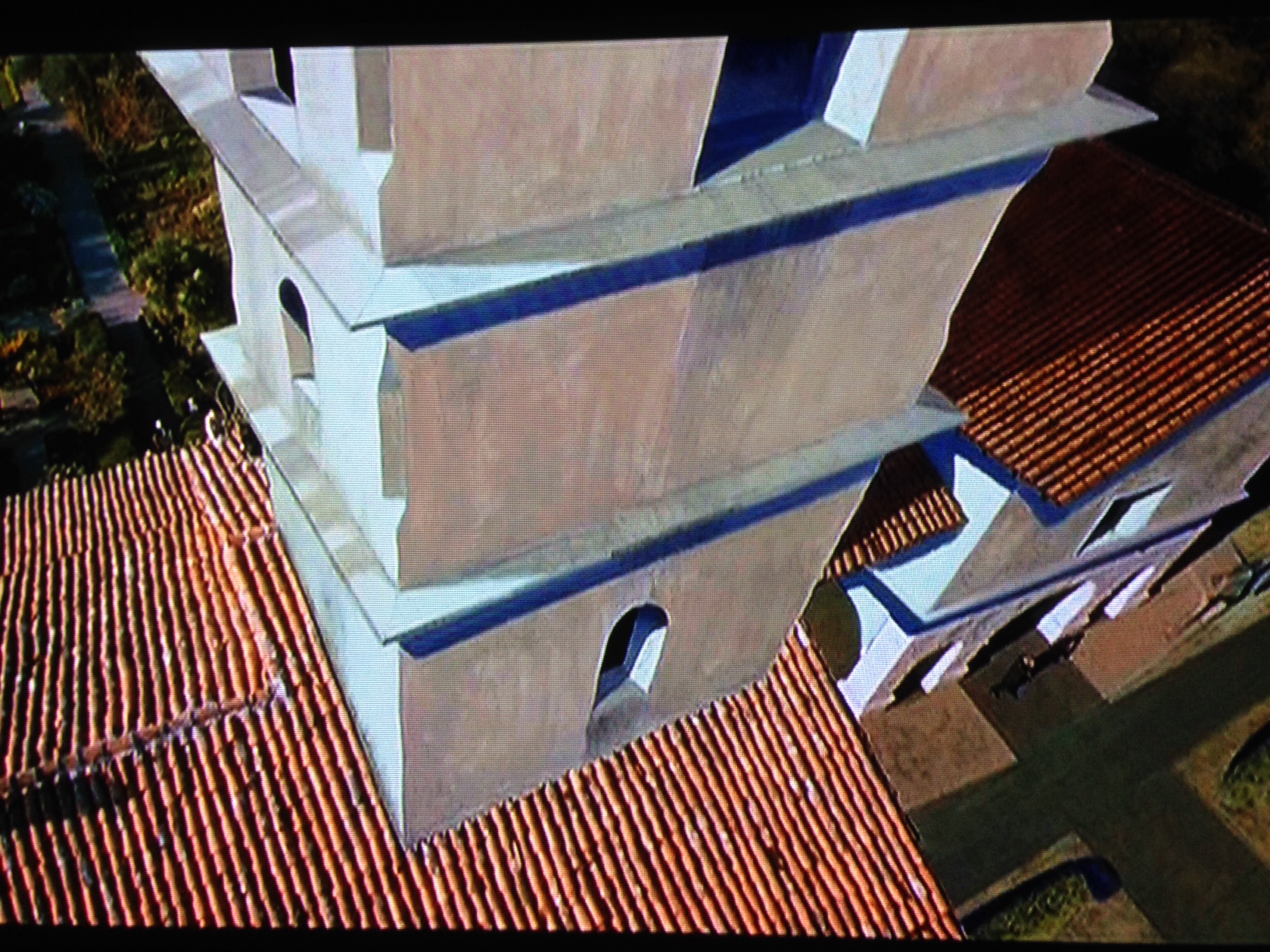
As cool as the paintings on old rides at Disneyland.
4) People pretend Vertigo is good for some reason. This is destructive.
It’s possible that these people just have different taste than me.
But I don’t think so. That’s how much I hated Vertigo. I believe it is either 1) old people who remember seeing Vertigo in 1958, and having their minds blown, which, fine I totally concede or 2) people who for some micro-cultural reason have bought into liking Vertigo as some kind of status indicator or something. Possibly uncharitable, I know, but understand: I hated Vertigo.
I don’t even not like Hitchcock. I would say Rope is 2x better than Vertigo. Psycho is better than Vertigo. So is North by Northwest which also doesn’t make a ton of sense. Rear Window is way better than Vertigo.
Disclaimers:
1) I only just saw Vertigo a couple days ago, maybe I would’ve liked it more if I saw before I’d seen, say 12 Years A Slave, Gravity, and The Counselor.
3) I’m wrong all the time
But I think this is an important cause.
Vertigo was voted in first place in Sight & Sound‘s 2012 poll of the greatest films of all time, both in the crime genre and in general, displacing Orson Welles’ Citizen Kane from the position it had occupied since 1962.
Ok: lists are stupid, deliberately provocative, Sight & Sound is a British magazine so maybe they are biased, and also who cares, and maybe, as Sight & Sound editor Nick James says, it might just be that critics love j. o.’ing to the idea of disguised/impersonated movie stars (paraphrasing).
The problem is that Citizen Kane is good. I think if you’d never seen Citizen Kane tomorrow and you watched it it would still be interesting.
By hyping Vertigo to youths, we encourage them to watch a boring piece of shit, and their conclusion will be “don’t trust the fuckers who say old movies are good.”
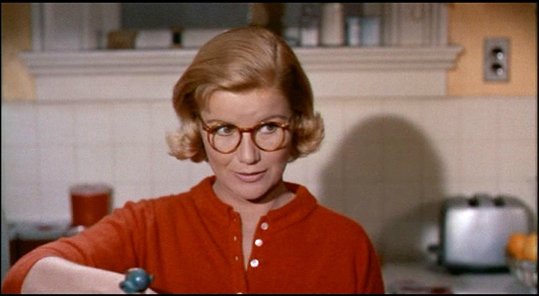
5) Don’t believe anyone who tells you Kim Novak is “sexy” in Vertigo.
The sexy one is tragic, confused Midge.
“Four Centuries Of Pueblo Pottery”
Posted: October 19, 2013 Filed under: America, the California Condition Leave a commentMan, if you go see an exhibit called “Four Centuries of Pueblo Pottery” at the Southwest Museum legally all your property is forfeit to KCRW but I do like this picture.
Like most things involving the site, the show is fraught with uncertainty and controversy, none of it having to do with the artistry and cultural history on display.
The Golden Gate Bridge Under Construction
Posted: July 8, 2013 Filed under: the American West, the California Condition Leave a comment
The very first shot of The Lone Ranger is set in San Francisco in 1933. There’s a wide shot of the Golden Gate Bridge under construction.
I can’t remember ever seeing that before. I went looking for photos of it and found some good ones here, at the UC system’s Calisphere.

and

Tule Fog
Posted: February 27, 2013 Filed under: the California Condition 24 Comments
Tule fog is a thick ground fog that settles in the San Joaquin Valley and Sacramento Valley areas of California’s Great Central Valley. Tule fog forms during the winter and early spring (California’s rainy season) after the first significant rainfall. The official time frame for tule fog to form is from November 1 to March 31. This phenomenon is named after the tule grass wetlands (tulares) of the Central Valley.
Tule fog near Bakersfield, from wiki, which reports:
Motor vehicle accidents caused by the tule fog are the leading cause of weather-related casualties in California.
The word, by the way, is pronounced “tooly,” not “tool” as I long believed.
First observed by this author while he searched for the site of the Mussel Slough gunfight.
photo source: Wikipedia? Gone now.
 Helytimes
