Old Tweets
Posted: August 9, 2018 Filed under: writing Leave a comment
Man I went through my old Tweets, and none of them were racist or anything, but they were terrible!
If you don’t look back on your old writing without disgust you’re not growing, so healthy enough I guess. But you’d think for something I spent so much time doing I’d’ve come up with some better ones.
Here are the only ones I felt like might be worth saving, putting them here as much for myself as for my small but influential readership.
When I don’t like writing it’s usually because it’s too writingy.
The Biblical story of Joseph interpreting Pharaoh’s dream: first case of a Jewish psychiatrist?
If there were a restaurant in LA that sold angel meat, Jonathan Gold would eat there.
Today’s surprising Supreme Court Fact: Ruth Bader Ginsburg was a high school cheerleader.
Whenever I’m in New York, I visit this little shop know, down in the Flatiron, and have my shoes professionally tied.
Addition to Hely’s Great Things: When an old person says “blankety-blank” instead of swears.
An airport? A state forest? An interchange? All fine things to have named after you. But only Melba has a peach thing AND a toast.
One thing I’d like to see is a giant eating baked potatoes, one after another, like grapes.
Ate a piece of gum today that was in stick form, instead of hard, candied pill form. It was like visiting Old Sturbridge Village.
If I’m gonna see a play, by the end the stage better be a MESS.
What real-life show is “Game of Thrones” the porn parody of?
The taste of a drop of air conditioner water landing in your mouth. #mynewyork
There’s only one political issue I’m deeply passionate about: colonizing the moon with convicts. I’m opposed.
Let’s argue! I’ll start! All jazz is perfect.
my favorite cob food? corn, no brainer
It’s unreasonable of Don Cheadle to expect the other members of Ocean’s Eleven will understand his ludicrous slang.
Most of my money ($660) comes from my 1992 dance hit “It’s OK To Dress Up (When You’re The Birthday Girl)”
I think I could sell idiots salted coffee.
“Fine, FINE, we’ll just name ANOTHER one after John Muir, then we can all go home.” – another tense meeting at the US Forest Service.
In this age of baby carrots it’s such a power move to eat a regular carrot.
If you’re into immutable laws you pretty much have to go with physics, right?
TRIVIA: What is the most spilled beverage in the world? Give up? It’s water. (Trick question because I was counting waterfalls.)
Vali rolled with it admirably when he came back to our seats at the Arclight and found me telling the history of IKEA to a stranger.
Was bowling invented so teens of different genders could examine each other’s butts?
“I like your shirt!” = “I noticed your shirt!”
LA etiquette: it’s rude to point out that someone’s production company has never produced anything.
The most important ingredient in any recipe is money.
Movie pitch: Fuckboi Academy
Nothing pisses me off more than when some fuckface in my Instagram is having a nice vacation
My best hope for Olympic glory would be as the falling down guy someone helps in a true display of sportsmanship
What did the TV writer say when he arrived in Hell? “How’re the hours?”
You know what sounds terrible but is actually perfectly nice? The stall in the bathroom of the Yucca Valley Walmart, where I wrote this.
What is moral?
Posted: July 31, 2018 Filed under: writing Leave a comment
Goya, Death of the Picador
How do we decide what’s good or bad, right or wrong?
A interesting question obvs. One every person answers for themselves somehow.
But how many of us can articulate our answer?
Would you come up with something like “not harming anyone else”? Living with honor and honesty and compassion?
Really, I doubt most of us bother to articulate a moral philosophy or definition of morals. We sorta just go with what feels right or wrong.
Right?
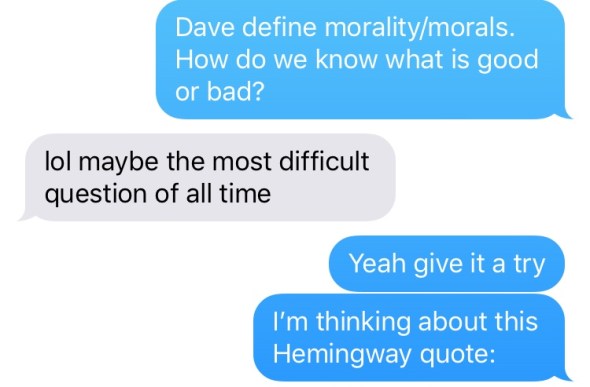
About morals, I know only that what is moral is what you feel good after and what is immoral is what you feel bad after.
This is a quote attributed to Hemingway.
One thing I think is wrong is quote sites that don’t include the source or context for the quote.
(Brainy Quotes has the nerve to suggest how you can cite Brainy Quotes itself as the source.)
As always, hunting the source proves enriching. Hemingway said this in chapter one of his book Death In The Afternoon.
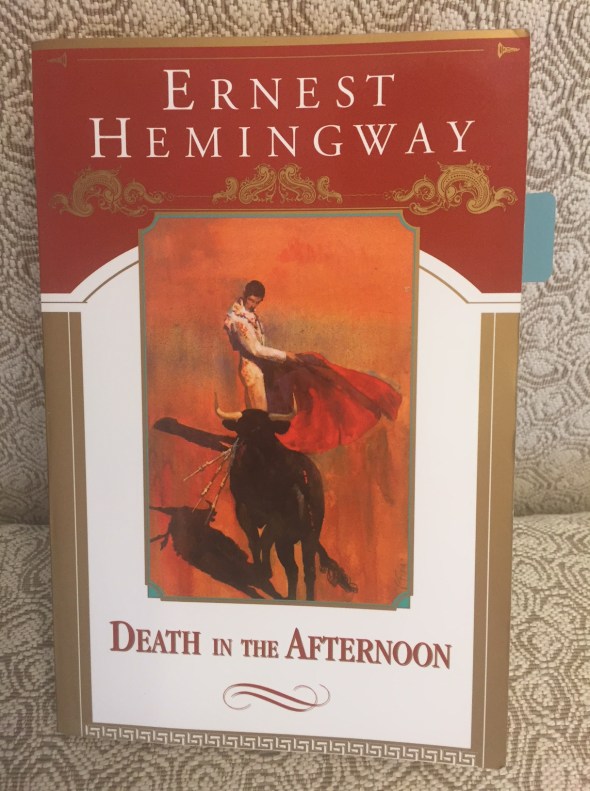
Back up just a few pages. Here’s how Hemingway starts the book:
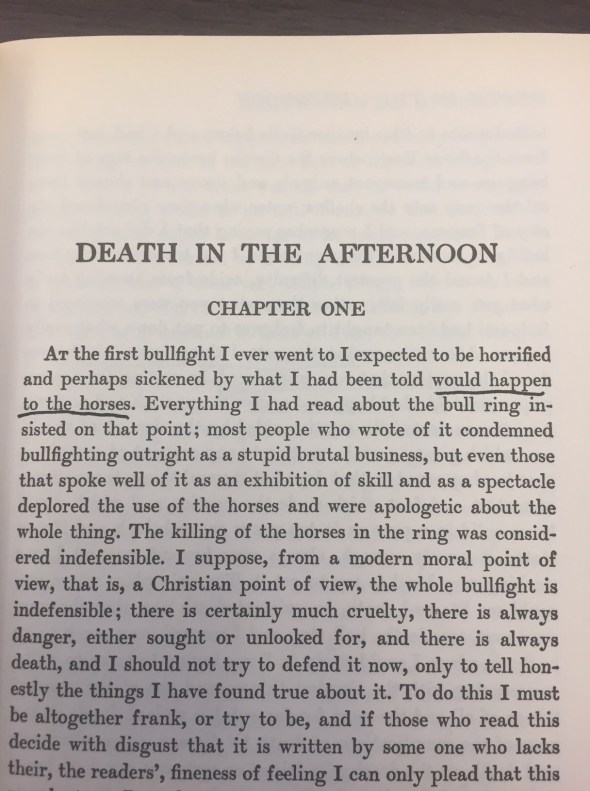
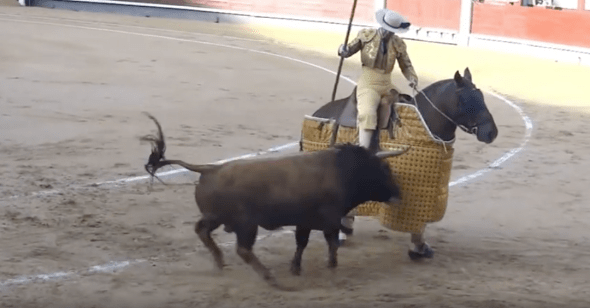
In Hemingway’s day, what was most repugnant about bullfighting was the suffering of horses.
Horses (this is described in the book) would get gored and have their entrails hanging out and trailing like grotesque ribbons.
At what bullfights remain this problem has been mostly eliminated, I believe, by armoring the horses. At the only bullfight I ever saw in person, the horses were unharmed, though nine bulls were killed, one of them especially tortured because of the incompetence of the matador (lit. “killer”). (This video is upsetting if you don’t like seeing bulls hurt, but you can see how horses are now protected.)
Hemingway continues, justifying why he got into bullfighting even though he likes horses:
I was trying to write then, and I found the greatest difficulty, aside from knowing truly what you really felt, rather than what you were supposed to feel, and had been taught to feel, was to put down what really happened in action; what the actual things were which produced the emotion that you experienced.
A theme Hemingway came back to frequently.
He mentions Goya’s Los Desastros de la Guerra.
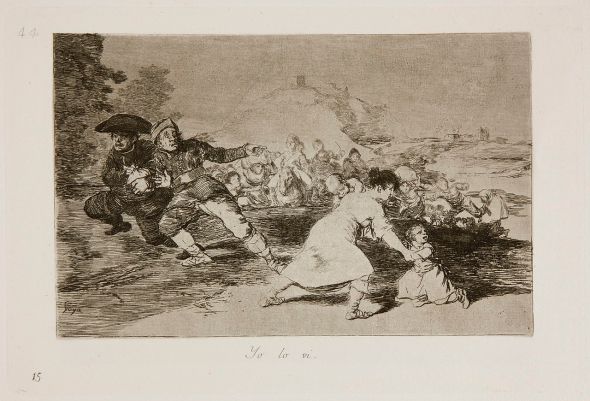
Plate 44: Yo lo vi (I saw this)
Hemingway continues:
So I went to Spain to see bullfights and to try to write about them for myself. I thought they would be simple and barbarous and cruel and that I would not like them, but that I would see certain definite action which would give me the feeling of life and death that I was working for. I found the definite action ; but the bullfight was so far from simple and I liked it so much that it was much too complicated for my then equipment for writing to deal with and, aside from four very short sketches, I was not able to write anything about it for five years — and I wish I would have waited ten. However, if I had waited long enough I probably never would have written anything at all since there is a tendency when you really begin to learn something about a thing not to want to write about it but rather to keep on learning about it always and at no time, unless you are very egotistical, which, of course, accounts for many books, will you be able to say: now I know all about this and will write about it. Certainly I don not say that now ‘ every year I know there is more to learn, but I know some things which may be interesting now, and I may be away from the bullfights for a long time and I might as well write what I know about them now. Also it might be good to have a book about bullfighting in English and a serious book on such an unmoral subject may have some value.
So far, about morals, I know only that what is moral is what you feel good after and what is immoral is what you feel bad after and judged by these moral standards, which I do not defend, the bullfight is very moral to me because I feel very fine while it is going on and have a feeling of life and death and mortality and immortality, and after it is over I feel very sad but very fine. Also, I do not mind the horses; not in principle, but in fact I do not mind them.
Just thought is was interesting, this succinct definition of morality came in the context of why it shouldn’t bother us to see horses mangled during the ritual killing of bulls.
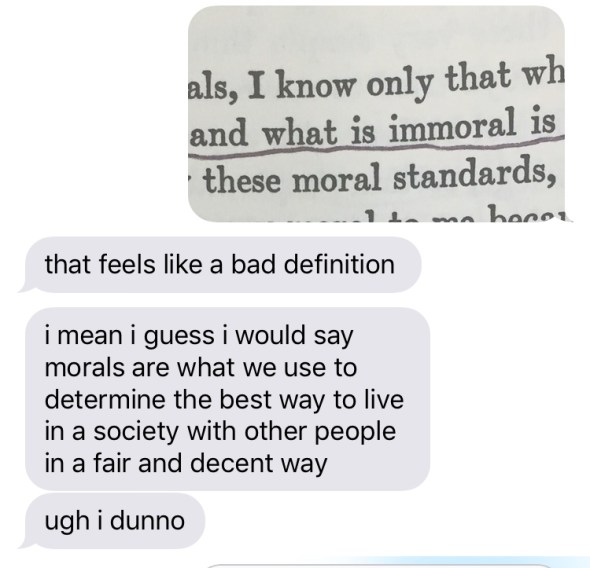
Is E. M. Forster “wrong”? (or, maybe, are our meanings different than his?)
Posted: July 24, 2018 Filed under: writing 2 Comments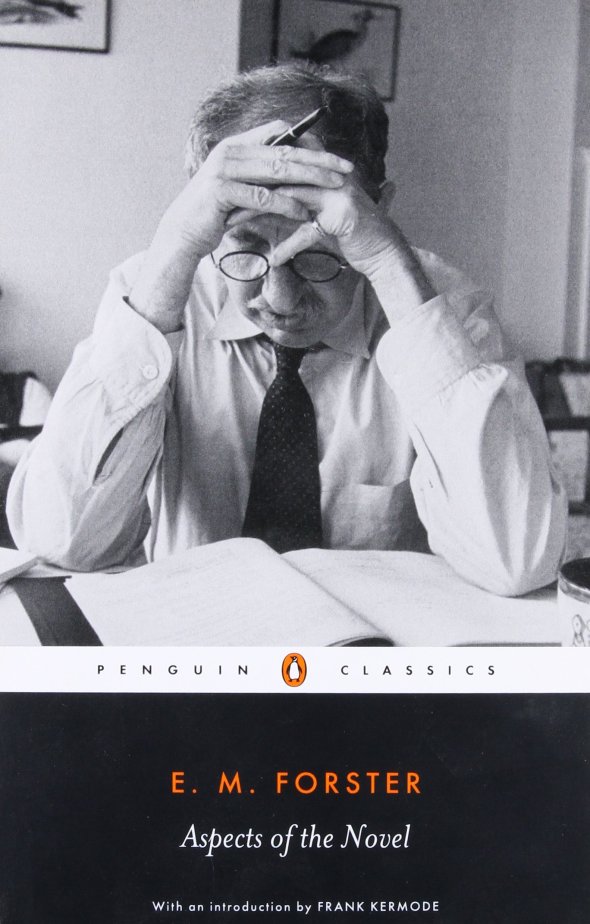
Let us define a plot. We have defined a story as a narrative of events arranged in their time-sequence. A plot is also a narrative of events, the emphasis falling on causality. “The king died and then the queen died” is a story. “The king died, and then the queen died of grief” is a plot.
So says Forster in Aspects of The Novel.
But this is the exact opposite way I feel most professional TV writers talk about this. Shorthanded, “plot” means the events and “story” is the emotional journeys of the characters.
Over here commenter Kenny Chaffin, a writer himself, puts it succinctly:
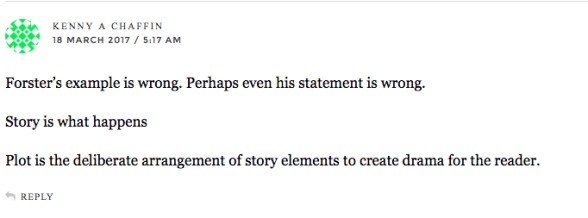
I’m not sure I’d say Forster was wrong, but these words seem to have an inverted meaning in 2018 Hollywood. When you have plot and no story, the audience will be bored.
Interview: John Levenstein
Posted: July 22, 2018 Filed under: writing, writing advice from other people 2 Comments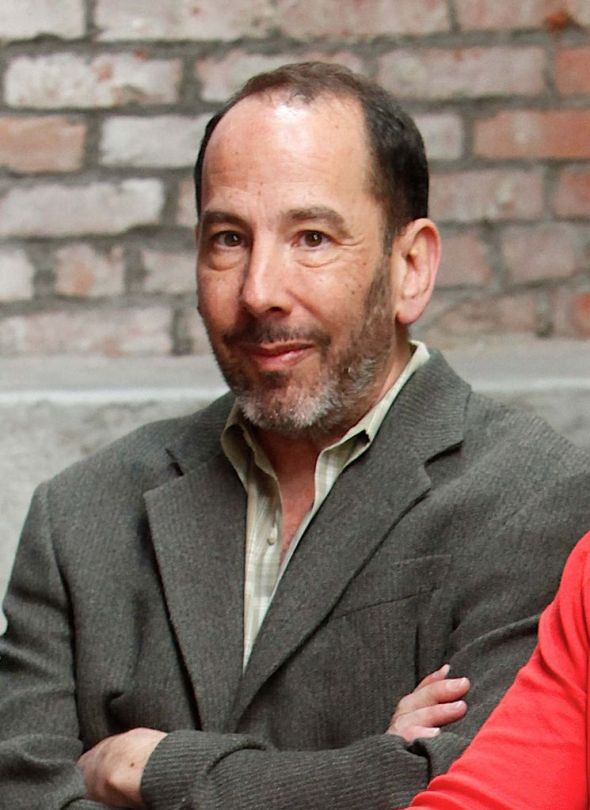
Montenegro in the news
Posted: July 18, 2018 Filed under: politics, writing Leave a comment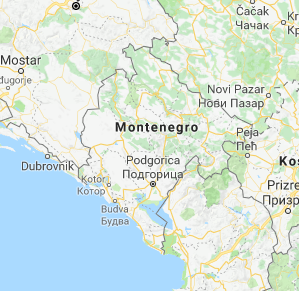
Montenegro in the news:

made me think of:

Gatsby is finally telling his backstory to Nick:
“Then came the war, old sport. It was a great relief and I tried very hard to die but I seemed to bear an enchanted life. I accepted a commission as first lieutenant when it began. In the Argonne Forest I took two machine-gun detachments so far forward that there was a half mile gap on either side of us where the infantry couldn’t advance. We stayed there two days and two nights, a hundred and thirty men with sixteen Lewis guns, and when the infantry came up at last they found the insignia of three German divisions among the piles of dead. I was promoted to be a major and every Allied government gave me a decoration–even Montenegro, little Montenegro down on the Adriatic Sea!”
Little Montenegro! He lifted up the words and nodded at them–with his smile. The smile comprehended Montenegro’s troubled history and sympathized with the brave struggles of the Montenegrin people. It appreciated fully the chain of national circumstances which had elicited this tribute from Montenegro’s warm little heart. My incredulity was submerged in fascination now; it was like skimming hastily through a dozen magazines. He reached in his pocket and a piece of metal, slung on a ribbon, fell into my palm. “That’s the one from Montenegro.” To my astonishment, the thing had an authentic look.
“Orderi di Danilo,” ran the circular legend, “Montenegro, Nicolas Rex.”
“Turn it.”
“Major Jay Gatsby,” I read, “For Valour Extraordinary.”
#teammontenegro
Succession
Posted: July 11, 2018 Filed under: TV, writing Leave a comment
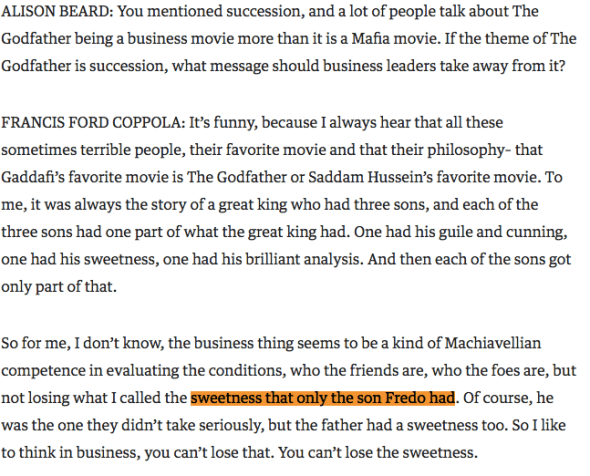
Watching (and enjoying) HBO’s Succession. Reminded me of something I heard Francis Ford Coppola say in an interview (with Harvard Business Review of all places) about how he tries to write down the theme of a project in one word on a notecard.
ALISON BEARD: And when you get stuck creatively, if you don’t know where a script should go or how a movie should end, how do you get yourself unstuck?
FRANCIS FORD COPPOLA: Well, if my intuition and asking the question just what feels better to me doesn’t give it to me, I have a little exercise where any project I work on, I have what the theme is in a word or two. Like on The Conversation, it was privacy. On The Godfather, it was succession. So I always have that word, and I encourage my children to do the same, to break it all down beyond everything else. Don’t tell me it’s a coming-of-age story, because that’s not specific. What, specifically, is it?
And if you have that word, then when you reach an impasse, you just say, well, what is the theme related to the decision? Should it be this or should it be that? Then I say, well, what does the theme tell me? And usually, if you go back to that word, it will suggest to you which way to go and break the roadblock.
Is succession the one-word theme of Succession?
How about this part:

Playing It Down
Posted: June 30, 2018 Filed under: writing Leave a comment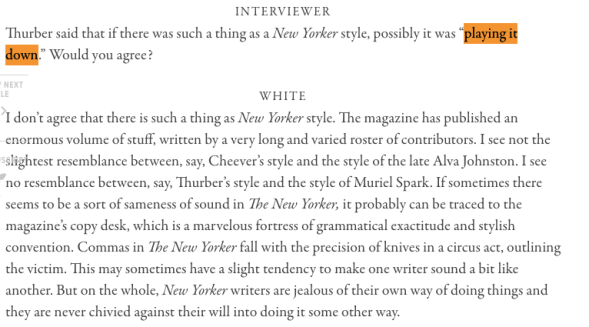
E. B. White in the Paris Review. Thurber:
INTERVIEWER
Does the fact that you’re dealing with humor slow down the production?
THURBER
It’s possible. With humor you have to look out for traps. You’re likely to be very gleeful with what you’ve first put down, and you think it’s fine, very funny. One reason you go over and over it is to make the piece sound less as if you were having a lot of fun with it yourself. You try to play it down. In fact, if there’s such a thing as a New Yorker style, that would be it—playing it down.
Uncle Vanya, A New Version By Annie Baker
Posted: June 21, 2018 Filed under: reading, the California Condition, the theater, writing Leave a comment
We were up in San Luis Obispo and took a walk to the campus of Cal Poly.

In the college bookstore, among the unsold textbooks, I found this and bought it:
Man, I felt like Keats looking into Chapman’s Homer reading this thing. These lifeless translations can kill you when you take on foreign literature. The bad translation can put you off a whole literature for the rest of your life. In college I was supposed to read one of Chekhov’s plays. Trying to save a couple bucks bought the Dover Thrift translation, which is probably worse than putting the Russian into Google Translate. (We didn’t have Google Translate then, children).
I KNEW something was wrong here. There was something about Chekhov that moved people to tears, there was a reason theater people were still talking about Uncle Vanya.

You think this guy didn’t know what he was doing?
Well, anyway, in this Annie Baker edition, you can feel it. The pain and the sadness and the funniness and the absurdity and the humanity of the whole situation. Man.
Five stars.
RIP Stanley Cavell
Posted: June 20, 2018 Filed under: America Since 1945, film, writing 1 Comment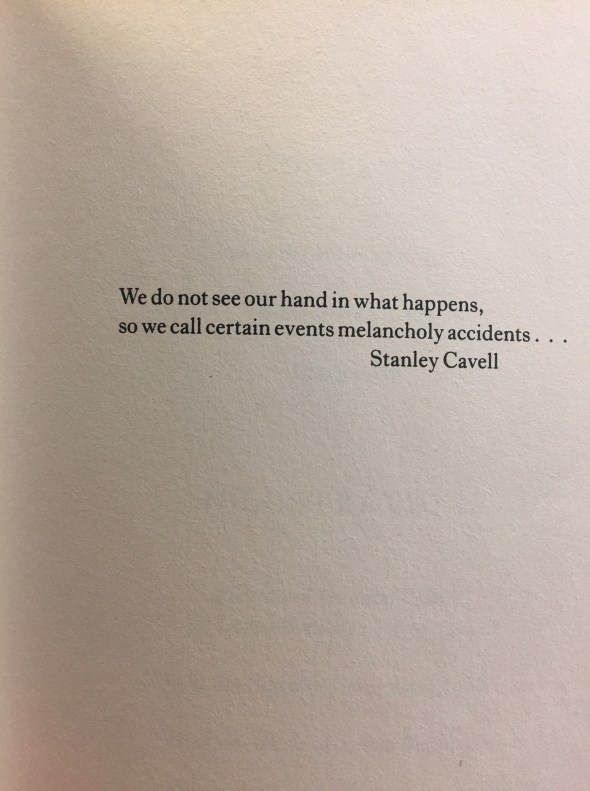
Here is an obituary of the Harvard philosopher, who has left this Earth. To be honest with you, most of Cavell’s work is over my head. Much of it seems to deal with the ultimate breakdown of language and the difficulty of meaning anything.
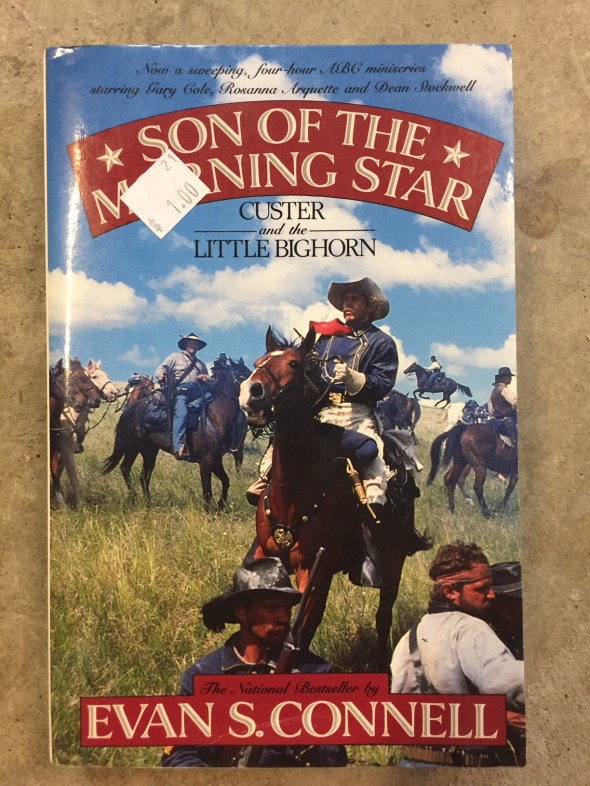
Cavell wrote the epigraph for my favorite book:
and at some point, somebody (Etan?) recommended I check out:
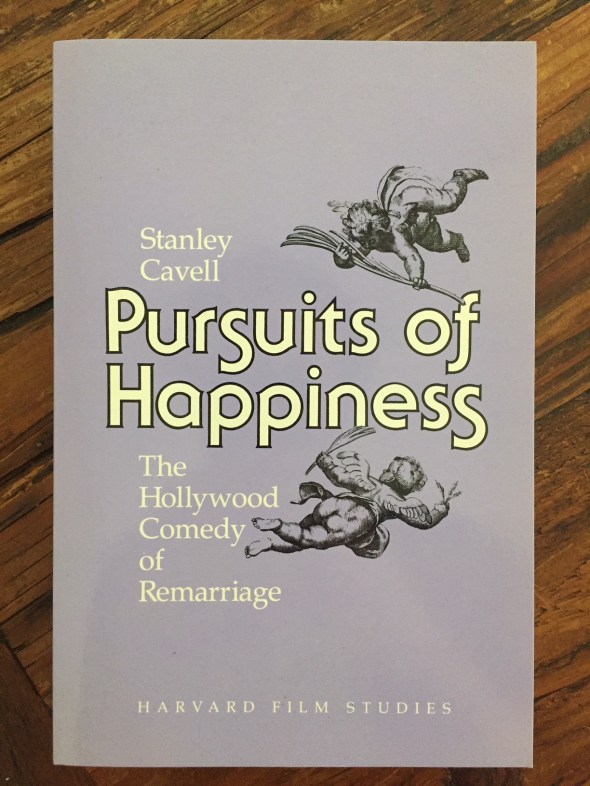
which meant a lot to me.
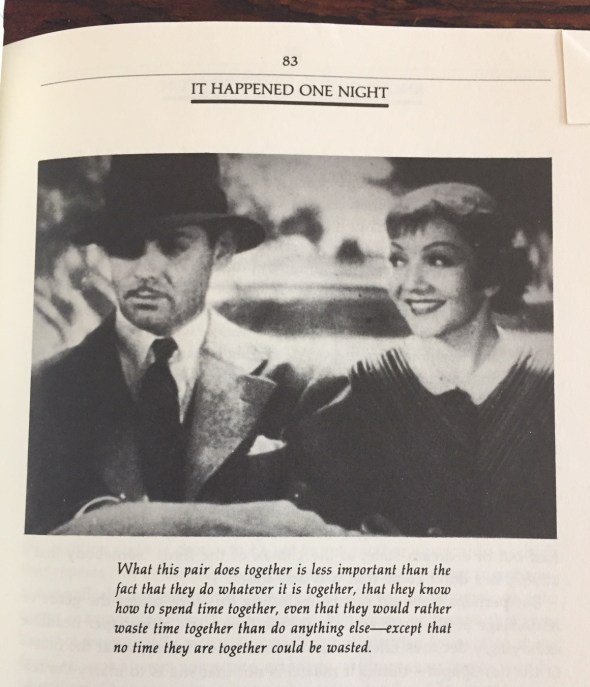
This book is a study of seven screwball comedies:
The Lady Eve
It Happened One Night
Bringing Up Baby
The Philadelphia Story
His Girl Friday
Adam’s Rib
The Awful Truth
These Cavell calls comedies of remarriage. They’re stories (mostly) where the main characters have a history, and the plots involve the tangles as they struggle, fight, and reconnect.
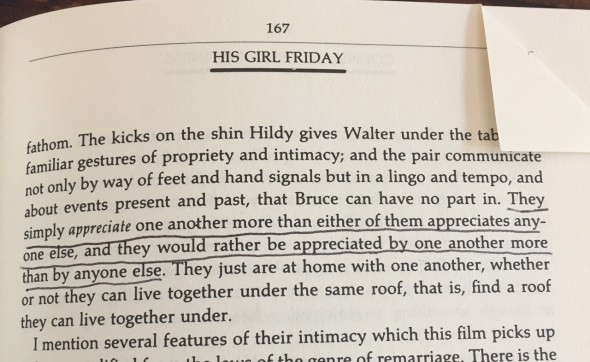
What the book really gets it is: what is revealed about us or our society when we look at what we find pleasing and appropriate in romantic comedies? Why do we root for Cary Grant instead of Jimmy Stewart in The Philadelphia Story for instance?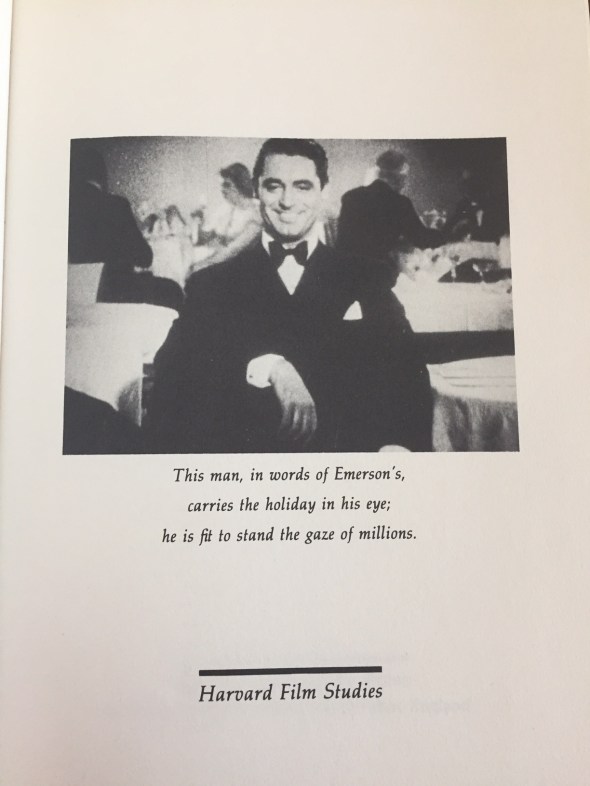
It’s fun to watch these movies and read this book. 
It’s dense for sure. I read it before the Age of Phones, not sure how I’d fair today. But I still think about insights from it.

At one point Cavell says (in a parenthetical!):
I do not wish, in trying for a moment to resist, or scrutinize, the power of Spencer Tracy’s playfulness, to deny that I sometimes feel Katherine Hepburn to lack a certain humor about herself, to count the till a little too often. But then I think of how often I have cast the world I want to live in as one in which my capacities for playfulness and for seriousness are not used against one another, so against me. I am the lady they always want to saw in half.
Cool phrase.
RIP to a real one!
Pull it, switch it, top it
Posted: June 13, 2018 Filed under: writing Leave a commentINTERVIEWER
But there are devices one can use to set up a story, aren’t there? Such as the love rack, or the algebraic analysis of a story.
CAIN
Devices, yes. Like the old switcheroo. I used quite a few in my book called Past All Dishonor. It’s about Virginia City in the Civil War days of the big whorehouses. It’s about a boy who fell for a girl who worked in a house. Every guy in town could have her for ten bucks except him, and the reason was that she half-loved him. This was a very nice situation, and I was able to do something with it. I was able to top it, and that’s always what you try to do when you have a situation: You pull it, you switch it, you top it, which is the old Hollywood formula for a running gag.
James M. Cain in the Paris Review.
INTERVIEWER
Do you have any memory of the origins of The Postman Always Rings Twice?
CAIN
Oh yes, I can remember the beginning of The Postman. It was based on the Snyder-Gray case, which was in the papers about then. You ever hear of it? Well, Grey and this woman Snyder killed her husband for the insurance money. Walter Lippmann went to that trial one day and she brushed by him, what was her name? Lee Snyder.* Walter said it seemed very odd to be inhaling the perfume or being brushed by the dress of a woman he knew was going to be electrocuted. So the Snyder-Grey case provided the basis. The big influence in how I wrote The Postman Always Rings Twice was this strange guy, Vincent Lawrence, who had more effect on my writing than anyone else. He had a device which he thought was so important—the “love rack” he called it. I have never yet, as I sit here, figured out how this goddamn rack was spelled . . . whether it was wrack, or rack, or what dictionary connection could be found between the word and his concept. What he meant by the “love rack” was the poetic situation whereby the audience felt the love between the characters. He called this the “one, the two and the three.” Someone, I think it was Phil Goodman, the producer and another great influence, once reminded him that this one, two, and three was nothing more than Aristotle’s beginning, middle, and end. “Okay, Goody,” Lawrence said, “who the hell was Aristotle, and who did he lick?” I always thought that was the perfect Philistinism.
INTERVIEWER
How did it work?
CAIN
Lawrence would explain what he meant with an illustration, say a picture like Susan Lenox, where Garbo was an ill-abused Swedish farm girl who jumped into a wagon and brought the whip down over the horses and went galloping away and ended up in front of this farmhouse which Clark Gable, who was an engineer, had rented. And he takes her in. He’s very honorable with her, doesn’t do anything, gives her a place to sleep, puts her horses away and feeds them . . . He didn’t have any horses himself, but he did have two dozen ears of corn to feed hers. Well, the next day he takes the day off and the two of them go fishing. He’s still very honorable, and she’s very self-conscious and standoffish. She reels in a fish (they used a live fish—must have had it in a bucket). She says, I’ll cook him for your supper. And with that she gave herself away; his arms went around her. This fish, this live fish, was what Lawrence meant by a “love rack”; the audience suddenly felt what the characters felt. Before Lawrence got to Hollywood, they had simpler effects, created by what was called the mixmaster system. You know, he’d look at her through the forest window, looking over the lilies, and this was thought to be the way to do it; then they’d go down to the amusement park together and go through the what do you call it? Shoot de chute?
Henry IV
Posted: June 11, 2018 Filed under: plays, writing Leave a comment
source: Variety
Agree with Rivers:

Saw Malis at the show, here was his review:
I thought Hamish Linklater was really good. A very easy, relaxed, natural way of delivering Shakespeare.Hanks was Hanksing it up, but fun.It’s interesting how jokes written in the 1500s can still make people laugh.

How quickly nature falls into revoltWhen gold becomes her object!For this the foolish overcareful fathers,Have broke their sleep with thoughts,Their brains with care, their bones with industryFor this they have engrossed and piled upThe cank’red heaps of strange-achieved gold;For this they have been thoughtful to invest,Their sons with arts and martial exercises.When, like the bee, culling from every flowerThe virtuous sweets, our thighs packed with wax,Our mouths with honey, we bring it to the hive,And, like the bees, are murdered for our pains.
I know thee not, old man. Fall to they prayers.How ill white hairs becomes a fool a jester!I have long dreamt of such a kind of man,So surfeit-swelled, so old, and so profane,But, being awakened, I do despise my dream.But, being awaked, I do despise my dream.Make less they body hence, and more thy grace.Leave gormandizing. Know the grave doth gapeFor thee thrice wider than for other men.
Rob Delaney / Christopher Logue
Posted: June 8, 2018 Filed under: writing 1 Comment(The topic here is depression and suicide, if you’re in no mood, but I found these brief stories valuable.)
1)
Rob Delaney is such a joyful presence. I’ve thought many times about something he says in this Tumblr post about depression
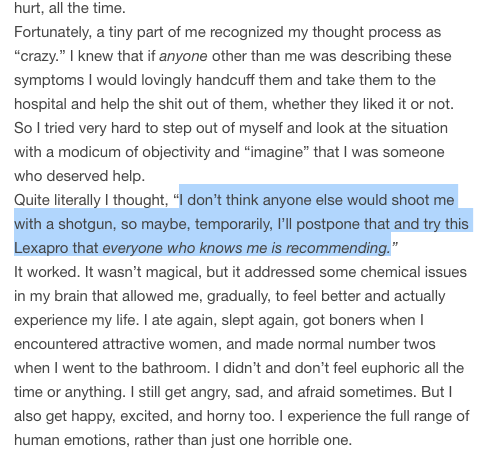
What a good preserver to hang on to.
If no one else wants to do this to me, why would I do it to me?
Not sure it can help you if you’re at wit’s end but seemed to me a thought worth filing away for an emergency.
I’m really glad Rob Delaney’s alive!
2)

Saw this story linked on someone’s Twitter. It comes from
That was the year that was
Tariq Ali talks to David Edgar
on the LRB. I don’t know who those people are really but I know Christopher Logue is some kind of master.
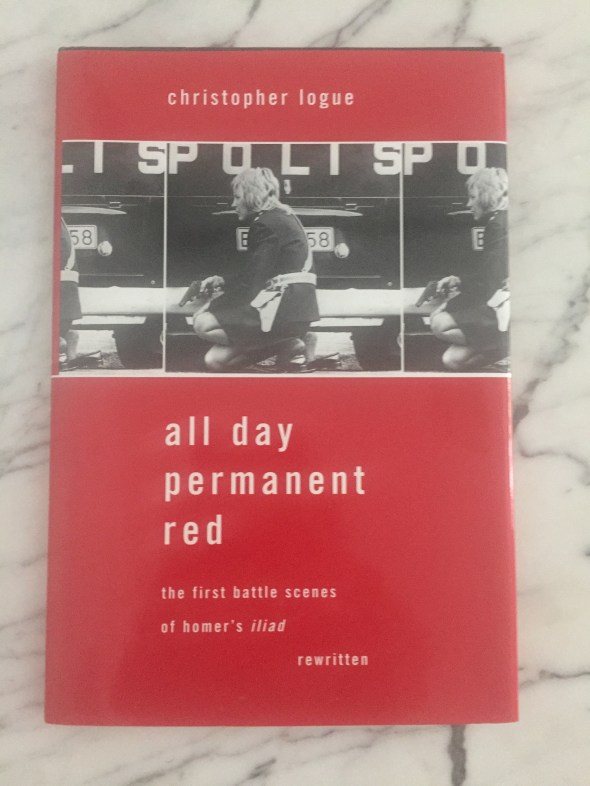
Don’t be silly. Come on – we’ll sit down and rid of this nonsense that’s in your head.
How cool and compassionate.
Glad they’re all alive. (Well, were alive, in Logue’s case.)
And I’m glad you’re alive too, Reader!

Will Kempe, Will Shakespeare, and Falstaff
Posted: June 7, 2018 Filed under: actors, shakespeare, writing 1 Comment
In Shakespeare’s time, there was a comic actor who was more famous than any playwright. His name was Will Kempe. His most popular bit was morris dancing from London to Norwich.
In February and March 1600, he undertook what he would later call his “Nine Days Wonder”, in which he morris danced from London to Norwich (a distance of over a hundred miles) in a journey which took him nine days spread over several weeks, often amid cheering crowds. Later that year he published a description of the event to prove to doubters that it was true.
Perhaps Kempe originated the part of Falstaff in Shakespeare’s plays.
Kempe’s whereabouts in the later 1580s are not known, but that his fame as a performer was growing during this period is indicated by Thomas Nashe’s An Almond for a Parrot (1590).
An Almond for a Parrot is a great title.

Perhaps he was the Will Ferrell of his day.
Although he had been a sharer in the plans to construct the Globe Theatre, he appeared in no productions in the new theatre, which was open by mid-1599, and evidence from Shakespeare’s Henry V, in which there is no promised continued role for Falstaff, and Hamlet, containing its famous complaint at improvisational clowning (Act 3, Scene 2), indicates some of the circumstances in which Kempe may have been dropped
The lines in question:
HAMLET
O, reform it altogether! And let those that play your clowns speak no more than is set down for them, for there be of them that will themselves laugh to set on some quantity of barren spectators to laugh too, though in the meantime some necessary question of the play be then to be considered. That’s villainous, and shows a most pitiful ambition in the fool that uses it. Go, make you ready.

“Just say the lines dude.”
In real life Will Kempe was the Shakespearean clown who was the superstar of his day.
Audiences would flock for miles around to watch the great man perform his Falstaff or famous jig at the Globe theatre after one of the plays by the great darling of the stage – and the age – Will Shakespeare.
And in Upstart Crow, Ben Elton’s BBC2 comedy reimagining of the life of the great poet and dramatist, Kempe is presented as… a cocky C16th Ricky Gervais.
Picture Dostoyevsky
Posted: June 1, 2018 Filed under: Russia, writing 1 Comment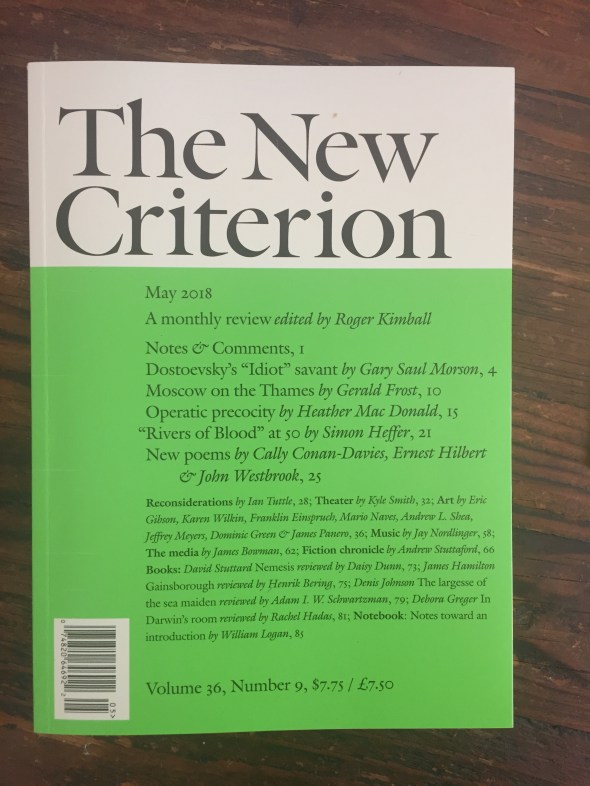
A crazy scene described:

by Gary Saul Morson. Reminded me of Sophia: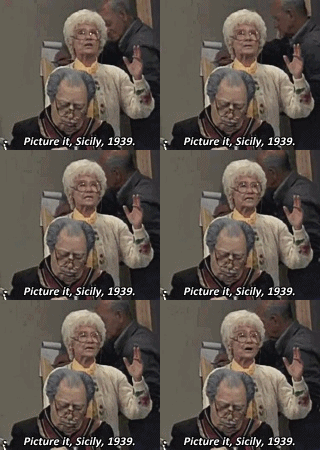
The hardest part is just getting it out
Posted: May 31, 2018 Filed under: writing, writing advice from other people 1 Comment I consider myself a Sierra Ornelas fan but I would’ve missed this interview with her in Creative Independent had I not caught it over at Bookbinderlocal455

source
Similar advice is given at the beginning of this book:
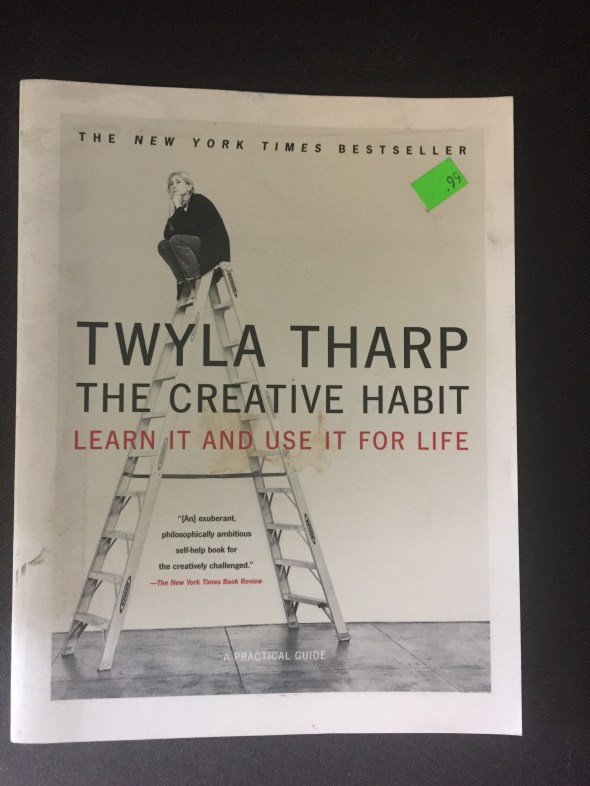
which I found really helpful. The jist being: make it as easy as possible, even automatic, to start creative work.
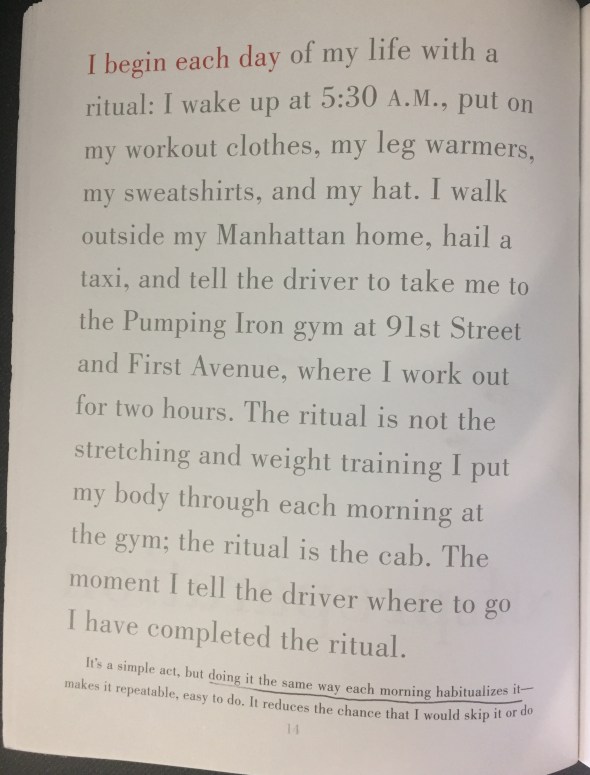
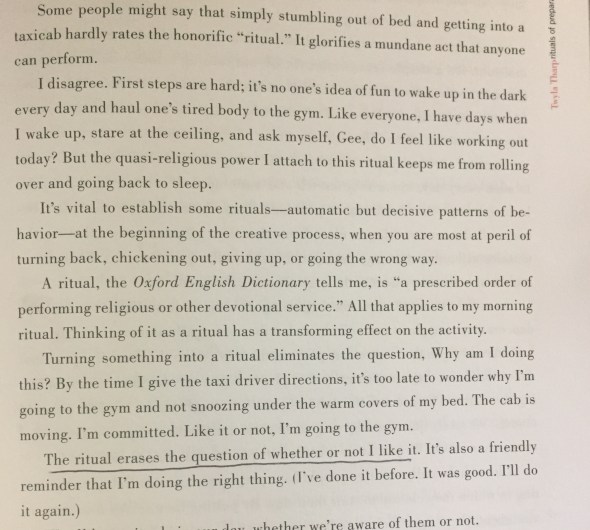
The starting is the hard part.
Henry IV, Part One (and Richard II)
Posted: May 28, 2018 Filed under: actors, plays, shakespeare, writing Leave a comment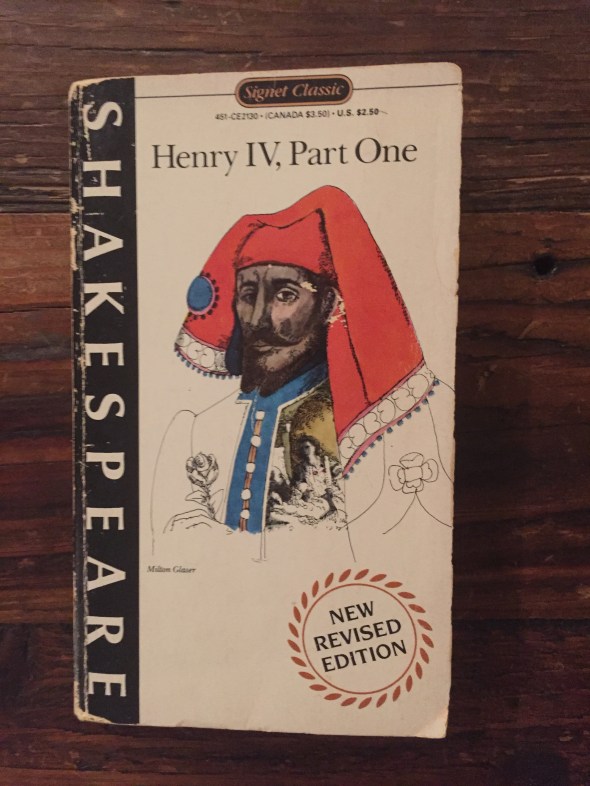
Time to read Henry IV: Part One. Let’s just dive right in. 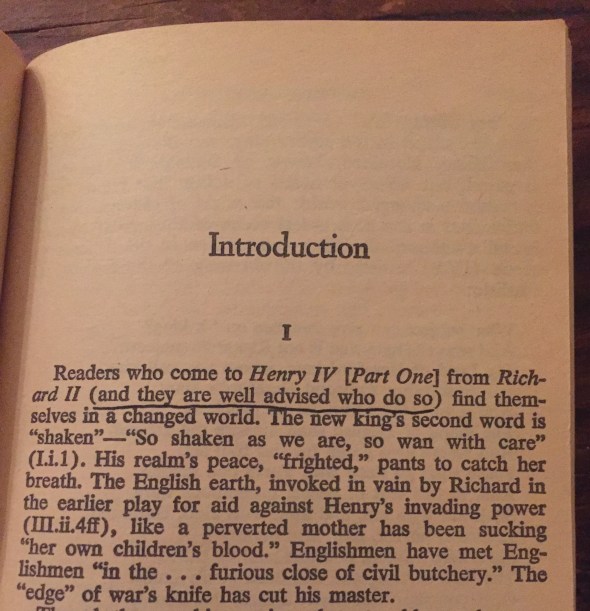
Dammit! Fine.
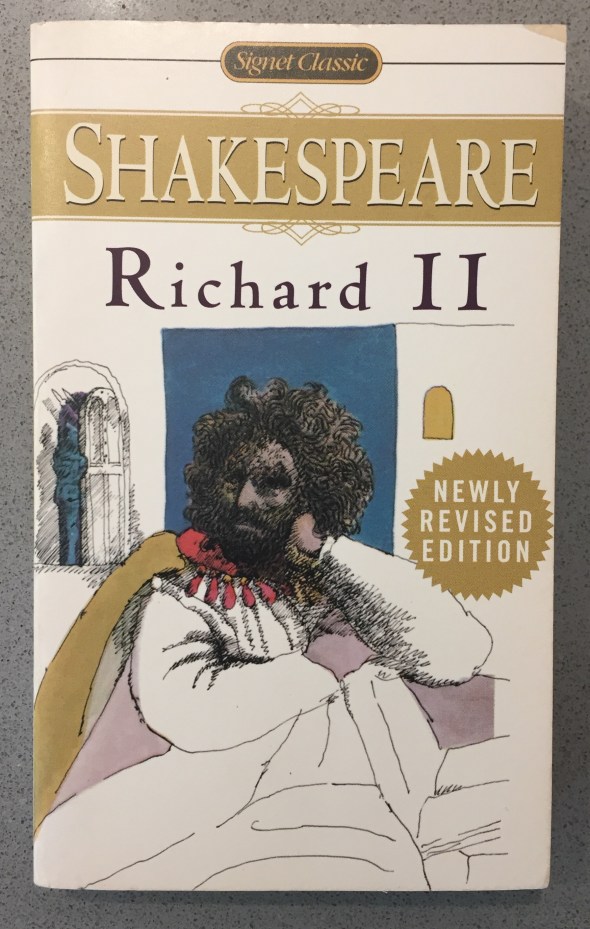
Didn’t get a ton out of Richard II, to be honest with you. Professor McHugh tells me I’ll appreciate it if I read:
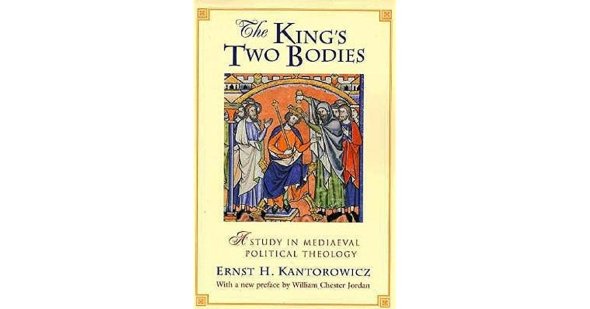
It’s all about how weird and hard it is for frail, weak Richard to be king. He’s got his actual human body, which sucks, trying to rise up to be the Body Politic, the kingly body. Or something.
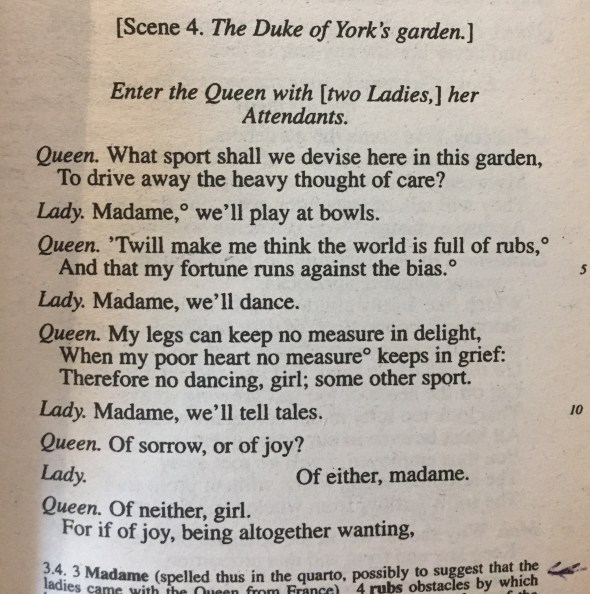
I appear to have marked this for some reason. 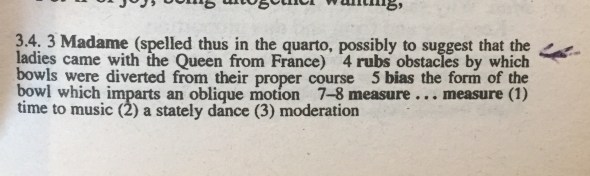
Anyway.
The play is mainly about a king waffling and reversing himself and causing problems. Much of the play is people introducing themselves at a long tournament scene.
We do meet Henry Bolingbroke, who has a son whose thing is prostitutes and being a wastrel:
HENRY BOLINGBROKE
Can no man tell me of my unthrifty son?
‘Tis full three months since I did see him last;
If any plague hang over us, ’tis he.
I would to God, my lords, he might be found:
Inquire at London, ‘mongst the taverns there,
For there, they say, he daily doth frequent,
With unrestrained loose companions,
Even such, they say, as stand in narrow lanes,
And beat our watch, and rob our passengers;
Which he, young wanton and effeminate boy,
Takes on the point of honour to support
So dissolute a crew.HENRY PERCY
My lord, some two days since I saw the prince,
And told him of those triumphs held at Oxford.HENRY BOLINGBROKE
And what said the gallant?
HENRY PERCY
His answer was, he would unto the stews,
And from the common’st creature pluck a glove,
And wear it as a favour; and with that
He would unhorse the lustiest challenger.
That’s really gonna be the problem for the next couple plays: Henry Bolingbrook trying to get help from his son who would rather be unto the stews.
Without his unthrifty son, Bolingbroke still manages to depose Richard.
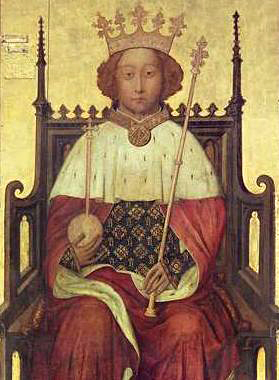
I got deposed
This makes him King Henry IV, but it’s kind of an unsteady position.
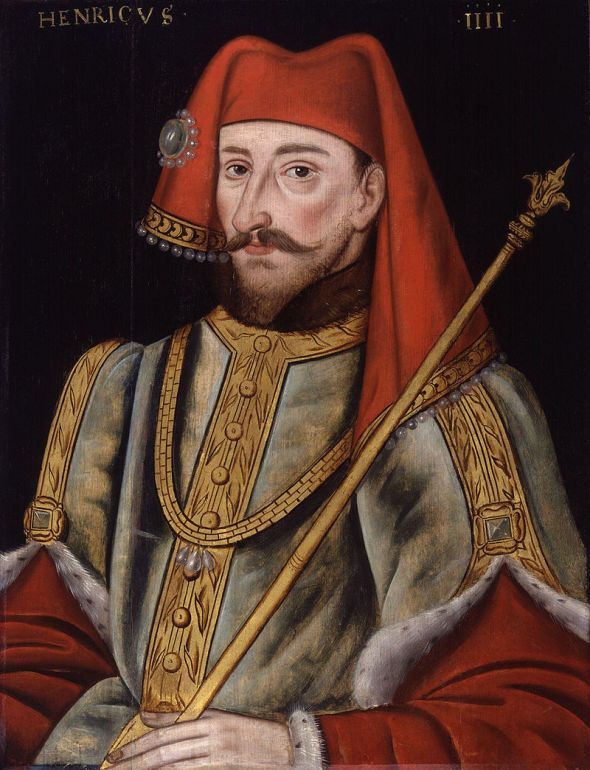
Henry IV feels bad when Richard ends up murdered, so he promises to go on a crusade to Jerusalem:
I’ll make a voyage to the Holy Land
To wash this blood off from my guilty hand.
March sadly after; grace my mournings here,
In weeping after this untimely bier.
And with that we:
FINIS
OK. We’re ready for:
Now, listen. Is reading Shakespeare even a worthwhile thing to do?
The plays were written to be heard, not read.
Right.
When Ben Jonson published his first folio, he was considered uppity for imagining that his plays were worthy of consideration. They were sketches for a whorehouse. You have to imagine Shakespeare’s plays being written between strippers carrying on.
so says Mark Rylance in this New Yorker profile.
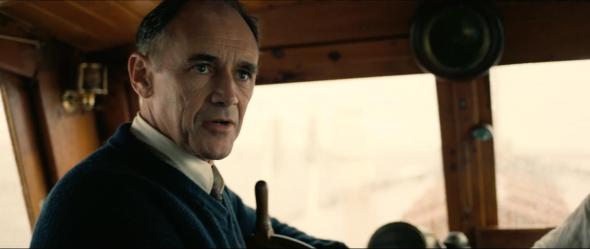
Somewhere I can’t find now — the playbill for Jerusalem? — I read an interview with Rylance where he said something like.
In Shakespeare’s day you wouldn’t say have you seen Hamlet, you’d say have you heard Hamlet. In that sense it was something more like a concert.
(Not an exact quote but close-ish). More from Rylance, in The Telegraph:
He believes that Shakespeare “did not write literature”, claiming it is as bizarre to read his work on paper as it would be to study the Rolling Stones as poets.
“To take a song like Honky Tonk Woman and study it for its literature is fair enough, but if you’re going to then revere it as literature I think you’re doing a disservice to Mick Jagger and Keith Richards who would like it to be revered as a great rock and roll song,” he says.
Cool take.
Is reading Shakespeare as foolish as like, reading Nas raps written down?
So stay civilized, time flies. Though incarcerated your mind dies, I hate it when your moms cries. It kinda makes me want to murder, for real a/I even got a mask and gloves to bust slugs but one love
Both are bursts of verbal exuberance from a chaotic, semi-criminal urban world of blended culture and language.

illustrating a Smithsonian article, “William Shakespeare, Gangster?“
How much was Shakespeare’s Southwark like Crown Heights?
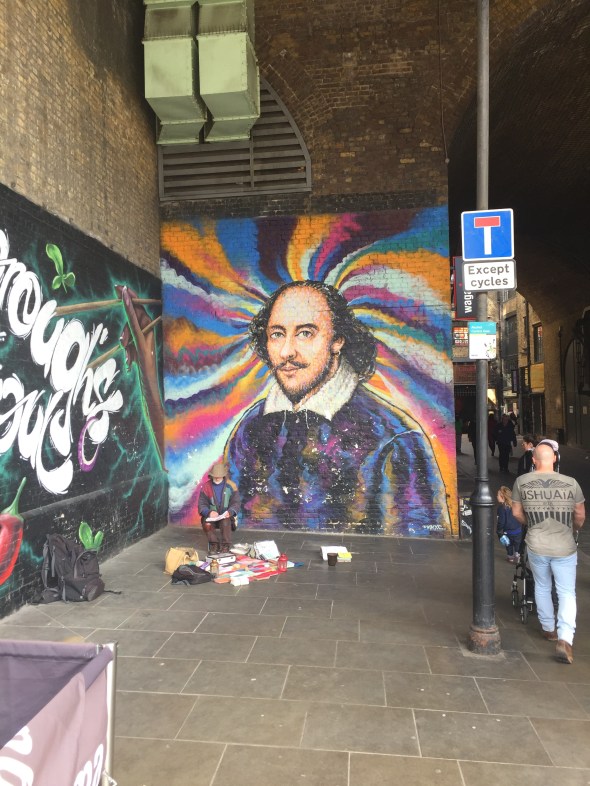
There are some powerful phrases in Henry IV, Part One. I like when Sir Walter Blunt arrives, and the King says he is
Stained with the variation of each soil
Betwixt that Holmedon and this seat of ours.
The story of this play is that Henry (The King) is having a hard time with rebellious Henry Percy, aka Hotspur. Not helping him is his son, Prince Hal, who just likes to party and drink with his pal Falstaff.
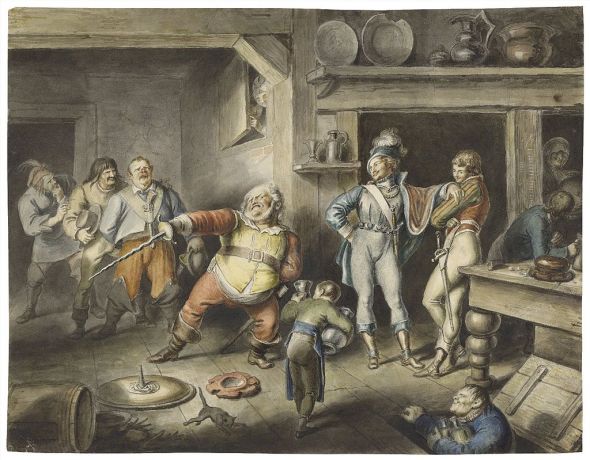
An 1829 watercolor by Johann Heinrich Ramberg of Act II, Scene iv: Falstaff enacts the part of the king.
Hotspur the rebel is a better, more viral example than his own son, and Henry knows it! Driving him nuts.
Spoiler alert: by the end of the play Prince Hal gets his act together somewhat.
He and Hotspur face off at the battle of Shrewsbury.
Hal kills Hotspur.
Hotspur. O Harry, thou hast robbed me of my youth!
I better brook the loss of brittle life
Than those proud title thou hast won of me.
They wound my thoughts worse than thy sword my flesh.
But thought, the slaves of life, and life, time’s fool,
And time, that takes survey of all the world,
Must have a stop. O, I could prophesy,
But that the earthy and cold hand of death
Lies on my tongue. No, Percy, thou art dust,
And food for —
[Dies]
The big star of Henry IV, Part One, the guy who gets a lot of stage time for his clowning, is Falstaff.
Falstaff. Why, there it is! Come, sing me a bawdy song, make me merry. I was as virtuously given as a gentleman need to be, virtuous enough: swore little, diced not above seven times a week, went to a bawdy house not above once in a quarter of an hour, paid money that I borrowed three or four times, lived well, and in good compass, and now I live out of all order, out of all compass.
Are you laughing your ass off yet?
Look, we’ll have more to say about Falstaff

Orson Welles as Falstaff
who will soon be played, right here in Los Angeles in a limited run next month, at the Japanese Garden of the West Los Angeles VA Healthcenter, by Tom Hanks.

(I believe tickets are free to veterans).
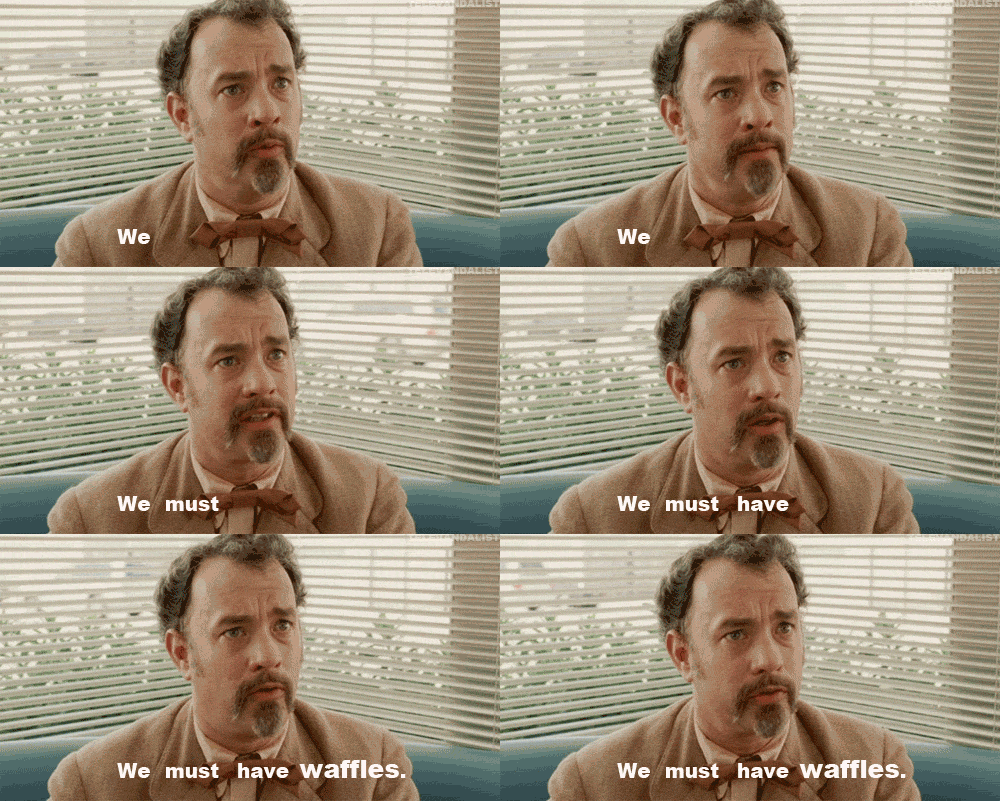
We intend to file a dispatch.

Just when one is about to give up on the whole project of reading the Henriad, you get to Henry IV, Part II.
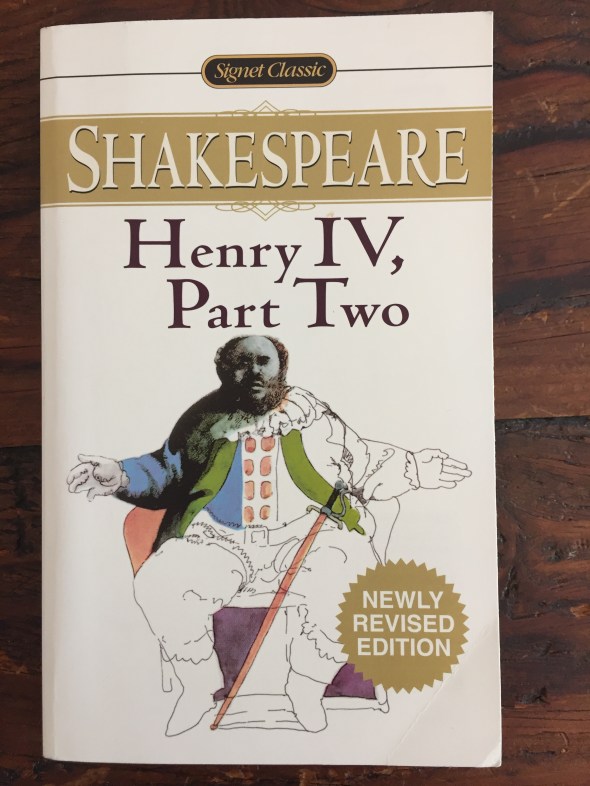
which starts off with a friggin bang:
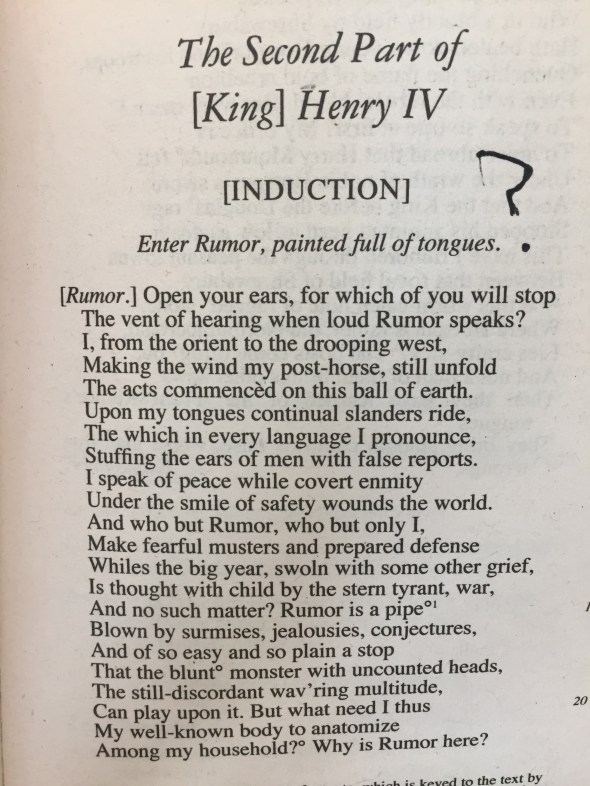
for which of you will stop
The vent of hearing when loud Rumor speaks?
Now we’re getting somewhere.

Will Kempe
Let’s pick up there next time! Thanks for joining Henry IV study buddies!
This guy Jordan Peterson
Posted: May 20, 2018 Filed under: heroes, writing Leave a comment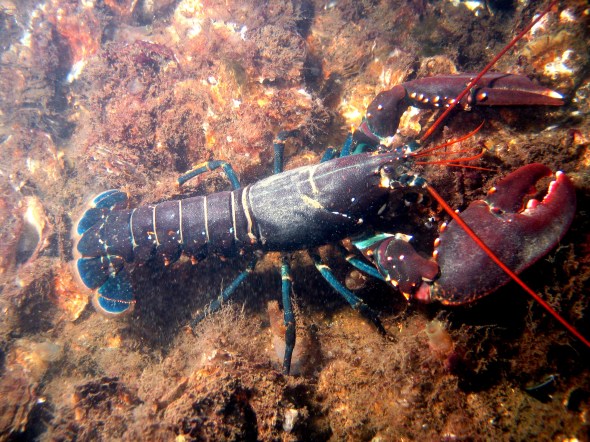
The first piece of advice in his book
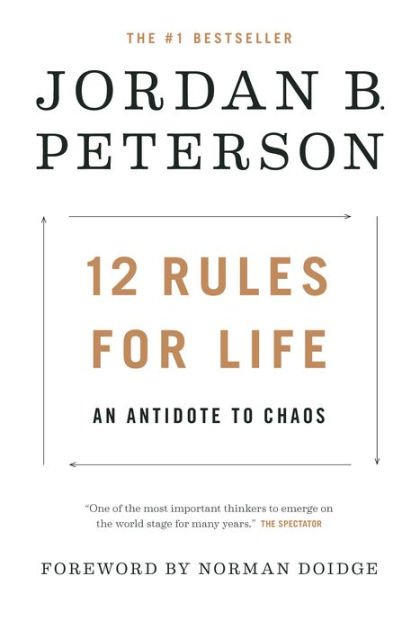
is
stand up straight with your shoulders back, as a lobster does.
(paraphrase)
That’s as far as I think I will get in the book, partly because I seem to have misplaced my copy.
Stand up straight with your shoulders back is good, valuable advice, a reminder we could all use, maybe even worth the price of the book.
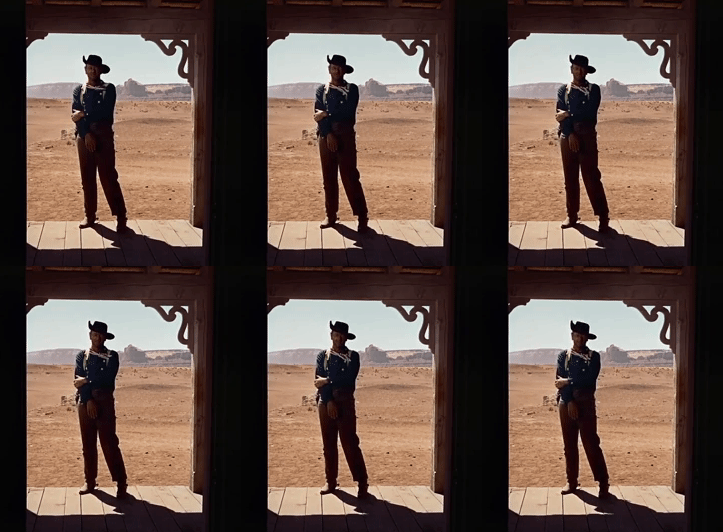
(Surely Joan Didion and Jordan Peterson could agree on John Wayne?)
Is it funny that stand up straight with your shoulders back is literally the opposite advice of :

(reminded of course of:
) Greaney once claimed the secret to life is posture. He’s rarely 100% wrong.
Is Jordan Peterson just a less chill Joseph Campbell?
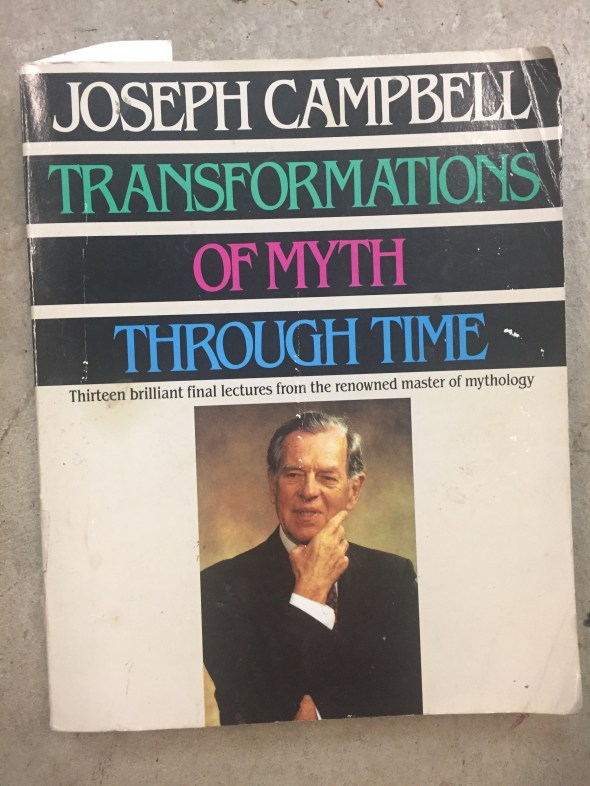
If you are a lost young man may I suggest Joe Campbell will let you into a lot of the same insights in a way that may be less likely to prove distasteful to women you are trying to get with?
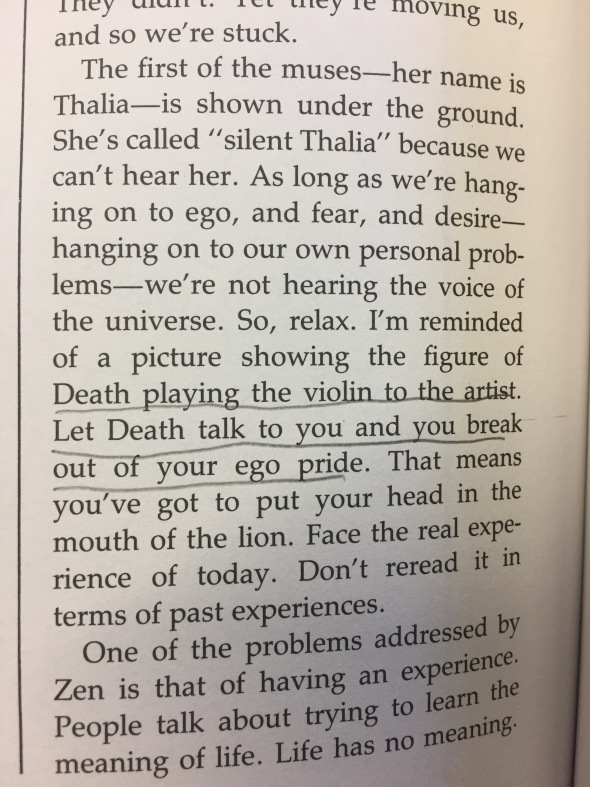
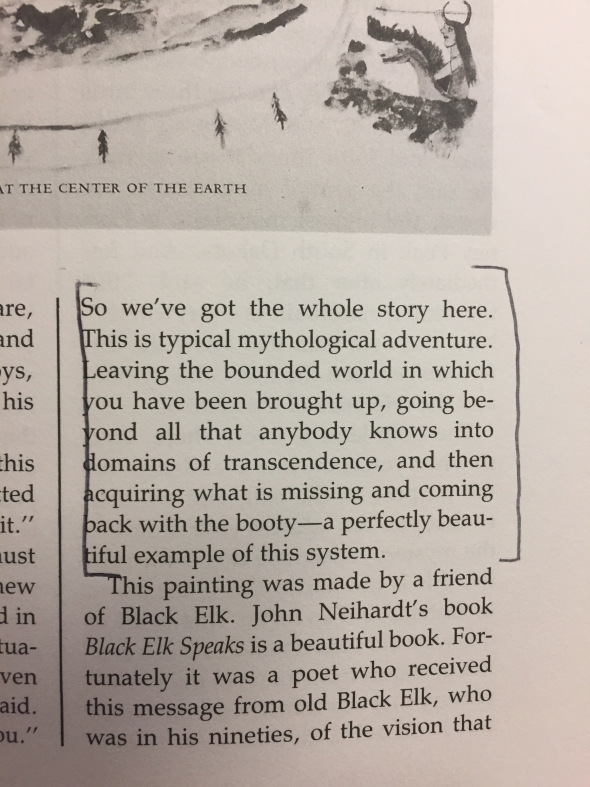
Very YouTubable and less into being aggro.
Tom Wolfe observation
Posted: May 18, 2018 Filed under: America, America Since 1945, writing Leave a comment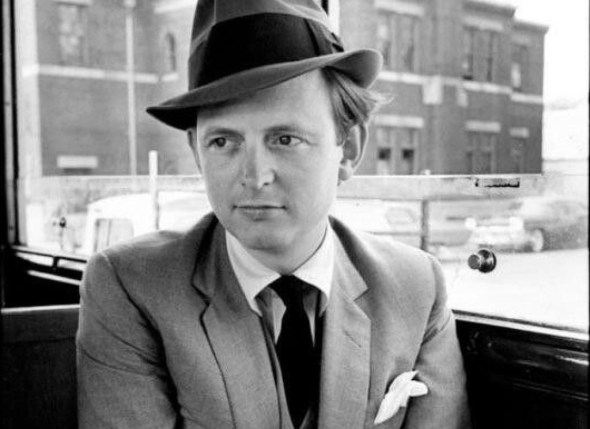
There are, of course, all sorts of gradations of status, of power, of wealth, influence and comfort, but it is impossible to break America down into classes in the old European sense. “But there is a … dividing line, and above that line are those who have bachelor degrees or better from a four-year college or university. Below that are the people who don’t. That line is becoming a gulf that grows wider and wider. “Like the rest of the West, we live in a highly bureaucratic world and it’s impossible today to advance to the heights of ambition without that bachelor’s degree, without being a part of what Vance Packard used to call ‘the diploma elite.'”
Had to go looking for the source of that one, it was in a 2005 Duke commencement speech. How about this?:
For the last four years, you have been trained to be the leaders of an extraordinary nation. There has never been anything like it. … It is the only country I know of in which immigrants with a totally different culture, a totally different language, can in one-half of a generation, if they have the numbers and a modicum of organization, take over politically a metropolis as large as, say, Miami.
As a Tom Wolfe (Ph.d) superfan, kind of disappointed by the tributes and obituaries. Most of them seemed pretty limp. Maybe because so many journalists were so in awe of him, they seemed to sputter on about the same stuff and barely touch on the vastness of Wolfe’s interests and insights.
Best one imo was Louis Menand. (Update: lol whoops hadn’t seen Friend of Helytimes’ Graeme Wood’s.)
Felt literary world scoffed at

but how many 74 year olds would take on a seven hundred page book about college, rap, hookup culture, basketball, and attempts to get in the head of (among others) a nineteen year old female virgin? A little crazy but I thought it was cool! Also came pretty close to predicting the Duke lacrosse scandal.

If you hunger for Wolfe at full Wolfeness might I recommend his 2006 Jefferson Lecture?:
According to Korean War lore, a Navy fighter pilot began shouting out over the combat radio network, “I’ve got a Mig at zero! A Mig at zero! I’ve got a Mig at zero!” A Mig at zero meant a Soviet supersonic fighter plane was squarely on his tail and could blow him out of the sky at any moment. Another voice, according to legend, broke in and said, “Shut up and die like an aviator.” Such “chatter,” such useless talk on the radio during combat, was forbidden. The term “aviator” was the final, exquisite touch of status sensitivity. Navy pilots always called themselves aviators. Marine and Air Force fliers were merely pilots. The reward for reaching the top of the ziggurat was not money, not power, not even military rank. The reward was status honor, the reputation of being a warrior with ultimate skill and courage–a word, by the way, strictly taboo among the pilots themselves. The same notion of status honor motivates virtually every police and fire fighting force in the world.
Wolfe wrote about what was amusing. Even in say crime or war he found the amusement. A serious writer who was also funny. Not enough of those.
Gotta see if I can find this somewhere:

Nobel / Pulitzer
Posted: May 12, 2018 Filed under: writing 1 Comment
Both the Nobel

and the Pulitzer Prize committees investigating sexual* abuse charges. Is this because:
- literature is full of creeps
- arts and letters communities are especially sensitive / responsive to charges like this
- unusually weird status imbalances and games in these communities
- lots of occasions for sin: alcohol, parties, conferences, etc
- culture of bad behavior semi-tolerated in the arts
- people with power will always take things too far
- all, none, other?
* kind of unfair for Katarina Frostenson to be blamed for her husband’s crimes imo, but I don’t know the deets. the betting tips is another matter. almost funny.
 Helytimes
.jpg)

.jpg)
.jpg)