
The Bakersfield-based company did not invent the so-called baby carrot, which starts as a mature root that is given a severe makeover through peeling and downsizing. But the tiny product helped transform the company into one of the largest carrot producers in the world.
Grimmway has been recognized for boosting sales of the baby carrot by positioning it as a healthful snack and packaging it in ways that make it easy to pop into sack lunches or serve on airplanes.
Did not know this other definition
Posted: November 11, 2015 Filed under: animals Leave a commentA gamergate (/ˈɡæmərˌɡeɪt/) is a mated worker ant that is able to reproduce sexually, i.e. lay fertilized eggs that will develop as females. Gamergates are restricted to taxa where the workers have a functional sperm reservoir (‘spermatheca’). In various species, gamergates reproduce in addition to winged queens (usually upon the death of the original foundress), while in other species the queen caste has been completely replaced by gamergates. In gamergate species, all workers in a colony have similar reproductive potentials, but as a result of physical interactions, a dominance hierarchy is formed and only one or a few top-ranking workers can mate (usually with foreign males) and produce eggs. Subsequently however, aggression is no longer needed as gamergates secrete chemical signals that inform the other workers of their reproductive status in the colony.
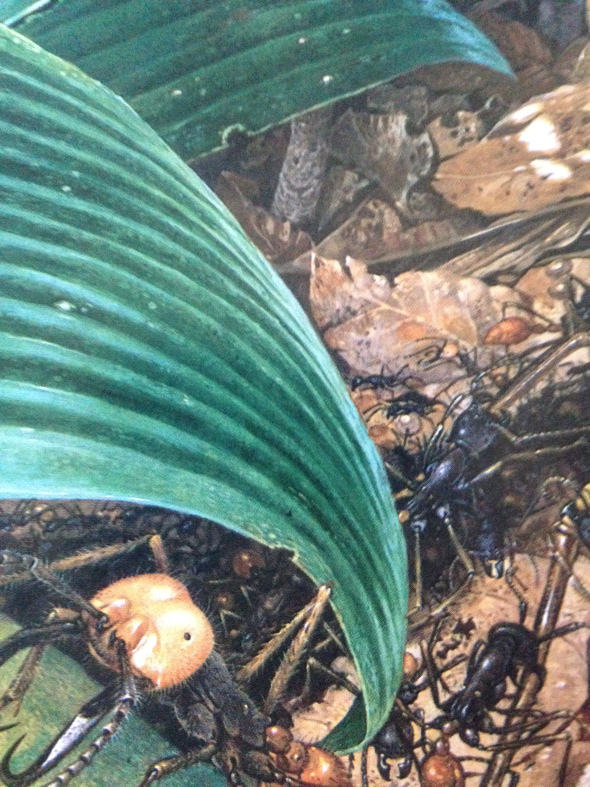
Ants are interesting.
The term “gamergate” derives from the Greek words γάμος (gámos) and ἐργάτης (ergátēs) and means “married worker.” It was coined in 1983 by geneticist William L. Brown and was first used in scientific literature by entomologists Christian Peeters and Robin Crewe in a 1984 paper published in Naturwissenschaften. The definition typically found in entomological dictionaries is “mated, egg-laying worker,” and is drawn from the glossary of Bert Hölldobler and E. O. Wilson’s 1990 book, The Ants.
Bad Trip To Mexico
Posted: November 10, 2015 Filed under: film Leave a commentNot sure about Pixar’s new film
Tends to be amusing for English speakers
Posted: October 27, 2015 Filed under: America Since 1945, comedy Leave a comment
Enjoyed reading this article from Vanity Fair. The jist of the article is that Ermahgerd Girl was intentionally making comedy when she took this picture. Does that change the funniness of this?
According to Ari Spool, a New York–based reporter and self-described meme scientist for Know Your Meme, rhotacized speech—that is, speech in which the “R” sound is somehow disfigured—tends to be amusing for English speakers.
But it’s not just about the imagined voice. “[It’s] also the absurdity, rhythm, and timbre of the words,” Spool said. “We call this type of voice-heavy meme writing ‘interior monologue captioning,’ and it’s a common ingredient in a successful image.”

People who look kind of alike
Posted: October 26, 2015 Filed under: America Since 1945 Leave a comment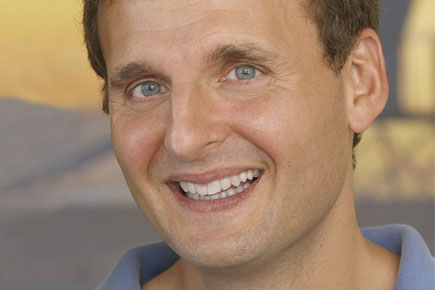
Phil Rosenthal and

David Remnick
Moon
Posted: October 13, 2015 Filed under: America Since 1945, photography, pictures, science Leave a comment Went through NASA’s new Flickr of the Apollo missions looking for good ones I hadn’t seen before.
Some very great shades of blue.

Camping!


Mexico!

 Earf
Earf
 NASA’s foil game is so on point
 Goodbye spaceman!

Making movies


 Wish traffic in LA were like this.
Kuncho is alive!
Posted: October 9, 2015 Filed under: heroes Leave a commentA humorous email from my high school:
The word “spa” in Massachusetts
Posted: October 2, 2015 Filed under: America Since 1945, Boston, New England Leave a comment
Massachusetts local dialect is all over the Web these days*. This is a favorite topic of mine.

A discussion of placemats caused my sister to send the above photo, and sent me looking into the Massachusetts use of the word “spa.”
Best (first) source I found was (of course?) at Village 14, “Newton’s Virtual Village”:

The word spa comes to us from Spa, Belgium:

The greatest Belgian in fiction? Some people say its Poirot but I say it’s Remy from “Young Indiana Jones Chronicles.”

For Massachusetts dialect, let me give a shoutout to David Hackett Fischer’s Albion’s Seed: Four British Folkways In America.

This guy is a boss. He tells us that what we think of as the “Boston accent” might have its origin in the dialect of East Anglia:
Also he suggests how Scots-Irish people brought us pig-ribs and fighting and gun-love.

- see previous Helytimes coverage of the ocean sunfish here
A Reader Writes:
Posted: September 30, 2015 Filed under: architecture, art history Leave a comment
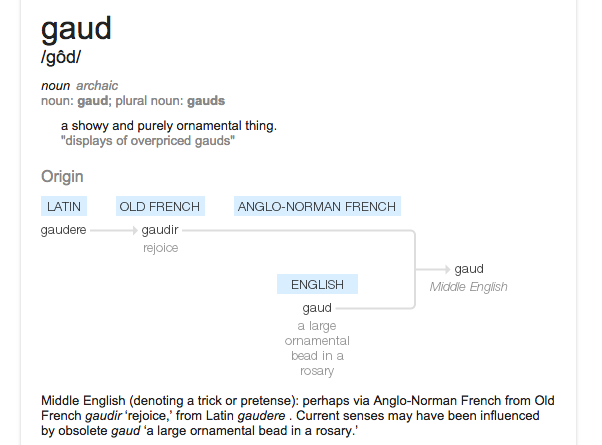
Re: architects whose works sound like their names, how could you forget Gaudi?
Good point!

Wolfe on Status
Posted: September 29, 2015 Filed under: America Since 1945, heroes Leave a comment
Reading this Jefferson Lecture from 2006, delivered by Tom Wolfe:
Within the ranks of the rich, including the “owners of the means of production,” there inevitably developed an inner circle known as Society. Such groups always believed themselves to be graced with “status honor,” as Weber called it. Status honor existed quite apart from such gross matters as raw wealth and power. Family background, education, manners, dress, cultivation, style of life–these, the ineffable things, were what granted you your exalted place in Society.
Military officer corps are rife with inner circles aloof from the official and all-too-political hierarchy of generals, admirals, and the rest. I went to work on a book called The Right Stuff thinking it would be a story of space exploration. In no time at all, I happened upon something far more fascinating. The astronauts were but part of an invisible, and deadly, competitive pyramid within an inner circle of American military fighter pilots and test pilots, and they were by no means at the apex. I characterized this pyramid as a ziggurat, because it consisted of innumerable and ever more deadly steps a fighter pilot had to climb to reach the top. The competition demanded an uncritical willingness to face danger, to face death, not once but daily, if required, not only in combat but also in the routine performance of his duties–without ever showing fear–in behalf of a noble cause, the protection of his nation. There were more ways to die in a routine takeoff of a supersonic jet fighter of the F-series than most mortals could possibly imagine. At the time, a Navy pilot flying for twenty years, an average career span, stood a 23 percent chance of dying in an accident and a 56 percent chance of having to eject at some point, which meant being shot out of the plane like a human rocket by a charge of dynamite under his seat, smashing into what was known as the “wall” of air outside, which could tear the flesh off your face, and descending by parachute. The figures did not include death or ejection in combat, since they were not considered accidental. According to Korean War lore, a Navy fighter pilot began shouting out over the combat radio network, “I’ve got a Mig at zero! A Mig at zero! I’ve got a Mig at zero!” A Mig at zero meant a Soviet supersonic fighter plane was squarely on his tail and could blow him out of the sky at any moment. Another voice, according to legend, broke in and said, “Shut up and die like an aviator.” Such “chatter,” such useless talk on the radio during combat, was forbidden. The term “aviator” was the final, exquisite touch of status sensitivity. Navy pilots always called themselves aviators. Marine and Air Force fliers were merely pilots. The reward for reaching the top of the ziggurat was not money, not power, not even military rank. The reward was status honor, the reputation of being a warrior with ultimate skill and courage–a word, by the way, strictly taboo among the pilots themselves. The same notion of status honor motivates virtually every police and fire fighting force in the world.
Badass.

source: https://veneremurcernui.wordpress.com/2014/07/10/flightline-friday-returns-f-84h-thunderscreech/
In the related interview, Wolfe gets going on fashion:
Cole: Why is fashion important? What does it tell us?
Wolfe: Every man and every woman is equally fixated on fashion. Men who would bridle at that suggestion are usually men who want to fit in in whatever milieu they want to be in. They do not want to stand out in any way, shape, or form. That’s just as true in the stands at the stock car races as it might be at Sullivan and Cromwell, the law firm.
Somebody like myself, perhaps, stands out on purpose with just minor variations on the conventional. My suits are conventionally cut. They just happen to be white. The same with shoes, everything else.
I feel it’s to a writer’s advantage, since he sells a mass-produced product called a book, to catch attention any way he can. This is not shared by my fellow writers, you understand. But you’ll notice how few writers are willing to appear on the back of a book with a necktie on. That’s a bohemian fashion that’s supposed to show one way or another you’re thumbing your nose at convention. Then it becomes a convention itself. If I saw one more writer with an open shirt, the wind blowing through his hair, I was going to stop buying books. They’ve calmed down a little bit, but still the tie is anathema.
Ironically, if you read a book such as The Intellectuals on the Road to Class Power, about the arts in Czechoslovakia under a Communist regime, the writers in the Writers’ Union were dressed like businessmen. They were on top. If you were in the Writers’ Union, your books were published automatically, even if no one read them. And I’ve just been reading Huizinga’s The Autumn of the Middle Ages.
Cole: That’s a very great book, I think.
Wolfe: The attention to status detail and dress is absolutely fascinating. I forget the French nobleman who was found guilty of a capital crime, who insisted on arriving in his full regalia–an ermine-trimmed coat and the works–for his beheading. He just wasn’t going to show up looking like a common, vulgar victim. I liked that.
To this day, I think it hasn’t changed. It’s just more covert now. Style is always a window into what a person thinks of his place in the world or what he wants his place to be in the world.
Balzac often would start off chapters with a description of a room and the types of furniture. He might point out that the curtains on the windows were not really damask. They were half cotton. He would give you a whole picture of the inhabitants just through his status details.
And Saint-Beuve, who I guess was the leading French critic of the day, said, if this man Balzac is so obsessed with furniture, why doesn’t he own a shop and spare us these tedious novels. [Laughter]
Tissot, who has become my favorite painter the more of his work that I see, is a great example of that. For a long time, Tissot was written off as a sort of fashionista. He was in love with the look of women’s clothes. But I think now he’s being perceived as a great painter.
Cole: He’s a much more nuanced painter, I think, than people give him credit for.
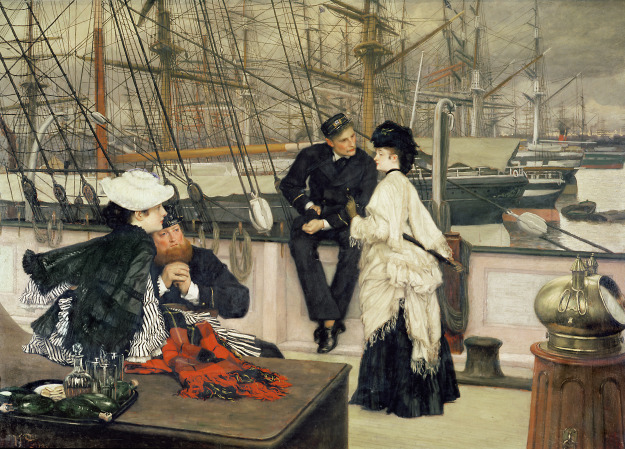
The Captain and the Mate, 1873 (oil on canvas) by Tissot.
Later the interview turns to architecture, and Wolfe gives a shout to Edward Durell Stone’s US Embassy in New Delhi:

A Trip To Mars
Posted: September 28, 2015 Filed under: the American West, the California Condition Leave a comment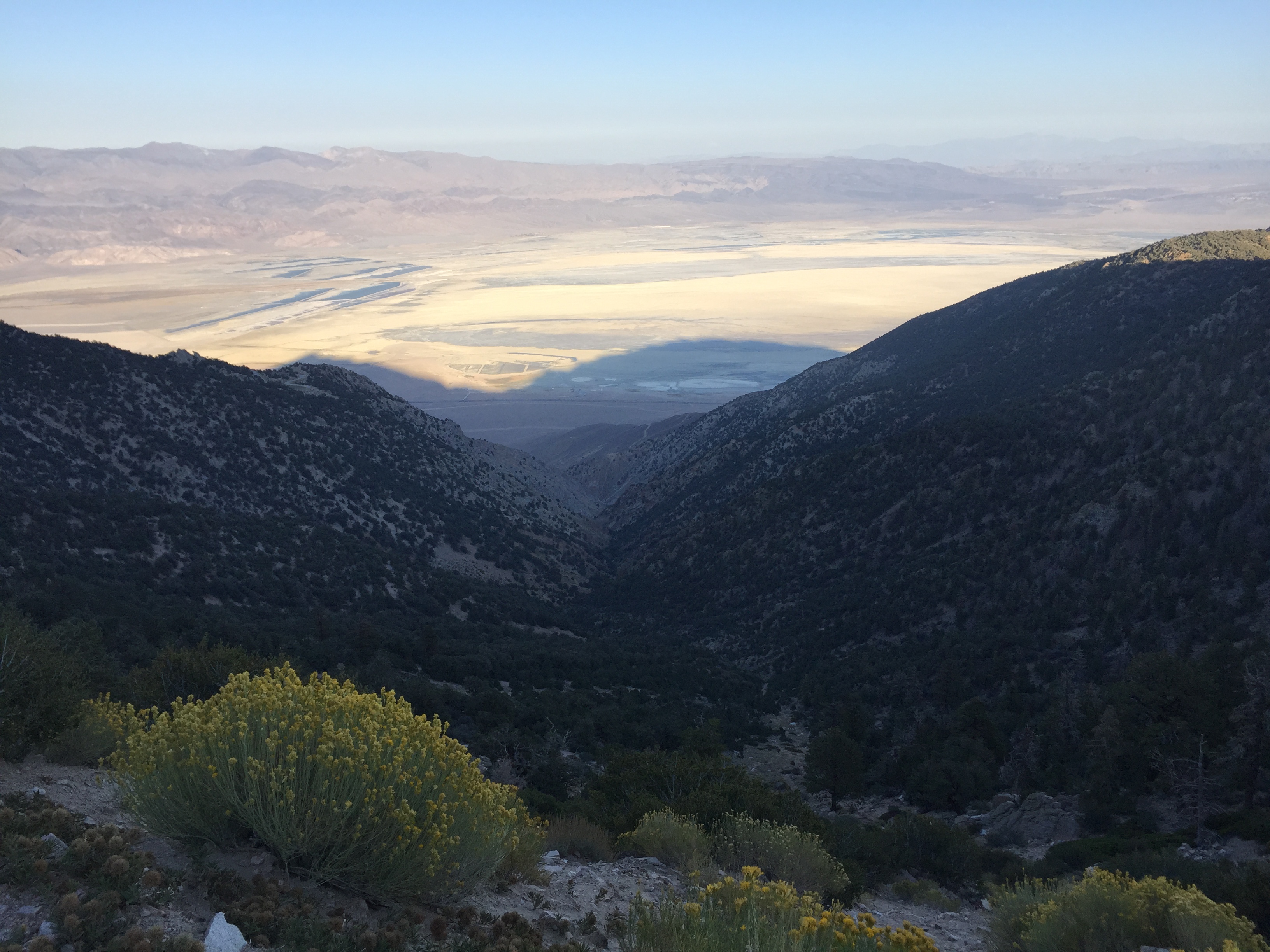
Just kidding, it’s the Owens Valley where LA gets its water!

There’s more water up in the lakes behind the mountains:

California is amazing.

The Alabama Hills:

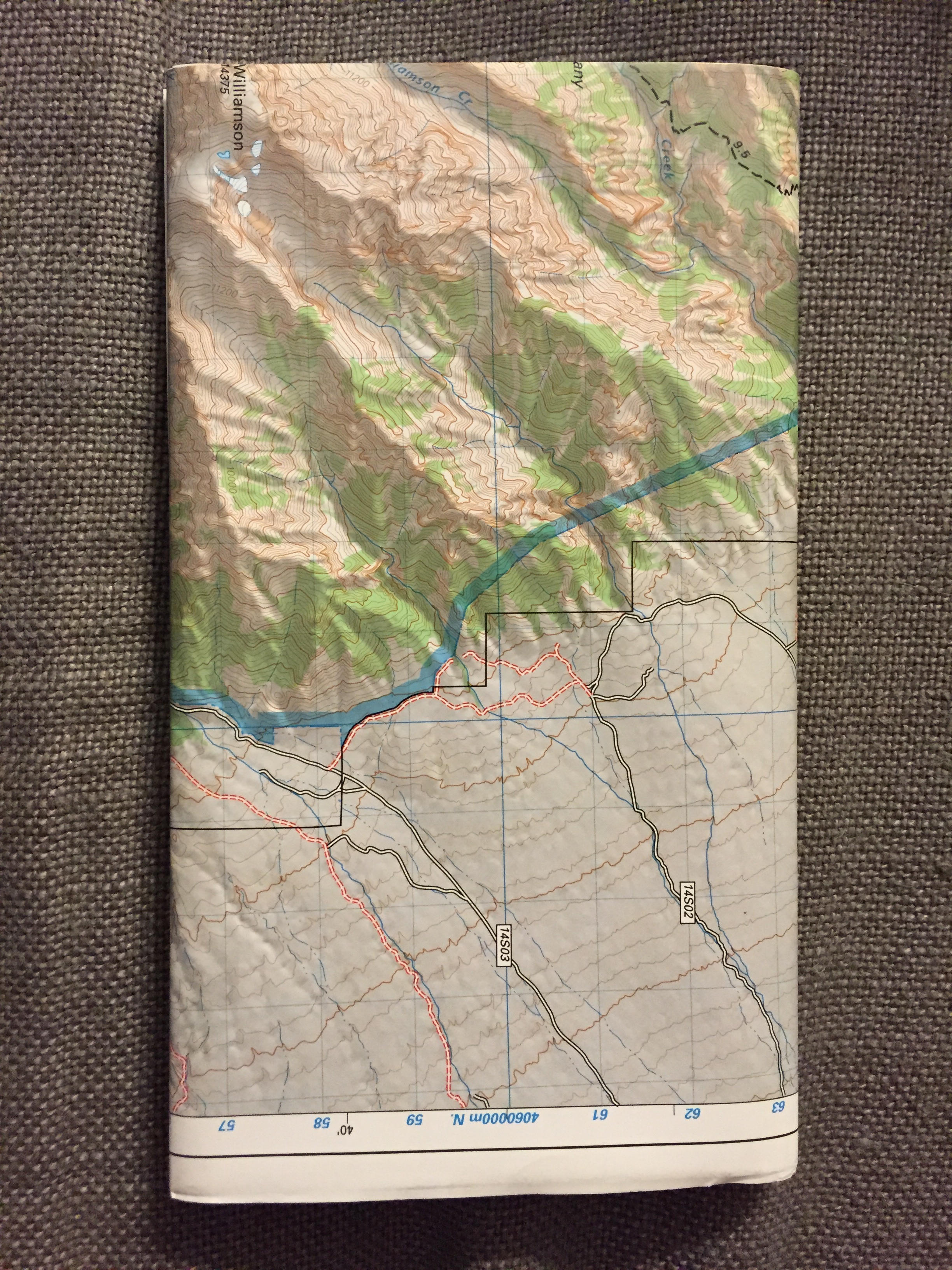
How great are these Tom Harrison topo maps?:
Baby Carrots In American Politics
Posted: September 27, 2015 Filed under: politics, the California Condition 1 Comment
From an article called Why Baby Carrots Are A Nutritious Lie, click for link.
The first time the reality of baby carrots really settled in on me was in the back of a cab in New York City. The driver, a Romanian, was telling me that before New York he’d lived in Bakersfield.
“Bakersfield!” I said, because I’m pretty interested in Bakersfield.
Bakersfield has its own country music scene:
and it has Basque cuisine:

Photo used without permission from Jordano’s Restaurant Supply, click for link.
and it has lots of almond farms.
What astounded the Romanian though was the carrots. He had worked in a plant that processed carrots into baby carrots. Until then I hadn’t thought much about baby carrots but I guess I just assumed they were small carrots. Wrong. Big carrots, sometimes deformed, are shaved down into baby carrots. The shaved stubs (the driver told me) are then run through UV light to kill bacteria and packaged. The shavings are put into bagged salads.
Huh, I thought, as the driver told me all this. What he really couldn’t get over, the driver told me, was how many carrots came to Bakersfield.
“Twenty four hours a day, every day, there were truckloads of carrots.” Then he changed the subject to his move to Orlando (“Why Orlando?” “Because I met a bitch who ruined my life”) and we reached our destination and that was the end of that.

(Mark Wilson / Getty Images)
Today I was reading about Rep. Kevin McCarthy, Republican of Bakersfield who might become the House Speaker. Here’s a list about him from Time magazine, “5 Things You Need To Know About Kevin McCarthy,” published in June:
and here’s “11 Things About Kevin McCarthy You Need To Know, Or Might As Well Know”, a list about him from Huffington Post, published yesterday.
Here’s my smush of both lists:
- Kevin Spacey shadowed McCarthy to learn about being a whip for House Of Cards
- McCarthy is said to be cheery and affable
- He opened a sandwich place with $5,000 from a lottery ticket
- He once showed Republicans this scene from The Town before asking them for something:
- He’s been running for office since he was like 20.
OK great, but what is he for? For instance: since he’s from Bakersfield (I thought hopefully) maybe he will push for trains in California.
Nope, probably not, it turns out. He also has a strong take on the drought.
Even as McCarthy was speaking, U.S. Department of the Interior Secretary Sally Jewell was in Sacramento holding a press conference with Gov. Jerry Brown announcing a $50 million drought response program for the Western states, with the lion’s share headed for California.
McCarthy responded to the secretary’s visit, “Until the administration recognizes the underlying problem of federal and state regulations preventing our communities from getting the water we desperately need, no amount of spending will solve our crisis. … I hope that, while Secretary Jewell is in the Valley, she will spend some time with our farmers who have been devastated by regulations that put fish over people.”
And, yes, the majority leader is still opposed to the high-speed rail project. When asked for an alternative transportation plan, McCarthy suggested California consult with Elon Musk.
(I think what he’s talking about there re: fish is how water flow from northern California to the southern part of the Central Valley is sometimes restricted by rules to protect the delta smelt, of which there are apparently only six, and steelhead trout. I can see how that can seem ridiculous. But the fish are kind of a distraction, the real problem is there’s not enough water for every farmer who wants it.)
As far as I can tell what Kevin McCarthy is for is lower taxes.
Here are his top five campaign contributors, from OpenSecret.com:

Zurich Financial is as far as I can tell commercial insurance. California Resources is, duh, oil and gas:

Blackstone is Blackstone. Who is this Grimmway Farms?

Looked around their website:

Maybe someday I will try the recipe for Easy Carrots.
The 2-inch vegetable is considered one of the American food industry’s success stories: Carrot consumption grew by 33% throughout the 1990s, according to the American Marketing Assn.
When supermarket chains began clamoring for the product in the late 1980s, the business opportunity seemed too good to pass up, Grimm later recalled.
“Sometimes you just have to go on instinct,” he said in 2000.
That from an obituary of Rob Grimmway.
Discussing some of this via email with longtime reader GC., who reports:
Grimmway Farm is a disgusting organization. Their mascot is a SUPER-SUPER-HOT RABBIT who is about to give a CARROT a BLOWJOB!!!!!

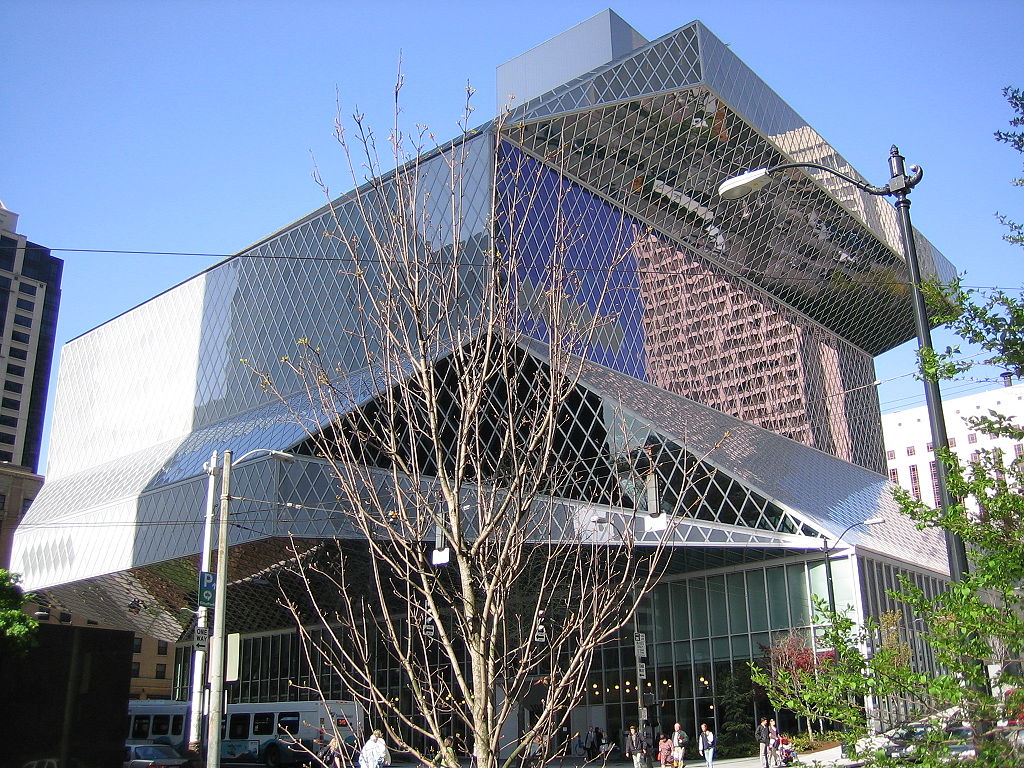
Calatrava
Posted: September 25, 2015 Filed under: architecture, art history Leave a comment
In my opinion, this is the architect whose stuff looks the most like his name sounds.





Second place? Rem Koolhaas.

Although isn’t an architect called Cool House a bit on the nose?

Hoax job at Folkways?
Posted: September 24, 2015 Filed under: music, South America Leave a comment

Reader Vali C. writes:
In The Mayor of MacDougal Street:
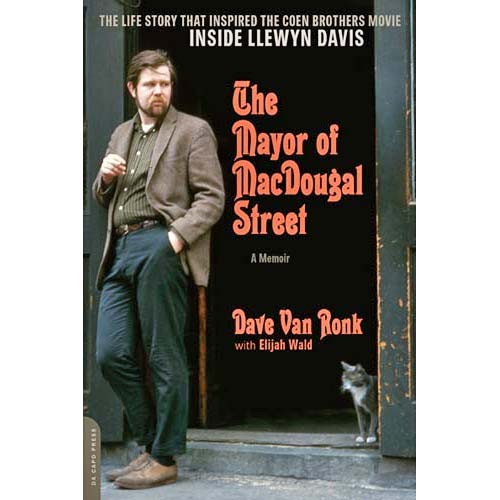
Dave Van Ronk claims that this recording
was completely faked. Instead of recording sounds of the south american rainforest, two of his friends made bird noises in the shower and sold it to folkways. Even after Folkways realized it was a fake, they decided to keep it in the catalog.
Huh. From the website:
Green sounds of the tropical rain forest: black howler monkeys, toucans and chachalaca dominate the dry season while tree toads, Bufo marinus(South American toads) and parakeets accompany the rainy season. Recorded in the Peruvian Amazon region called Montaña and possibly under the showerhead of a Manhattan apartment.
I’d definitely put track 110 on my “suspicious” list.
What’s going on in this photo?
Posted: September 24, 2015 Filed under: America Since 1945, politics Leave a comment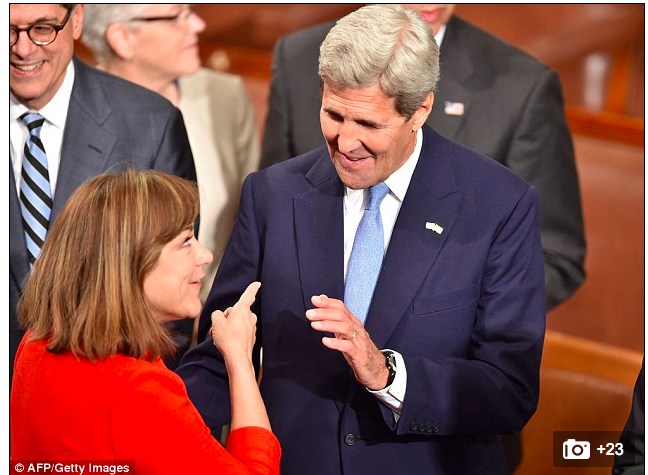
found it on a Pope roundup
An unhappy story with no winners
Posted: September 21, 2015 Filed under: America Since 1945 Leave a comment
Blog I Endorse
Posted: September 21, 2015 Filed under: America Since 1945, animals, art history, film, the California Condition Leave a comment

He turned to animated television commercials, most notably the Raid commercials of the 1960s and 1970s (in which cartoon insects, confronted by the bug killer, screamed “RAID!” and died flamboyantly) and Frito-Lay’s controversial mascot, the Frito Bandito.

Frito Bandito

Warlimpirrnga Tjapaltjarri
Posted: September 19, 2015 Filed under: art history, Australia 1 Comment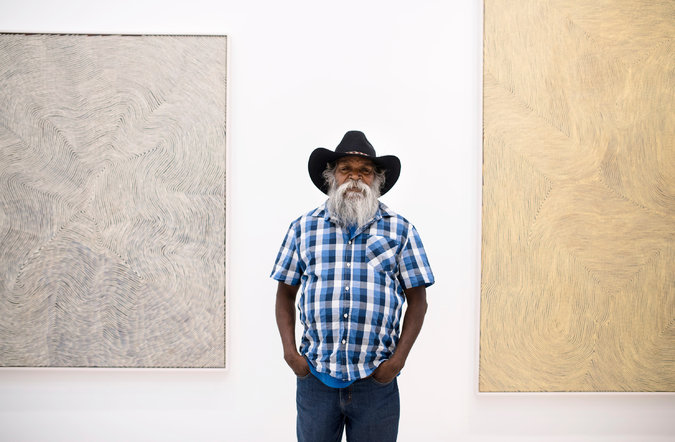
Karsten Moran for NY Times
Somebody or another on Twitter directed me to this NY Times article by Randy Kennedyabout Warlimpirrnga Tjapaltjarri, Australian Aboriginal artist:
Until he was in his 20s, he and his family, part of the Pintupi Aboriginal group, lived in a part of the Western Australia desert so remote that even after other Pintupi were forcibly relocated into settlements in the 1950s and 1960s, his family remained out of view, hunting lizards and wearing no clothes except for human-hair belts, as its ancestors had for tens of thousands of years. When they were encountered by chance in 1984 and persuaded to move to a Pintupi community, they instantly became famous, known in newspaper accounts as the Pintupi Nine and described as the last “lost tribe.”
They moved to bustling Kiwirrkiri:

Here is one of Warlimpirrnga’s paintings at the National Gallery of Victoria:

The lines and switchbacks, painted on linen canvas while it is flat on the ground, correspond to mythical stories about the Pintupi and the formation of the desert world in which they live. Some of the stories, which are told in song, can be painted for public consumption, but others are too sacred or powerful to be revealed to outsiders. “My land, my country,” said Mr. Tjapaltjarri, the only English words he uttered during an interview, pointing at a painting with a circle made out of dots. He said it represented a group of ancestral women who appear only at night in the desert around Lake Mackay, a vast saltwater flat that is the primary focus of his paintings.
The way that the lines and curves tell the stories remains mostly a mystery. “I’ve been asking that question for 40 years, and I’ve never really gotten the same answer twice — it’s very inside knowledge,” said Fred R. Myers, an anthropologist at New York University who has studied the Pintupi and their art since the early 1970s and as a doctoral student helped bring attention to the Papunya Tula Artists cooperative, which is owned and directed by Aboriginal people from the Western Desert. “The paintings operate more like mnemonic devices than like representations of a narrative.”
Here’s another one:
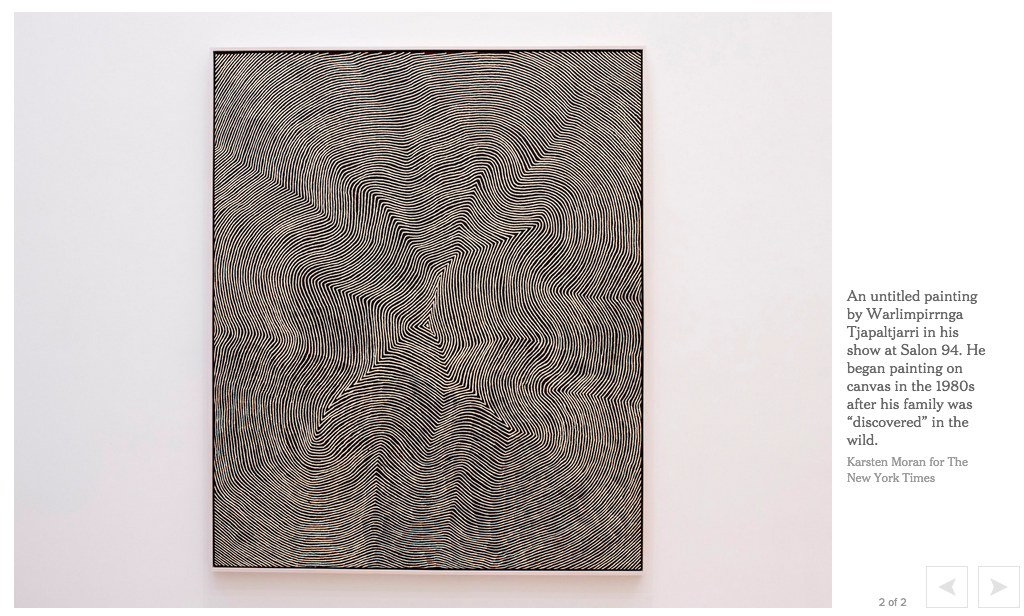
(gotta say I’m more into the newer stuff).
Here is a good article about the Pintupi Nine from The Australian:
The Pintupi Nine were certainly the last major group to come in, and enjoy a certain celebrity status in Kiwirrkurra that Warlimpirrnga in particular seems happy to trade on. During our interview in his front yard he told a fanciful story of going to New York and hunting rabbits with a boomerang; I was later assured he has never travelled outside Australia.
Welp, now he has:
Dressed in jeans, a checked shirt, Everlast tennis shoes and a black cowboy hat that would have been right at home at Gilley’s nightclub in Houston in the ’70s, Mr. Tjapaltjarri said through an interpreter that he was enjoying the attention his paintings were receiving but that the city itself was a little intimidating. He liked the subway, but the Top of the Rock at Rockefeller Center not so much.

Reading about all this led me to the Wiki page for Aussie anthropologist Donald Thomson, which has this great line:
Thomson lived with the Pintupi, and liked them, through much of the 1950s and 60s.
Maybe on their tour of Australia Dave and Little Esther will have a chance to check out Lake Mackay:
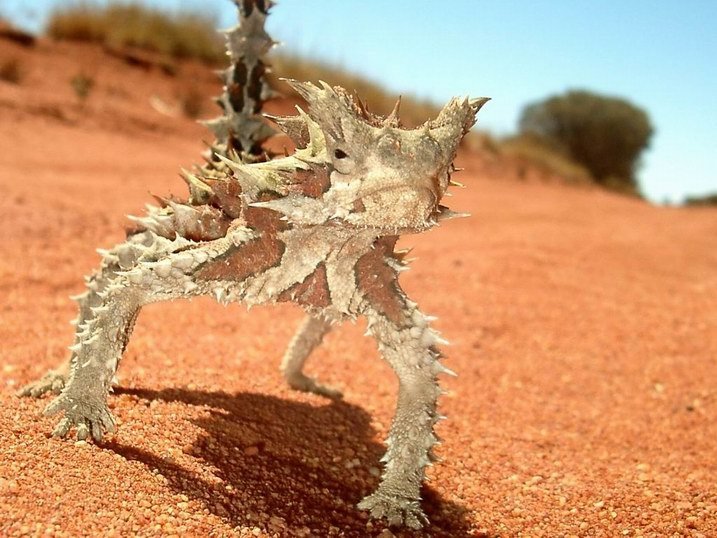
photo by “Viking” found here: http://www.panoramio.com/photo/100106
Office Life!
Posted: September 17, 2015 Filed under: America Since 1945 Leave a comment
From the wikipedia page for “office” — The Division of Classification and Cataloging, National Archives, 1937.
Embracing office life today. Two episodes from lunch:
- Kathy singing “What is lunch?” to the tune of “What is love?”
- A guy in the elevator asking aloud, “is it Friday yet?” I laughed way too hard. Then he said “it is in Australia!”
 Helytimes