These are your only options
Posted: August 21, 2019 Filed under: America Since 1945, politics Leave a comment
Shouldn’t you be allowed to vote for whoever you want?
I remember the anger at the people who voted for Ralph Nader in 2000. I get it. I voted for Al Gore, I loved Al Gore, Al Gore is like my dream politician (boring experienced intellectual veteran centrist conservationist globalist). But the people who voted for Nader get to vote for Nader! Al Gore didn’t earn their vote. They don’t owe Al Gore a rotten fig. You can’t be mad at the people who voted for someone else for not cynically falling into line to vote for an establishment centrist they didn’t prefer.
Same deal with Susan Sarandon! She can vote for whomever she wants, cool for her for having interesting choices. You’re gonna blame her for Trump? Blame the woman who had an absolute slam dunk layup election on her hands, who had many advantages, enormous amounts of money, her husband was a very popular President of the United States two Presidents ago, for failing to convince enough voters to vote for her.
Dr. Jill Biden, in New Hampshire, says:
You have to swallow a little bit and say, ok, I personally like so and so better, but your bottom line has to be that we have to beat Trump.
If you check out the video you can also see Joe Biden’s first campaign ad, which highlights how “all the polls agree” Joe Biden is the best candidate to beat Trump.
Quit your thinkin’, voter, this one’s been decided for you. Who’re you gonna believe, your judgment or some polls we pulled together?
The whole premise of the Biden campaign makes me sick. This is a guy who was a weak, confused candidate who couldn’t stop himself from making stuff up and plagiarizing not just speeches but the family histories of other politicians when he was in his prime! And now he is… guess how old Joe Biden is.
Did you guess 72? 74?
Joe Biden is seventy-six years old! He will be seventy-eight if he takes the oath of office in Jan 2021. Eighty-two at the end of his first term.
What has Joe Biden done with his life? I get that he was Obama’s pretend best friend, but really, who is a person who in Joe Biden’s thirty-eight some years of public life he really helped? Uplifted?
(skimming his Wikipedia page)
OK I guess he did stand up for Delaware’s chicken farmers, Delaware’s banks, and in many ways benefitted the people of Delaware (by getting them federal taxpayer money). He was an advocate for Delaware, a state with a population of about one-quarter of the city of Los Angeles.
Where has he been on the big issues? He voted against the “good” Iraq War, the one we won, and for the bad one, the one that was a stupid, deceitful, horrible disaster from start to… finish? I guess it’s over? For us?
(Oh no wait we still have five thousand troops there.)
Joe Biden is sometimes said to know a lot about foreign policy but he was exactly wrong on the biggest American disaster of my lifetime.
Biden has said, “I consider the Violence Against Women Act the single most significant legislation that I’ve crafted during my 35-year tenure in the Senate.”[119]
OK, well that is cool, but didn’t the same bill also eliminate higher education for inmates and create new death penalty offenses?
The argument I hear for Joe Biden is that white Rust Belt working class men, who are alleged to have cost Hillary Clinton the election in Wisconsin, Ohio, etc, like him. Well, I don’t know if that’s true, I am not a white Rust Belt working class man.
I do think that:
1) the group credited with “swinging” the last election is never the group credited with swinging the next one
2) it’s not my job as a voter to put myself in the hypothetical mindset of some possible swing voter in another state and attempt to pander to their whims in order to take out the current whim-panderer.
It’s my job to choose the candidate who I try and suss out has the best character, judgment, and policy understandings and preferences to be the President of the United States.
For a campaign to suggest anything else, to suggest five months before the first primary/caucus that voters should shut up and get in line, that this is your only option, is so insulting I can scarcely believe it.
We try not to be all negative at Helytimes, so in the interest of saying something nice about Joe Biden he does have a great smile.

The evils of private planes
Posted: August 18, 2019 Filed under: America Since 1945, aviation Leave a comment
from Wikipedia, Boeing 727
Once I was told a story about a world famous celebrity. This celebrity, the story went, was in a new-ish religion. This celebrity had some sexual desires and proclivities that he was ashamed of. Maybe the religion made him feel bad about it. But in the theology of this religion, what you did at say 30,000 feet of altitude wasn’t technically on Earth or something and thus was bound by different rules, or maybe no rules at all. So the celebrity would fly up in a plane and fulfill these desires up there between here and space.
Whether that story is true I dunno. It wasn’t told to me very reliably. Pure gossip and alleged. But doesn’t it ring kind of true? Mythologically if not actually?
There’s something evil about private planes.
What plane did Jeffrey Epstein even have? I went looking for a photo of it, and couldn’t find one I felt came from a reliable source. Christopher Maag, writing in the North Jersey Record (is that a good newspaper? I don’t know!):
His planes, which ranged from a Cessna to a Gulf Stream jet to a Boeing 727, recorded at least 730 flights to and from Teterboro between 1995 and 2013, according to flight logs contained in documents unsealed last week by a federal court in a lawsuit brought by one of Epstein’s alleged victims against one of his close associates.
Look for a photo of Epstein’s plane, if you have idle Internet time. See if you find one that you’re pretty confident is a confirmed, legit photo of his plane.
Making sense of his flight logs is beyond my expertise.
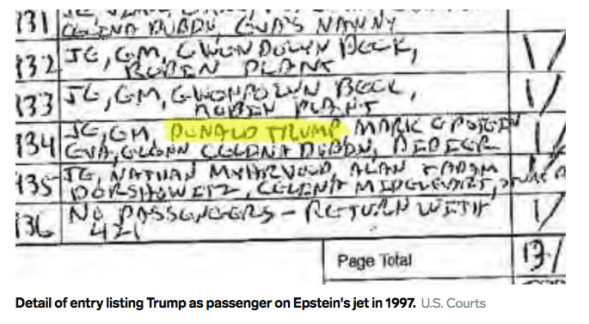
Did Epstein own these planes outright? Did he pay the bills on the gas and stuff? The hanger? He had a 727?
Gladwell, Malcolm: Writer.
“I was invited to the TED conference in maybe 2000 (I can’t remember), and they promised to buy me a plane ticket to California,” Gladwell says now. “Then at the last minute they said, ‘We found you a ride on a private plane instead.’ As I recall, there were maybe two dozen TED conferencegoers onboard. I don’t remember much else, except being slightly baffled as to who this Epstein guy was and why we were all on his plane.”
You and me both, buddy! From NY Mag’s roundup of everyone who knew this guy.

found this here at the Museum of Flying, kind of hard to find a photo of the Caroline, and I can’t figure out who took this one
When John Kennedy was running for President his father Joe Kennedy bought a plane. Other candidates had chartered planes, but unless I’m mistaken he was the first candidate to own his own plane.
The President has use of a plane, Air Force One. Supposedly JFK helped pick the colors.
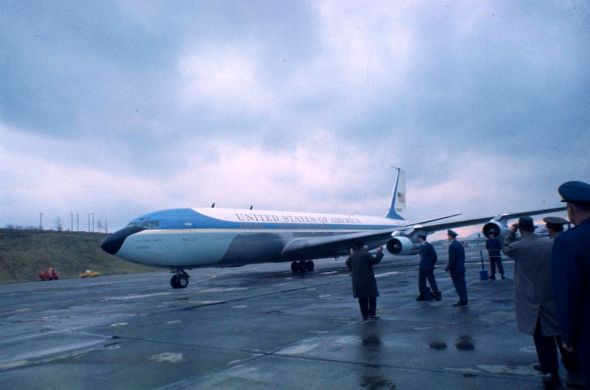
Cecil Stoughton photo of Air Force One in 1962 from the JFK Library.
But it’s not his (her) plane. It’s our plane, the people’s plane. Once you leave office, it’s not yours any more.
For eight years Bill Clinton had Air Force One. But then he left office, and he wasn’t rich enough to buy his own plane. What was he supposed to do, fly commercial? Of course not! He called his friends who were rich enough to have private planes, and got rides from them.
Some of these guys were bad guys.
That level where you have a private plane. Where you can fly anywhere you want, any time you want.
You can be kinda rich, where you’re not really worried about money, you can eat fancy dinners and live somewhere you like*. Then let’s say you get twenty million more dollars. Might feel very nice, maybe you buy a fancier house, or worry even less about money, or start a small foundation or take care of more people around you or something. But have you really jumped a level?
I don’t know, I don’t have $20 million dollars, but I don’t think so. What if after the twenty million you get ten million more? Is anything improved?
But then there’s the private plane.
That plane isn’t just comfort, it’s power. It’s access, it’s freedom, it’s being on another level. Above it all.
What will people do to get to that level? To stay there?
Who is that important that they need a private plane? No one. Richard Branson loves it, Warren Buffett admits he likes his (he doesn’t own it, I believe Berkshire does). No doubt it saves them time and hassle, no doubt they can get to deals quicker and the power compounds. And if you believe in capitalism don’t you believe you should be able to buy what you can afford, the market has determined efficiency, and what’s better than freedom, etc.
But isn’t there something a little obscene about private planes? Everyone wants to fly in them, but everyone knows there’s something a little wrong about it.
From Politico:
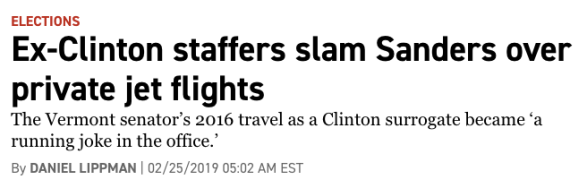
“I’m not shocked that while thousands of volunteers braved the heat and cold to knock on doors until their fingers bled in a desperate effort to stop Donald Trump, his Royal Majesty King Bernie Sanders would only deign to leave his plush D.C. office or his brand new second home on the lake if he was flown around on a cushy private jet like a billionaire master of the universe,” said Zac Petkanas, who was the director of rapid response for the Clinton campaign.
The gall.
Radical proposal: in the wake of the Epstein case, the FAA and Congress should look into banning private planes. Everyone can fly commercial for awhile. (Exception if you are yourself at the controls as pilot.)
They turned the cat cafe into a guinea pig cafe as part of the Emmys campaign for Fleabag
Posted: August 11, 2019 Filed under: the California Condition, TV Leave a comment
Menyosi the glutton
Posted: August 8, 2019 Filed under: Africa, food Leave a commentThe King [Dingaan, of the Zulus] loved display. He surrounded himself with plump women, jesters and dwarfs. He liked to show off his famous glutton Menyosi, who could eat a whole goat in a single meal
from
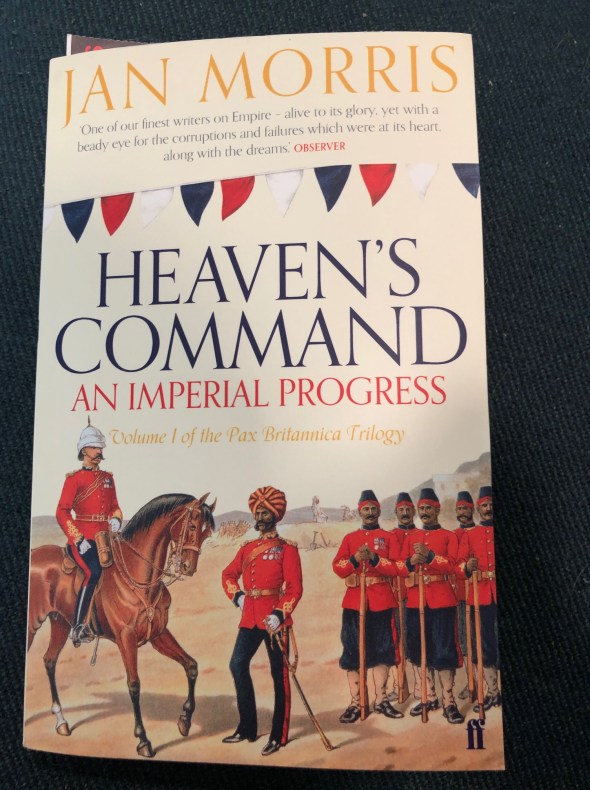
which I’m finding highly entertaining and informative. Jan Morris, what a boss.
Once Upon a Time … in Hollywood
Posted: August 5, 2019 Filed under: movies Leave a comment
Favorite line? Margot Robbie saying
I’m in the movie. I’m Sharon Tate.
Second place, the little girl actor saying “Just give me the idea of the story.”
Does any director have more fun with time shifts than Tarantino? The whole part where Brad Pitt has a fight with Bruce Lee occurs in Brad Pitt’s memory while he’s fixing Leo’s TV antenna (right?).
How about when Rick Dalton is pleading on behalf of his friend?
Hey, you could do anything you want to him. Throw him off a building, alright? Light him on fire. Hit him with a Lincoln, right? Get creative. Do whatever you want, he’s just happy for the opportunity.
Filmic recursion, movies within movies. Fun! Movies about movies: Boogie Nights, Singin’ In The Rain, even Citizen Kane starts with a movie within a movie.
Jan Van Eyck
Posted: July 30, 2019 Filed under: art history Leave a comment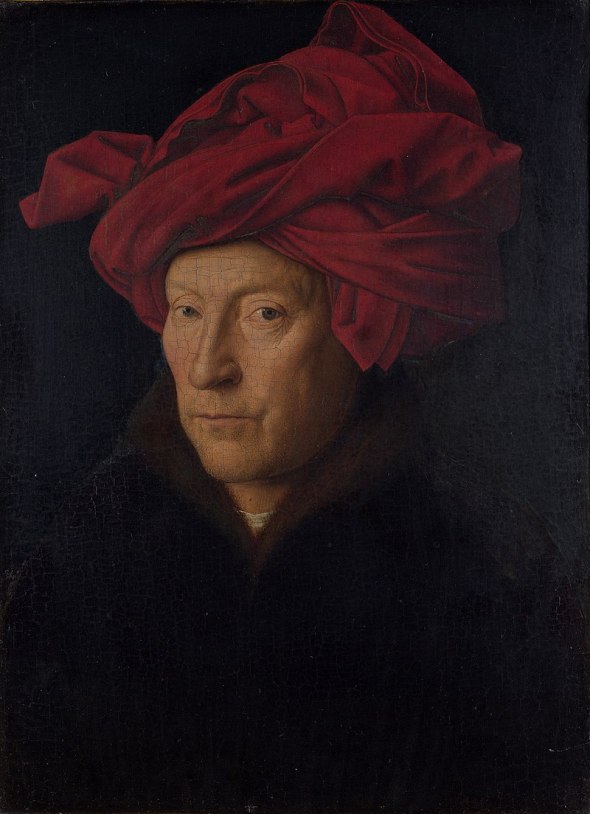
a self-portrait?
The first extant record of his life comes from the court of John of Bavaria at The Hague where, between 1422 and 1424, payments were made to Meyster Jan den malre (Master Jan the painter) who was then a court painter with the rank of valet de chambre, with at first one and then two assistants.

Did he have help from his older brother Hubert on this one?

The notes on his preparatory drawing for Portrait of Cardinal Niccolò Albergati are written in the Maasland dialect.
Hmm.
His motto, one of the first and still most distinctive signatures in art history, ALS IK KAN (“AS I CAN”), a pun on his name,
Secret commissions:
Van Eyck undertook a number of journeys on Philip the Duke of Burgundy’s behalf between 1426 and 1429, described in records as “secret” commissions, for which he was paid multiples of his annual salary. Their precise nature is still unknown, but they seem to involve his acting as envoy of the court. In 1426 he departed for “certain distant lands”, possibly to the Holy Land, a theory given weight by the topographical accuracy of Jerusalem in The Three Marys at the Tomb, a painting completed by members of his workshop c. 1440.
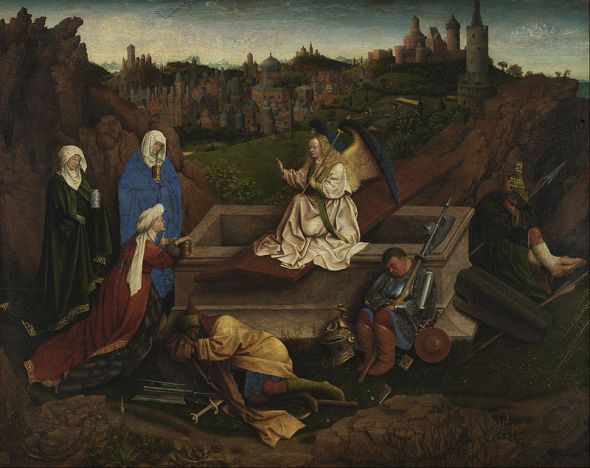
Though now some attribute this one to Hubert. (I dunno, not astounded myself by the topographical accuracy here.)
A better documented commission was the journey to Lisbon along with a group intended to prepare the ground for the Duke’s wedding to Isabella of Portugal. Van Eyck’s was tasked with painting the bride, so that the Duke could visualise her before their marriage. Because Portugal was ridden with plague, their court was itinerant and the Dutch party met them at the out of the way castle of Avis. Van Eyck spent nine months there, returning to the Netherlands with Isabella as a bride to be; the couple married on Christmas Day of 1429. The princess was probably not particularly attractive, and that is exactly how Van Eyck conveyed her in the now lost portrait.

Eyck’s own wife:
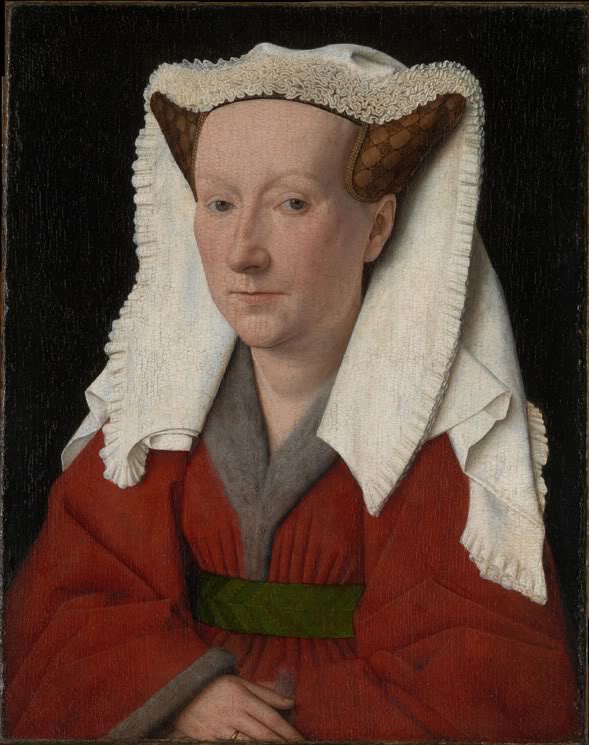
Margaret.
I was looking into Van Eyck because I was wondering, who did Hieronymous Bosch learn from?
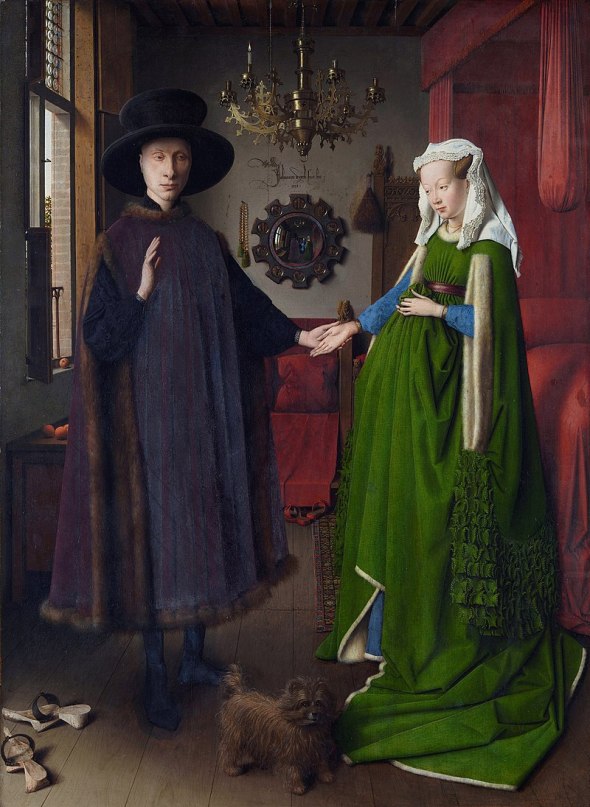
That dog!
A visit to the San Diego Museum of Art
Posted: July 28, 2019 Filed under: art history, the California Condition Leave a comment “What’re they gonna have at the San Diego Museum of Art?” I said, sneering. “A statue of a fish taco? An exhibit of craft IPA labels? A fluorescent Jeep Wrangler? A Tony Gwynn jersey?*”
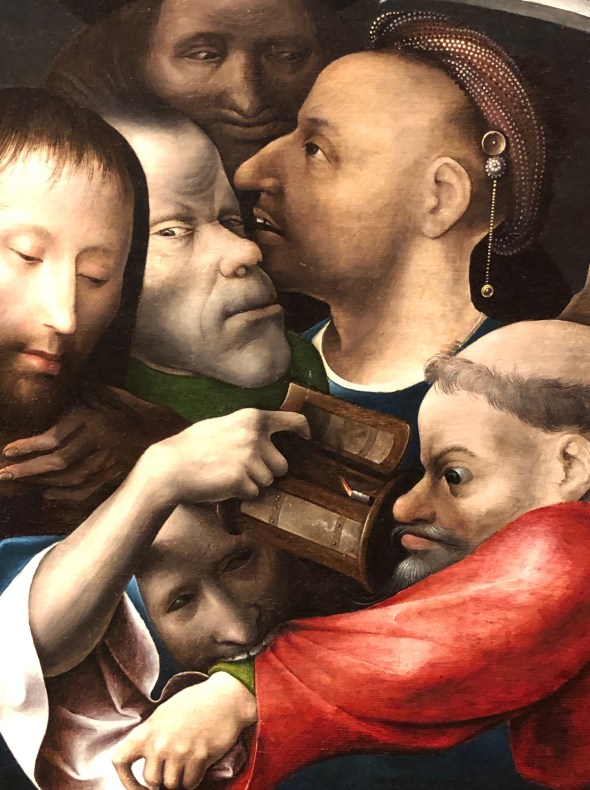
This had been my scoffer’s attitude. But on the website of SDMA I learnt that they have a painting by Hieronymous Bosch, The Arrest of Christ.
Seeing a close to 500 year old painting by a weirdo master seemed worth a short Uber.

I was really impressed with SDMA! Small, but packed with wonders. Something good everywhere. There was an exhibit of “Golden Age of Spain” art that I didn’t even bother with. (Usually I find I like the art that came right before the golden age?)
The wall placard attributes Christ Arrested to the Workshop of Hieronymous Bosch, not Bosch himself. And how about Madonna of the Roses, by Pseudo-Pier Francesco Fiorentino?

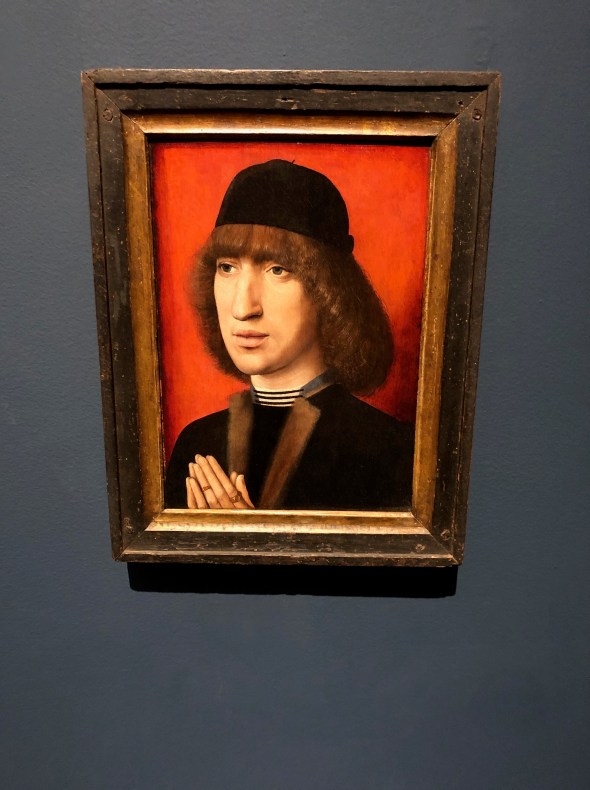
Or Portrait of a Man by an unknown Flemish artist (once attributed to Hans Memling):
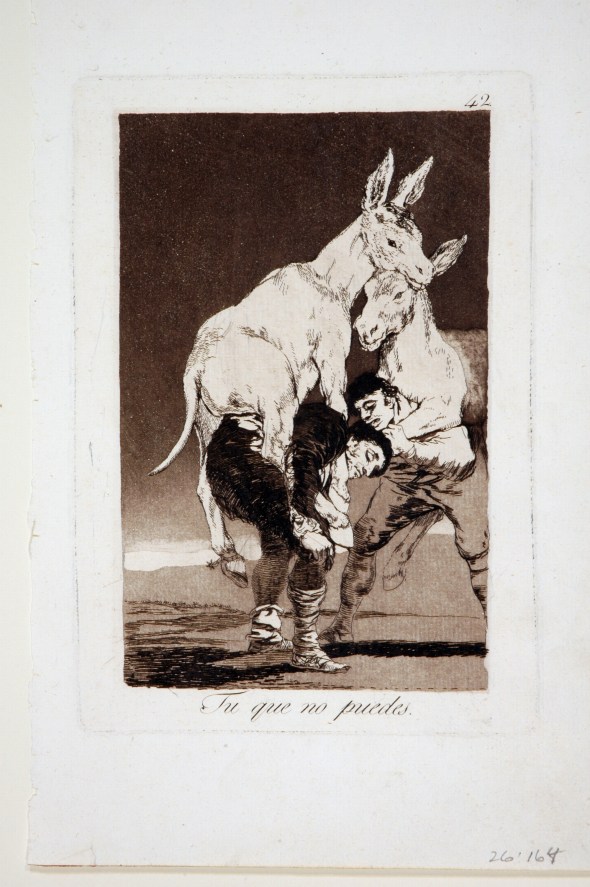
Goya, You Who Cannot. (They must have a bunch more Goyas in storage).
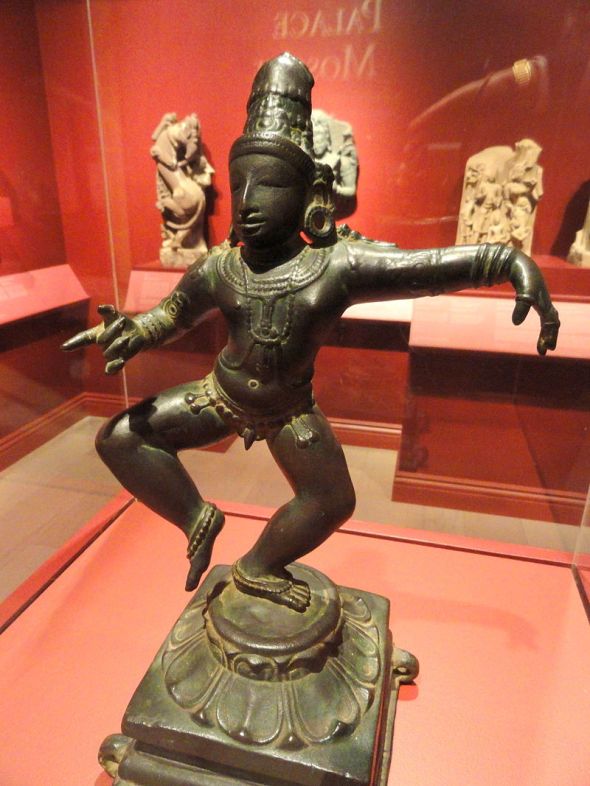
11th century Sambander.
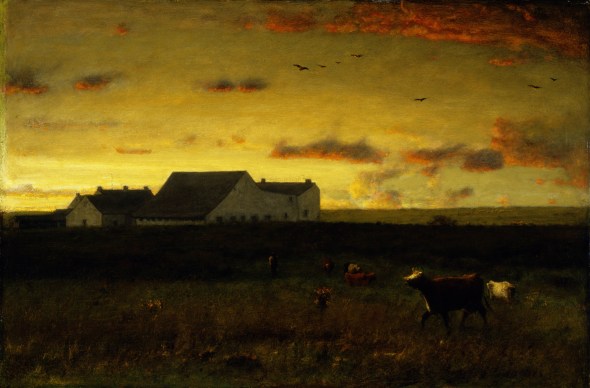
George Inness, Farm Landscape, Cattle in Pasture—Sunset, Nantucket
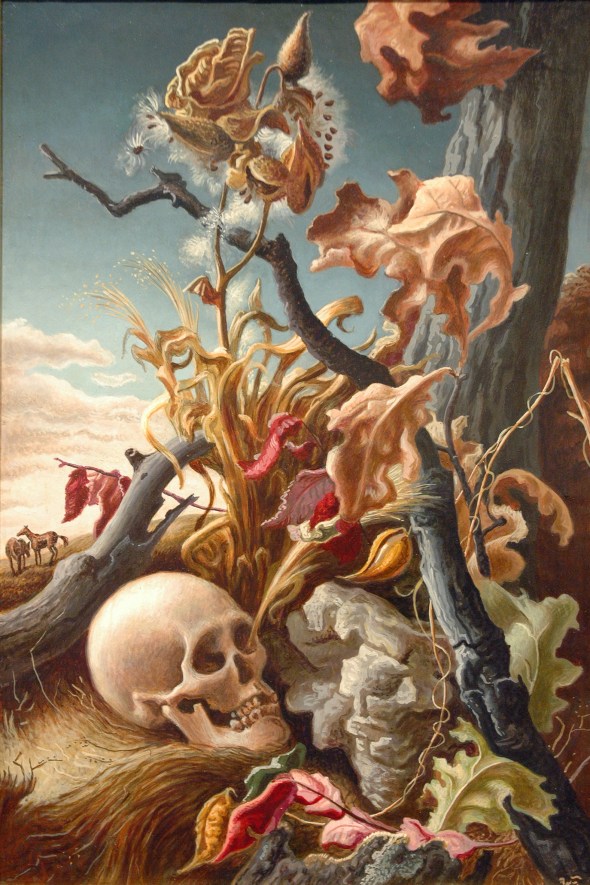
Thomas Hart Benton, After Many Days.

An untitled work by George Copeland Ault.
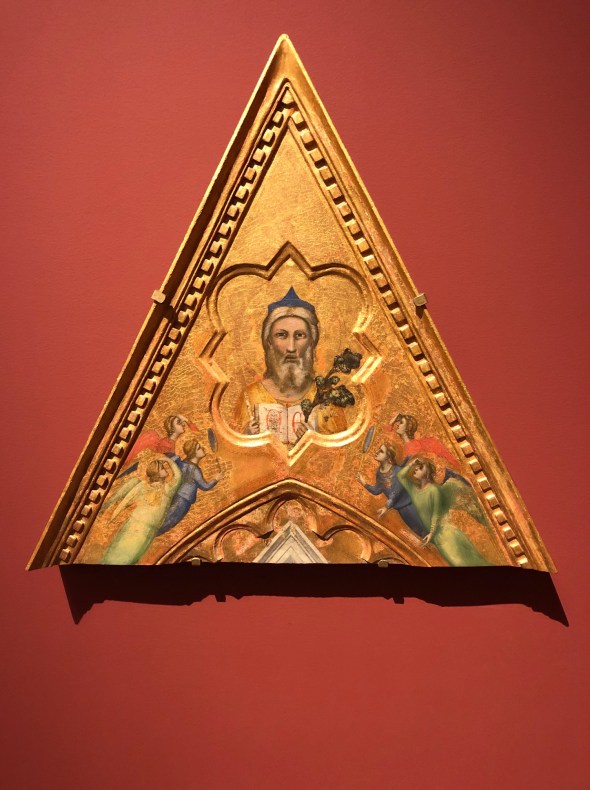
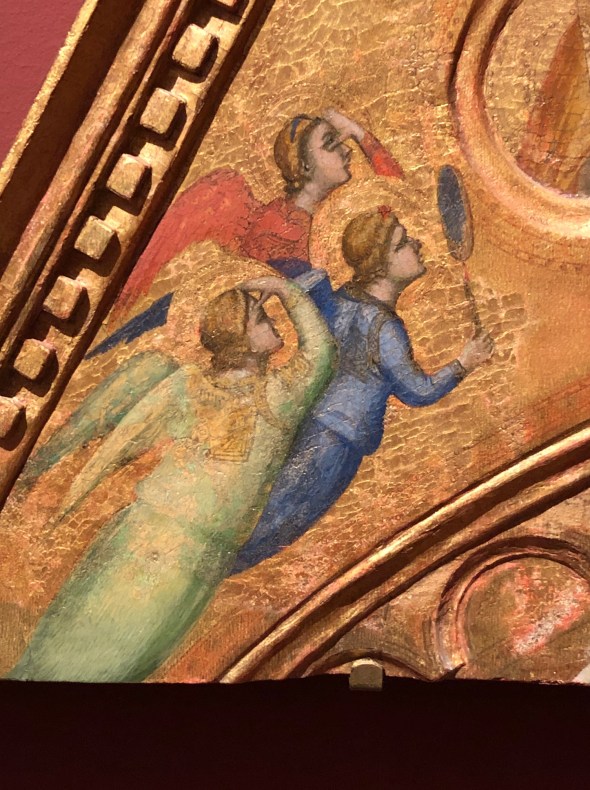
Giotto, God The Father with Angels.
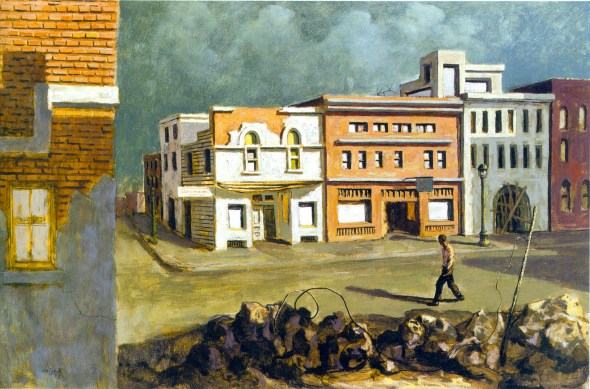
Sunday Afternoon, Hughie Lee Smith.

In The Patio by Georgia O’Keefe.
Anyway. This was all a nice break from Comic-Con.

At Comic-Con I heard that the X-Men are coming back.
* cheers to Jeff K. for this last punchline.
Brimful of Asha
Posted: July 25, 2019 Filed under: music Leave a comment
Hearing the song Brimful of Asha by Cornershop in the film Under The Silver Lake (enjoyed!) got me reading up on the meanings of the song.
This song is based on the history of film culture in India. Since their beginnings, Indian films have relied heavily on song and dance numbers. The singing is almost always performed by background singers while the actors and actresses lip sync. Asha Bhosle is a playback singer who has sung over 12,000 songs and is referred to as “Sadi rani” (Punjabi for “our queen”) at one point in the lyrics

Claiming a vaudeville / DJ name for possible future use
Posted: July 25, 2019 Filed under: art history Leave a comment
Art Celebrator.
Dried up cactus and desert plant detritus that looks like alien spores
Posted: July 24, 2019 Filed under: desert Leave a comment


is this a good photo?
Posted: July 18, 2019 Filed under: photography, the California Condition Leave a comment
was trying to capture the stark steepness of the street across the lake, and the special but unrelenting quality of afternoon sun in LA, and also how LA can look very lush and inviting while also having a kind of washed down, contained, prison-like aspect.
Thought this Vox piece about Antelope Canyon by Rebecca Jacobs was insightful on the meanings of photography in Instagram Age.

What’s the meaning of a tour where they tell you how to photograph it?
first see the rocks early the next morning with a tour group, which is the only way you are allowed to visit them. Before our guide tells us his name, which we find out is Anthony, he asks us the most crucial question of the day: “Do you all have iPhones?”
Anthony instructs all of us except the kid with the Samsung to open our camera apps, click the icon in the top right corner, and swipe to a setting called “Vivid Warm.”
Good food
Posted: July 13, 2019 Filed under: Canada, food Leave a comment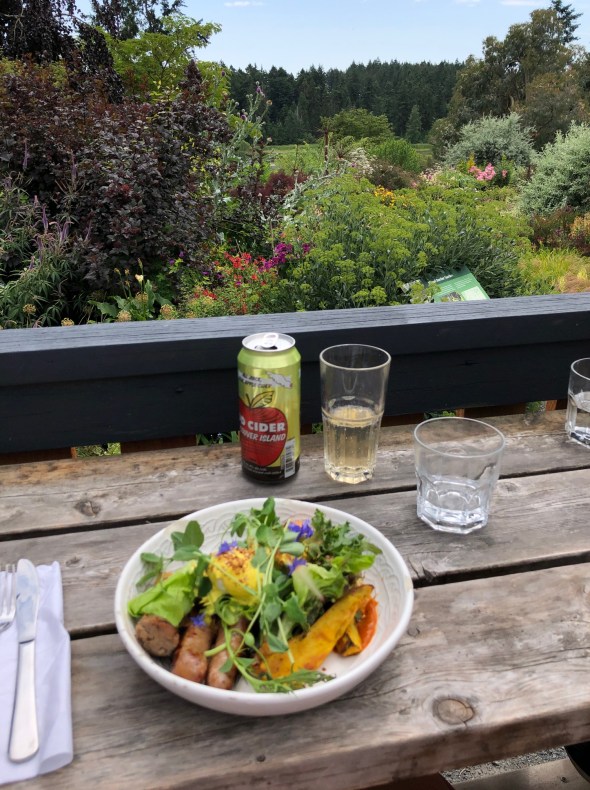
up in Canada. I’d tell you the name of the restaurant but you’d think it was a joke.
Style Icons, #11
Posted: July 3, 2019 Filed under: fashion 1 Comment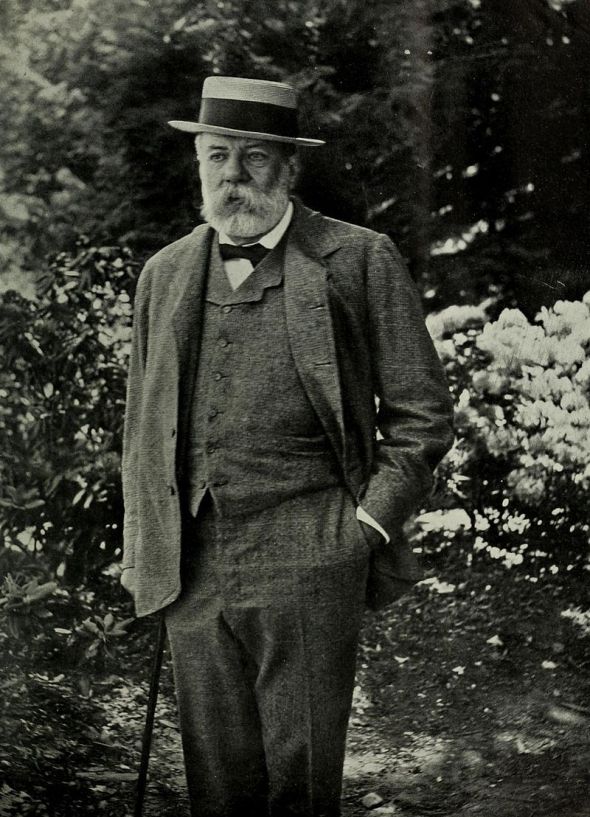
Charles Sprague Sargent, botanist.
and as long as we’re reading about the great botanists of 19th century Boston, grave goals:

Sandwich I’m still thinking about
Posted: July 1, 2019 Filed under: America Since 1945, Arkansas, food 1 Comment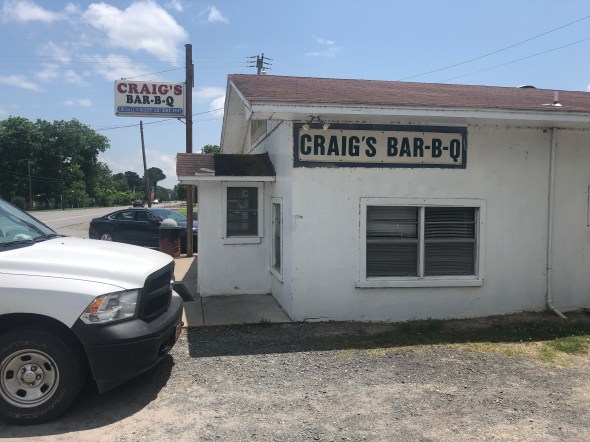
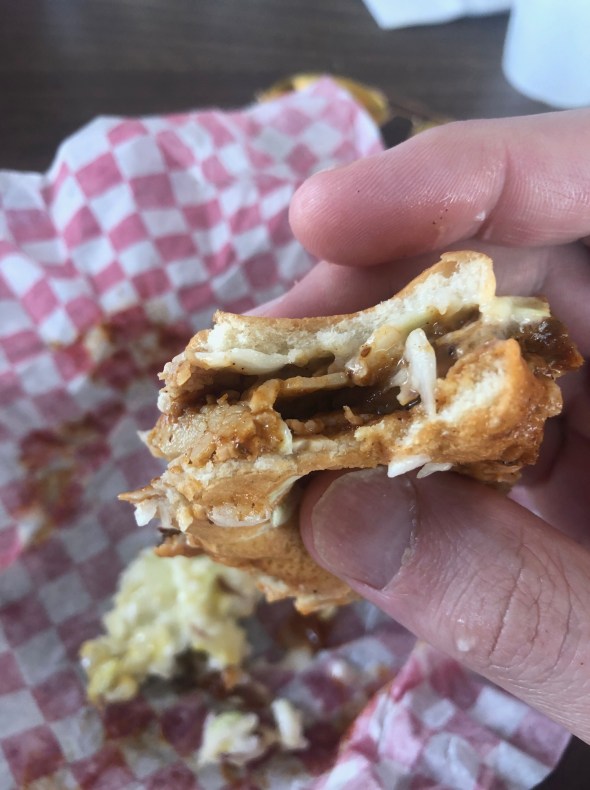
BBQ Beef:
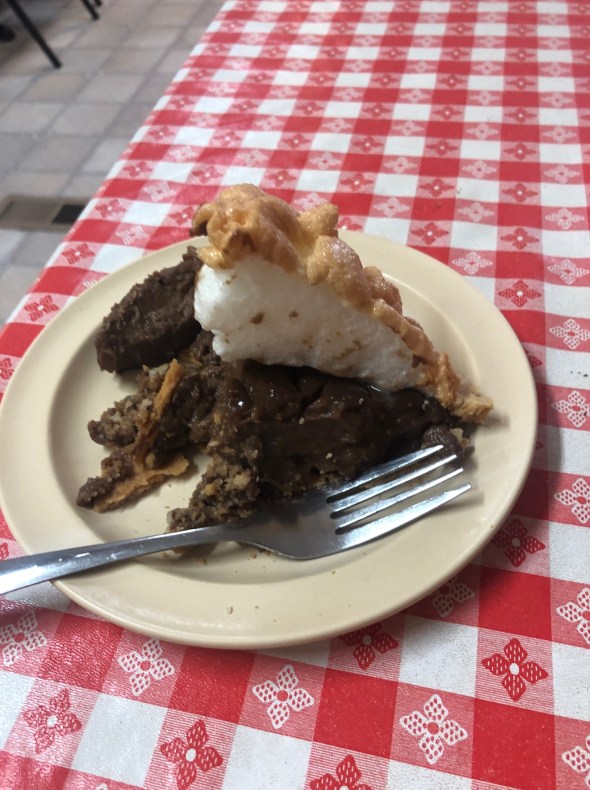
When you are at Craig’s you are on the Arkansas Pie Trail:
Lionsgate update
Posted: June 28, 2019 Filed under: business, movies Leave a comment
This is an update to a recent post about Lionsgate: kind of stunned by the crumminess of this trailer. Aren’t most of these worse versions of shots from Pearl Harbor (2001)?
Only instead of coming out in 2001 when people were feeling kinda patriotic, it’s coming out now.
Worried about Lionsgate. Maybe somebody will buy them?
How much would you pay for this painting?
Posted: June 27, 2019 Filed under: art history, money 1 Comment
Basquiat’s “Pink Elephant with Fire Engine,” depicting cartoonish images on yolk-colored background, hammered at 2.2 million pounds, falling short of the low estimate of 3 million pounds.
Tchoupitoulas
Posted: June 21, 2019 Filed under: food, music, New Orleans Leave a comment
po’boys at Domilie’s
There are many famous and intriguing streets in New Orleans – Royal, Esplanade, Canal, Basin, Magazine, St. Claude Avenue, St. Charles Avenue, Chartres – but a street that caught my interest is Tchoupitoulas.

Traveled this street while on my way back from Domilise’s, which David Chang once claimed serves the coldest beer in the world.

Could be!
Tchoupitoulas runs alongside the Mississippi. There is an enormously long, apparently vacant structure that runs along the river and the railroad tracks.

I asked a bartender at Cavan in the Irish Channel about this structure. She told me it’s a set of wharves and warehouses, many of them still privately owned. It was said, according to her, that somewhere under this place Marie Laveau had once had her voodoo church.

based on a drawing, now lost, by George Catlin
“The Wild Tchoupitoulas” were a band of Mardi Gras Indians, who in 1976, with the help of the Neville Brothers and some members of The Meters, recorded an album based on their chants.

Viewers of Treme will recall that Steve Zahn’s character and his girlfriend Annie Tee have a discussion when they move in together about whether they need to keep both of their two CDs of The Wild Tchoupitoulas.
Next time I’m on Tchoupitoulas I’m going to visit Hansen’s Sno-Bliz.

Iko Iko and Mobilian Jargon
Posted: June 19, 2019 Filed under: language, Louisiana, music, New Orleans Leave a comment
Reading up on the New Orleans classic Iko Iko, made famous by the Dixie Cups, I find myself reading about Mobilian Jargon.
Mobilian Jargon (also Mobilian trade language, Mobilian Trade Jargon, Chickasaw–Choctaw trade language, Yamá) was a pidgin used as a lingua franca among Native American groups living along the Gulf of Mexico around the time of European settlement of the region. It was the main language among Indian tribes in this area, mainly Louisiana. There is evidence indicating its existence as early as the late 17th to early 18th century. The Indian groups that are said to have used it were the Alabama, Apalachee, Biloxi, Chacato, Pakana, Pascagoula, Taensa, Tunica, Caddo, Chickasaw, Choctaw, Chitimacha, Natchez, and Ofo.

A possible meaning?:
Another possible translation interprets the third and fourth lines as:[30]
Chokma finha an dan déyè
Chokma finha ane.Chickasaw words “chokma” (“it’s good”) and “finha” (“very”), Creole “an dan déyè” from French Creole “an dans déyè” (“at the back”), and the Creole “ane” from the French “année” (“year”).
Translation:
It’s very good at the rear
It’s a very good year.
What about the possible voodoo origin?
Louisiana Voodoo practitioners would recognize many aspects of the song as being about spirit possession. The practitioner, the horse, waves a flag representing a certain god to call that god into himself or herself. Setting a flag on fire is a curse. The man in green, who either changes personality or whose appearance is deceiving, would be recognized in Voodoo as possessed by a peaceful Rada spirit, inclining to green clothes and love magic. The man in red, who is being sent to kill, would likely be possessed by a vengeful Petwo spirit.[33]
Haitian ethnologist Milo Rigaud published a transcription in 1953 of a Voodoo chant, “Crabigne Nago”[34]. This chant to invoke the Voodoo mystère Ogou Shalodeh is similar to “Iko, Iko” in both pentameter and phones.
Liki, liki ô! Liki, liki ô!
Ogou Shalodeh.
Papa Ogou Jacoumon,
Papa Ogou Shalodeh.
More on the topic can be found in an article in a 2008 issue of Southern Anthropologist – we find ourselves amidst controversy:
Right from the beginning, Galloway (2006: 225-226) belittles the amount of linguistic information available, which she evidently takes as a justifi cation for not addressing specifi c linguistic and historical data that Crawford and I have accumulated and analyzed over the years. Although Galloway (2006: 228) recognizes my book of some four hundred pages as “the most thorough study of Mobilian jargon (sic) now available,” she oddly does not use a single piece of linguistic data from it in her own essay; nor does she review the substantial amount of sociohistorical documentation that both Crawford and I assembled for what anthropologists and linguists had long thought lost. Instead, Galloway (2006: 240) has curiously drawn on a short, seven-page essay by Kennith H. York (1982) for inspiration and “the insight of a sophisticated native speaker of Choctaw,” which demands a short appraisal
The linguistic origin of the song is the subject of a 2009 Offbeat article by Drew Hinshaw, who traces it to Ghana:
One afternoon, 1965, the three Louisianan sisters/cousins who gave you “Chapel of Love,” unaware that the studio’s tapes were still rolling, recorded for posterity two minutes of delightful historical intrigue that had been circulating in oral obscurity for generations unknowable. “Iko, Iko,” they called that tune. The English chunks of the record came from an all-too-obvious source—R&B singer “Sugar Boy” Crawford who claimed he never saw “just dues” from the top 40 hit—but the cryptic refrain of the Carnival standard is of a lost language, entirely mysterious: “Eh na, Iko, Iko-ahn-dé, jaco-mo-fi-na-né.” You know these words. “Sugar Boy” said he remembered them from the Mardi Gras Indian tribes of his salad days, while the girl group said they heard it from their grandma, Which is where the song begins: “My grandmaw and yo’ grandmaw….”
Reminded me of this cool, dialogue-less scene in Twelve Years A Slave which probably tells us about as much as can be known about the earliest origins of New Orleans music:
Not sure why I bothered writing this post, as I already texted with MMW about this topic (he suggested I look into Pidgin Delaware) but the oddest topics have lured readers to Helytimes, and really, what else is this site for but
1) to peer into the past until the view becomes a crazy fantastical kaleidoscope
2) to celebrate the rich weirdness of the world, and
3) to delight that there are people out there fighting over Mobilian Jargon?
Delta
Posted: June 16, 2019 Filed under: America Since 1945, Mississippi, music Leave a comment
ruins of Windsor Plantation
Found myself, for the second time in two years, driving Highway 61 through the Mississippi Delta. I don’t feel like I intended this, exactly. Once was good. But there I was again.

This map by Raven Maps was a breakthrough in understanding the Delta, what makes this region freakish and weird and unique. The Delta is low-lying bottomland. Thinking of the Mississippi in this area as a line on a map is inaccurate, it’s more like a periodically swelling and retreating wetland, like the Amazon or the Nile. Floods are frequent, vegetation grows thick, the soil is rich and good for growing cotton. That is the curse, blessing and history of the Delta. This year Highway 61 was almost flooded below Vicksburg.

The river from the bluffs at Natchez
The Mississippi Delta begins in the lobby of the Peabody Hotel in Memphis and ends on Catfish Row in Vicksburg. The Peabody is the Paris Ritz, the Cairo Shepheard’s, the London Savoy of this section. If you stand near its fountain in the middle of the lobby, where ducks waddle and turtles drowse, ultimately you will see everybody who is anybody in the Delta and many who are on the make.
So said David Cohn in his famous essay of 1935.

It’s been awhile since I was at The Peabody.

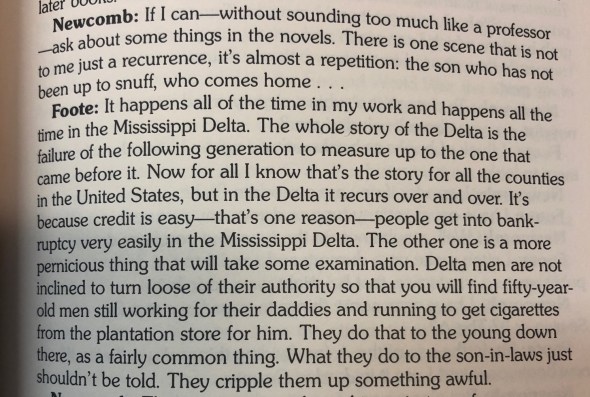
Dave Cohn was Jewish. Shelby Foote had a Jewish grandfather. The Delta was diverse.

So says Shelby. On the Delta fondness for canned beans:
from:
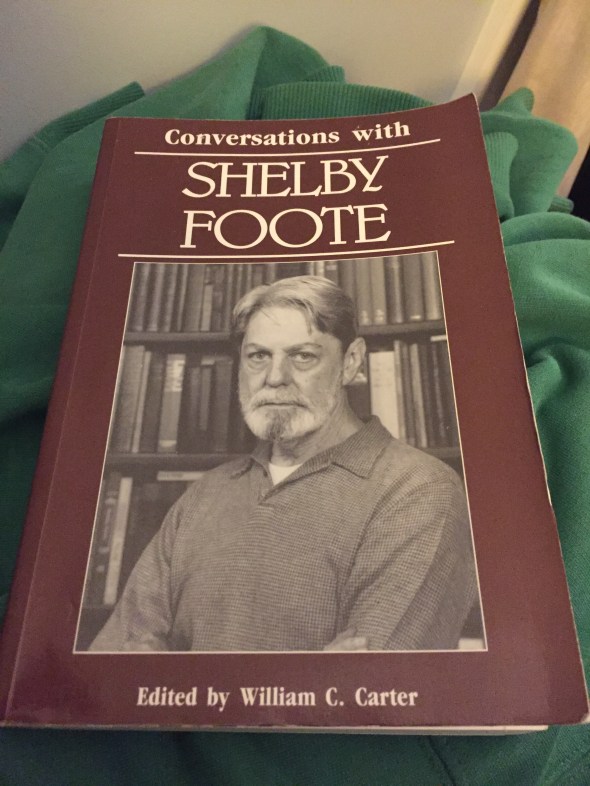
Here’s something North Mississippi Hill Country man Faulkner had to say about people in this region:
Q: Well, in the swamp, three of the men that lived in the swamp did have names – Tine and Toto and Theule, and I wonder if those names had any type of significance or were supposed to be any type of literary allusion. They’re rather colorful names, I think.
A: No, I don’t think so. They were names, you might say, indigenous to that almost unhuman class of people which live between the Mississippi River and the levee. They belong to no state, they belong to no nation. They – they’re not citizens of anything, and sometimes they behave like they don’t even belong to the human race.
Q: You have had experience with these people?
A: Yes. Yes, I remember once one of them was going to take me hunting. He invited me to come and stay with his kinfolks – whatever kin they were I never did know – a shanty boat in the river, and I remember the next morning for breakfast we had a bought chocolate cake and a cold possum and corn whiskey. They had given me the best they had. I was company. They had given me the best food they had.

The Delta is a ghost town. In 2013 The Economist reported
Between 2000 and 2010 16 Delta counties lost between 10% and 38% of their population. Since 1940, 12 of those counties have lost between 50% of 75% of their people.
Another Economist piece from the same era has a great graphic of this:
“You can’t out-poor the Delta,” says Christopher Masingill, joint head of the Delta Regional Authority, a development agency. In parts of it, he says, people have a lower life expectancy than in Tanzania; other areas do not yet have proper sanitation.
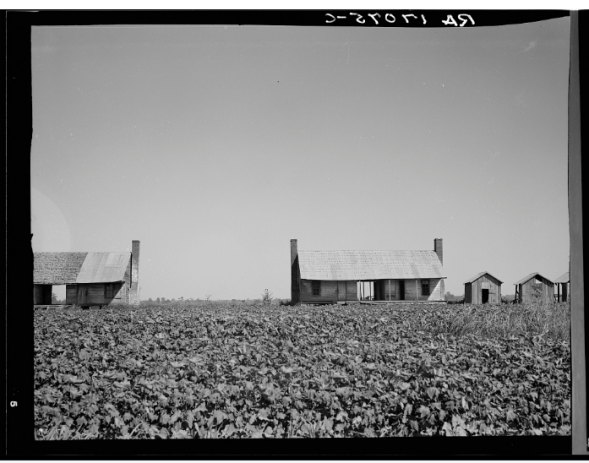
Everywhere you see abandoned buildings, rotting shacks, collapsing farmhouses. This gives the place a spooky quality. It’s like coming across the shedding shell of a cicada. There are signs of a once-rich life that is gone.

Here’s an amazing post about the sunken ruins of the plantation of Jefferson Davis.
Every town that still exists along the river of the Delta is on high ground or a bluff. Natchez, Port Gibson, Vicksburg. Once beneath these towns there were great temporary floating communities of keelboats, canoes. But the river has flooded and receded and changed its course many times. Charting the historical geography of these towns is confusing. Whole towns have disappeared, or been swallowed.
Brunswick Landing, of which nothing remains.
The first time I ever thought about the Mississippi Delta was when I came across this R. Crumb cartoon about Charley Patton, who was from Sunflower County.


Something like 2,000 people lived and worked at Dockery Plantation. It’s worth noting that this plantation was started after slavery, it was begun in 1895.
At the time, much of the Delta area was still a wilderness of cypress and gum trees, roamed by panthers and wolves and plagued with mosquitoes. The land was gradually cleared and drained for cotton cultivation, which encouraged an influx of black labourers.
In a way, the blues era, say 1900-1940 or so, was a kind of boomtime in the Delta. The blues can be presented as a music of misery and pain but what if it was also a music of prosperity? Music for Saturday night on payday, music for when recording first reached communities exploding with energy? Music from the last period of big employment before mechanization took the labor out of cotton? How much did the Sears mail order catalog help create the Delta blues?

We stopped at Hopson Commissary in Clarksdale, once the commissary of the Hopson plantation. (Once did someone run to get cigarettes from there?) Here was the first fully mechanized cotton harvest – where the boomtime peaked, and ended. If you left Mississippi around this time, you probably left on the train from Clarksdale.

If in Clarksdale I can also recommend staying at The Delta Bohemian guest house. We were company and they gave us their best.
you may need this number
Here’s something weird we saw, near Natchez:

We listened to multiple podcasts about Robert Johnson selling his soul at the crossroads, that whole bit. The interesting part of the story (to me) is that, according to the memories of those who knew him, Robert Johnson did somehow, suddenly, get way better at the guitar. I like this take the best:
Some scholars have argued that the devil in these songs may refer not only to the Christian figure of Satan but also to the African trickster god Legba, himself associated with crossroads. Folklorist Harry M. Hyatt wrote that, during his research in the South from 1935 to 1939, when African-Americans born in the 19th or early 20th century said they or anyone else had “sold their soul to the devil at the crossroads,” they had a different meaning in mind. Hyatt claimed there was evidence indicating African religious retentions surrounding Legba and the making of a “deal” (not selling the soul in the same sense as in the Faustian tradition cited by Graves) with the so-called devil at the crossroads.
Does everybody in the music business sell their soul to the Devil, one way or another?
Is there something vaguely embarrassing about white obsession with old blues? I get the yearning to connect to a past that sounds like it’s almost disappeared, where just the barest, rawest trace echoes through time. But doesn’t all this come a little too close to taking a twisted pleasure in misery? And is there something a little gloves-on, safe remove about focusing on music from eighty years ago, when presumably somewhere out there real life people are creating vital music, right now?
I dunno, maybe there’s something cool and powerful about how lonely nerds and collectors somewhere and like tourists from Belgium connecting to the sounds of desperate emotion from long dead agricultural workers.
My favorite of the old blues songs is Dark Was The Night, Cold Was The Ground. Blind Willie Johnson wasn’t even from the Delta though, he was from Pendleton, Texas.
Alpha beta gamma
Posted: June 15, 2019 Filed under: animals Leave a comment
In small packs of mammals there’s an alpha male who gets all the females by fighting off the other males, who have to go off and live by themselves and get stronger before the next rutting season. This is a pattern for instance among sea lions, and elephant seals, and horned beasts like elk.

But nature is funny. At the Tule Elk State Natural Reserve in Buttonwillow they have an interesting piece of taxidermy. It’s two elks that got in a fight, the alpha I guess and a challenger. The one elk’s horn went in the other elk’s eye, and killed him. Which would seem like a win, except with his horn caught on a dead elk, unable to get it off, the surviving elk ended up getting weighed down and dying himself.

The rangers swore that’s what happened, anyway.
There’s all this talk about alpha and beta in advice to young men, which overlooks that our society is quite a bit more complex, there are lots of ways to distinguish yourself and make yourself attractive, and our females are not as simpleminded and docile as cow-elks.
When it comes to alpha and beta, maybe sometimes what you want is to let them two kill each other and be the Gamma Guy left standing.
 Helytimes

#/media/File:Portrait_of_Isabella_of_Portugal_van_Eyck.jpg)


