Yang-Na
Posted: October 8, 2018 Filed under: the California Condition Leave a comment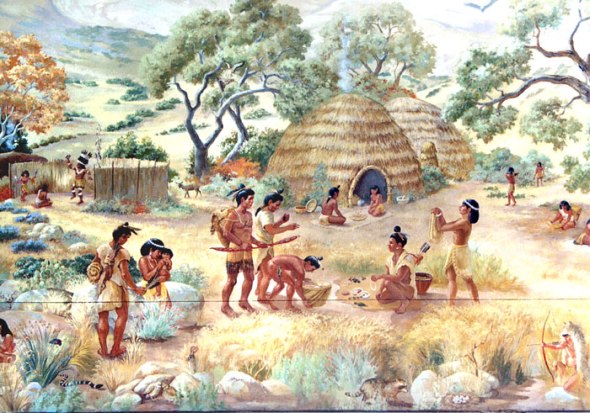
Re-resolve this Indigenous Peoples’ Day to return LA back to its original name of Yang-Na:

from:
Hidden Springs of Crazy Horse-iana
Posted: October 7, 2018 Filed under: history, native america 4 Comments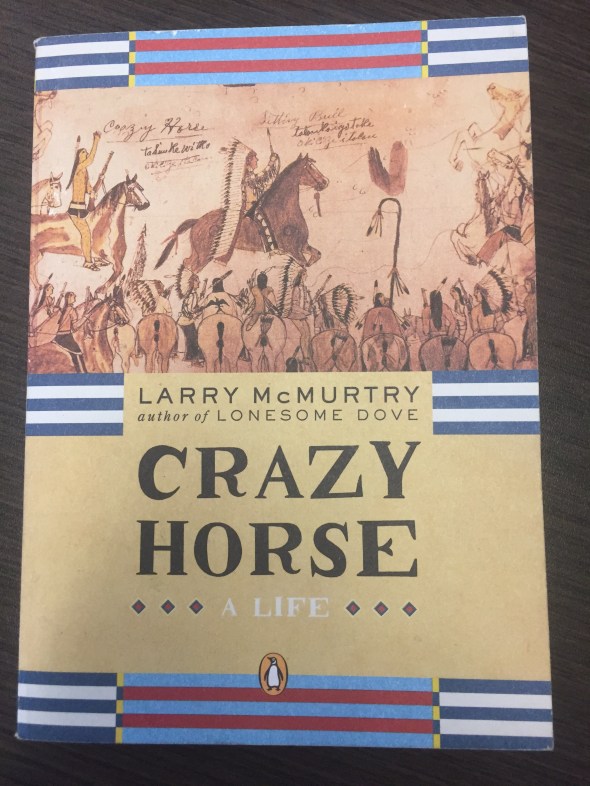
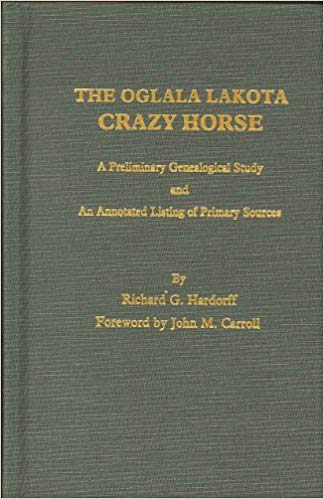
Reread Larry McMurtry’s short life of Crazy Horse. 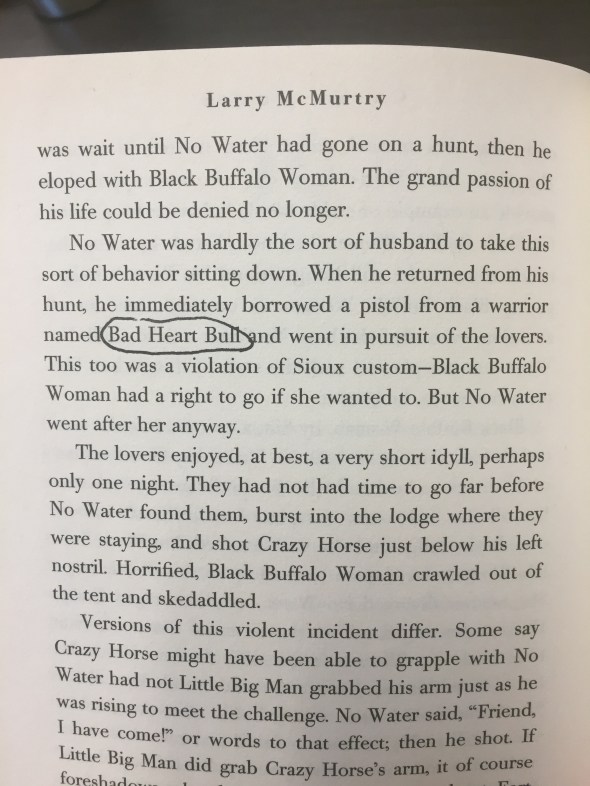
Discovered something new: when No Water shot Crazy Horse for running away with his wife Black Buffalo Woman, he borrowed the gun he used from Bad Heart Bull.
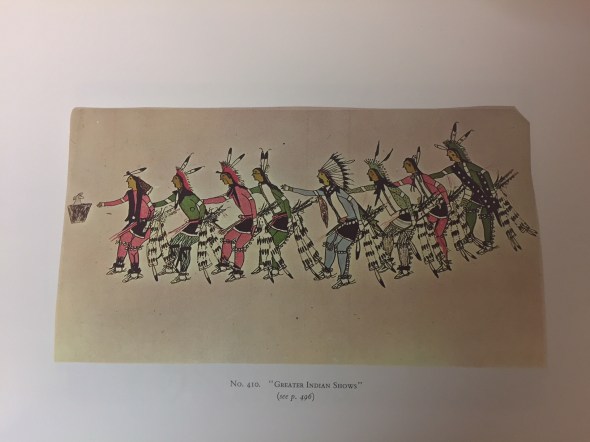
This Bad Heart Bull was an uncle of Amos Bad Heart Bull, the ledger artist, who made this drawing of the death of Crazy Horse:
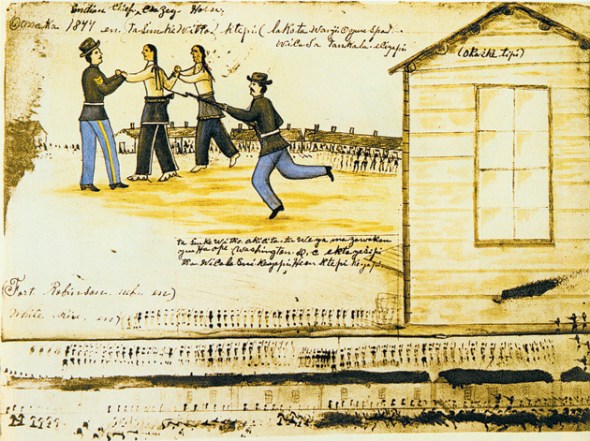
At the time of his death, Amos’ sketchbook was given to his younger sister, Dolly Pretty Cloud. In the 1930s, she was contacted by Helen Blish, a graduate student from the University of Nebraska, who asked to study her brother’s work for her master’s thesis in art. When Pretty Cloud died in 1947, her brother’s ledger book full of drawings was buried with her.
Before they were buried, the drawings were photographed by Blish’s professor, Hartley Burr Alexander, and they’re reprinted in this volume:
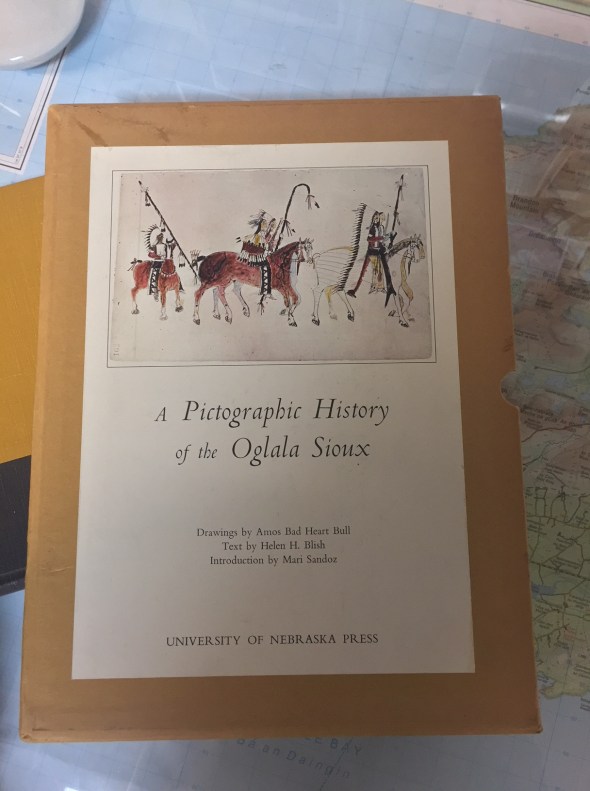
Amos Bad Heart Bull was only one of the Ledger Artists.
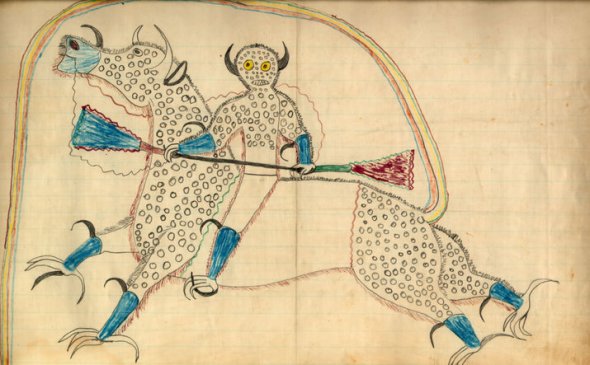
Much Ledger Art can be seen digitally through the Plains Ledger Art Project at UC San Diego.
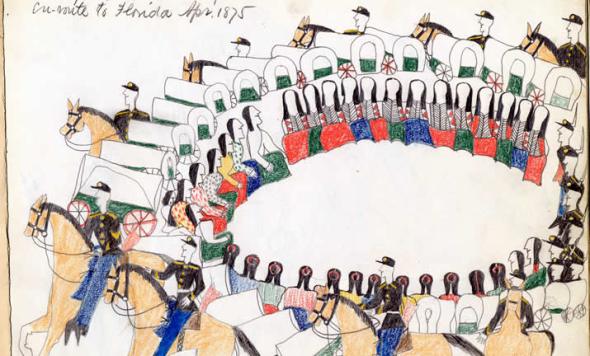
Amos Bad Heart Bull’s work is vivid:
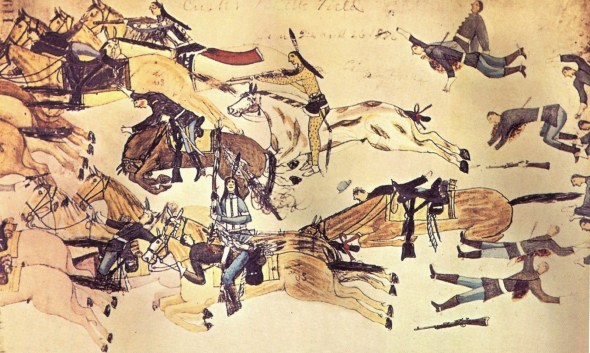
A literal translation of the Lakota word čhaŋtéšiče is “he has a bad heart”, but an idiomatic meaning is “he is sad.” Tȟatȟáŋka Čhaŋtéšiče would likely have been understood in the same way “Sad Bull” would be in English. When Lakota names are translated literally into English, they may lose their idiomatic sense.
Crazy Horse, Little Bighorn, these names alone are compelling enough. Cavalrymen wiped out to the last man on the plains, these stories are interesting, or they have been to me as long as I remember.

This book couldn’t’ve been more what I wanted. I first discovered it when TV commercials for the miniseries aired.
In my opinion the miniseries is damn good, but the book! Part of what makes it so compelling is Connell sees how the telling of what happened, the attempt to figure out what happened, is as interesting as what happened itself. The history of the history is as interesting as the history.
Connell starts his book with the troopers who discovered the stripped and mutilated bodies on the hillside, then takes us on a digressive journey towards how this happened, what happened, and what it all might mean, if anything.
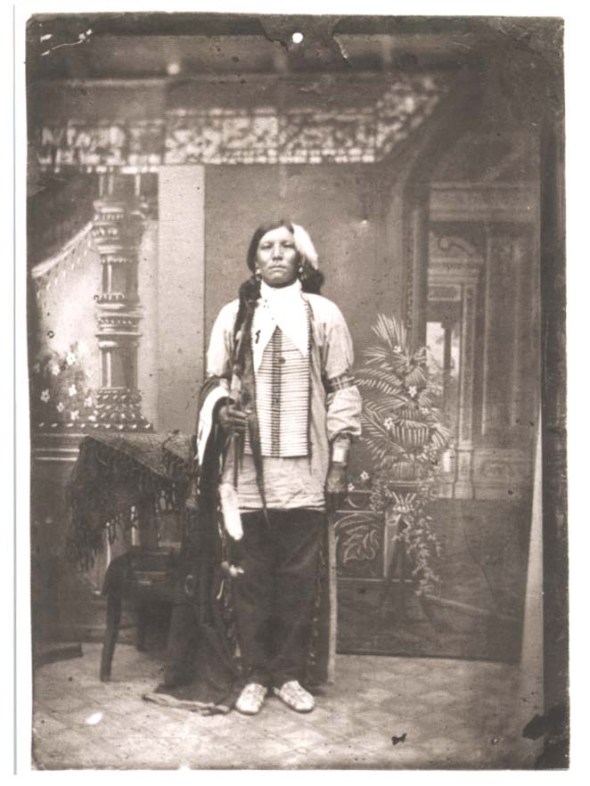
Wikipedia presents this disputed picture of Crazy Horse. It cannot be him. He would never. At Fort Robinson?? A desolate prairie outpost? This was taken in a city. Etc. From what we know of Crazy Horse, this is the opposite of what he would do.
But who knows? Who is it? Ghosts appear and disappear.
Crazy Horse had a daughter named They Are Afraid of Her. She died, probably of cholera, McMurtry says, when she was three.
How about the legend of what happened at the Baker Fight:
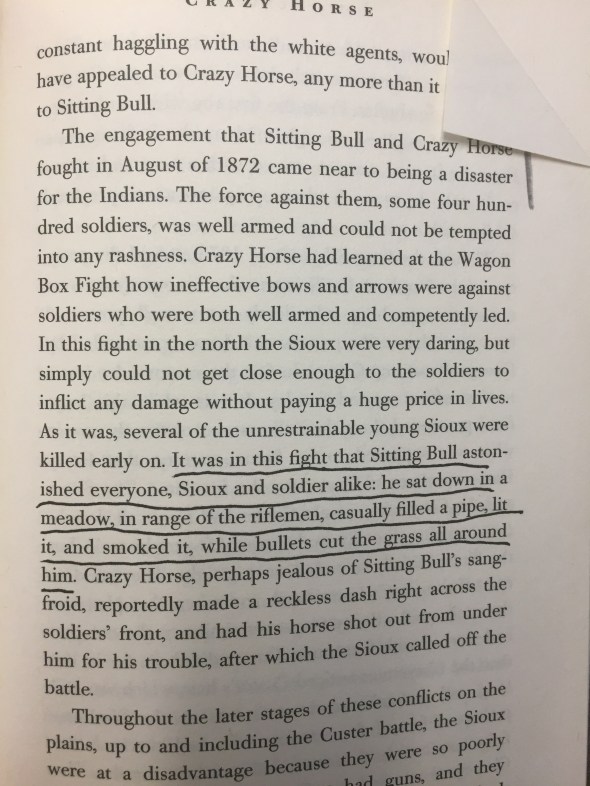
In the middle of a frantic battle a man sits on the grass and smokes a pipe.
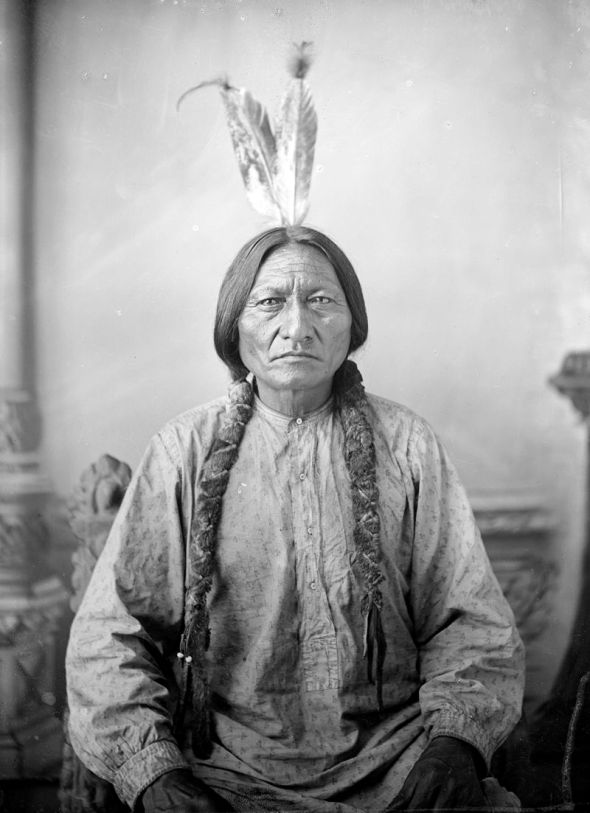
This occurred during what is sometimes called the Arrow Creek Fight, or the Baker Fight.
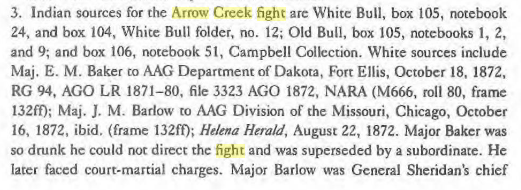
found that here.
Once spent some time on Google Maps trying to find the site of the Baker fight.
While reading about one of the few white men Crazy Horse trusted, Doctor Valentine McGillycuddy:
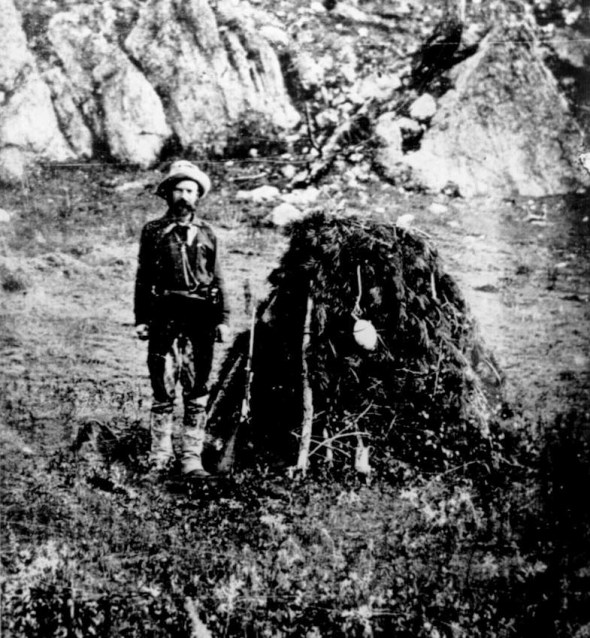
I find a reference to a thirteen volume set, Hidden Springs of Custeriana.
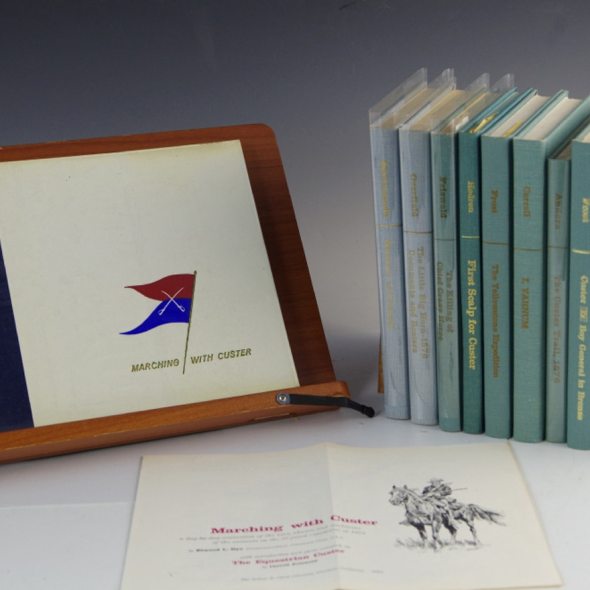
The hunt for hidden springs in the long pored-over records of the past. The ledger photographed, then buried in Nebraska.
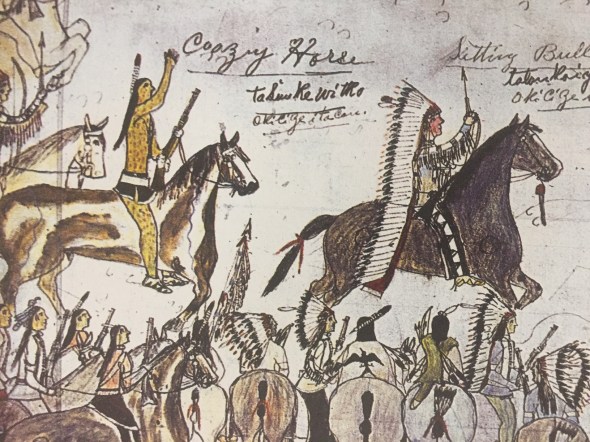
more: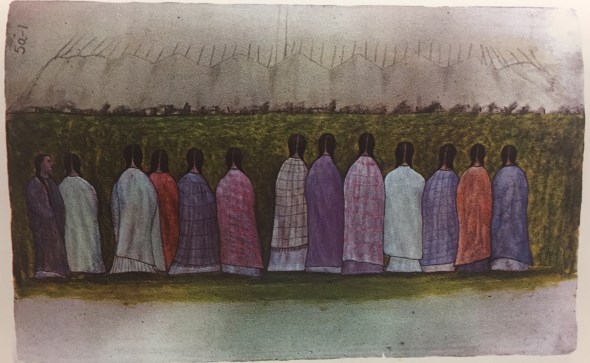
Scrapbasket!
Posted: October 3, 2018 Filed under: America Since 1945 Leave a comment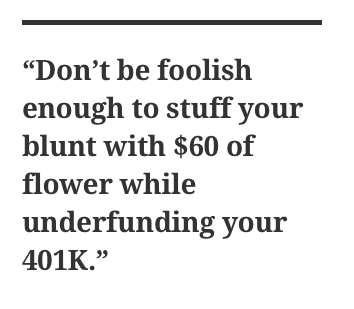
saw this while continuing in my struggle to wrap my head around the intersection of Canadian weed and the stock market. As of this writing Nanaimo, BC based marijuana grower and extractor Tilray has a bigger market cap than Chipotle or the Kansas City Southern Railroad.

terry cantrell for wikipedia
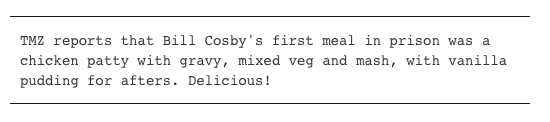
Popbitch reporting Bill Cosby’s first meal in prison. I mean I doubt prison food is good but in theory this sounded like a nice dinner to me. 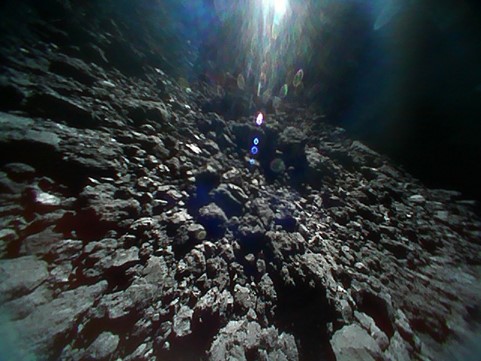
Cool that this photo, via the Japanese Space Agency, of the asteroid Ryugu, was taken 177 million miles from Earth.

Eve Babitz on Harrison Ford in Vanity Fair back in 2014.

What? from one of the Bloomberg newsletters.
Let us raise a standard to which the wise and the honest can repair
Posted: September 28, 2018 Filed under: heroes, New York Leave a comment
Matthew G. Bisanz for Wikipedia
Always moved by George Washington’s words on the Washington Square Arch.
Try not to think about the 20,000 anonymous people buried in what’s now Washington Square Park — history is complicated!
Bannon as Bond villain
Posted: September 26, 2018 Filed under: America Since 1945, politics 1 Comment
It’s not fashionable to even listen to Steve Bannon these days, and I don’t know why you’d invite him to your festival. But when I read or listen to interviews with him, I always feel I’m gaining insight. Much like a Bond villain, he seems to delight in revealing his plans. Consider a moment at 17:05 above:
Third is the deconstruction of the administrative state. It’s the reason Gorsuch and Kavanaugh are on the Supreme Court. They’re not social – they’re not about abortion or gay marriage, these people are about the Chevron exemption, they’re about deconstructing the administrative state.
I think he means Chevron Deference, which I had to look up. A lawyer friend defined it for me:
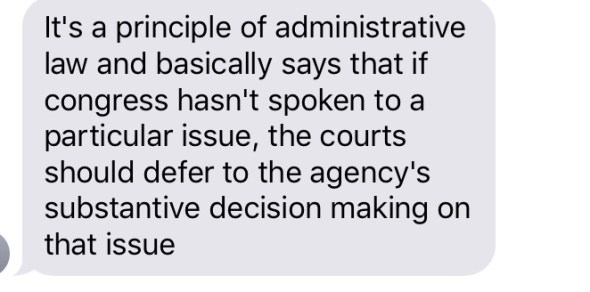
It emerged from a case called Chevron U.S.A Inc vs Natural Resources Defense Council:
Congress amended the Clean Air Act in 1977 to address states that had failed to attain the air quality standards established by the Environmental Protection Agency(EPA) (Defendant). “The amended Clean Air Act required these ‘non-attainment’ States to establish a permit program regulating ‘new or modified major stationary sources’ of air pollution.” During the Carter administration, the EPA defined a source as any device in a manufacturing plant that produced pollution. In 1981, after Ronald Reagan’s election, the EPA, which was headed by Anne M. Gorsuch, adopted a new definition that allowed an existing plant to get permits for new equipment that did not meet standards as long as the total emissions from the plant itself did not increase. The Natural Resources Defense Council (NRDC), an environmental protection group, challenged the EPA regulation in federal court, which ruled in the NRDC’s favor. Chevron, an affected party, appealed the lower court’s decision.
Bottom line, the Court ended up ruling the EPA could make its rules and they wouldn’t intrude too much.
But wait one second: Gorsuch?
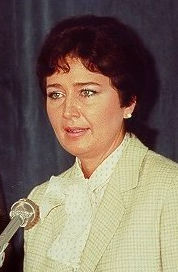
It was this woman, mother of Supreme Court Justice Neil Gorsuch!
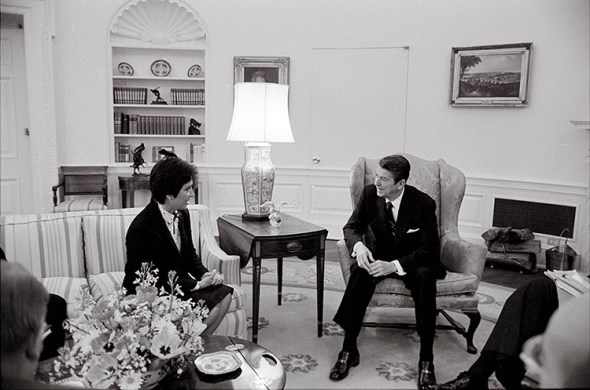
3-5-1981 President Reagan meeting with Anne Gorsuch EPA Administrator-Designate in oval office
How about that!
It gets a bit complicated after that and I’m afraid above my paygrade, but it seems Gorsuch The Son doesn’t care much for Chevron Deference. His tone on the topic tends to veer towards the sarcastic:
Under Chevron the people aren’t just charged with awareness of and the duty to conform their conduct to the fairest reading of the law that a detached magistrate can muster. Instead, they are charged with an awareness of Chevron; required to guess whether the statute will be declared “ambiguous” (courts often disagree on what qualifies); and required to guess (again) whether an agency’s interpretation will be deemed “reasonable.” Who can even attempt all that, at least without an army of perfumed lawyers and lobbyists? And, of course, that’s not the end of it. Even if the people somehow manage to make it through this far unscathed, they must always remain alert to the possibility that the agency will reverse its current view 180 degrees anytime based merely on the shift of political winds and still prevail.
One can’t but wonder: does any of this have to do with his mom?
Just think it’s interesting that Bannon says they don’t give a fig about social culture war issues. Remember that Bannon and Kellyanne Conway are more or less hired guns for the Mercer family, of Renaissance Technologies, a hedge fund.
I wonder if Brett Kavanaugh will get through, or if they’ll have to find a different person to help dismantle the administrative state.
As always we welcome your comments!
Inside a ZOOM
Posted: September 25, 2018 Filed under: America Since 1945, science Leave a comment
I had a Zoom recorder that appeared to be messed up beyond repair due to corroded batteries so I figured I might have a look at its innards

cool. humans are amazing, how did we come up with this stuff?
Gods of the Modern World and the Cartoon History Of The Universe
Posted: September 24, 2018 Filed under: America Since 1945, art history, California, comedy, comics Leave a comment
José Clemente Orozco painted these crazy frescos at Dartmouth around 1933. My pal Larry Gonick sends a vivid closeup:

photo: Larry Gonick
Gotta check these out. If you haven’t read Larry Gonick’s Cartoon History Of The Universe:
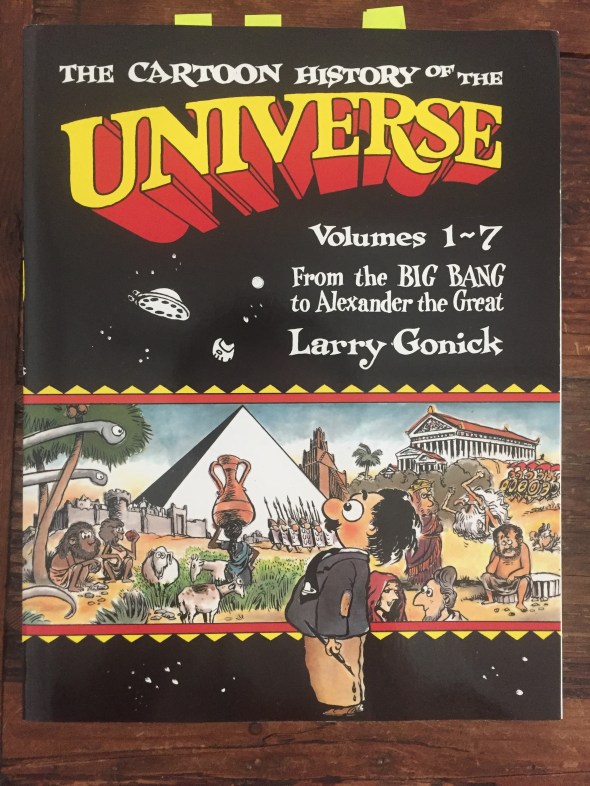
Strongest recommend! Epic achievements in bringing history to life by both artists.
Truth forever on the scaffold, wrong forever on the throne
Posted: September 23, 2018 Filed under: America Since 1945, history Leave a comment
The famous King moments are so burned into our collective dream history that they can lose their freshness. .
Somewhere recently I came across a clip of the line at 0:40 above, truth forever on the scaffold, wrong forever on the throne.
A quote from
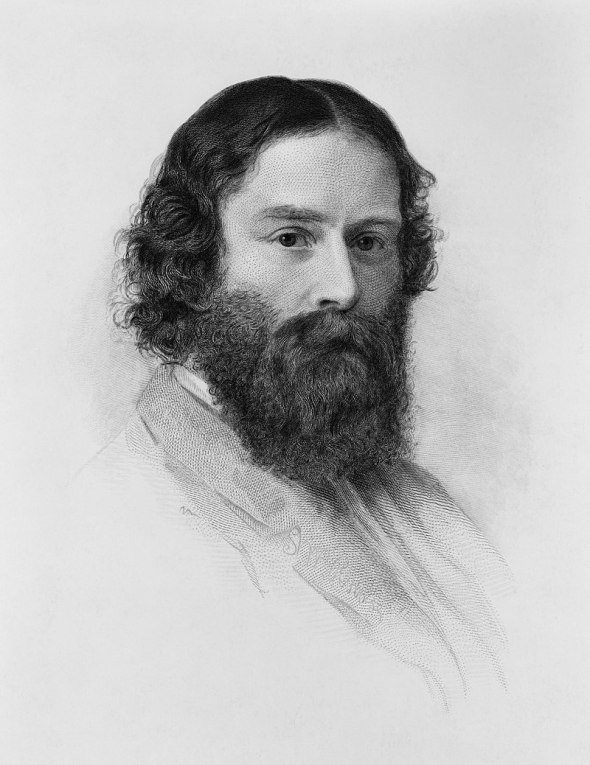
James Russell Lowell. The Present Crisis, which he wrote in 1844, when he was deep in abolitionism.
King returned to this line often.
Good reminder that truth being on the scaffold and wrong being on the throne is not a new problem.
What was up with Will Shakespeare?
Posted: September 23, 2018 Filed under: shakespeare, writing Leave a comment
It’s 1588. You walk into a play-house. A guy walks out on stage and says:
O for a Muse of fire, that would ascend the brightest heaven of invention, a kingdom for a stage, princes to act and monarchs to behold the swelling scene!
Then should the warlike Harry, like himself, assume the port of Mars; and at his heels, leash’d in like hounds, should famine, sword and fire crouch for employment.
But pardon, and gentles all, the flat unraised spirits that have dared on this unworthy scaffold to bring forth so great an object: can this cockpit hold the vasty fields of France?
or may we cram within this wooden O the very casques that did affright the air at Agincourt?
O, pardon! since a crooked figure may attest in little place a million; and let us, ciphers to this great accompt, on your imaginary forces work.
That’s how Henry V opens.
That ref to the wooden O is (as I understand the only time) we hear about the Globe Theater from Shakespeare himself’s mouth or pen or whatever. Got to thinking about it in London in May.

Shakes is so good. That “o for a muse of fire” is so good. Like a Jimi Hendrix moment:

A dude who’s gone so far in his art that he’s got nothing left to do but scream at Heaven to let him ascend.

One time Yang saw this at my house and said, “is Shakespeare good?” Solid question. To answer it I suggested we watch:
which, I think is pretty good. Yang pointed out that in this version, the music does do a lot of the work.
By the time Shakespeare wrote Henry V he’d already done Romeo & Juliet, Richard III, A Midsummer Night’s Dream, Merchant of Venice, Henry IV Part 1, Henry IV Part 2, Much Ado About Nothing, and thirteen other plays.
That’s if you believe the story.

The “Chandos Portrait” at the National Gallery in London.
There was a def a real guy Shakespeare, a real person who was born and died. In his own lifetime this Will Shakespeare was famous for writing plays. Pirate editions of plays with Shakespeare’s name on them would be sold like scripts of The Godfather on the streets of New York.
Far as I can see, Will Shakespeare gave no evidence of giving a shit about the text/publishing of his plays. Didn’t appear to care. The fact we are reading them now would’ve probably shocked him or else he also wouldn’t have cared about that. What he cared about was like getting a coat of arms.

Is this headline correct? I dunno, I think he wasn’t exactly a nobody in Stratford.
There’s much bureaucratic evidence that Will Shakespeare existed. Probably at least sometimes he was a semi-gangster.
He was around brothels and bars. The last hot young playwright got stabbed to death in a bar.

from Wiki
Read this book recently:

I agree with some of the points in this New Criterion hammering of it. There’s a lotta coulda woulda shoulda. But then again if there wasn’t the book would be like five pages long.
Did Shakespeare really write all those plays?
The evidence suggests to me that yeah, real guy Will Shakespeare wrote at least most of them.
Top piece of evidence: in Shakespeare’s lifetime, real guy Shakespeare was known for writing these plays. His name was on ’em.

Well, some of ’em.
I don’t see Shakespeare’s name in the “bad quarto” of Henry V.
The scholars tell me that’s fine. Consider the folios! Put together by Shakespeare’s friends after his death! Henry V is in there, perhaps typeset from the “foul papers” of Shakespeare himself in fact! It counts.
OK whatever.
Second best piece of evidence: Shakespeare’s fellow writers were jealous of him.
Catty remarks from the time are recorded.
He also turns up in a contemporary diary getting off a pretty good joke about boning a groupie.
Third best evidence: there’s a “voice” to the Shakespeare plays. You can feel if if you read a bunch of the best plays. I admit I haven’t read all of ’em. But I’ve read maybe a third, and I’ve read some Christopher Marlowe plays and some Ben Johnson plays, and you can tell a difference. The plays marked Shakespeare are better. In fact half the time that’s how they decide whether to include one or not.
That’s the weakest evidence, who knows what kinda bias my brain is bringing to the table when they’re presented as Shakespeare plays. Some computer/AI type analysis of word usage and so on suggests maybe he didn’t write the Henry VI ones but those suck anyway I’m told.
I think you have to admit Shakespeare wrote some of Shakespeare’s plays, right?
Not everyone agrees:
Rylance thinks now that William Shakespeare was most likely a front for a small band of writers, perhaps headed by Francis Bacon, which included, among others, Lady Mary Sidney. He argues that in the seventeenth century it wouldn’t have been appropriate for persons of rank to write for the public theatre; therefore they would need to do so anonymously. “If you even suggest that Shakespeare would have had to be at court, it’s heretical,” van Kampen said. “It’s a metaphor, and it’s about Englishness.”
(from this New Yorker profile by Cynthia Zanin).
The idea that Shakespeare was really Francis Bacon feels to me like someone five hundred years from now claiming
perhaps Barack Obama wrote Dave Chappelle’s routines and Kendrick Lamar’s raps.
or maybe
it’s possible Hillary Clinton wrote Shonda Rhimes’ shows.

“I want to be Shakespeare,” he told us. “You should all want to be Shakespeare, too.”
That’s Denis Johnson. I think that quote got me back into Shakespeare.
Shakespeare scholars are not usually people who are in the habit of cranking out scripts on tight deadlines or have necessarily been around showbiz.
The experience of seeing how scripts get writ makes me wonder if Shakespeare was a showrunner. If we should think of him like Aaron Sorkin or Shonda or Ryan Murphy. Both himself a wildly talented craftsman but also a quality controller supervising and directing other writers.

Shakespeare is a happy hunting ground for minds that have lost their balance
Joyce has Stephen say in Ulysses.
Ian Buruma
Posted: September 20, 2018 Filed under: writing 2 Comments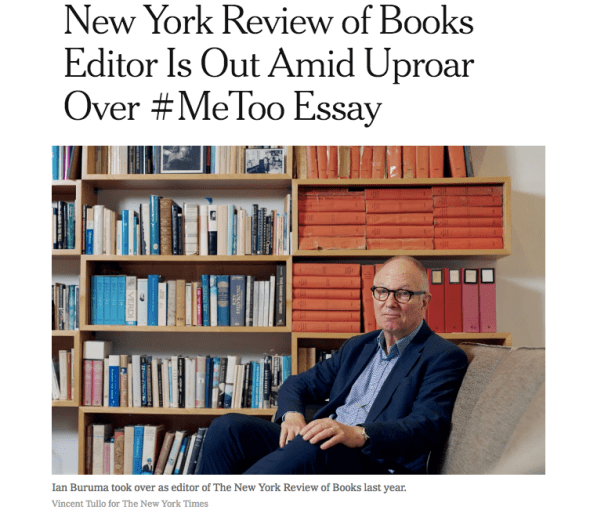
Ian Buruma is a great writer. I’ve learned so much from his books, his writings on Japan were super illuminating to me, and Year Zero is a powerful work by a great mind.
That piece in NYRB by the Canadian radio guy who used to punch women in the head and choke them by surprise and be a monster to co-workers was not acceptable or valuable or at all necessary.
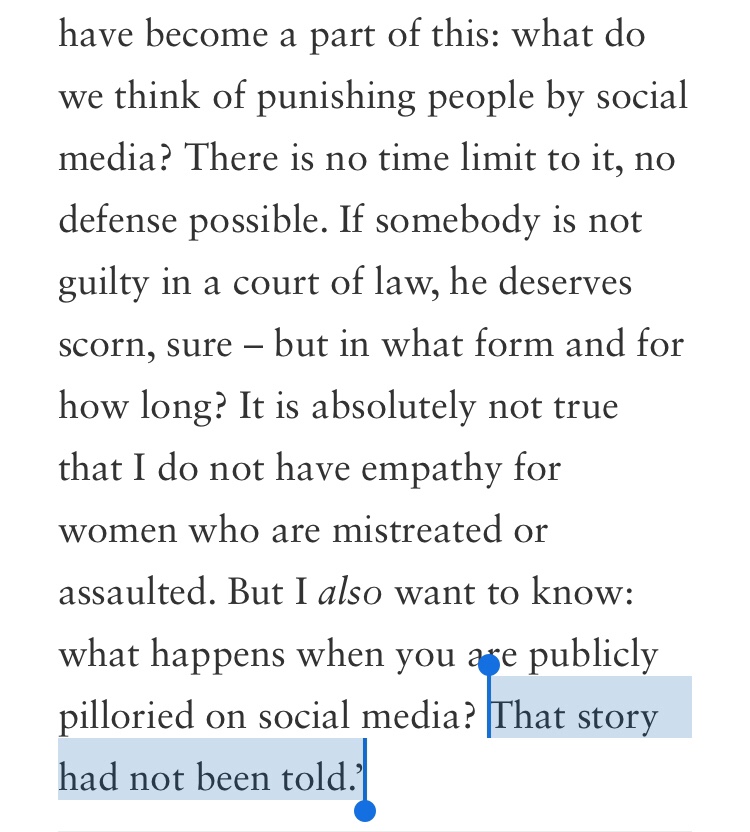 Source
Didn’t Jon Ronson write a whole book about this?
One of the great talents of Ian Buruma (in my experience as a reader) is opening his eyes, comprehending and informing himself and then sharing ideas about the currents of culture. I hope he keeps doing that.
Hollywood: A Very Short Introduction
Posted: September 16, 2018 Filed under: film, Hollywood, movies Leave a commentThe sequence beginning around 3:30 is captivating.
What’s going on here? We are right to be confused:

So I’m told in this one:

Some of the Oxford Very Short Introduction books aren’t that helpful. Some are great. I got a lot out of this one. I didn’t know this story about Lucille Ball, for instance:

What was up with Marshall McLuhan?
Posted: September 16, 2018 Filed under: advertising, America Since 1945 Leave a comment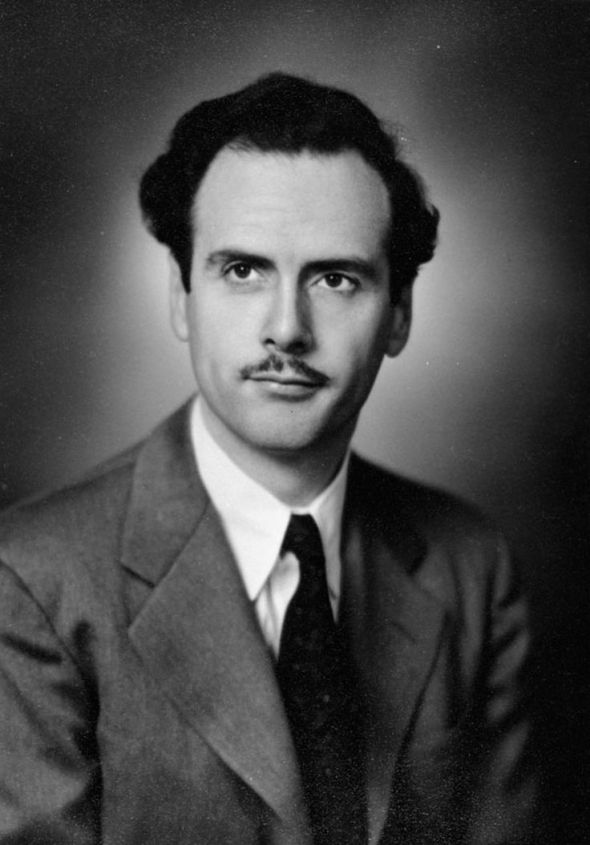
Culture Is Our Business (1970)
- World War III is a guerrilla information war with no division between military and civilian participation. (p.66)
- The newspaper is a corporate symbolist poem, environmental and invisible, as poem.
-
Since Sputnik there is no Nature. Nature is an item contained in a man-made environment of satellites and information.
-
The only cool PR is provided by one’s enemies. They toil incessantly and for free.
(this video is part of some kind of presentation for a class?)
Take Today : The Executive as Dropout (1972)
-
Only puny secrets need protection. Big secrets are protected by public incredulity. You can actually dissipate a situation by giving it maximal coverage. As to alarming people, that’s done by rumours, not by coverage. (p. 92)
The fact that Marshall McLuhan is perhaps best known for a brief appearance in a movie would not surprise him at all, I don’t think. What was this guy going on about? I’ve never read an entire one of his books, but why I wouldn’t bother to read a Marshall McLuhan book is exactly the kind of thing he was getting at.

One of the things that happens at the speed of light is that people lose their goals in life. So what takes the place of goals and objectives? Well, role-playing is coming in very fast.
- Interview between Californian Governor Jerry Brown and Marshall McLuhan, 1977
The Gutenberg Galaxy (1962)
- The medieval student had to be paleographer, editor, and publisher of the authors he read. (p. 109)
- Scribal culture and Gothic architecture were both concerned with light through, not light on. (p. 120)
- Electric technology is directly related to our central nervous systems, so it is ridiculous to talk of “what the public wants” played over its own nerves. (p. 68)
From Cliché to Archetype (1970)
-
Since Sputnik and the satellites, the planet is enclosed in a manmade environment that ends “Nature” and turns the globe into a repertory theater to be programmed. Shakespeare at the Globe mentioning “All the world’s a stage, and all the men and women merely players” (As You Like It, Act II, Scene 7) has been justified by recent events in ways that would have struck him as entirely paradoxical. The results of living inside a proscenium arch of satellites is that the young now accept the public spaces of the earth as role-playing areas. Sensing this, they adopt costumes and roles and are ready to “do their thing” everywhere.” (p.9-10)
The longest thing I’ve read of McLuhan is this interview in a 1969 Playboy magazine:

Interviewer: If personal freedom will still exist—although restricted by certain consensual taboos— in this new tribal world, what about the political system most closely associated with individual freedom: democracy? Will it, too, survive the transition to your global village?
McLuhan: No, it will not. The day of political democracy as we know it today is finished. Let me stress again that individual freedom itself will not be submerged in the new tribal society, but it will certainly assume different and more complex dimensions. The ballot box, for example, is the product of literate Western culture—a hot box in a cool world—and thus obsolescent. The tribal will is consensually expressed through the simultaneous interplay of all members of a community that is deeply interrelated and involved, and would thus consider the casting of a “private” ballot in a shrouded polling booth a ludicrous anachronism. The TV networks’ computers, by “projecting” a victor in a Presidential race while the polls are still open, have already rendered the traditional electoral process obsolescent. In our software world of instant electric communications movement, politics is shifting from the old patterns of political representation by electoral delegation to a new form of spontaneous and instantaneous communal involvement in all areas of decision making. In a tribal all-at-once culture, the idea of the “public” as a differentiated agglomerate of fragmented individuals, all dissimilar but all capable of acting in basically the same way, like interchangeable mechanical cogs in a production line, is supplanted by a mass society in which personal diversity is encouraged while at the same time everybody reacts and interacts simultaneously to every stimulus. The election as we know it today will be meaningless in such a society.
Interviewer: How will the popular will be registered in the new tribal society if elections are pass?
McLuhan: The electric media open up totally new means of registering popular opinion. The old concept of the plebiscite, for example, may take on new relevance; TV could conduct daily plebiscites by presenting facts to 200,000,000 people and providing a computerized feedback of the popular will. But voting, in the traditional sense, is through as we leave the age of political parties, political issues and political goals, and enter an age where the collective tribal image and the iconic image of the tribal chieftain is the overriding political reality. But that’s only one of countless new realities we’ll be confronted with in the tribal village. We must understand that a totally new society is coming into being, one that rejects all our old values, conditioned responses, attitudes and institutions. If you have difficulty envisioning something as trivial as the imminent end of elections, you’ll be totally unprepared to cope with the prospect of the forthcoming demise of spoken language and its replacement by a global consciousness.
More:
Interviewer: How is television reshaping our political institutions?
McLuhan: TV is revolutionizing every political system in the Western world. For one thing, it’s creating a totally new type of national leader, a man who is much more of a tribal chieftain than a politician. Castro is a good example of the new tribal chieftain who rules his country by a mass-participational TV dialog and feedback; he governs his country on camera, by giving the 11 Cuban people the experience of being directly and intimately involved in the process of collective decision making. Castro’s adroit blend of political education, propaganda and avuncular guidance is the pattern for tribal chieftains in other countries. The new political showman has to literally as well as figuratively put on his audience as he would a suit of clothes and become a corporate tribal image—like Mussolini, Hitler and F.D.R. in the days of radio, and Jack Kennedy in the television era. All these men were tribal emperors on a scale theretofore unknown in the world, because they all mastered their media. . . . The overhauling of our traditional political system is only one manifestation of the retribalizing process wrought by the electric media, which is turning the planet into a global village.
found that here, at a UC Davis class website.
McLuhan was so good at taxonomies — consider what Tom Wolfe recounts him telling IBM, at 47:00-48:00 below:
This is the coolest McLuhan quote, in my opinion:
I’ve always been careful never to predict anything that had not already happened.
- Interview: Tom Wolfe, TVOntario, August 1970
Writing Course from Stephen J. Cannell
Posted: September 14, 2018 Filed under: TV, writing, writing advice from other people 2 Comments
Our friends over at Monkey Trial put this one up. Led us to the Stephen J. Cannell website, where there’s a short but thorough and helpful writing course available for free. Adding it to my category Writing Advice From Other People.
Case Study in Business Journalism
Posted: September 13, 2018 Filed under: America Since 1945, business Leave a commentAs part of my Year of Business I’ve been reading some business articles. Often I find that the headlines are incredibly misleading, often close to opposite of accurate. Take this example:
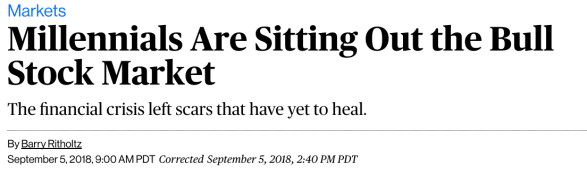
Read the article, and the source is a Vanguard study which you can read here. Here’s page one with an abstract:

A more accurate headline would be “A Small Minority of Millennials Are Sitting Out The Bull Market, While Most Of Them Are Doing Exactly What Everybody Else Does” which is kind of interesting. The truth is well put in a footnote to the article:
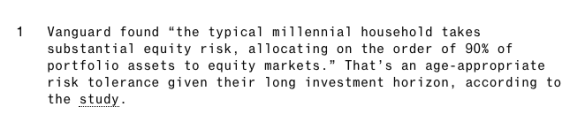
Wouldn’t another, perhaps more accurate headline be: “Despite Lessons Of Their Youth, Millennials Follow Traditional Investing Path”?
But consider: we’re only talking about a sample of 4 million Vanguard investors. So: a self-selected sample of people with 1) money to invest and 2) choosing a conservative investment company! I would guess the “typical millennial household” has no equity at all?
Buried in the Vanguard study is a story that’s almost more interesting, namely that older generations are taking more investment risk than most advisors would think is wise:
Why this greater-than-expected taste for equity market risk among older investors? It’s worth noting that many current retirees hold traditional pensions, allowing, all other things equal, for more equity risk-taking. Other possible drivers of risk appetite among older investors include concerns over health care costs, low bond yields, and a desire to fund bequests for heirs. And beyond these financial factors are the shared generational experience of investing—both cohorts enjoyed the positive results of the great equity bull market from 1982–2000.
Even the Vanguard study itself contains strange, generational based assumptions:
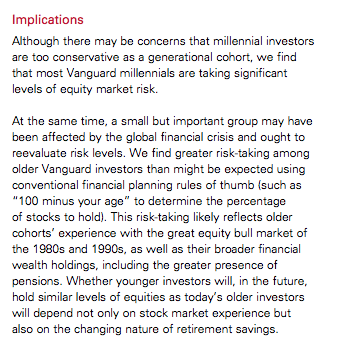
Who is wiser, the 1/5 of millennials who witnessed 2008 and make the choice to have a “conservative” investment strategy relative to conventional wisdom, or the Baby Boomers who are still operating on 1980s assumptions?
My point here is not to criticize, it’s just to note ongoing observations:
- headlines can be very misleading
- when you go to the source of a story, it always gets deeper and more interesting
- small inaccuracies of language, shorthands, and misleads can compound until we have a distorted picture of reality. Was this not itself one of the causes of 2008 crisis?
The Gambler (2014)
Posted: September 12, 2018 Filed under: business, film, money, movies, screenwriting, shakespeare, writing 1 Comment
Saw this clip on some retweet of this fellow’s Twitter.
I was struck by
- the bluntness and concision of the advice
- the fact that the advice contains a very specific investment strategy down to what funds you should be in (80% VTSAX, 20% VBTLX)
- the compelling performance of an actor I’d never seen opposite Wahlberg (although I’d say it drops off at “that’s your base, get me?”)
It appeared this was from the 2014 film The Gambler

The film is interesting. Mark Wahlberg plays a compulsive gambler and English professor. There are some extended scenes of Wahlberg lecturing his college undergrads on Shakespeare, Camus, and his own self-absorbed theories of literature, failure, and life. The character is obnoxious, self-pitying, logorrheic and somewhat unlikeable as a hero. Nevertheless his most attractive student falls in love with him. William Monahan, who won an Oscar for The Departed, wrote the screenplay. The film itself is a remake of 1974 movie directed by James Toback, in which James Caan plays the Mark Wahlberg role.
Here’s the interesting thing. Watching the 2016 version, I realized the speech I’d seen on Twitter that first caught my attention is different. The actor’s different — in the movie I watched it’s John Goodman.
What happened here? Had they recast the actor or something? The twitterer who put it up is from South Africa, did they release a different version of the movie there?
Did some investigating and found the version I saw was made by this guy, JL Collins, a financial blogger.
Here’s a roundup of his nine basic points for financial independence.
He did a pretty good job as an actor I think! I believe the scene in the movie would be strengthened from the specificity of his advice. And the line about every stiff from the factory stiff to the CEO is working to make you richer is cool, maybe an improvement on the script as filmed. I’ll have to get this guy’s book.
It would make a good commercial for Vanguard.

VTSAX vs S&P 500:

Readers, what does the one to one comparison of JL Collins and John Goodman teach us about acting?
The end of “The End of History” by Francis Fukuyama
Posted: September 12, 2018 Filed under: America Since 1945 Leave a commentThe end of history will be a very sad time. The struggle for recognition, the willingness to risk one’s life for a purely abstract goal, the worldwide ideological struggle that called forth daring, courage, imagination, and idealism, will be replaced by economic calculation, the endless solving of technical problems, environmental concerns, and the satisfaction of sophisticated consumer demands. In the post-historical period there will be neither art nor philosophy, just the perpetual caretaking of the museum of human history. I can feel in myself, and see in others around me, a powerful nostalgia for the time when history existed. Such nostalgia, in fact, will continue to fuel competition and conflict even in the post-historical world for some time to come. Even though I recognize its inevitability, I have the most ambivalent feelings for the civilization that has been created in Europe since 1945, with its north Atlantic and Asian offshoots. Perhaps this very prospect of centuries of boredom at the end of history will serve to get history started once again.
That’s the last paragraph of the famous essay from 1989, which I found here. (I haven’t read the book, I’m busy!)
A funny idea
Posted: September 9, 2018 Filed under: crazy, Uncategorized Leave a comment
from this week’s Economist
if you read about Nietzsche there’s always this idea that at some point he “went” insane. A funny idea is trying to determine where the line is there, exactly.
What Will Trigger The Next Crisis?
Posted: September 9, 2018 Filed under: America Since 1945, business, Italy Leave a comment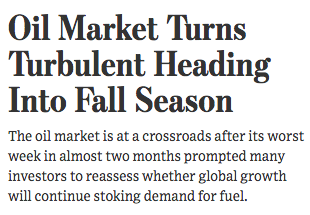
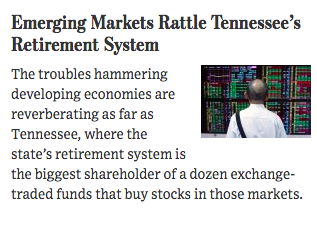
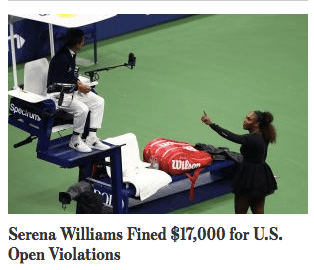

What Will Trigger The Next Crisis? is a subtext of many a Wall Street Journal article, but this week that was the headline on what I found to be an unusually succinct and comprehensible roundup of possible catalysts.
Interest Rates Jump
Bad-Loan Boom
China Cracks
Supply-Chain Disruptions
were four of the possibilities, but the one that caught me was
Italy Dumps The Euro
But Italy may be wavering. Italian bond yields spiked in May after two parties with anti-euro leanings tried to form a new government. The crisis could escalate again once politicians return from holidays. Some 59% of Italians want to keep the common currency, official surveys show—the slimmest majority in the eurozone.
I like the idea that a bunch of Italian politicians coming back from vacation is a global financial crisis waiting to happen.
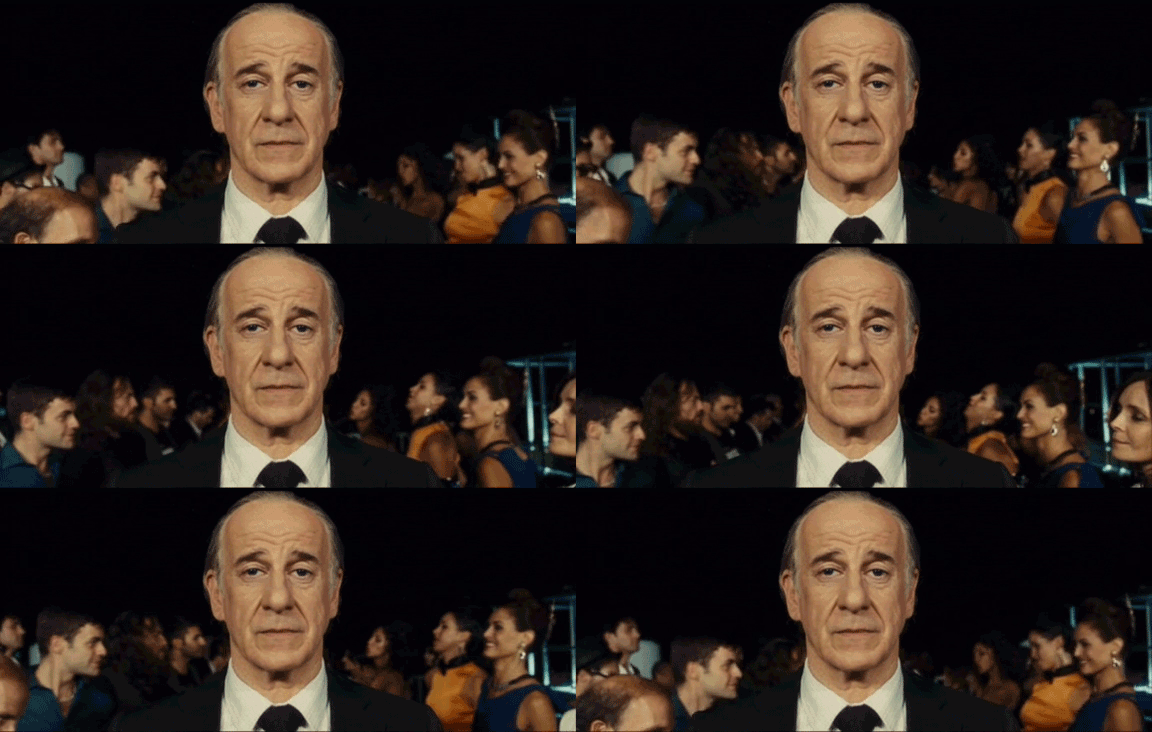
La grande bellezza
In this same issue of the WSJ:

The Moviegoer
Posted: September 9, 2018 Filed under: America Since 1945, Louisiana, writing 2 Comments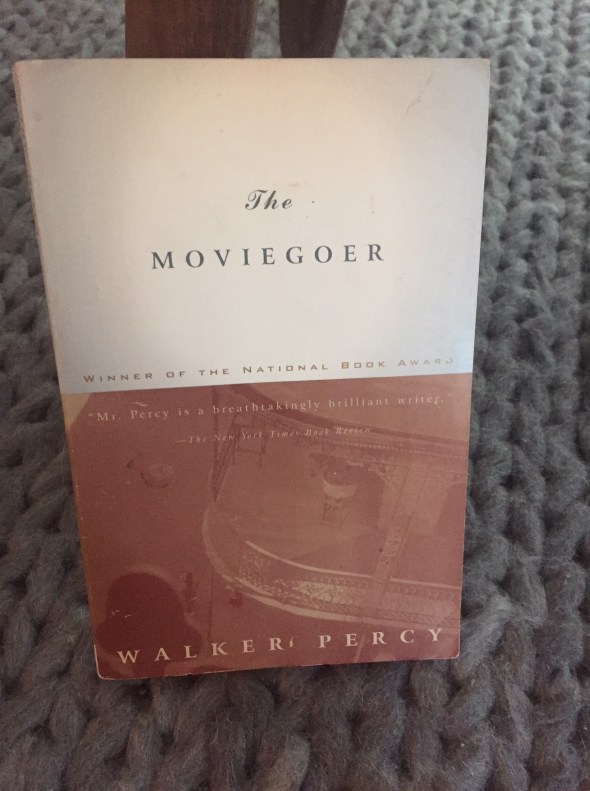
Took this one off my shelf the other day. Think I was supposed to read it in college but never finished it. The plot didn’t propel me along, but there’s some magic to it for sure. A relaxed New Orleans kind of existentialism. 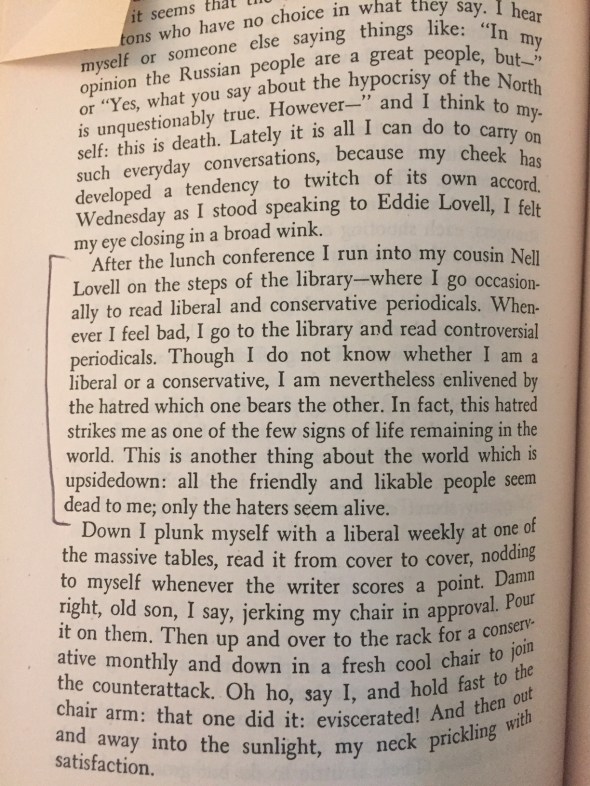
What’s the narrator looking for? Even he doesn’t know. 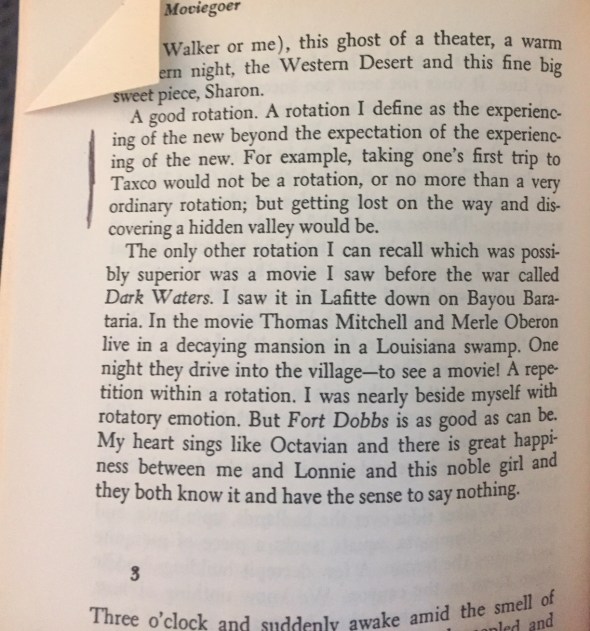
He sees a young man reading on the bus, and types him:
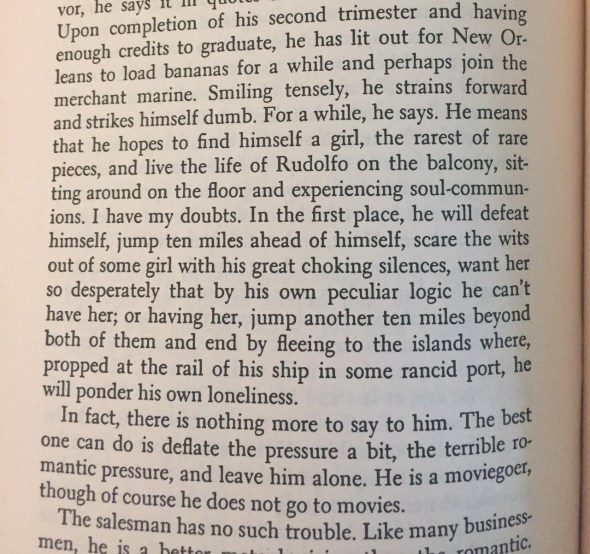
Good old Walker Percy:
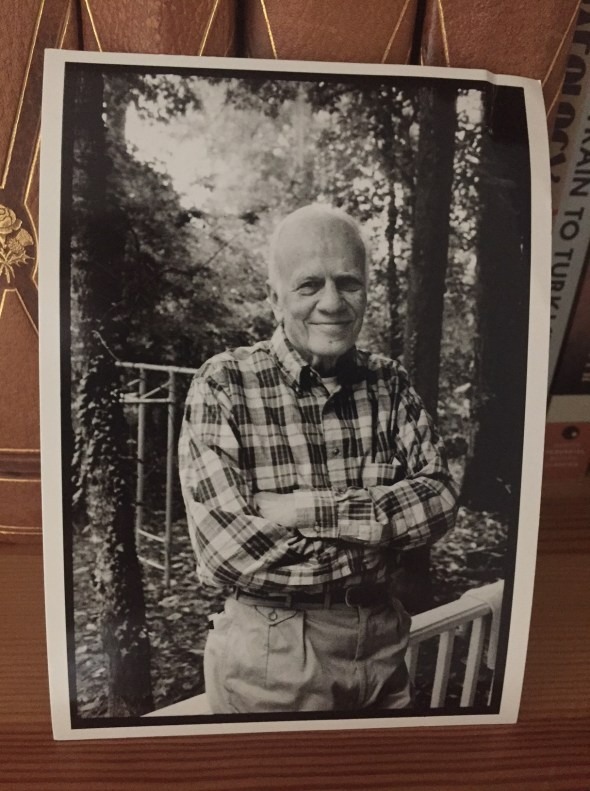
At one point the narrator sees William Holden on the street:
Ah, William Holden. Already we need you again. Already the fabric is wearing thin without you.

Tilray, Canopy, and The Canadian Marijuana Gold Rush
Posted: September 3, 2018 Filed under: business, drugs Leave a comment
As part of my Year of Business I’ve been reading lots of investing websites. An area of insane hype at the moment is Canadian marijuana stocks.

(The picks and shovels play here might be stock images of marijuana leaves).
Recreational marijuana will be legal in Canada in October, and unlike the United States, where federal regulation of the plant makes doing anything on the national level very difficult, it’s all good up there in Justin Trudeau land.

Once Constellation Brands, makers of Corona beer, made a $4 billion deal with Canopy Growth (traded on the New York Stock Exchange as CGC) it was off to the races.

I did not invest in Canopy Growth because a quick image search of CEO Bruce Linton did not inspire confidence.

An interesting aspect of Canada’s marijuana rules are that the packaging has to adhere to very strict regulation, with very little advertising. This, it seems to me, presents kind of a Zen marketing challenge. How will one brand distinguish itself from another?
 Blessedly I have kind of a Peter Lynch advantage here. From watching lots of Trailer Park Boys, I know that “BC Hydro” and marijuana from British Columbia is highly prized by the Canadian consumer. Even a low information Canadian marijuana consumer might know to ask for weed from British Columbia.

Tilray, traded on the NASDAQ as TLRY, is a respected marijuana grower based in Naniamo, British Columbia. Here is their respectable looking management team.
A few more observations:
- It is worth remembering our Charlie Munger here. Here he is talking in 2014 about why Berkshire Hathaway, the original textile company, was doomed:
The other rare example, of course, is Berkshire Hathaway. Berkshire started with three failing companies: a textile business in New England that was totally doomed because textiles are congealed electricity and the power rates were way higher in New England than they were down in TVA country in Georgia. A totally doomed, certain-to-fail business.
In a way, marijuana itself is congealed electricity. I’m told power rates are cheapest in Ontario, where Canopy is based. And of course Medicine Hat, Alberta, is the sunniest city in Canada.

Echodale Park in Medicine Hat, by Michael Ireland on Wikipedia
- I find it interesting and a testament to the world’s absurdity that if you had eight ounces of marijuana in New York City, the minimum jail sentence is three years, while down the street billions of dollars of shares of marijuana growers are being traded. Maybe Governor Cynthia Nixon will correct that imbalance. (Since I first discussed this on Twitter, Tilray’s stock went up 67%)
- If the President of the USA really cared about us defeating Canada, wouldn’t he work towards legalizing marijuana immediately, so that US companies could compete without Canada getting a jump on us?
- At first I thought legalized marijuana would end up being just like any commodity, like corn or something. But the technical know-how to extract and present CBD or THC as an oil or in something like a Dosist pen might give an advantage to companies with good processes. Note this picture of a laboratory on Tilray’s website:

- It’s my casual observation that a lot of very dumb bros, like guys who are too dumb to be in tech, are in the marijuana business. There’s something great about a field where many of your competitors will be dumb. (There are also many very, very smart people in this field.)
 Helytimes


