Shady Grove
Posted: October 3, 2017 Filed under: America Since 1945, music Leave a commentIn honor of the late great Tom Petty I invite you not to forget Mudcrutch, and post this Helytimes classic from April 2015
In my foolish youth I thought Tom Petty was kind of a joke, until Bob Dylan in Chronicles woke me up hard.
Bob also has words of respect for Jerry Garcia:
What an eerie tune. Wikipedia is unusually quiet on this one.
Many verses exist, most of them describing the speaker’s love for a woman called Shady Grove. There are also various choruses, which refer to the speaker traveling somewhere (to Harlan, to a place called Shady Grove, or simply “away”)
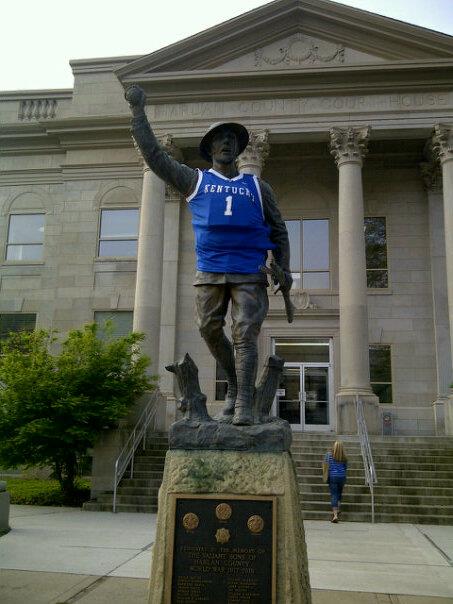
Harlan
The folks at mudcat.org take on the problem:
| Subject: Origins: ‘Shady Grove’ a mondegreen ? From: GUEST,Jake Date: 15 Aug 10 – 11:23 PMMulling (for the thousandth time) over the incongruity of ‘Shady Grove’ which is nothing about trees protecting the singer from the sun, but seems to be a woman’s name, it occurred to me in a flash of insight, that of course it must have started as a song about a Woman or girl named “Sadie” with the surname “Grove”, ie, “Sadie Grove”, and was corrupted by the usual vagaries of oral transmission, etc, etc. Searching this forum and the web generally provides no support for this conjecture, however. |
| Subject: RE: Origins: ‘Shady Grove’ a mondegreen ? From: MGM·Lion Date: 15 Aug 10 – 11:32 PMI have always shared this confusion: Shady Grove seems to be the woman’s name, but also the name of the place or location in which she lives, sometimes incongruously both at the same time. The fact that it’s one of those myriad songs [Going Down Town; Bowling Green …] which share pretty much the same set of ‘floaters’ doesn’t help.~Michael~ |
| Subject: RE: Origins: ‘Shady Grove’ a mondegreen ? From: Hamish Date: 16 Aug 10 – 03:18 AM”Wish I was in Shady Grove” takes on a new meaning.”When I was in Shady Grove I heard them pretty birds sing” (and the earth moved, no doubt). |
| Subject: RE: Origins: ‘Shady Grove’ a mondegreen ? From: GUEST,Lynn W Date: 16 Aug 10 – 04:11 AMThere is a comment on Wikipedia that the melody is similar to Matty Groves. Any connection, I wonder? |
| Subject: RE: Origins: ‘Shady Grove’ a mondegreen ? From: Jack Campin Date: 16 Aug 10 – 05:19 AMWikipedia has got it backwards. The folk-revival version of “Matty Groves” took its tune from “Shady Grove”. |
That’s as far down this hole as I can go at the moment.
I’d be shocked if any Helytimes readers hadn’t wikipedia’d The Child Ballads.
If demographizing the known Helytimes readership, I’d say “it’s people, mostly people I know, who have Wikipedia’d The Child Ballads.”
Still, why not a refresher on some best ofs?
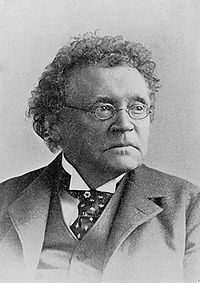
Although shy and diffident on account of his working-class origins, he was soon recognized as “the best writer, best speaker, best mathematician, the most accomplished person in knowledge of general literature” and he became extremely popular with his classmates.
Child became the Boylston Professor of Rhetoric and Oratory when he we was 26. Says an admirer, writing in the 1970s:
Child well understood how indispensable good writing and good speaking are to civilization, or as many would now prefer to say, to society. For him, writing and speaking were not only the practical means by which men share useful information, but also the means whereby they formulate and share values, including the higher order of values that give meaning to life and purpose to human activities of all sorts. Concerned as he thus so greatly was with rhetoric, oratory, and the motives of those mental disciplines, Child was inevitably drawn into pondering the essential differences between speech and writing, and to searching for the origins of thoughtful expression in English.
(Yes! That’s the good reason for being into this I’ve been looking for.)
Sometimes I picture Child backpacking around from pub to pub learning these things. Mostly, though, he got them from manuscripts.
Don’t you worry, he could cut loose sometimes:
he also gave a sedulous but conservative hearing to popular versions still surviving.
Child engaged
in extensive international correspondence on the subject with colleagues abroad, primarily with the Danish literary historian and ethnographer Svend Grundtvig, whose monumental twelve-volume compilation of Danish ballads, Danmarks gamle Folkeviser, vols. 1–12 (Copenhagen, 1853), was the model for Child’s resulting canonical five-volume edition of some 305 English and Scottish ballads and their numerous variants.
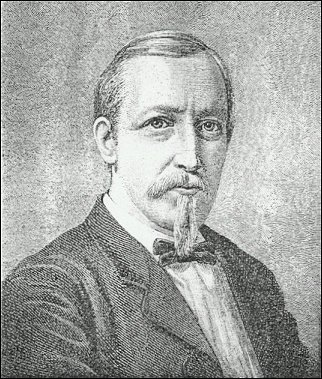
Svend.
Child is buried in the Sedgwick Pie.
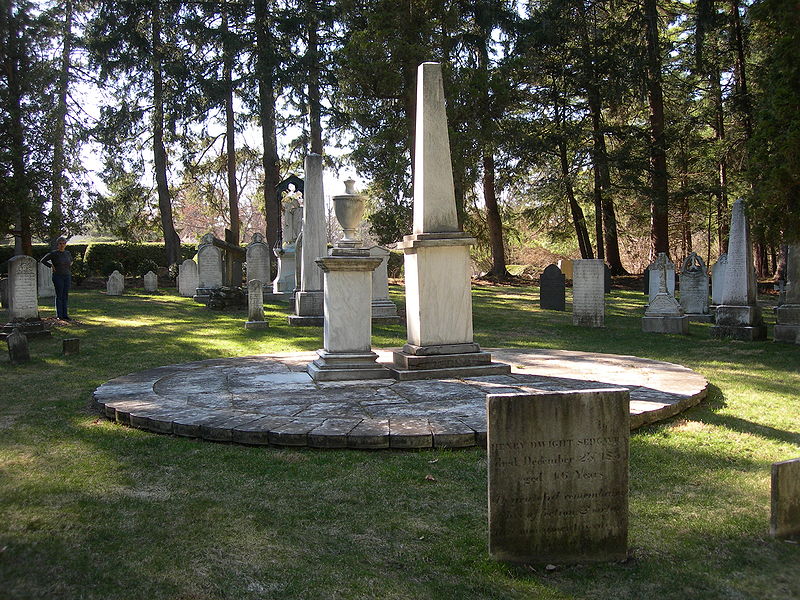
Is Kyra Sedgwick eligible for the Sedgwick Pie? Seems like she might be. Also seems a bit rude to ask a wonderful and very alive actress and mother if she’s given any thought to her grave.
Famously (? I guess, I never read the biography) not included:

Catholic
Posted: October 2, 2017 Filed under: religion Leave a comment
St. Padre Pio relics will be displayed at St. Thomas More Church as part of national tour
A Rhode Island correspondent sends us this article from the RI Catholic:
Many of the relics showcased in the exhibition relate to Pio’s stigmata, including blood from the wounds, scabs collected from them, and the fingerless gloves which the saint used to conceal the nail-marks on his hands. Other relics on display include the saintly priest’s mantle, a lock of his hair and a handkerchief used to wipe his brow as he lay dying.
Increasingly clear to me I was born into a cult — but then again, aren’t most people?
The Catholic Church’s emphasis on suffering can be warping
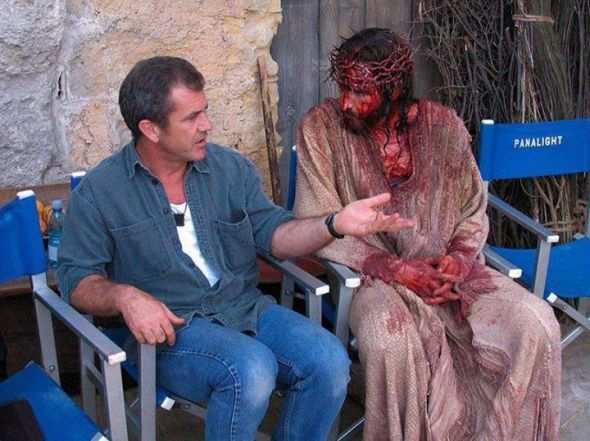
but in my Catholic boyhood I saw the ways this faith gave meaning and holiness to people’s suffering and pain, and the comfort of that can’t be measured.
On the other hand:
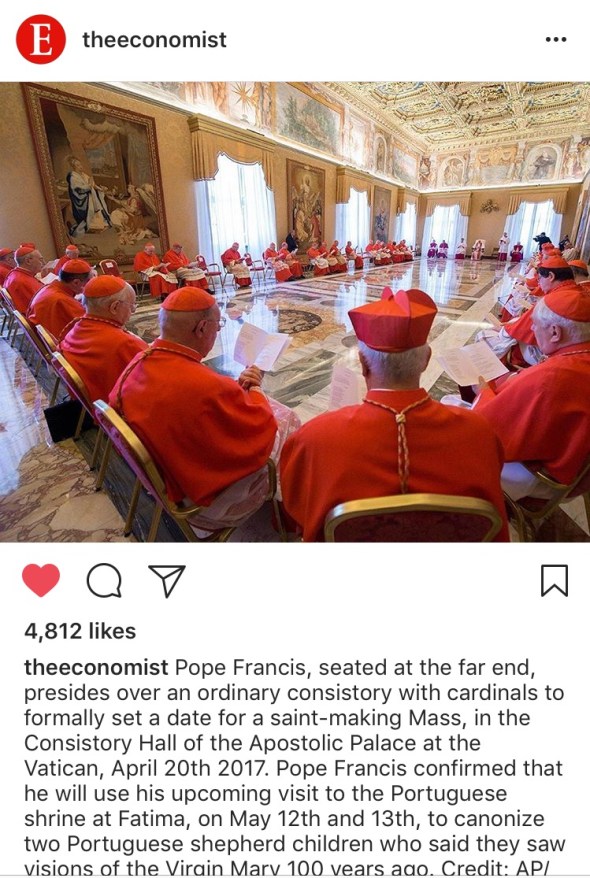
If Jesus Christ as described in any of the Gospels, canon or no, saw this, do you think he would say anything other than SMH?
Woe to you, scribes and Pharisees, you hypocrites! You shut the kingdom of heaven in men’s faces. You yourselves do not enter, nor will you let in those who wish to enter.
How did we end up here?
It’s enough to make me sign on for this Lutheran propaganda I saw at LACMA:

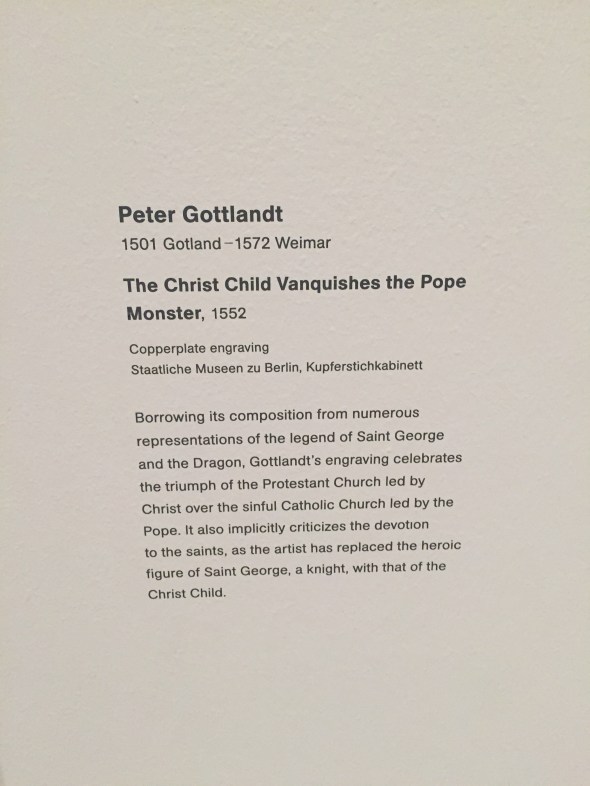
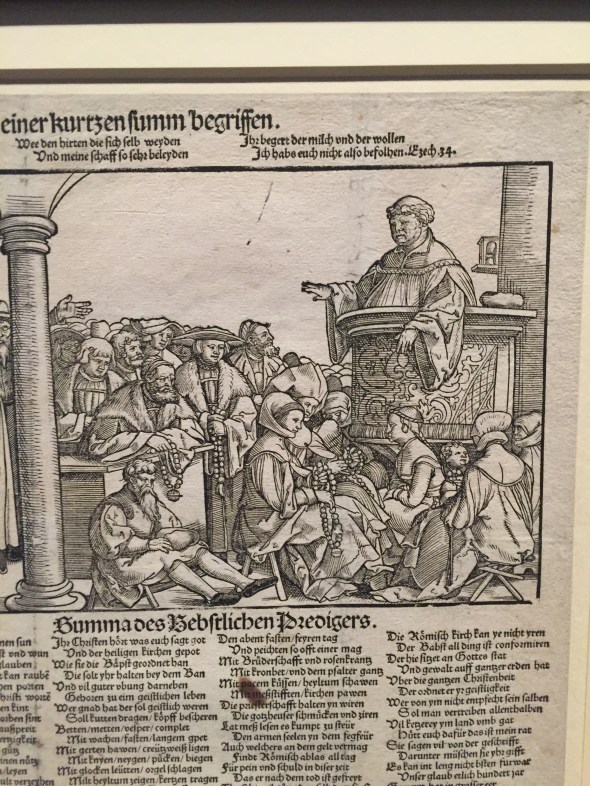

On the other hand I would go look at some famous scabs, sure.

photos: our RI correspondent
Update on Norway’s sovereign wealth fund
Posted: September 27, 2017 Filed under: money Leave a comment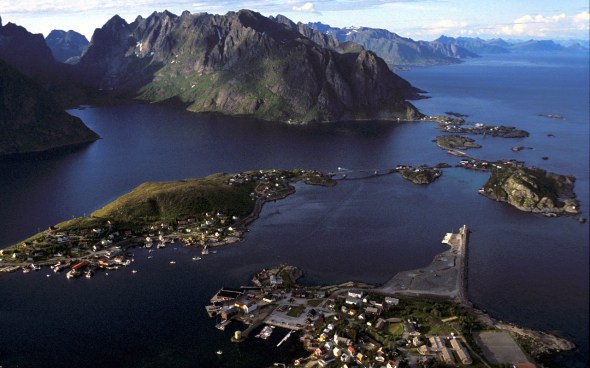
from Wiki user Michael Haferkamp
It’s now at one trillion dollars.
Previous coverage on Norway’s sovereign wealth fund.
New Hampshire
Posted: September 26, 2017 Filed under: New England Leave a comment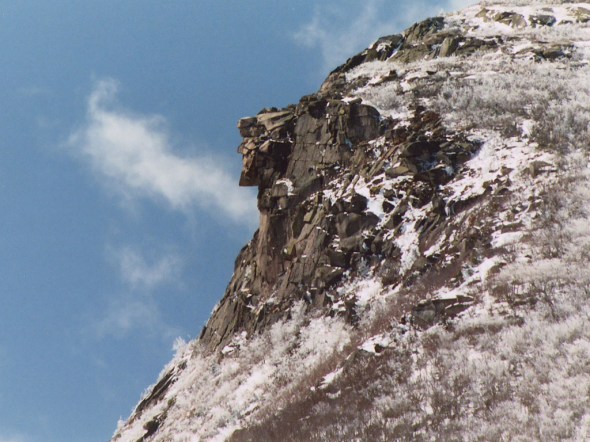
Remember The Old Man Of The Mountain?
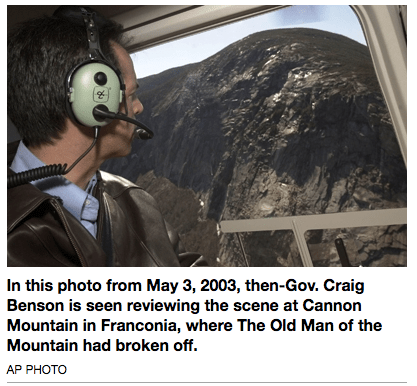
More investigation into New Zealand politics
Posted: September 25, 2017 Filed under: New Zealand, politics Leave a comment
The Economist reports:
A larger-than-life sculpture made of manure that depicts the hapless environment minister, Nick Smith, defecating into a glass of water has been a hit.
Some American politician should steal the New Zealand First party’s idea for the SuperGold card:
SuperGold Card
SuperGold Card, a flagship policy
The SuperGold Card, a discounts and concessions card for senior citizens and veterans, has been a major initiative of the party.
New Zealand First established a research team to design the SuperGold Card, which included public transport benefits like free off-peak travel (funded by the government) and discounts from businesses and companies across thousands of outlets. Winston Peters negotiated with then-Prime Minister Helen Clark, despite widespread opposition to the card on the grounds of high cost. As a condition of the 2005 confidence and supply agreement between New Zealand First and the Labour Government, Peters launched the SuperGold Card in August 2007.
The card is available to all eligible New Zealanders over the age of 65. The card provides over 600,000 New Zealanders with access to a wide range of government and local authority services, business discounts, entitlements and concessions, such as hearing aid subsidies. A Veterans’ SuperGold Card, also exists for those who have served in the New Zealand Defence Force in a recognised war or emergency.
SuperGold Card came under threat in 2010 when National Minister Steven Joyce tried to terminate free SuperGold transport on some more expensive public transport services, including the Waiheke Island ferry and the Wairarapa Connection train. The Minister retreated when he came under fire from senior citizens.

Give old people a card that gets them free stuff! They’ll love it!
Hieronymus Bosch
Posted: September 25, 2017 Filed under: art history Leave a comment
Hard not to conclude something weird up with this guy.
Interested by this essay I saw on AL Daily in Hyperallergic by Forrest Muelrath about ergotism, St. Anthony, apothecaries, and paintings of the Bosch era. Learned a lot I didn’t know:
The illness is contracted by ingesting ergot fungus, which appears on cereal grains when the growing conditions are right — most commonly on rye. The last known severe outbreak occurred in the French village of Pont-Saint-Espirit in 1951. The outbreak was documented in the British Medical Journal, which describes symptoms such as nausea, depression, agitation, insomnia, a delirium that includes feelings of self-accusation or mysticism, and hallucinations that commonly include animals and fire. A non-fiction book about the 1951 outbreak, written by American author John G. Fuller, titled, The Day of Saint Anthony’s Fire, describes specific ergot-related psychotic episodes. For example, there is the afflicted man who thought he was an airplane and jumped out the asylum’s second floor window with outstretched arms expecting to fly, telescoped both his legs upon landing, and then ran 50 meters at full speed on shattered bones before being wrestled to the ground by eight other men.
(I’d never heard of Hyperallergic and now it’s my favorite magazine?)
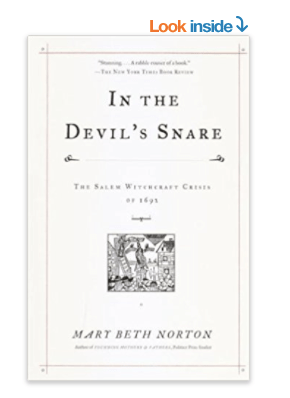
First read about erogotism when trying to work out what the hell was going on with the Salem Witch Trials. Erogitsm is a suggested cause there too. Maybe it did have something to do with it, as did living in a nightmare war zone where Indians you imagined were demonic could kill you at any second plus an extreme religious ideology plus sexual tension plus whatever pharmacology Tituba was cooking up.
To me, semi-medical explanations of historical art or historical behavior can be very stimulating, but also tend to look for an easy out. There’s all kinds of reasons and ways why people go insane or make wildly inventive works. We can’t even sort these questions about people who are alive now. Imagine declaring an answer to what combo of fame, genius, drugs, talent, mental illness, etc make Kanye West. Who can say? How could we hope for answers like that for a 15th-16th century Dutch (?) painter?
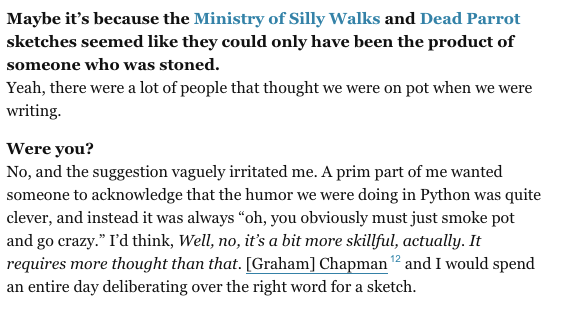
Reminded me of a bit from this recent John Cleese interview in Vulture about the influence of drugs on Monty Python:
Not the world’s premiere Bosch expert, but I did read this book about him:
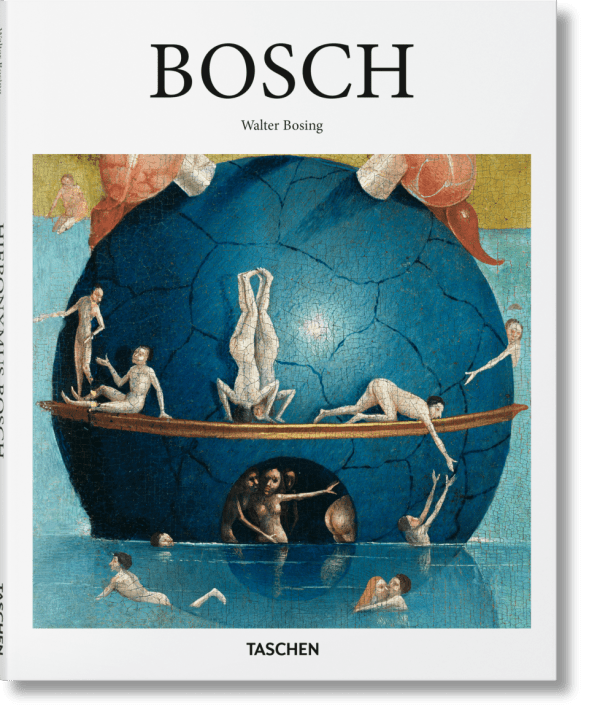
There’s a lot that can never be known about a guy who was dead by 1516. But what struck me in Bosch reading is that he was in something called the Brotherhood Of Our Lady. The “austerely devout lay brotherhood,” said Time magazine in 1947. The other members were like magistrates and stuff.
From the scraps of evidence you could surmise this was a respected citizen who lived a long and productive life and appears to have never bothered anybody.
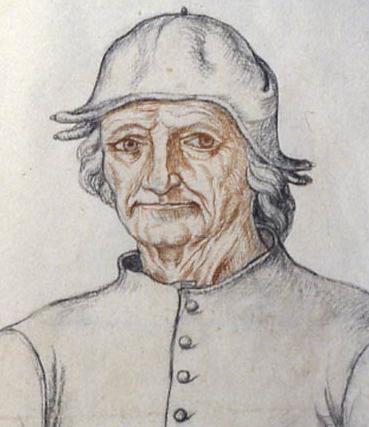
Is Bosch more interesting if he was essentially freaking out on mushrooms, or if he was a diligent, level-headed craftsman?

Can he be both?
Reader Catherine in New Hampshire writes
Posted: September 22, 2017 Filed under: America Since 1945, politics Leave a comment
source: US Forest Service flickr
Dear Helytimes,
Have you abandoned your commitment to keeping us informed about public lands under Trump? I’m baffled by the present situation and would like some help!
Frustrated,
Catherine
Reader,
I get it, I’m sorry. The truth is I myself am baffled by what’s happening. I’ve been slowly informing myself by reading:

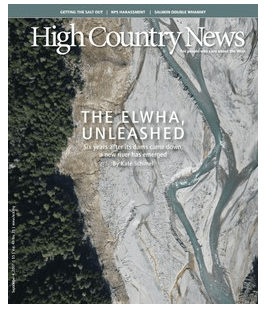
They’re doing such good reporting on these issues. Also their classifieds are great:

This roundup of their stories on the latest developments is great:

I found this post on Mojave Desert Land Trust’s Instagram to be a good summary, too:
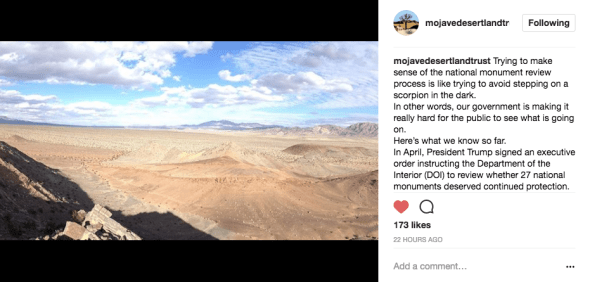
Trying to make sense of the national monument review process is like trying to avoid stepping on a scorpion in the dark.
In other words, our government is making it really hard for the public to see what is going on.
Here’s what we know so far.
In April, President Trump signed an executive order instructing the Department of the Interior (DOI) to review whether 27 national monuments deserved continued protection.
From May to July, the public was allowed to submit comments about this review. All of you spoke up to defend our Mojave monuments! Nearly three million Americans joined you in submitting public comments, 98% of which were in favor of keeping or expanding protections.
August 24th, DOI Secretary Zinke submitted his recommendations to the White House…and refused to release them to the public.
Since then, the public has waited for any information. And our Desert Defenders have continued to raise our voices about why our monuments deserve continued protection!
This Sunday, The Washington Post published a leaked version of Secretary Zinke’s report. Although this was supposed to be the DOI’s finalized review, it was titled as a draft and only contained vague recommendations for ten monuments.
It would need further revision by Zinke to become a final report. There was no mention of the other 17 monuments officially under review, including Mojave Trails and Sand to Snow. Nor was there word on Castle Mountains, which Rep. Cook asked Secretary Zinke to cut, although it wasn’t part of the original review.
Ultimately, no monument was declared safe. And the report’s omission of 17 monuments leaves them open to untold threats down the line, like executive orders or management plan reviews.
What the leaked report does make clear is that the Trump administration is preparing for an unparalleled attack on protected public lands that could result in widespread loss of wildlife habitat and economic harm to local businesses.
This entire process is unprecedented — and tomorrow, we’ll let you know what’s next.
#DesertDefenders #StopCadiz#nationalmonuments #mojavetrails #desert#mojavedesert #antiquitiesact
Seems like — and this may shock some of you – the Trump administration is hindered in executing wrongheaded and malicious policies by stupidity, clumsiness, disorganization and lack of any clear ideas, principles or goals short of being obnoxious and servicing the interests of GOP donors!
Welp, on the plus side, reading High Country News and learning about the Mojave Desert Land Trust has given me faith that lots of good people who care passionately are fighting to steward public land in effective and intelligent ways.
Was the last joke Abe Lincoln heard funny?
Posted: September 20, 2017 Filed under: actors, comedy 1 Comment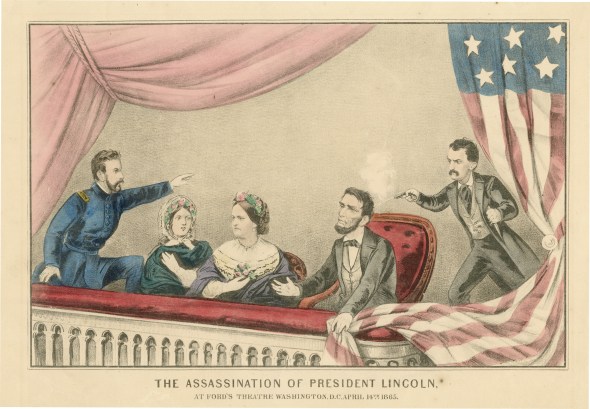
I can’t be the first amateur historian / comedy writer to get interested in this question.
It’s presumed that John Wilkes Booth, who knew the play, waited for what he knew would be a big laugh line, which was:
Don’t know the manners of good society, eh? Well, I guess I know enough to turn you inside out, old gal — you sockdologizing old man-trap.
Let’s back up a bit.

Lincoln, as errbody knows, was watching Our American Cousin at the time of his death.
The plot of Our American Cousin is a coarse but honest American goes to the UK to claim an inheritance and gets involved in the various shenanigans of his snooty distant relatives who are trying to keep up appearances and marry off daughters and so on. Seems like a pretty good premise. A Frasier-esque farce satirizing pretension and manners.
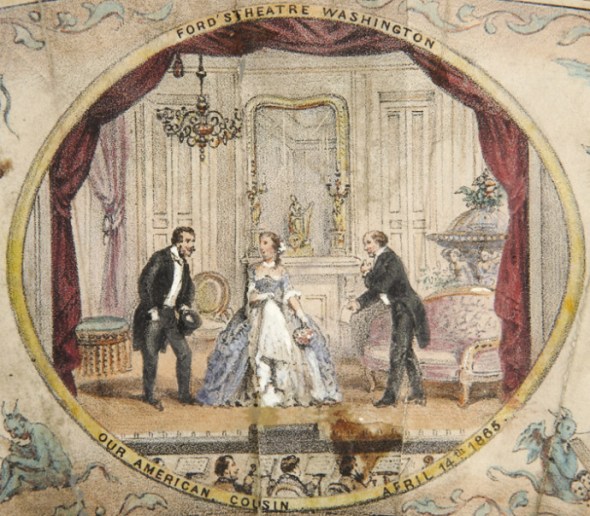
good source for these images is BoothieBarn, though not sure how to feel about the name
Our American Cousin was written by Tom Taylor.
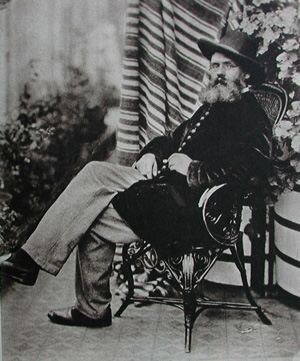
He had a career as a lawyer and bureaucrat and magazine editor.
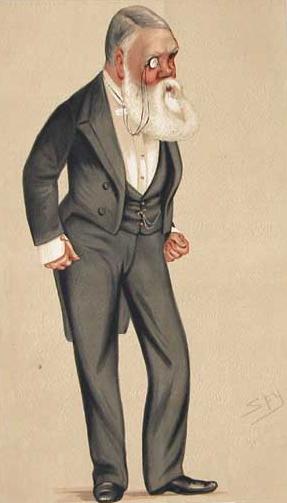
Our American Cousin doesn’t seem to have been his biggest hit, that might’ve been:
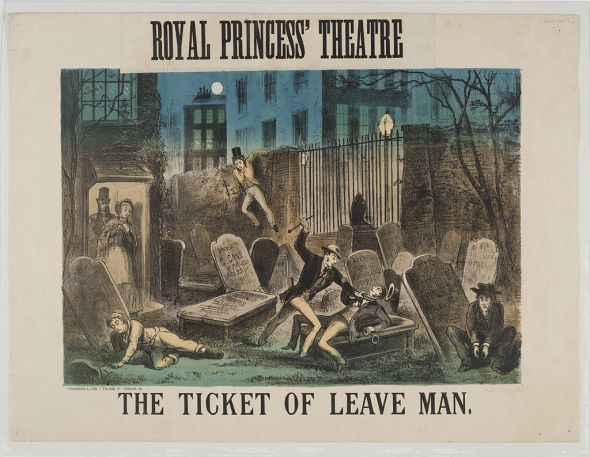
which isn’t a comedy. They made that one into a movie a few times, most recently in 1937.
Our American Cousin premiered in New York in 1858 and was a hit.
Stealing the show was Edward Askew Sothern as Lord Dundreary:
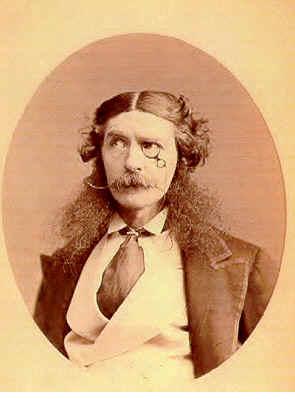
Askew Sothern almost hadn’t taken the part:
At first, he was reluctant to accept the role; it was so small and unimportant that he felt it beneath him and feared it might damage his reputation.[7][8] He mentioned his qualms to his friend, Joseph Jefferson, who had been cast in the leading role of Asa Trenchard in the play. Jefferson supposedly responded with the famous line: “There are no small parts, only small actors.”[9]
Huh.
After a couple of unhappy weeks in the small role, Sothern began portraying the role as a lisping, skipping, eccentric, weak-minded fop prone to nonsensical references to sayings of his “bwother” Sam. His ad-libs were a sensation, earning good notices for his physical comedy and spawning much imitation and merry mockery on both sides of the Atlantic. His exaggerated, droopy side-whiskers became known as “Dundrearys”. Sothern gradually expanded the role, adding gags and business until it became the central figure of the play. The most famous scene involved Dundreary reading a letter from his even sillier brother.
Sounds funny enough. Kind of like this:
I can’t determine if Sothern was in the Ford’s Theater production, or if they got a different Dundreary. Appears on this night Dundreary may have been played by one E. A. Emerson.
But top bill the Ford’s Theater night went to Laura Keene.

Born Mary Francis Moss, she married a former British Army officer who committed some crime or another and got transported to Australia on a prison ship. To support herself and her kids she became Laura Keene, a popular actress.
She appeared with Edwin Booth many times, they even toured Australia together.
At this point, she lined up investors, along with an architect who specialized in theaters, and a new theater was constructed to her specifications. Named the Laura Keene’s Theatre, it opened on 18 November 1856. In 1858, Our American Cousin debuted in Laura Keene’s Theater.
A badass, as they say. A strong female multi-hyphenate.
Some years later they revived the play for a kind of benefit night, and that’s how Lincoln ended up there.
John Wilkes Booth waited for a big laugh line:
Halfway through Act III, Scene 2, the character of Asa Trenchard, played that night by Harry Hawk, utters this line, considered one of the play’s funniest, to Mrs. Mountchessington:
Don’t know the manners of good society, eh? Well, I guess I know enough to turn you inside out, old gal — you sockdologizing old man-trap.

Harry Hawk in costume:
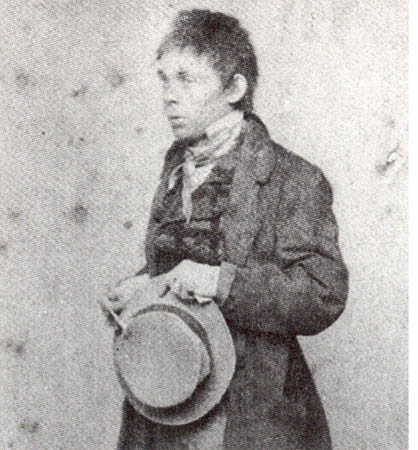
I found that image through the website for The Persistence of Dreams, this four minute recreation movie of that night at the theater (warning: violence):
Sockdologizing was a made up word, invented in this play. It seems that around this time people found the word “doxology” to be funny. It may have been a play on that.
The phrase sounds weird to our ears. But I bet if you heard it, delivered with solid timing by a charming actor like Harry Hawk, playing into the role of the lovably blunt Asa Trenchard, it was probably amusing.
Anyway, I conclude that yes, the last joke Abe Lincoln heard was pretty funny, even if it may not be exactly hilarious to us these many years later.
Abraham Lincoln: Weird
Posted: September 18, 2017 Filed under: history, presidents Leave a comment
From a capsule review in The New Yorker heard about this book:
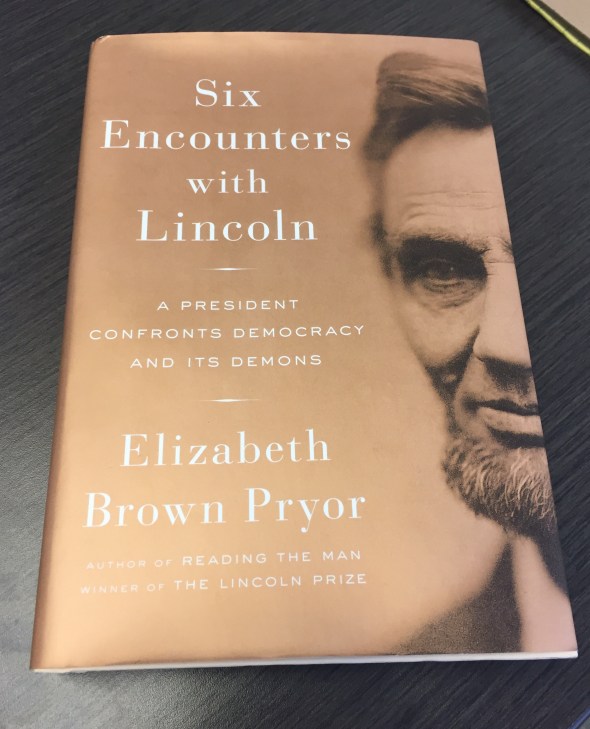
What a cool way to bring Lincoln to life. Tell the story of six meetings Lincoln had that someone wrote an account of.
The six encounters:
- Lincoln’s first meeting, in the East Room of the White House, with Army officers, including Robert E. Lee
from that we examine Lincoln’s relationship with the military, and with the guy who’d end up being the leading general trying to defeat him.
- An odd event where Lincoln tried to raise an American flag on the South Lawn of the White House, but accidentally ripped it
from that we examine how Lincoln used humor and a sort of self-effacing charm
- Lincoln’s encounter with an abolitionist cavalry sergeant named Lucian Waters
which brings us to discussions of Lincoln’s views on race and slavery
- Lincoln’s meeting with Cherokee chief John Ross
from which we can examine Lincoln’s relationships with Indians, who got pretty hosed under the Lincoln presidency
- Lincoln’s meetings the powerful Anna E. Dickenson
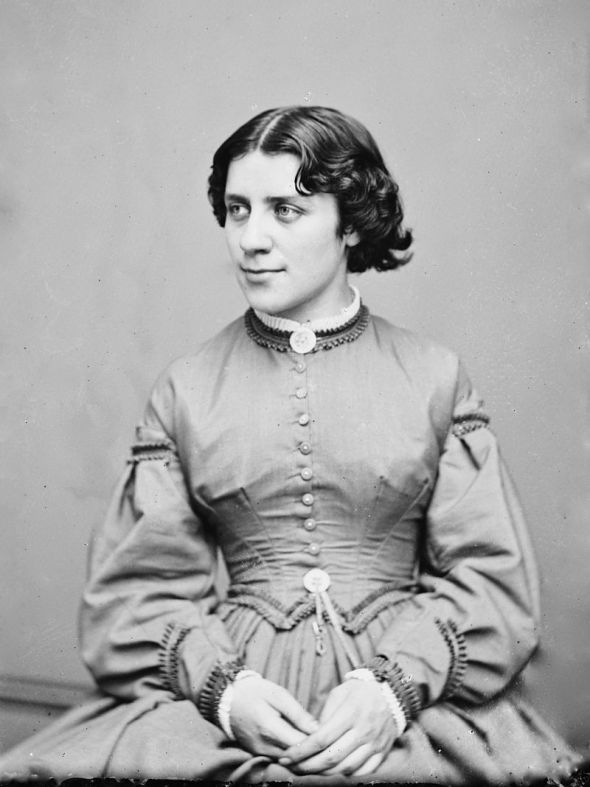
which opens us up to Lincoln’s weird relationships with powerful women
and
- a bizarre encounter with this bro:
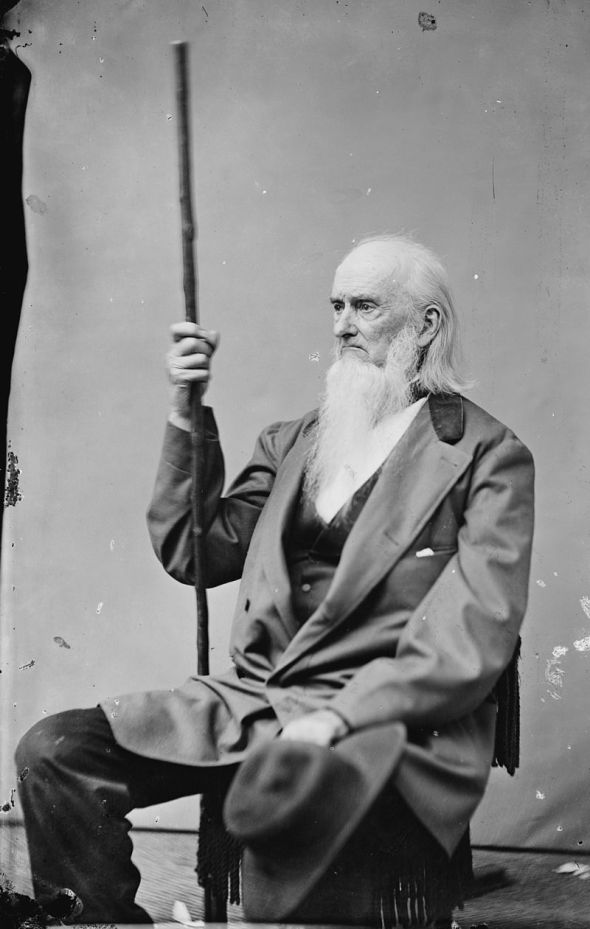
Duff Green, who wanted to talk to Lincoln about a scheme to help Southerners with their land via a federal bank or something.
from there we consider how Lincoln intended to begin the postwar process, if he hadn’t’ve gotten got a few days later.
Pryor uses these encounters to bring to life the odd, magnetic, awkward, charming, conflicted, pained, intense human man Abraham Lincoln, full of conflict and contradiction.
Here is the first sentence of the author’s introduction:
To look again with open eyes at a subject we think we know is never straightfoward.
Pryor does a fantastic job of bringing Lincoln into focus. Some highlights:
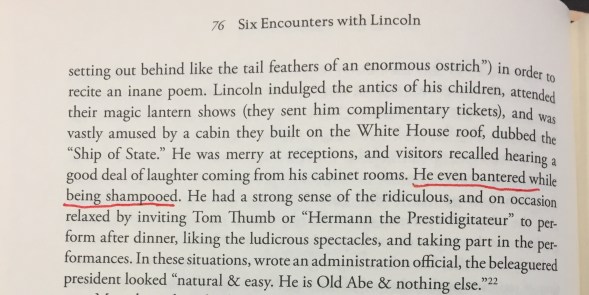
Getting the mitten:


“Why am I always getting the mitten?”
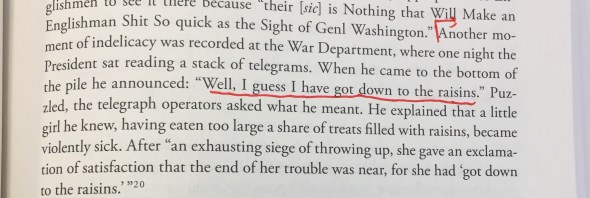
Down to the raisins:
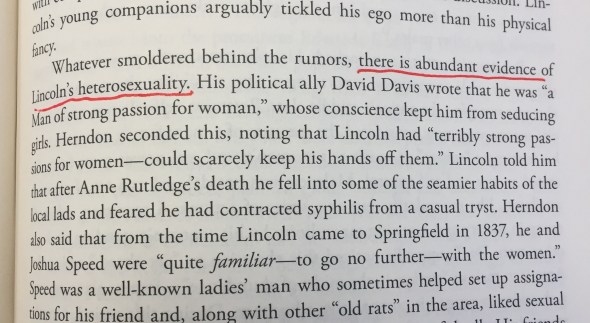
His sexuality:
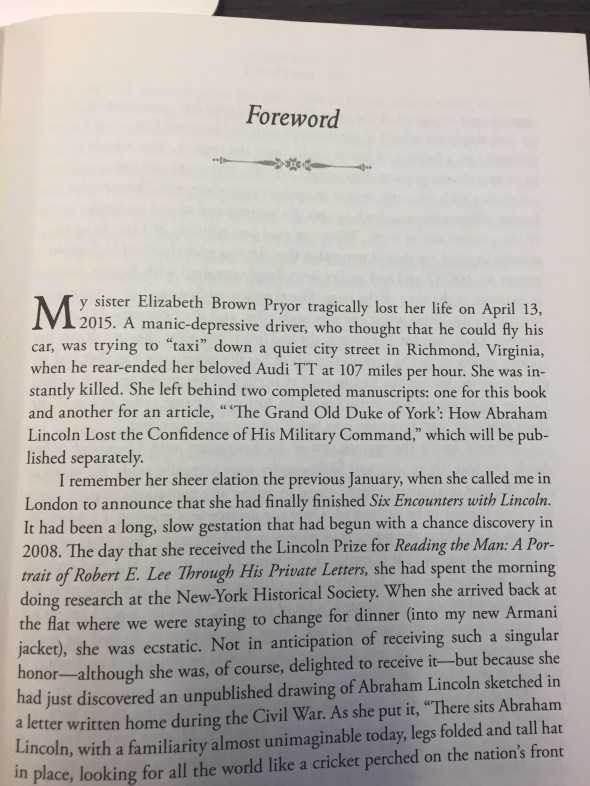
A very impressive, dense work of history. Stunned when I opened the book and learned the author had been tragically killed in a car crash before publication:
Seems like an amazing woman.
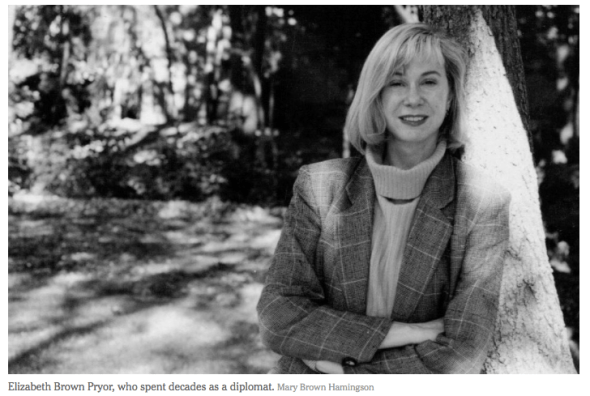
Her obituary in the NYT by Margalit Fox speaks also of her work on Lee:
Though Lee is often cast by history as a brilliant general, Ms. Pryor, examining the strategic errors that led to his retreat at Antietam in 1862 and sweeping defeat at Gettysburg the next year, judged him “bright but not brilliant.”
Addressing Lee’s stance on slavery, she acknowledged, with other historians, that he harbored deep misgivings on the subject. However, Ms. Pryor wrote, those misgivings stemmed not from his opposition to the institution itself, but from his resentment of the managerial burdens it could place on white slave owners.
As a slaveholder, Ms. Pryor showed, Lee was a cruel master, once forcing a runaway slave to endure 50 lashes and then have brine poured on the wounds. He routinely sundered slaves’ families if selling a slave was expedient, and by 1860 “he had broken up every family but one” on his Arlington plantation, she wrote.
The Lincoln book my friend the presidential biographer, Lincoln scholar and former rock star Ted Widmer recommends is Herdon’s Informants.
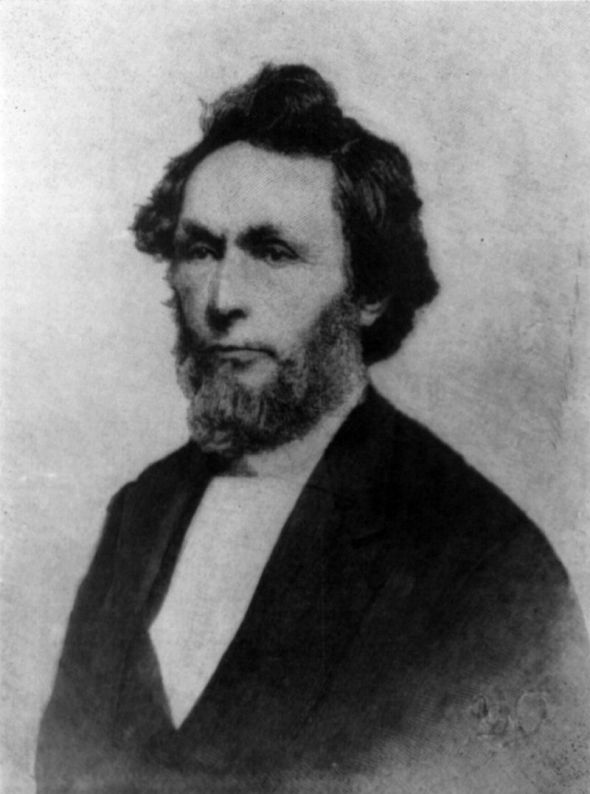
Herndon was Lincoln’s law partner, and after he died he wrote to everyone who’d ever met Lincoln pretty much and asked for what they remembered of him.
Following Lincoln’s assassination, Herndon began to collect stories of Lincoln’s life from those who knew him. Herndon aspired to write a faithful portrait of his friend and law partner, based on his own observations and on hundreds of letters and interviews he had compiled for the purpose. He was determined to present Lincoln as a man, rather than a saint, and to reveal things that the prevailing Victorian era conventions said should be left out of the biography of a great national hero.[17][18][nb 2]
In particular, Herndon said of Lincoln’s “official” biographers, John Nicolay and John Hay: “They are aiming, first, to do a superb piece of literary work; second, to make the story with the classes as against the masses.” He felt that this would represent the “real Lincoln about as well as does a wax figure in the museum.”[19][20]
More:
Particularly damning was the denunciation of the book by Robert Todd Lincoln, whose grudge against Herndon stemmed largely from Herndon’s recounting of Ann Rutledge as the only romantic love of his father’s life.
Herndon didn’t care for Mary Todd, I guess:
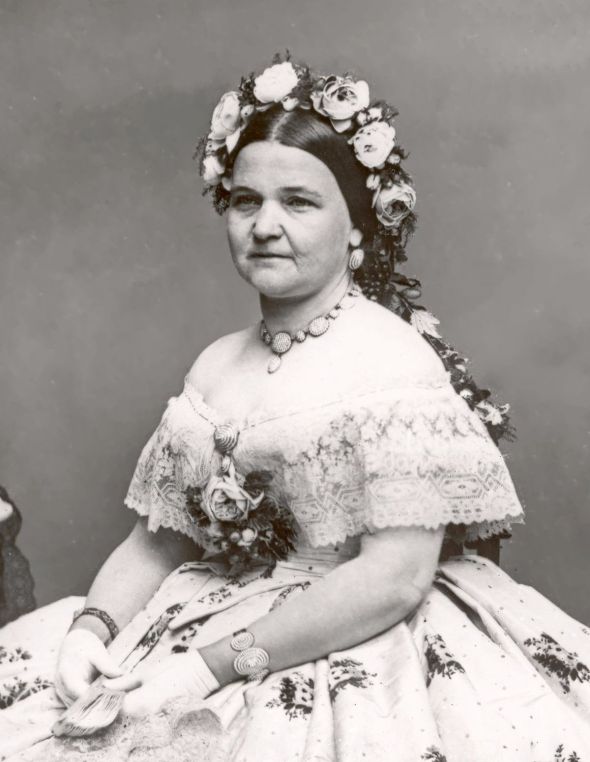
Even though she was considered a bit of a catch for a guy like Abe.
When you think about the stuff that happened to Mary Todd, it’d be a wonder if she didn’t go insane. Three of her children died, her husband got assassinated sitting next to her. Her half-sister was married to a Confederate general who died at Chickamauga.
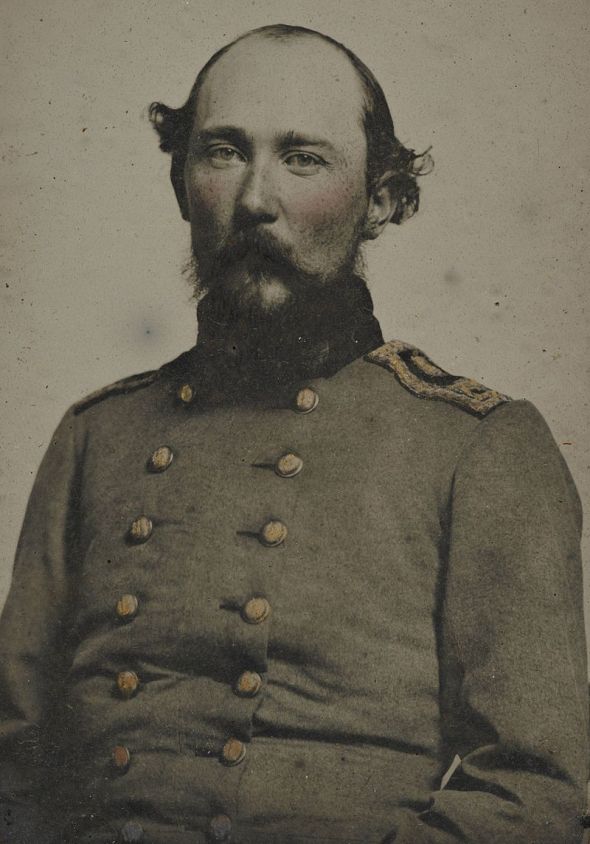
He was a commander of the Orphan Brigade:
At the Battle of Stones River, the brigade suffered heavy casualties in an assault on January 2, 1863, including General Hanson. Breckinridge—who vehemently disputed the order to charge with the army’s commander, General Braxton Bragg—rode among the survivors, crying out repeatedly, “My poor Orphans! My poor Orphans,”
The stuff people go through!
In your eye, cop!
Posted: September 15, 2017 Filed under: writing 1 CommentINTERVIEWER
When did you begin reading adult fiction?
KING
In 1959 probably, after we had moved back to Maine. I would have been twelve, and I was going to this little one-room schoolhouse just up the street from my house. All the grades were in one room, and there was a shithouse out back, which stank. There was no library in town, but every week the state sent a big green van called the bookmobile. You could get three books from the bookmobile and they didn’t care which ones—you didn’t have to take out kid books. Up until then what I had been reading was Nancy Drew, the Hardy Boys, and things like that. The first books I picked out were these Ed McBain 87th Precinct novels. In the one I read first, the cops go up to question a woman in this tenement apartment and she is standing there in her slip. The cops tell her to put some clothes on, and she grabs her breast through her slip and squeezes it at them and says, “In your eye, cop!” And I went, Shit! Immediately something clicked in my head. I thought, That’s real, that could really happen. That was the end of the Hardy Boys. That was the end of all juvenile fiction for me. It was like, See ya!
(Stephen King over at the Paris Review)
Fascinated by: Ray Dalio
Posted: September 10, 2017 Filed under: America Since 1945, business, comedy Leave a comment
Ray Dalio, billionaire founder of Bridgewater Associates, one of the world’s largest hedge funds.
That’s a 30 minute video he made about how the economy works, nbd.
A brilliant person with an atypical mind who lays out their worldview in a kind of manifesto can pretty much always get my attention.
Three of his Dalio’s beliefs:
- “algorithmic decision-making is coming at you fast”
- evolution is good
- to achieve success you must face and accept harsh realities
You can read his Principles online. Soon they are coming out in book form, I’ve pre-ordered. Here’s a sample, from the Principles website, which is www.principles.com:
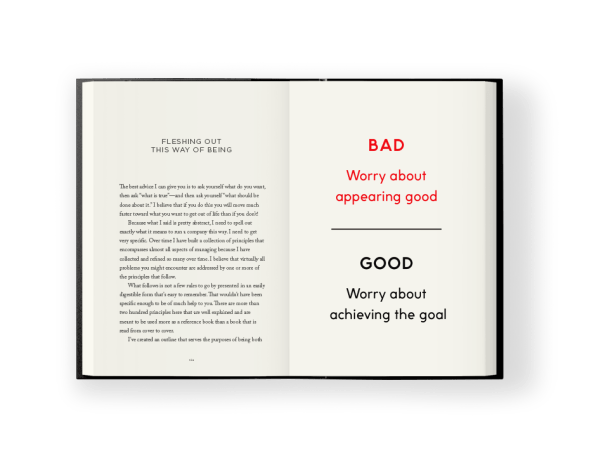
A lot to think about in Ray Dalio’s Principles.
BUT: let’s limit our discussion today to one moment in his TED Talk above. We’re going to talk about a joke and the audience reaction to it.
You’ll have to watch about one minute of the talk. Start at 14:30.
Dalio is describing a complex system where everyone in his company rates each other and is radically transparent with each other. Everyone can rate each other, in different areas. Even a lowly employee can rate Ray, creating charts like this:

At 14:46 he says that because of this, at Bridgewater there is no politics.
Which: Ray Dalio is 100x smarter than me, but I’ll bet ten dollars there are indeed politics at Bridgewater Associates, probably insane, high-order, wildly weird politics.
Anyway.
At 15:13 Ray Dalio makes a joke. This being his TED talk, no doubt a joke he had practiced. Radical transparency, he says, doesn’t apply to everything.
You don’t have to tell somebody their bald spot is growing or their baby’s ugly.
People laugh a little bit. Dalio continues.
I’m talking about the important things.
People laugh a LOT.
Dalio seems even thrown by how much the audience laughs at the second part, not the intended punchline.
Why?
The audience laughs because Dalio is missing the point.
Dalio inadvertently reveals he doesn’t know what the important things are to most people.
What are “the important things?” Making sound investment decisions? Tweaking the algorithm properly? Workplace communication?
Whatever, yes, in theory.
But really? No. To most humans whether your bald spot is growing and whether your baby is ugly are the important things. It would hurt way worse to be told either of those than that you’re ineffectively communicating in the meeting. That pain is a measure of importance.
The audience is expressing laughter / disbelief at the fact Dalio assumes workplace discussion is more important than stuff like whether your baby is ugly.
Perhaps Ray Dalio doesn’t get it because he’s trained himself not to feel that kind of sensitivity. That’s one of the points of Principles, to train your mind to get that nonsense out of the way. It’s served him very well as an investor.
But it’s a little robotic, and a little detached, and a little inhuman.
If I worked for Dalio, I suspect I’d rate him low in the category of “empathy / compassion / understanding for what matters to people / sensitivity.”
But then, are those categories even in the algorithm?
Oh btw James Comey used to work for Ray Dalio, and also Dalio recently recommended allocating 5-10% of assets to gold.
speaking of
algorithm

source: Wiki user Fulvio Spada
looked it up at Online Etymology, my new fave site.
algorithm (n.)
1690s, “Arabic system of computation,” from French algorithme, refashioned (under mistaken connection with Greek arithmos “number”) from Old French algorisme “the Arabic numeral system” (13c.), from Medieval Latin algorismus, a mangled transliteration of Arabic al-Khwarizmi “native of Khwarazm” (modern Khiva in Uzbekistan), surname of the mathematician whose works introduced sophisticated mathematics to the West (see algebra). The earlier form in Middle English was algorism (early 13c.), from Old French. Meaning broadened to any method of computation; from mid-20c. especially with reference to computing.
The man from Khwarizmi.

Wiki:
Few details of al-Khwārizmī’s life are known with certainty.
He worked in Baghdad as a scholar at the House of Wisdom established by Caliph al-Ma’mūn, where he studied the sciences and mathematics, which included the translation of Greek and Sanskrit scientific manuscripts.
Good picture
Posted: September 8, 2017 Filed under: America Since 1945, Texas Leave a comment
Found this picture on Thomas Ricks’ blog. USA! USA!
170831-N-KL846-150 VIDOR, Texas (Aug. 31, 2017) Naval Aircrewman (Helicopter) 2nd Class Jansen Schamp, a native of Denver, Colorado and assigned to the Dragon Whales of Helicopter Sea Combat Squadron (HSC) 28, rescues two dogs at Pine Forrest Elementary School, a shelter that required evacuation after flood waters from Hurricane Harvey reached its grounds. The mission resulted in the rescue of seven adults, seven children and four dogs. (U.S. Navy Video by Mass Communication Specialist 1st Class Christopher Lindahl/Released)
Reminded of a claim that Goebbels was forever frustrated the Nazis couldn’t make propaganda as good as what the USA churned out.
Worth signing up or whatever you need to do to read Ricks’ blog.
Here’s a good post about the situation in Afghanistan.
Here’s a good one about “15 assumptions about the behavior of North Korea’s Kim family regime”
And his reliefs and suspensions specials never fail to have one or two that would probably make a compelling movie. At a secret Air Force base in Tunisia, a beloved commander lets his guys drink as much as they want and forms a dangerous relationship with a teenage subordinate.

John Ashberry
Posted: September 7, 2017 Filed under: America Since 1945, writing Leave a comment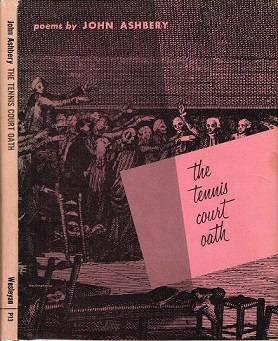
I’d rather read John Ashberry’s obituary than any of his poems. This is because like most people I prefer story to poetry.
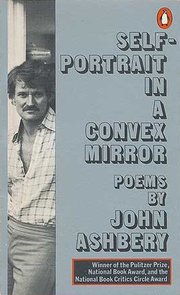
He once wrote poems in French and then translated them back into English in order to avoid customary word associations. (The poems are called, of course, “French Poems.”)
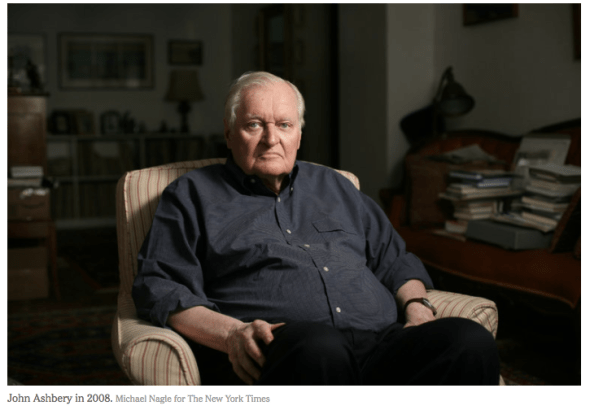
In an interview with The Times in 1999, Mr. Ashbery recalled that he and some childhood playmates “had a mythical kingdom in the woods.”
“Then my younger brother died just around the beginning of World War II,” he added. “The group dispersed for various reasons, and things were never as happy or romantic as they’d been, and my brother was no longer there.” He continued, “I think I’ve always been trying to get back to this mystical kingdom.”
Waterless Places
Posted: August 30, 2017 Filed under: Christianity, religion, the California Condition Leave a comment
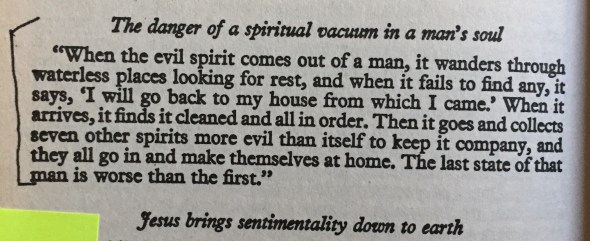
from:
Dorothea Lange
Posted: August 29, 2017 Filed under: photography, the California Condition Leave a comment
Three of the four Arnold children. The oldest boy earned the money to buy his bicycle. Western Washington, Thurston County, Michigan Hill.
Let’s look

Child living in Oklahoma City shack town
at a sample

Cotton picker, southern San Joaquin Valley
of the

Woman in pea picker’s camp. California. “I seen our corn dry up and blow over the fence back there in Oklahoma”

Children of migratory Mexican field workers. The older one helps tie carrots in the field. Coachella Valley, California
Dorothea Lange photos
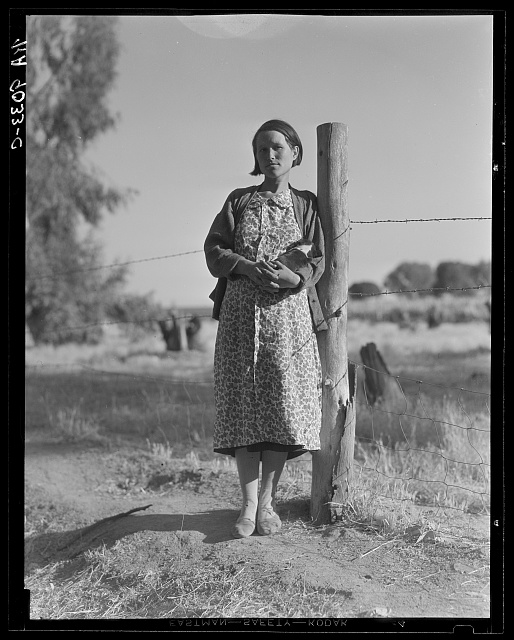
Pregnant migrant woman living in California squatter camp. Kern County

Japanese mother and daughter, agricultural workers near Guadalupe, California
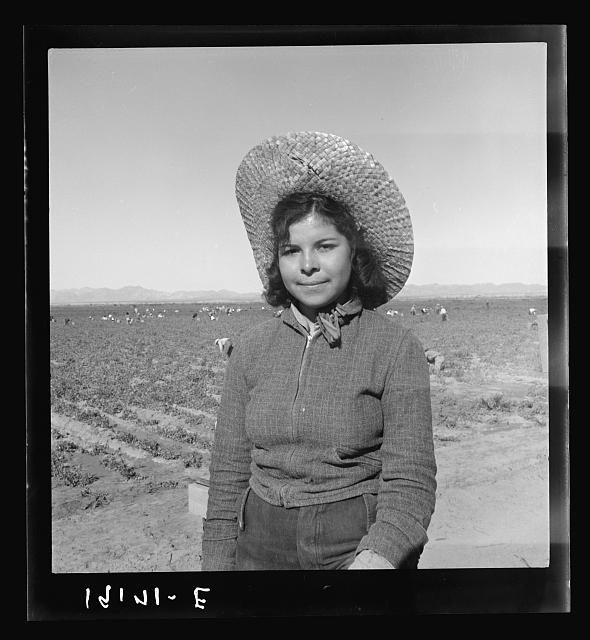
Mexican girl who picks peas for the eastern market. Imperial Valley, California

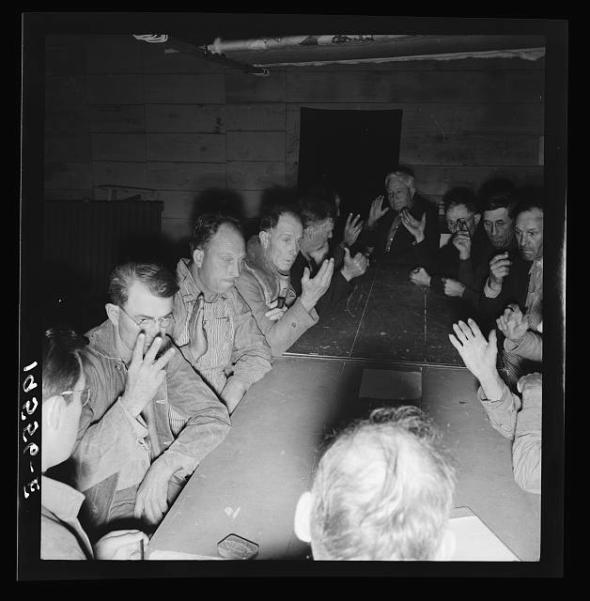

Children of migratory workers, hauling water, American River camp, San Joaquin Valley, California

WARNING TO MASSACHUSETTS DRIVERS!
Posted: August 28, 2017 Filed under: Boston, maps, New England Leave a comment
Discovered a serious error in my DeLorme Atlas & Gazetteer
You can’t actually drive from Moon Island to Long Island! There’s a road on the map that’s just not there!
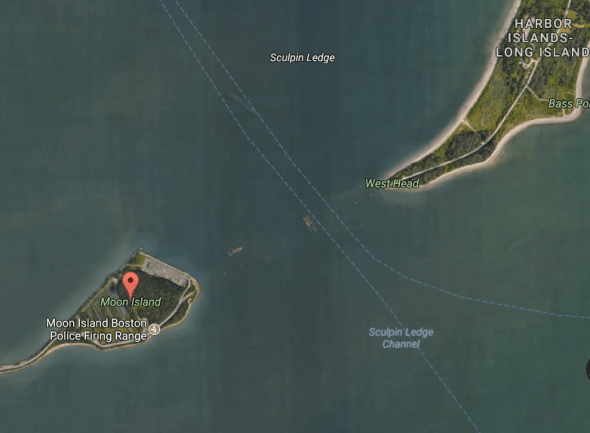
Be careful out there guys and ALWAYS double check visual clues before attempting to drive from one island to another.
Trouble at the Allah-Las concert !
Posted: August 24, 2017 Filed under: music, the California Condition Leave a comment
In Rotterdam, a concert cancelled after Spanish police warn Dutch police about a possible bomb plot.

I wonder what the terrorists don’t like about this band.
The name?
Colin Drury of The Guardian, Aug. 2016, reports:
They chose to use Allah – Arabic for god – because they wanted something “holy sounding”. But they say they never realised some might interpret it as trivialising or mocking their religious beliefs. “We get emails from Muslims, here in the US and around the world, saying they’re offended, but that absolutely wasn’t our intention,” says Michaud. “We email back and explain why we chose the name and mainly they understand.”
In Turkey, a show got pulled because the promoter didn’t feel comfortable. “But what’s the alternative?” asks Siadatian. “We’ve had the name so long I don’t think we can change it. That wouldn’t work. We don’t dwell. You know, no regrets.”
What the band do regret is the growing gentrification of hometown LA.
I guess if I stand for anything it’s for a band’s right to call themselves whatever, without anybody getting blowed up over it.
Free speech protections do not equal endorsements. But in the civilized world you can call your band whatever you want.
Don’t know much about the band. I like this song Catamaran. Very cool song.

Cube Houses of Rotterdam by wiki user Hanselpedia
Hey thanks for the birthday wishes Helytimes readers! We aim to share with you quality, interesting, well-sourced content about California, the USA, and the world, and we appreciate you.
McCain
Posted: August 21, 2017 Filed under: America Since 1945, heroes Leave a comment

Happened to be reading this this weekend.
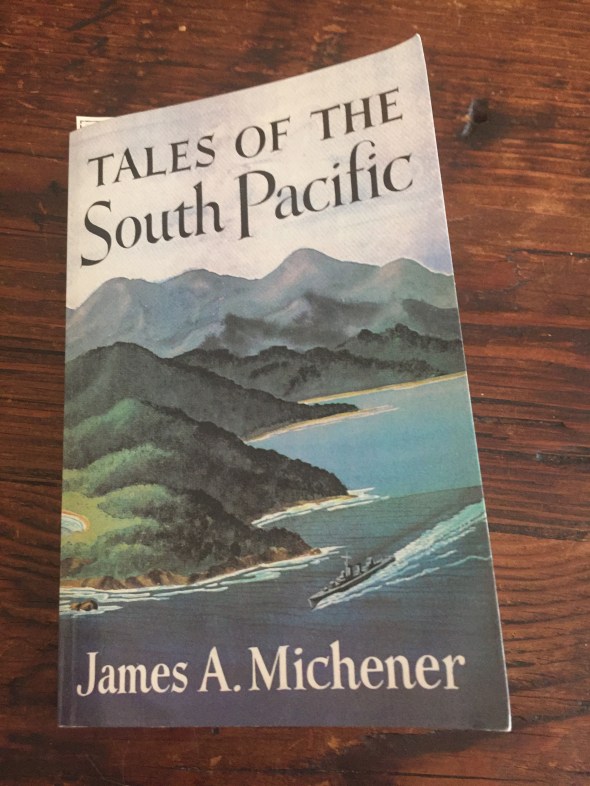
Michener says:

The ugly old aviator:
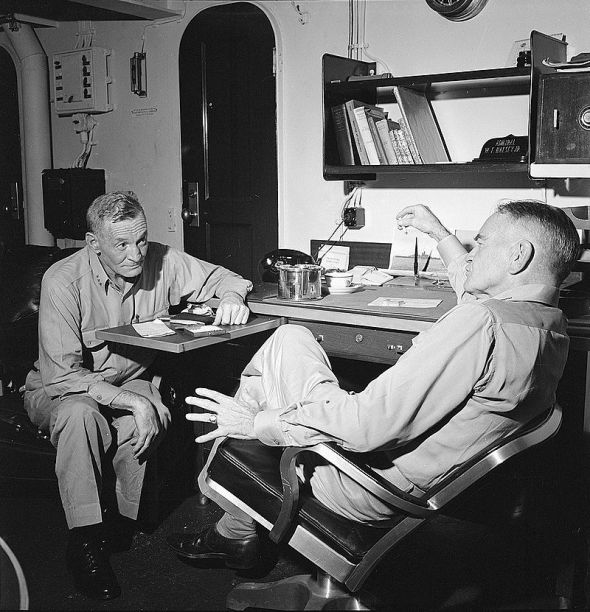
Dropped dead four days after the Japanese surrender.
What can we learn from Lee?
Posted: August 16, 2017 Filed under: America Since 1945 Leave a comment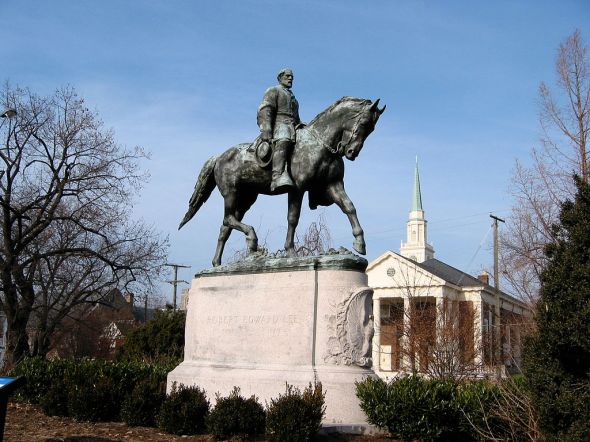
source, wiki photo by Cville Dog
Lots of conversations about history, how we should remember our history, etc. Amateur historians love arguing about Lee, how can you not, he is interesting.
Robert E. Lee had many noble personal qualities, as did many officers in Hitler’s army.
If there’s anything to learn from him, might it not be that a man of principle and dignity can end up on the outrageously wrong side of the most important moral issue of his time?
Nobody should judge John Kelly without reading this Washington Post profile of him by Greg Jaffe.
About 12 hours later, the elder Kelly e-mailed his extended family in Boston, preparing them for the possibility that Robert might be maimed or killed. Kelly knew that Robert went out on almost every patrol with his men through mine-filled fields. One of the Marines at Bethesda told him that Robert was “living on luck.”
“I write you all to just let you know he’s in the thick of it and to keep him in your thoughts,” Kelly typed. “We are doing a Novena a minute down here and there is no end in sight.”
On Oct. 31, Kelly sent a second e-mail to his eldest sister, the family matriarch. “I am sweating bullets,” he confided. “Pray. Pray. Pray. He’s such a good boy . . . and Marine.”
This is painful to watch:
What a dilemma: the American people have elected a mean angry fool, do I try and do what I can to contain him or resign knowing he might do more damage without me around?
What’s the point of a statue of Lee if not to learn from him?
From this take on Lee by Roy Blount Jr. in Smithsonian mag:
We may think we know Lee because we have a mental image: gray. Not only the uniform, the mythic horse, the hair and beard, but the resignation with which he accepted dreary burdens that offered “neither pleasure nor advantage”: in particular, the Confederacy, a cause of which he took a dim view until he went to war for it. He did not see right and wrong in tones of gray, and yet his moralizing could generate a fog, as in a letter from the front to his invalid wife: “You must endeavour to enjoy the pleasure of doing good. That is all that makes life valuable.” All right. But then he adds: “When I measure my own by that standard I am filled with confusion and despair.”
 Helytimes


#/media/File:Ticket_of_leave_man_-_Weir_Collection.jpg)
.jpg)
#/media/File:TheTennisCourtOath.jpg)

