Reader Catherine in New Hampshire writes
Posted: September 22, 2017 Filed under: America Since 1945, politics Leave a comment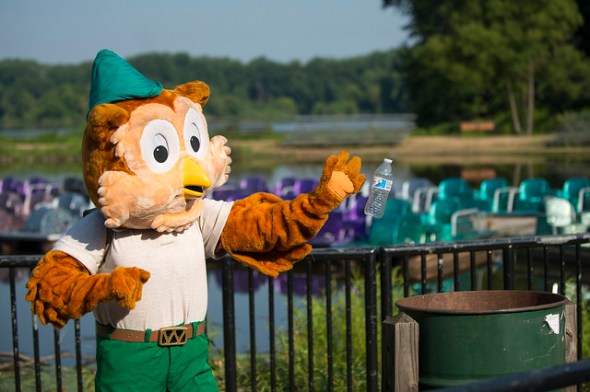
source: US Forest Service flickr
Dear Helytimes,
Have you abandoned your commitment to keeping us informed about public lands under Trump? I’m baffled by the present situation and would like some help!
Frustrated,
Catherine
Reader,
I get it, I’m sorry. The truth is I myself am baffled by what’s happening. I’ve been slowly informing myself by reading:
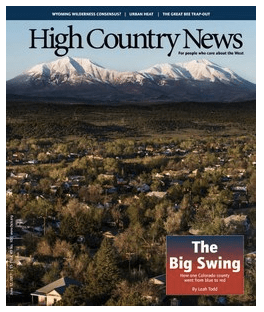
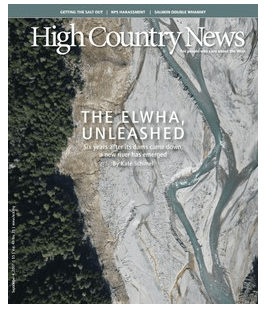
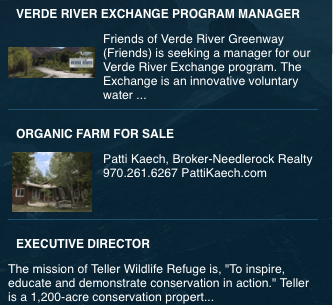
They’re doing such good reporting on these issues. Also their classifieds are great:
This roundup of their stories on the latest developments is great:

I found this post on Mojave Desert Land Trust’s Instagram to be a good summary, too:
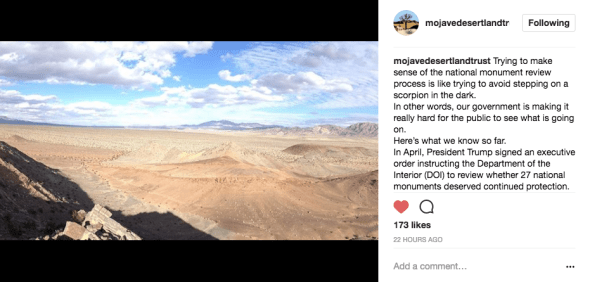
Trying to make sense of the national monument review process is like trying to avoid stepping on a scorpion in the dark.
In other words, our government is making it really hard for the public to see what is going on.
Here’s what we know so far.
In April, President Trump signed an executive order instructing the Department of the Interior (DOI) to review whether 27 national monuments deserved continued protection.
From May to July, the public was allowed to submit comments about this review. All of you spoke up to defend our Mojave monuments! Nearly three million Americans joined you in submitting public comments, 98% of which were in favor of keeping or expanding protections.
August 24th, DOI Secretary Zinke submitted his recommendations to the White House…and refused to release them to the public.
Since then, the public has waited for any information. And our Desert Defenders have continued to raise our voices about why our monuments deserve continued protection!
This Sunday, The Washington Post published a leaked version of Secretary Zinke’s report. Although this was supposed to be the DOI’s finalized review, it was titled as a draft and only contained vague recommendations for ten monuments.
It would need further revision by Zinke to become a final report. There was no mention of the other 17 monuments officially under review, including Mojave Trails and Sand to Snow. Nor was there word on Castle Mountains, which Rep. Cook asked Secretary Zinke to cut, although it wasn’t part of the original review.
Ultimately, no monument was declared safe. And the report’s omission of 17 monuments leaves them open to untold threats down the line, like executive orders or management plan reviews.
What the leaked report does make clear is that the Trump administration is preparing for an unparalleled attack on protected public lands that could result in widespread loss of wildlife habitat and economic harm to local businesses.
This entire process is unprecedented — and tomorrow, we’ll let you know what’s next.
#DesertDefenders #StopCadiz#nationalmonuments #mojavetrails #desert#mojavedesert #antiquitiesact
Seems like — and this may shock some of you – the Trump administration is hindered in executing wrongheaded and malicious policies by stupidity, clumsiness, disorganization and lack of any clear ideas, principles or goals short of being obnoxious and servicing the interests of GOP donors!
Welp, on the plus side, reading High Country News and learning about the Mojave Desert Land Trust has given me faith that lots of good people who care passionately are fighting to steward public land in effective and intelligent ways.
Ireland should take in two million refugees
Posted: August 9, 2017 Filed under: Ireland, politics 2 Comments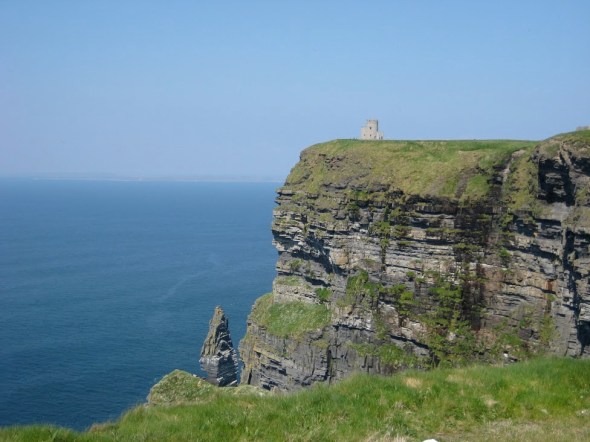
I’ve developed a radical policy idea. This is my position paper.
The Republic of Ireland should take in two million refugees.
Here’s my case.
Ireland is empty
Seriously, walk around the place. There’s like nobody there.
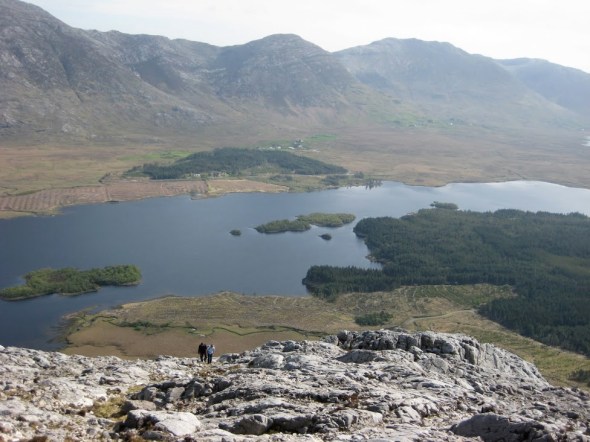
Almost nobody
Here’s Ireland overlaid on Pennsylvania:
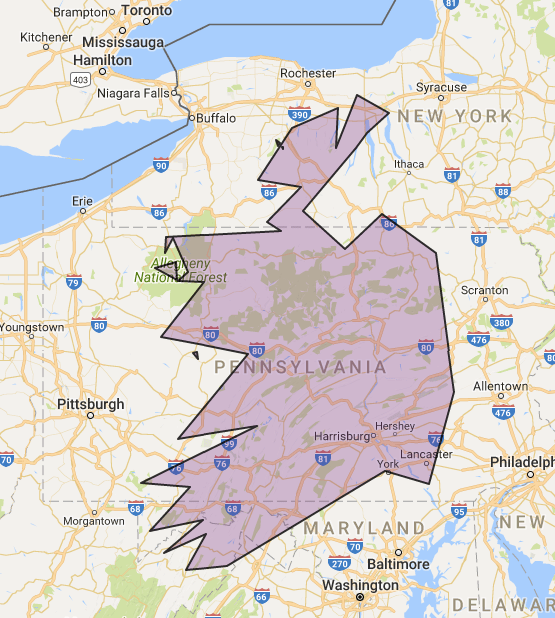
Pennsylvania has 12.78 million people. Similar landscape and climate.
Ireland has 4.773 million people.
Ireland has fewer people today than it did in 1841.

Not busy
What a wild fact. What other country is like that? Can we really trust that 1841 census?
My source here is the Central Statistics Office of Ireland:

Ireland is empty because people moved away.
There were all the people that died in the massive famine.

But post-famine emigration is really what depopulated Ireland. The whole story of Ireland is people moving away.
Even James Joyce looked for a life elsewhere.
The people of Ireland were themselves once refugees.
They weren’t always looked fondly on either.
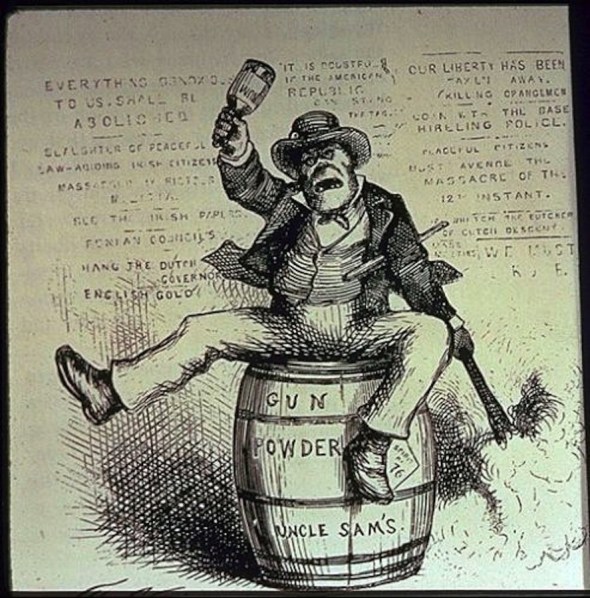
They were considered to be dirty and dangerous fundamentalists from a scary religion.
Now look at them.

“Her father, Alfred Roy Carey, was of African American and Afro-Venezuelan descent, while her mother, Patricia (née Hickey), is of Irish descent.”
Says The Washington Post:
According to the Census, there are 34.5 million Americans who list their heritage as either primarily or partially Irish. That number is, incidentally, seven times larger than the population of Ireland itself (4.68 million).
That’s just the USA. There are something like two million Irish Australians and four millionish Irish Canadians.
What a great chance for Ireland to return the favor!
What a cool national mission for Ireland!
And remember, we’re just restoring Ireland to its historical population level.
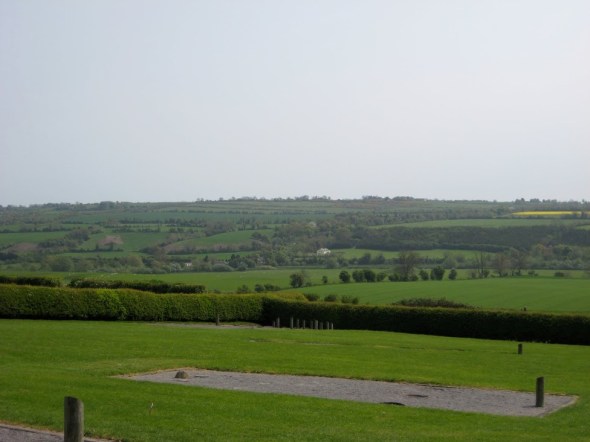
some people could live here
Possible counter argument:
But that will destroy the unique national character of Ireland!
Meh.
First of all, maybe they won’t, maybe they’ll adapt to it. Or, as immigrants have done everywhere, offer new foods, traditions, ideas, and stir themselves into an overall blend.

Second of all Irish culture is pretty darn resilient, there’s dudes in Southie three generations removed who’ve never visited the place who have shamrock tattoos and sing some fraction of the songs while they get drunk together.

Third of all Irish culture has been well-preserved already.

You can count on the Irish to do a fine job preserving. source, shoutout to Wiki user Dilif
You can count on the Irish to do a solid preservation job.
(This song about boiling a policeman and spreading him like pavement is a fair example of Irish culture*.)
and
Frankly Irish culture could use a bit of a jolt.
Previous pinnacle of Irish culture?
Taking in two million refugees is a challenge.
But Ireland is up to it. This country is one of the best ever producers of nurses, caregivers, teachers, cops. It could be a a national project that would bring out the best in them.
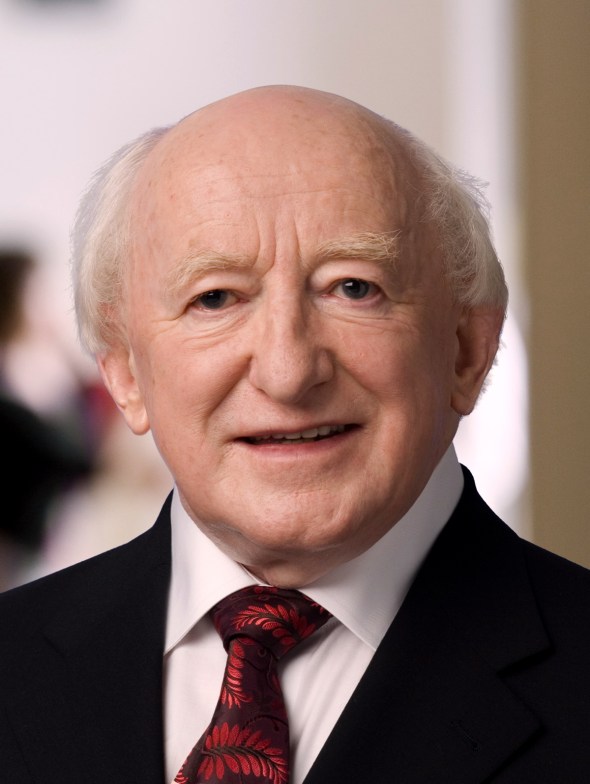
You don’t think largely ceremonial president Michael D. Higgins could inspire and lead his countrymen in this task?
In conclusion, Ireland should take in two million immigrants.

Honestly it’s mostly sheep over there.
By the way, not asking Ireland to do anything I wouldn’t do myself. You could argue California has already taken in two million refugees. I haven’t crunched the numbers yet but I think we could take in a million more.
* I’m aware the song was written by a Scottish person
The Irish comic tradition
Posted: August 3, 2017 Filed under: America Since 1945, Ireland, politics Leave a comment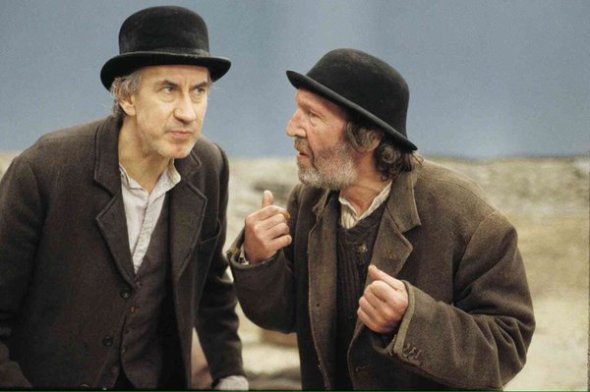
source. Barry McGovern / Johnny Murphy in Irish comic storyteller Samuel Beckett’s play
Just read this one.
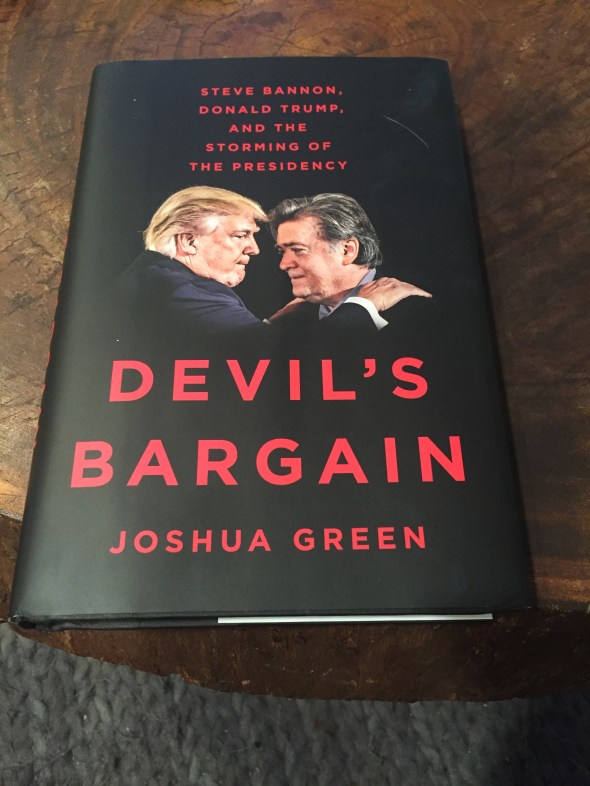
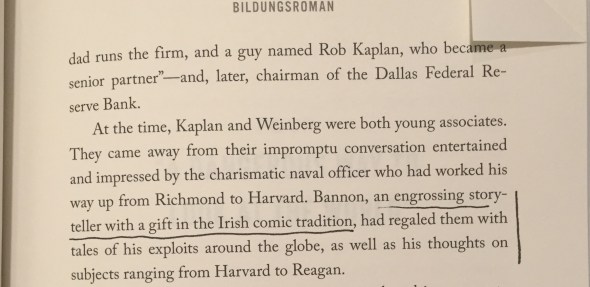
It’s true. Bannon, as presented in this book, is funny. Makes it harder to dislike him.
At one point he describes Paul Ryan as
a limp-dick motherfucker who was born in a petri dish at the Heritage Foundation.
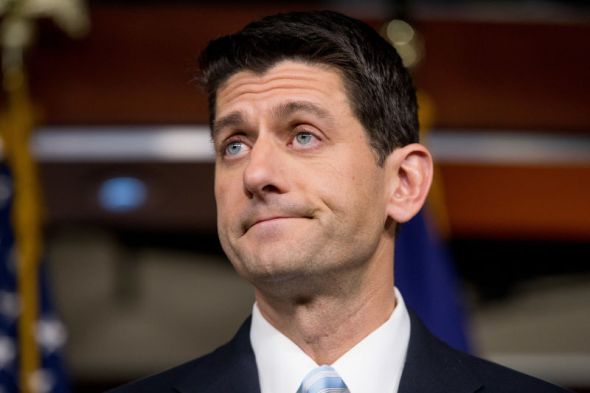
(source)
This vivid turn of phrase after speaking to an embattled Roger Ailes:
Bannon was surprised at his desperation. “He was babbling,” he later told an associate. “He was in the fucking mumble tank.”
Bannon’s key insight:
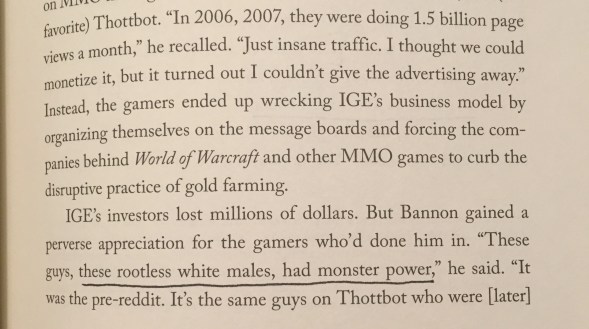
Monster, filthy, sick, beast – these are terms Bannon throws around as compliments, what bro doesn’t? But on the other hand he starts to sound a lot like a dark wizard delighting in his devil-powers as he launches demons at the world.
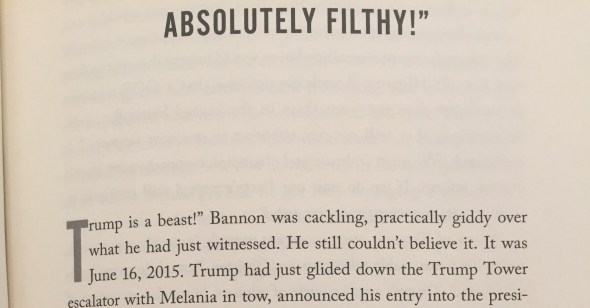
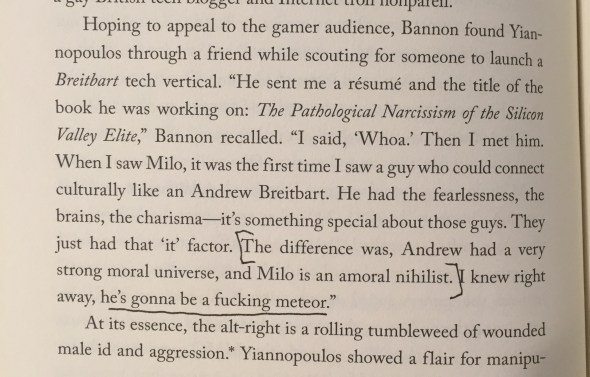
Anyway, fast, entertaining and insightful book.
Was interested in the perspective of Peter Schweitzer, who wrote Clinton Cash.
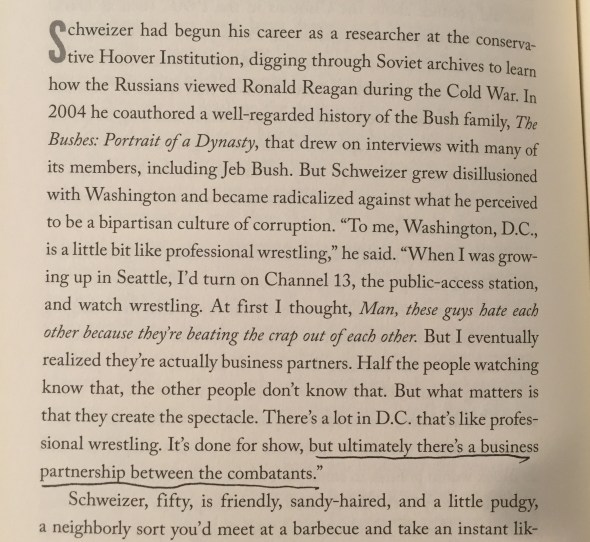
Could you argue the same about journalists and Trump? Both love Twitter.

Hoover Boys
Posted: August 1, 2017 Filed under: children, heroes, politics, presidents Leave a comment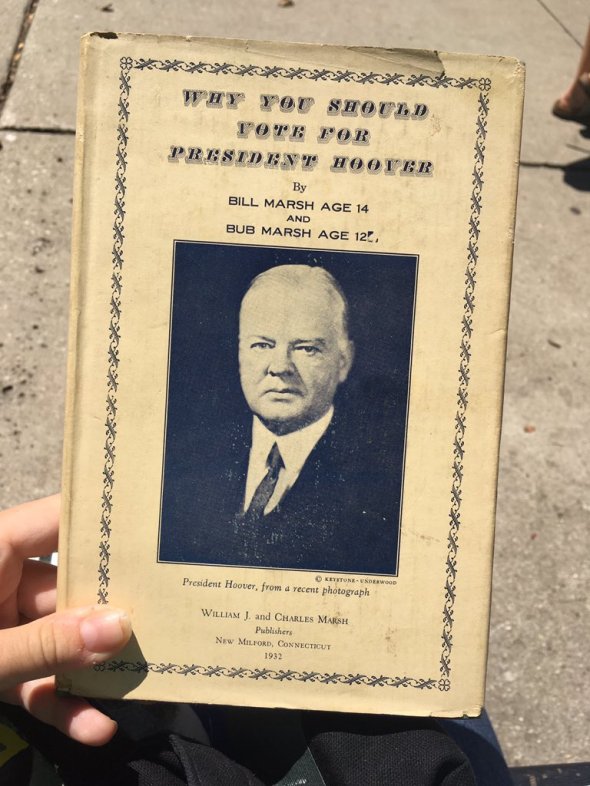
our Chicago correspondent sends us this find:
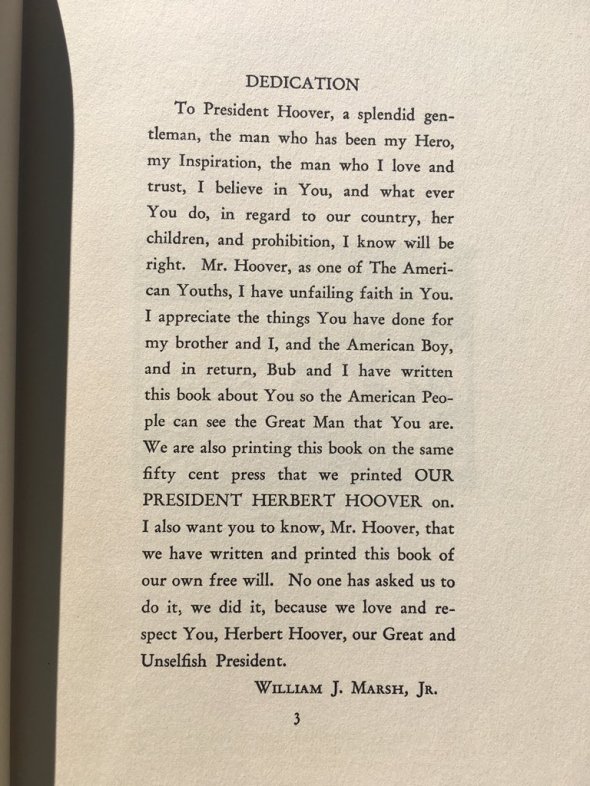
The authors: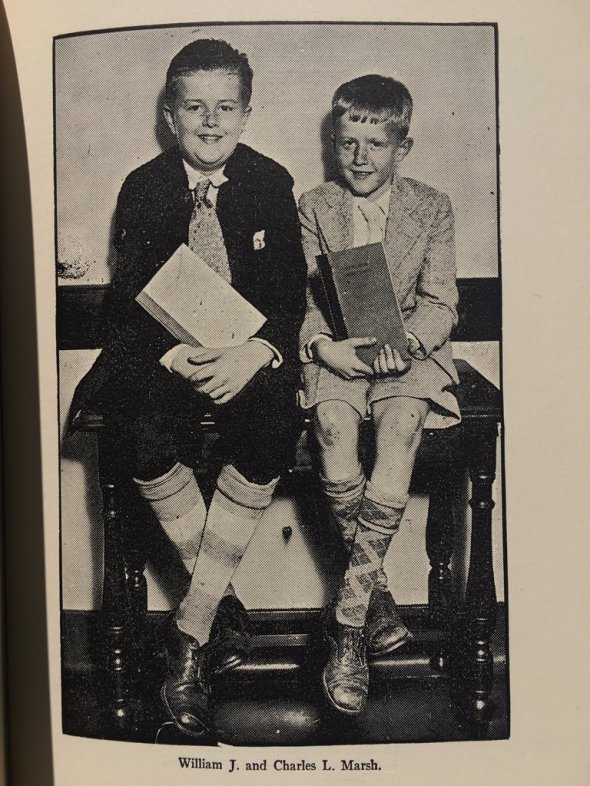
Us vs Them
Posted: July 1, 2017 Filed under: America Since 1945, politics Leave a comment
This NRA ad is so twisted and vicious that I hate to sully Helytimes with it. You don’t have to watch it, I will tell you the key parts.
From the woman’s tone to the images it is so intense, so designed to provoke fear and anger.
Imagine something less helpful than showing this to a fearful person or a deranged person who also owned a gun.
I learned a tiny bit about the woman in the ad and I don’t want to ever think about her again.
I do want to examine the use of the words “us” and “them” in the ad.
Sometimes I felt frustrated by the attempt to over-explain Trump’s popularity as just racism because I felt that like while racism was absolutely in the mix, that wasn’t a big enough word. What I really heard was something like “themism.”
Themism
It was obvious to anyone I talked to at Trump’s rally or the RNC that I was a “them” even though I felt like we were and could be and should be an “us.”
Who is them and who is us?
In the first twenty seconds of this ad, you hear about how “they use”:
- “their media”
- “their schools”
- “their movies stars
- their singers
- their comedy shows
- their awards shows”
(with lots of exterior shots of LA, by the way, including Disney Hall)
- “their ex-president”
As a media-working school-liking person who works on a comedy show in LA who loves and gave money to my ex-president, I am obviously a them.
What the hell? I want to be an us!
I am an us!
Who is the us, according to the ad?
Well, against the them is:
- “the law-abiding”
Me, definitely, I love the law, some of the people closest to me are professional law enforcers.
- “the police”
Same, I love one police in my own life and like the police in general.
So, I am also an us.
Right?
Can I be an us and a them?
What kind of wicked, nasty person would try and drive us apart like that? What sinister agenda would be behind that?
Anyone trying to divide us is wicked.
Which is better: united or divided?
Uniter or divider?
Everyone knows the answer to that. This is the United States.
If you are trying to divide, if you are sowing division, you doing wickedness. This is simple.
This ad is some kind of vicious dog-whistle designed make some loose category of people who feel angry and put upon and threatened feel more angry, put upon, and threatened. This ad uses the language of violence to suggest channeling those feelings into violence.
In this world you will see so much wickedness that you can’t possibly handle it all but somehow this one got to me.
Part of what makes me made is that a club for people who like shooting guns could be so positive. Lots of people in this country have guns because they like hunting or because guns are exciting. What if they were in a club that made them feel proud and noble instead of vicious and afraid?
The language about the “well-regulated militia” in the Second Amendment is so important. Adding those words was not an accident. The Founders didn’t want every gun-haver running around on his own kick deciding who to blast away. Read

or

A militia was a community. It brought people together. And it was a responsibility. To call this NRA video irresponsible is a wild understatement.
I suspect I have no more than two Helytimes readers who are in the NRA. There has to be a faction of the NRA that can see how wrong this ad is, how destructive. I could be wrong but my guess is this strategy of marketing for the NRA will not be successful.
My purpose in writing this was just to bore down and clarify mostly for myself what is so wrong and wicked about this ad and what larger principle that leads us to.
Also to shine a light on why the message is not just wicked but un-American.
A Smaller Thing That Made Me Mad From This Ad
:16
“make them march, make them protest”
let’s pause here and remember you can say whatever the hell you want about movie stars and comedy shows but marching and protesting in American history is maybe not all the time but by an overwhelming margin a pretty darn heroic and positive thing in American history.

A Leonard Freed Magnum photo from the 1963 March on Washington. Am I allowed to use this? Maybe not technically but is it ok because I direct you to the source? Hmm am I as law-abiding as I thought?
the ad is ignorant as well as wicked, the two often go hand in hand.

Jeremy Corbyn
Posted: June 25, 2017 Filed under: politics Leave a comment-
Pretty compelled by British politics, where a 68 year old socialist inspires mobs of young people with poetry while a former banker and political operator whose political arrogance blew up in her face clings to her job as Prime Minister.
Reader Laura M. calls our attention to another verse from that Shelley poem:
“…Next came Fraud, and he had on, Like Lord Eldon, an ermined gown ; His big tears, for he wept well, Turned to mill-stones as they fell.
And the little children, who Round his feet played to and fro, Thinking every tear a gem, Had their brains knocked out by them.” 
Lord Eldon. source.
The opening of the poem, The Masque of Anarchy:
- “Stand ye calm and resolute,
- Like a forest close and mute,
- With folded arms and looks which are
- Weapons of unvanquished war.
- And if then the tyrants dare,
- Let them ride among you there;
- Slash, and stab, and maim and hew;
- What they like, that let them do.
- With folded arms and steady eyes,
- And little fear, and less surprise,
- Look upon them as they slay,
- Till their rage has died away:
- Then they will return with shame,
- To the place from which they came,
- And the blood thus shed will speak
- In hot blushes on their cheek:
- Rise, like lions after slumber
- In unvanquishable number!
- Shake your chains to earth like dew
- Which in sleep had fallen on you:
- Ye are many—they are few!
Written in response to the Peterloo massacre:

This blog post is not an endorsement of the band Run The Jewels.
Morrissey / Noonan
Posted: May 23, 2017 Filed under: America Since 1945, politics Leave a comment
Compare what Morrissey said on Facebook (via Vulture) to this Peggy Noonan piece from February:
There are the protected and the unprotected. The protected make public policy. The unprotected live in it. The unprotected are starting to push back, powerfully.
The protected are the accomplished, the secure, the successful—those who have power or access to it. They are protected from much of the roughness of the world. More to the point, they are protected from the world they have created. Again, they make public policy and have for some time.
Robert Caro’s two hour audiobook
Posted: May 19, 2017 Filed under: America Since 1945, New York, politics, presidents, Texas Leave a comment
Strong endorse to an audio only, 1 hour 42 minute semi-memoir by Robert Caro, boiling down the central ideas of The Power Broker and the LBJ series. If you’ve read every single extant interview with Robert Caro, as I have, some of its repetitive but I loved it and loved listening to Caro’s weird New York accent.

Two details: he tells how James Rowe, an aide to FDR, told him that FDR was such a genius about politics that when he discussed it almost no one could even understand him. But Lyndon Johnson understood everything.

James Rowe, from the LOC
Caro tells that when LBJ ran for Congress the first time, he promised to bring electricity. Women had to haul water from the well with a rope. A full bucket of water was heavy. Women would become bent, a Hill Country term for stooped over. LBJ campaigned saying, if you vote for me, you won’t be bent. You won’t look at forty the way your mother looked at forty.

from the Austin American Statesman collection at the LBJ Library. The woman’s name is Mrs. Mattie Malone.
Democracy plaything
Posted: May 19, 2017 Filed under: China, politics Leave a comment
Indeed, it has long been in the Chinese government’s interest to sow cynicism among its citizens about the mechanisms of democracy. The current Administration and its steady stream of blunders have made Beijing’s task appreciably less difficult.
From this New Yorker thing by Jiayang Fan.
Some years ago at a dinner in Shanghai a smart person gave me his a somewhat jaded take on what would happen if China got democracy. He described how some huckster demagogue from TV would get elected and be terrible.

Peggy Noonan worth reading as usual. She got me to subscribe to the WSJ:
Here’s an idea.
It would be good if top Hill Republicans went en masse to the president and said: “Stop it. Clean up your act. Shut your mouth. Do your job. Stop tweeting. Stop seething. Stop wasting time. You lost the thread and don’t even know what you were elected to do anymore. Get a grip. Grow up and look at the terrain, see it for what it is. We have limited time. Every day you undercut yourself, you undercut us. More important, you keep from happening the good policy things we could have done together. If you don’t grow up fast, you’ll wind up abandoned and alone. Act like a president or leave the presidency.”
As Ms. Noonan points out that’s unlikely to be effective for long but it’s something positive.
Alabama, Mississippi, slavery, and voting
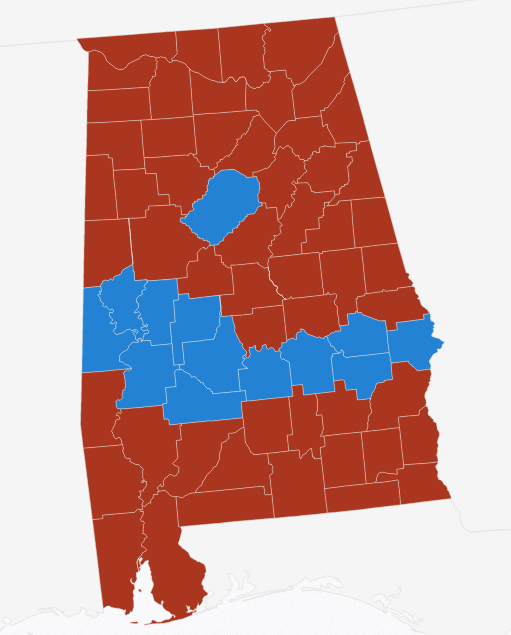
Posted: March 8, 2017 Filed under: America, politics, the world around us Leave a commentLook at this voting map of Alabama for President, 2016:
And this one of Mississippi:
Those are from Politico, 2016 county by county election results.
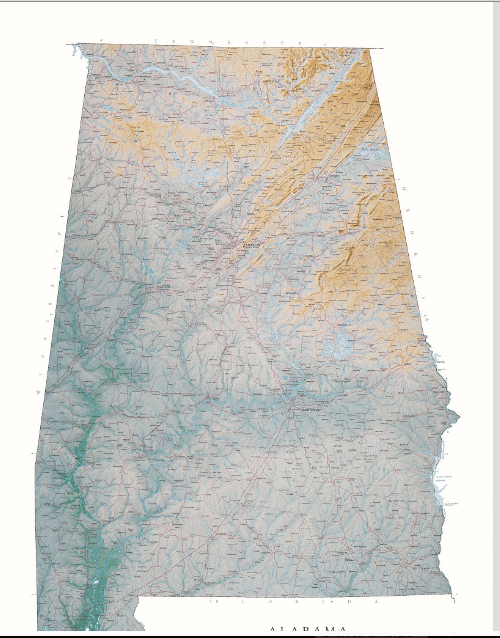
Compare them to these amazing Raven Maps (I love Raven maps, buy a Raven map) that show elevation:
Look at the Mississippi Delta:

My hypothesis is that the legacy of slavery can be seen in a simple voting map: black people still live in bottomland — cotton country.
You might double check that by looking at racial percentages by county.
No doubt there are factors I haven’t considered.
Compare too to this 1861 Coast Survey slavery map:

This might demonstrate:
- geography affects history
- historical legacies can last a very long time
- good maps are illuminating
Which one of you jokesters
Posted: March 1, 2017 Filed under: America, America Since 1945, Middle East, politics, presidents, the California Condition Leave a comment
Ordered me two copies of The Complacent Class by Tyler Cowen?
Very funny.
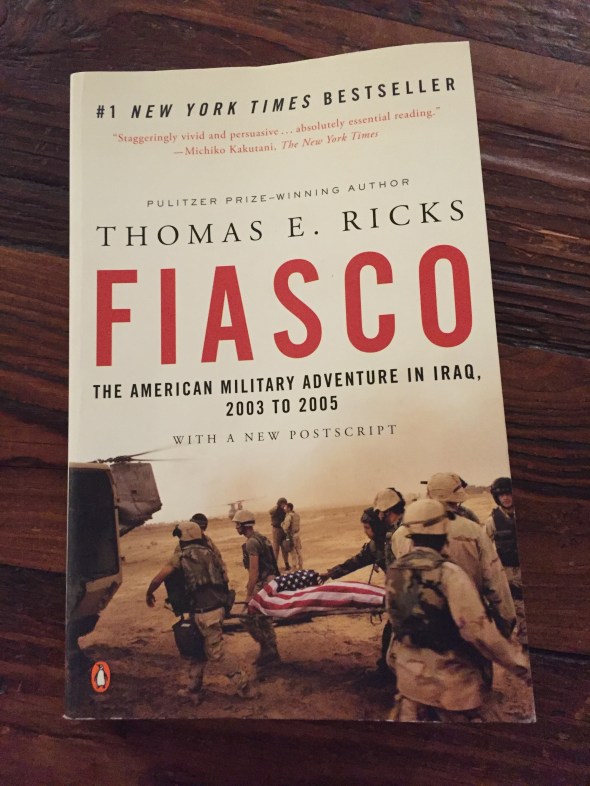
Mission accomplished, it’s next up after I finish Tom Ricks:
More California Ballot Cranks
Posted: February 28, 2017 Filed under: politics, presidents, the California Condition Leave a commentHayes D. is back with a look at some legendary ballot cranks of California history:

I took a sick pleasure in writing about Measure S and Michael Weinstein the other day. Thanks to Steve for asking me to do that.
While I was at it, I dug into some of the other rich, angry men who took advantage of the California ballot system: guys like Weinstein who spent a ton of money and made pretty extreme changes to the law without ever actually being elected to office.
Here are two!
HOWARD JARVIS
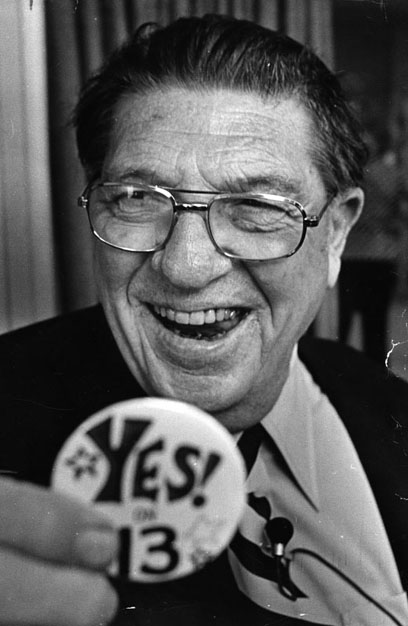
Jarvis was a millionaire from LA who got rich making airplane parts and garbage disposals and other stuff. Your classic 1950’s generic “businessman.” What separated him from his peers was how much he hated taxes.
So after he retired in 1962, he ran for office a few times on an anti-tax platform. Lost every time. Then he discovered the ballot initiative route, and in 1979 he wrote up Proposition 13: a rule that the property tax could only be about 1% of the appraised value of the property, and it couldn’t go up unless the property was sold.
With the help of the base he built from his other campaigns, he and his wife gathered 1.5 million signatures to get it on the ballot. Then Jarvis went on a barnstorming tour of California and riled everybody up so good that the measure passed with 65 percent of the vote.
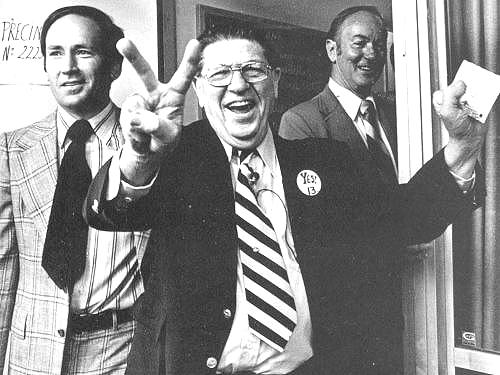
“When I have three, four, five thousand people, I really pour it on,” he said in his gravelly voice. “Like a goddamn Baptist preacher. I tell ’em how government is clobbering them. I rev ’em up. I talk about basic human rights.”Jarvis was quick to admit that playing on the public’s fears was one of the trump cards that made Proposition 13 a big winner.
When he got excited, Jarvis would puff harder on his pipe, and this created a lot of excess “tobacco juice.” During one unfriendly interview with a reporter, Jarvis got agitated and started puffing hard. At one point, sitting behind his big, false desk with no drawers, Jarvis leaned forward and spit some of the excess tobacco juice into a waste can. Jerry Carroll, on the other side of the desk without benefit of a full view, wrote in a 1994 San Francisco Chronicle story that at one point in an interview Jarvis, “jerked opened a drawer in his desk, spit into it and slammed it shut.”

FARYON: Well let’s go back to prior 1978, back in the day when schools needed money. More money to hire students, to pay for classrooms, supplies, and so on. They basically looked to the local taxpayer for money in the form of property taxes. And in fact, they set their budgets, went to the county assessor, the property tax rate was set, and then they collected enough money. As much money as they needed. After 1978, what happened was we couldn’t do that anymore. It was a statewide cap. One percent – that’s all the money that you got. So as a result, before 1978, before Prop 13, statewide the schools had a $9 billion budget. After Prop 13 they lost $3 billion – a third of that – overnight.
***
Here’s a look at California’s per-pupil spending for the past four decades in comparison to other states. The last time California was at the top of the heap was 1965, when it ranked 5th. In 1978 – the year Prop 13 passed –California was 14th out of 50. The next year, the state fell to 22nd place. In 1988, California fell below the national average for the first time and never recovered. The state now ranks 43rd.
Ron Unz

Ron Unz with 80 dollars. Source
When Ron Unz’s mother, a politically active left-wing schoolteacher from Los Angeles, was in her mid-20s, she met an older professor from the Midwest on a flight to Israel. He seemed odd, eccentric even, but clearly brilliant, too, and Esther-Laio Avrutin decided, after he‘d visited her several times when she’d returned to L.A., that she would a have a child with him. When Esther-Laio wrote to her lover to let him know about her pregnancy, the letter was opened by the professor‘s wife — the existence of this wife came as startling news to Esther-Laio — and that ended any possibility that, her sister says, they would be married.
The results show that while students in English immersion programs perform better in the short term, over the long term students in classrooms taught in two languages not only catch up to their English immersion counterparts, but they eventually surpass them, both academically and linguistically.
So: no, not really. Forcing kids who didn’t speak English to be taught exclusively in English was, it turned out, not a great idea.
Eisenhower appears in a dream
Posted: February 23, 2017 Filed under: America Since 1945, politics, presidents Leave a comment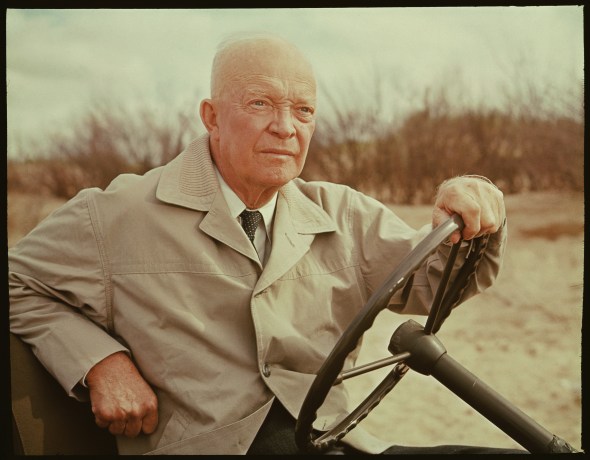
Last night in my dream Dwight Eisenhower appeared. What would he make of all this? We didn’t have a chance to discuss it.
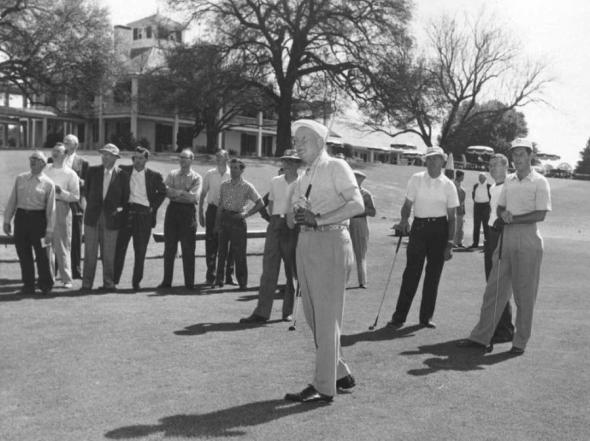
A golfer. A university president. Chosen over other generals to command the Allied Expeditionary Force because of his understanding of and gift for diplomacy.
100% white men around him. What would’ve been his view on trans bathrooms?
A Republican who invested the government in big projects, like the interstate highway system, and warned against defense spending in his farewell speech, which is thought-provoking:
Yet in holding scientific discovery in respect, as we should, we must also be alert to the equal and opposite danger that public policy could itself become the captive of a scientific-technological elite.
Confidence, competence.
The current president like a clown version of him, a grotesque vision from a nightmare.

Source: the Wikipedia article on “grotesque”
Eisenhower was from Abilene, Kansas.

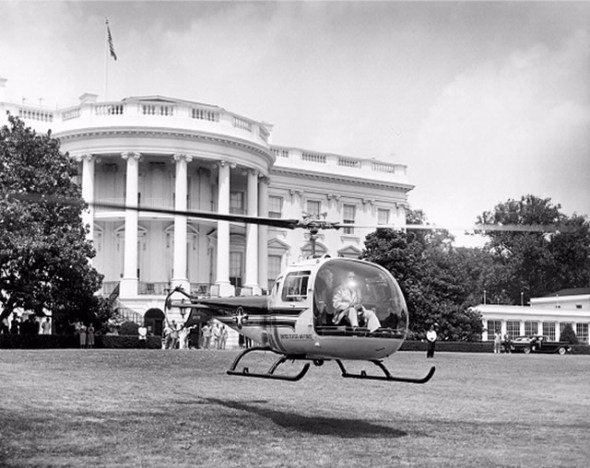
First president to ride in a helicopter.
Three Good Reads
Posted: February 23, 2017 Filed under: America Since 1945, politics 3 Comments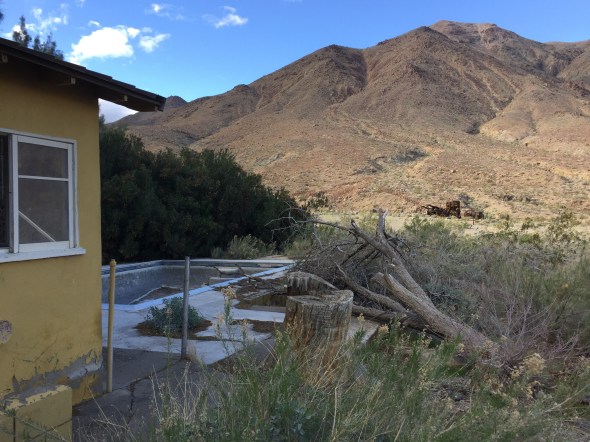
Way out in Death Valley
Three provocative reads about Trumptimes.
First up, this one, from Medium: “4Chan: The Skeleton Key To Trump” by Dale Beren, about 4Chan, Gamergate, and young male Trump supporters:
They disguised their own sensitivity (namely, their fear that they would be, “forever alone”) by extreme insensitivity. The rules, like everything else, were always half in jest. Everything had to be a done with at least a twinkle of winking irony. This was an escape route, a way of never having to admit to your peers that you were in fact expressing something from your heart, in other words — that you were indeed vulnerable. No matter what a user did or said, he could always say it was “for the lulz” (lols). Like (by comparison the tame and sophisticated precursor) “Something Awful” board that spawned it, 4chan defined itself by being insensitive to suffering in that way only people who have never really suffered can — that is to say, young people, mostly young men, protected by a cloak of anonymity. The accepted standard was a sort of libertarian “free speech” banner, in which isolated man-boys asserted their right to do or say anything no matter someone else’s feelings. This meant generally posting pornography, swastikas, racial slurs, and content that reveled in harm to other people.
And this:
It was almost as if all these disaffected young men were waiting for a figure to come along who, having achieved nothing in his life, pretended as though he had achieved everything, who by using the tools of fantasy, could transmute their loserdom (in 4chan parlance, their “fail”), into “win”.
Section 5 of the article is where it really gets going, if you’re strapped for time:
Trump, of course, has made his fortune in a similar manner, with casinos, correspondence courses, and pageants, swindling money out of aspiring-millionaire blue collar workers, selling them not a bill of goods, but the hope of a bill of goods, the glitz and glamour of success, to people who don’t win, or in Trump’s parlance, “don’t win anymore.” As if once, in the mythic past he invented, they did once and soon will again, since at the heart of what he promised was, “you’ll win so much you’ll get sick of winning”. In other words, if we are to understand Trump supporters, we can view them at the core as losers — people who never ever bet on the right horse — Trump, of course, being the signal example, the man obsessed with “losers” who, seemingly was going to be remembered as one of the biggest losers in history — until he won.
The older generation of Trump supporters the press often focuses on, the so called “forgotten white working class”, are in this sense easier to explain since they fit into the schema of a 1950s-style electorate. Like the factory workers in Factotum, the baby boomers were promised pensions and prosperity, but received instead simply the promises. Here the narrative is simple. The workers were promised something and someone (the politicians? the economy? the system itself?) never delivered. Their horse never came in.
This telling of the story ignores the fact that, as Trump often points out, “it was a bad deal”. The real story is not that the promise was never fulfilled. Manny and Hank’s deal with the workers was the same as the factory’s deal with them: the empty promise was the bargain. The real story is not that the horse didn’t come in, it’s that the bet was never placed.
In the first presidential debate, Hillary evoked her conservative father as a way of appealing to the electorate, “My father was a small-businessman.” she said. “He worked really hard… And so what I believe is the more we can do for the middle class, the more we can invest in you…”
No one noted how wildly outdated Clinton’s picture of the average voter was (her father, a suburban business man in the 50s) because we are used to every politician holding up the same faded 65 year old snapshot anytime he or she regards the American electorate. Just like how images of Christmas on Coke bottles and catalogs are forever stuck in the 30s and 40s, so we expect politics to be eternally frozen in the 1950s. That is to say, as a nation still (somehow!) defined by its baby boomers, we understand this era as the baseline for understanding ourselves, considering it, “where we are from”.
But what does the American electorate look like if we put down the snapshot? Peel away how we perceive ourselves from what we actually are? How has that image of a 1950s business man who owns his own home in the suburbs changed after decades of declines in wages, middle classdom, and home ownership?
To younger generations who never had such jobs, who had only the mythology of such jobs (rather a whimsical snapshot of the 1950s frozen in time by America’s ideology) this part of the narrative is clear. America, and perhaps existence itself is a cascade of empty promises and advertisements — that is to say, fantasy worlds, expectations that will never be realized “IRL”, but perhaps consumed briefly in small snatches of commodified pleasure.
Thus these Trump supporters hold a different sort of ideology, not one of “when will my horse come in”, but a trolling self-effacing, “I know my horse will never come in”. That is to say, younger Trump supporters know they are handing their money to someone who will never place their bets — only his own — because, after all, it’s plain as day there was never any other option.
In this sense, Trump’s incompetent, variable, and ridiculous behavior is the central pillar upon which his younger support rests.
This made me think about the Chapo Dudes. Though from the opposite side of the political aisle, their failson language and busted, depressed tone seems somewhere on the same spectrum. Their Twitters are really funny but kinda hopeless and nihilistic.
Trump supporters voted for the con-man, the labyrinth with no center, because the labyrinth with no center is how they feel, how they feel the world works around them. A labyrinth with no center is a perfect description of their mother’s basement with a terminal to an endless array of escapist fantasy worlds.
Trump’s bizarre, inconstant, incompetent, embarrassing, ridiculous behavior — what the left (naturally) perceives as his weaknesses — are to his supporters his strengths.
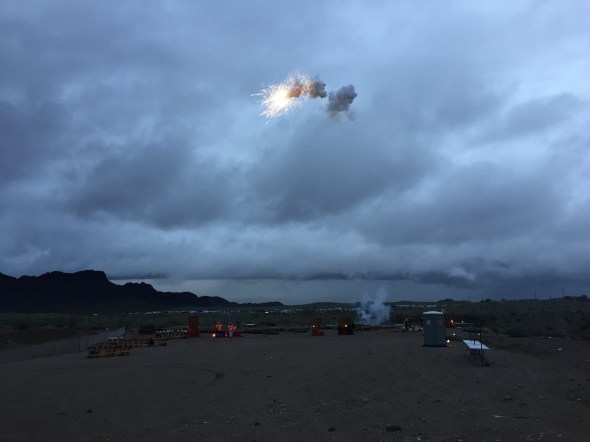
at the pyro festival in Lake Havasu
Next up, “Sanctimony Cities” by Christopher Caldwell in the Claremont Review, “the bible of highbrow Trumpism” says the NYT. (I first found Claremont Review back when Mark Helprin was writing for it, where’s he been? Too much Mark Helperin, not enough Mark Helprin if you ask me). Thought this insight about tribalism was worth hearing:
Any place that has political power becomes a choke-point through which global money streams must pass. Such places are sheltered from globalization’s storms. They tend to grow. Austin, Texas, adds tens of thousands of residents a year, and is now the country’s 11th-largest city. The four richest counties in the United States are all in the suburbs of Washington, D.C. Resources are sucked from almost everywhere into political capitals and a few high-tech centers and university towns allied with them, where ambitious people settle and constitute a class. The Democratic Party is the party of that class, the class of the winners of globalization.
There are now just three regions of the country in which Democrats dominate—New England, California, and the Pacific Northwest. Otherwise, the party’s support comes from the archipelago of powerful New Economy cities it controls. Washington, D.C., with its 93-to-4 partisan breakdown, is not that unusual. Hillary Clinton won Cambridge, Massachusetts, by 89 to 6 and San Francisco by 86 to 9. Here, where the future of the country is mapped out, the “rest” of the country has become invisible, indecipherable, foreign.
And the rest of the country belongs to Trump. Pretty much all of it. Trump took 85% of America’s counties; Hillary Clinton took 15%. Trump even won a third of the counties that voted for Barack Obama twice. In November the New York Times had the idea of drawing up a topographical map for each candidate that showed won counties as land and lost counties as water. Trump’s America looks almost exactly like the actual United States, diminished a bit on the coasts and with a couple of new “lakes” opened up in urban areas. Hillary’s looks like the Lesser Antilles. It is possible to travel coast to coast—from, say, Coos Bay, Oregon, to Wilmington, North Carolina—without passing through a single county that Hillary Clinton won. Indeed there are several such routes. This is the heart of the country and it is experiencing a kind of social decline for which American history offers no precedent. (The economic crises of the 1870s and 1930s were something different.) Here people fall over, overdosed on heroin, in the aisles of dollar stores, and residential neighborhoods are pocked with foreclosures. This country, largely invisible to policymakers until the 2016 election, is beginning—only just beginning—to come into view. Trump was the first candidate to speak directly to the invisible country as something other than the “everyplace else” left over when you drive away from the places that are powerful, scenic, or sophisticated.
Intense:
Trump intuited that the difference between Republicans and Democrats was a tribal one. Feminism and anti-racism had become successful policies not because they convinced voters logically or struck them as sensible, although in many cases they did, but because they conveyed loyalty viscerally. “Breaking the glass ceiling,” for instance, was supposed to be the theme of Hillary Clinton’s victory party on election night at New York’s Javits Center. Her staff chose that venue because it literally has the largest glass ceiling surface in New York. Glass-ceiling rhetoric was not an ethical argument but a war-cry. It was not about women but about our women. When, shortly after the election, Trump named his campaign manager Kellyanne Conway a White House counselor, his press release announced she was “the first female campaign manager of either major party to win a presidential general election,”—which indeed she was! Had ideological feminism rather than tribal loyalty been at issue, this would have been considered an achievement worthy of extensive coverage. It was not.
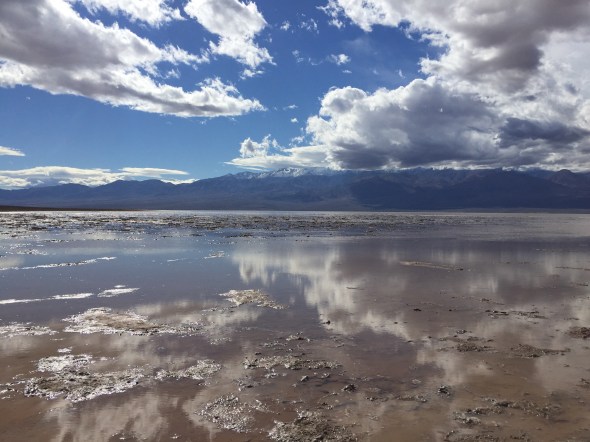
Badwater Basin had rain in it!
Last, “The Shallow State” by David Rothkopf in Foreign Policy:
The shallow state is in many respects the antithesis of the deep state. The power of the deep state comes from experience, knowledge, relationships, insight, craft, special skills, traditions, and shared values. Together, these purported attributes make nameless bureaucrats into a supergovernment that is accountable to no one. That is a scary prospect. But the nature of bureaucracies, human nature, inertia, checks and balances, and respect for the chain of command makes it seem a bit far-fetched to me. (The bureaucracy will drive Trump, like many presidents, mad, and some within it will challenge him, but that’s not the same thing.)
The shallow state, on the other hand, is unsettling because not only are the signs of it ever more visible but because its influence is clearly growing. It is made scarier still because it not only actively eschews experience, knowledge, relationships, insight, craft, special skills, tradition, and shared values but because it celebrates its ignorance of and disdain for those things. Donald Trump, champion and avatar of the shallow state, has won power because his supporters are threatened by what they don’t understand, and what they don’t understand is almost everything. Indeed, from evolution to data about our economy to the science of vaccines to the threats we face in the world, they reject vast subjects rooted in fact in order to have reality conform to their worldviews. They don’t dig for truth; they skim the media for anything that makes them feel better about themselves. To many of them, knowledge is not a useful tool but a cunning barrier elites have created to keep power from the average man and woman. The same is true for experience, skills, and know-how. These things require time and work and study and often challenge our systems of belief. Truth is hard; shallowness is easy.
And:
It is convenient to blame Trump and write this off as a flaw in his character and that of his acolytes and enablers. But, honestly, you don’t get a reality TV show president with no experience and no interest in big ideas or even in boning up on basic knowledge (like the nature of the nuclear triad — after all, it has only three legs) without a public that is comfortable with that … or actively seeks it. Think about the fact that two out of the last four Republican presidents came from show biz (and a third gained a chunk of his experience as a baseball executive). There is no doubt that the rise of the cage-match mentality of cable news has undercut civility in American political discourse, but it has also made politics into something like a TV show. You switch from the Kardashians to Trump on The Apprentice to Trump the candidate in your head, and it is all one. Increasingly shows are about finding formulas that produce a visceral reaction rather than stimulate thoughts or challenge the viewer. That’s not to say that not much is wonderful in the world of media today … but attention spans are shrinking. Social media contributes to this. But the way we consume even serious journalism does, too. Much of it is reviewed in quick snippets on a mobile device. The average visit to a news website is a couple of minutes, the average time spent with a story shorter still. We skim. We cherry-pick.
A long road ahead
Emolument
Posted: February 17, 2017 Filed under: America Since 1945, politics, presidents, Uncategorized Leave a comment
Source: giphy
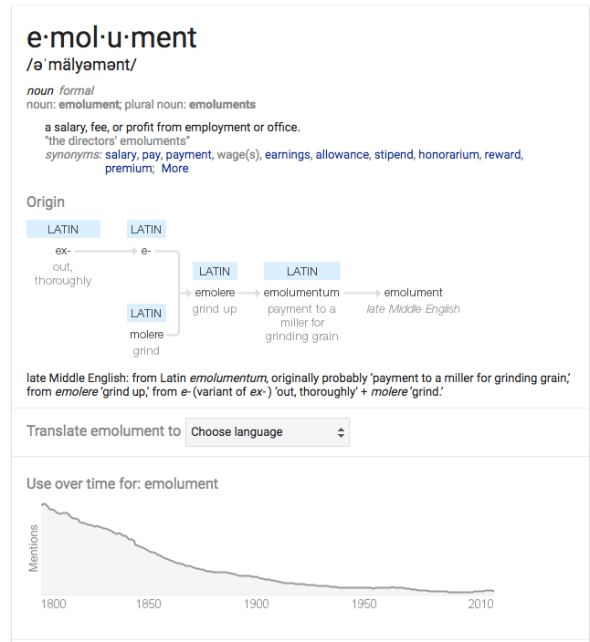
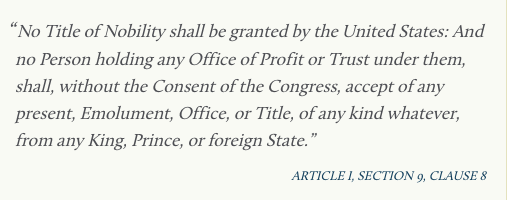
From the Heritage Foundation, about as conservative as it gets:
Similarly, the Framers intended the Emoluments Clause to protect the republican character of American political institutions. “One of the weak sides of republics, among their numerous advantages, is that they afford too easy an inlet to foreign corruption.” The Federalist No. 22 (Alexander Hamilton). The delegates at the Constitutional Convention specifically designed the clause as an antidote to potentially corrupting foreign practices of a kind that the Framers had observed during the period of the Confederation. Louis XVI had the custom of presenting expensive gifts to departing ministers who had signed treaties with France, including American diplomats. In 1780, the King gave Arthur Lee a portrait of the King set in diamonds above a gold snuff box; and in 1785, he gave Benjamin Franklin a similar miniature portrait, also set in diamonds. Likewise, the King of Spain presented John Jay (during negotiations with Spain) with the gift of a horse. All these gifts were reported to Congress, which in each case accorded permission to the recipients to accept them. Wary, however, of the possibility that such gestures might unduly influence American officials in their dealings with foreign states, the Framers institutionalized the practice of requiring the consent of Congress before one could accept “any present, Emolument, Office, or Title, of any kind whatever, from…[a] foreign State.”
Meanwhile I read the news:
China awards Donald Trump valuable trademark deal
Donald Trump sons set for UAE visit to open Trump International Golf Club Dubai
(A fun aspect to the Trump deal is: feels like every Joe and Josephine on Twitter is rapidly presenting themselves as a self-taught expert on like intelligence practices and the Ninth Circuit and what “emoluments” means.)
A thing I don’t understand: there must be at least one or two of the 248 Republican congressmen who’ve fantasized since youth about a chance to go full Profiles In Courage.
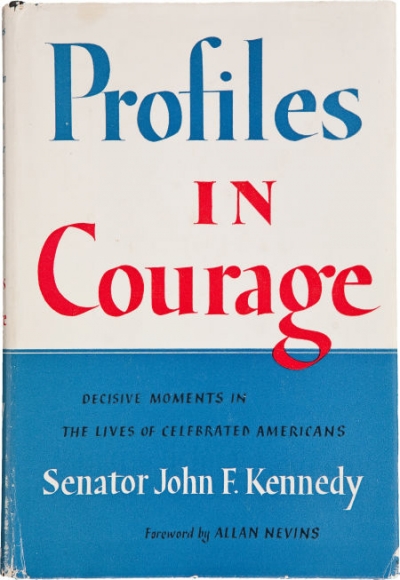
Here’s your chance bro! Take on your scumbag President, go down for it, live on! Are they all too lame? (Update: a possible candidate)
Anyway. A chance to revisit famous mills of my youth:
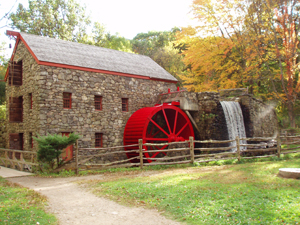
Wayside Grist Mill, Sudbury, MA
Cambridge Analytica
Posted: February 14, 2017 Filed under: politics, presidents Leave a comment
from CA’s website
Remarkably reliable deductions could be drawn from simple online actions. For example, men who “liked” the cosmetics brand MAC were slightly more likely to be gay; one of the best indicators for heterosexuality was “liking” Wu-Tang Clan. Followers of Lady Gaga were most probably extroverts, while those who “liked” philosophy tended to be introverts.
Interested by this article by Hannes Grassegger and Mikael Krogerus in Motherboard about mysterious data company Cambridge Analytica. These don’t seem like especially amazing conclusions to draw.
What about this:
The 70-year-old Trump is not digitally savvy—there isn’t even a computer on his office desk. Trump doesn’t do emails, his personal assistant once revealed. She herself talked him into having a smartphone, from which he now tweets incessantly.
History’s greatest criminal?
Wild to think of this dark force coming out of Cambridge University.
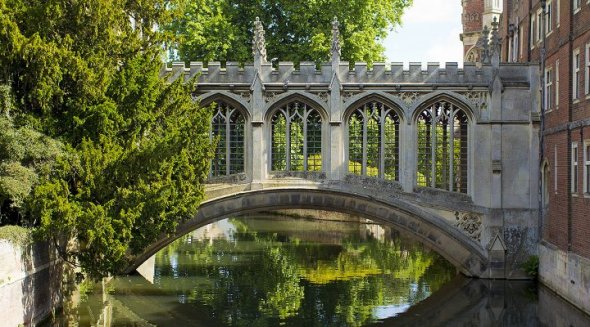
And how does this outfit connect to Oxford Analytica, founded by Kissinger assistant David Young?
Not loving the news I see on the Oxford Analytica Daily Brief lately.
Let’s keep this simple
Posted: February 12, 2017 Filed under: America Since 1945, politics, presidents Leave a comment
[National Security Advisor Michael] Flynn repeatedly called the Russian embassy in Washington to discuss the transition. The White House has denied that anything substantive came up in conversations between Flynn and Sergei Kislyak, the Russian ambassador.
That was a lie, as confirmed by an extensively sourced bombshell report in TheWashington Post, which makes clear that Flynn grossly misrepresented his numerous conversations with Kislyak—which turn out to have happened before the election too, part of a regular dialogue with the Russian embassy. To call such an arrangement highly unusual in American politics would be very charitable.
so says The Observer which is controlled by the President’s son in law?
What the fuck is happening?
Public Land, Part Two: What Happened with H. R. 621
Posted: February 12, 2017 Filed under: America, politics, the American West, the California Condition Leave a commentWe can’t all be experts on every outrage that’s going to come along. At Helytimes we’ve taken on the issue of
Our Public Land

up in the national forest
the land owned by the US government in the form of national parks, national forests, national monuments, and much more.’ The land we, the American People, own together, in other words.
Part One covered HJ Res 46, which proposes to ease up the rules for oil, gas, and mineral drilling and extraction in our national parkland.
Part Two:
Victory on H. R. 621 and What We Can Learn From It
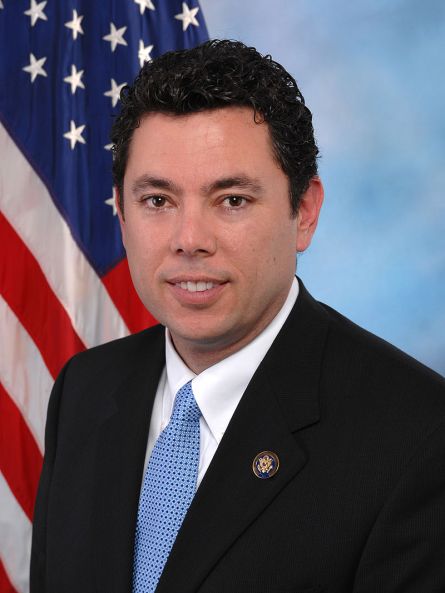
Meet Utah Congressman Jason Chaffetz
You may have heard of him, he was in the news this week catching hell at his town hall:
You may have seen some these videos on Twitter.
Chaffetz is an interesting character.
- Born to a Jewish family in California
- he was the placekicker on BYU’s football team.
- Married a Mormon woman and converted to Mormonism.
- Utah campaign manager for Michael Dukakis in 1988
- at some point he became a Republican. Possibly after meeting Ronald Reagan in 1990 (when, remember, Reagan had a decent degree of dementia)
- Ran an aggressive Tea Party-style primary campaign in 2008 against a longtime Utah Republican, Chris Cannon, and knocked him out
- An aggressive Benghazi investigator
- Was all over the map on Trump: endorsing, unendorsing. In the end he did vote for him
- Has made it difficult for the residents of Washington DC to implement the legalization of marijuana they voted for
Here’s a funny article by Thomas Burr in the Salt Lake City Tribune about Chaffetz involving himself in DC local politics, and then getting payback where some DC politicians are like “fine Utah bitch you gonna tell us how to run our city then help us fix our potholes.”
Today though, we’re going to focus on a bill he introduced that comes up in the town hall.
H. R. 621: Story of a Victory
On Jan 24, Chaffetz introduced H. R. 621, which he titled “Disposal of Excess Federal Lands Act of 2017” which proposed to “dispose” – sell off – some land that is owned by you and me.
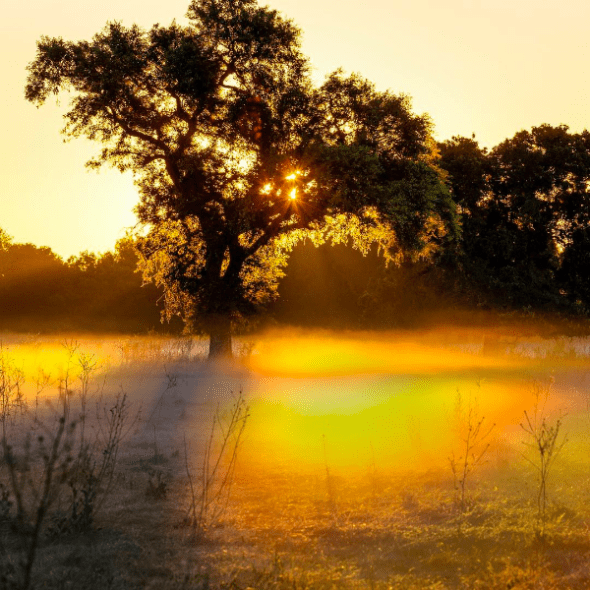
“The Cosumnes River Preserve is home to California’s largest remaining valley oak riparian forest, and is one of the few protected wetland habitat areas in the state.” Photo on BLM instagram by the legend, Bob Wick
Let’s back up.
Do the Republicans Want To Sell Off Our Land?

Is this true? Will Trump / The GOP Sell Off Our Public Land?!

JTree by Helytimes
My take: they definitely tried to do so. Given nearly complete power after the 2016 election, it was a top priority for several Republicans.
The rush to sell off public land has been beaten back, for now.
There’s a lot to learn from what went down about how to win against the Republican Party of Donald Trump.
Bias: Love for national lands
I love national lands. I love national parks and national forests and national historic sites and national seashores. I love national monuments and national battlefields.

Minuteman National Historical Park
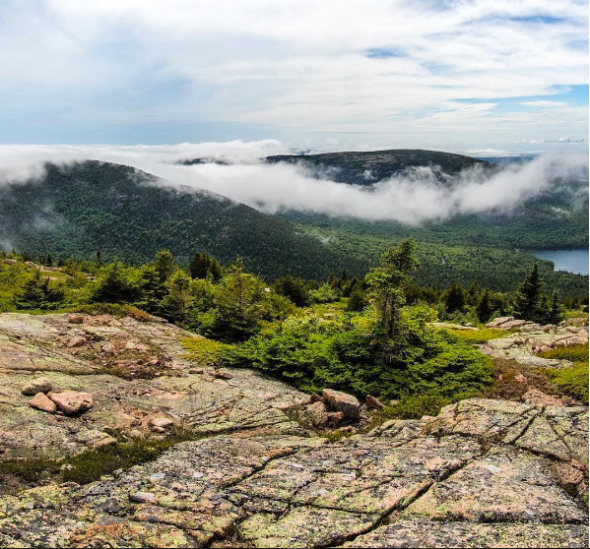
from Acadia National Park’s Instagram
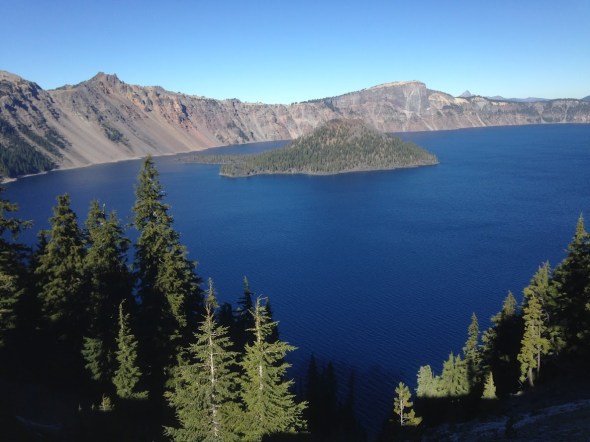
Crater Lake
The best of the United States is on display in a US Park Service uniform.

from the NPS instagram
The National Parks are the gems. Most federal land is not like this at all.
How much land does the federal government
– the US –
– us –
own?
The federal government owns a huge amount of land. For instance, the federal government owns about 84% of the total land area of Nevada.
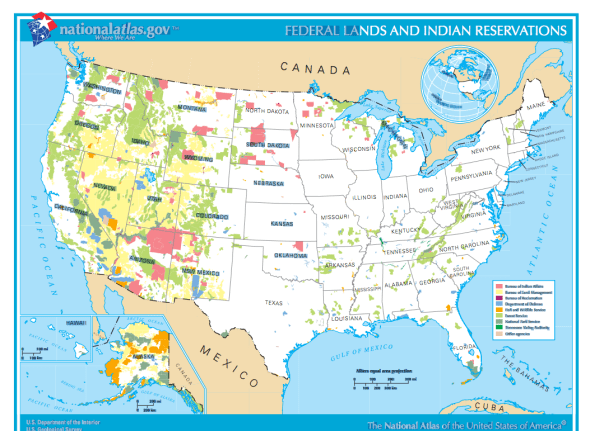
Here is federal land ownership in California:

The federal government owns 47% of California.
As you can see, this is a much different issue for some states than others. Here is Utah:
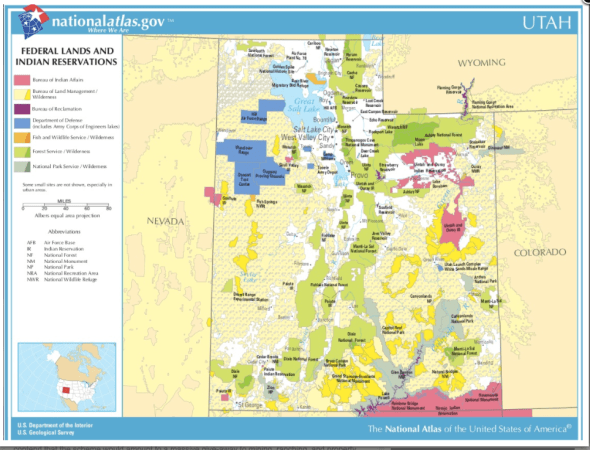
The feds own 66.5% of Utah.

from Boston Kayaker
The feds own a mere .8% of Rhode Island, mainly coastal scrubland.
Getting all that from this great piece in the Deseret (UT) News by Jackie Hicken.
All told the federal government owns about 28% of the nation’s total surface, 2.27 billion acres.
Isn’t that crazy?
Here is a reasonable position:
The federal government shouldn’t own that much land. It’s not in the Constitution as a job for the federal government to own a buncha land.
Here’s a sample of that take:
Now: I think Lars Larson may even have a point about cutting down forests. Forestry is a science, I’m not well-informed enough to opine on it except to say I believe any forester will tell you burns are part of a life cycle of a forest.
But I disagree with Lars Larson on his first part. Because when we say “the government owns this land,” really we mean we own this land. What could be more “the people’s land” than land we all own together? “Give the people’s land back to the people?” It already is ours!
You and me. The taxpayers. The voters. The government is just us.
What Are The Kinds Of Our Lands?
Here are the percentages of our land, broken down by which agency manages them for us. The “Big Five”:
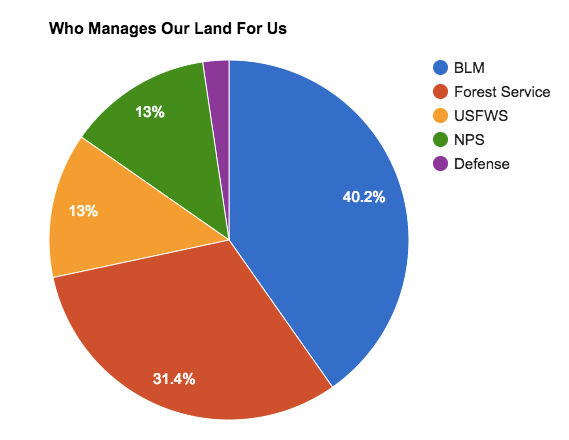
Proud of this chart I made.
(getting my data from here, from 2013. The pie would be slightly bigger if we included the Department of Energy, and there’s the Indian reservations, but that’s a whole other thing.)
As you can see, the National Park Service owns a mere 13% of US federal land.
National Park Service handles:
- National Parks
- National Monuments
- National Preserves
Plus battlefields, historic sites, seashores, etc. As I understand it, the only way to get rid of these would be to pass a bill through both houses of Congress and have the president sign it. A cool power of the President is that he can create a National Monument out of any existing federal land. Obama did this often.
The Forest Service under the Department of Agriculture handles:
our National Forests.
The US Fish and Wildlife Service handles:
our National Wildlife Refuges. (Their slice of the pie gets way bigger if you count marine acres.)
There are National Wildernesses, administered by various different folks because they’re usually part of some other land.
There’s lots of land owned by the Department of Defense,
Air Force, Marine Corps, and Army bases and such. The Navy owns a surprising amount of inland land here in California for dropping bombs on.
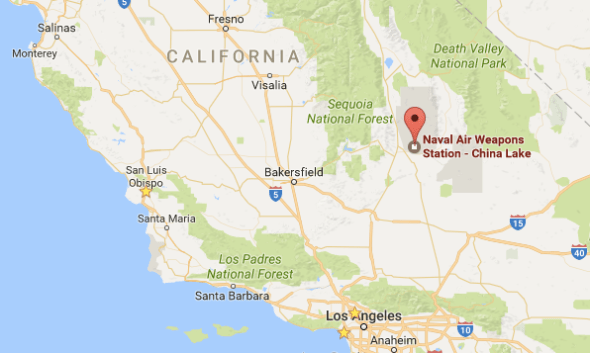
And there is a bunch of leftover extra land, BLM land, managed by the Bureau of Land Management.
The BLM owns about 47% of the west and one-eighth of the land of the United States.
(Here’s a good Gizmodo article by Wes Siller about this same topic).
The biggest chunk of public land is BLM land
On a trip to California in 2002 or so the Jeppson-Gamez brothers took me to some BLM land. I learned you can shoot a gun and drive a Jeep and do whatever the fuck you want on BLM land. What a great privilege as an American.
Here’s some BLM land in California:

from BLM’s instagram
Here are some facts:
A lot of federal land is already used, mined, logged, grazed, and exploited now
There’s logging in national forests, and mining and grazing on BLM land. The major operating principle for BLM land law is “multi use.” Please correct me if I’m wrong, I’m no expert just an interested citizen, but I believe most BLM rules stem from the Federal Land Policy and Management Act of 1976.
The National Forest Service, National Park Service, and now, the Bureau of Land Management, are commissioned in FLPMA to allow a variety of uses on their land (of greater concern for the BLM, who is the least restrictive in terms of uses) while simultaneously trying to preserve the natural resources in them. This concept is best summarized by the term ‘multiple-use.’ ‘Multiple use’ is defined in the Act as “management of the public lands and their various resource values so that they are utilized in the combination that will best meet the present and future needs of the American people.”
Who should handle this junk land has a long, contentious history
Here is a readable summary of some history on the subject. Who should own and manage land that looks like this?:

Should the states manage it? In the Depression the states didn’t want it.
Fights over which of the multiple uses should be favored come up all the time. The most newsworthy fight in recent years on this topic, the weird Oregon standoff originated with Nevada rancher Cliven Bundy’s dispute with the BLM over grazing his cattle on their lands:
the dispute started in 1993, when, in protest against changes to grazing rules, Bundy declined to renew his permit for cattle grazing on BLM-administered lands near Bunkerville, Nevada. According to the BLM, Bundy continued to graze his cattle on public lands without a permit. In 1998, Bundy was prohibited by the United States District Court for the District of Nevada from grazing his cattle on an area of land later called the Bunkerville Allotment.
Cliven Bundy refused to recognize federal ownership of the land, claiming it rightfully belonged to Nevada, which would maybe be chiller about letting him graze his cattle there.
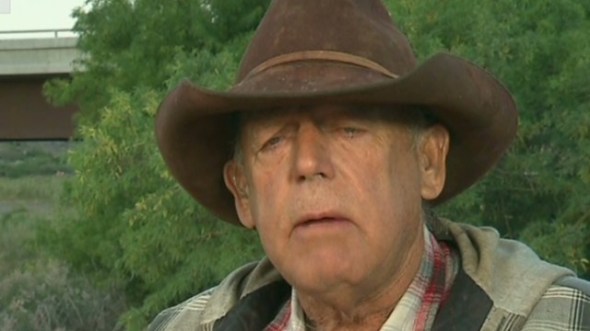
Cliven, found on this CNN piece: Cliven Bundy says he’s not racist
This being the USA, Cliven’s stand led to, a few years later, Bundy’s sons sitting around with guns at a remote bird refuge while Dad reflected on his views on “the Negro“:
they abort their young children, they put their young men in jail, because they never learned how to pick cotton. And I’ve often wondered, are they better off as slaves, picking cotton and having a family life and doing things, or are they better off under government subsidy?

Where does the GOP Congress stand on federal land ownership?
All over the place, is the answer.
1) the Republican Party’s platform supports returning some federal land to the states.
See here for a Snopes breakdown of this. Here’s the language on federal land transfer in the Republican Platform:
The federal government owns or controls over 640 million acres of land in the United States, most of which is in the West. These are public lands, and the public should have access to them for appropriate activities like hunting, fishing, and recreational shooting. Federal ownership or management of land also places an economic burden on counties and local communities in terms of lost revenue to pay for things such as schools, police, and emergency services. It is absurd to think that all that acreage must remain under the absentee ownership or management of official Washington. Congress shall immediately pass universal legislation providing for a timely and orderly mechanism requiring the federal government to convey certain federally controlled public lands to states. We call upon all national and state leaders and representatives to exert their utmost power and influence to urge the transfer of those lands, identified in the review process, to all willing states for the benefit of the states and the nation as a whole. The residents of state and local communities know best how to protect the land where they work and live. They practice boots-on- the-ground conservation in their states every day. We support amending the Antiquities Act of 1906 to establish Congress’ right to approve the designation of national monuments and to further require the approval of the state where a national monument is designated or a national park is proposed.
Key word there is “certain”?
I think it’s possible to be passionate about maintaining our treasured national land, and still think some federal land could be better managed by the states.
There’s a lot of wack stuff in the GOP platform, like this:
A Republican administration should streamline personnel procedures to expedite the firing of bad workers, tax cheats, and scammers.
Obviously they’re not worried about the Commander in Chief who won’t release his tax returns. Maybe they will be similarly hypocritical about conveying federally controlled land to states.

Ah-Shi-Sie-Pah Wilderness Study Area in New Mexico
2) the Republican Congress changed rules to allow the federal government to give up land while counting it as “budget neutral”
Meet Rep. Rob Bishop of Utah:

A Republican Congressman. He is apparently responsible for a change in House of Representatives rules. Now, I don’t know anything about House budgeting rules. This article, from The Salt Lake City Tribune, written by Juliet Eilperin, seems fair and clear:
Under current Congressional Budget Office accounting rules, any transfer of federal land that generates revenue for the U.S. Treasury — whether through energy extraction, logging, grazing or other activities — has a cost. If lawmakers wanted to give land-generating receipts to a given state, local government or tribe, they would have to account for that loss in expected cash flow. If the federal government conveys land where there is no economic activity, such as wilderness, there is no estimated cost associated with it.
But House Natural Resources Committee Chairman [Rob] Bishop [Republican Congressman of Utah], who backs the idea of providing state and local officials with greater control over federal land, has authored language in the new rules package saying any such transfers “shall not be considered as providing new budget authority, decreasing revenues, increasing mandatory spending or increasing outlays.”
This was the same rules package that had the ethics loosening thing that got people to call their reps in an effective show of democratic displeasure. Here is a much-tweeted Guardian article on the topic.
There’s lots about public land on Rob Bishop’s website. One issue that seems to bother Rob Bishop in particular is Wilderness Study Areas. And I agree they represent the complex mess of interests when you deal with public land.
A Case Study: How A Wilderness Study Area Becomes A Wilderness
The Wilderness Study Areas are roadless sections of land that the BLM puts a hold on until Congress decides whether to designate them as wilderness or not.
Here’s my personal favorite:

Here’s what Rob Bishop says:
For decades, unsettled land-use designations, such as wilderness study areas, have fueled distrust and acrimony. The uncertainty about the future of these lands created conflict amongst those favoring differing types of uses. The diverse uses of public lands have an important role in making Utah healthy, viable, and inviting. The future of the state depends on a responsible balance of both conservation and development.
There are 86 Wilderness Study Areas in Utah. Myself, I think we should err on the side of keeping wildernesses — once they’re gone, they’ll never come back.
Once you’re a WSA, you either become a Wilderness, federally protected, or you get dropped and you can get chopped up and mineraled and whatnot like any old BLM land. Or you get downgraded to Conservation Area, or some other designation.
The most recent Wilderness Study Area bill I can find in Congress was from last year, when some WSAs inside federal conservation areas were proposed to get dropped. It’s been referred to committee. Here’s an article about it, it sounds like a complicated issue.
You can see how this all gets pretty slow-moving and bureaucratic.
Maybe Rob Bishop has a point
The bottom line of what Rep. Bishop wants to do is made pretty clear on his website:
Congressman Bishop’s views on public land use differ from mine, why should I trust that this is a good faith effort to make new conservation areas?
Congressman Bishop is committed to conservation and economic development as part of the Public Lands Initiative. Throughout his career, Congressman Bishop has had a strong record of both conservation and development. The Cedar Mountain Wilderness area was created in 2006 after Congressman Bishop facilitated a locally-driven, collaborative process similar to the Public Lands Initiative. As a former high school teacher, Congressman Bishop also has pushed for increased energy production in Utah to help support and fund public education. Congressman Bishop is committed to elements of both conservation and development as part of any Public Lands Initiative legislative proposal.
How will the state of Utah benefit from this?
The state of Utah’s public education system will benefit from increased energy and mineral production. Public land users will benefit from the regulatory certainty that comes from congressionally designated lands. Local governments will benefit from revenue generated from multiple use of the land, including recreation, mineral development, and energy production. The outdoor recreation businesses will benefit from the improved certainty about land use and conservation. Future generations will benefit by having responsible policies that utilize the land in the most responsible and reasonable ways that make sense now and into the future.
Here’s more:
Proponents argue, however, that taking the federal government out of the picture will help the budget and offer economic benefits for the many communities located near federally-guarded land.
“In many cases, federal lands create a significant burden for the surrounding communities,” Molly Block, spokeswoman for the House Natural Resources Committee, said. “Allowing communities to actually manage and use these lands will generate not only state and local income tax, but also federal income tax revenues.”
That’s from this UPI article by Stephen Feller and Doug C. Ware.
Look, Rob Bishop’s there in Utah. Maybe he knows best what should happen with this land. In tough Western areas he could see roped off federal preserves with no clear purpose, and point out those could be jobs and money for his district, or even just better managed wilderness under local control.
BUT:
Why shouldn’t disposed-of land be marked as a loss to the federal revenue, when it is? Isn’t this a form of the federal government lying to itself? Lying to its citizens? As an American taxpayer, I don’t see how this rather sneaky accounting change is at all good for me.
Plus what the hell?! This land belongs to us, American citizens. These guys want to sell away our inheritance?
High Desert News‘ Elizabeth Shongren puts it clearly:
Previously, when Congress wanted to transfer public lands managed by the Forest Service, Bureau of Land Management or other federal agency, the Congressional Budget Office, Congress’ research arm, calculated the cost to the U.S. Treasury by computing what revenues the lands provide over 10 years, such as grazing fees or oil and gas royalties. Under House rules, before a bill approving a transfer could be adopted, budget cuts would have to be made in other federal programs equal to the value of that land. The rules change eliminates that budgetary barrier to land transfer bills.
I’d have to explore this more, but I have a feeling the House somehow tied itself into knots on spending and budgetary rules to make various political points, and is trying to untangle this particular aspect so they can get rid of public land.

Can the government sell off our treasured national lands?
Yes, but it’s not that easy.
Let’s start with the BLM. Can the BLM sell off their land? From their website:
How are these lands selected for sale?
The law states that the BLM can select lands for sale if, through land use planning, they are found to meet one of three criteria: 1) they are scattered, isolated tracts, difficult or uneconomic to manage; 2) they were acquired for a specific purpose and are no longer needed for that purpose; or 3) disposal of the land will serve important public objectives, such as community expansion and economic development.
More:
The BLM does not offer much land for sale because of a congressional mandate in 1976 to generally retain these lands in public ownership. The BLM does, however, occasionally sell parcels of land where our land use planning finds disposal is appropriate.
Of the Big Five Agencies, only DoD and BLM lost land between 1990 and 2013 (again, source here). In those years, the BLM went down by 24, 777, 190 acres.
Where did those acres go?
This decline in Alaska is largely the result of the disposal of BLM land, under law, to the State of Alaska, Alaska Natives, and Alaska Native Corporations.
Seems fine to me. The Congressional Research Service goes on:
With regard to disposal, the NPS and FWS have virtually no authority to dispose of the lands they administer, and the FS disposal authorities are restricted.
Last big push to dispose of national lands failed. It was HR 350: State National Forest Management Act of 2015, introduced by Rep. Don Young of Alaska.

Didn’t pass.
HR 621: Story of A Victory
Let’s return to Utah rep Jason Chaffetz:
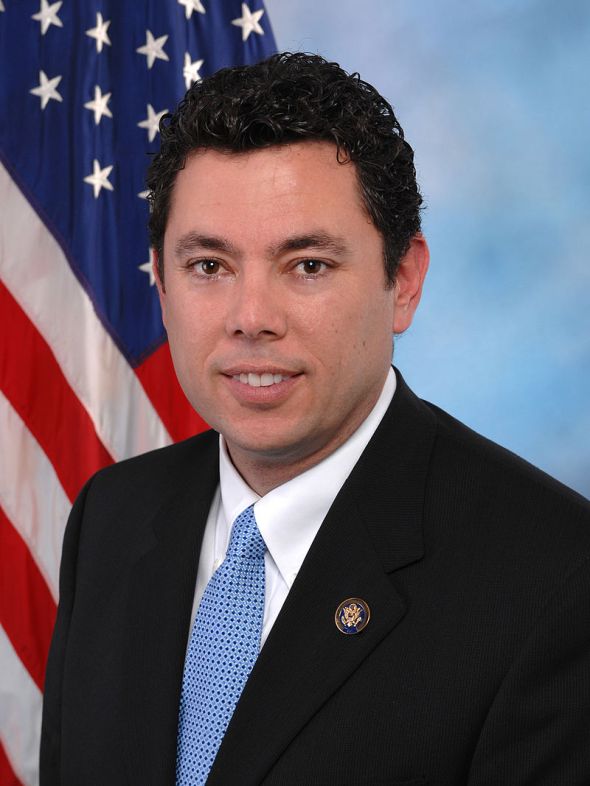
Which land did he try to sell away?
Great question.
It’s not immediately clear. Chaffetz’s website links to a 1997 report of disposable lands. Ryan Krogh at Men’s Journal identifies some of the choice land included in the 1997 report:
State: Wyoming
County: Sheridan
The Potential Land: 35,200 acres of BLM-managed land in the Powder River Basin, which is just east of the Bighorn Mountains, popular with hikers, campers, horseback riders, and hunters.
Here’s what’s going on on BLM land in the Powder River right now:

Powder River, from a BLM website
State: Wyoming
County: Park
The Potential Land: 27,300 acres surrounding the Shoshone River, a popular fly-fishing stream in northern Wyoming. Most of the BLM-managed land in Park County is downstream of the town of Cody, which sits between the Big Horn, Owl Creek, Bridger, and Absaroka mountain ranges. Tourism is the town’s primary industry.
State: Oregon
County: Harney
The Potential Land: 44,000 acres in a county that’s home to Steens Mountain, a 9,733-foot peak that’s popular with campers and hunters, and Malheur National Forest.
State: New Mexico
County: Catron
The Potential Land: 25,000 acres that contain “cultural resources,” meaning it’s probably home to pueblo ruins. The land is most likely a giant tract southwest of the town of Quemado, and some of the land abuts the Gila National Forest, home to the endangered Mexican gray wolf, the Gila trout, and some of the best elk hunting in the U.S.
State: Colorado
County: Montrose
The Potential Land: 2,105 acres that is home to endangered species and “historic/cultural resources.” The surrounding area contains the Gunnison Gorge, famous for its rafting and fly-fishing trips, and Uncompahgre National Forest, which is home to elk, mule deer, bighorn sheep, and mountain goat.
State: Nevada
County: Elko
The Potential Land: 208,900 acres that contains endangered species, historic resources, and is home to “wetlands/floodplain.” BLM-managed land makes up a giant percentage of land in Elko County, but exactly what land is up for consideration is unclear, or what the effects might be.
State: Arizona
County: Mohave
The Potential Land: 23,525 acres with mining claims and historic resources. A comment attached to the description notes that the land is “classified as habitat for the Desert Tortoise (a sensitive species).”
Now I heard about this, and I was pissed, because this land belongs to me. And you. And us. Any time we wanna go there, it’s there.
And Jason Chaffetz tried to sell it off.
Backcountry Backlash
Well this did not play. Word spread via strong, aggressive groups like Backcountry Hunters & Anglers:
Google HR 621 and you fill find angry, mobilized publicity from groups like TheMeatEater.com, BowHunter.com, WiredToHunt (“Deer Hunting Strategies for the Next Generation”), and TexasBowhunter.com.
There were rallies in Helena, MT and Santa Fe, NM which BHA says drew a thousand people.
Chaffetz backed down by last night — six days after introducing the bill:
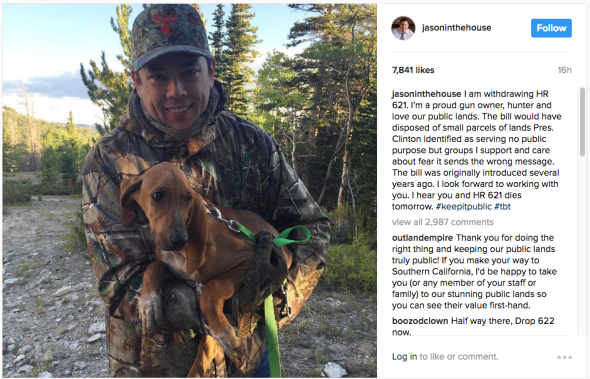
What can we learn from the defeat (for now) of HR 621?
- Strong, organized, motivated, attentive citizens can win, easily, on issues that matter.
- Play to a politician’s fears. Jason Chaffetz got to Congress by primarying a guy in his own party. He’s got to watch his back constantly. His greatest fear has got to be somebody doing to him what he did to Chris Cannon, outrunning him on the right.
- Push the pushable. Chaffetz wasn’t moved by people who would never vote for him. He was moved by hunters and fishermen, people who probably would vote for him, as long as he doesn’t fuck them on something they care about.
- Look at the focus on these groups: bow-hunters, meat-eating hunters. They have clear interests, goals, and passions. They follow their issues and inform each other.
- Powerful allies. Look at the sponsors for Backcountry Hunters and Anglers. These are big corporations with big interests in keeping their customers happy and hunting and fishing. Yeti coolers has a partnership with MeatEater.com. What are rich companies that have interests that could align with yours?
- Specific targets. They learned something from all that bow-hunting.
- See how fast and aggressively they responded to the slightest hint of a challenge and you can get an answer to the seemingly baffling question of why gun control bills get crushed so easily. Strong, organized people are paying attention to the slightest threat to their gun rights and they do not let up.
The Trump hurricane has achieved an effect of constantly shifting focus. When we compare what bow-hunters did to the stammering, confused, bafflement of the Hollywood libtards we follow on Twitter, and my own flabbergasted reactions, we realize we have much to learn from Texas bow-hunters on how to stay focused on a few issues that matter to us most.
The biggest lesson:
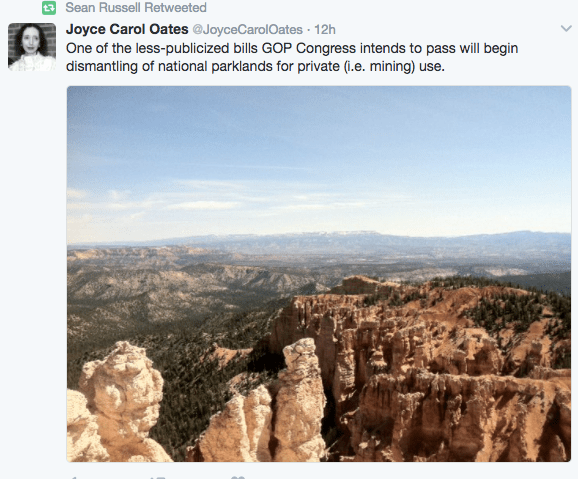
This issue brought together, on the same side, Joyce Carol Oates:
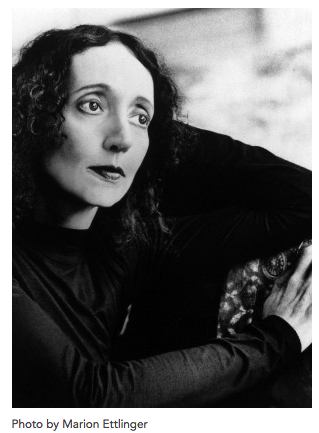
and these kind of guys:

And the bros on the Texas Bowhunter forums.
They’re both passionate on the same side on this issue.
For me, the strongest takeaway is don’t insist on too much ideological purity.
Build coalitions on issues you care about.
That is the way to win in politics.
Plus who do you think Jason Chaffetz is most scared of?

I’m guessing it’s this kinda guy? (seen here killing a huge deer with a bow and arrow).

This guy and I may have different ideas about what to do with the land we share.
But we share an interest. We can team up.
One of the most illuminating things I read about the election was “David Wong”‘s piece on Cracked.com about the rural vs. urban divide. Here I am very far from Powder River, WY. The odds of me visiting it in the next ten years are small (but real). But here I am allied with people who live near there and use it all the time.
Gotta Hear Both Sides
Look, it’s fair to say maybe we should sell off some public land. The clearest expression I found of this ambiguity was put up by this poster on TexasBowhunter.com — I hope user 175gr7.62 won’t mind me quoting him, I think it’s a valid take (encourage you to read him in context):
I’m torn on it. The Constitutional side of me says the Fed should have never owned it anyway. The Constitution says the government can acquire and retain land necessary for carrying out its enumerated powers. This includes parcels for military bases, post offices and buildings to house federal employees undertaking enumerated functions. I don’t think anything the BLM or Forest Service does counts as anything enumerated. Several Supreme Court cases have said the govt can own it but I think that’s just case law.
The hunter in me said it could be bad if the Feds sell the land because it could be bought by a private citizen who can then prevent its use. That being said, if they sell it and I don’t have the money to buy it that’s my fault…I should have gotten a better education or made better investment decisions.
Tough call.
Reasonable people can disagree on how public land should be managed and who should managed it.
What bothers me, and what puts me on edge, is the sneakiness of what Bishop and Chaffetz appear to be doing.
And the misguided priorities. This is the first thing they got to post-election.
Well, Chaffetz at least got called to the carpet for it.
A Passionate Plea
Here’s a full video of Jason Chaffetz’s town hall. Listen to this guy at 11:39 say our free public lands are all he has.
Please write to us (helphely at gmail or in the comments) if we got something wrong or you have a strong take.
These are complicated issues, I did my best and in good faith but it’s easy to make an error.
In our Next Installment:

Part Three: Strange Allies.
And why this:

is better than this:

A real shot
Posted: February 8, 2017 Filed under: America Since 1945, politics, presidents Leave a comment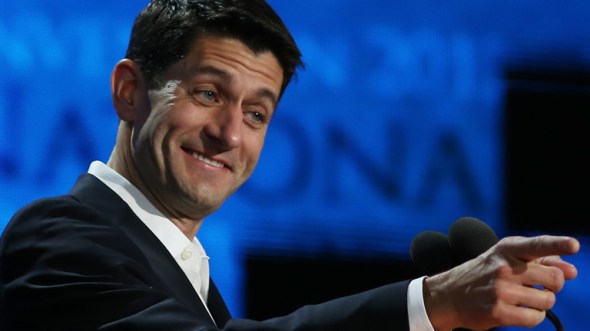
Ryan then took questions. This was the first one: “The President made some new false statements yesterday, notably that there are major terrorist attacks that the media, essentially, isn’t covering. Are you getting concerned at all about his grasp of the truth?”
Ryan shrugged his shoulders.
[…finally he answers]
“Look,” he said. “I’m going to do my job. I’ll let you guys do yours with respect to how you report, or what you don’t report. The problem is we do have a war on terror in front of us. We do have isis trying to conduct terror attacks across the globe. This is a real serious problem. And what I am focussed on is doing our job and making sure our law-enforcement authorities, our military, have the tools to keep us safe.”
from this NYer piece by the great John Cassidy.
Paul Ryan has a real shot at going down in history as a pristine example of cynical soul-selling.
Are the Republicans really for:
- the importance of virtue, morality, religious faith, stability, character and so on in the individual
- sexual morality or what came to be termed “family values”
- the importance of education to inculcate good character and to teach the fundamentals that have defined knowledge in the West for millennia
- societal norms and public order
- the centrality of initiative, enterprise, industry, and thrift to a sound economy and a healthy society
- the soul-sapping effects of paternalistic Big Government and its cannibalization of civil society and religious institutions
- a strong defense and prudent statesmanship in the international sphere
I didn’t pluck those out of thin air, those are exactly what Michael Anton, Bannon advisor, says conservatives should be for in this essay, The Flight 93 Election, his pre-election argument for DT.
Is DT making things better, stronger, or greater on any of those fronts? How’s his prudent statesmanship? What message does he send on virtue, morality, character, stability? He’s rich (maybe) but does he demonstrate industry and thrift? How’s he on education to inculcate good character and teach the fundamentals that have defined knowledge in the West for millennia? “Family values?”
The Republican Party did this to us. Reince Priebus, Trump chief of staff, is an old Wisconsin buddy of Paul Ryan.
The best case is Paul Ryan is trading all the other values for fighting “the soul-sapping effects of paternalistic Big Government and its cannibalization of civil society and religious institutions” but even he must know by now he’s fighting cannibalism by signing up with a bigger, worse cannibal.
Best case for Ryan is he makes it harder for people to pay for health care first.
Good luck! Get ‘im, Scott Pelley!
We are better than this
Posted: February 6, 2017 Filed under: America Since 1945, politics, presidents Leave a comment
User magicpiano on Wikipedia
NOTE: Per a conversation with a Catholic sister in New Hampshire who sometimes teaches Helytimes posts to her advanced English class, I’ve cleaned up some language here.
The goal should be to raise the discourse.
62,418,820 Americans voted for him. All those people are not dumb jerks.


Many bad people in my experience end up with exactly the punishment they deserve
This is a mess and a shame.
Part of our job as citizens for the rest of our lives will be undoing this disgrace and bringing some honor back to this country. USA has done much that’s staggeringly, tears to your eyes amazing and heroic and noble.

photo of John Young by Charlie Duke
This work sucks, because I’m very lazy and have other things I’d rather do and preferred when my civic responsibility was minimal.
Counterpoint from Rabih Alameddine about whether we are better than this or not. He tells a beautiful story at the end.
 Helytimes


