Mysterious Antiquities of Ireland
Posted: May 13, 2018 Filed under: Ireland Leave a comment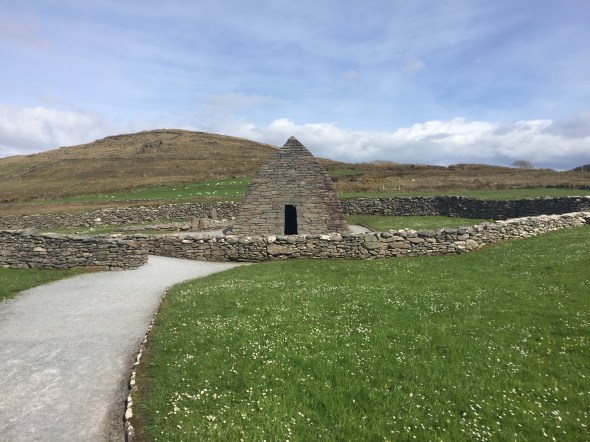
Way out there in the Dingle peninsula they’ve got the Gallarus / Gallros / Ghallrois:
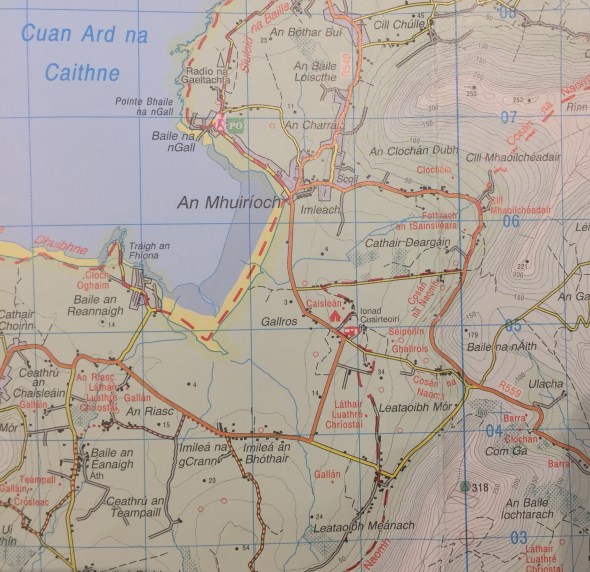
What is it?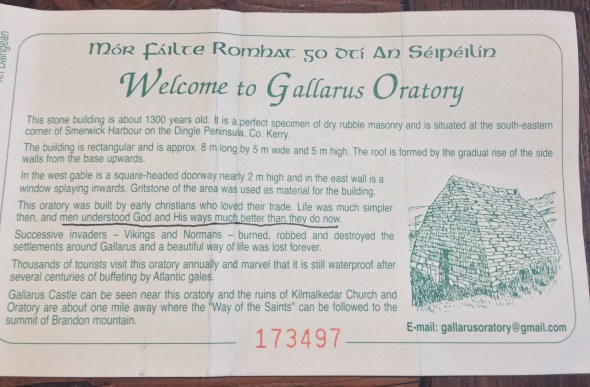
The oratory was built by early christians who loved their trade. Life was much simpler then, and men understood God and His ways much better than they do now

The construction is impressive. 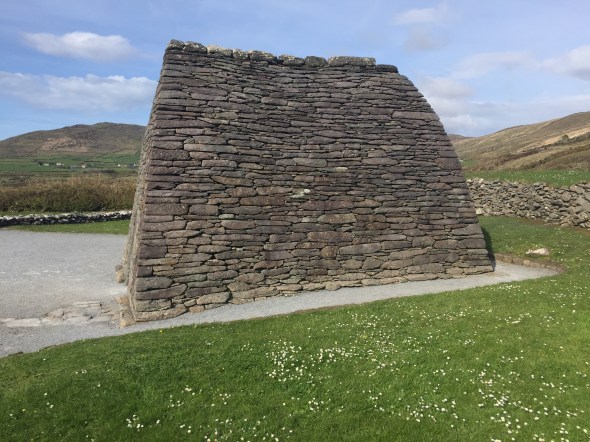
Wikipedia only adds to the mystery:
Dates and uses
Minor trial cuttings carried out at Gallarus in November 1970 yielded no finds or evidence of features or activity which might shed light on the period of construction and use of the oratory.
An early Irish stone church
Antiquarian Charles Smith[7] is the originator of the claim that the building is an early Irish stone church although no historical information is available prior to 1756 regarding its use.
Gotcha. It more or less “appears” in written history in 1756? This area, while beautiful, is remote. People still speak Irish there now, can only imagine what it was like in 1756
A Romanesque Church
In 1970, archaeologist Peter Harbison argued that the oratory might have been built as late as the 12th century for a number of reasons, mainly because the east window has a rounded top made of two carved stones (not a true arch).
Hmm! Arch evidence.
A private funerary chapel
Harbison also produced some evidence pointing to a later date and a different use: a letter by English traveller Richard Pococke who visited the oratory in 1758, two years after it was discovered by Charles Smith:[10] “Near this building they show a grave with a head at the cross of it and call it the tomb of the Giant; the tradition is that Griffith More was buried there, & as they call’d [it] a chapel, so probably it was built by him or his family at their burial place.”
A tomb for giants? I love this!
A shelter for pilgrims
In 1994 and 1995, Peter Harbison gave up the hypothesis of a 12th-century church and claimed that the placename Gallarus meant “the house or shelter of foreigner(s)” (Gall Aras), the said “foreigner(s)” being pilgrims from outside the peninsula.[12] However, this does not accord with lexicologist Padraig O Siochfhradha’s translation of the name as “rocky headland” (Gall-iorrus).
I remember the word aras in Irish because Bus Aras is where you catch the bus. The bus house.
Gall:
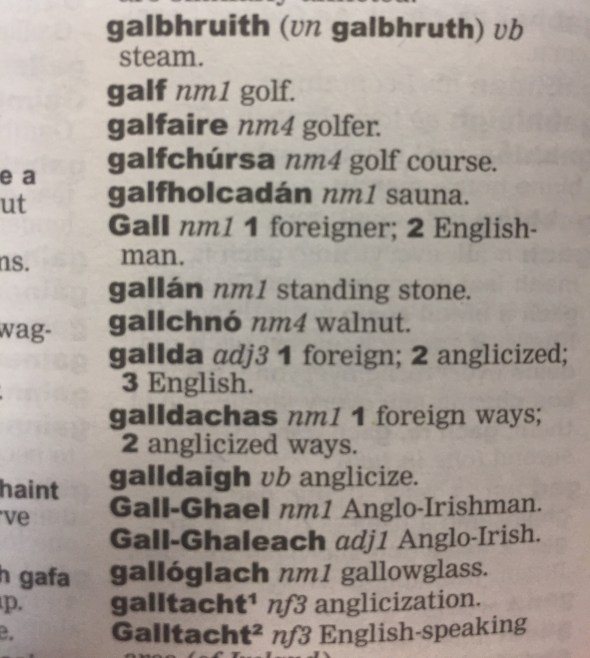
A steam bath? The English house? The walnut place?
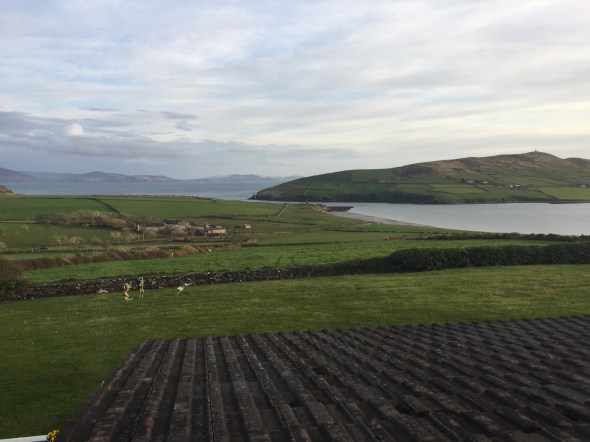
Killer location, anyway.
Do ASRM people like Shelby Foote?
Posted: May 12, 2018 Filed under: voice Leave a comment
mesmerizing voice.
for the true Foote-heads the post-Ken Burns interviews are most compelling. Foote slower, more tired, perhaps exhausted by celebrity, but ever courtly.
just watch that second one until Foote tells about Maugham’s stammer.
Nobel / Pulitzer
Posted: May 12, 2018 Filed under: writing 1 Comment
Both the Nobel

and the Pulitzer Prize committees investigating sexual* abuse charges. Is this because:
- literature is full of creeps
- arts and letters communities are especially sensitive / responsive to charges like this
- unusually weird status imbalances and games in these communities
- lots of occasions for sin: alcohol, parties, conferences, etc
- culture of bad behavior semi-tolerated in the arts
- people with power will always take things too far
- all, none, other?
* kind of unfair for Katarina Frostenson to be blamed for her husband’s crimes imo, but I don’t know the deets. the betting tips is another matter. almost funny.
Stars of the National Portrait Gallery, London
Posted: May 12, 2018 Filed under: art history Leave a comment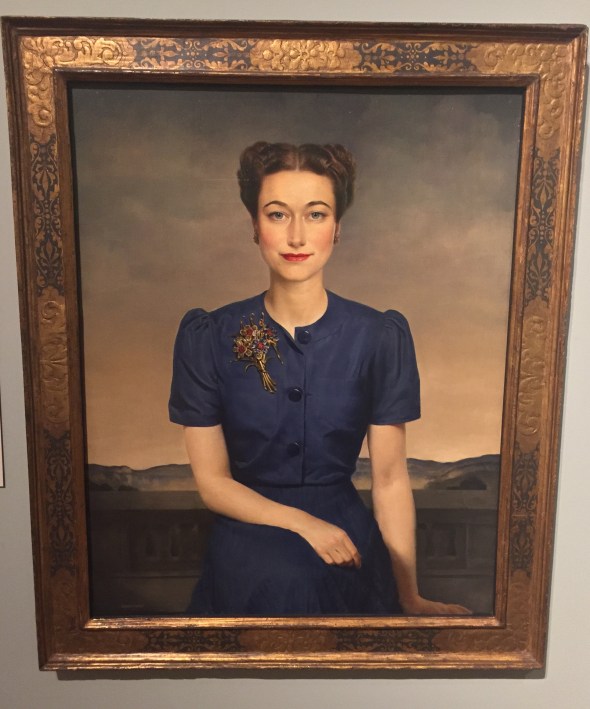
Mrs. Simpson, who caused so much trouble, by Gerald Brockhurst.

Winifred Radford by Meredith Frampton.
She became a specialist in French mélodie

Ken Dodd:

Ayuba Suleimain Diallo (Job ben Solomon)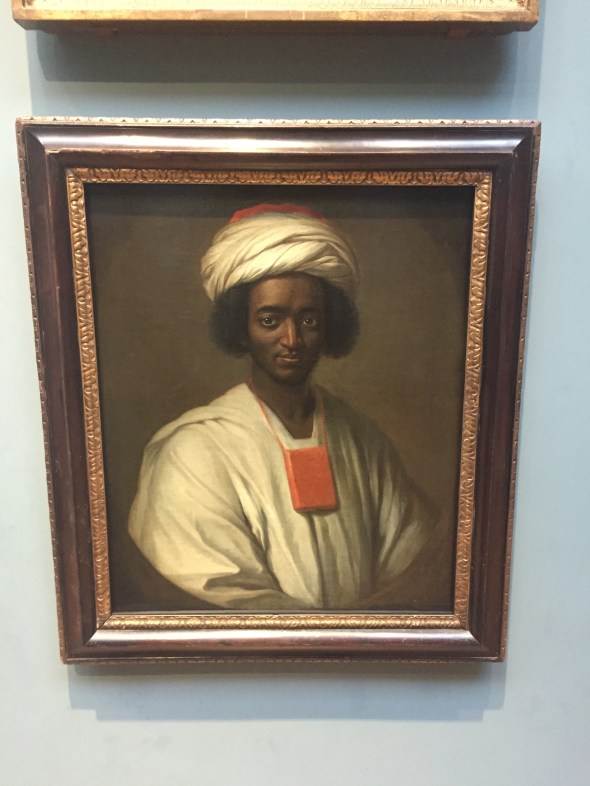
Recognized as a deeply pious and educated man, in England Diallo mixed with high and intellectual society, was introduced at Court and was bought out of slavery by public appeal
Joseph Collet

was away in China so long he had Amoy Chinqua make a statue of him out of clay to send home.
Here we have Margaret “Peg” Woffington:

source
says the caption on her:
she was known for her bitter rivalries with other actresses (she stabbed Mrs. Bellamy during a performance)
The winner though is Daniel Lambert as painted by Benjamin Marshall:
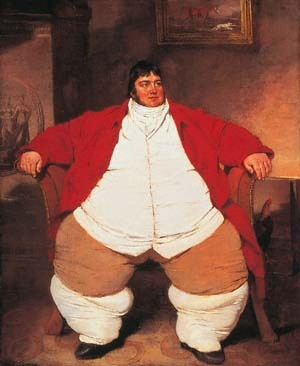
Welp time to look for lunch!
Thrice worry
Posted: May 10, 2018 Filed under: United Kingdom Leave a commentMoment I happened to see on British TV that stuck in my craw, occurs between :45-:55:
When Prince William says “thrice worry” about his children.
Is Prince William not a throwback fantasy of conservative manhood? (suspect Jordan Peterson, a Canadian, may be a secret monarchist). Even the graceful acceptance of the balding.
Longers for the past vs yearners for change, are these the main political groups? The rare few who can find the balance.
The comparison to the UK’s elected politicians at the moment:
Let Commons do the actual work, maybe that’s the trick. You just handle the fairy tale.
The endurance of the royal family. Incredible.
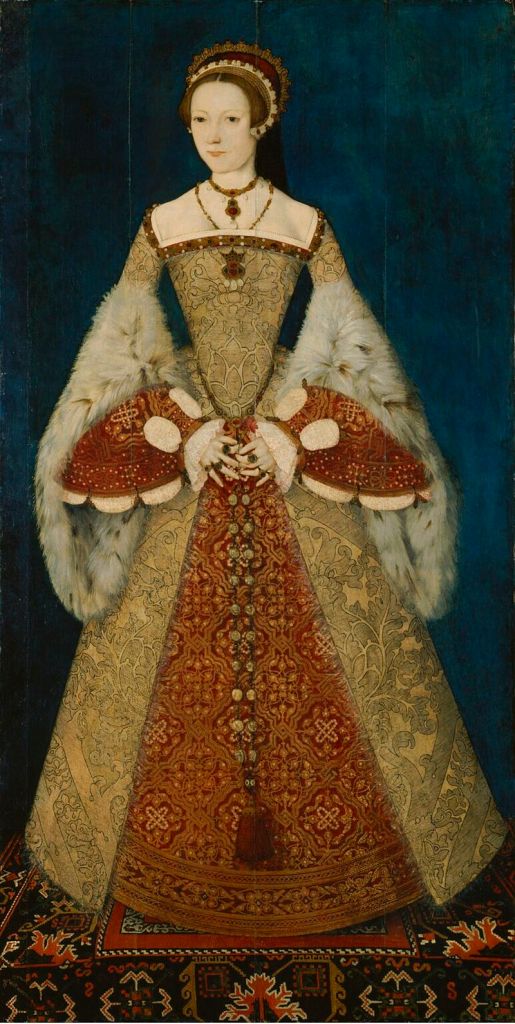
This portrait originally and now identified as Catherine Parr was wrongly identified as Lady Jane Grey for decades. (Master John for the National Portrait Gallery, from wiki)
“donned lewdly by Rihanna”
Posted: May 9, 2018 Filed under: religion Leave a comment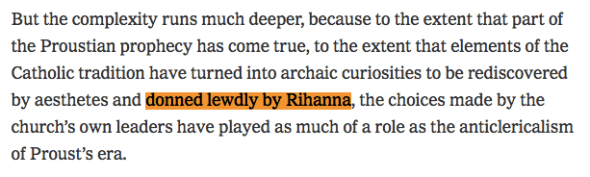
lol Ross Douthat are you doing a bit?
(h/t the Wrensh)

Update on Kentucky Derby times
Posted: May 7, 2018 Filed under: horses, sports Leave a comment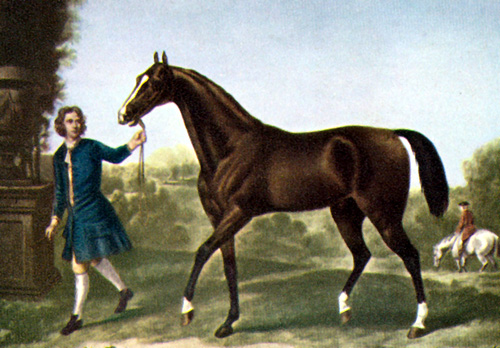
The Darley Arabian
Much stimulating discussion ensued after Saturday’s post about why Kentucky Derby winners aren’t getting much faster.
https://twitter.com/JimmySparkles/status/993380387521875968
Reader Avin D. sends us this 2014 Deadspin piece by Roger Pielke Jr. which has much better stats and looks at whether we’ve neared peak speeds in animal races:
One possibility, advanced by Denny and others, is that thoroughbred race times may have leveled off because the narrow genetic diversity of racehorses limits the genetic diversity in the pool of potential thoroughbred champions. Modern thoroughbreds are descendants of a small number of horses (less than 30 in the 18th century), and 95 percent are thought to trace their ancestry to a single horse, The Darley Arabian. Today, there are fewer than 25,000 thoroughbreds born each year in the United States. Compare that with the more than 7 billion people worldwide.3 The size of the human population may simply lead to a greater number of potential athletes with extreme speed.
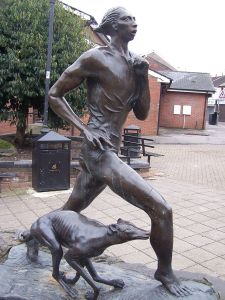
Very cool. Imagine if every current human runner was descended from, like, Guto Nyth Bran.
The Darley Arabian sired Flying Childers:
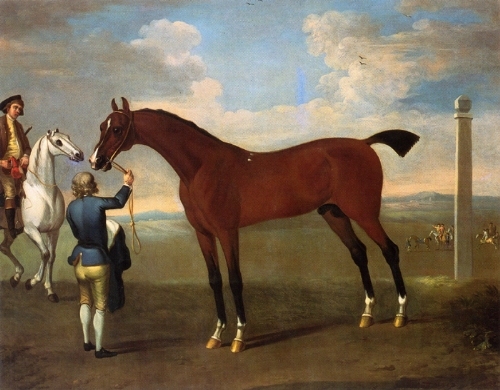
It is said he completed this race, over the Round Course at Newmarket, in 6 minutes, 40 seconds and that he reached a speed of 82 1/2 feet per second or 1 mile per minute. This was claimed to make Flying Childers the only horse on record as having matched the top speed of the unbeaten Eclipse. By way of comparison, this would be nearly 40 seconds faster than the unbeaten Frankel ran the Newmarket Rowley Mile in his famous 2,000 Guineas victory of 2011, over 30 seconds faster than the current mile track record and very close to the five furlong track record set by Lochsong in 1994.
As for Eclipse:
Eclipse is still remembered in the phrase “Eclipse first and the rest nowhere”, snowcloned as “[name of competitor] first and the rest nowhere,” referring to any dominating victory. This phrase is occasionally seen in American print media (most often in newspaper sport sections) but is more common in Britain.
A new one to me. If Flying Childers could keep his alleged top speed of 82.5 feet per second he’d finish the Kentucky Derby in a minute twenty.
Why aren’t horse races longer anymore, the way they were in the Stewball era?
Anyway, congrats to Justify:
Why haven’t winning Kentucky Derby times improved more?
Posted: May 5, 2018 Filed under: sports Leave a comment
is it interesting that the winner’s time on average hasn’t improved that much over 121 runnings at the current length?
The winner of the 1896 Kentucky Derby, the first run at the current length, was Ben Brush. He ran in 2:07.75. Only 4.16 seconds off the most recent winner, Always Dreaming.
Always Dreaming ran in 2:03.59. Crummy conditions, it’s true, but in 2015, on a nice day, American Pharaoh’s still only at 2:03.02.
Four seconds ahead of 1896. Would’ve lost to 1931’s Twenty Grand.
Twenty Grand finished in 2:01.8, which would stay the record until 1941, when Whirlaway shaved off .2, coming in at 2:01.40.
Whirlaway’s 1941 time that would’ve beaten 62 of the 76 winners since then.
Whirlaway and the great Barbaro in 2006, champions from sixty years apart, put in times less than .05 seconds off from each other.

source: KYbluegrass on Wiki
The winning time for the Kentucky Derby has hovered around 2:02 for sixty years.
In 1973 Secretariat broke the two-minute barrier. A special horse. It’s still the record. Monarchos cracked two minutes in 2001.
In the Kentucky Derby, the top ten all time fastest finishers represent six different decades.

Compare to humans:
A world champion human mile runner from 1941 could not hang with any serious Olympic miler of the current era. Champion human mile times have improved by about thirty seconds.
Maybe that’s the wrong comparison. The Kentucky Derby is a sprint and tiny differences are significant.
OK. Say like the 100 meter dash?
Usain Bolt would beat any 100 meter dasher from the 1940s. He’s a special case, the best ever, but even the sixth place finisher at the 2016 finals would’ve been breaking the world record from ten years before. Nobody from the ’80s would’ve come close, let alone anyone from the ’40s.
The world record holder in the 100 meter dash from the 1940s wouldn’t even make the finals at the 2016 Olympics.
You have to go down into the 200s of fastest Olympic times before anyone from before 1990 shows up:
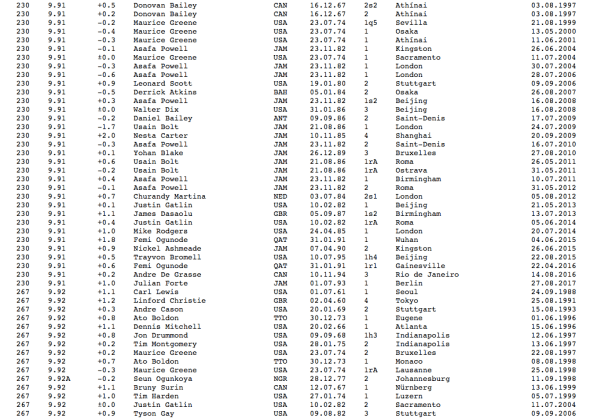
Olympic gold medal times have improved by about 10% on what they were in the early 1900s. That’s in a race that lasts around ten seconds.
The human race that timewise is the closest to the derby, around two minutes, is the 800 meter dash.
Again let’s use the Olympics. Edwin Flack of Australia won in 1896 with a time of 2:11. By the 1930s he would’ve been smoked. By then, Tommy Hampson could run 1:49.7.
By the 1980s Hampson would’ve barely made the finals. By 2016 David Rudisha of Kenya is finishing at 1:42.15, a 29 second improvement over Flack.
Rudisha is very special of course. But even Yiech Biel of the Refugee Olympic Team, last finisher in his early heat, put up a time of 1:54.67, a healthy 17 seconds ahead of Flack.
Maybe that’s the wrong comparison. The Kentucky Derby isn’t a world record, it’s a specific race under changing conditions that can be favorable or unfavorable.
Fair point but aren’t Olympic finals conditions variable?
But the Kentucky Derby’s a one-off, you only run it once (when you are three years old)
That might be interesting but also so what? Shouldn’t that mean even more variance?
More: the Derby-length (1 1/4 mile) world record run by a horse hasn’t broken 1:57. Closest was in 1980.
The world record time for a horse running this distance hasn’t improved in thirty-eight years. Meanwhile human 100 meter dash times progress pretty neatly.
So here’s my question:
Has human running improved more than horse running?
Why?
One theory: horse racing reached peak times quickly and stayed there because there’s more money in it.
Are my assumptions wrong? Very open to that, maybe average racehorse times have improved, I don’t know and I’m not sure I’m gonna bother finding out!
Please, weigh in if you have a take.
Here’s my second question:
is this interesting?
The Generals, John Singer Sargent, 1922
Posted: May 4, 2018 Filed under: art history, museum Leave a comment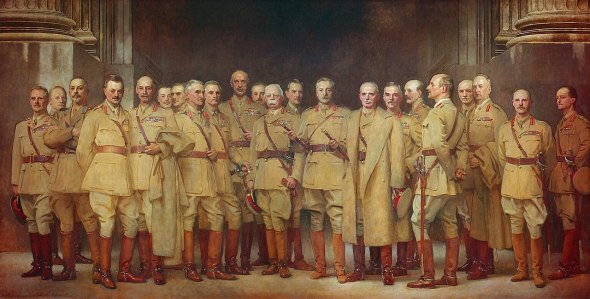
“I just don’t get it guys, why do we keep losing?”

Source and appropriate epic size, it’s at the National Portrait Gallery in London.
Said Sargent, while working on it:
the Generals loom before me like a nightmare… I curse God and man for having weakly said I would do them, for I have no ideas about it and I foresee a horrible failure
French tourists
Posted: May 4, 2018 Filed under: Ireland Leave a comment
thought they were ruining my photo but now I see they were essential.
Advances in Cormac studies
Posted: April 9, 2018 Filed under: America Since 1945, Texas, writing Leave a comment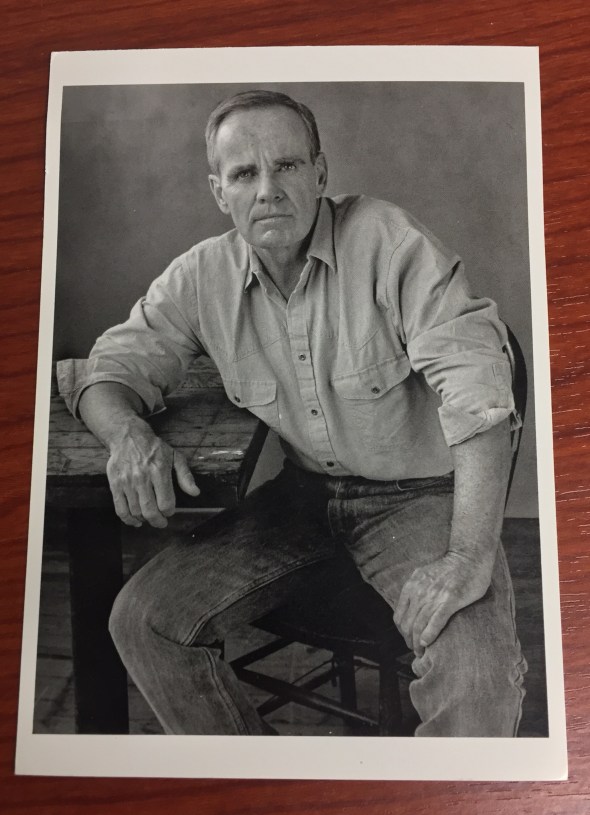
Morrow quotes McCarthy as saying that “even people who write well can’t write novels… They assume another sort of voice and a weird, affected kind of style. They think, ‘O now I’m writing a novel,’ and something happens. They write really good essays… but goddamn, the minute they start writing a novel they go crazy“
In early 2008 Texas State University announced they’d acquired Cormac McCarthy’s papers. The next year they made them available to scholars. Now two books based on rummaging around in these notes have appeared.
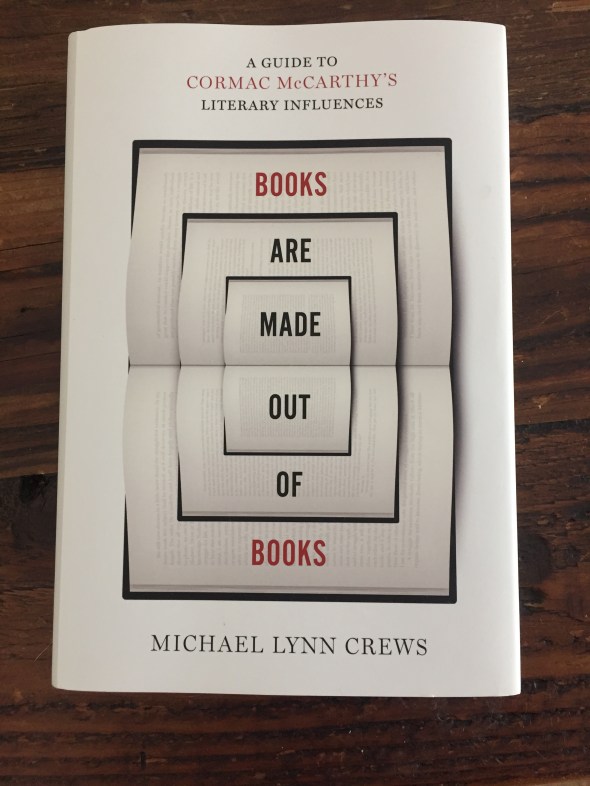
This one, by Michael Lynn Crews, explores the literary influences McCarthy drew on, which authors and books he had quotes from buried in his papers.
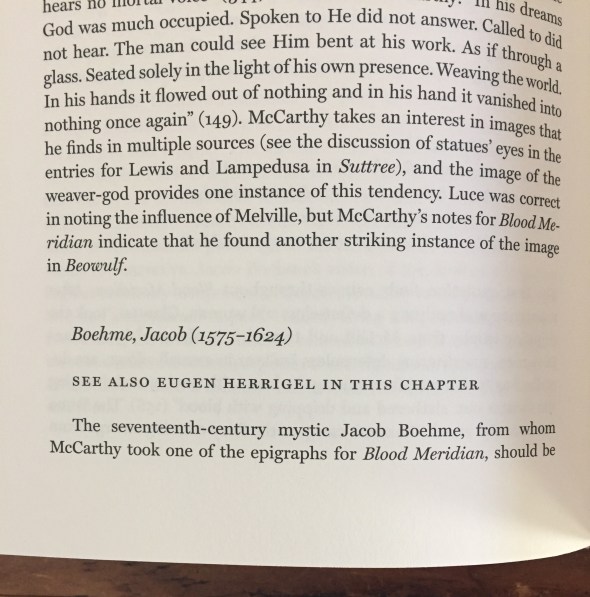
The quote about novelists going crazy is from a letter exchange McCarthy was having re: Ron Hanson’s novel Desperadoes, which McCarthy admired.

This one, by Daniel Robert King, takes more of a semi-biographical approach, tracing out what we can learn about McCarthy from his correspondence with agents and editors. A sample:

Bought these books because it gives confidence to observe that somebody whose writing sounds like it emerged pronounced from the cliffs like some kind of Texas Quran had to work and revise and toss stuff and chisel to get there.
From these books it is clear:
- McCarthy is a meticulous and patient rewriter
- it took decades for his work to gain any significant recognition
- he was helped with seeming love and care by editor Albert Erskine.
- he was patient, open, yet confident in editorial correspondence
These books are not necessary for the casual personal library, but if you enjoy gnawing on literary scraps, recommend them both. From King:
However, in this same letter, he acknowledges that “the truth is that the historical material is really – to me – little more than a framework upon which to hang a dramatic inquiry into the nature of destiny and history and the uses of reason and knowledge and the nature of evil and all these sorts of things which have plagued folks since there were folks.”
Wars Of The Irish Kings
Posted: April 3, 2018 Filed under: Ireland Leave a comment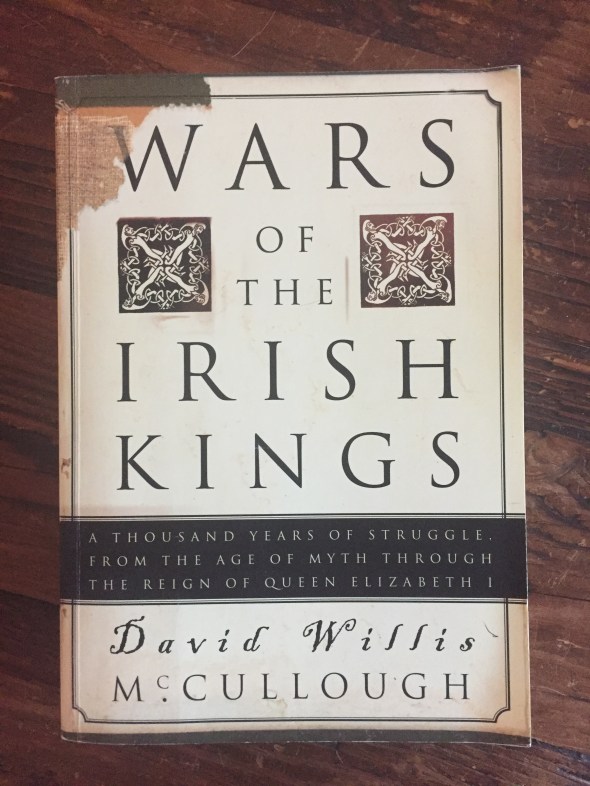
In fact, land in pre-twelfth century Ireland had little political value. Although there were rich plains, it was not a farming culture but a decentralized grazing one in which wealth was measured in cattle. There were no cities, and the kingdoms, which rarely had roads or clearly defined boundaries, were separated by a dense forests and bogs, which were more of a deterrent to travel (or easy military movement) than the mountains. A reading of the sometimes-cryptic early annals suggests and endless series of battles and cattle raids. To be glib, early medieval Ireland sounds like a somewhat crazed Wisconsin, in which every dairy farm is an armed at perpetual war with its neighbors, and every farmer claims he is a king.
Some tite illustrations in the book:

For a dip into Irish history, you can’t top:
The illustrations go a long way towards telling the story.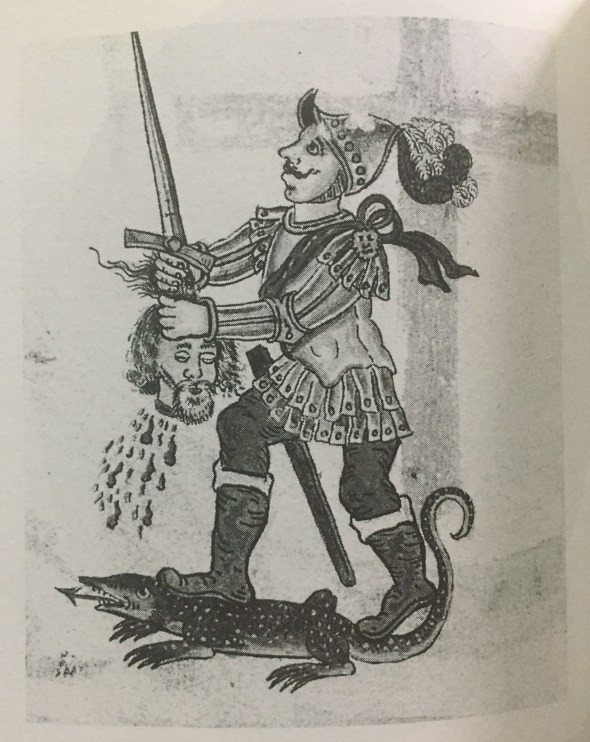
It’s not all bad. 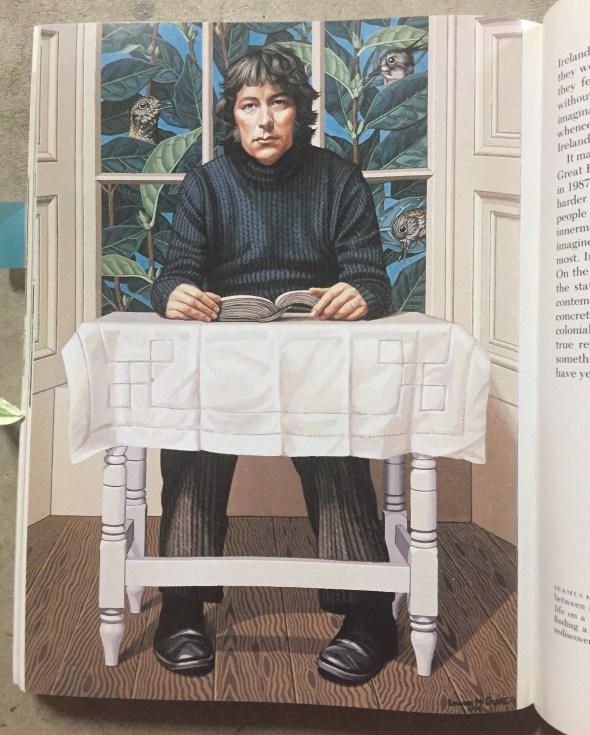
Edward McGuire’s portrait of Seamus Heaney.
Mississippi Mound Trail
Posted: April 1, 2018 Filed under: America, America Since 1945, art Leave a comment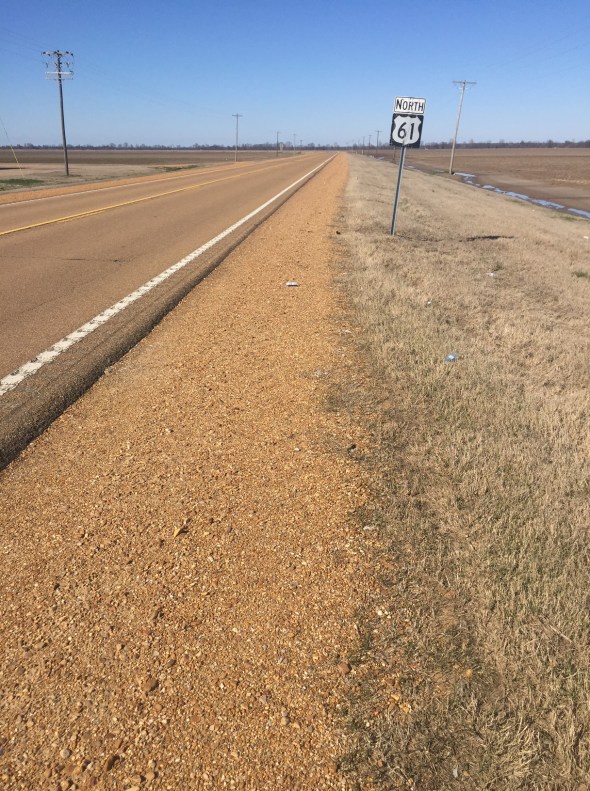
On one of the episodes of Theme Time Radio Hour Bob Dylan himself says that the actual highway 61 is boring now, nothing but ads for riverboat casinos. That may be true south of Vicksburg but north of the Biedenharn Coca-Cola Museum and the Catfish Row Art Park, I found the road compelling.
Mississippi Fred McDowell was born of course in Rossville, Tennessee.
It was Dave [David L. Cohn] in God Shakes Creation who said, “The Delta begins in the lobby of the Peabody Hotel and ends on Catfish Row in Vicksburg.” He was always welcome at the Peabody; they were glad to see him – he stayed there whenever he was in Memphis – but they never even gave him a cup of coffee, and he thought it was rather amusing that they had so little appreciation of this publicity.
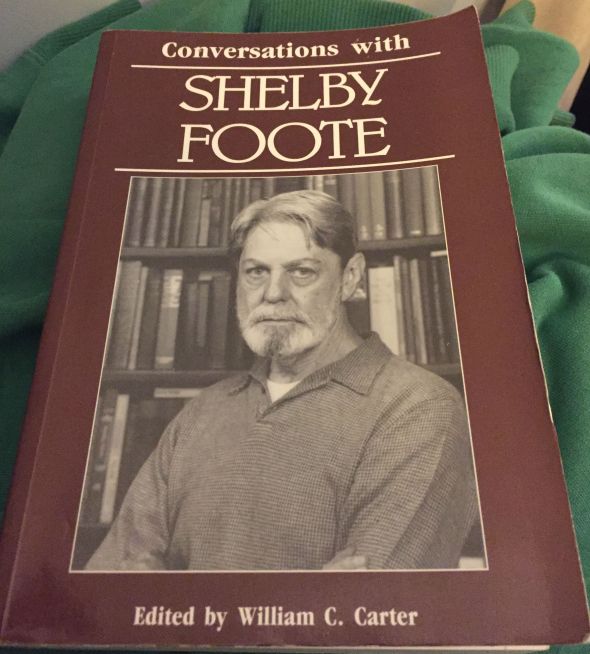
So says Uncle Shelby, of Greenville and Memphis:
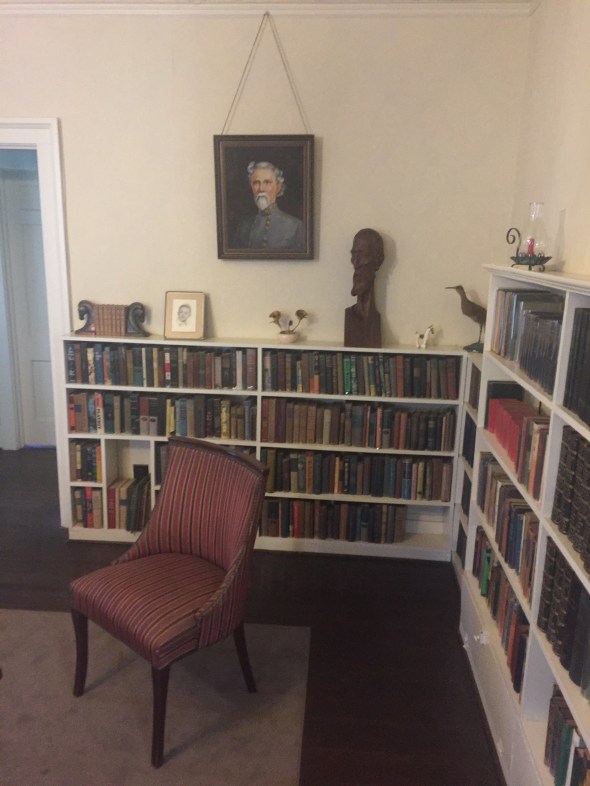
Since we’d been to Memphis we steered towards Oxford Miss to visit Faulkner’s house:
On Highway 61 lots of blues type sites, Muddy Waters’ birthplace for instance:
marked by signs for the Mississippi Blues Trail. But many signs tell you you are also on the Mississippi Mound Trail.
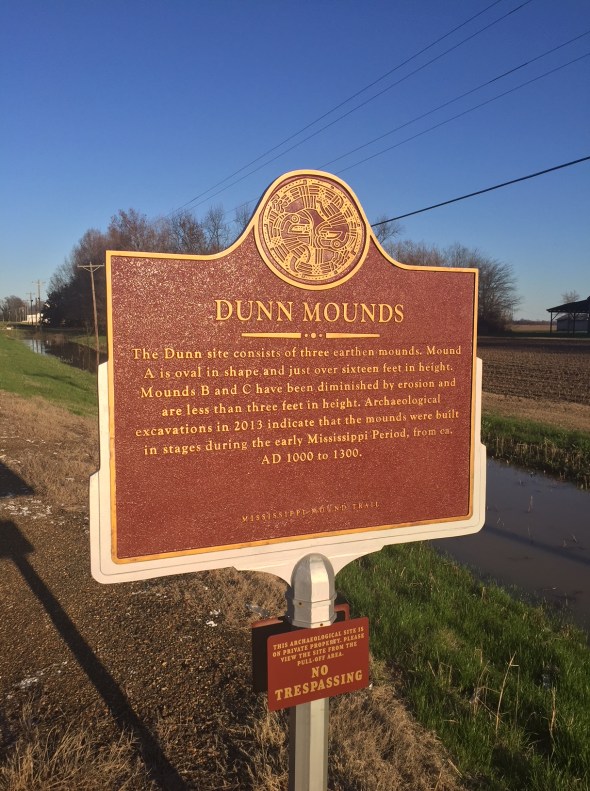
Mounds make a thousand or more years ago by some lost culture, perhaps connected to the people who built Cahokia:
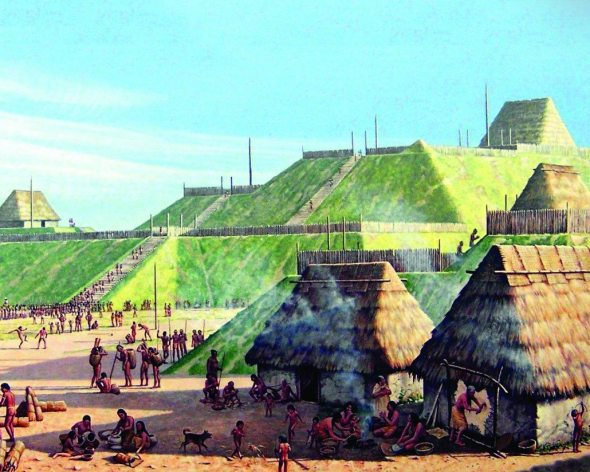
And where in the beginning the predecessors crept with their simple artifacts, and built the mounds and vanished, bequeathing only the mounds in which the succeeding recordable Muskhogean stock would leave the skulls of their warriors and chiefs and babies and slain bears, and the shards of pots, and hammer- and arrow-heads and now and then a heavy silver Spanish spur.
So says Faulkner in his essay Mississippi. In Sanctuary he says:
The sunny air was filled with competitive radios and phonographs in the doors of drug- and music- stores. Before these doors a throng stood all day, listening. The pieces which moved them were ballads simple in melody and theme, of bereavement and retribution and repentance metallically sung, blurred, emphasised by static or needle – disembodied voices blaring from imitation wood cabinets or pebble-grain horn-mouths above the rapt faces, the gnarled slow hands long shaped to the imperious earth, lugubrious, harsh, and sad.
You can only listen to so much of that though; when I pulled over for Dunn Mounds I was listening to Maron interview Jennifer Lawrence.
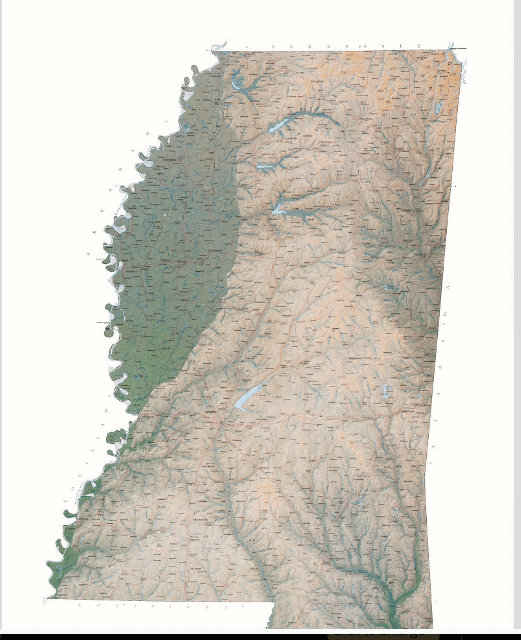
The Raven map tells the story of the Delta. Another flooding bottomland is the Nile delta:

where they also kept slaves, and built mounds.
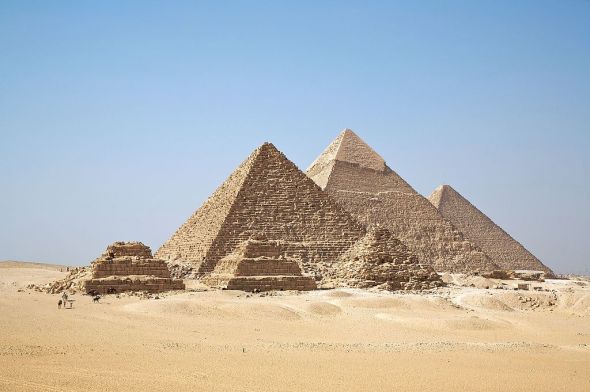
source: Ricardo Liberato on Wikipedia
great tour of the Blues Trail sites here on Wiki by Chillin662.
Stewball
Posted: March 28, 2018 Filed under: animals, Ireland Leave a comment
Samuel Sidney [The Book of the Horse, 1875, repr. ed. Bonanza Books, 1985] stated Skewball “…won a great number of plates and prizes in England, and one famous match in Ireland.” The Irish turf callendar says he won six races worth £508 in 1752, when he was eleven years old, and was the top earning runner of that year in Ireland. The match became the subject of a ballad, Skewball, which has endured, in varying forms, to the present day.
The match celebrated by the ballad is listed in Pond’s Racing Calendar of 1752. It was held at the Curragh in Kildare, Ireland, on Saturday, March 28, with each participant putting up 300 guineas. Arthur Marvin (also Marvyn, or Mervin) owned Skewball, who carried 8st. 7lb. His opponent was “Sir Ralph Gore’s grey mare,” carrying the heavier weight of 9 st. Skewball was a gelding, which explains why he was still running at age eleven; although it was not uncommon for horses to run to ages 9 or 10 during that period, successful stallions were usually retired from the turf to commence their stud careers. He won the 4 mile race in 7 minutes and 51 seconds.
(source)
Whatever just noting that it’s the 266nd anniversary of a run by a horse in a race that people are still singing about.

A skewbald horse. Karakal’s own work on Wiki
They don’t seem to run many four mile horse races anymore. Some history on these “real stayers.”
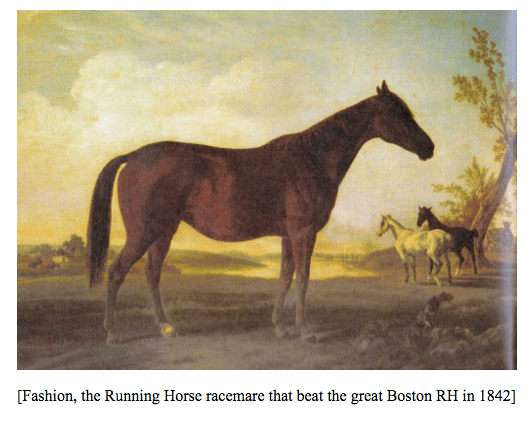
Sir Ralph Gore, owner of the grey mare, was born at Belle Isle castle.

During the Battle of Lauffeld on 2 July 1747 all his superior officers were killed or severely wounded, so command of the battalion fell to Gore, who performed so well, that on the following day he received the thanks of the British commander Prince William, Duke of Cumberland.

The Curragh:

photo by Eoghan888
(Remembering now that I stopped there once to visit the Irish National Stud)

Helytimes own photo
Leadbelly’s version:
and one more from Leadbelly:
Check out the bowties on The Hollies:
Pretty Clear-Eyed About Power
Posted: March 27, 2018 Filed under: America Since 1945 Leave a comment
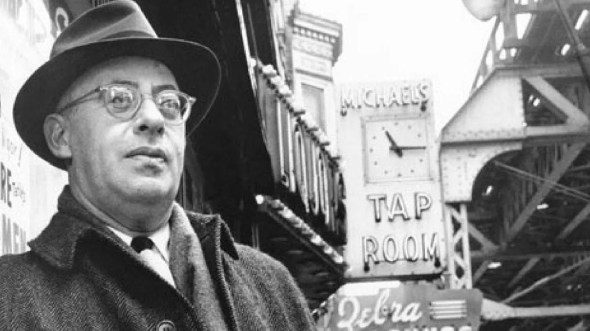
Horwitt says that, when Alinsky would ask new students why they wanted to organize, they would invariably respond with selfless bromides about wanting to help others. Alinsky would then scream back at them that there was a one-word answer: “You want to organize for power!“
This anecdote had stuck in my mind from whenever I had first read it. Found it in a March 2017 New Republic piece about then-Senator and candidate Obama.

Hillary wrote her college thesis on Alinsky. Both the last two Democratic nominees for president found the same man in Chicago to study. (And think of how many Bushies were said to learn from Leo Strauss? And Milton Friedman! Chicago, dude).

How should the candidate approach his job?:

This is a tough, realistic worldview:

The Rules
-
“Power is not only what you have but what the enemy thinks you have.”
-
“Never go outside the expertise of your people.”
-
“Whenever possible go outside the expertise of the enemy.”
-
“Make the enemy live up to its own book of rules.”
-
“Ridicule is man’s most potent weapon.”
-
“A good tactic is one your people enjoy.”
-
“A tactic that drags on too long becomes a drag.”
-
“Keep the pressure on.”
-
“The threat is usually more terrifying than the thing itself.”
-
“The major premise for tactics is the development of operations that will maintain a constant pressure upon the opposition.”
-
“If you push a negative hard and deep enough it will break through into its counterside”
-
“The price of a successful attack is a constructive alternative.”
-
“Pick the target, freeze it, personalize it, and polarize it.”
Using the world enemy is a little dangerous for me, unless you have a Zen-like transcendent understanding of the meaning of enemy and the mutability of enemies.
That TNR piece by the way written Ryan Lizza.
Immeasurable
Posted: March 24, 2018 Filed under: the California Condition Leave a comment
this lost hiker agreed to pose for a photograph
Geoff Manaugh gets it, writing about a 2010 disappearance in Joshua Tree in the NY Times:
The mathematician Benoit Mandelbrot once observed that the British coastline can never be fully mapped because the more closely you examine it — not just the bays, but the inlets within the bays, and the streams within the inlets — the longer the coast becomes. Although Joshua Tree comprises more than 1,200 square miles of desert with a clear and bounded border, its interior is a constantly changing landscape of hills, canyons, riverbeds, caves and alcoves large enough to hide a human from view. Solid canyon walls reveal themselves, on closer inspection, to be loose agglomerations of huge rocks, hiding crevasses as large as living rooms. The park is, in a sense, immeasurable.

luckily I was able to point him towards home
Love a turning point like this in someone’s life:
Marsland began drinking less, losing nearly 40 pounds as he reoriented his free time around this quest to find a stranger. “I crossed the line from being somebody who just sat in his room and passively participated in something to being actively involved,” he said. “It was a big moment for me, and it led to a lot of other good things happening in my life.”
Three Candidates
Posted: March 23, 2018 Filed under: America Since 1945, politics Leave a comment
From an article about how Clarke’s been working on paid maternity leave for state employees in the Arkansas State House
My friend Clarke Tucker is running for Congress as a Democrat in Arkansas’ 2nd district. He’s just the kind of guy you want doing legislative work. A solid citizen.
In his gentle and careful yet warm manner Clarke reminds me of another Southern state legislator:
John Grisham.

Meanwhile, out in the desert and the Eastern Sierra, they’re trying to put Marge in charge.

Marge Doyle that is. I saw her speak on Sunday and was really impressed. Her passion to run stems from her frustration with current Congressman Paul Cook and his Republican party-line votes that would’ve hurt the health care people in the district depend on.

Had the chance to hear Marge give her message and came away real impressed. She came to her campaign through hard, slow work on health care issues in the district, and spoke of her belief in her ability to find solutions through common values.

Happened to meet Katie Hill when she turned up at a meeting of the SELAH (Silver Lake, Echo Park, Los Feliz, Atwater, Hollywood) Homeless Coalition.

She grew up in California’s 25th district, and seemed like just the person to knock off the distasteful Steve Knight and represent the people of Lancaster, Palmdale, Pearblossom, Acton, Santa Clarita, and the rest.
(oh and none of them are paying me or nothing. This is just my own Take!)
How many kangaroos do you think live in Australia?
Posted: March 22, 2018 Filed under: animals, Australia 3 Comments
Learned this the other day reading The Economist.
Are you ready?
47 million.
Mate that’s nearly two roos per person!

Cowpens
Posted: March 16, 2018 Filed under: America, war Leave a comment
Believe me, it killed me to drive across South Carolina and not have time to stop and make a study of the battlefield at Cowpens.
Cowpens is an American story about local amateurs beating foreign professionals, with an A+ villain in Banastre Tarleton.

Tarleton painted by (who else?) Joshua Reynolds
How satisfying must it been to have kicked this guy’s ass?! Tarleton, a rich boy dandy, was in command at age 25. Very cocky. At Cowpens he charged right into a trap.

The Americans:
conducted a double envelopment of Tarleton’s force, and suffered casualties of only 12 killed and 61 wounded… Morgan’s army took 712 prisoners, which included 200 wounded. Even worse for the British, the forces lost (especially the British Legion and the dragoons) constituted the cream of Cornwallis’ army. Additionally, 110 British soldiers were killed in action, and every artilleryman was either killed or incapacitated by wounds. Tarleton suffered an 86 percent casualty rate, and his brigade had been all but wiped out as a fighting force.
But don’t worry!
Tarleton was one of around 160 British troops to escape.
Tarleton went on, of course, to a career in politics.
He is especially noted for supporting the slave trade, which was highly important to the port of Liverpool. Its ships were deeply involved in slave trading. Tarleton was working to preserve the slavery business with his brothers Clayton and Thomas, and he became well known for his taunting and mockery of the abolitionists.
His romantic life?
For 15 years, he had a relationship with the actress and writer Mary Robinson (Perdita), whom he initially seduced on a bet.
LOL this guy. What? Mary Robinson was at the time a notorious babe and former mistress of the King:

Prior to [Tarleton], Robinson had been having an affair with a man named Lord Malden. According to one account, Malden and Tarleton were betting men, and Malden was so confident in Robinson’s loyalty to him, and believed that no man could ever take her from him. As such, he made a bet of a thousand guineas that none of the men in his circle could seduce her. Unfortunately for Malden, Tarleton accepted the bet and swooped in to not only seduce Robinson, but establish a relationship that would last the next 15 years.
Tarleton was famous for killing prisoners trying to surrender — “Tarleton’s Quarter” – after the Battle of Waxhaws. In Tarleton’s version of the story this was because his guys were so upset that he was hurt:
Colonel Tarleton’s account, published in 1787, said that his horse had been shot from under him, and that his soldiers, thinking him dead, engaged in “a vindictive asperity not easily restrained”.
Then came Cowpens.

via Wikipedia via the US Military Academy history department
The charts and diagrams that are used to explain battles have always interested me but they have some real problems. In a word they are bloodless.
What we’re talking about here didn’t look like a bunch of tidy arrows and lines. It was violent chaos, a bunch of guys murdering each other in fire and smoke.
But a little more reading suggests Daniel Morgan, the Continental commander, with the benefit of some time to plan, made some good moves.

Daniel Morgan turned to his advantage the landscape of Cowpens, the varying reliability of his troops, his opponent’s expectations, and the time available before Tarleton’s arrival. He knew untrained militiamen, which composed a large portion of his force, were generally unreliable in battle, and in the past had routed at the first hint of defeat and abandoned the regulars. (The Battle of Camden had ended in disaster when the militia, which was half of the American force, broke and ran as soon as the shooting started.) To eliminate that possibility, he defied convention by placing his army between the Broad and Pacolet rivers, thus making escape impossible if the army was routed.
More:
Morgan asked the militia to fire two volleys, something they could achieve, and then withdraw to the left, to re-form in the rear
Tarleton meanwhile drove his foodless, sleepless men all night in a damn hurry to get another victory.
John Eager Howard quoted Maj. McArthur of the 71st Highlanders, now a prisoner of the Americans, as saying that “he was an officer before Tarleton was born; that the best troops in the service were put under ‘that boy’ to be sacrificed.”
This detail:
An American prisoner later told that when Tarleton reached Cornwallis and reported the disaster, Cornwallis placed his sword tip on the ground and leaned on it until the blade snapped.
 Helytimes
.jpg)
.jpg)


