I Cover The Waterfront
Posted: August 10, 2024 Filed under: the California Condition Leave a comment
Here’s the opening:
Chapter One: The Damned and the Lost
I have been here so long that even the sea gulls must recognize me. They must pass the word along about me from generation to generation, from egg to egg.
Former friends of mine, members of my old university class, acquaintances my own age, have gone out to earn their 6000 a year. They have become managers, they have become editors, they have become artists. Yet here am I, what I was six years ago, a waterfront reporter.
True, I am called a good waterfront reporter in this city, as if the humiliation were not already great enough in itself. I shudder at the compliment, yet should feel fortunate in a way that so far I have escaped the word veteran. When I am called not only the best waterfront reporter but also the veteran waterfront reporter, then for sure all hope is dissolved. And I need look ahead then, only to that day when the company presents me with a fountain pen and a final check.
I am nearing 28, and should I by accident be invited to a home where literature is discussed, or styles, or Europe, the best I could do would be tocrawl into the backyard. There I could sit tossing pebbles into the fountain until the hostess found me out. If she compelled me to come back into the house and join the conversation, my topics would have to be of swordfishing, or of lobstering, or of hunting sardines in the dark of the moon, or of fleet gunnery practice, or of cotton shipments. The predicament has passed beyond my control. I am one of those creatures who remain permanent, who stay in one place, that successful men on returning home may see for the happiness of comparison. I am of the damned and the lost, and yet I do know more than I did six years ago when I first came here, a graduate in liberal arts.
Six thousand a year. That was 1932, using the BLS inflation calculator that’s $131,821.68 today. Further investigation into the existential mystery of San Diego led me to this one.
Max Miller was waterfront reporter for San Diego’s third best newspaper in the 1930s. He worked out of a studio above the tugboat office. He remembers meeting the passengers from the big ocean liners:

He remembers Charles Lindbergh, before he was famous:

He remembers breaking some tough news:


How that one ends:

I Cover The Waterfront became a song, and a movie apparently not really based on the book.
[Miller] lived most of his life at 5930 Camino de la Costa in La Jolla, just south of Windansea (from his hillside home, he could hear the Point Loma lighthouse foghorn).
Zillow estimates that house would now cost around $16 million.
The San Diego Reader (oxymoron?)has the gossip on Miller:
But Morgan has a different interpretation. “I Cover the Waterfront was widely said among publishers to have been rewritten by a very beautiful literary agent in New York who was in love with Max at the time,” says Morgan. “It was a nasty allegation, but it was a better book than any he wrote subsequently. I tend to believe the rumor of the publishing trade.”
It’s possible. It’s also possible he was traumatized by World War Two. His title for his book about La Jolla, The Town With The Funny Name, doesn’t seem particularly inspired (is it really that funny a name? Right here in California we have Needles, Weedpatch, etc.) Or maybe he just had one good one in him.
Gats
Posted: August 4, 2024 Filed under: food, the California Condition Leave a comment
saw someone on X (formerly “Twitter”) raise the old red flag of The Great Gatsby isn’t that good actually so I took it off the shelf.


That’s how it starts. (Struck me that my edition, the one we read in school I believe, has no introduction foreward or any of that bog you down scholarly junk at the front.* Your enjoyment of classic books will improve we believe if you always skip those and plunge right in. You can always come back later.)
If you’re like me you first read this book in school. It is a great summer book. It’s even set at the seaside.
Been meaning to document some items from Sheilah Graham’s The Real F. Scott Fitzgerald, and perhaps now is the time. Their relationship was tumultuous:
I knew that “Portrait of a Prostitute” was also a drunken commentary. He must have written it on the photograph after the first of our two bad quarrels in 1939 when he was drinking so heavily. We had struggled for his gun, I had slapped him—the first person in his life ever to do so-and as I walked out, I had delivered a harsh exit line, “Shoot yourself, you son of a bitch. I didn’t raise myself from the gutter to waste my life on a drunk like you.”
When they met:
When I first met Scott on July 14, 1937, neither of us was looking for a relationship of such intensity. He had too many other responsibilities. I was engaged to the Marquess of Donegall-who died recently-and planning a New Year’s Eve wedding to be followed by a honeymoon cruise around the world. Part of the unwritten marriage contract was that I would give Don an heir as soon as possible, and a doctor had told him that the swaying of a ship was conducive to pregnancy.
Zelda:
To hold Scott on a string when the engagement was off and to continue to make him jealous, Zelda invented an “engagement” to the famed golfer Bobby Jones. Scott always believed that she had promised to marry Mr. Jones. He told me this with conviction. But when Andrew Turnbull was writing his biography of Scott, he questioned the golfer, who denied even knowing Zelda.
later:
I think their lives also suffered from Zelda’s increasing desperation as to what to do with herself. She had no idea of being a wife shortly after they were married Scott discovered all his dirty shirts piled up in a closet-and, although she tried in the times of sanity, still less of being a mother
Scott’s diet:
When I think now of the abuse that Scott inflicted on himself, it’s a miracle that he lived as long as he did. Aside from his drinking there was, drunk or sober, the incessant smoking and also the reliance, when not drinking, on coffee and dozens and dozens of bottles a day of Coca-Cola. He would line up the Cokes all around the walls of his office at M-G-M and announce, “I’ll drink these up, and when they’re gone I’ll go back to beer.” Dr. Richard Hoffman, who had examined him in New York, told my Beloved Infidel collaborator, Gerold Frank, that Scott drank-both the liquor and the Cokes-be-cause he had the reverse of diabetes, an insufficiency of sugar in the blood. Is this true for all who drink unwisely?
This is when they were healthy:
For the first time for both of us, we were leading average lives, working by day, reading or walking in the evening after the same dinner prepared for us every night by our shared housekeeper, a thin T-bone steak (at 35 cents a pound!), a baked potato, peas, and a grapefruit jelly.
…
I would not have wanted to examine Scott’s inside, with not only all the above but also the strange food that he ate-sometimes just fudge and crab soup, in that order. He was eating a little more in that last year, lots of cookies, candy, and cake to compensate for the sugar in the alcohol.
But there were nice times too:
lunches at the elegant Vendome Restaurant in Hollywood, at the Brown Derby in Hollywood or in Beverly Hills, and our dancing in the evenings, particularly in the first year, at the Trocadero. Scott danced the collegiate style of the time-heads close together, rears at a thirty-three-degree angle.
Looking back, I marvel at what a full, active life we had. We also went away together for weekends, especially in the first two years before Scott was so hard up—to Santa Barbara, La Jolla, Del Monte, Monterey, over the south U.S. border into Mexico, and to the San Francisco Fair. I loved those long drives with Scott, even though he drove at twenty to twenty-five miles an hour.
“Del Monte,” a resort in Monterey that now belongs to the Navy. Monterey on the old roads before the 5 is about 331 miles away. At twenty five miles an hour that trip must’ve taken like thirteen hours. And that’s if you don’t stop every hour for more Cokes.
*in writing that sentence I got to wondering what those obstacles the Germans and their various conscripts) set up on the D-Day beaches were called. You know the ones I’m talking about? Turns out they are called hedgehogs.

What is San Diego?
Posted: July 30, 2024 Filed under: the California Condition Leave a comment
From time to time fortune takes me down the coast to the city of San Diego, and I’m always left a little stumped. What is this place? What is distinctly San Diego? If it has a bent it is slightly to the right, somewhat fratty/military. Top Gun, Navy SEALs. Retirees. IPAs (although those are everywhere now). The California burrito. What else? We’re talking about the eighth most populous city in the United States. Pleasant living is on offer for sure, sunshine and surf. The people that like it love it. But what does it have to show for itself?

Here’s the WPA guide to California on the city, as it was circa 1939:
SAN DIEGO (0-822 alt., 147,995 pop.), the oldest Spanish settlement in California, is in the extreme lower left-hand corner of the United States. Although only 16 miles north of the Mexican boundary, it is completely American. Its landlocked natural harbor is headquarters for the Eleventh Naval District, for marine and coast guard bases, and home port for a fleet of tuna clippers and fishing smacks manned by Portuguese and Italian fishermen.
The city has much of the easygoing spirit of Spanish days, and people dress and live for comfort. Life moves at a modulated pace, particularly because of the large number of retired and elderly persons.
The downtown area, dominated by a group of tall buildings, is small for a city of this size; Broadway, the main artery, runs from the waterfront due east and divides the city into distinct sections. Although liners no longer call at the port Max Miller wrote of in I Cover the Waterfront, freighters and tramp steamers dock here regularly. Tuna clippers bring in big hauls of huge fish, and sport fishing parties return with catches of yellowtail, barracuda, and swordfish. Navy shoreboats run between ships at anchor and the piers.
South of Broadway many plain buildings of the 1870’s and gingerbread structures of the 1890’s are still in use. Markets and grocery stores along Twelfth Avenue display fruit and vegetables in pyramids and cascades. Third, Fourth, and Fifth Avenues have taverns with three-piece jazz bands, shooting galleries, inexpensive movies, hamburger stands, pawn shops, and small hotels.
Balboa Park’s giant green square begins just north of the business district. North and northwest of the park are the newer residential districts, and to the west is Middletown, a narrow segment extending from the bay to the low hills, occupied by Italian fishermen and airplane factory employees. Old Town, site of the original Spanish settlement, is northwest of Middletown. It has some fine adobe buildings, fringed with rose bushes and flowers, but most of the land is occupied by small houses and auto courts.
Most of San Diego’s inhabitants, apart from the shifting Navy personnel, are immigrants or descendants of immigrants from the East and Middle West. Many are retired; ten percent of all retired U. S. Navy officers live in San Diego.
In the Logan Heights district, south and east of downtown along the curved southern shore, sprawl San Diego’s Mexican and Negro communities, with Mexican restaurants vending tamales and tacos, and with chicken palaces and big ovens where Negroes barbecue meat.
About 10,000 Mexicans, most of them clinging to their own language and customs, live in this district; they are employed mainly as day laborers and cannery workers. The 4,500 Negroes are mostly manual or domestic workers. The Japanese colony, of about 1,000 persons, is in this area also; some in huts on stilts over the water. About 5,000 Portuguese fisherman, who live on the bay side of Point Loma, form a distinct group preserving its own customs. Italian fishermen mingle more generally with the community.
The site of San Diego was visited in 1539 by Father Marcos and his followers, from the desert side, in their search for the “Seven Cities of Cibola”; in 1542 by Juan Rodriguez Cabrillo, a Portuguese explorer in the service of Spain, who spent six days in the harbor; and sixty years later by Sebastian Vizaíno, merchant navigator charting the coast for Spain.
In 1769 Governor Portola, with Franciscan friars and soldiers, established a mission and presidio here. The English sloop Discovery, engaged in scientific research, visited San Diego in 1793, and in 1803 the Yankee-owned Lelia Byrd, caught while smuggling otter skins, fought a cannon duel with the battery of Ballast Point.
…
During the Mexican regime, San Diego took on more color. “The beautiful señoritas danced their picturesque dances at the balls which followed bull-fights and cock-fights.” Many Spanish families, on bad terms with the Mexican governor, assisted the Americans in their conquest. After the Treaty of Guadalupe Hidalgo, the town came peacefully under American rule.
In 1850 the present Old Town was incorporated as a city. The site of the present city was called New Town, or “Davis’s Folly” for William Heath Davis, who first built there. Alonzo E. Horton, for whom New Town was named “Horton’s Addition,” profited more than he.
From 1867 to 1872 New Town grew steadily; then a fire wiped out Old Town’s business district, and New Town became the city’s center.
In 1885 the Santa Fe Railroad laid tracks into San Diego and made it a transcontinental terminus. Two years later it had 40,000 residents, but the boom collapsed, and by 1890 there were only 17,000. Since 1910 its population has doubled about every decade.
Aircraft is the only large-scale industrial plant. Fishing and canning San Diego’s 335 factories are mostly small enterprises; Consolidated are basic sources of income. A large lumber mill handles timber rafted in from the Northwest.
San Diego was an open-shop city until the strong wave of unionization in the early thirties; during the bitter “Free Speech Fight” of 1912 radical headquarters were raided and radicals ordered out of town.
Depressions have touched lightly on San Diego.
The colorful fishing fleet days are over, although there are still some 150+ commercial fishing vessels.
San Diego is a place that isn’t “certified,” to borrow from Walker Percy—there are fewer templates or cultural expectations for what your life must be like here, compared to LA or New York, for example. As Armantrout went on to say, “In my mature years I have come to appreciate the blankness of this town. When I step on the street in San Diego, I am not stepping onto a set; I am not stepping into a play, my own or anyone else’s.” In her work, the ersatz dailiness of ordinary life in San Diego—bills, television shows, illness, reading, advertisements, children—is maybe the best portrait of the city one could make, and certainly a guide for maintaining a vibrant life of the mind here.
from this piece on literary San Diego by Patrick Coleman.
Maybe (in fact certainly) I’m overthinking it. San Diego is a normie heaven, and that’s it. We need a city to absorb surplus bro energy and mellow it in the Southern California sun, which object San Diego achieves. To ponder what it might mean is very un-San Diego. Just crack a cold one or pop an edible, put on the game and vibe out.
And what are we even talking about here? New Orleans produces culture and also absurd murder rates. LA is LA but did San Diego have anything on the scale of the 1994 riots or the O.J trial? What is character but atrocity, debacle, chaos sanded by time?

In recent years my visits to San Diego have been for Comic-Con. 130,000 people descend on the San Diego Convention Center (2.6 million square feet) and surrounding blocks. This might seem fringe or marginal, it was at one time, but now we’re talking about the most popular movies in the world, billion dollar corporate products.

a fraction of a fraction of the whole, the scale is difficult to grasp. The size of it humbles the aircraft carriers docked across the bay.
Perhaps it is the very blankness of San Diego that allows the city to absorb Comic Con. You can attend Comic Con without being in “San Diego” in any real way. There’s nice weather, you’re near the water, but essentially you’re in one giant hotel without distinction.
Near the Comic Con zone is a massive Dole shipping and processing facility:

In the past I’ve been impressed with the San Diego Museum of Art, that has a possible Bosch or Bosch workshop.

This year I ventured as far as Little Italy to Vino Carta, where Jeff Fischer was pouring wines. You’re on India Street there and under the landing path of planes to San Diego’s airport, it’s kind of fun as they descend just over your head. On the rec of a local I had some very fine tacos from Tacos El Gordo, a line down the block, Bourdain kind of place. The adobada was recommended but I’m off the pork at the moment.
Recall that towards the end of Cormac McCarthy’s Blood Meridian, the kid ends up in San Diego. Here are some excerpts, which we put down towards the project of assembling a literary anthology of San Diego:
As he was crossing the plaza toward the little mud cabildo he encountered Toadvine and Webster newly released. They were wildlooking and they stank. The three of them went down to the beach and sat looking out at the long gray swells and passing Brown’s bottle among them. They’d none of them seen an ocean before. Brown walked down and held his hand to the sheet of spume that ran up the dark sand. He lifted his hand and tasted the salt on his fingers and he looked downcoast and up and then they went back up the beach toward the town. They spent the afternoon drinking in a lazarous bodega run by a Mexican. Some soldiers came in. An altercation took place. Toadvine was on his feet, swaying. A peacemaker rose from among the soldiers and soon the principals were seated again. But minutes later Brown on his way back from the bar poured a pitcher of aguardiente over a young soldier and set him afire with his cigar. The man ran outside mute save for the whoosh of the flames and the flames were pale blue and then invisible in the sunlight and he fought them in the street like a man beset with bees or madness and then he fell over in the road and burned up. By the time they got to him with a bucket of water he had blackened and shriveled in the mud like an enormous spider. Brown woke in a dark little cell manacled and crazed with thirst.
a bit later:
They reached San Diego in the dead of night and were directed to the alcalde’s house. This man came to the door in nightshirt and stockingcap holding a candle before him. Glanton pushed him back into the parlor and sent his men on to the rear of the house from whence they heard directly a woman’s screams and a few dull slaps and then silence.
…
They left them bound and gagged and rode out to visit the grocer. Three days later the alcalde and the grocer and the alcalde’s wife were found tied and lying in their own excrement in an abandoned hut at the edge of the ocean eight miles south of the settlement. They’d been left a pan of water from which they drank like dogs and they had howled at the booming surf in that wayplace until they were mute as stones. Glanton and his men were two days and nights in the streets crazed with liquor. The sergeant in charge of the small garrison of American troops confronted them in a drinking exchange on the evening of the second day and he and the three men with him were beaten senseless and stripped of their arms. At dawn when the soldiers kicked in the hostel door there was no one in the room.
A return:
It was evening of the following day when they entered San Diego. The expriest turned off to find them a doctor but the kid wandered on through the raw mud streets and out past the houses of hide in their rows and across the gravel strand to the beach. Loose strands of ambercolored kelp lay in a rubbery wrack at the tideline. A dead seal. Beyond the inner bay part of a reef in a thin line like something foundered there on which the sea was teething. He squatted in the sand and watched the sun on the hammered face of the water. Out there island clouds emplaned upon a salmoncolored othersea. Seafowl in silhouette. Down-shore the dull surf boomed. There was a horse standing there staring out upon the darkening waters and a young colt that cavorted and trotted off and came back.
He sat watching while the sun dipped hissing in the swells. The horse stood darkly against the sky. The surf boomed in the dark and the sea’s black hide heaved in the cobbled starlight and the long pale combers loped out of the night and broke along the beach. He rose and turned toward the lights of the town. The tidepools bright as smelterpots among the dark rocks where the phosphorescent seacrabs clambered back. Passing through the salt grass he looked back. The horse had not moved. A ship’s light winked in the swells. The colt stood against the horse with its head down and the horse was watching, out there past men’s knowing, where the stars are drowning and whales ferry their vast souls through the black and seamless sea.

Black Swan vs Sarco
Posted: March 20, 2024 Filed under: horses, the California Condition 1 Comment
(source)
Black Swan was a mare, a horse in Australia whose reputation reached Jose Antonio Andres Sepulveda all the way in California.
The Sepulveda family was Southern California aristocracy, landowners whose holdings ranged from what is now Newport Beach to Santa Monica.
Sepulveda bought Black Swan sight unseen and had her sent to San Francisco:
When the fragile creature stepped off the gangplank in San Francisco in late 1851, along with her traveling companion, a gray gelding named Ito, she was unsteady, gaunt and sickly. Onlookers were not impressed.
Sepulveda turned the horse over to Yankee trainer Bill Brady.
Communicating with his gentle touch instead of force, Brady took her over winding paths, carefully avoiding sharp stones and other hazards that might injure her.
As he waited, Sepulveda hatched a plan that turned into a bonanza. His purse was still fattening with the enormous profits he began reaping three years earlier, when the discovery of gold had driven up the price of beef, and he delighted in racing and gambling.
Sepulveda challenged Pio Pico to pit his stallion Sarco in a race against Black Swan.
[Sepulveda] made sure that a crowd, among them Pico, was in Los Angeles when Brady rode into town on Black Swan. Seeing the mangy and emaciated mare only confirmed Pico’s and his cronies’ opinion that the majestic, cinnamon-colored Sarco was invincible.
Recklessly, Angelenos wagered their life savings on Sarco. Carrillo family members bet their last $400. The total bet in the $50,000 match race: $25,000 each in octagon-shaped gold slugs, in addition to 500 horses, 500 mares, 500 heifers, 500 calves and 500 sheep.
Sepulveda, Brady and Sepulveda’s son-in-law, Tom Mott, had three months to condition Black Swan. While building up her weight, they exercised her with discretion, running her after dark when no one could see her.
Pico and his hard-core betting pals were confident that Sarco was the better horse and therefore needed no training–an unbeatable mount, powerful and ready for a race at any moment.
As the date–March 20, 1852–drew near, the excitement and the bets grew higher. The Avilas and Duartes, who were friends of Sepulveda, bet a “bottle of brandy, two broken horses and $5.” For others just as low on cash, every animal imaginable–cattle, horses, goats, pigs, chickens–was fodder for a wager, along with land and furniture.
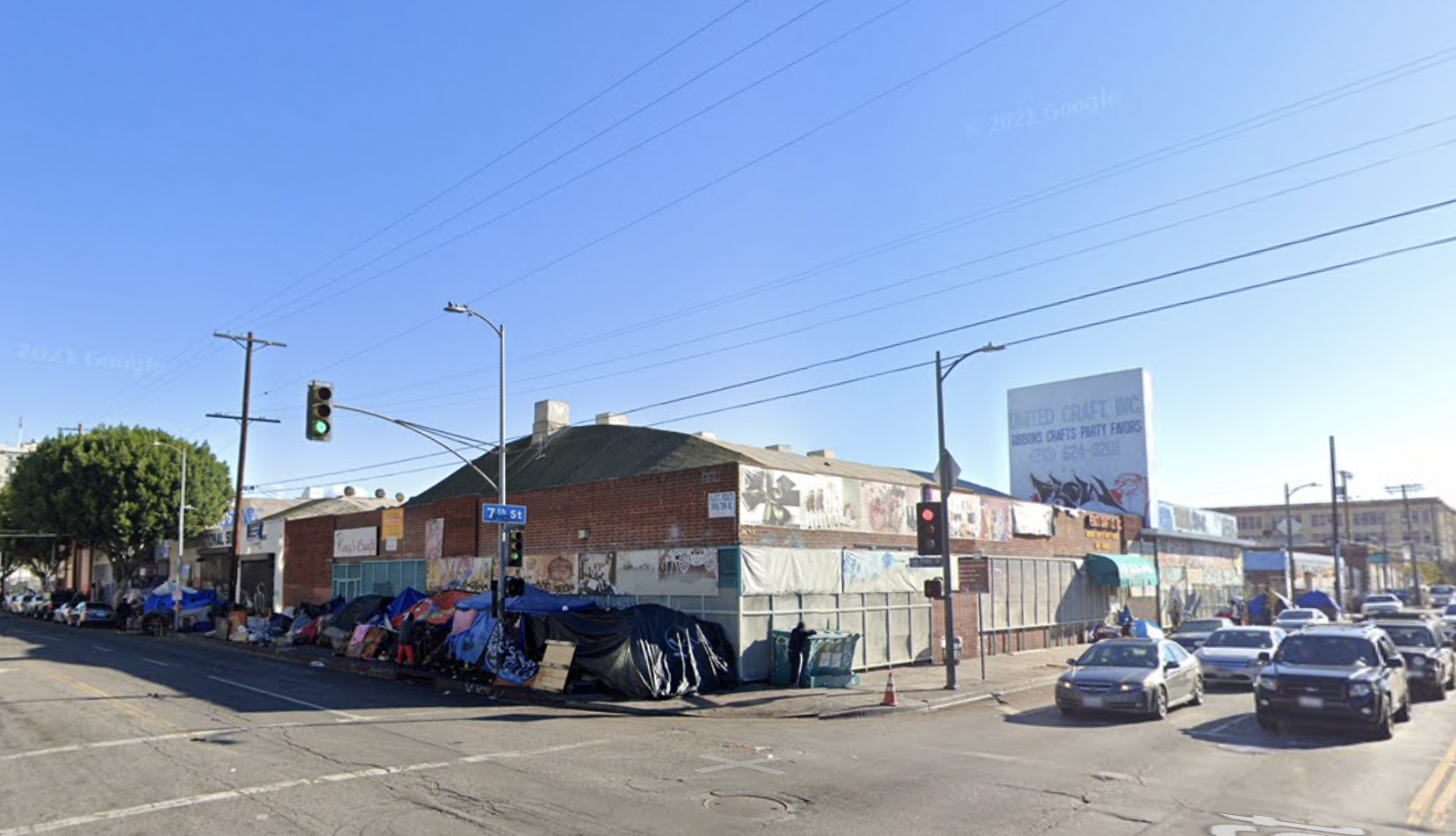
Families from as far away as San Francisco and San Diego arrived for the race, which began at what is now 7th and San Pedro streets.
The track extended 4 1/2 miles south to a wooden stake, where the horses and their riders turned around and headed back to the start.
Springtime mustard plants growing 10 feet tall lined the roadway, making it difficult to see. Bystanders stood in their wagons and climbed trees, gates and rooftops of the occasional house.
As the tension mounted, Sepulveda’s wife, Francisca, arrived in her carriage, holding a fortune in gold coins. Unwrapping her handkerchief, she ostentatiously handed each of her servants and many bystanders a shiny $50 gold piece to bet on the race.
A gasp of astonishment went up when Black Swan appeared, no longer looking like a sickly nag, but sleek with a shiny blue-black mane. Mounted on her back, sitting in a lightweight English saddle, was a small black man, dressed in bright clothing with a small cap turned backward on his head. Atop Sarco sat a hefty Mexican youth in a heavy Western saddle.
…
With so many animals made nervous by the crowds, the starter began the race not with a gunshot but with the cry of “Santiago!”
Sarco jumped out to an early lead, and all those betting on him breathed a sigh of relief. Many leaped to their own horses and followed, tearing through the mustard plants. But the fleet horses soon lost them, and the spectators headed back to watch the finish.
Frenzy gripped the crowd at the halfway mark when Black Swan pulled ahead. Sarco strained every muscle to keep up with the speedy little foreigner.
Nineteen minutes, 20 seconds from start to finish, Black Swan crossed the finish line five lengths ahead. She was bleeding from her nose and flanks from the spurs, and foaming from her mouth.
Racing fans stood around in stunned silence, as others broke down and cried. While Sarco tasted his first defeat, Black Swan, in her moment of triumph, wiped out entire family fortunes. The race contributed to the downfall of Pico, who lost $25,000 and who, more than four decades later, would die penniless.
All that from a 2001 LA Times piece by Cecilia Rasmussen. Not sure her sources, they sound vivid!
The Bowers Museum has a portrait of Sepulveda riding Black Swan:
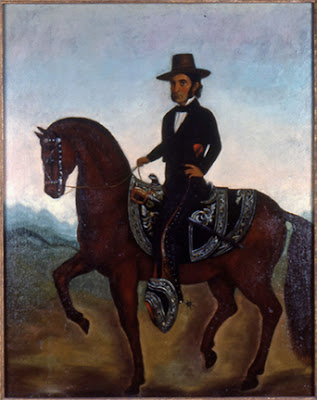
Sepulveda’s son-in-law and a witness to the race wrote later that not much of it could be seen except for the start and the finish because the wild mustard plants stood ten feet high on both sides of the road. Soon after the race Sepulveda took Black Swan to El Refugio, the elaborate adobe home and acreage he had purchased from Domingo Yorba about 1854. El Refugio was located near present day First and Sullivan Streets in Santa Ana. It has been said the family used to feed the horse sugar from the veranda.
A walk beginning at Seventh and San Pedro might be one of the worst nine mile explorations you could make in LA, that’s the butt end of Skid Row.
The poet Fred D’Aguiar took the race as inspiration for a book of poems, For The Unnamed.
For the Unnamed was originally entitled ‘For the Unnamed Black Jockey Who Rode the Winning Steed in the Race Between Pico’s Sarco and Sepulveda’s Black Swan in Los Angeles, in 1852′. That title provided the full narrative in a nutshell: we know the names of the owners of the two horses, we know the horses’ names, the place and date of the race. But apart from his colour, and his victory, we know nothing about the jockey who made the whole thing happen.
(cheers to reader Raj V for putting me on to this tale).
Still true?
Posted: February 3, 2024 Filed under: the California Condition 1 CommentWhat is striking about Los Angeles after a period away from it is how well it works. The famous freeways work, the supermarkets work (a visit to, say, the Pacific Palisades Gelson’s, where the aisles are wide and the shelves full and checkout is fast and free of attitude, elevates grocery shopping to a form of zazen), the beaches work. The 1984 Olympics were not supposed to work, but they did (daily warnings of gridlock and urban misery gave way during the first week to a county-wide block party, with pink and aquamarine flags fluttering over empty streets, and with parking spaces available, for once, even in Westwood)—not only worked but turned a profit, of almost two hundred and twenty-three million dollars, about which there was no scandal.
Saint Joan talking about LA in the August 28, 1988 New Yorker. Will the 2028 Olympics work out the same? I hope so.
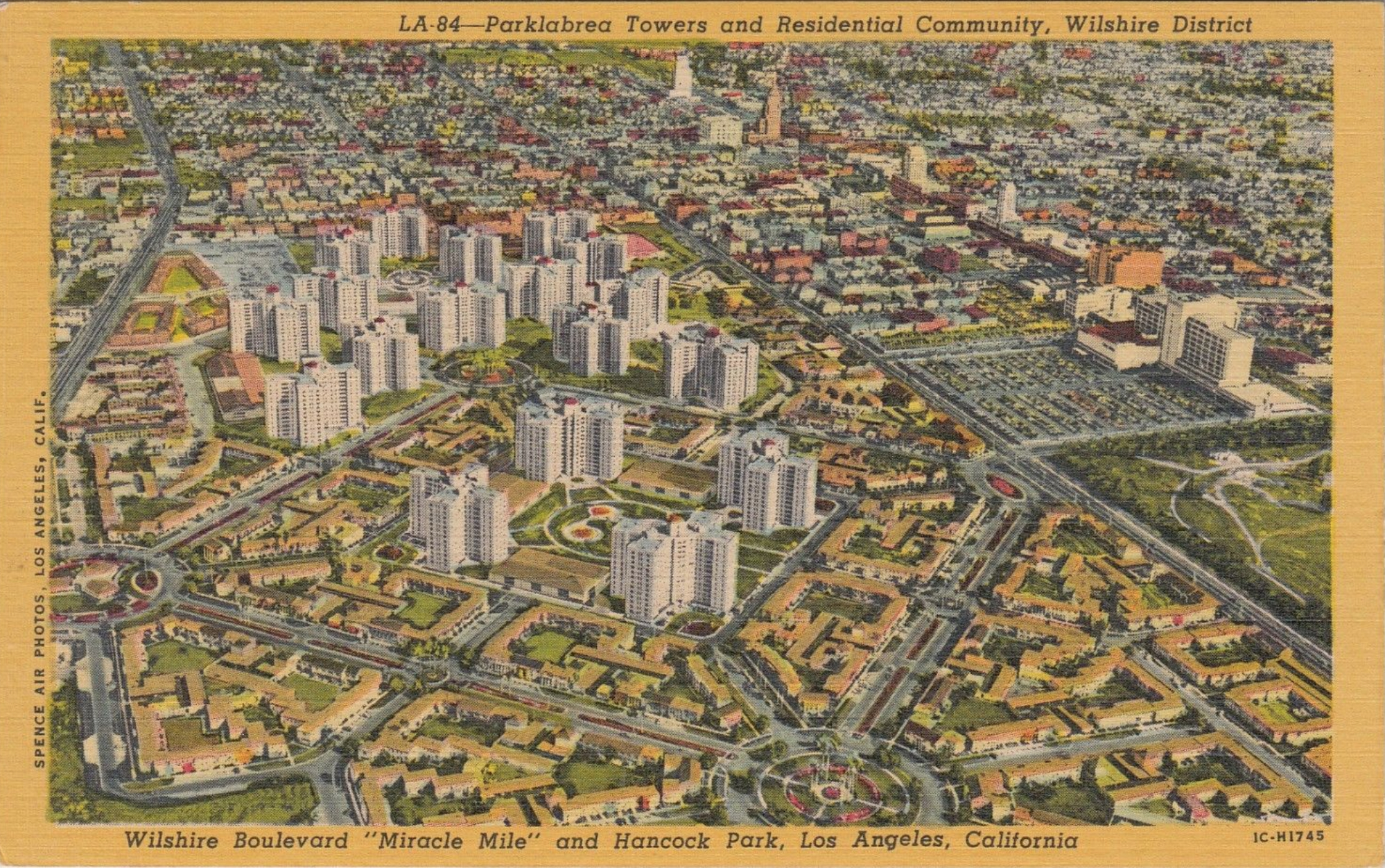
My own observation is Los Angeles works less well in 2024 than it did when I arrived in 2004. Maybe that’s the sweetening filter of nostalgia for youth. There are more people living in tents now than there were then. That seems bad. A dreadful indicator. Does the tent-living increase correlate with housing price increase? Haven’t put the graph together but I’d guess yes.
The economists might tell us demand for housing is growing faster than supply, causing prices to go up. The supply (of housing) is hard to make go up. You need to build.
LA used to be a leader in experimental affordable housing projects:
Southern California town origin stories
Posted: January 20, 2024 Filed under: the California Condition Leave a comment
In 1851 a group of 300 Mormons from southern Utah purchased a 35,509-acre tract in the San Bernardino Valley, laid out a town, planted trees, and built fine homes which they smothered in rose bushes and clinging plants. In a cooperative venture which became the model for all such efforts in the semi-arid Far West, they brought 4000 acres under irrigation. In 1857 a group of German immigrants gathered in San Francisco and incorporated themselves as the Los Angeles Vineyard Society. Purchasing a tract in Southern California which had once been part of the Rancho San Juan Cajon de Santa Ana, the Germans founded the colony of Anaheim, irrigating the soil and planting the vines of California and the Moselle. “We drove through the clean and well-kept avenues or streets, scenting Rhineland on every side,” wrote a visitor in the 1870’s, “and, indeed, this Anaheim itself is nothing but a bit of Germany dropped down on the Pacific Coast.” At Pasadena he might have scented Indiana and high-seriousness of the American Protestant variety. The excessively severe winter of 1873-74 convinced a number of middle class residents of Indianapolis, many of whom suffered from chronic ailments, that they had better emigrate to Southern California as agriculturalists. Incorporating themselves as the San Gabriel Orange Grove Association, they purchased and subdivided part of the Rancho San Pascual at the western head of the San Gabriel Valley: a superb spot, sheltered by the Sierra Madre and Verdugo Mountains, sunny, fertile, and conveniently near Los Angeles. Cottages were built and vines and fruit trees planted. In 1875, when the community acquired a post office, it called itself Pasadena.
Pasadena really does have the vibe/taste of solid Midwesterners from 1875. Who else would have a Rose Parade where they brag about how much tedious work each float takes?
I assumed that Pasadena was from the Spanish but according to About Pasadena on the city’s website:
The word Pasadena literally means “valley” in the Ojibwa (Chippewa) Indian language, but it has been interpreted to mean “Crown of the Valley” and “Key of the Valley,” hence the adoption of both the crown and the key in the official city seal.
More on Kevin Starr, a hero of mine.
Eckersley
Posted: January 7, 2024 Filed under: baseball, the California Condition 1 Commentin 2023 we happened to watch a Dodger Channel / Spectrum Sportsnet LA documentary about the 1988 World Series home run by Kirk Gibson. Probably the most famous moment in post-Brooklyn Dodger history. What impressed though was what Dennis Eckersley had to say. Eckersley threw the pitch Gibson cleared over the right field fence. Here’s what he said about how he handled the postgame interviews:
the urge
Posted: December 28, 2023 Filed under: the California Condition Leave a comment
when looking at my 1969 UNP map I bought in a thrift store in Long Beach

to finally connect the line from Mina, NV to Laws, CA.
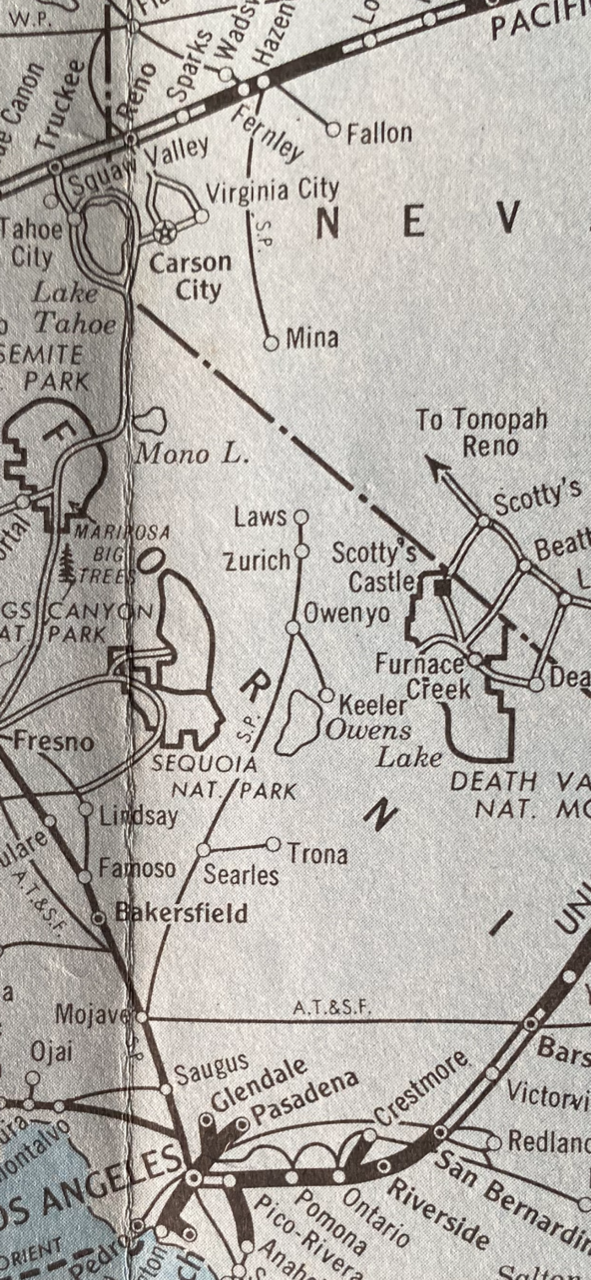
Can you imagine what that would do for the region??
USC-UCLA
Posted: November 18, 2023 Filed under: sports, the California Condition Leave a commentAhead by three scores, taking a knee or running up the middle would have been the humane thing to do, even against those terrible Trojans.
Cade McNown leaned into the huddle and relayed the play. As the clock ticked below 20 seconds, the Bruins quarterback stepped behind center and took the snap. He faked a pitch and took off in the other direction, no one there to protect him.
It was a naked bootleg, and a timeless kick in the rear.
“I mean, I still f— hate Cade McNown,” former USC fullback Petros Papadakis said this week with a hearty laugh.
Enjoyed this LA Times article by Ben Bolch about the 1998 USC-UCLA game. A 1998 time capsule:
Some might say the Bruins were cursed before kickoff. A large swath of the team had wanted to wear black wristbands in protest of Proposition 209, a state constitutional amendment that prohibited affirmative action in state programs and university admissions.
As for Cade McNown:
McNown later worked for UBS in the private wealth group before joining JPMorgan Chase Private Bank. In 2013, McNown joined capital management firm Lourd Murray as a vice president. In 2016, McNown joined Kayne Anderson as a senior managing director. In June 2022, McNown joined The Carlyle Group as a Managing Director and Client Relationship Manager.
Of course. The Carlyle Group is so odd:
In the late 1980s, Carlyle raised capital deal-by-deal to pursue leveraged buyout investments, including a failed takeover battle for Chi-Chi’s.
Chi-Chi’s was a Midwestern sensation that flopped on expansion:
Chi-Chi’s is noted in the Sentinel as specializing in Sonoran food. Sonora, a state in the northwestern region of Mexico, features cuisine known for having “subtle, less spicy seasoning.” For a chain that formed many Americans’ first impression of Mexican food, Chi-Chi’s likely understood the need to ease diners’ palates into the new fare. It was a savvy approach…
Despite having made over $2 million in revenue in its first year, Chi-Chi’s didn’t manage to replicate its Midwest popularity in other regions as it attempted to expand. Multiple locations in New York and the New England region failed, as well as locations in Atlanta, Texas, New Mexico, and San Diego.
Then came the Pittsburgh hepatitis outbreak, which killed at least four people.

Nostaljack took that one for Wikipedia. The last surviving Chi-Chi’s is in Vienna, Austria.
Today USC and UCLA will play in the Rose Bowl. Both teams underperformed expectations this year. Pride will be on the line.
The Retake Room
Posted: November 17, 2023 Filed under: the California Condition Leave a comment
There used to be a bar near the MGM studio in Culver City called The Retake Room. Referenced in some Hollywood history or another, I found these photos of it on Martin Trumbull’s blog, a fantastic resource for now-gone LA places.
when you cut into an onion
Posted: October 30, 2023 Filed under: the California Condition 1 Comment
and it turns out to be two onions? that’s a small pleasure

fine use for a Herend dish
Posted: October 15, 2023 Filed under: America Since 1945, presidents, the California Condition Leave a comment
Knott
You mentioned Jacques Chirac at lunch. I don’t know if you want to tell the story about that.
Kuhn
Oh yes. When Mitterrand was President, Chirac was Prime Minister. Prime Minister of France is a very limited role, but he was there for a meeting at the White House. It was a small plenary session in the Cabinet room. I recall afterwards that Chirac came into the Oval Office just to spend some brief time with the President alone. Photos were taken in the Oval Office and then it was just the two of them. I happened to be in there and was about to leave so they could spend some time together. And Chirac pulls a pack of cigarettes out of his pocket and just lights up a cigarette in the Oval Office like it’s an everyday thing. I had never seen anybody smoke in the Oval Office before. At that time I don’t even think people were smoking in the West Wing. I think they had stopped that, staff-wise.
President Reagan wasn’t at all upset that he lit up, he was fine with that. His big concern was, what do we do for an ashtray? Like, Jim, we’ve got to find—he’s looking frantically and I’m looking because we want to be hospitable. We couldn’t find anything. Finally we found, there was a nice Herend dish on the coffee table that was there and never got used for anything. I thought, well, why not? We’re going to make this a practical piece now, and gave it to him. That Herend dish just became an ashtray. But it was funny, he just fired that cigarette up like—he didn’t offer Reagan one because he knew he didn’t smoke. That was an old fashioned thing to do in the old days.
tales from the Reagan oral histories at UVA’s Miller Center, that is James Kuhn.
Not sure I’ve ever seen a sarcastic caption in the NYT before
Posted: July 31, 2023 Filed under: the California Condition Leave a comment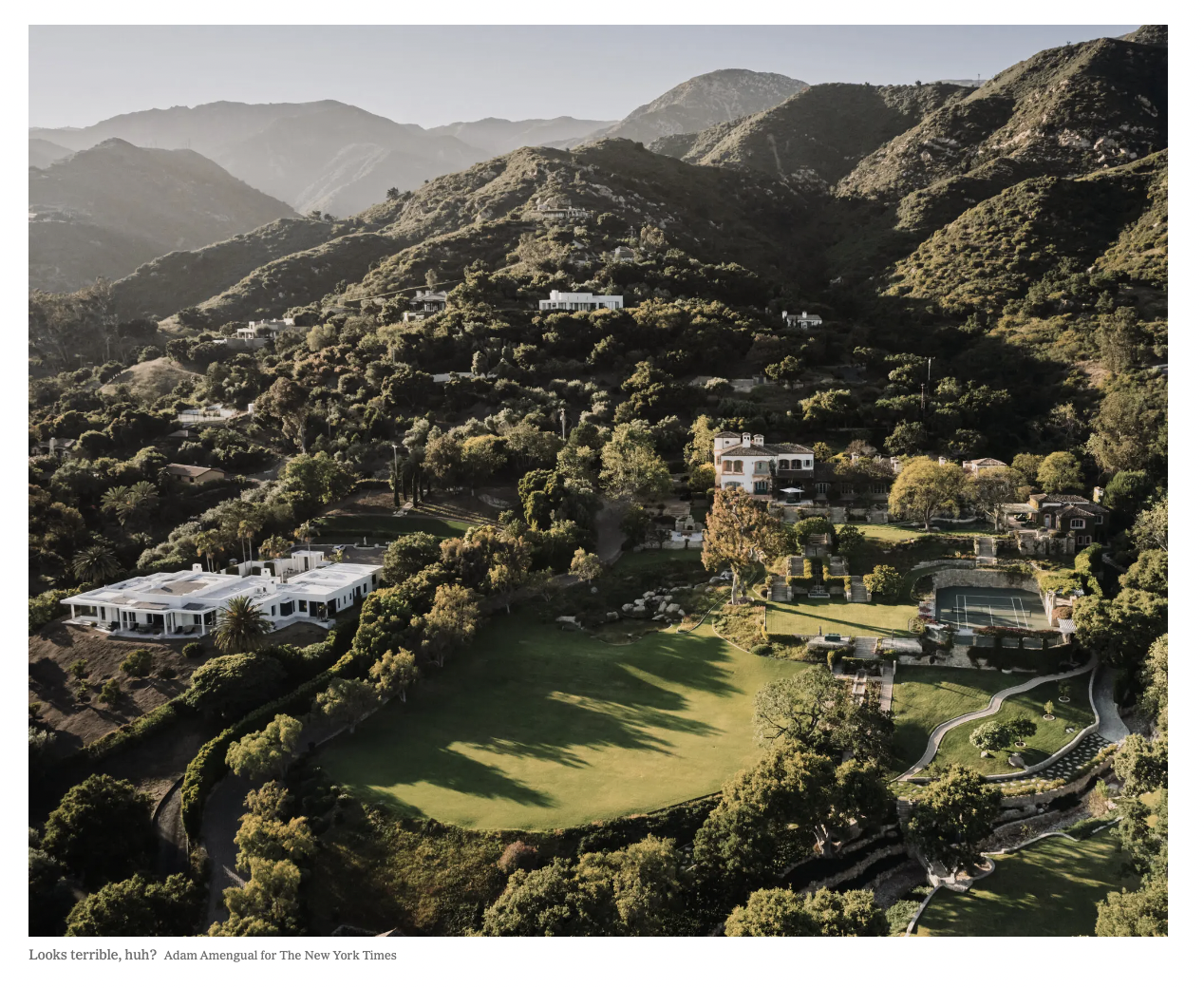
from Amy Larocca’s article about Montecito, a topic we covered last summer.
Los Angeles: The Ultimate City
Posted: June 16, 2023 Filed under: the California Condition Leave a comment
Picked up a used copy of this one, from the genre of New Yorker (the magazine) writers doing longform jobs on big topics. It’s not super insightful or vital in 2023 (“restaurants in L. A. must have plenty of parking space available”) but I appreciated this summary of the socialist history of California:


Once again
Posted: March 26, 2023 Filed under: the California Condition Leave a comment
Once again find ourselves thinking about Tulare Lake, appearing again.
Last time we drove up there was to look for the site of the Mussel Slough gunfight.
We were almost lost in the tule fog.
Los Angeles is beautiful
Posted: November 12, 2022 Filed under: the California Condition Leave a comment
It really is. Been meaning to compose more on that theme but I get overwhelmed.
Love of The Last Tycoon by F. Scott Fitzgerald
Posted: September 17, 2022 Filed under: the California Condition Leave a comment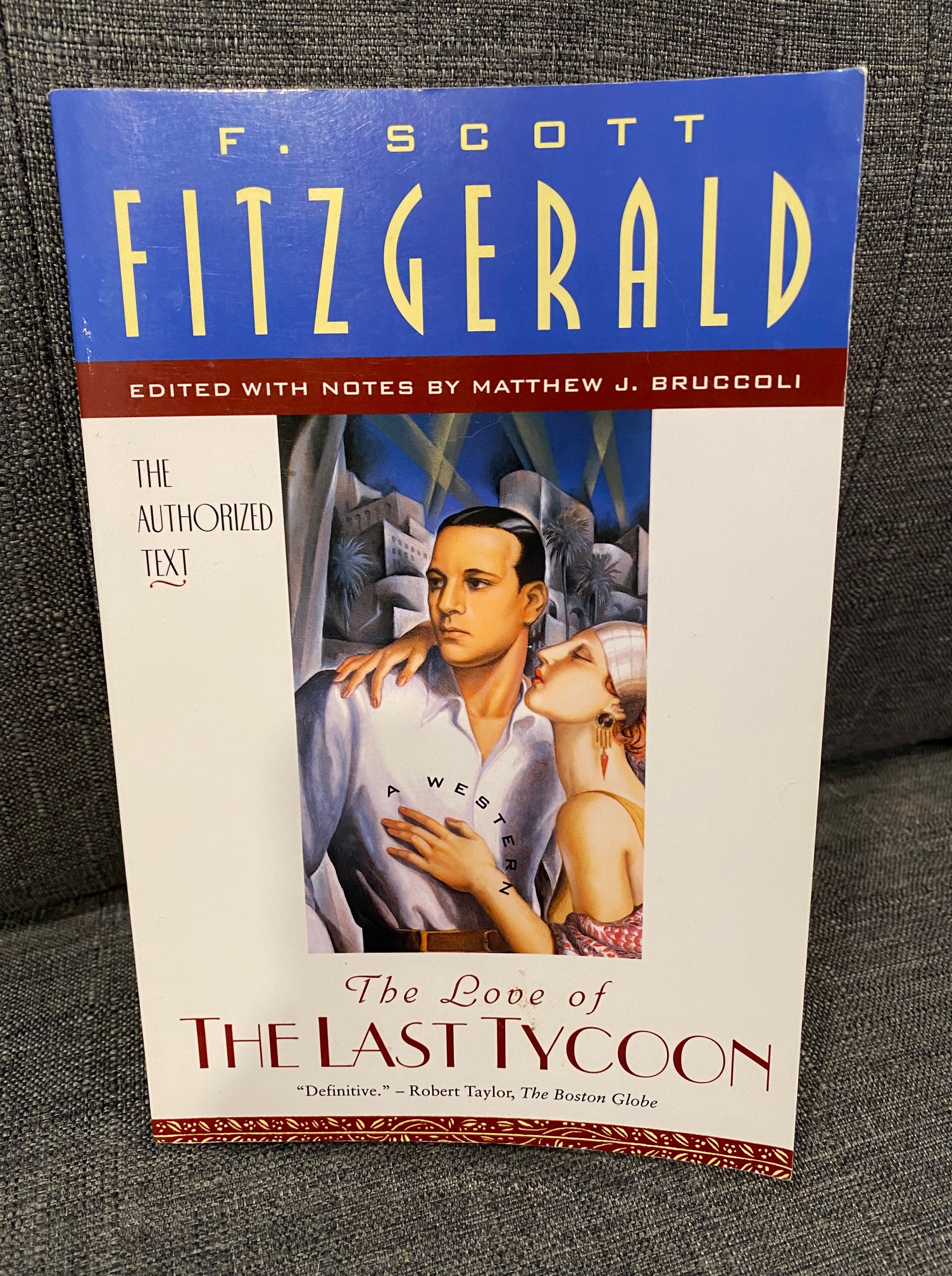
“There’s a writer for you,” he said. “Knows everything at and at the same time he knows nothing.”
This is a strange book. It opens in “flyover country”: literally. We’re on a transcontinental airplane trip. Very different from current day air travel: there are sleeping compartments, the passengers all chat, the stewardess offers them pharmaceuticals. (Are we on a Douglas Sleeper Transport?).
A theme of this book is the ability to see the whole picture, as if from on high, so maybe the plane flight makes sense as a metaphor. Hollywood producer Monroe Stahr, the tycoon of the title, is up with the pilots:
Obviously Stahr had put the pilots right up on the throne with him and let them rule with him for a while. Years later I travelled with one of those same pilots and he told me one thing Stahr had sad.
He was looking down at the mountains.
“Suppose you were a railroad man,” he said. “You have to send a train through there somewhere. Well, you get your surveyors’ reports, and you find there’s three or four or half a dozen gaps, and not one is better than the other. You’ve got to decide – on what basis? You can’t test the best way – except by doing it. So you do it.”
The pilot thought he had missed something.
“How do you mean?”
“You choose some way for no reason at all – because that mountain’s pink or the blueprint is a better blue. You see?”
Fitzgerald based Stahr on Irving Thalberg, a boy wonder who ran production at MGM. In Genius of the System, there are some quotes from transcripts of story meetings with Thalberg, and he really does sound like this.
The plane we open on is forced to land in Tennessee. Our narrator, Cecila Brady, is taken to see Andrew Jackson’s house, The Hermitage. What of this? Or just a detail that felt real? Is Fitzgerald suggesting something of the movie obsession with American myth? Did he have in mind how the mansion on the Culver studios lot was modeled on Mount Vernon?
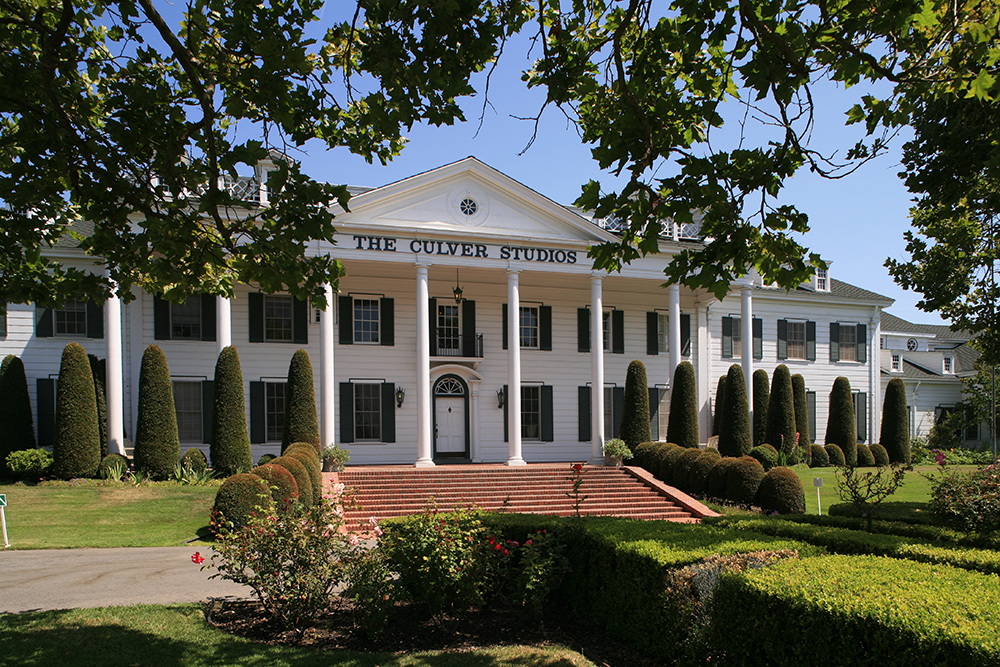
It’s said Jack Warner’s second wife redesigned the house to look more like Monticello.
Fitzgerald never finished this book. He died while writing it, after eating a Hershey bar. The day before he’d been wrestling with the scene where Stahr and the Communist get in a fistfight. Sheilah Graham says he told her:
Baby, this book will be good. It might even make enough money for us both to leave Hollywood.
He left Hollywood the next day.
Like John Fante’s Ask The Dust, Love of the Last Tycoon involves the Long Beach earthquake of 1933.
When he heard about the thousands dead at Long Beach he was still haunted by the abortive suicide at dawn
Wikipedia tells us only about 128 people actually died in the quake. Maybe a misperception at the time is accurate. Or who knows?
An evocation of a studio backlot:
Under the moon the back lot was thirty acres of fairyland – not because the locations really looked like African jungles and French châteaux and schooners at anchor and Broadway by night, but because they looked like the torn picture books of childhood, like fragments of stories dancing in an open fire.
Stahr makes a decision:
The oracle had spoken. There was nothing to question or argue. Stahr must be right always, not most of the time, but always – or the structure would melt down like gradual butter.
Here’s Malibu, 1933:
Past Malibu with its gaudy shacks and fishing barges they came into the range of human kind again, the cars stacked and piled along the road, the beaches like ant hills without a pattern, save for the dark drowned heads that sprinkled in the sea.
Would there were still fishing barges there.
The perspective of Love of the Last Tycoon is kind of odd, it’s narrated by Cecilia Brady, but she’s often describing, maybe imagining, scenes she was not present for.
This is Cecilia taking up the story. I think it would be most interesting to follow my own movements at this point, as this is a time in my life that I am ashamed of. What people are ashamed of usually makes a good story.
(does it?)
In Gatsby too there’s a sort of observer/narrator.
The English novelist Boxley doesn’t get it with writing for the movies. Stahr tries to help him:
“If you were in a chemist’s,” conceded Stahr, and you were getting a prescription for some member of your family who was very sick -“
“- Very ill?” queried Boxley.
“Very ill. Then whatever caught your attention through the window, whatever distracted you and held you would probably be material for pictures.”
“A murder outside the window, you mean.”
“There you go,” said Stahr smiling. “It might be a spider working on the pane.”
“Of course – I see.”
“I’m afraid you don’t, Mr. Boxley. You see it for your medium but not for ours. You keep the spiders for yourself and you try to pin the murders on us.”
Stahr tries to press the point:
Our condition is that we have to take people’s own favorite folklore and dress it up and give back to them. Anything beyond that is sugar. So won’t you give us some sugar, Mr. Boxley?
More geography, LA 1933:
They rode through Griffith Park and out past the dark studios of Burbank, past the airports and along the way to Pasadena past the neon signs of roadside caberets… they passed over the suicide bridge with the high new wire.
Stahr on writers:
“I never thought,” he said, ” – that I had more brains than a writer has. But I always thought his brains belonged to me – because I knew how to use them. Like the Romans – I’ve heard that they never invented things but they knew what do with them. Do you see? I don’t say it’s right. But it’s the way I’ve always felt – since I was a boy.”
Around the town
Posted: September 5, 2022 Filed under: the California Condition Leave a comment
Professor McHugh is off to Berlin to deliver a talk. In ancient India, they conceived of thought, the mind, and the soul as being located in the heart. So what did they think the brain was for? That’s the theme, wish we could attend. Haven’t been to Berlin since Jones was working on a movie there (Speed Racer?). Mat W is just back from Pittsburgh, where he toured an old iron factory…
Beyers says he plans to come down for Thanksgiving, should be rowdy as always. He’s been watching Hip Hop Evolution on Netflix, hosted by Shad. A fun introduction to various hiphop scenes, organized semi-geographically. We watched the one about Memphis and Three Six Mafia, the one about New Orleans bounce and Cash Money records, the one about Houston and chopped and screwed (DJ Screw was making thousands of dollars selling tapes out of his house), and the one about Atlanta crunk and Lil Jon: very fun. Lil Jon in particular seems to have bloomed into something like a civic booster and public face of Atlanta.
Hip Hop Evolution led to watching The Carter documentary about Lil Wayne. The most dramatic moment of the film occurs around 56:00 when Wayne has had it with a European reporter who’s trying to get him to place himself in a New Orleans musical tradition. Lil Wayne’s not having it.
We played a game called Ranker (or is it Rancor?) over at Vali’s. Someone leaves the room, and the group then comes up with a number from one to ten. Eight say. The guesser then returns and takes turns asking people questions like “US cities” or “movies from the 70s.” You try and give an answer that will steer them towards the correct number. It’s fun, try it, Jen Crittenden is credited with introducing it to us.
Dave and Esther are back from Italy. Esther’s been doing great work on TikTok on the categories “Hot Girls” vs “Pretty Girls” (no offense is intended, take it in spirit its intended). Dave’s excited to see Pavement at the Orpheum this week, we’ll be joining.
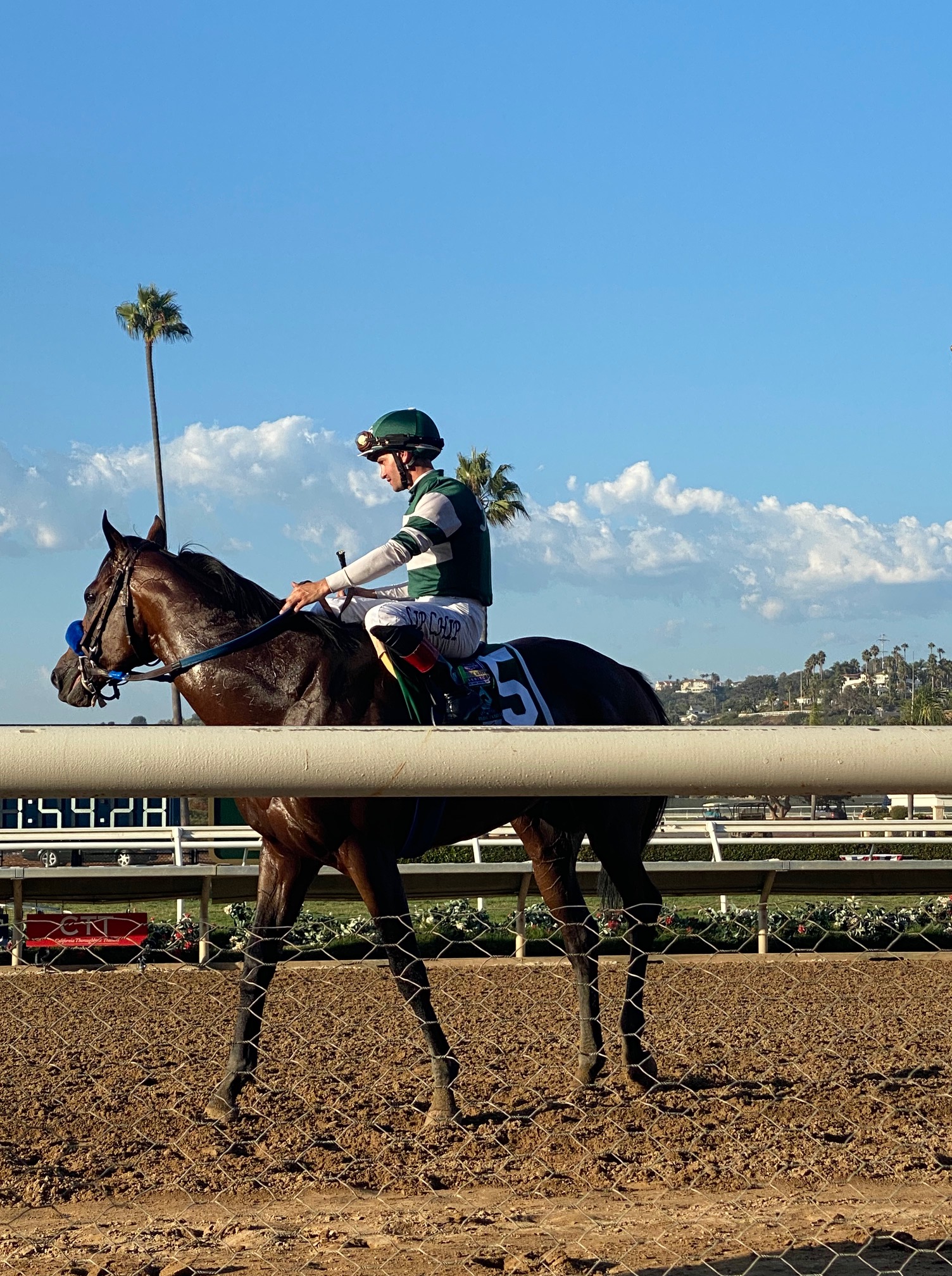
Boy, how about Flightline? We trained down to Del Mar on Amtrak’s Surfliner for the Pacific Classic, and we weren’t disappointed. Standing right by the rail I was convinced I’d just seen the fastest horse to ever run, but in fact Flightline was seventeen one hundredths short of breaking the track record (set by Candy Ride, 2003). Two seconds shy of the 1 1/4 mile world record. Maybe it was the heat. Still, nice to see excellence of any kind. After the race you can bet Red Tracton’s was lively.
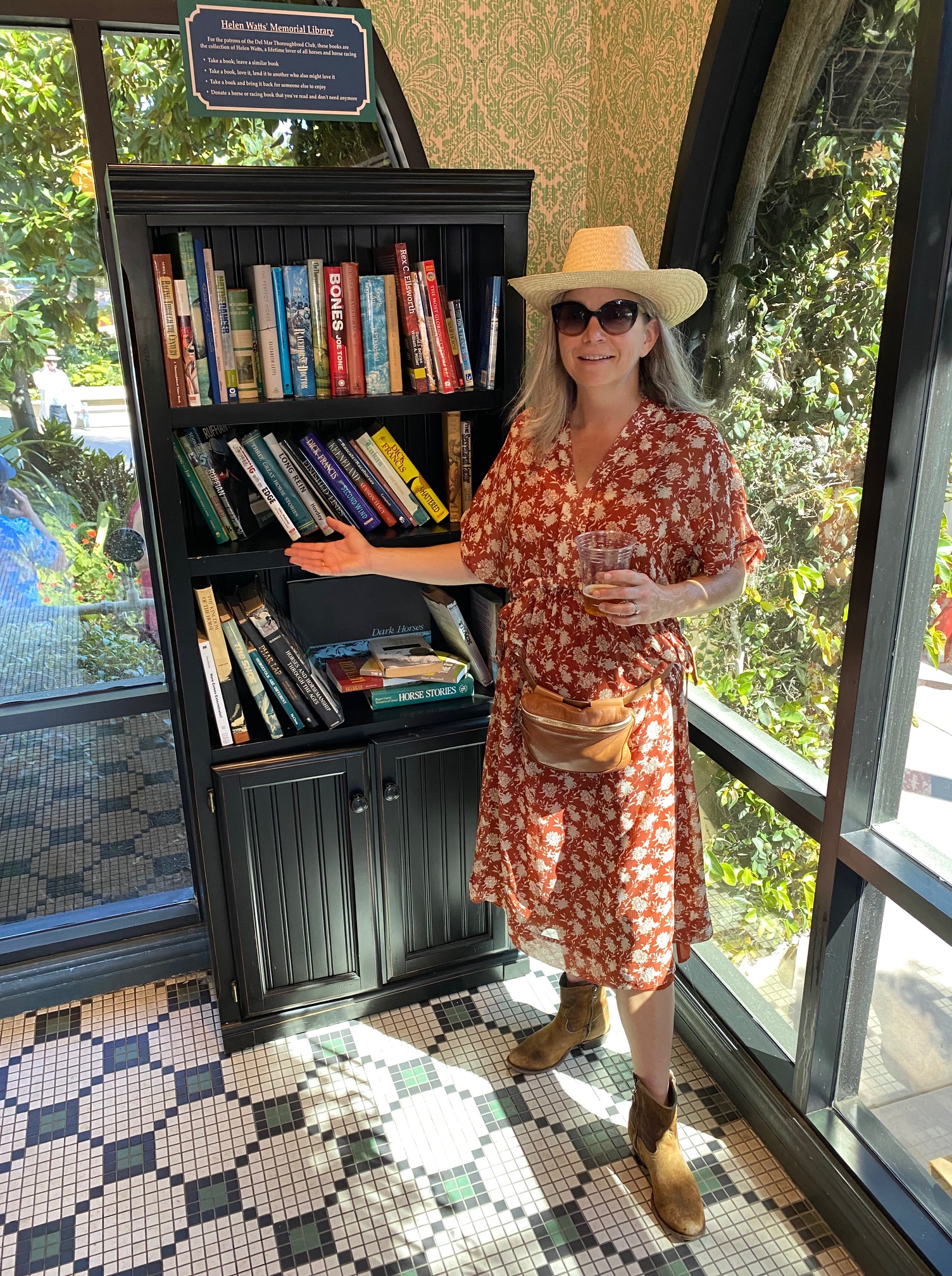
If you’re going down to Del Mar, bring an old racing book you don’t need anymore, and you can trade it for another at the Helen Watts’ Memorial Library, at the southeast corner of 17 Hands. You wouldn’t think a bar would be a likely place for a trading library, but there it is!
Everyone’s excited for the release of W. David Marx’s book on status and culture. The galley was hard to get, an instant “status galley” – cunning marketing on Dave’s part? Sounds like we might get to hear him on How Long Gone soon… Greaney’s on his way to Mexico to see his buddy Alma, who built himself a house out of volcanic rocks. We lunched at, you guessed it, Terroni… Congrats to Tim Robinson on winning an Emmy, he earned that one!… Our correspondents from overseas had reports for us: Chileans rejected their draft constitution. A boy in New Zealand discovered a giant worm (click that link at your peril if you have Scoleciphobia)… We’re under the heat dome here in Los Angeles but we’ll make it, we always do. The Giants are coming to Dodger Stadium this week, if you’re going over there make sure you’ve studied the shade map.
California agriculture statistics to delight, amaze, and amuse
Posted: September 4, 2022 Filed under: the California Condition Leave a comment
California leads the nation in production of: apricots, asparagus, avocados, lima beans, broccoli, brussel spouts, carrots, cauliflower, dates, eggplant, sweet corn, figs, cut flowers, grapes, alfalfa hay, herbs of all kinds, jojoba of course, kale, kumquats, lemons, lettuce, limes, cantaloupes, onions, parsley, chili peppers, bell peppers, persimmons, pomegranates, raspberries, tangerines, tomatoes, spinach, strawberries, and watercress.
And those are just the competitive categories.
When it comes to almonds, artichokes, celery, figs, garlic, kiwis, honeydew, nectarines, olives, pistachios, plums, and walnuts, forget it, we’re so far ahead it’s barely worth counting other states: California produces 99% or more of the US total for each.
On top of that, we’re number two in rice, sweet potatoes, oranges, blueberries, grapefruits, and mushrooms. Arkansas, North Carolina, Florida, Washington, Florida, and Pennsylvania better watch their respective backs.
Vermont and Wisconsin pride themselves on their dairies, but in production of milk and cream, California is unrivaled: we produce forty one billion pounds of milk and cream a year. (Wisconsin is second, thirty one billion, and third is actually Idaho).
The agricultural statistics are so staggering they please the brain to contemplate: California produces in a single year, for example, a billion pounds of strawberries, three billion pounds of lettuce, five billion pounds of grapes, and eleven billion pounds of tomatoes. We grew ninety two million daisies and seventy five million lilies. Thirty six thousand acres of California are devoted simply to cauliflower. There are in total one thousand, three hundred square miles of California covered in grape vines, and close to two thousand square miles of almond trees, equivalent to an entire Delaware.
Almonds are truly where we dominate: California produces eighty-two percent of all the almonds on planet Earth. That’s insane for a lot of reasons, one of them being that it takes about a gallon of water to grow a single almond. Now, some places in California have lots of water: water roars down the Trinity River through the redwoods of far northern California, and over the waterfalls of Yosemite. But some places in California have very little water at all: Death Valley gets about two inches of rain in an entire year.
Most of the almonds are grown somewhere in between. The biggest almond growing county is Fresno, which gets about fifteen inches of rain a year on average. That’s less than half of the US average. The water for all those thirsty almonds is coming from the thin rivers, by aqueduct or it’s pumped out of the ground. California exports water in the form of delicious almonds and other crops. That doesn’t really make a lot of sense, condensing our precious water into nuts and shipping it away. But almonds are $5.6 billion business, so that’s what happens.
(Here’s my source)
Antonio Ygnacio Avila
Posted: September 4, 2022 Filed under: the California Condition Leave a comment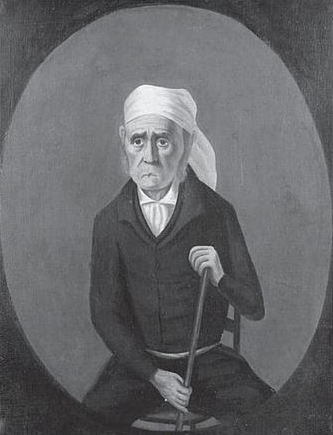
Taken with this dour fellow, who once owned 22,000+ acres of what’s now Playa Del Rey, El Segundo, Manhattan Beach, Lawndale, Hermosa Beach, Inglewood, Hawthorne, and Redondo Beach. Cheer up pal, you live on the beach!


_(cropped).jpg)