SFJ: There’s a lot to talk about in that it mirrors the larger economy… You know, all the mergers that happened at the corporate level are now happening at the musical level. I was talking to someone who was handwringing about Spotify, a fellow musician who wrote an editorial, and when we were talking about the whole thing, he said, “You know, there’s no reason to yell at any particular party, because they all have equity in each other. It’s all one thing, and they’re completely aligned against the artist in every case.”
What we had in the ’90s was… what another very famous, huge record executive [said to me] in a very, very hilarious way. We went to his Fifth Avenue townhouse, gorgeous space, and he said—maybe I’ll give it away if I can do his accent properly—but he said [Affects accent.], “You know what this is? This right here? It’s stupid money. It’s CD money. That’s the kind of money that made dumb people feel smart.” You have the biggest fucking markup in retail history, and somehow in one winter, the music business—with Phillips leading the way—said, “Hey, that $7.99 album you love? Guess what? Your lucky day: You get to buy it for $18.99, it’s going to sound worse, and you have to buy fucking pieces of equipment.” And everyone said, “Great, I’d like to buy more of them please.” And so there was this incredible surplus of money. And then musicians like me [Frere-Jones played in the post-rock/punk-funk band Ui at the time. —ed.] get a day job doing very little at Columbia House, and go on tour, because those jobs existed.
Yes to this attitude!
Posted: July 20, 2015 Filed under: America Since 1945, writing Leave a comment
4,835 words on Ta-Nahesi Coates and Gawker controversy and Donald Trump
Posted: July 17, 2015 Filed under: America Since 1945, animals, Kennedy-Nixon Leave a comment ; ) just kidding! Instead here:

“My mother told a funny story,” says Caroline Kennedy, who is now the US ambassador to Japan, but was once – a little over 50 years ago – a toddler growing up in the White House.
“She was sitting next to Khrushchev at a state dinner in Vienna. She ran out of things to talk about, so she asked about the dog, Strelka, that the Russians had shot into space. During the conversation, my mother asked about Strelka’s puppies.
“A few months later, a puppy arrived and my father had no idea where the dog came from and couldn’t believe my mother had done that.”
The puppy was Strelka’s daughter, Pushinka, listed on her official registration certificate as a “non-breed” or mongrel.
“Pushinka was cute and fluffy,” says Ambassador Kennedy – in fact the Russian name translates as Fluffy.
(from)

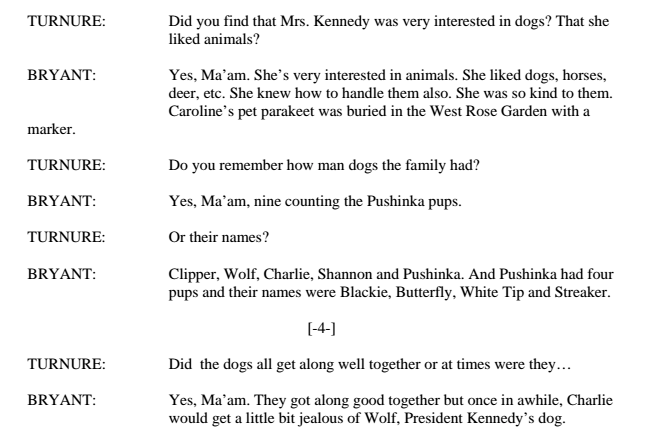
From the Traphes L. Bryant oral history over there at the JFK Library:
 And:
And:
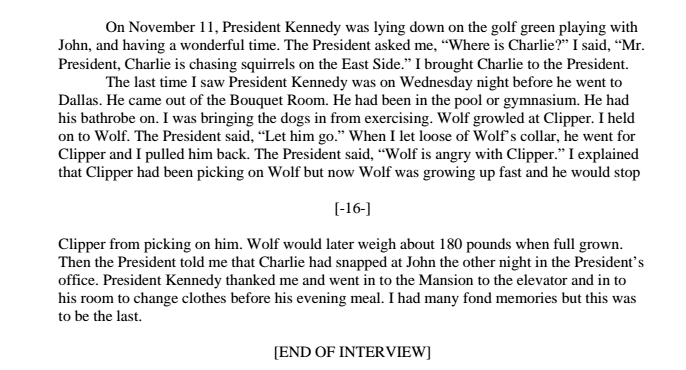
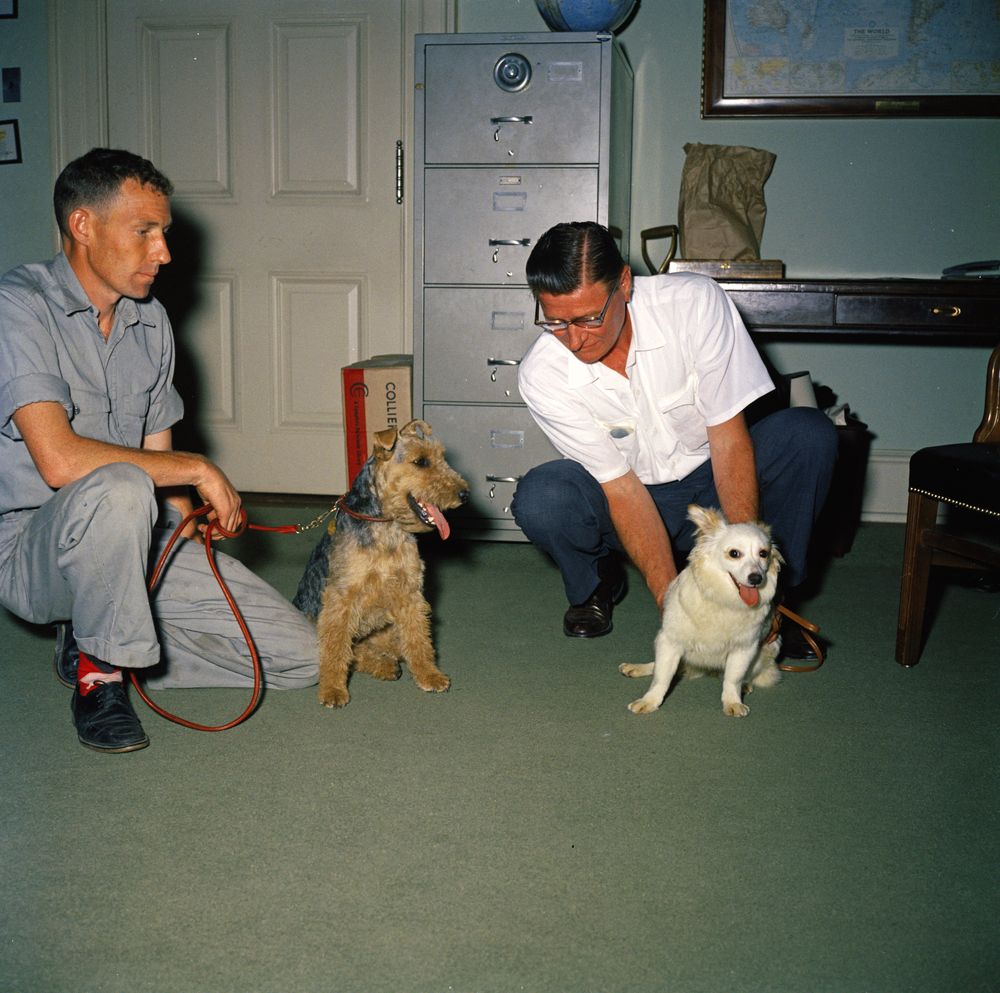
Charlie and Pushinka:
The Relationship That Dares Not Speak Its Name
Posted: July 8, 2015 Filed under: America Since 1945, love 4 Comments
The relationship that is so important and yet perhaps the hardest to express and discuss is FRIENDSHIP.
You love your friends. You love them so much. How to tell them? Can you? Should you? Is it acceptable? Are there rituals for it? Can other people ever understand it?

Is the expression of this part of what we love in sports?
Maybe the difficulty of expressing this relationship is why it makes for such powerful art.
What is the power of this gif from Broad City?

It is that Ilana is having almost orgasmic feelings, not from sex but from friendship-love for Abby*.
I haven’t seen all of Broad City, but I bet there’s a lot more of this emotion than there is of sex-having joy, or man-woman emotion.
I remember in high school my English teacher calling our attention to an essay called “Come Back To The Raft Ag’in Huck Honey” by Leslie Fielder. It’s not easily avail online but by the first sentence it’s talking about homosexual tension between Huck and Jim, who remember spend the whole book on a raft together, close as can be:
Fiedler’s first critical work appeared in 1948 and came about from his habit of reading American novels to his sons. The essay appeared in Partisan Review (enabled by Fiedler’s recent acquaintance with Delmore Schwartz) and was the subject of a great amount of critical debate and controversy. “Come Back to the Raft Ag’in, Huck Honey!” argued a recurrent theme in American literature was an unspoken or implied homoerotic relationship between men, famously using Huckleberry Finn and Jim as examples. Pairs of men flee for wilderness rather than remain in the civilizing and domesticated world of women. Fiedler also deals with this male bonding in Love and Death in the American Novel (1960), Waiting for the End (1964) and The Return of the Vanishing American (1968).
As Winchell wrote in his book on Fiedler, “Reading ‘Come Back to the Raft’ over half a century later, one tends to forget that, prior to Fiedler, few critics had discussed classic American literature in terms of race, gender, and sexuality” (Winchell 53). Fiedler emphasized the fact the males paired in these wilderness adventures tend to be of different races as well, which created an additional critical dimension. “Come Back to the Raft” not only caused a stream of letters of protest to be sent to Partisan Review, but it also was attacked by the critical community. For instance, Queer theoristChristopher Looby argues that Fiedler’s claims were noticeably given from a 20th Century urban perspective and did not adequately address the time period in which Huckleberry Finn was written (i.e. the debate on the sexuality of Abraham Lincoln).
Well, call me a square, but I don’t think Huck Finn is really about queer theory. I think it’s about men bonded together in friendship. No sex, just men intensely and closely together.
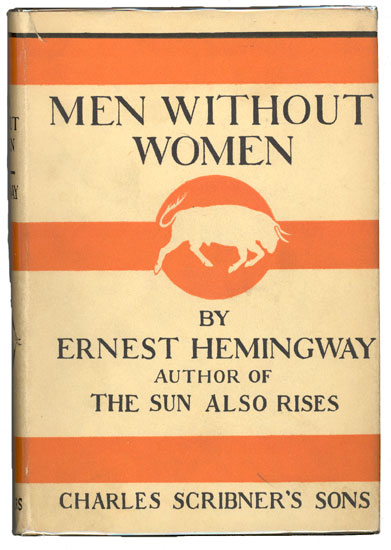
Hemingway as us. puts it succinctly:
I think intense, almost inexpressible friendship is a theme that runs through American literature, and probably world lit.
Many, many times in the history of America, men were bonded to each other in intense ways. And women were bonded to each other in intense ways. That’s how they got through life.
Forget history: think of your own life.
There is little language or ritual for this relationship. The big ritual is marriage: man and woman (and now man/man, woman/woman etc. but it’s not the same thing).

In a way, at a wedding you’re saying goodbye to your friend relationships.
The two most popular TV shows of my youth, Friends and Seinfeld, were about friends who are bonded to each other.
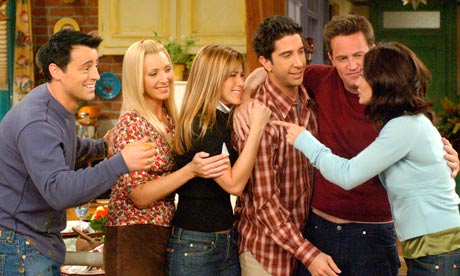
The romantic relationships they form are disposable by comparison.
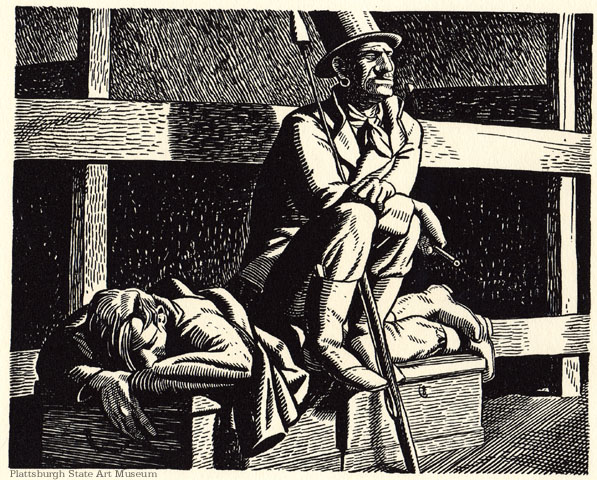
What’s going on in Moby-Dick, really? What’s the most important relationship in this book with almost no women?
You could say it’s the friendship between Ishmael and Queequeg?
How about Gatsby? The whole summer over which Gatsby occurs, Nick is dating some chick named Jordan who he in the end discards as unworthy. What relationship from that summer was important to Nick? His friendship with another dude. How about this moment when Gatsby lives up to Nick’s dream of him?:
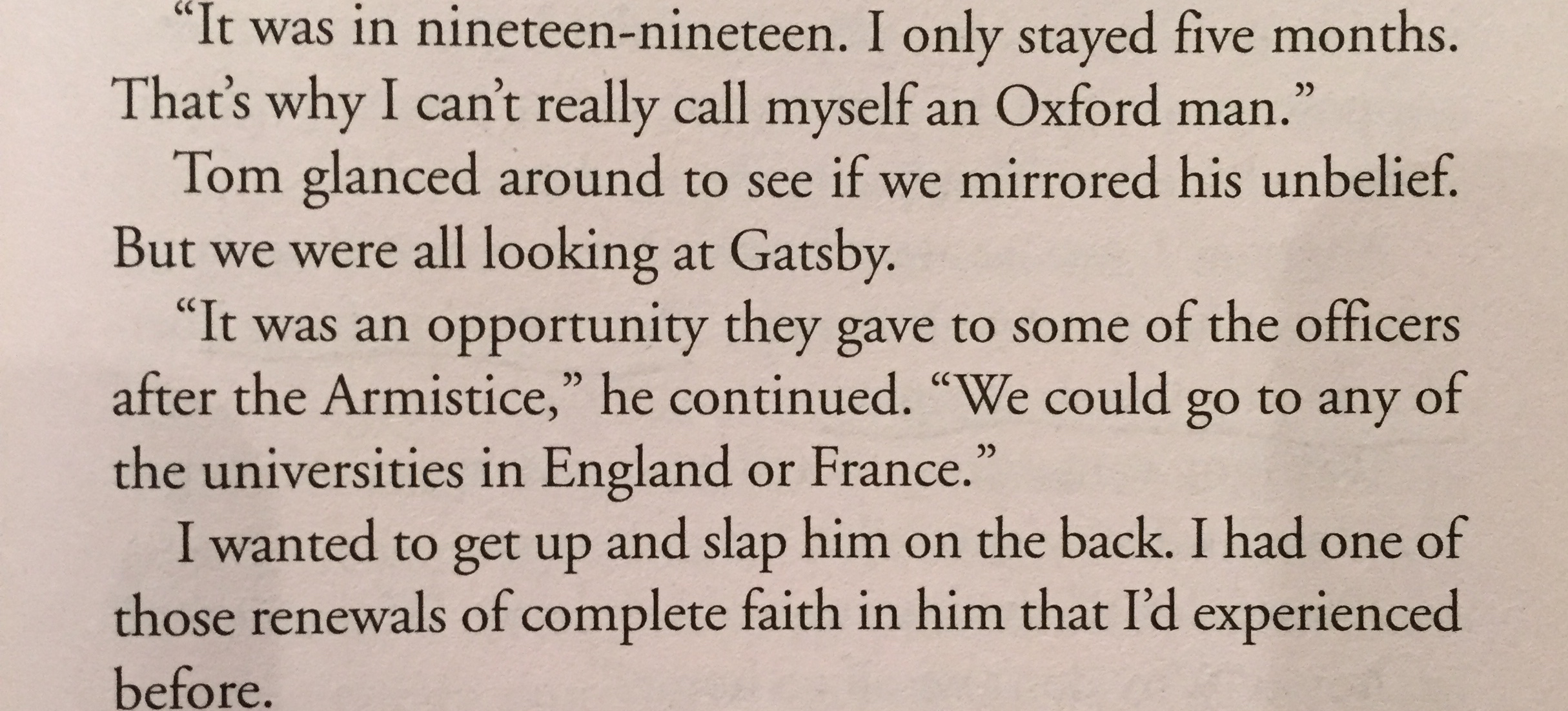
I wanted to get up and slap him on the back. I had one of those renewals of complete faith in him that I’d experienced before.
Gatsby is like a love letter from Nick to his great, doomed friend.
Why was True Detective good last year and not good** this year? Tons of reasons (if you agree with the premise).
But last year it was about partners. Male partners.
Not sex partners — geez, it’s not all sex. Men can love each other without fucking. True Detective 1 is about guys who had to be loyal to each other. In the beginning, and also the “end,” in fact, they hate each other. But in the true end? They are there for each other. They love each other so much it breaks your heart. Isn’t the last shot or whatever Harrelson carrying McConaughey?
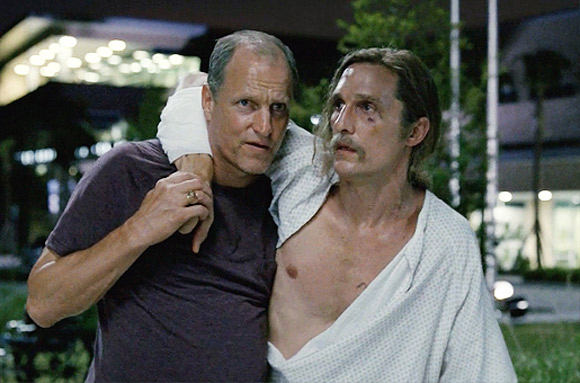
(Yeah I’m no dunce, I know that’s also meant to be Jesus or whatever too — for that matter, what are the Gospels about if not friendship and love among bros?)
What is Entourage about?
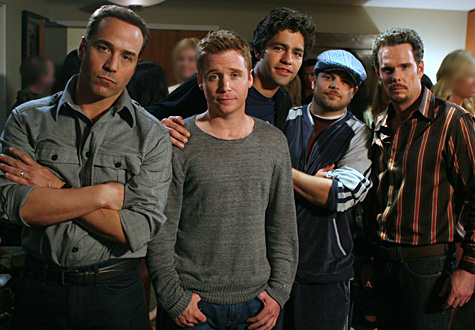
I started watching Ballers this year. Ballers = Entourage but about sports, right? I’m sure that’s how they pitched it.
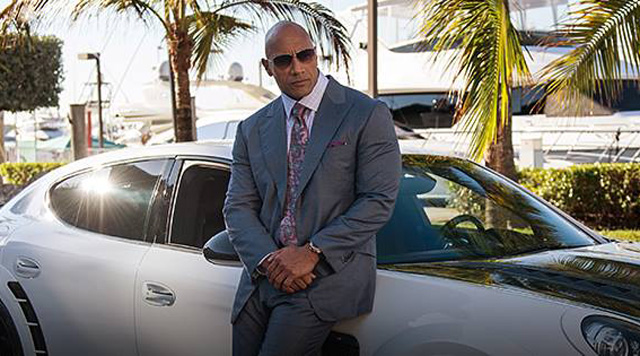
But Ballers sucks** so bad it makes you revisit and consider what made Entourage tick.
What was Entourage about? Friends. Male friendship. It’s so awkward to talk about that the only way the Entourage dudes could express it was in talking about fuckin’ chicks, or making fun of how gay Lloyd is. There are (at least in the movie) zero emotional moments between men and women in Entourage. The emotion is men, trying so hard to express something that their culture/life whatever gives them no language for: the non-sexual love between men.
Ballers sucks because The Rock has no real friends in it. Who is his friend, Corddry?
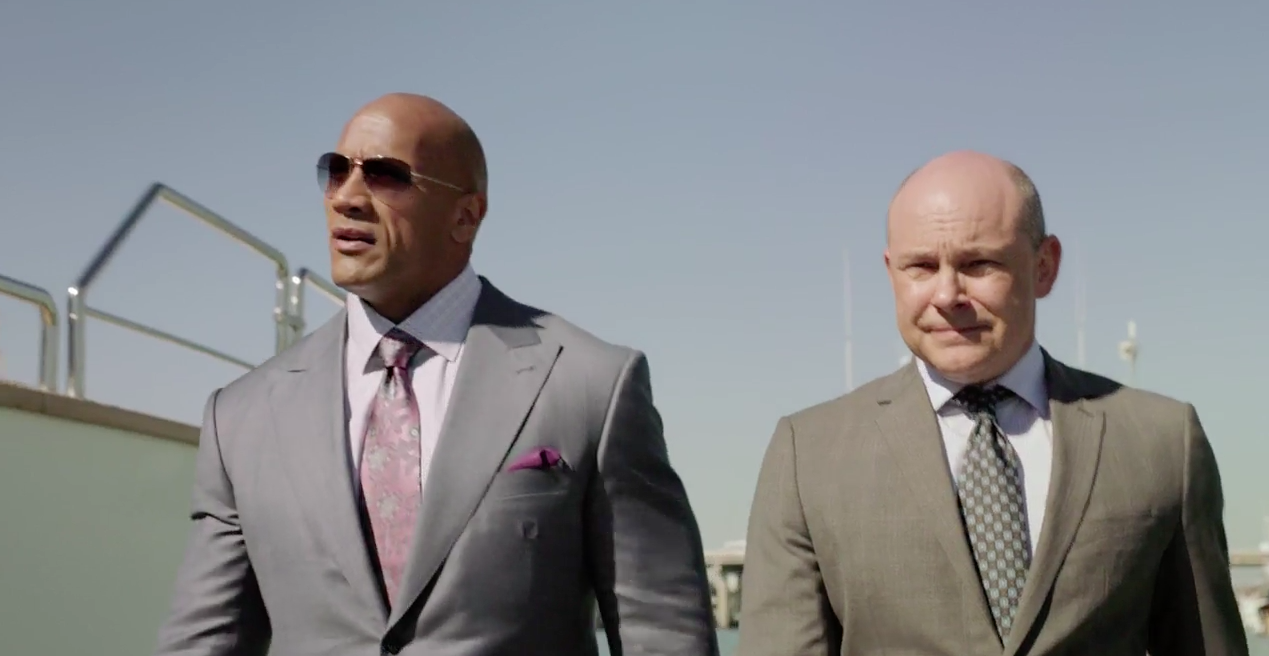
C’mon.
In Ballers, there’s no loyalty to a friend that he puts above everything else in his life.
Consider The Bridges At Toko-Ri, by James Michener. (I’m stealing this point from some military guy in an interview. I can’t remember who. When I find it I’ll post, this bit about Bridges at Toko-Ri is more or less a summary of what some guy said in something I read years ago:)
In this movie/book, William Holden has a great life, post-war. But he’s called back to war to help out his shipmate. His wife, Grace Kelly, can’t understand this relationship. Who cares? Stay with your great life and wife and kids! She doesn’t understand “shipmates.” But William Holden knows it’s the most important relationship in his life.
In the end, he dies in a ditch with his friend Mickey Rooney. This was his fate, to die with his friend. Tragic, maybe, but noble.
How about this?
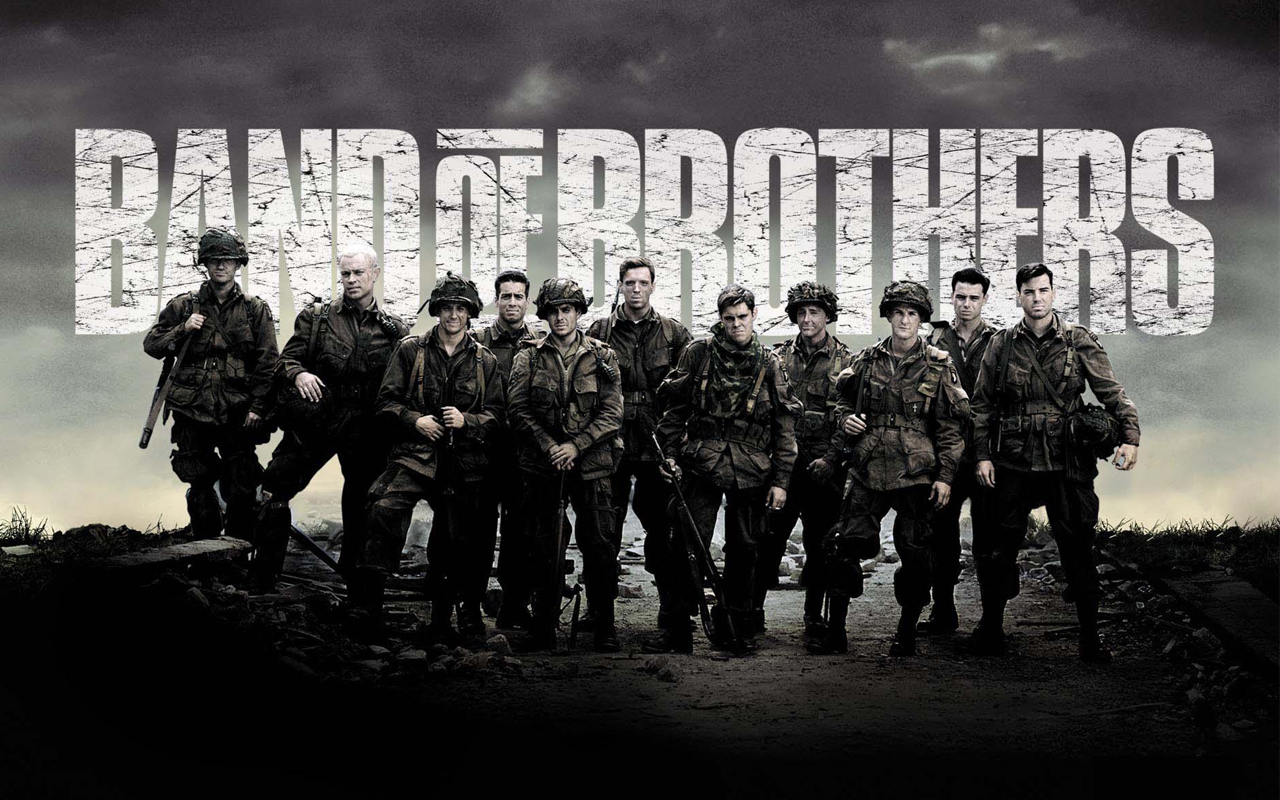
What you read about in books about war is men bonded to each other so deeply, so intensely, beyond anything they’ve ever felt before.

famous one from the Korean War by Al Chang, whose career seems worth investigating at some later date.
… and then it’s gone. It can never come back.
If you survive you get on with the regular relationships of life, always missing the closeness you once had.
What is Broad City about?

Friendship. A time in your life that will not last forever when your most important relationship, a relationship transcending all other bullshit, a relationship felt so deeply you almost can’t take it, is friendship.
My point is just: friendship is such a big deal in life. But we hardly even have language to talk about it. So exploring it can make powerful art/comedy/drama.
* I think, not 100% sure on the context here, as always write me if I’m wrong as I so often am.
** so far — I’m a believer and rooter-for.
Cleanin’ out my DVR
Posted: July 6, 2015 Filed under: America Since 1945, Indians, TV Leave a comment One of the local public broadcasting stations here in SoCal aired an episode of the Berenstain Bears in Lakota.
The Lakota language represents one of the largest Native American language speech communities in the United States, with approximately 6,000 speakers living mostly in northern plains states of North Dakota and South Dakota.
The USWNT
Posted: July 2, 2015 Filed under: America Since 1945, sports Leave a comment
I gotta say, I’m enjoying the women’s World Cup, and I am for the US women. I like Tobin Heath
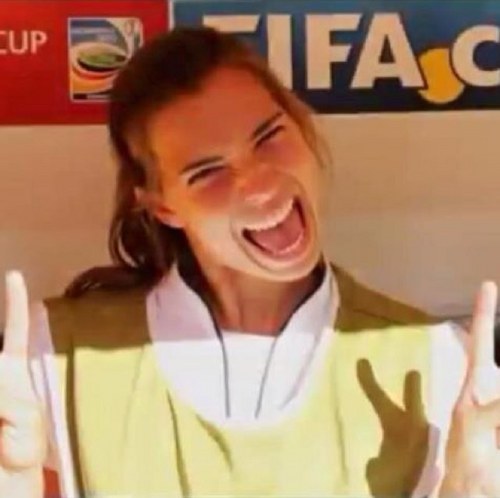
And Kelley OHara

And Sydney Leroux

I like this:

And I like that Alex Morgan wrote a bestselling book for middle schoolers:
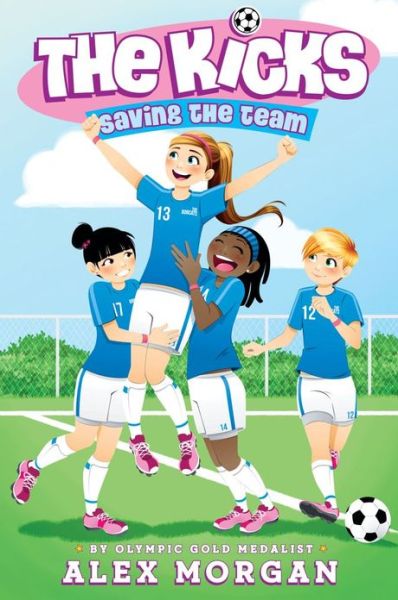
This is the only one star review:

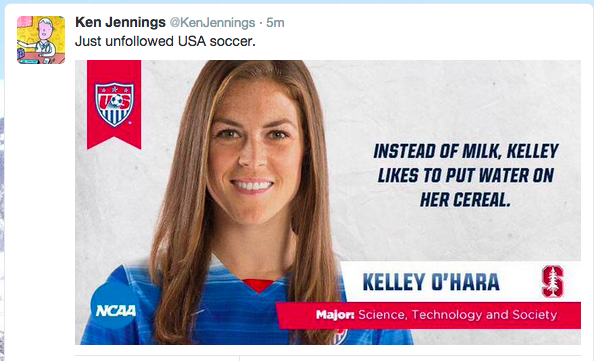
Do agree with Ken that this is troubling:
Summer
Posted: June 29, 2015 Filed under: America Since 1945, California, the California Condition 1 Comment
Wait! You can’t be shut down for summer! I need my Helytimes!
writes reader Melanie in Nashville. Aw, thanks! Don’t worry, there’s tons to read… in the archive!

There have been over 560 posts on Helytimes. Here are the ten most popular:
1) Sundown by Gordon Lightfoot
Off the charts most popular post, because of people googling supposed inspiration/John Belushi partyfriend Cathy Smith
Those’ll keep coming over the summer!
3) Cinderella and Interrogation Technique
Disney + Nazis will bring ’em in.
A personal passion
5) What was up with European witch trials?
Feel like this is my wheelhouse, summarizing dense history of the general reader, but it’s a lot of work to write posts like this.
6) Ships’ Cats
I mean, for Convoy alone.
The “it man” of Norwegian literature!
Just a real great story.
9) Losing The War by Lee Sandlin
This blew my mind, some of the best writing I’ve ever read on WWII.
10) Coaches, parts 1 and 2.
About Pete Carroll, Nick Saban, and Bill Belichick
Now, here are just some personal favorites:
– Record Group 80: Series: General Photographic File Of the Department of the Navy, 1943-1958
Here’s stuff related to a current project:
– The Conquest Of New Spain by Bernal Diaz
Here is some backstory on Donald Trump, lately in the news:
You can also browse yourself by category. Probably the deepest holes are
– Music
See you later!
Shuttin’ Up For Summer
Posted: June 28, 2015 Filed under: America Since 1945, heroes, writing 1 Comment
Time for summer vacation here at Helytimes!
Before I go there were a couple things to get out of my system:

New David Brooks book
I like David Brooks, I’ve read all his books. Lately he’s been getting hammered by the millennials. That’s gonna happen when you tell people stuff they don’t wanna hear, true or not, and you don’t seem to actually have it all figured out yourself. Whatever, he has an exhausting job. Shouldn’t Times columnists take a year off every so often?
The message that’s at the center of this book might be, you must work hard every day at being a better person.
Who would disagree with this? Yet it’s not really a message we hear that often.
Brooks thinks people used to hear this message all the time, it was part of the public life or public religion or culture of this country. As his sparker example, he cites a radio broadcast he heard from the end of WW2:
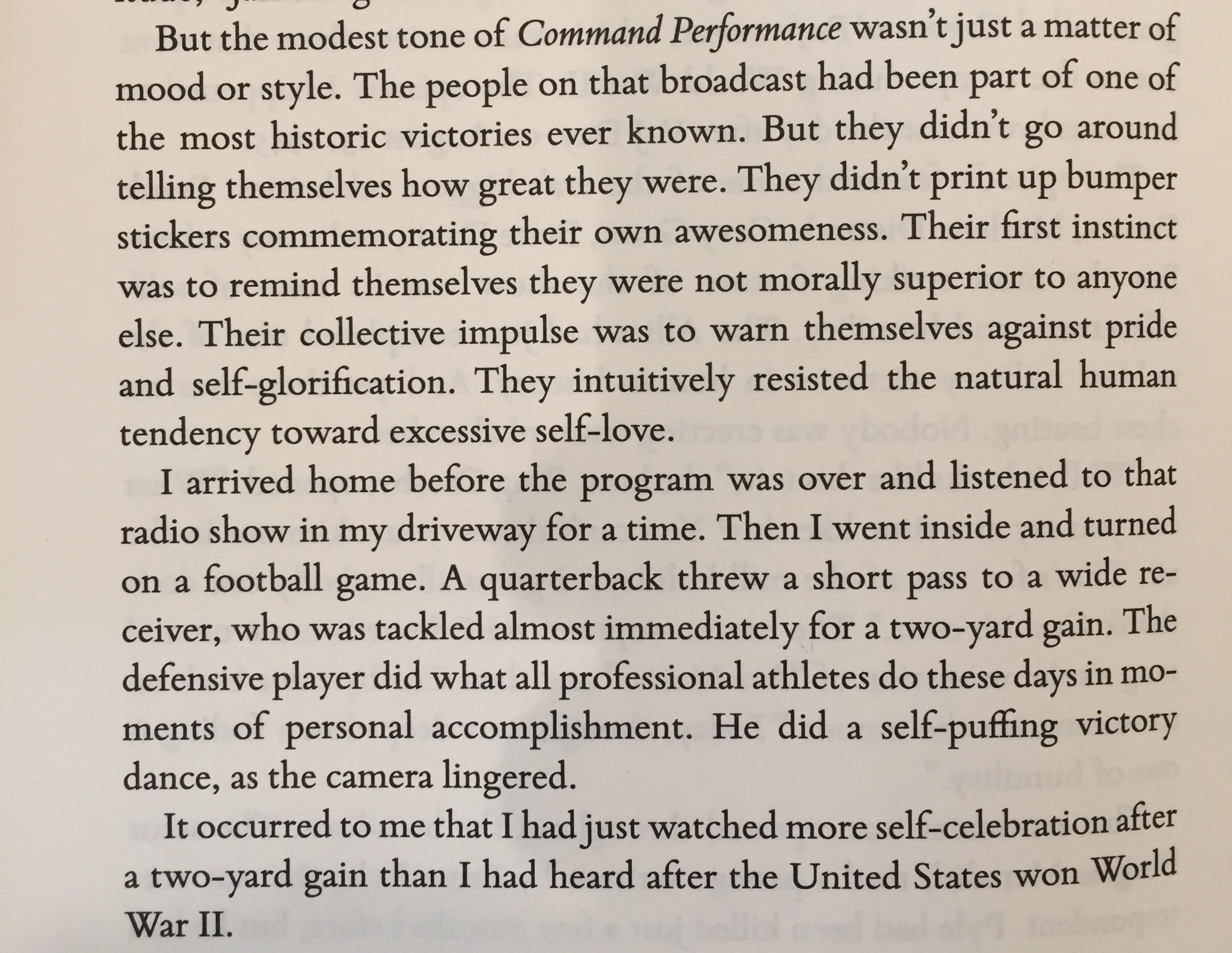
Well, ok. But maybe they were somber because three hundred thousand American guys had gotten killed, half of Europe was leveled, China was fucked, they’d just dropped two world-changing weapons on Japan, there was footage somewhere of bodies being shoved into ditches by bulldozers at Nazi camps, and we might have to fight the Soviets tomorrow.
Maybe they were just tired and exhausted and depressed.
As for the football thing, you know durn well that’s not a fair comparison, Brooks. You’re being glib. An adrenalined athlete and a broadcast at the end of a war are going to have different tones.
Anyway. The book is mini-biographies of:

George Marshall
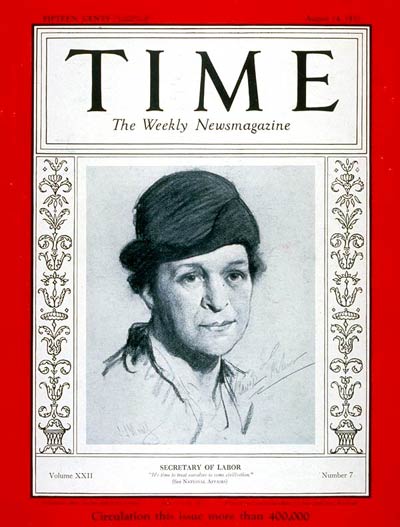
Francis Perkins
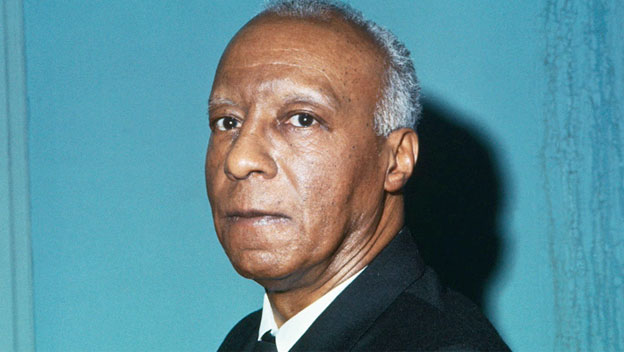
A. Philip Randolph
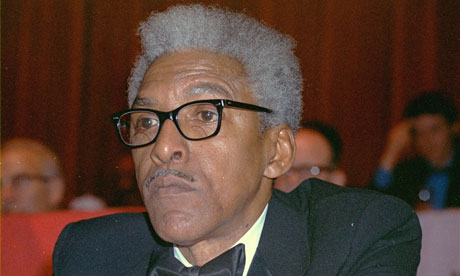
Bayard Rustin

Dorothy Day (a fox, Brooks, you should’ve mentioned that, kind of part of the story here)
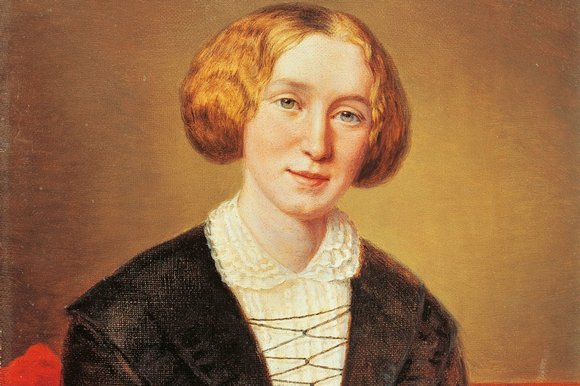
George Eliot
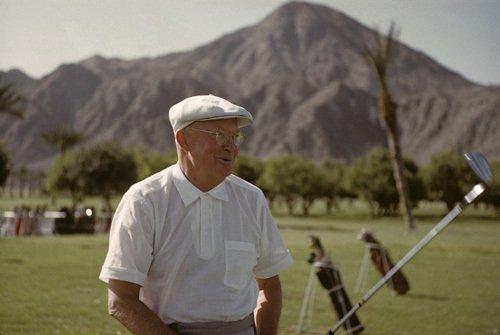
Dwight Eisenhower
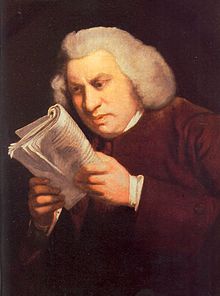
Samuel Johnson plus there’s Johnny Unitas, etc.
Those are all good. Who doesn’t love little biographies?
The basic message is that all these people worked hard to be their best, to find what that was, sort out their values and then live up to them. They overcome crazy challenges, achieved impossibilities, etc.
The world these people grew up in was very different. For one thing it was way poorer. It was way slower. It was traditional. It was segregated. Some of these people worked to change those things, others were like the embodiment of preserving those values.
So not all the lessons are easily transferable. Eisenhower and Marshall were military guys. Day worked in the Catholic tradition. Perkins and Eliot were from rigid semi-aristocracies. Maybe a moral of this book might be “use the values you’ve been taught. Lock into some tradition and try to advance it.” That’s an interesting idea.
One thing that I think is a fake claim in the Brooks book is this:
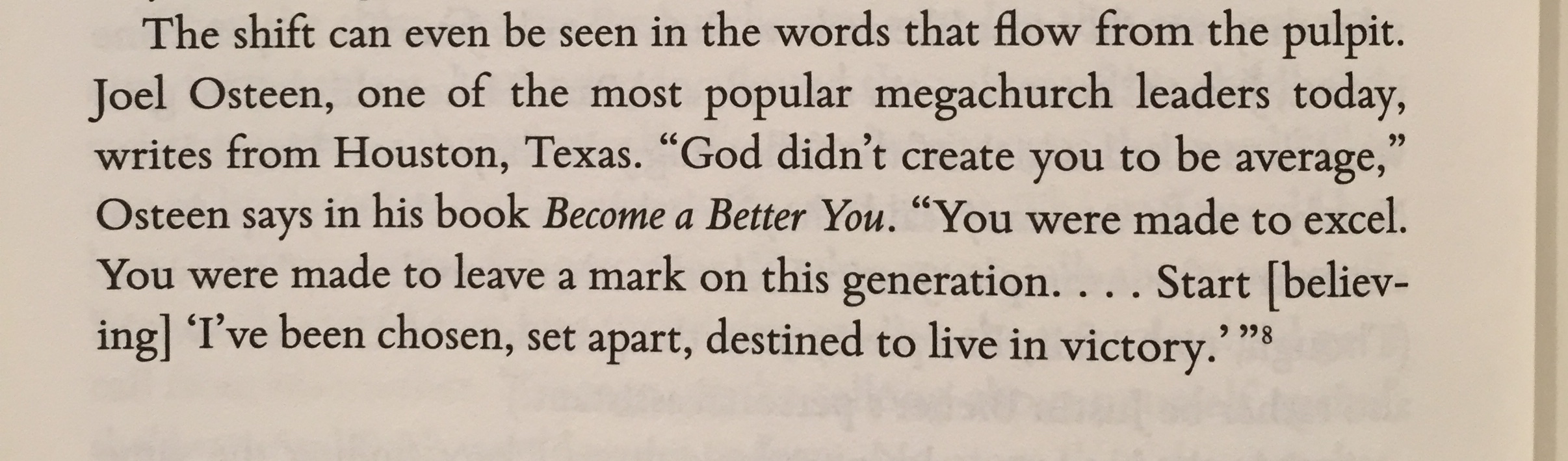
Well whatever, Joel Osteen gives me the willies, but all these characters Brooks describes believed they were “made to excel… to leave a mark on this generation… chosen, set apart”
On the whole though, the book was a fine read, and it’s worth thinking about this stuff. It reminded me of the lectures my high school headmaster used to give. There was a lot of sense in them, I look over this book of them a lot.
This is a fair slam on Brooks’ book.
When Your Enemy Wants To Surrender, Let Him.

Disappointed Brooks wrote a column about Lee without noting my and Bob Dylan’s work on the topic. As it happens I’ve been thinking about Lee a lot lately.
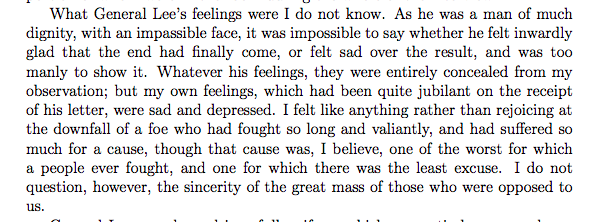
Grant, who’d seen thousands of people, many of them children, die horrible deaths because of Lee’s brilliance, because of his perseverance, because of his ability to inspire an army, Grant who’d lost friends and had to send his own guys to get killed by the thousands because of Lee, treated him with utmost magnanimity.
Here is what Grant says about Lee when they met at Appomattox:
The best one hour about Lee for my money is this PBS American Experience doc, avail free on my PBS Roku channel:
(How hard does American Experience dominate?)
Union General Montgomery Meigs thought of a punishment for Lee. He turned Lee’s wife’s ancestral home, to which Lee hoped to retire one day, into a fucking cemetery:

As for naming schools after him? Sure — maybe it’s a good lesson about how you can have some amazing qualities but be wrong about the most important things of your age. Kids can be reminded every day to ask “what might I be wrong about? what are we ALL wrong about?”
But also who cares? We can and should change our heroes as time goes on. Name it after the next guy. Name all those schools after Harriet Tubman or Sally Ride. Or Francis Perkins or Bayard Rustin.
Anyway: summer!
(I enjoy fails but I do prefer when I know for sure the guy isn’t paralyzed.)
If you need me btw you can find me here!:
– one of the prettiest songs ever written, says Dick Clark.
Columbia House
Posted: June 23, 2015 Filed under: music, New York 2 Comments
Really enjoyed this AV Club thing about Columbia House:
SFJ: Scattered through many musician interviews and oral histories, you hear a lot of stories of people early on who really did have no other way of getting music, and how important it was to them. And, even as a kid in Fort Greene [in Brooklyn], I subscribed to Columbia House because I wasn’t allowed to go buy things on my own yet. I would wait and wait for my ELO record. One of the most disappointing moments of my life was [when] I came back from vacation knowing that Kiss’ Alive II was going to be in my mailbox, and for some reason the son-of-a-bitch mailman, as if he didn’t know what he was doing, folded the fucking thing in half and put it through the slot.
All: [Rousing chorus of everyone groaning and saying, “Nooooooo!”]
And:
Sunday Reading
Posted: June 21, 2015 Filed under: Italy, writing Leave a comment
Om Malik: I’ve been reading about you, and I have been fascinated by your progress and more importantly how you have conducted your business. Where did you find the inspiration to follow this path?
Brunello Cucinelli: From the teary eyes of my father. When we were living in the countryside, the atmosphere, the ambiance — life was good. We were just farmers, nothing special. Then he went to work in a factory. He was being humiliated and offended, and he was doing a hard job. He would not complain about the hardship or the tiny wages he received, but what he did say was, “What have I done evil to God to be subject to such humiliation?”
Basically, what is human dignity made of? If we work together, say, and, even with one look, I make you understand that you are worth nothing and I look down on you, I have killed you. But if I give you regards and respect — out of esteem, responsibility is spawned. Then out of responsibility comes creativity, because every human being has an amount of genius in them. Man needs dignity even more than he needs bread.
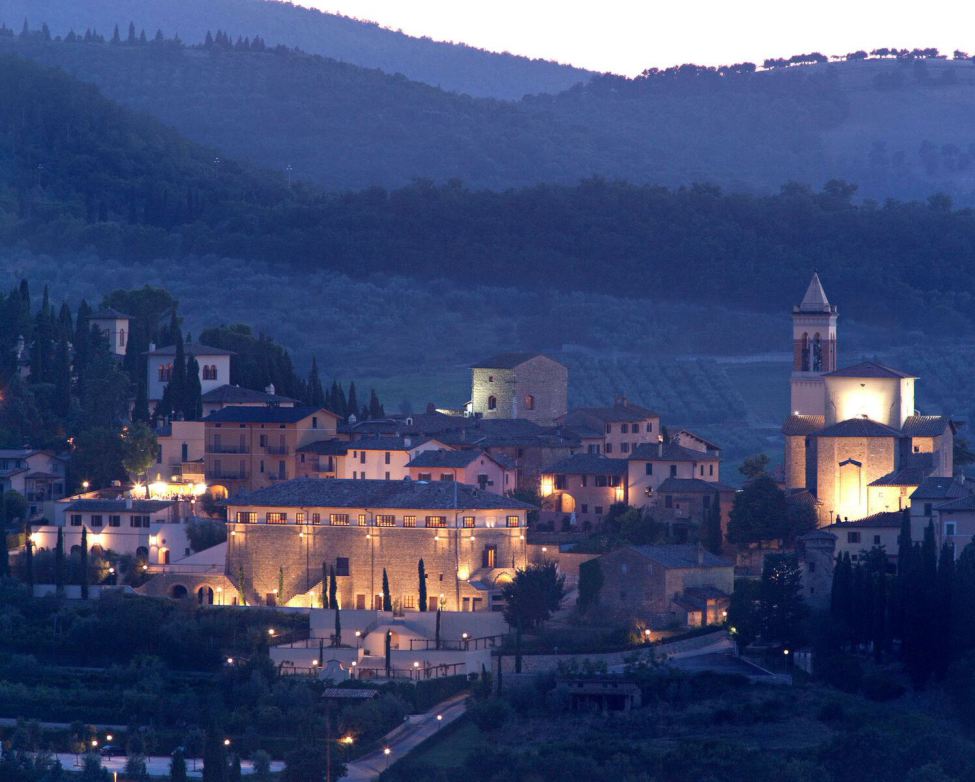
A correspondent sends this one along, subject line: “Most interesting thing I read today.” Fantastic:
Here, no meetings with mobile phones. No one is allowed to bring them into the meeting room. You must look me in the eye. You must know things by heart. You must know all of your business with a 1 to 2 percent error rate. It is also training for your mind. It is also a question of respect, because I have never called someone on a Saturday or a Sunday. No one is allowed to do so. We must discover this, because if individuals rest properly, then it is better.
Do you know the word otium in Latin, meaning, “doing nothing”? The Roman people were all laid back. In all the pictures, they were all laying around. They were doing nothing, just staring. In the winter on a Sunday afternoon, I can spend six hours in front of the fireplace, just looking at the flames and thinking. In the evening, I’m drunk with beautiful thoughts. My wife says to me, “What are you looking at?” I say, “The fire.” We have to take a step backward.

I’m not about to buy a $3,500 sweater but if I was it’d be from this man:
Om: What’s the correlation? All these people you are quoting are very interesting, but why mention them? Also how are they correlated to all these people whose photos you have on the wall here?
Brunello: Those are the ancient thinkers, philosophers: Socrates, Confucius, Constantine, Palladio. These people are the contemporary figures that left me with a different view on the world. Dostoyevsky, Gandhi, Martin Luther King Jr., Kafka, Kennedy and the Pope. At the end of the day, all these great people, what do they focus on? Human dignity. They all talk about being custodians in the world. Hadrian, the emperor said, “I feel responsible for the beauty in the world.”
Can I ask you, how old are you? I am 60 myself.
Om: 48.
Brunello: You are not far away from my mindset.
Jean-Jacques Rousseau was a great enlightened man, but he was the first of the Romantic movement, too. I think that in the last 30 years, we have tried to govern mankind through enlightenment, through the use of reason, our mind. This is no good.
This century is where enlightenment and romanticism must blend. A great idea that is born out of the mind and then goes through the soul — there is no doubt that the outcome is marvelous. If this idea is true, fair, beautiful, there’s no doubt that it is also a good idea. I think this applies to everything.
All words and pictures from this gorgeous website. There’s other great stuff. Take this, from an interview with photographer Vincent Laforet:
Om: When I was a young reporter in India, I had this one photographer friend, Anu Pushkarna. He would take the flattest pictures ever, but he was the bravest guy ever. If there was a riot or some other craziness going on, he was right in the middle of everything. It wasn’t art, but they were real. He would get hit on the head for taking a picture.The same event captured by some of the bigger-name photographers in India like Raghu Rai, the same perspective, it would be like, “Wow.” The pictures were what made the story better.
Vincent: It’s a perfect marriage. It’s like a movie, with film and sound and acting and directing and music. I wish there was more mutual respect between the different professions. I can tell you that the joke amongst war photographers has always been that most war correspondents work from their hotel rooms at the suite at the Ritz-Carlton, whereas the war photographer has to go where the bullets are flying.
AND there’s an interview with my old college nemesis! (not a bad guy, actually pretty impressive, just tragically humorless)
Hey, Readers, send me more stuff like this! I’d love to evolve Helytimes into something more like Wonderful Digest magazine, all sent in by correspondents. Helytimes’ email is helphely@gmail.
Gonna take a break for the summer soon, but send me the most interesting thing you read!
The Motherland Call
Posted: June 19, 2015 Filed under: statues Leave a comment
Found this one in some ancient folder on my desktop. From a series about the biggest statues in the world by Fabrice Fouillet.
Fred Trump
Posted: June 17, 2015 Filed under: America Since 1945, New York 4 Comments
Once, back when I lived in New York, I went down to Coney Island to have a look around. On Surf Avenue, there was a man with glasses, maybe sixty but energetic, and good-humored, standing behind a table, handing out fliers about some neighborhood development thing or another. He was opposed to it. I got to talking to this guy, and he brought up Fred Trump, Donald Trump’s father, and the various destruction he’d done to Coney Island. To this man, Fred Trump was both laughable and a villain.
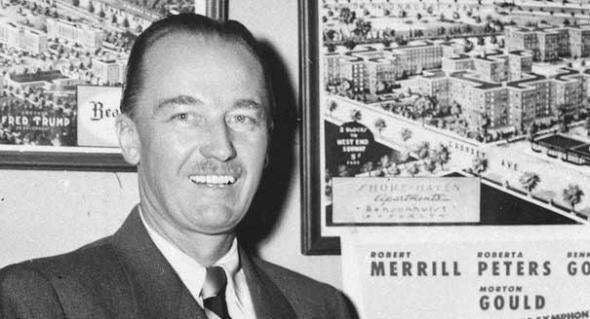
from Politico’s “Quiz: How Well Do You Know Donald Trump?” http://www.politico.com/gallery/2013/10/quiz-how-well-do-you-know-donald-trump/001376-019598.html
Some time after that I looked up Fred Trump’s obituary in The New York Times. He died in 1999. It’s a great obituary, written by Tracie Rozhon:
Frederick Christ (pronounced Krist) Trump was born in New York City in 1905. From World War II until the 1980’s, Mr. Trump would tell friends and acquaintances that he was of Swedish origin, although both his parents were born in Germany. John Walter, his nephew and the family historian, explained, ”He had a lot of Jewish tenants and it wasn’t a good thing to be German in those days.”
His father was a barber who arrived from Kallstadt, Germany, in 1885 and joined the Alaska gold rush. By the turn of the century, he owned the White Horse Restaurant and Inn in White Horse, Alaska, while also supplying food and lumber to the miners.
Fred Trump started a construction business at fifteen. With the money he made he paid for his kid brother to go to college and get a Ph.D.
”He made a great contribution; he filled a very big hole in the market,” Mr. LeFrak recalled. ”We took Queens; he did more in Brooklyn. He was a great builder who rallied to the cause like we did; he built housing for the returning veterans. I guess you could say we’re the last of the old dinosaurs.”
Fred Trump married a Scottish immigrant. When he died they’d been married 63 years.
His estate has been estimated by the family at $250 million to $300 million, but Mr. Trump did not believe in displays of wealth — with one exception. For decades, he insisted on a Cadillac, always navy blue, always gleaming, and always replaced every three years, its ”FCT” license plate announcing its owner wherever he went.
Fred Trump was frugal:
Mr. Trump was a demon for controlling costs. Besides collecting unused nails, Mr. Gordon said, Mr. Trump often performed the exterminating chores in his buildings by himself. ”He became an expert,” Mr. Gordon said.
When it was time to order the thousands of gallons of disinfectant necessary for his thousands of apartments, Mr. Trump gathered samples of all the available floor cleaners on his desk. ”Then he sent them out to a lab and found out what was in them and had it mixed himself,” Donald Trump recalled. ”What had cost $2 a bottle, he got mixed for 50 cents.”
What the guy on Coney Island didn’t like was the destruction of Steeplechase Park, told here by Wikipedia:
After acquiring the site in 1965, Fred Trump intended to build a low-cost housing development. Trump was unable to get a change to the zoning of the area, which required “amusements” only (largely due to the efforts of the Coney Island Chamber of Commerce), and decided to demolish the park in 1966 before it could obtain landmark status. Trump held a “demolition party,” at which invited guests threw bricks through the Park’s facade. Trump bulldozed the majority of the park, save for a few rides and concessions stands, among them the Parachute Jump, that were along the boardwalk.
The housing development never happened though, and Coney Island is a bit of a wasteland.
The story of the demolition party is also told in this book:

This book is incredibly poignant. Charles Denson is a good writer, and his book is very personal. Some it is about how his memories of the park were tied up with his longing for his disappearing father.

One thing Donald Trump always does is call people “losers.” I’m with John Le Carre: the mark of a decent society is how it takes care of losers. So I don’t think I will vote for Donald Trump.
The Duke of Abruzzi
Posted: June 16, 2015 Filed under: heroes, Italy, mountains, photography, Tibet, travel, writing 2 Comments
This one prompted me to pick up a book I’d been hearing about for awhile. Wade Davis has been featured on Helytimes before.
 He is the real deal.

The opening chapter of this book is intense, vivid writing about the British experience on the Western Front during World War I. Thought I’d read enough about that horror show: Robert Graves and Paul Fussell and Geoff Dyer. Maybe the guy who hit me in the guts the hardest was Siegfried Sassoon, in part because of what a groovy idyllic life got catastrophically ruined for him.
But Wade Davis makes it all new again. One paragraph will do:


Also fascinating:


Click here if you want to see a photo of Mallory’s dead body, discovered in 1999, seventy five years after he was lost on Everest. Only halfway through Davis’ book, at the moment I’m deep in Tibet suffering along on the painstaking surveying expeditions.
A character keeps popping like a fox into the story and then disappearing — a rival mountaineer, the Duke Of Abruzzi.

(You can read about Abruzzi, why I’d be interested in a duke from there here.) What a life. Says Wiki:
He had begun to train as a mountaineer in 1892 on Mont Blanc and Monte Rosa (Italian Alps): in 1897 he made the first ascent of Mount Saint Elias (Canada/U.S., 5,489 m). There the expedition searched for a mirage, known as the Silent City of Alaska, that natives and prospectors claimed to see over a glacier. C. W. Thornton, a member of the expedition, wrote: “It required no effort of the imagination to liken it to a city, but was so distinct that it required, instead, faith to believe that it was not in reality a city.”[citation needed]
Another witness wrote in The New York Times: “We could plainly see houses, well-defined streets, and trees. Here and there rose tall spires over huge buildings which appeared to be ancient mosques or cathedrals.”
If you’re climbing K2 you’re liable to be on the Abruzzi Spur:

Late in life:
In 1918, the Duke returned to Italian Somaliland. In 1920, he founded the “Village of the Duke of Abruzzi” (Villaggio Duca degli Abruzzi orVillabruzzi) some ninety kilometres north of Mogadishu. It was an agricultural settlement experimenting with new cultivation techniques. By 1926, the colony comprised 16 villages, with 3,000 Somali and 200 Italian (Italian Somalis) inhabitants. Abruzzi raised funds for a number of development projects in the town, including roads, dams, schools, hospitals, a church and a mosque. He died in the village on 18 March 1933. After Italian Somaliland was dissolved, the town was later renamed to Jowhar.

Jowhar found here, I hope user Talya doesn’t mind: http://www.skyscrapercity.com/showthread.php?t=1569979. From wiki: “On May 17, 2009, the Islamist al-Shabab militia took of the town, and imposed draconian rules, including a ban on handshaking between men and women.”
Let’s skip to the best part of any Wikipedia page, “Personal Life:”
In the early years of the twentieth century the Abruzzi was in a relationship with Katherine Hallie “Kitty” Elkins, daughter of the wealthy American senator Stephen Benton Elkins, but the Abruzzi’s cousin King Victor Emmanuel III of Italy refused to grant him permission to marry a commoner. His brother, Emanuele Filiberto, to whom Luigi was very close, convinced him to give up the relationship.[8] His brother later approved of young Antoinette “Amber” Brizzi, the daughter of Quinto Brizzi, one of the largest vineyard owners in northern Italy. In the later years of his life, Abruzzi married a young Somali woman named Faduma Ali.
Here is a picture of the Duke of Abruzzi:

That was taken by Vittorio Sella.
The high quality of Sella’s photography was in part due to his use of 30×40 cm photographic plates, in spite of the difficulty of carrying bulky and fragile equipment into remote places. He had to invent equipment, including modified pack saddles and rucksacks, to allow these particularly large glass plates to be transported safely.[6] His photographs were widely published and exhibited, and highly praised; Ansel Adams, who saw thirty-one that Sella had presented to the US Sierra Club, said they inspired “a definitely religious awe”.
 More on the Duke by Peter Bridges at VQR
Hey again I just yank photos and stuff from books from all over — not sure if that’s like an ok practice but this is a non-profit site, try to credit everyone, the whole point is that maybe you will want to go look at/read the originals.
Writers in Hollywood
Posted: June 12, 2015 Filed under: actors, fscottfitzgerald, Hollywood, screenwriting, Steinbeck, the California Condition, TV, writing 1 Comment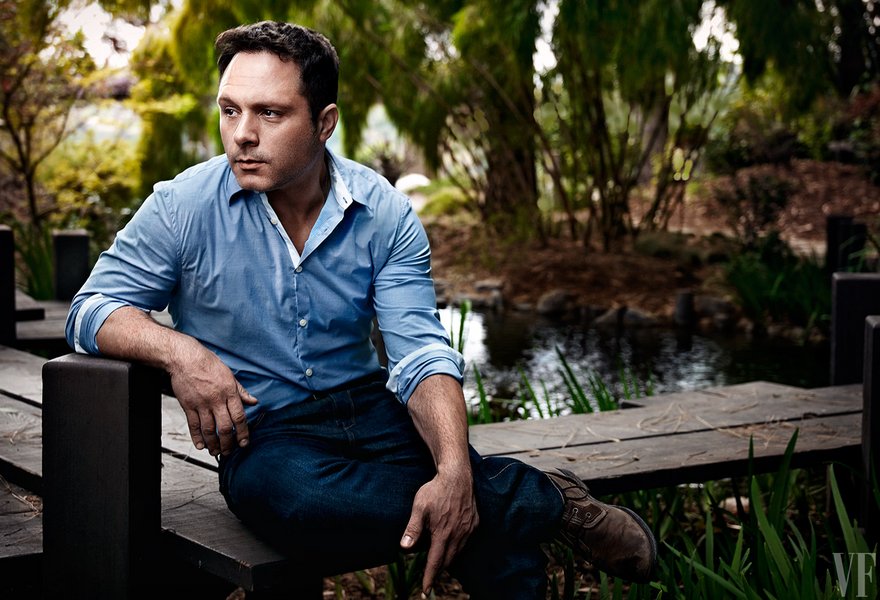
I spent the ensuing weeks across a table from Nic, hashing out plotlines. It gave me a chance to study him at close quarters. No one was more vehement about character and motivation than Nic. Now and then, he’d do the voices or act out a scene, turning his wrist to demonstrate the pop-pop of gunplay. He was 37 but somehow ageless. He could’ve stepped out of a novel by Steinbeck. The writer as crusader, chronicler of love and depravity. His shirt was rumpled, his hair mussed, his manner that of a man who’d just hiked along the railroad tracks or rolled out from under a box. He is fine-featured, with fierce eyes a little too small for his face. It gives him the aura of a bear or some other species of dangerous animal. When I was a boy and dreamed of literature, this is how I imagined a writer—a kind of outlaw, always ready to fight or go on a spree. After a few drinks, you realize the night will culminate with pledges of undying friendship or the two of you on the floor, trying to gouge each other’s eyes out.
I love True Detective and I loved, loved reading this profile of Nic Pizzolatto in Vanity Fair (from which I steal the above photo, credited to Art Streiber).
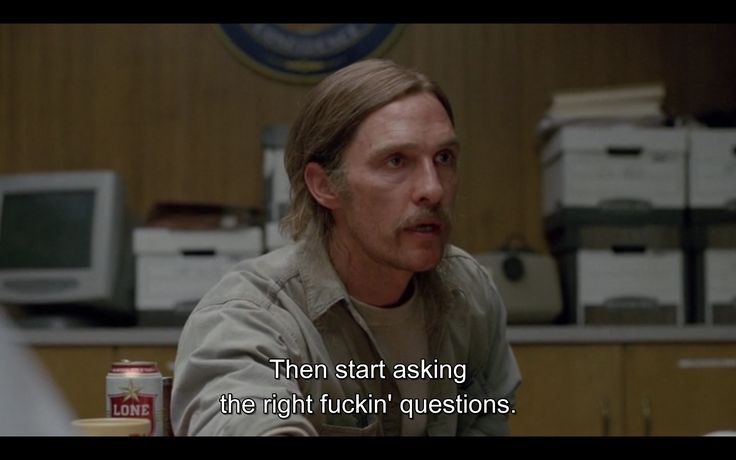
I did have a quibble, though.
Here’s what profile writer Rich Cohen says about F. Scott Fitzgerald in Hollywood:
Early in the history of film, when the big-time writers of the day, Fitzgerald most famously, were offered a role in the movies, they decided to write for the cash, forswearing deeper participation in a medium they considered second-rate. Perhaps as a result of this decision, the author came to be the forgotten figure in Hollywood, well paid but disregarded. According to the old joke, “the actress was so stupid she slept with the writer.”
Later:
Credit and power are shared. But by tossing out that first season and beginning again, Nic has a chance to finally undo the early error of Fitzgerald and the rest. If he fails and the show tanks, he’ll be just another writer with one great big freakish hit. But if he succeeds, he will have generated a model in which the stars and the stories come and go but the writer remains as guru and king.
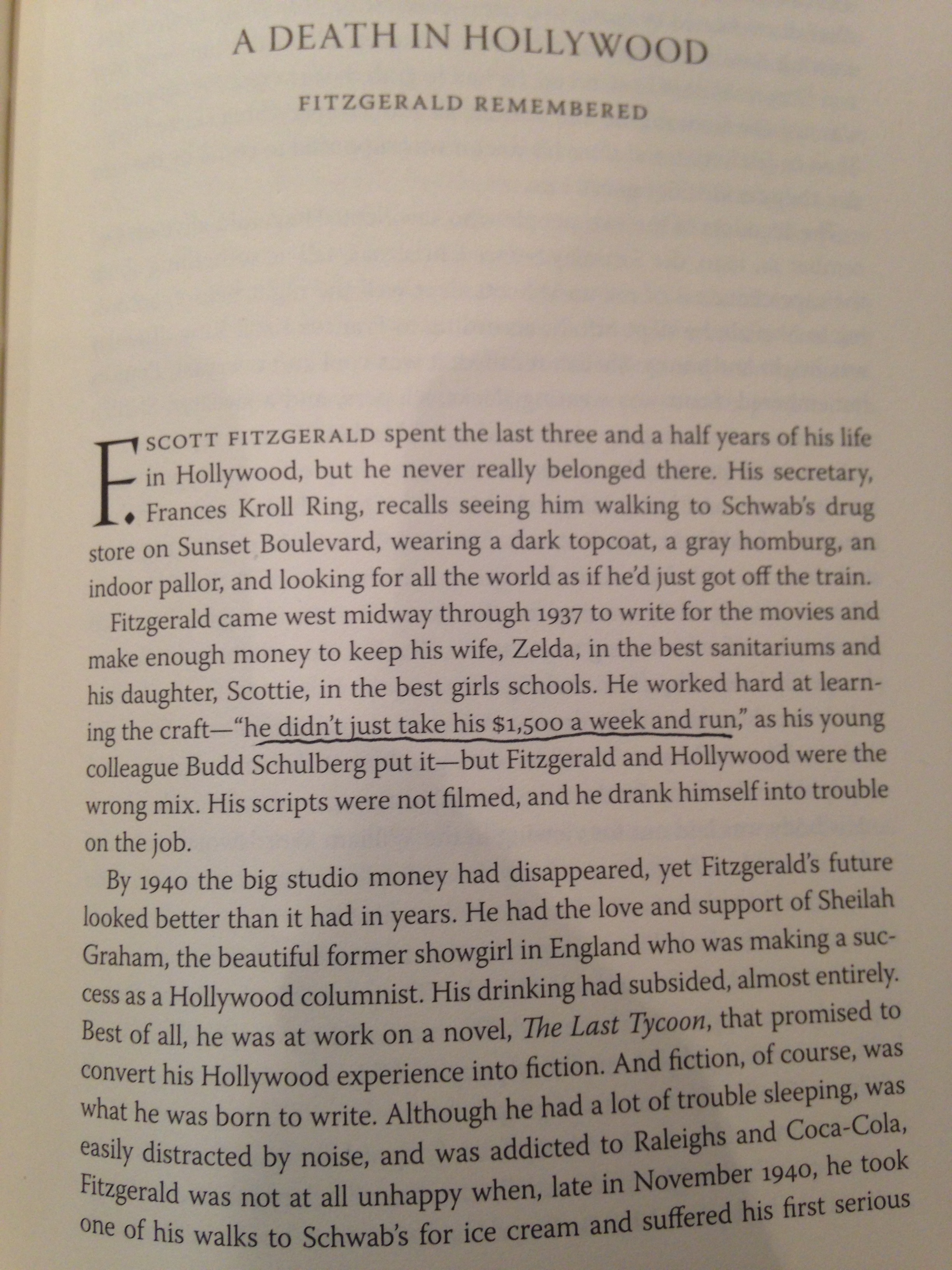
Not sure this is totally accurate. I’ve read a decent amount about F. Scott Fitzgerald in Hollywood. The more you read, the more it seems like Fitzgerald really loved Hollywood, and tried really hard to be good at writing movies, and was distressed by his failures. Fitzgerald loved movies:
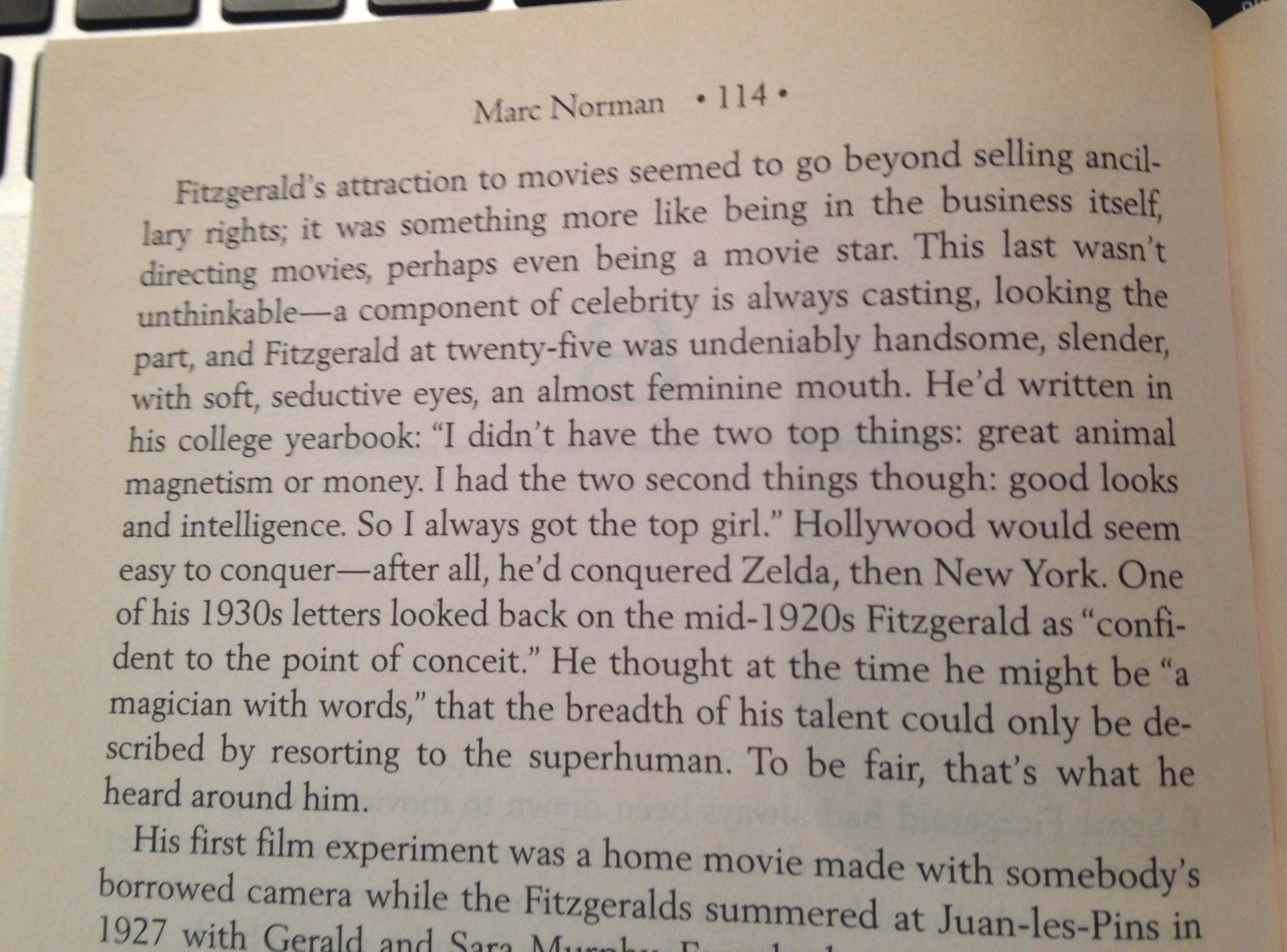
When Fitzgerald worked on movies, it seems like he worked hard, was hurt when he was (frequently) fired, which sent him into tailspins that made things worse. But he was trying:
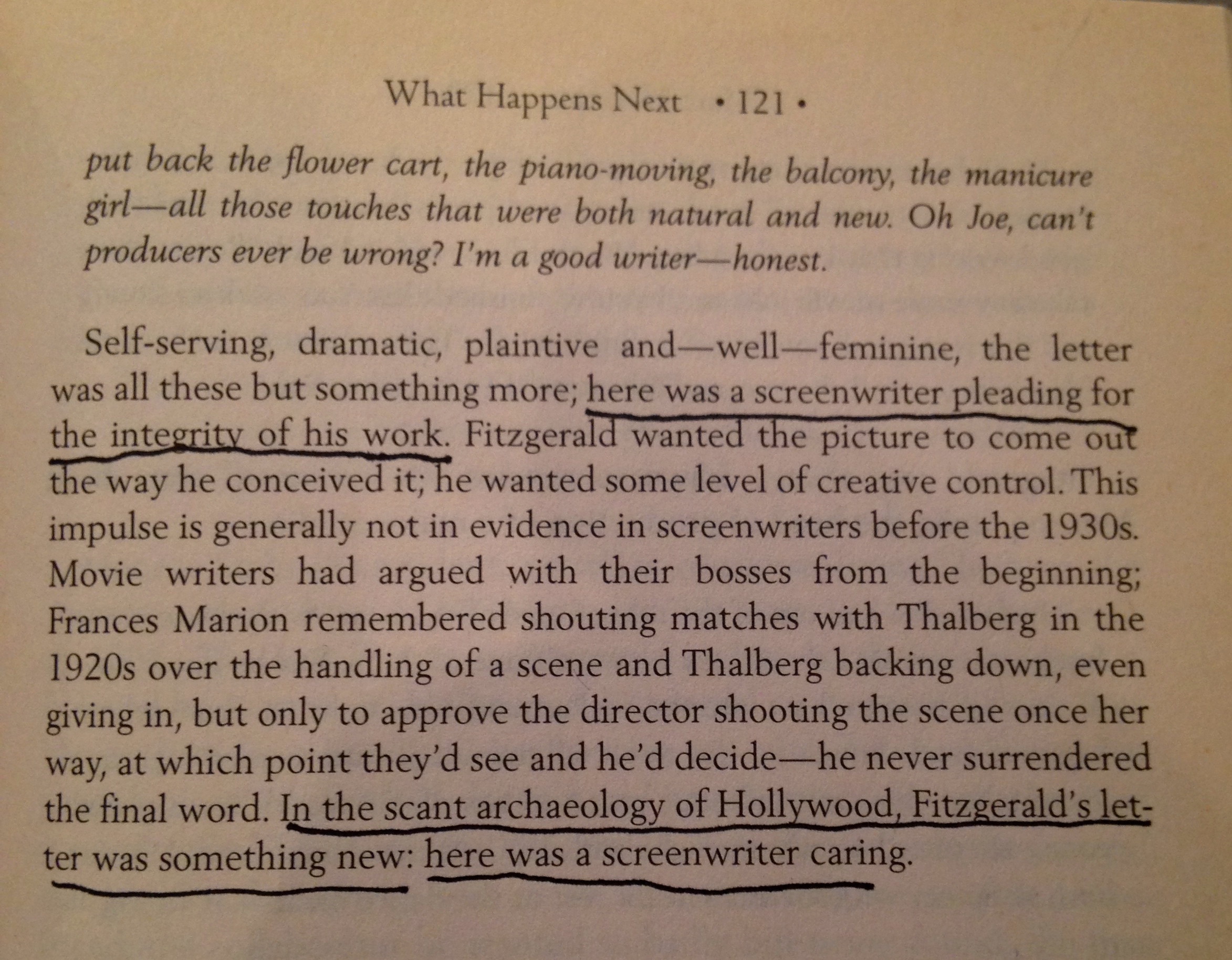
Those are from the great Marc Norman’s book, highly recommended:
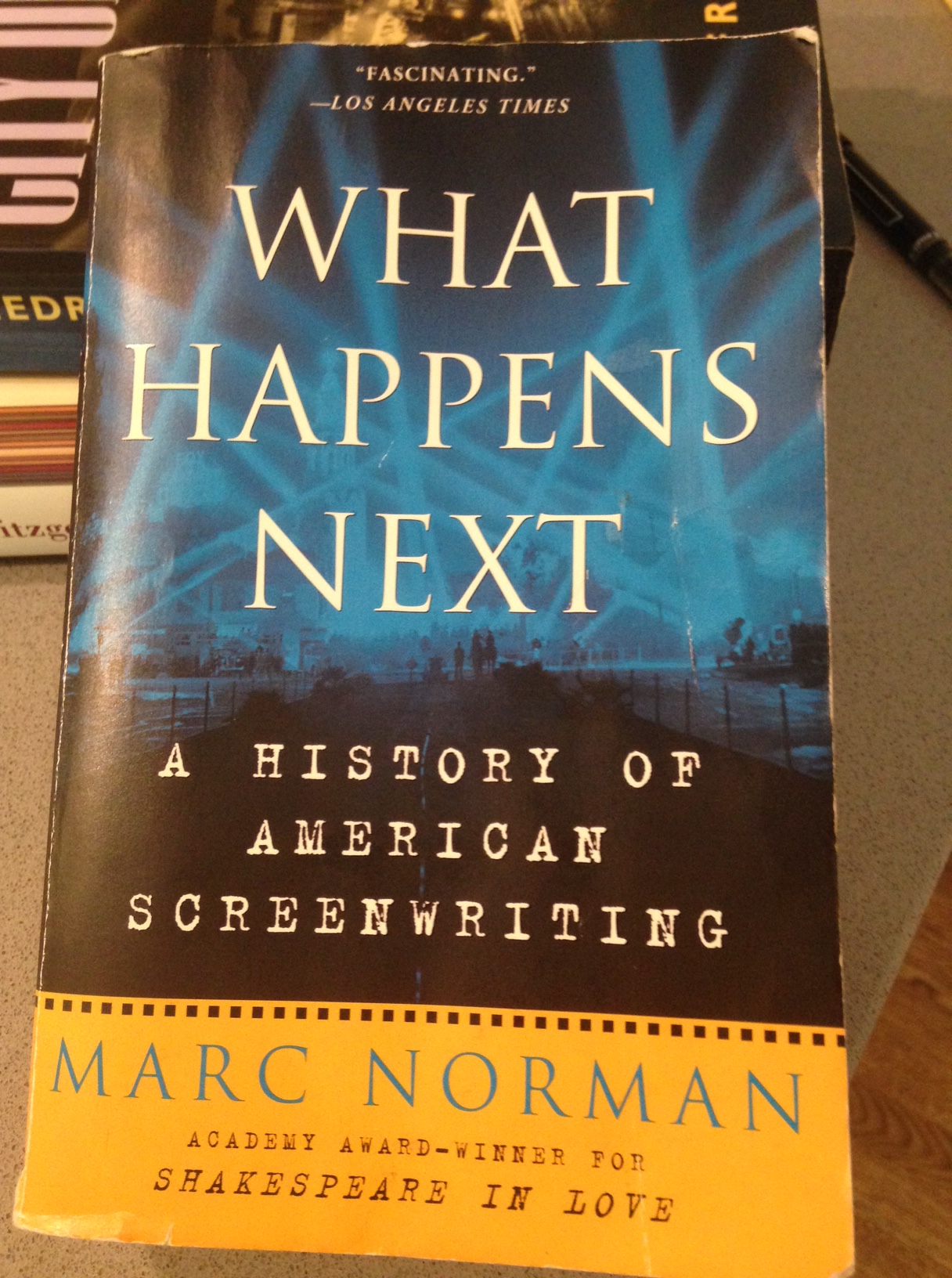
Or how about this?:
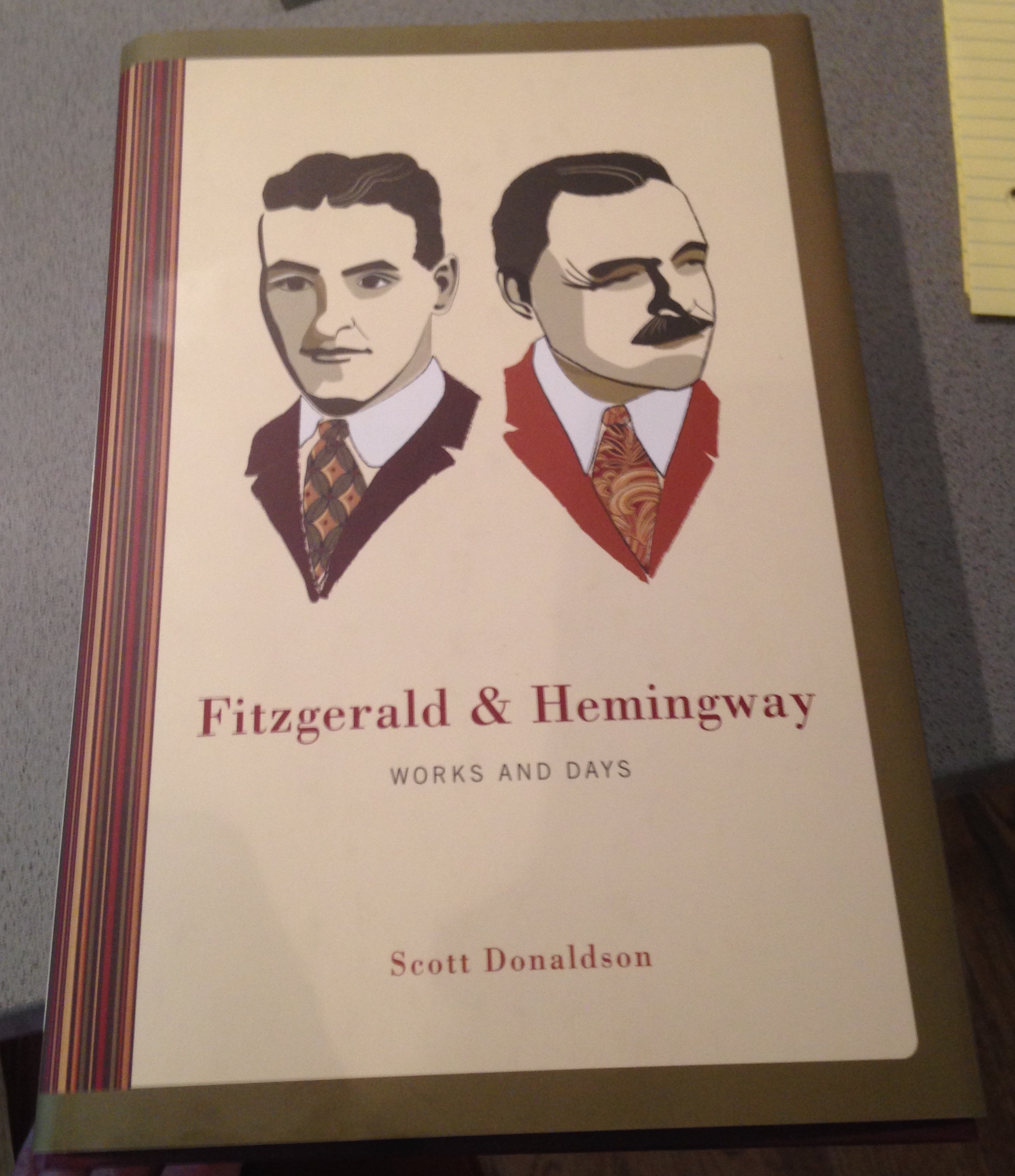
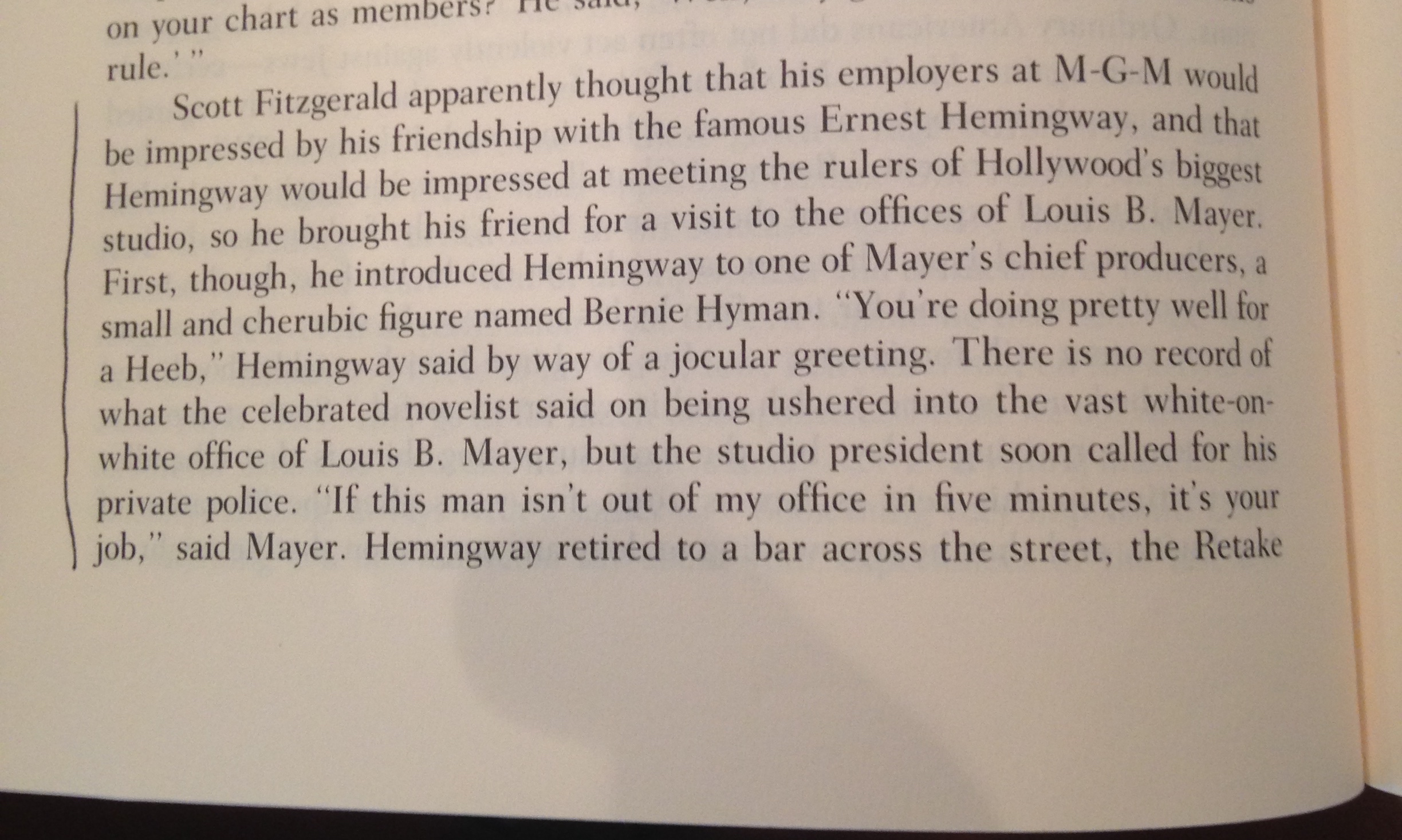
That’s from this great one, by Scott Donaldson:
Now, that’s not to say that Fitzgerald always did everything perfectly:
(from this one, very entertaining read:
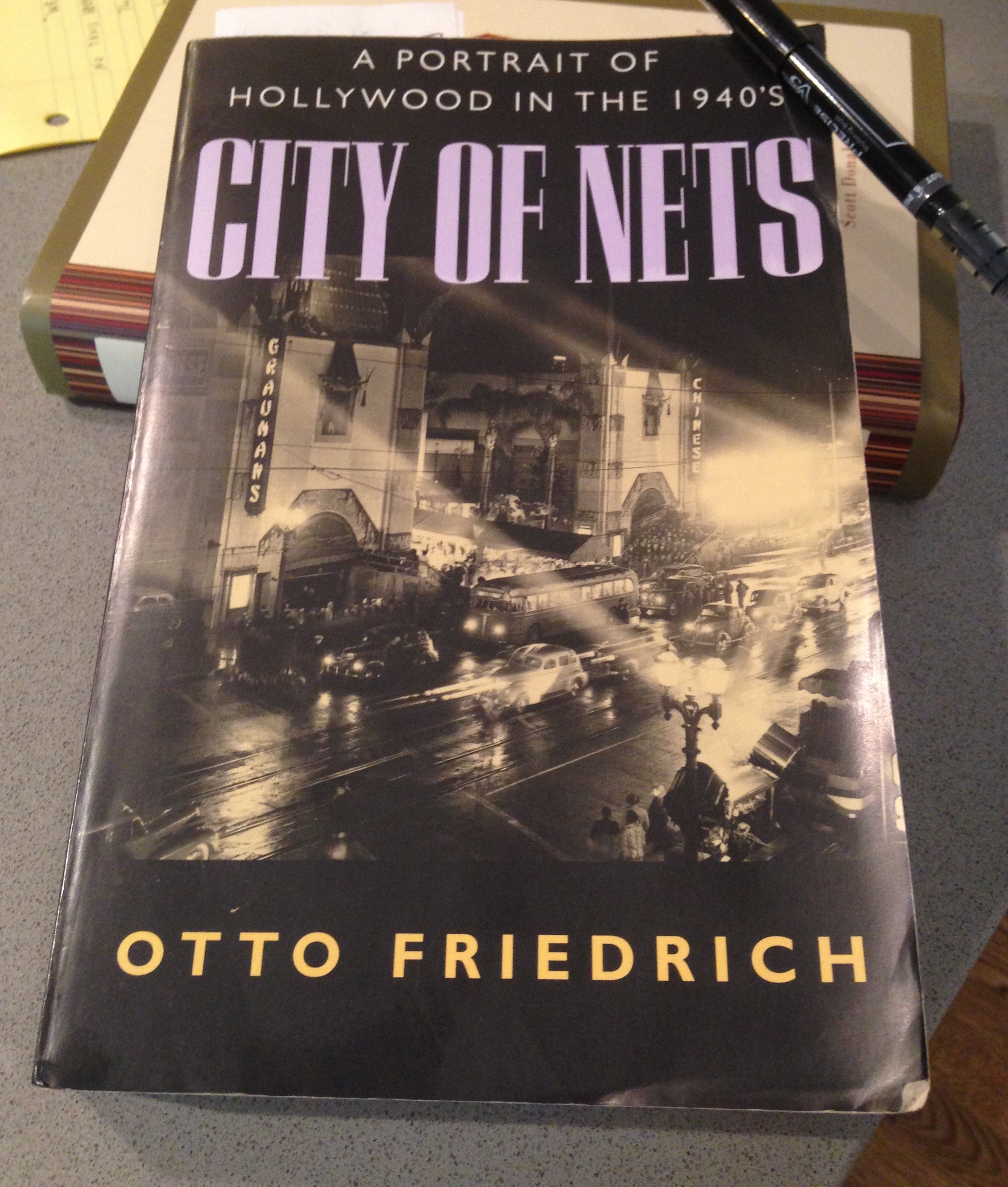
).
On the other hand, William Faulkner did well in Hollywood. He’s credited on at least two movies — The Big Sleep and To Have And Have Not, that you’d have to put in the all-time good list. If he’d never written a single book, you could look at those credits and call Faulkner a pretty successful screenwriter.
What did Faulkner do differently than Fitzgerald? Possibly, his secret was caring less:
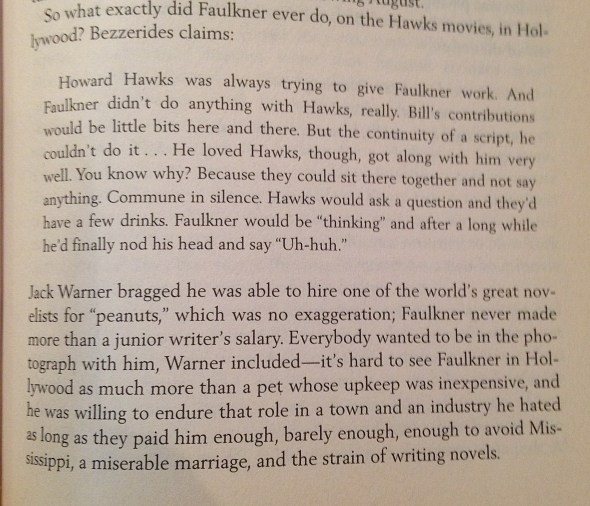 More, from Norman:
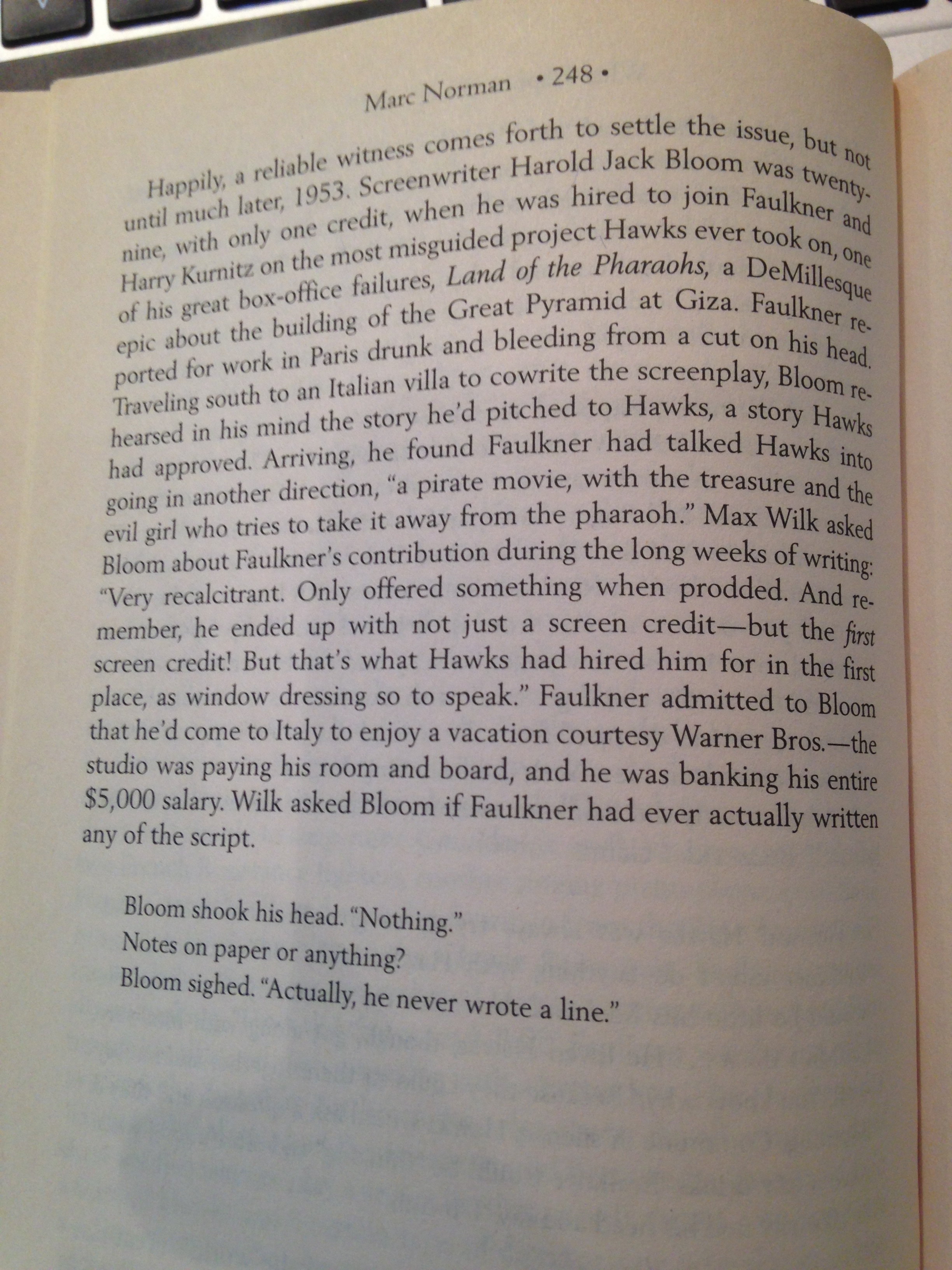
Murky, to be sure.
But you might say: the big difference in the Hollywood careers of Fitzgerald and Faulkner is that Faulkner teamed with a great director, Howard Hawks, who liked him and liked working with him.
That’s what Pizzolatto did too. He teamed up with Cary Fukunaga. Cary Fukunaga directed all eight episodes of season one of True Detective (and a bunch of other things worth seeing).
Fukunaga’s not mentioned once in that Vanity Fair article. That’s crazy.
Anyway. I’m excited for season two, it sounds super interesting.
These hysterical sluts
Posted: June 9, 2015 Filed under: religion, women, writing Leave a comment Finally getting down to this one. Not all old philosophical classics are easy reading but Boethius gets off to a rip-roaring start. He’s got the Muses of Poetry at his bedside trying to cheer him up when all of a sudden Philosophy appears:
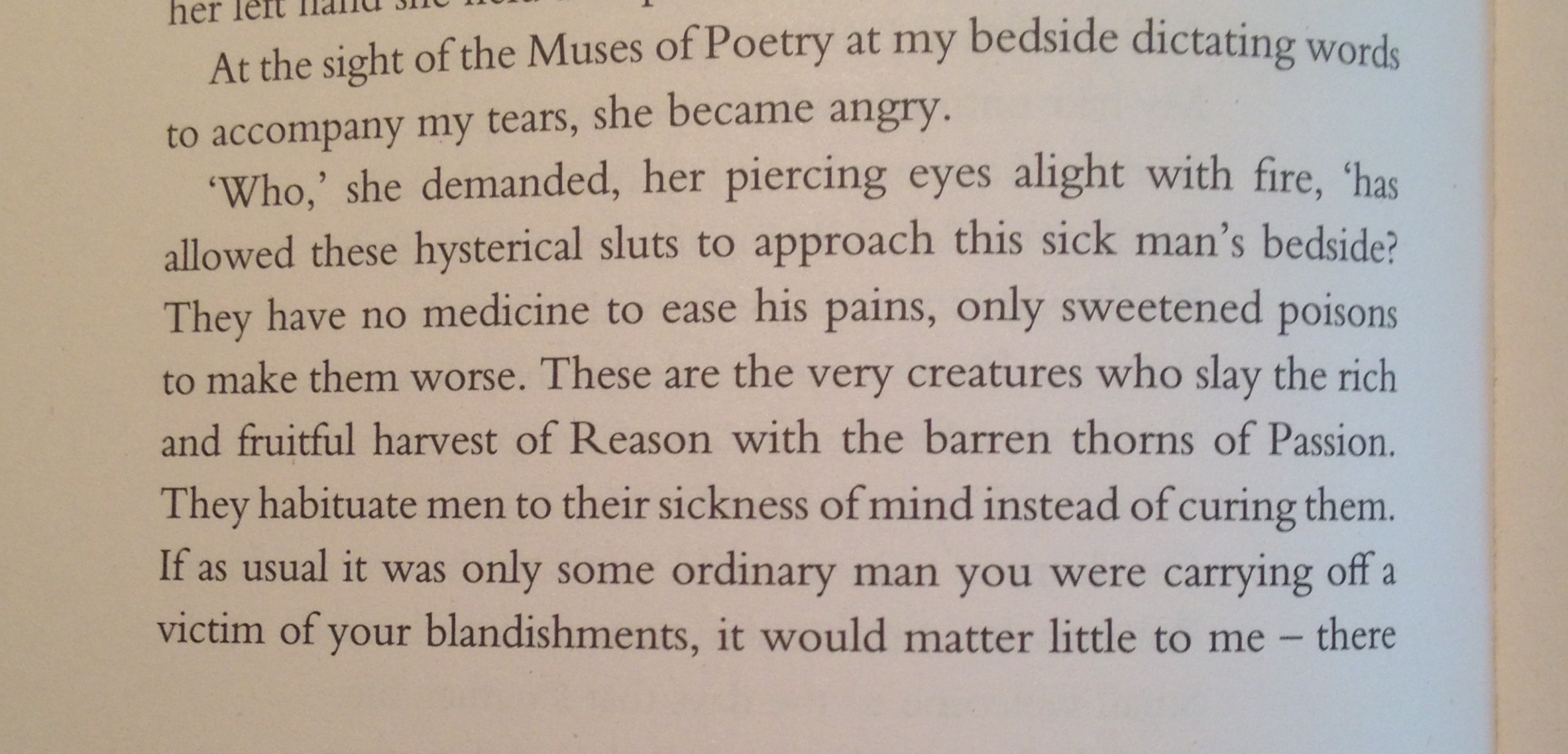

Philosophy is like
A lot of credit is probably due to the translator, Victor Watts. He sounds like just the man for the job:

Interaction Ritual Chains
Posted: June 5, 2015 Filed under: America Since 1945, Christianity, heroes, history, marine biology, religion, sexuality Leave a comment Got interested in the sociologist Randall Collins via his blog, which I think Tyler Cowen linked to.
Collins also wrote a book about violence.

If you find yourself in a bar fight, his main advice on avoiding “damage” seems to be:
1) maintain calm, steady eye contact.
2) speak in a calm clear assertive voice
3) assert emotional dominance, or at least hold your own, emotional dominance-wise.
Most of the damage gets done, says Collins (who watched hundreds of hours of tapes of bar fights) when you’ve already lost the emotional encounter. Even worse if there’s a crowd.
At the heart of Collins’ micro-sociological theory is the concept of “confrontational tension.” As people enter into an antagonistic interactional situation, their fear/tension is heightened. These emotions become a roadblock to violence, and so flight and stalemate often result. Actual violence only occurs when pathways around this roadblock can be found that lead people into a “tunnel of violence.” Collins identifies several pathways into this tunnel, the most dangerous of which is “forward panic.” In these situations, the confrontational tension builds up and is suddenly released so that it spills forward into atrocities ranging from the Rodney King beating to the My Lai massacre, the rape of Nanking, and the Rwandan genocide. Other ways around the stalemate of confrontational tension are to attack a weak victim (e.g., domestic violence) or to be encouraged by an audience (e.g., lynch mobs). Clearly, these pathways can also be combined, as when a schoolyard bully is encouraged by a crowd of classmates or when forward panic is stimulated by a group of bystanders.
Best posts from his blog, I’d say:

this one, on Napoleon and emotional energy.
this one, on Tank Man, is very interesting (although it goes against some other ideas I’ve heard, like Filip Hammar’s claim that it was well-known in his neighborhood of Beijing that Tank Man had been binge-drinking for days leading up to this event.)

this one, about fame, network bridging, and Lawrence of Arabia, is just fantastic.

So’s this one, about what we can learn from the gospel accounts of Jesus about charisma.

This one about Moby-Dick and bullfighting had some really interesting, new to me ideas.
I bought Professor Collins’ ebook, about emotional energy in Napoleon, Steve Jobs, and Alexander the Great. Lots of good stuff in there. And I got his magnum Interaction Ritual Chains. That’s a bit drier, but I’m learning a lot:

Jack Yeats, Olympic Silver Medalist
Posted: June 1, 2015 Filed under: family, Ireland, painting 3 Comments
Before The Start
W. B. Yeats the poet had a kid brother, Jack Yeats, a painter.

Early in his career he worked as an illustrator for magazines like the Boy’s Own Paper and Judy, drew comic strips, including the Sherlock Holmes parody “Chubb-Lock Homes” for Comic Cuts

The Mystery Man
Jack Yeats won a silver medal at the 1924 Olympics (the Chariots Of Fire Olympics). They used to give out medals in art and culture categories, and Jack won for The Liffey Swim:

The juried art competitions were abandoned in 1954 because artists were considered to be professionals, while Olympic athletes were required to be amateurs.
Bring ’em back I say!
Scottish folds
Posted: May 26, 2015 Filed under: cats, genetics 1 Comment
If I’m reading this Wikipedia page right, this one, about “Scottish Fold” cats, then Maru:

and Waffles:

and Shrampton:

as well as other less famous Internet cats, and both of Taylor Swift’s cats:

 are all descended from the same Scottish cat who died in 1961.
Seems like cat genealogy has to be a passion of somebody, no?

“I really never know what I’m going to get on Helytimes,” reports one reader.
Record Group 80: Series: General Photographic File Of the Department of the Navy, 1943-1958
Posted: May 22, 2015 Filed under: America Since 1945, photography, the ocean, WW2 1 Comment
Fair to say I’m more interested than most people in old photos.

There are amazing collections of old photos in various US government archives, but they’re not always easy to find or sort through online.

Somehow I stumbled on this US Navy photographic archive.

“Pilot Tells of Dive-Bombing Wake Island in ready room of USS Yorktown (CV-10), 10/1943” is the title of that one.

“Pin-up girls at NAS Seattle, Spring Formal Dance. Left to right: Jeanne McIver, Harriet Berry, Muriel Alberti, Nancy Grant, Maleina Bagley, and Matti Ethridge.”, 04/10/1944″

“Sign on Tarawa illustrates Marine humor and possible lack of optimism as to duration of war., 06/1944”

“Much tattooed sailor aboard the USS New Jersey, 12/1944”

“Crewmen aboard USS Yorktown (CV-10) dash to stations as general quarters sound., 05/1943”

“Filipinos with their ‘bancas’ loaded with wares, paddle out to anchored destroyer to trade with crew., 06/1945”

“Personnel of USS LEXINGTON celebrate Christmas with make-shift decorations and a firefighting, helmeted Santa Claus., 12/1944”

“Graves of U.S. Marines who died taking Tarawa, before headstones were prepared. In background are the first tents put up after occupation of the island., ca. 11/1943”

“Marines installing telephone lines under fire on Peleliu. In the background is seen part of famous Bloody Nose Ridge, scene of the fiercest fighting on Peleliu., 09/1944”

“Sailor asleep between 40mm guns on board the USS New Jersey (BB-62)., 12/1944”

“F6F taxies into position after landing on board the USS Lexington (CV-16)., ca. 11/26/1943”

“Sailor eating sandwich beneath propellers of torpedo being loaded aboard U.S. submarine at New London, Connecticut., 08/1943”

“Children in Naples, Italy. Little boy helps one-legged companion across street., 08/1944”

“Torpedomen relaxing beneath rows of deadly torpedoes in torpedo shop., ca. 05/1945”
Lord knows what you’d find if you dig through the archives in person. This is just what’s digitized and online.

Happy Memorial Day, errboddy.

“Lesser” McConaughey, or, On The Subject Of Great Acting
Posted: May 21, 2015 Filed under: actors, America Since 1945, movies, Texas, the California Condition Leave a comment
1995. I got my first big paycheck as an actor. I think it was 150 grand. The film was Boys on the Side and we’re shooting in Tucson, AZ and I have this sweet little adobe guest house on the edge of the Saguaro National Park. The house came with a maid. My first maid. It was awesome. So, I’ve got a friend over one Friday night and we’re having a good time and I’m telling her about how happy I am with my set up . The house. The maid. Especially, the maid. I’m telling her, “she cleans the place after I go to work, washes my clothes, the dishes, puts fresh water by my bed, leaves me cooked meals sometimes, and SHE EVEN PRESSES MY JEANS!” My friend, she smiles at me, happy for my genuine excitement over this “luxury service” I’m getting, and she says, “Well…that’s great…if you like your jeans pressed.”
I kind of looked at her, kind of stuttered without saying anything, you know, that dumb ass look you can get, and it hit me…
I hate that line going down my jeans! And it was then, for the first time, that I noticed…I’ve never thought about NOT liking that starched line down the front of my jeans!! Because I’d never had a maid to iron my jeans before!! And since she did, now, for the first time in my life, I just liked it because Icould get it, I never thought about if I really wanted it there. Well, I did NOT want it there. That line… and that night I learned something.
Just because you CAN?… Nah… It’s not a good enough reason to do something. Even when it means having more, be discerning, choose it, because you WANT it, DO IT because you WANT to.
I’ve never had my jeans pressed since.
I have been a McConaughey enthusiast for awhile. Proof: I saw Sahara and The Lincoln Lawyer* in the theater.
Here is a thing I admired then and continue to admire about McConaughey:
He treated ridiculous movies with utmost seriousness.
I don’t believe he treated Sahara with any less respect than True Detective, even though Sahara is crazy.
He brought pride and his fullest effort to those movies, the same as he would to any other movie. Failure To Launch, for example.
This is the mark of a true professional who practices his craft with great honor and seriousness
(but: could it also be the mark of someone who doesn’t know when something is ridiculous?)
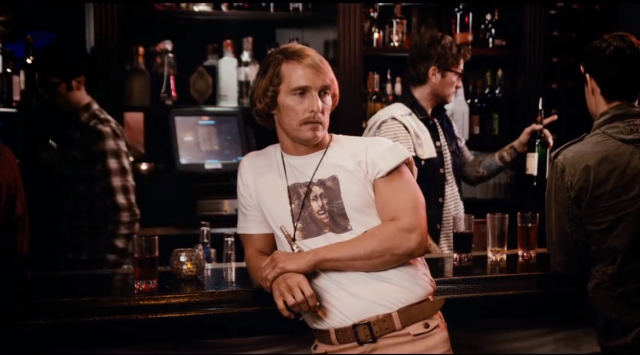
The director, Richard Linklater, kept inviting me back to set each night, putting me in more scenes which led to more lines all of which I happily said YES to. I was having a blast. People said I was good at it, they were writing me a check for $325 a day. I mean hell yeah, give me more scenes, I love this!! And by the end of the shoot those 3 lines had turned into over 3 weeks work and “it was Wooderson’s ’70 Chevelle we went to get Aerosmith tickets in.” Bad ass.
Well, a few years ago I was watching the film again and I noticed two scenes that I really shouldn’t have been in. In one of the scenes, I exited screen left to head somewhere, then re-entered the screen to “double check” if any of the other characters wanted to go with me. Now, in rewatching the film, (and you’ll agree if you know Wooderson), he was not a guy who would ever say, “later,” and then COME BACK to “see if you were sure you didn’t wanna come with him..” No, when Wooderson leaves, Wooderson’s gone, he doesn’t stutter step, flinch, rewind, ask twice, or solicit, right? He just “likes those high school girls cus he gets older and they stay the same age.”
My point is, I should NOT have been in THAT scene, I should have exited screen left and never come back.
Matthew McConaughey is a truly great actor.
From a description of an interview with Cary Fukunaga:
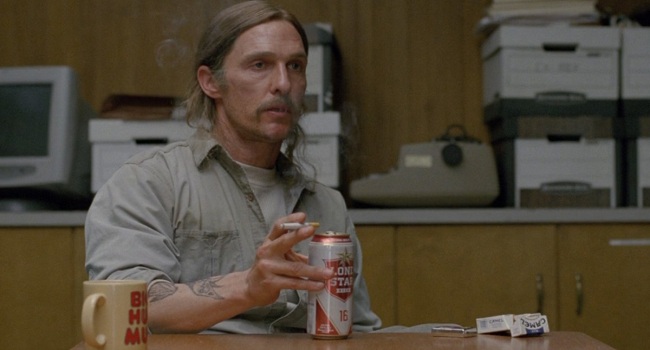
Fukunaga took one of these opportunities to share a story about directing Matthew McConaughey, a health-nut and non-smoker, in an early scene where he takes long, audible drags of a cigarette. Fukunaga describes saying, “‘don’t make it look like a middle school girl smoking for the first time.’ And McConaughey went in the opposite direction, just Cheech and Chong-ing it.”
Bo Jackson ran over the goal line, through the end zone and up the tunnel — the greatest snipers and marksmen in the world don’t aim at the target, they aim on the other side of it.
We do our best when our destinations are beyond the “measurement,” when our reach continually exceeds our grasp, when we have immortal finish lines.
When we do this, the race is never over. The journey has no port. The adventure never ends because we are always on our way. Do this, and let them tap us on the shoulder and say, “hey, you scored.” Let them tell you “You won.” Let them come tell you, “you can go home now.” Let them say “I love you too.” Let them say “thank you.”
These quotes are from his amazing commencement speech at University of Houston:
The late and great University of Texas football coach Daryl Royal was a friend of mine and a good friend to many. A lot of people looked up to him. One was a musician named “Larry.” Now at this time in his life Larry was in the prime of his country music career, had #1 hits and his life was rollin’. He had picked up a habit snortin’ “the white stuff” somewhere along the line and at one particular party after a “bathroom break,” Larry went confidently up to his mentor Daryl and he started telling Coach a story. Coach listened as he always had and when Larry finished his story and was about to walk away, Coach Royal put a gentle hand on his shoulder and very discreetly said, “Larry, you got something on your nose there bud.” Larry immediately hurried to the bathroom mirror where he saw some white powder he hadn’t cleaned off his nose. He was ashamed. He was embarrassed. As much because he felt so disrespectful to Coach Royal, and as much because he’d obviously gotten too comfortable with the drug to even hide as well as he should.
Well, the next day Larry went to coach’s house, rang the doorbell, Coach answered and he said, “Coach, I need to talk to you.” Daryl said, “sure, c’mon in.”
Larry confessed. He purged his sins to Coach. He told him how embarrassed he was, and how he’s “lost his way” in the midst of all the fame and fortune and towards the end of an hour, Larry, in tears, asked Coach, “What do you think I should do?” Now, Coach, being a man of few words, just looked at him and calmly confessed himself. He said, “Larry, I have never had any trouble turning the page in the book of my life.” Larry got sober that day and he has been for the last 40 years.
Now: I loved reading this speech. Many important reminders about life:
Mom and dad teach us things as children. Teachers, mentors, the government and laws all give us guidelines to navigate life, rules to abide by in the name of accountability.
I’m not talking about those obligations. I’m talking about the ones we make with ourselves, with our God, with our own consciousness. I’m talking about the YOU versus YOU obligations. We have to have them. Again, these are not societal laws and expectations that we acknowledge and endow for anyone other than ourselves. These are FAITH based OBLIGATIONS that we make on our own.
Not the lowered insurance rate for a good driving record, you will not be fined or put in jail if you do not gratify the obligations I speak of — no one else governs these but you.
They’re secrets with yourself, private council, personal protocols, and while nobody throws you a party when you abide by them, no one will arrest you when you break them either. Except yourself. Or, some cops who got a “disturbing the peace” call at 2:30 in the morning because you were playing bongos in your birthday suit.
Entertainment Tonight called this speech “bonkers.”
That’s not fair.
Maybe a fourteenth lesson that McConaughey only hints at in his speech is: to achieve greatness you must dance along the edge of bonkers. To do anything worthwhile you must risk appearing ridiculous. On your journey, at many points, you will appear ridiculous. The fear of appearing ridiculous stops all too many from achieving their potential.
You know these No Fear t-shirts? I don’t get em. Hell, I try to scare myself at least once a day. I get butterflies every morning before I go to work. I was nervous before I got here to speak tonight. I think fear is a good thing. Why? Because it increases our NEED to overcome that fear.
Say your obstacle is fear of rejection. You want to ask her out but you fear she may say “no.” You want to ask for that promotion but you’re scared your boss will think you’re overstepping your bounds.
Well, instead of denying these fears, declare them, say them out loud, admit them, give them the credit they deserve. Don’t get all macho and act like they’re no big deal, and don’t get paralyzed by denying they exist and therefore abandoning your need to overcome them. I mean, I’d subscribe to the belief that we’re all destined to have to do the thing we fear the most anyway.
So, you give your obstacles credit and you will one. Find the courage to overcome them or see clearly that they are not really worth prevailing over.
Here is what McConaughey looked like giving his speech.

Here is a great actor whose greatest role is himself.
* The Lincoln Lawyer spoke to a real fantasy I can’t be alone in having in Los Angeles: someone driving you everywhere in comfortable quiet. Since then Uber has come close to making that a reality.
The hero with a thousand faces
Posted: May 20, 2015 Filed under: America Since 1945, heroes, the California Condition 1 CommentThis

makes me think of this

 Helytimes