The Bakersfield-based company did not invent the so-called baby carrot, which starts as a mature root that is given a severe makeover through peeling and downsizing. But the tiny product helped transform the company into one of the largest carrot producers in the world.
Grimmway has been recognized for boosting sales of the baby carrot by positioning it as a healthful snack and packaging it in ways that make it easy to pop into sack lunches or serve on airplanes.
Frank Gehry, William Pereira and SoCal architecture
Posted: March 18, 2016 Filed under: America Since 1945, architecture, art history, the California Condition Leave a comment
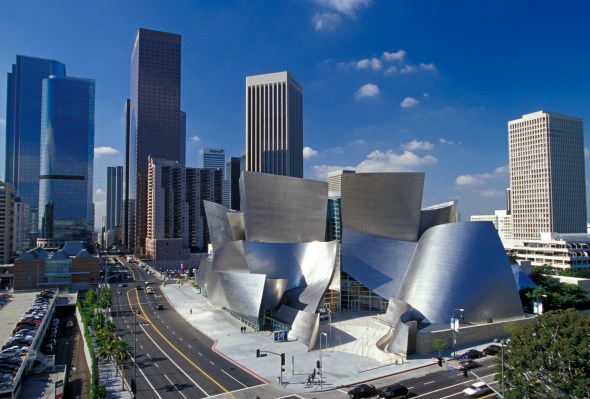
lifted from http://www.archdaily.com/441358/ad-classics-walt-disney-concert-hall-frank-gehry credited to Gehry Partners
Is this a good building?
Is Frank Gehry, who designed it, a good architect?
How would we answer that?
What is good or bad architecture, really?
INTO this NY Review of Books piece by Ingrid Rowland which explores these questions.

http://www.archdaily.com/tag/guggenheim-museum-bilbao, credited to flickr user Iker Merodio
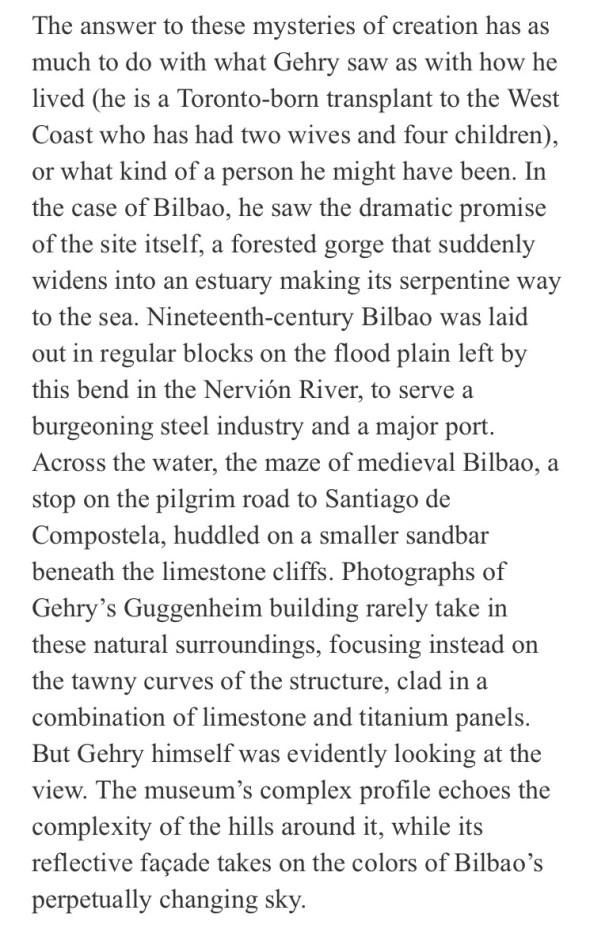
Whoa. 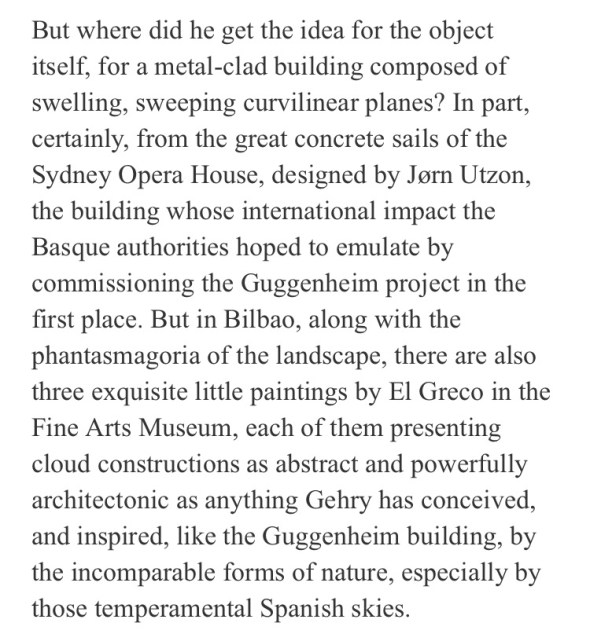
I can only find one of those three “exquisite little paintings” on the Bilbao Fine Arts Museum’s very decent website. The Annunciation:
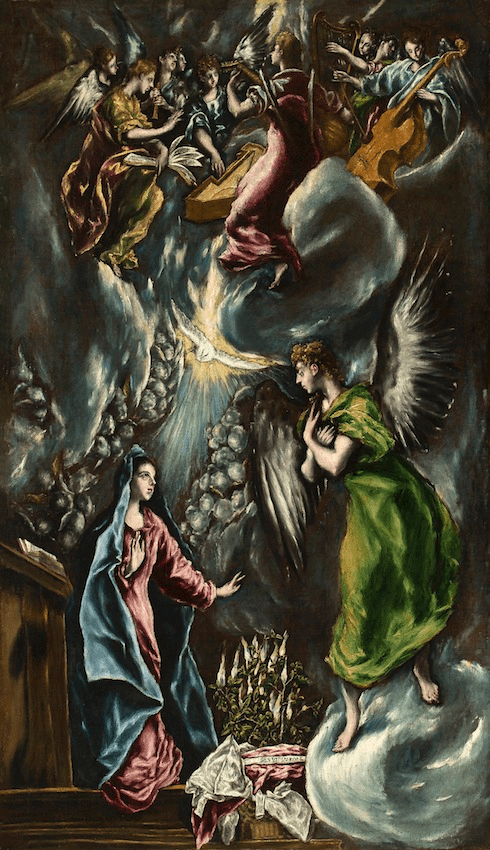
El Greco was rad, my goodness. 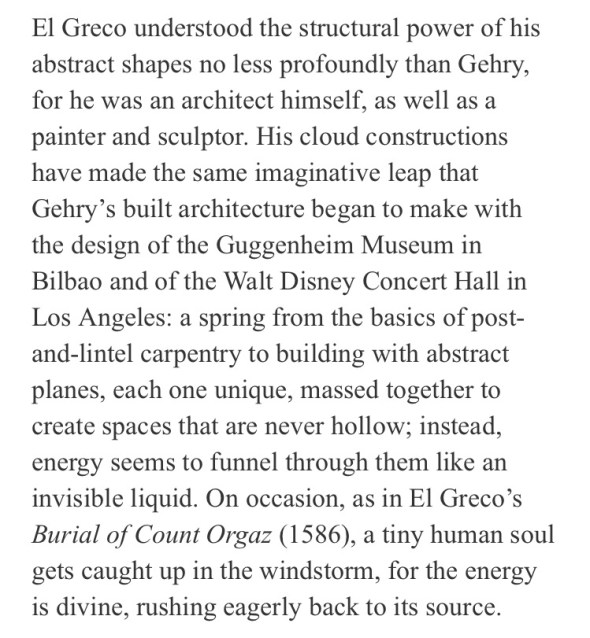
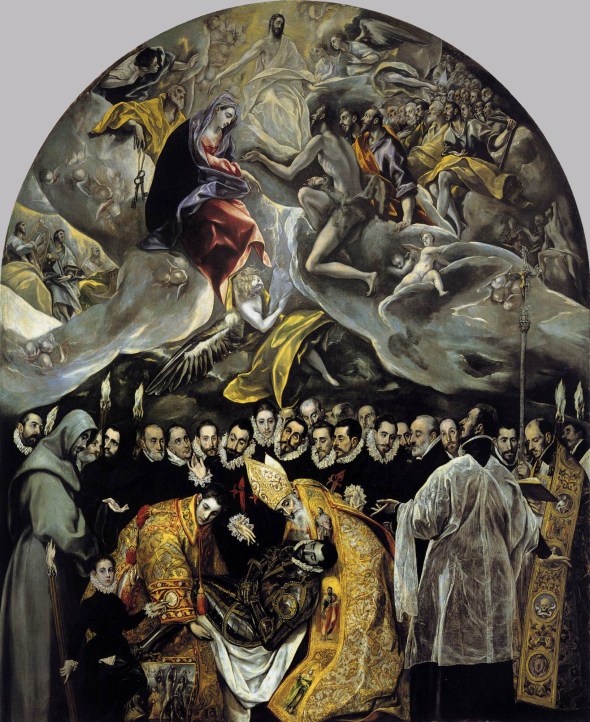
Here, Rowland talks about Gehry’s house in Santa Monica:
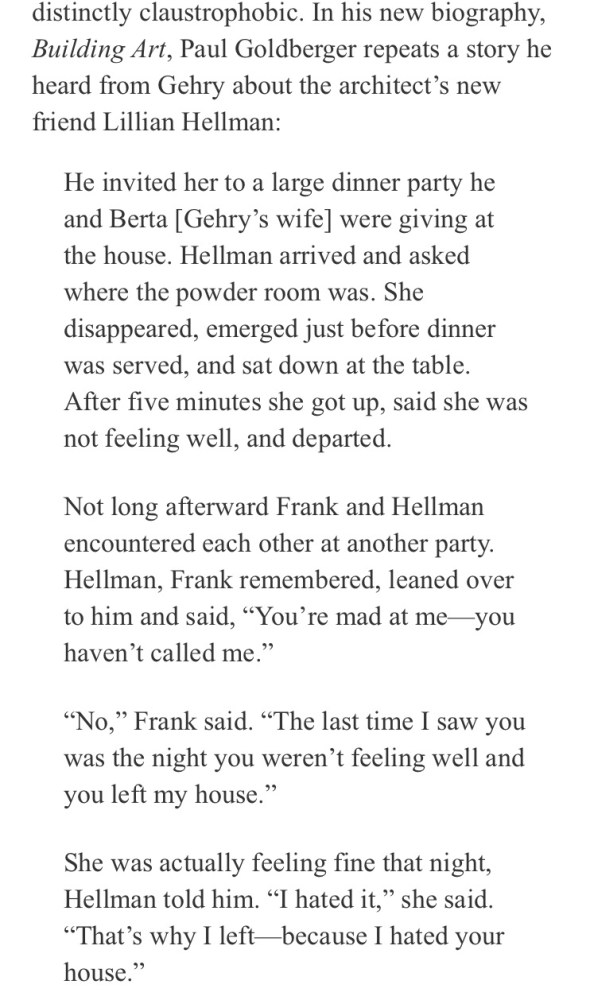 Let’s have a look, photo from Google Street View:
Maybe the most eye-opening part of this piece to me though was Rowland talking about earlier SoCal architect and Gehry mentor William Pereira. This guy designed so many buildings that I see every day! 
5900 Wilshire, for example.

Pereira’s Oscar was for Reap The Wild Wind:
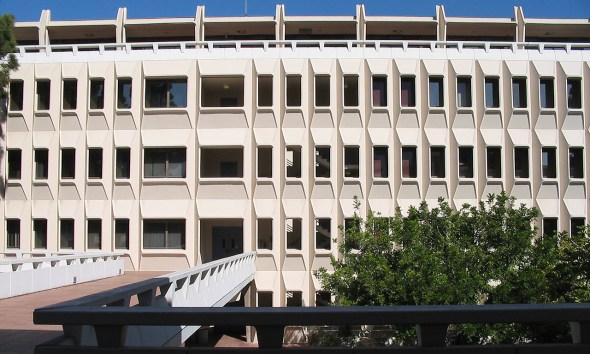
Did he design boats or something? The history of Irvine is topic for another day, but here’s some of Pereira’s work on the UC campus there:
The Theme Building of LAX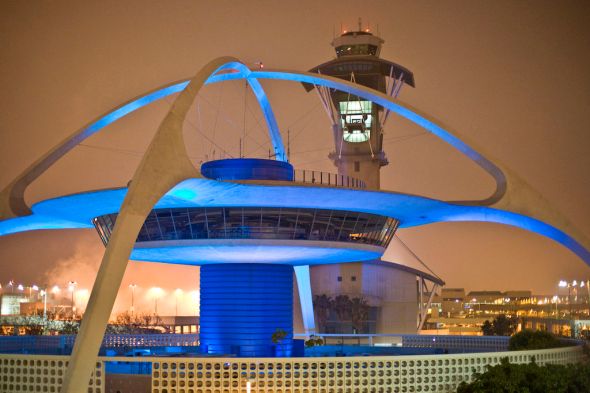
(Wikipedia doles out the credit a bit more generously:
It was designed by a team of architects and engineers headed by William Pereira and Charles Luckman, that also included Paul Williams and Welton Becket. The initial design of the building was created by James Langenheim, of Pereira & Luckman.
Luckman was no slouch himself, he went on to do Boston’s Prudential Tower:

Wikipedia asks me to credit user RhythmicQuietude with the photo
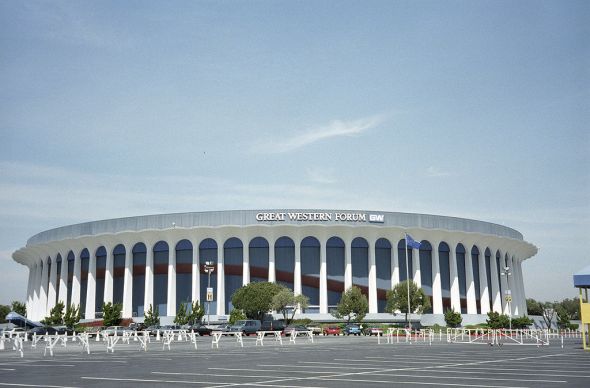
Luckman did the Forum here in LA as well:
A modest sentence from his Wiki:
Then in 1947, President Truman asked him to help feed starving Europe.
Here’s Pereira’s ziggurat for the Chet Holifield Federal Building:
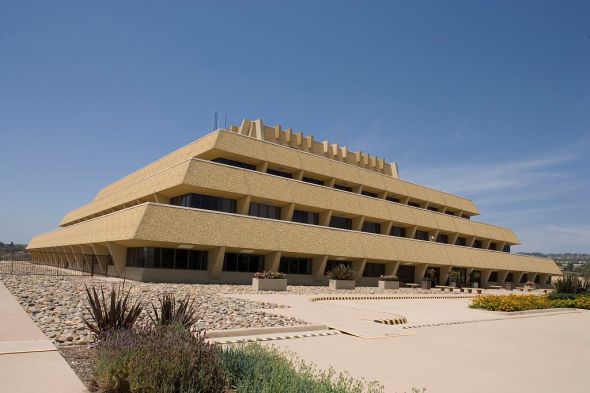
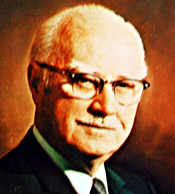
which is of course modeled on Chet Holifield’s head:
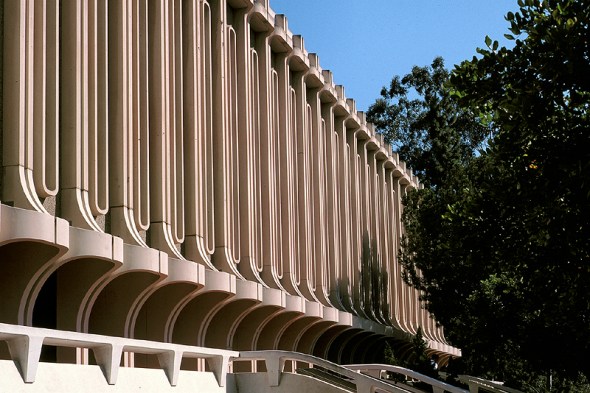
More Pereira from UC Irvine:
The Disneyland Hotel:

Sam Howzit (aloha75) – https://www.flickr.com/photos/aloha75/
CBS TV City:

dope tumblr Jet Set Modernist has some good classic pics of CBS TV City in all its Mad Men era glory.
Not sure which of these buildings in Newport Beach Pereira did, but they all have a style we might call Pereiraesque:
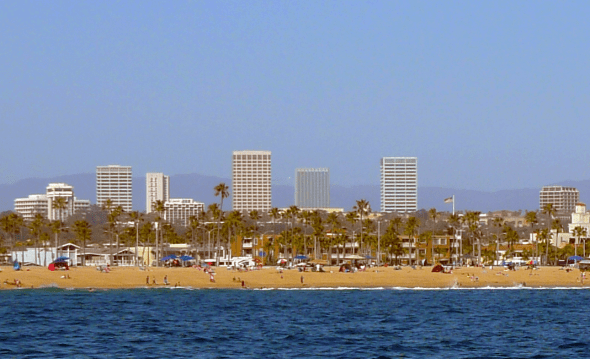
Wiki asks for attribution to user: WPPilot
More more! :
Here’s the Assyrian-revival tire factory turned Outlets:
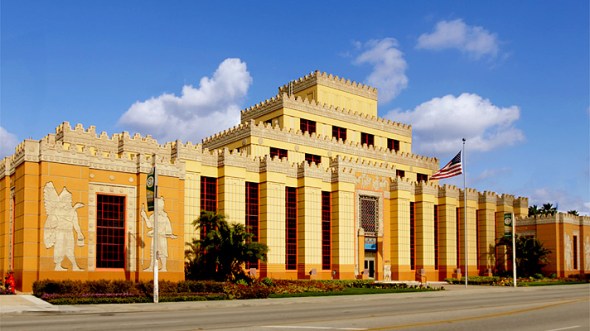
photo from http://www.discoverlosangeles.com/blog/guide-outlet-shopping-la, credited to 1 Johnny, Flickr
And the Patriotic Hall I always wonder about when I see it south of the 10:
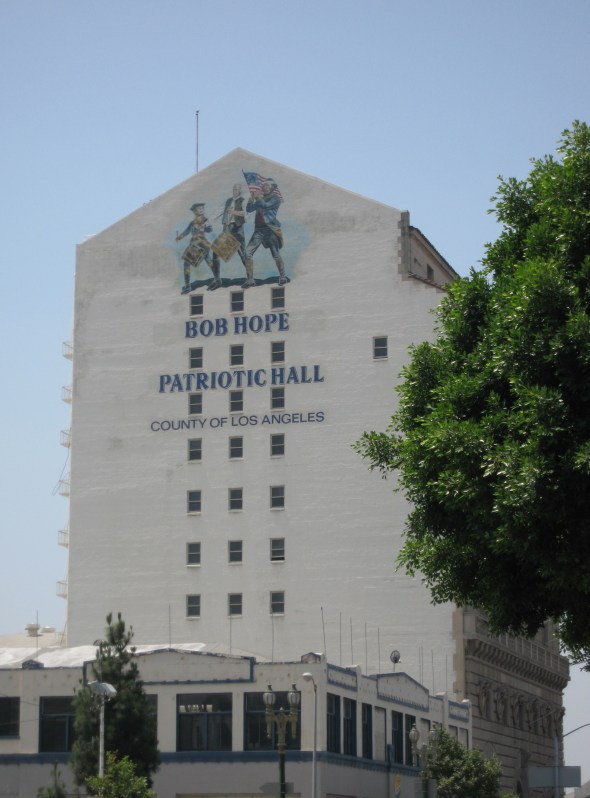
You can see Frank Gehry in the first few minutes of Kate Berlant’s episode of The Characters:

Buzz Aldrin at The Oakwood
Posted: March 6, 2016 Filed under: America Since 1945, heroes, the California Condition Leave a comment
for years my fav trivia about The Oakwood Apartments here in Greater Los Angeles is that Buzz Aldrin used to live there.

learned it from his memoir, Magnificent Desolation, which chronicles his difficulties with alcoholism and depression after his return to Earth and troubled stint running the test pilot school at Edwards Air Force Base here in SoCal:

I mean, how you gonna come back from:


I mean, there were some good times:


Buzz did live in the Oakwood — the one in Woodlawn Hills, not the one on the Cahuenga Pass that every Hollywood person has driven past a thousand times:


His lifestyle:

(I’ve described this story to many male friends who often look off to the distance wistfully and say “that sounds great”)

Once had the chance to shake Buzz’s hand when he was on 30 Rock. What a true hero.
How to pronounce Broad
Posted: February 25, 2016 Filed under: books, business, the California Condition Leave a comment
If you are on Instagram in LA you have seen probably six hundred pictures of The Broad art museum downtown.

How did Broad get so rich? “Moving money around,” was my guess. Part right: he started a homebuilding company, KB Home, and then when that was up and going he started another company, SunAmerica, for retirement savings / mutual funds. Learning this from the man’s book:
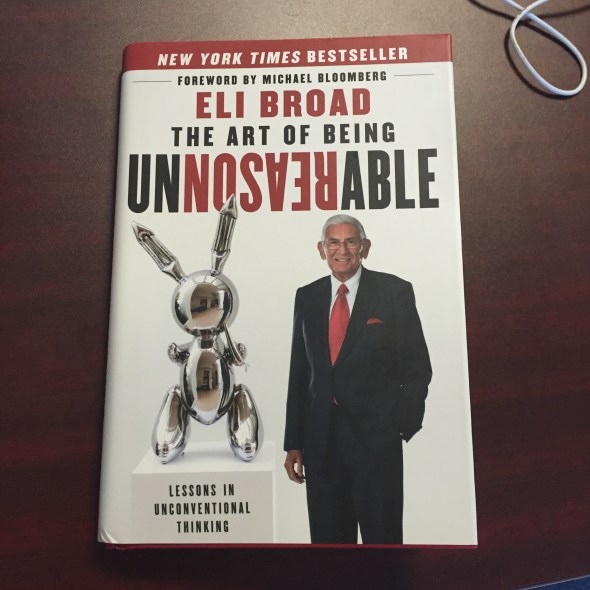
which also gives a final answer on how to pronounce the name:

To summarize: everybody has to say it weird because he didn’t like getting teased as a boy.
(photos of the Broad yanked right off LA Curbed)
Death Valley Days
Posted: February 21, 2016 Filed under: adventures, the California Condition Leave a comment
Death Valley Days ran for 18 seasons and 452 (!) episodes.
You can’t top Death Valley for place names. Just reading the map is a pleasure.

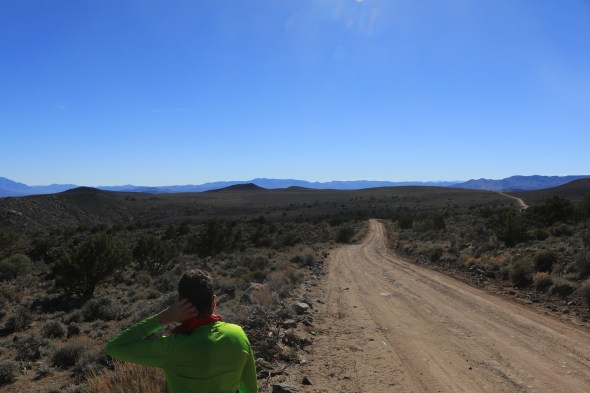
But hey, the map is not the territory. So the boys and I went out to have a look:

Things aren’t what they used to be in old Chloride City:

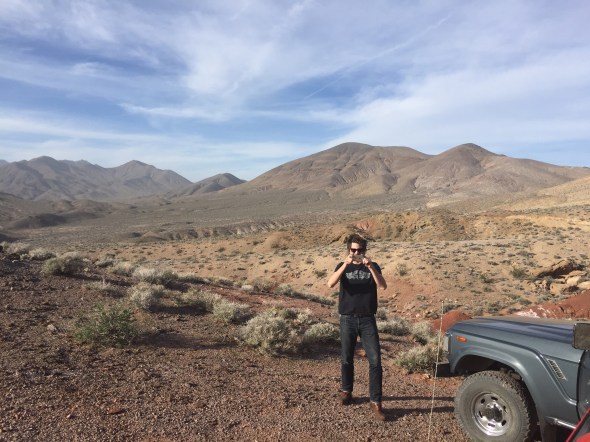

Just as well I didn’t know what these mountains were called.


On to Titus Canyon:

Rendezvous in the twilight: 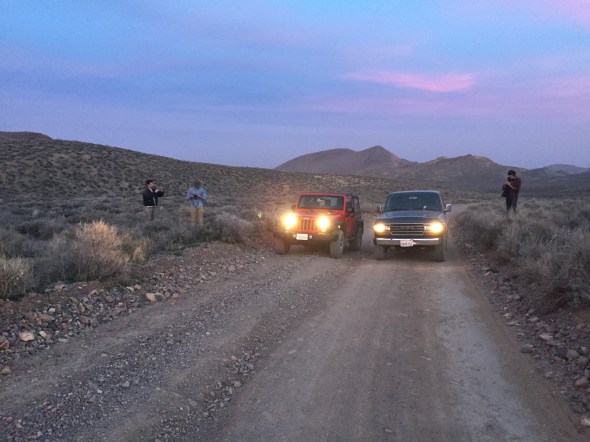


Morning at camp: 
Ever since I heard about the sailing stones I’ve wanted to see the Racetrack:

Not the easiest trip.
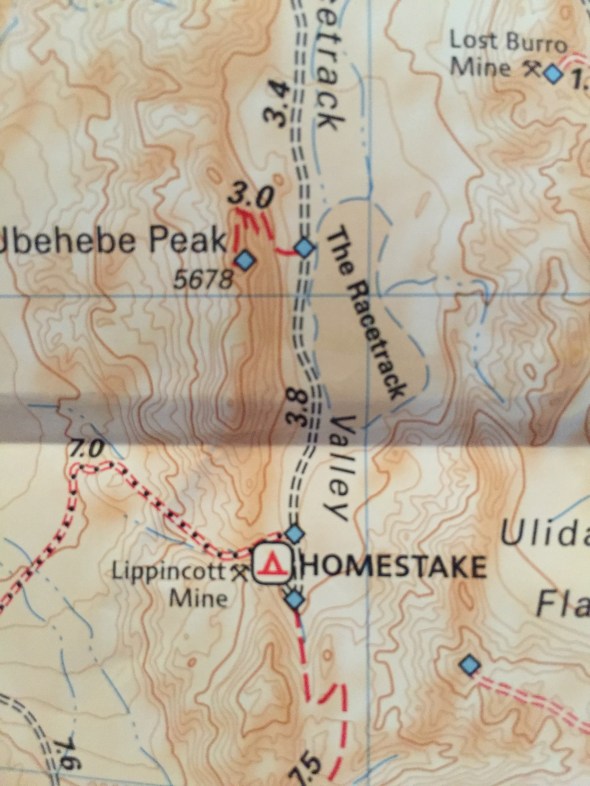
Let’s go have a look:

Bobby will do whatever it takes to get the shot:

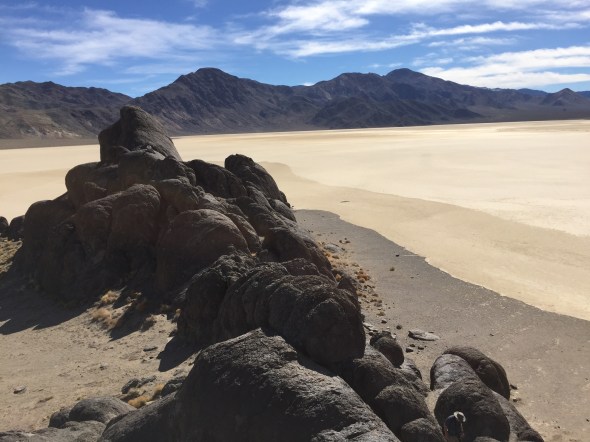


These guys have a long walk ahead:

Keep going lil buddy!:

(is there anything so human as “rooting” for a rock in its meaningless decades-long journey across a dry lake bed?)
How about the crater?:


“Let’s drive down the old Lippincott Mine road!”


Shoutout to the rad Tom Harrison map of Death Valley.
Stirring clip from Death Valley Days:
Into the aesthetic
Posted: February 19, 2016 Filed under: the California Condition Leave a comment
at Long Valley, California’s Arcularius Ranch.
Kareem Abdul-Jabbar talks to Tyler Cowen
Posted: February 2, 2016 Filed under: America Since 1945, sports, the California Condition Leave a comment
Great interview. Kareem talks about how his love of Sherlock Holmes made him a better basketball player:

 About that action scene above:


Mora update
Posted: February 1, 2016 Filed under: art history, the California Condition Leave a comment
Peter Hiller, curator of the Jo Mora Trust, writes in with a few points and corrections, duly incorporated on our post about Jo Mora. Thanks so much, Peter!
Co-worker Charles picked up a reproduction of the Salinas rodeo poster. So many fantastic details:

Jo Mora could’ve done a fantastic Where’s Waldo I bet. (Why did they feel the need to change the American title from the original English “Where’s Wally?” I wonder?”
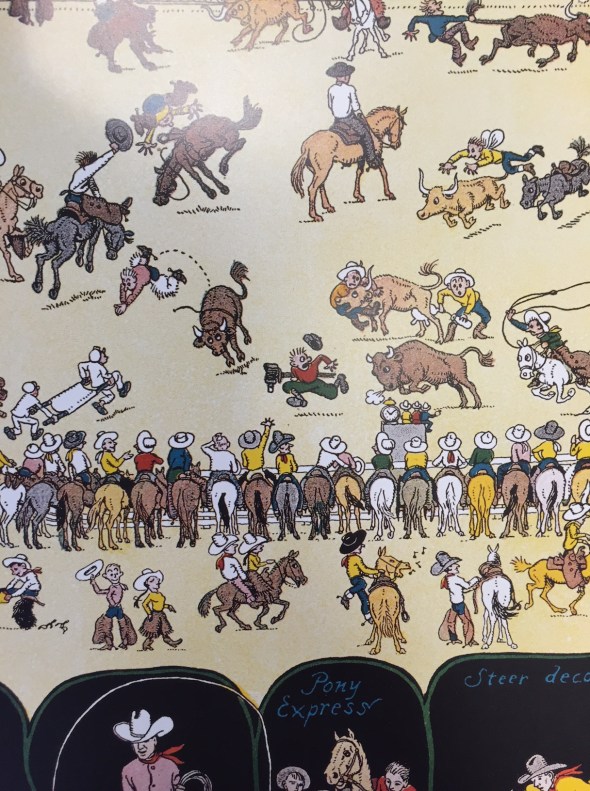
Jo Mora probably would’ve been good at wimmelbilderbuch of all kinds, a term I just learned from the Where’s Wally? wiki.
Hieronymus Bosch, Pieter Brueghel the Elder and Hans Jurgen Press are regarded as the fathers of the format.

Brueghel the Elder’s Netherlandish Proverbs. Can you spot all 112?
New book coming in June!
Posted: January 24, 2016 Filed under: books, the California Condition Leave a comment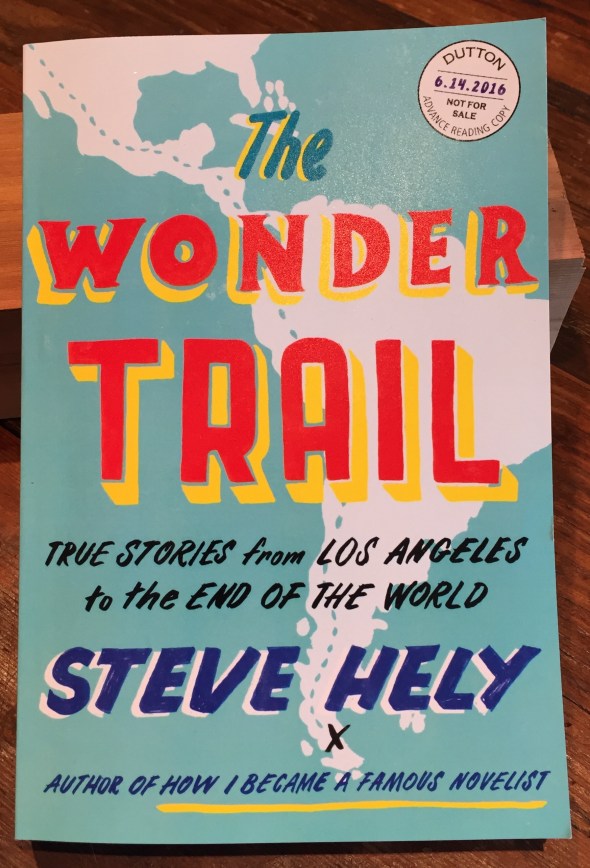
You can pre-order it here on Amazon, and on 6/14/16 your postman or woman will deliver this nice present to you.
Or start gently nudging your friendly indie bookseller to order a pile!
It is 102 short chapters about everything interesting I could find, learn about, or experience between Los Angeles and Patagonia. Topics include:
- sloths
- rocks & ice
- the Aztecs
- the Amazon
- Peru
- Mexico and how Mexico City was the Western Hemisphere’s first metropolis,
- Inca math rope
- the history of travel writing
- how scholars, eccentrics, archaeologists and gum entrepreneurs figured out how to learned to read ancient Mayan
- the crazy violent nightmare adventure of Bernal Diaz
- Boston
- Hollywood
- and hallucinogenic plants.
I hope you enjoy it!
How about that rad cover designed by Anna Laytham?
Ridiculous
Posted: January 22, 2016 Filed under: actors, film, Hollywood, the California Condition Leave a comment
Amazing letter from The Academy. Imagine sending out an email in which you described your own organization’s action of slightly adjusting membership rules as “courageous.”
Jo Mora
Posted: January 19, 2016 Filed under: art history, the California Condition 3 Comments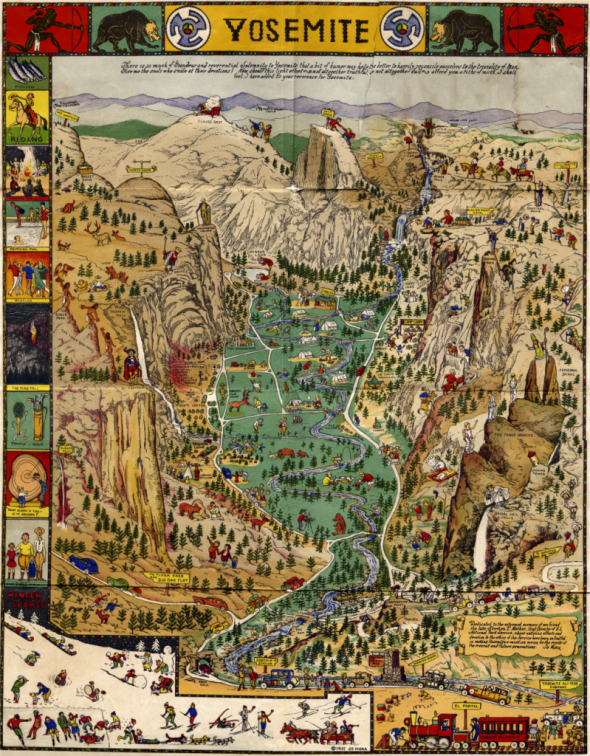
Jo Mora has to be in the conversation about top Uruguayan-Californian artists, yet I’d only heard of him a few weeks ago when co-worker Charles called my attention to the cover art for The Byrds’ Sweetheart Of The Rodeo album:
drawn from a Mora poster of a rodeo in Salinas:

Here is Mora’s 1946 book Californios: The Saga of The Hard-Riding Vaqueros, America’s First Cowboys:
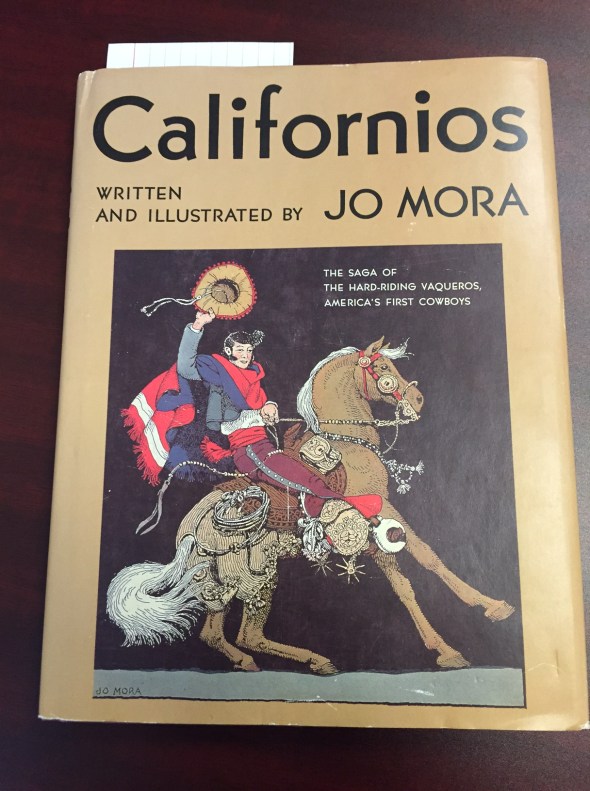
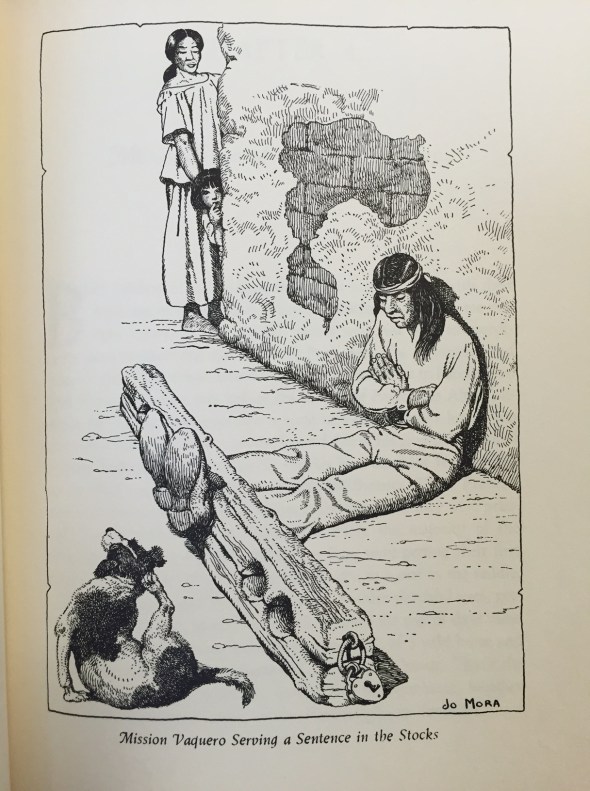
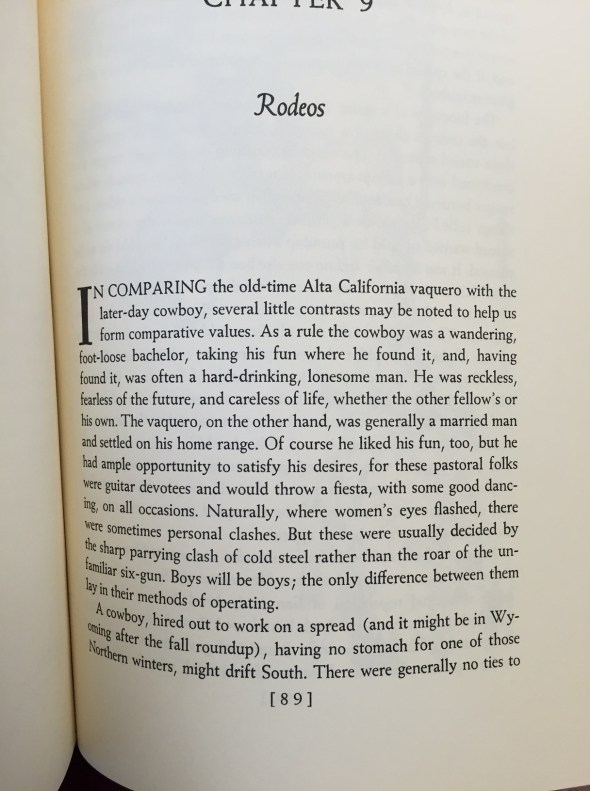
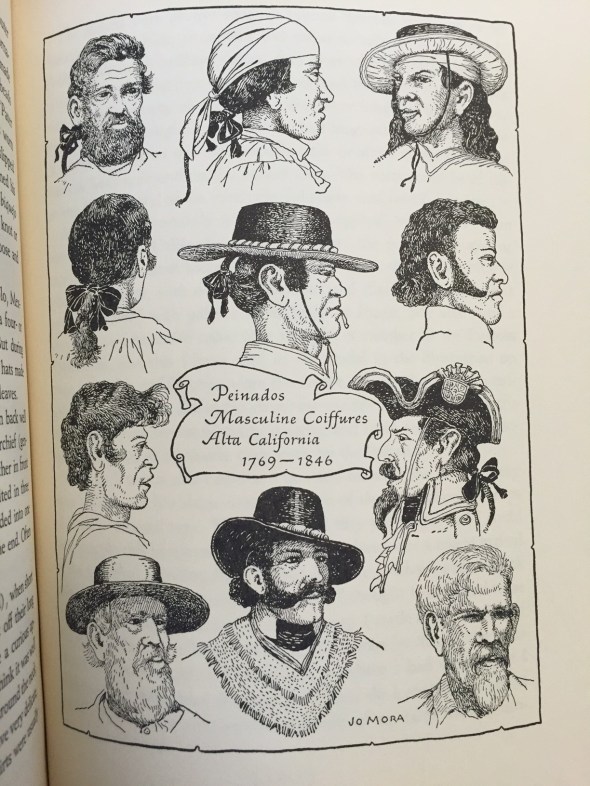
Look at these fucking hipsters.
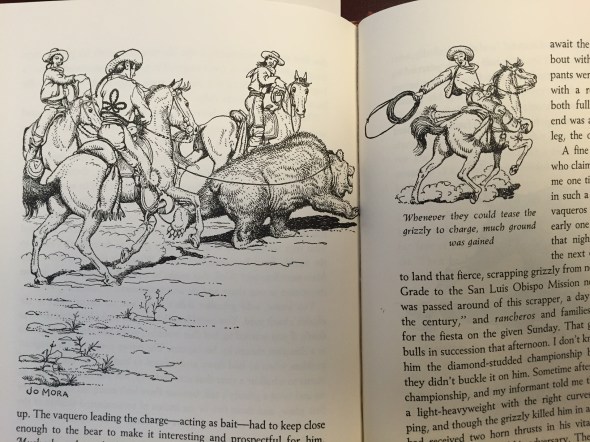
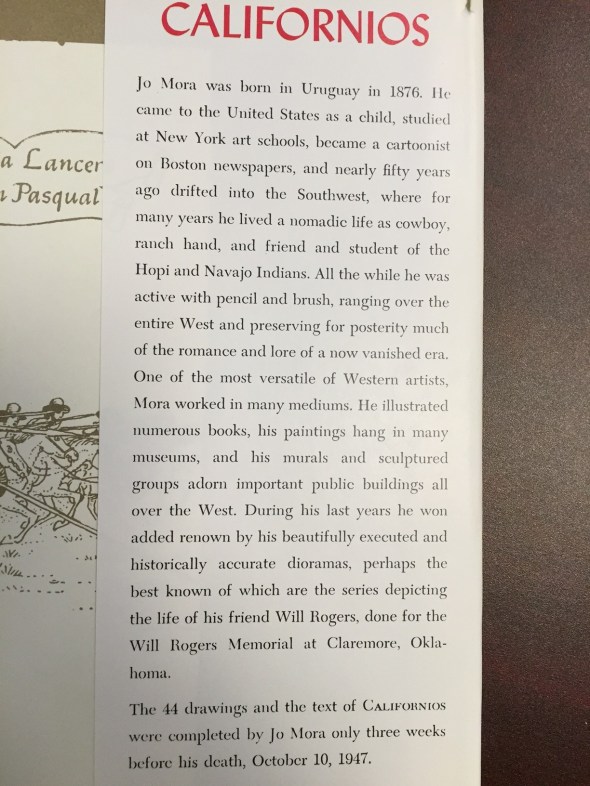
“He won added renown for his beautifully executed and historically accurate dioramas.” What a thing to say about a man! Let’s have a look at the dioramas for his friend Will Rogers:

These dioramas look so great, and there aren’t many photos of them online. This one is fantastic, and so is this one. And don’t miss this one! I didn’t copy them here because Flickr user Todd Carr has all his rights reserved. I feel pretty ok about reproducing most widely-available photos, but I dunno, Todd went to the trouble of going to Claremore, Oklahoma, and since he’s pretty much the only source on these,and he did a great job, it doesn’t feel quite right. Still, I hope Mr. Carr doesn’t mind me showing just this one, of what must be the plane crash that ended Will’s life:
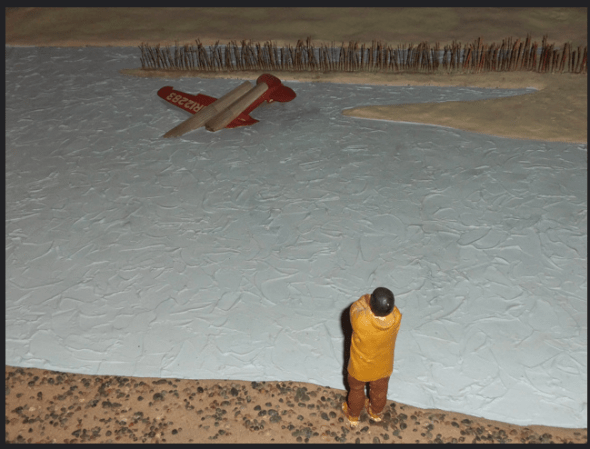
Hope you don’t mind Todd, you are a great photographer!
Mora was also a gifted sculptor — he made, for instance, these guys for the Pacific Mutual Building, right here at 6th and Grand in downtown Los Angeles:

Here’s a list of Mora’s public artworks. The list was put together by Peter Hiller, curator of the Jo Mora Trust Collection, and we thank him for his help and great work! You can see and learn more about Mora over at their website, and Peter Hiller tells us he has the Los Angeles map for sale.
Mora began his career as a cartoonist in Boston. Here’s an early cartoon, The Foolish Walrus:

How about his map of Los Angeles?

Or this menu?
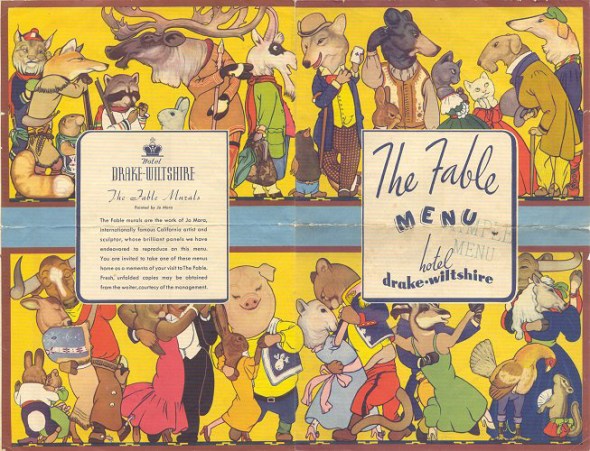
Mora visited many Spanish missions in California that summer by horseback. He followed the “Mission Trail”, also called the “Kings Highway”.
What a boss.
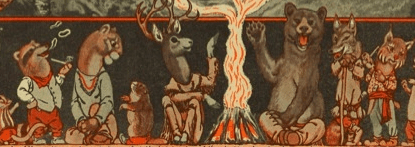
The Dilbertito
Posted: January 17, 2016 Filed under: America Since 1945, food, the California Condition Leave a comment
Dilbert creator Scott Adams has many interesting ideas. Reader Mike Yank put me on to his analysis of Trump:
The $10 billion estimate Trump uses for his own net worth is also an “anchor” in your mind. That’s another classic negotiation/persuasion method. I remember the $10 billion estimate because it is big and round and a bit outrageous. And he keeps repeating it because repetition is persuasion too.
I don’t remember the smaller estimates of Trump’s wealth that critics provided. But I certainly remember the $10 billion estimate from Trump himself. Thanks to this disparity in my memory, my mind automatically floats toward Trump’s anchor of $10 billion being my reality. That is classic persuasion. And I would be amazed if any of this is an accident. Remember, Trump literally wrote the book on this stuff.
Over the holidays I read Scott Adams’ book:
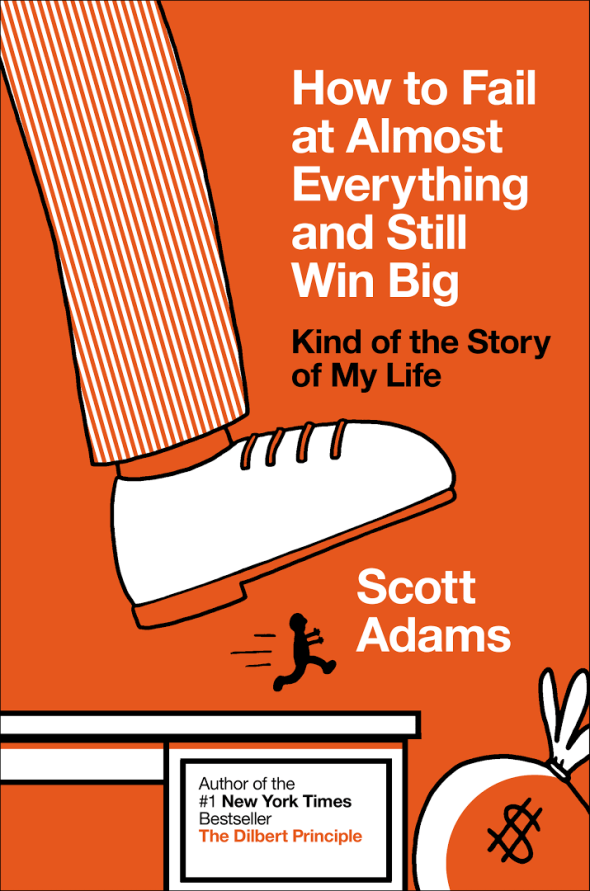
which was full of interesting stuff as well as plenty of boring stuff. Scott Adams practical, experienced-based ideas on what you should eat, for instance: he talks about how he has found that white starches and potatoes (my two favorite foods) are nothing but energy saps. Adams also suggests you drink as much coffee as you want. He also makes a good case for “systems instead of goals.”
On Friday at work I got into an argument because I brought up Scott Adams, and a female co-worker was like “that crazy misogynist”? And indeed Scott Adams has written some stuff that could justifiably make steam come out of ears:
Women have made an issue of the fact that men talk over women in meetings. In my experience, that’s true. But for full context, I interrupt anyone who talks too long without adding enough value. If most of my victims turn out to be women, I am still assumed to be the problem in this situation, not the talkers. The alternative interpretation of the situation – that women are more verbal than men – is never discussed as a contributing factor to interruptions. Can you imagine a situation where – on average – the people who talk the most do NOT get interrupted the most? I don’t know if the amount of talking each person does is related to the amount of interrupting they experience, or if there is a gender difference to it, but it seems like a reasonable hypothesis. My point is that men are assumed guilty in this country. We don’t even explore their alibis. (And watch the reaction to even bringing up the topic.)
It’s an ongoing issue in his writings.
I can’t and don’t want to defend everything Scott Adams has written, but I tried to make the case that maybe Scott Adams isn’t a misogynist, he’s a nerdy weirdo who’s working out ideas and we should cut him some slack. I read all kinds of weird thinkers, it’s healthy. I follow The Federalist on Twitter — they like Ted Cruz over there, but sometimes they make some interesting argument I’ve never thought about before. You can read The Federalist and Mother Jones and subscribe to Ann Friedman’s newsletter and go see the Entourage movie.
Somebody somewhere on Twitter directed me to this piece by Ryan Holiday:
Any publicist will tell you this. A scandal is awful while you’re in it, almost unbearably awful as the headlines from bigger and bigger outlets pour in. But as time passes, whatever those headlines said begins to blur, the pointed words lose their potency and the residue that’s left, that residue is raw fame. And fame is a precious resource that most people, companies, and causes will never have but always seek.
And while people have always been willing to debase themselves to get famous, this mindset has metastasized through our more important institutions—from journalism to government.
The Gawker’s of this world publish the most vicious and shameful story of 2015, and as long as their writers can successfully pretend they didn’t do anything wrong, they can get right back on their high horse and blog like it never happened. A Donald Trump can make serious—even alarming—progress towards the nation’s highest office so long as he refuses to laugh at the joke of it all.
One can imagine these folks surfing a large and monstrous wave of attention. It looks dangerous and indeed it is, but they know—having been on or watched others on such waves before—that if they can just ride it out they’ll emerge intact, ever the more famous for it, since so few have.
Anyway this all a long way of getting to the interesting trivia that in the late ’90s Scott Adams used his Dilbert money to try and launch an all-in-one superfood product called the Dilberito:
First announced in The Dilbert Future and introduced in 1999[1] the Dilberito came in flavors of Mexican, Indian, Barbecue, and Garlic& Herb and was sold through some health food stores.
Said Fortune in 2001:
Adams’s invention, the Dilberito, is sober and utilitarian. It’s a tortilla-wrapped comestible consisting of vegetables, rice, beans, and seasonings that contains all of the 23 vitamins and minerals that nutritionists say are essential.
The product was not a success.
All Roads
Posted: January 15, 2016 Filed under: America Since 1945, heroes, music, the California Condition, war Leave a comment
Happening to watch half of Jarhead on TV (Saarsgaard so good! *) leads to reading screenwriter William Broyles Jr.’s Wiki page, which leads to reading his essay “Why Men Love War”:
A lieutenant colonel I knew, a true intellectual, was put in charge of civil affairs, the work we did helping the Vietnamese grow rice and otherwise improve their lives. He was a sensitive man who kept a journal and seemed far better equipped for winning hearts and minds than for combat command. But he got one, and I remember flying out to visit his fire base the night after it had been attacked by an NVA sapper unit. Most of the combat troops I had been out on an operation, so this colonel mustered a motley crew of clerks and cooks and drove the sappers off, chasing them across tile rice paddies and killing dozens of these elite enemy troops by the light of flares. That morning, as they were surveying what they had done and loading the dead NVA–all naked and covered with grease and mud so they could penetrate the barbed wire–on mechanical mules like so much garbage, there was a look of beatific contentment on tile colonel’s face that I had not seen except in charismatic churches. It was the look of a person transported into ecstasy.
And I–what did I do, confronted with this beastly scene? I smiled back. ‘as filled with bliss as he was. That was another of the times I stood on the edge of my humanity, looked into the pit, and loved what I saw there. I had surrendered to an aesthetic that was divorced from that crucial quality of empathy that lets us feel the sufferings of others. And I saw a terrible beauty there. War is not simply the spirit of ugliness, although it is certainly that, the devil’s work. But to give the devil his due,it is also an affair of great and seductive beauty.
Which leads me to decide to finally read Chris Hedges’ book War Is A Force That Gives Us Meaning:
Chris Hedges was a graduate student in divinity at Harvard before he went to war. He spent fifteen years as a war correspondent for the Dallas Morning News, theChristian Science Monitor, and the New York Times, reporting on conflicts in El Salvador, Bosnia, Kosovo, and Iraq.
While on Amazon their robot recommends to me Ernst Jünger’s Storm Of Steel —

that’s a pass for now, but I will check out Ernst’s Wiki page:
Throughout the war, Jünger kept a diary, which would become the basis of his 1920 Storm of Steel. He spent his free time reading the works of Nietzsche, Schopenhauer, Ariosto andKubin, besides entomological journals he was sent from home. During 1917, he was collecting beetles in the trenches and while on patrol, 149 specimens between 2 January and 27 July, which he listed under the title of Fauna coleopterologica douchyensis (“Coleopterological fauna of the Douchy region”).

a leatherhead beetle in Death Valley illustrates the wiki page on coleopterology
which leads me to the wiki page for Wandervogel:
Wandervogel is the name adopted by a popular movement of German youth groups from 1896 onward. The name can be translated as rambling, hiking, or wandering bird (differing in meaning from “Zugvogel” or migratory bird) and the ethos is to shake off the restrictions of society and get back to nature and freedom.
which leads us both to the Japanese pastime of sawanobori, which looks semi-fun:

a bit silly but in the best way
and to History Of The Hippie Movement, subsection “Nature Boys Of Southern California” and thus to Nat King Cole’s song Nature Boy:
which has maybe the longest wiki page of any of these, culminating in
The song was a central theme in Luhrmann’s Moulin Rouge! “Nature Boy” was initially arranged as a techno song with singer David Bowie’s vocals, before being sent to the group Massive Attack, whose remix was used in the film’s closing credits. Bowie described the rendition as “slinky and mysterious”, adding that Robert ‘3D’ Del Naja from the group had “put together a riveting piece of work,” and that Bowie was “totally pleased with the end result.”
And just like that we’re back to Bowie.
*Saarsgaard on Catholicism:
In an interview with the New York Times, Sarsgaard stated that he followed Catholicism, saying: “I like the death-cult aspect of Catholicism. Every religion is interested in death, but Catholicism takes it to a particularly high level. […] Seriously, in Catholicism, you’re supposed to love your enemy. That really impressed me as a kid, and it has helped me as an actor. […] The way that I view the characters I play is part of my religious upbringing. To abandon curiosity in all personalities, good or bad, is to give up hope in humanity.”
RIP Red
Posted: January 14, 2016 Filed under: America Since 1945, music, the California Condition Leave a comment
It’s not just Bowie — this week music also lost Red Simpson, writer/performer of the above song (discussed briefly in this book).
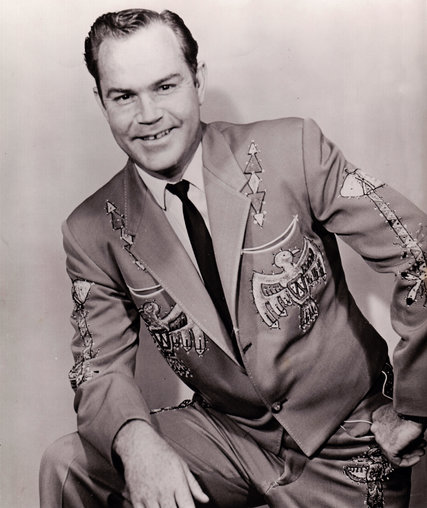
From his NY Times’ obituary I learn that he performed regularly at Trout’s:

pic from this interesting blog: https://wayfarenotes.wordpress.com/ “Stories of Music Towns you Haven’t heard of yet”
Joseph Cecil Simpson was born on March 6, 1934, in Higley, Ariz., the youngest of 13 children, and grew up in Bakersfield, where he learned to play guitar as a child. His red hair earned him his nickname.
He enlisted in the Navy during the Korean War and served on the hospital ship Repose, where he played with a shipboard group, the Repose Ramblers.

Speaking of Simpsons, I can’t hear about a ship like this without thinking of the Simpsons’ landing on the USS Walter Mondale:
but the Repose had a dramatic history:
Arriving on 3 January 1966, she was permanently deployed to Southeast Asia and earned the nickname “Angel of the Orient.” Operating mainly in the I Corps area, she treated over 9,000 battle casualties and 24,000 inpatients while deployed. Notably, USS Repose was on station during the 1967 USS Forrestal fire that killed 134 sailors and injured 161.

the Forrestal fire. Future Senator John McCain’s plane was destroyed in the fire — one of many exciting events in his not-boring life.
According to Wiki Red’s last release was “Hey Bin Laden” but I cannot find that tune on YouTube.
I wonder if Red liked Bowie.
REMINDER: if you enjoy Helytimes, subscribe to Helytimes Newsletter by emailing helphely@gmail.com. No more than one email a month, with bonus content and fun!
San Francisco
Posted: January 7, 2016 Filed under: America Since 1945, assorted, California, San Francisco, the American West, the California Condition, the ocean Leave a comment
Right before Christmas had a chance to visit San Francisco — always great!
In San Francisco you can really feel like you’re halfway in the ocean. 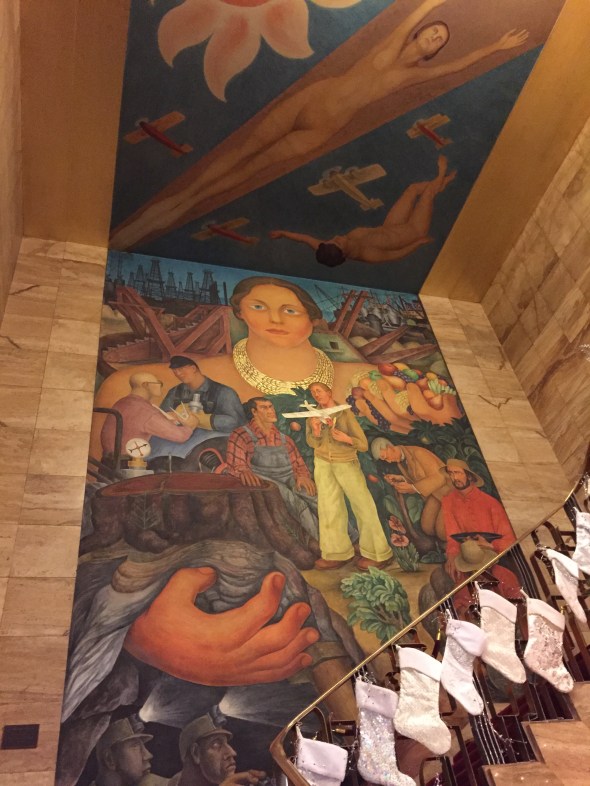
Finding myself with an idle hour I went to go check out Diego Rivera’s mural Allegory of California over at the City Club in the former Pacific Stock Exchange building. The City Club was all done up for a Christmas party.
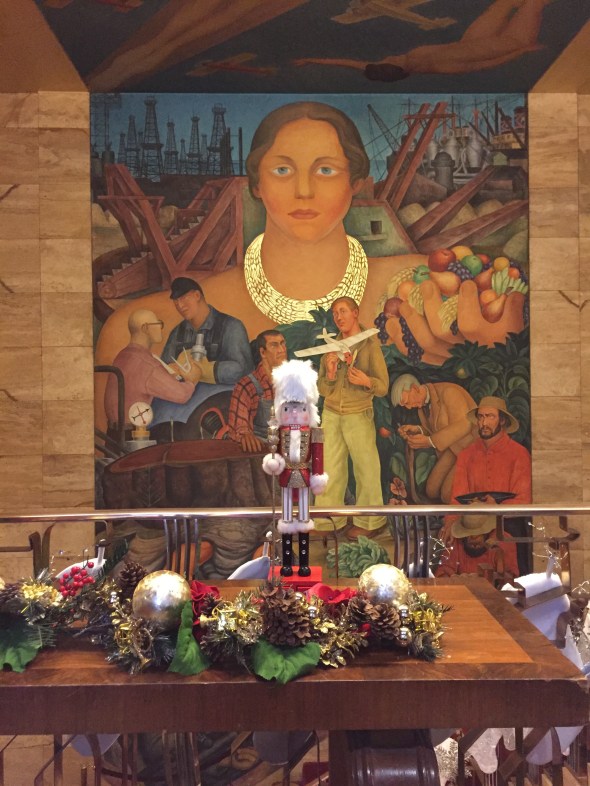
Pictures of the mural often leave out the amazing ceiling part:

Rivera painted this one in 1931, He modeled the lady on tennis champ Helen Wills Moody, who was at that time one of California’s most famous daughters:

She was a painter herself:
Wills was an artist by avocation. She received a degree in fine arts along with a Phi Beta Kappa key from the University of California, and painted throughout her life. She was delighted to be chosen as the model for Diego Rivera’s two-story mural “The Riches of California,” commissioned for $2,500 in 1930. Wills and the first of her two husbands, the financier Frederick Moody, invited Rivera and his wife, the painter Frieda Kahlo, to a celebratory tea after the mural’s unveiling at the former San Francisco Stock Exchange.
For Wills, who confessed to suffering the intangible pangs of “a restless heart,” tennis and painting were the best antidotes for melancholy. She maintained an artist’s studio at her residences in San Francisco and later in Carmel, once sold 40 paintings for $100 each and illustrated her own articles for The Saturday Evening Post.
Here’s one of her own drawings:
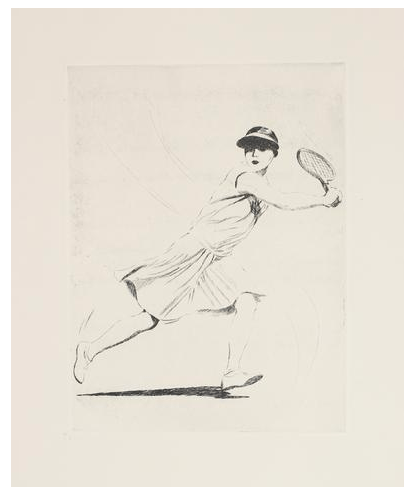 Lifting that one from San Francisco’s Lost Art Salon. Reader Schoboats calls our attention to a good detail from Wills Moody’s NY Times obit:
Perhaps Wills’s most infamous match, and certainly the one she extolled as the focal point of her playing career, was her only meeting with Lenglen, the queen of the continent, in a much ballyhooed showdown at Cannes in 1926. Lenglen was 26 and tactically superior; Wills was 20 and physically stronger. Lenglen won the raucous encounter, 6-3, 8-6.
There was a prizefight atmosphere, with tickets scalped at a then-shocking rate of $50 each, and an international gallery of spectators that included King Gustaf, a group of stowaway French schoolboys in a eucalyptus tree at one end of the court and Wills’s future husband, Frederick Moody, who introduced himself to her after the match. Wills was fond of noting that although she lost the match, she not only gained perspective on necessary changes to her game, which tended to be without nuance and relied on battering her opponents into submission with repetitious forehand ground strokes, but also gained a husband.
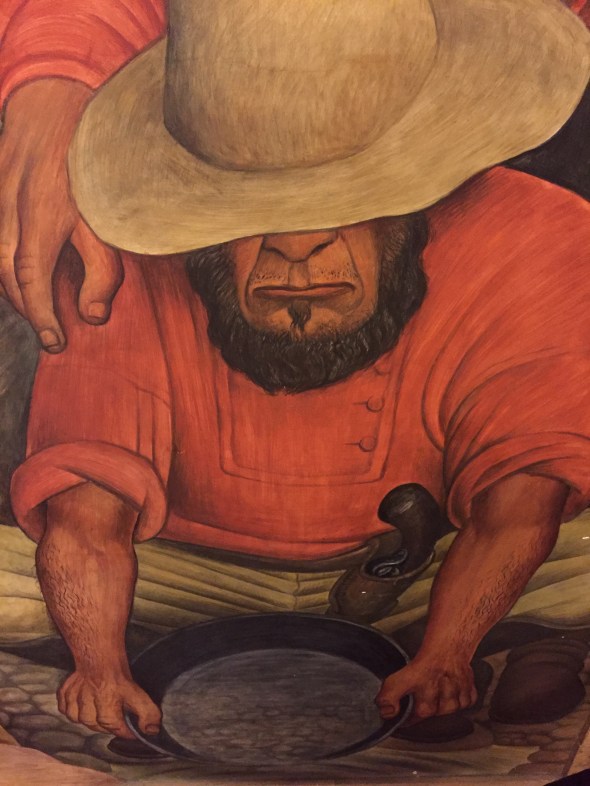
Maybe next time I’m up there I will get to see Making Of A Fresco:

Always get a weird vibe
Posted: November 21, 2015 Filed under: the California Condition Leave a comment
when I find myself in Mojave, California.

Although I gotta say everybody in McDonald’s was in a good mood.
A Trip To Mars
Posted: September 28, 2015 Filed under: the American West, the California Condition Leave a comment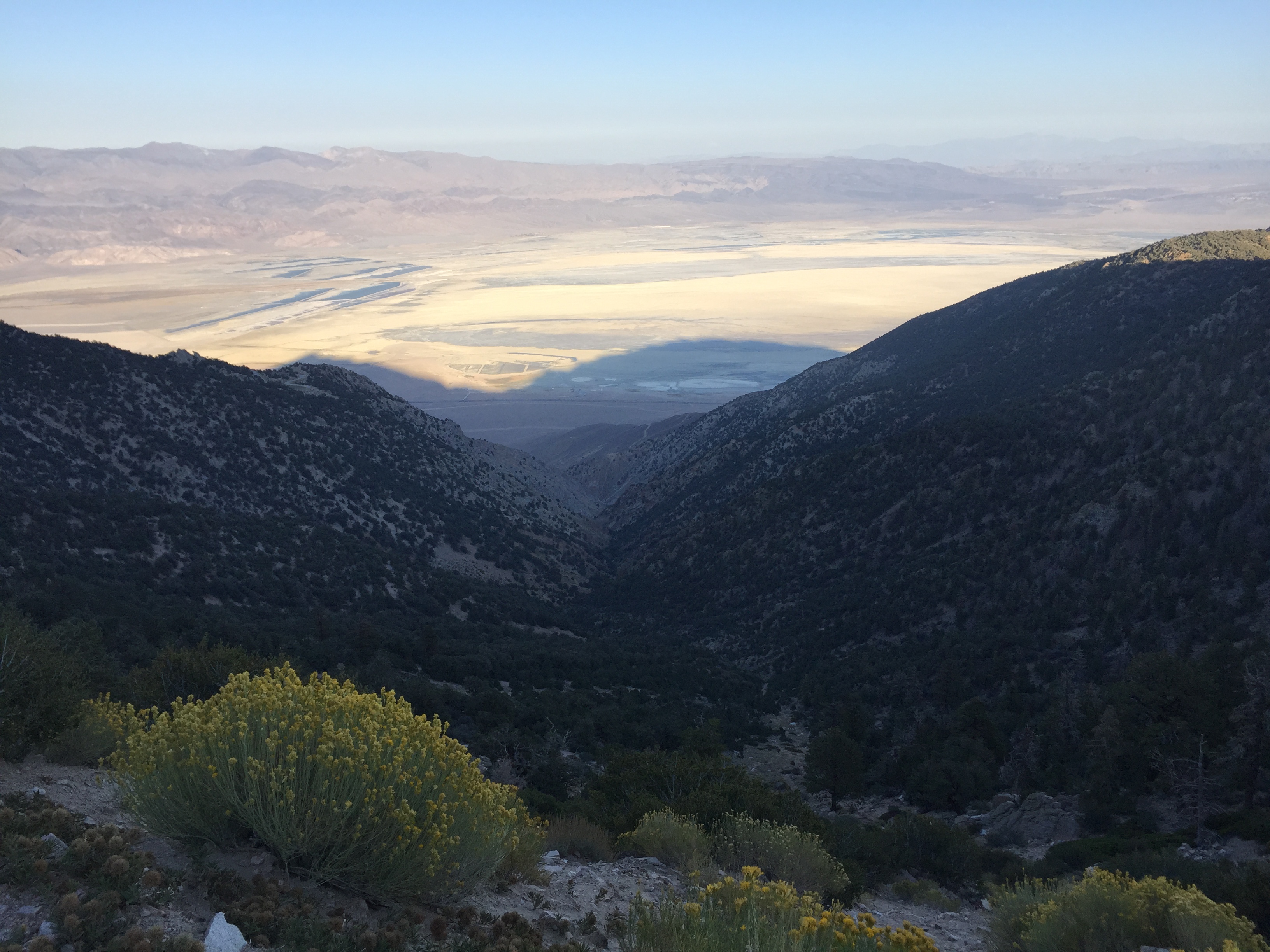
Just kidding, it’s the Owens Valley where LA gets its water!

There’s more water up in the lakes behind the mountains:

California is amazing.

The Alabama Hills:

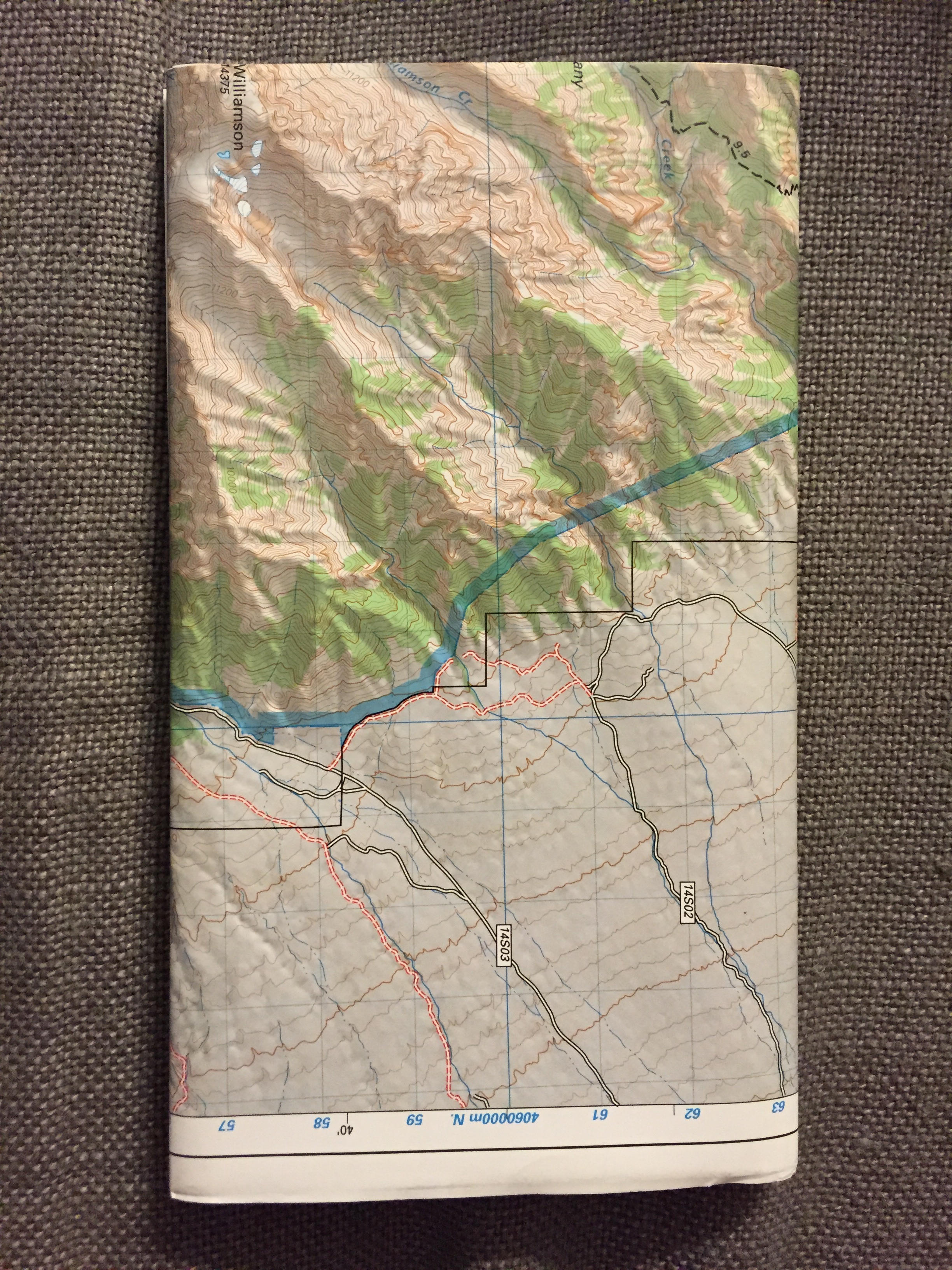
How great are these Tom Harrison topo maps?:
Baby Carrots In American Politics
Posted: September 27, 2015 Filed under: politics, the California Condition 1 Comment
From an article called Why Baby Carrots Are A Nutritious Lie, click for link.
The first time the reality of baby carrots really settled in on me was in the back of a cab in New York City. The driver, a Romanian, was telling me that before New York he’d lived in Bakersfield.
“Bakersfield!” I said, because I’m pretty interested in Bakersfield.
Bakersfield has its own country music scene:
and it has Basque cuisine:

Photo used without permission from Jordano’s Restaurant Supply, click for link.
and it has lots of almond farms.
What astounded the Romanian though was the carrots. He had worked in a plant that processed carrots into baby carrots. Until then I hadn’t thought much about baby carrots but I guess I just assumed they were small carrots. Wrong. Big carrots, sometimes deformed, are shaved down into baby carrots. The shaved stubs (the driver told me) are then run through UV light to kill bacteria and packaged. The shavings are put into bagged salads.
Huh, I thought, as the driver told me all this. What he really couldn’t get over, the driver told me, was how many carrots came to Bakersfield.
“Twenty four hours a day, every day, there were truckloads of carrots.” Then he changed the subject to his move to Orlando (“Why Orlando?” “Because I met a bitch who ruined my life”) and we reached our destination and that was the end of that.
(Mark Wilson / Getty Images)
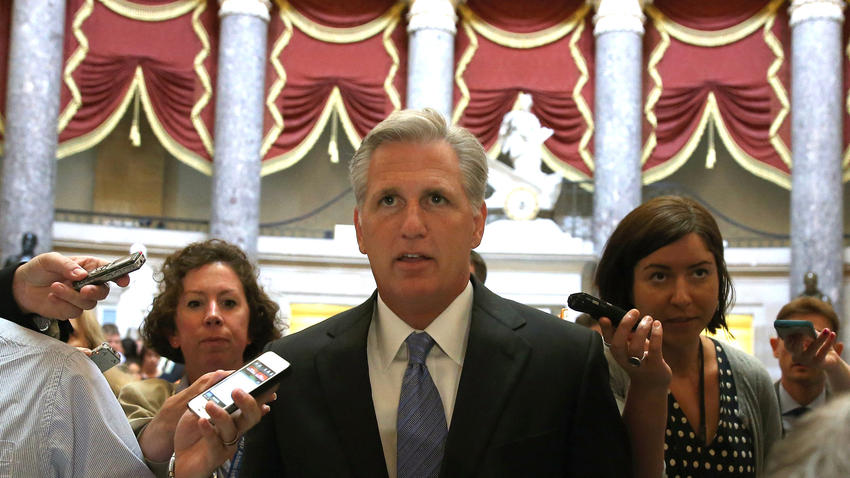
Today I was reading about Rep. Kevin McCarthy, Republican of Bakersfield who might become the House Speaker. Here’s a list about him from Time magazine, “5 Things You Need To Know About Kevin McCarthy,” published in June:
and here’s “11 Things About Kevin McCarthy You Need To Know, Or Might As Well Know”, a list about him from Huffington Post, published yesterday.
Here’s my smush of both lists:
- Kevin Spacey shadowed McCarthy to learn about being a whip for House Of Cards
- McCarthy is said to be cheery and affable
- He opened a sandwich place with $5,000 from a lottery ticket
- He once showed Republicans this scene from The Town before asking them for something:
- He’s been running for office since he was like 20.
OK great, but what is he for? For instance: since he’s from Bakersfield (I thought hopefully) maybe he will push for trains in California.
Nope, probably not, it turns out. He also has a strong take on the drought.
Even as McCarthy was speaking, U.S. Department of the Interior Secretary Sally Jewell was in Sacramento holding a press conference with Gov. Jerry Brown announcing a $50 million drought response program for the Western states, with the lion’s share headed for California.
McCarthy responded to the secretary’s visit, “Until the administration recognizes the underlying problem of federal and state regulations preventing our communities from getting the water we desperately need, no amount of spending will solve our crisis. … I hope that, while Secretary Jewell is in the Valley, she will spend some time with our farmers who have been devastated by regulations that put fish over people.”
And, yes, the majority leader is still opposed to the high-speed rail project. When asked for an alternative transportation plan, McCarthy suggested California consult with Elon Musk.
(I think what he’s talking about there re: fish is how water flow from northern California to the southern part of the Central Valley is sometimes restricted by rules to protect the delta smelt, of which there are apparently only six, and steelhead trout. I can see how that can seem ridiculous. But the fish are kind of a distraction, the real problem is there’s not enough water for every farmer who wants it.)
As far as I can tell what Kevin McCarthy is for is lower taxes.
Here are his top five campaign contributors, from OpenSecret.com:

Zurich Financial is as far as I can tell commercial insurance. California Resources is, duh, oil and gas:

Blackstone is Blackstone. Who is this Grimmway Farms?

Looked around their website:

Maybe someday I will try the recipe for Easy Carrots.
The 2-inch vegetable is considered one of the American food industry’s success stories: Carrot consumption grew by 33% throughout the 1990s, according to the American Marketing Assn.
When supermarket chains began clamoring for the product in the late 1980s, the business opportunity seemed too good to pass up, Grimm later recalled.
“Sometimes you just have to go on instinct,” he said in 2000.
That from an obituary of Rob Grimmway.
Discussing some of this via email with longtime reader GC., who reports:
Grimmway Farm is a disgusting organization. Their mascot is a SUPER-SUPER-HOT RABBIT who is about to give a CARROT a BLOWJOB!!!!!

Blog I Endorse
Posted: September 21, 2015 Filed under: America Since 1945, animals, art history, film, the California Condition Leave a comment

He turned to animated television commercials, most notably the Raid commercials of the 1960s and 1970s (in which cartoon insects, confronted by the bug killer, screamed “RAID!” and died flamboyantly) and Frito-Lay’s controversial mascot, the Frito Bandito.

Frito Bandito

A Fuck You Ode To Flowers
Posted: August 28, 2015 Filed under: the California Condition Leave a comment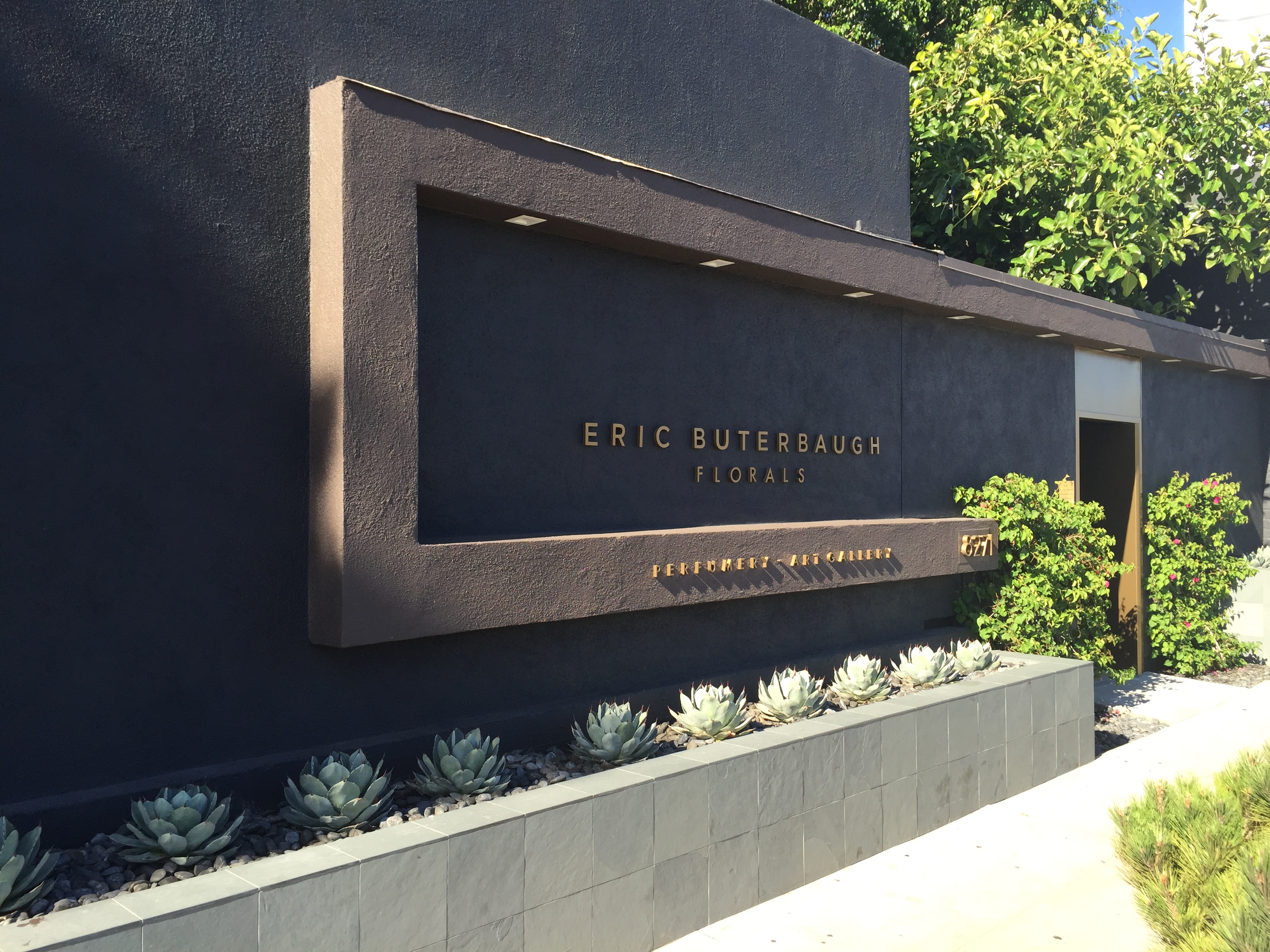
Walking down the street in the crazy heat recently I stopped into this spot to get some shade. A beautiful place! Here’s what was going on inside:
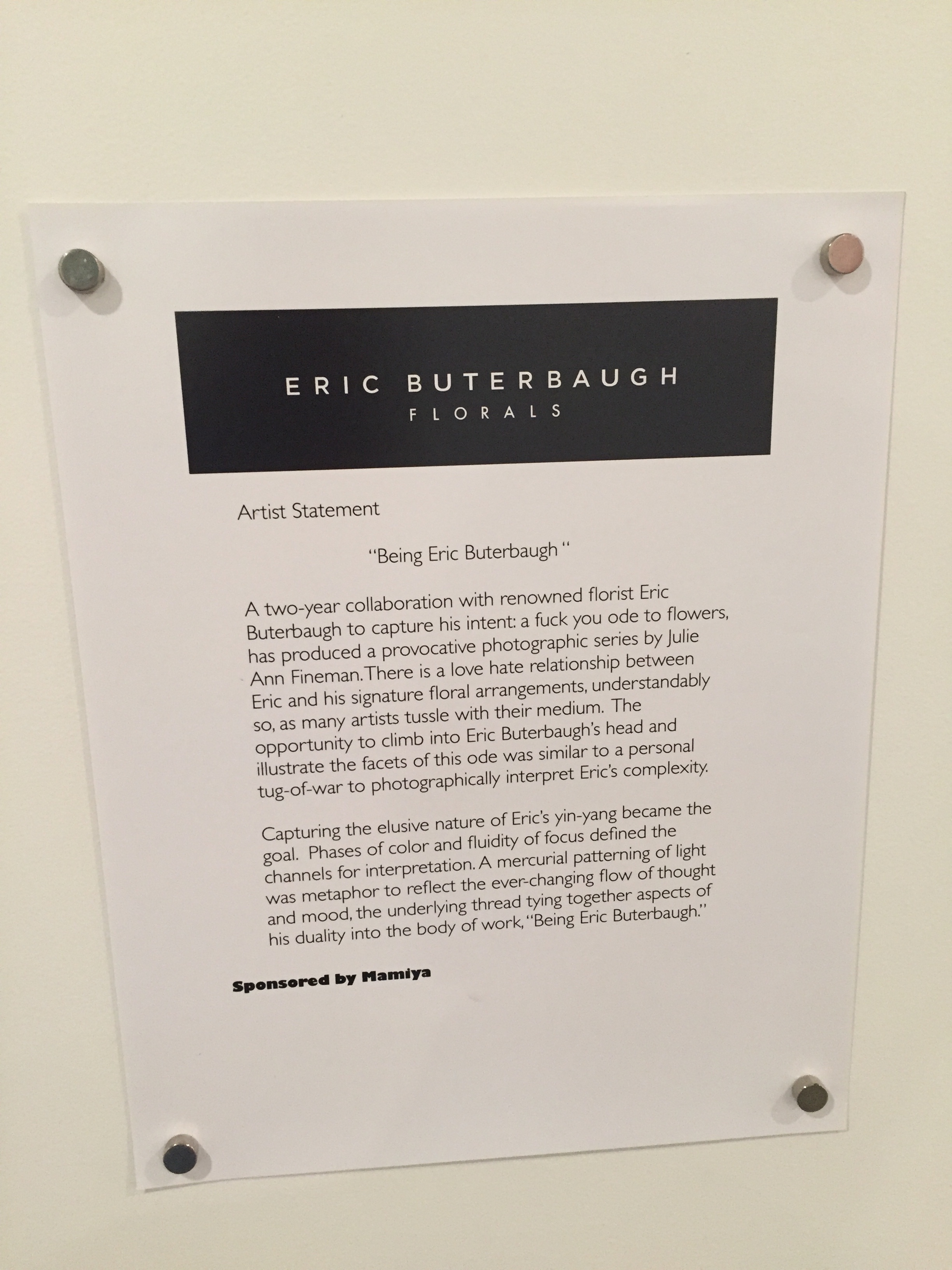
What do you guys think? Was it a successful fuck you ode?:

Let’s Go Hiking!
Posted: August 10, 2015 Filed under: the American West, the California Condition Leave a comment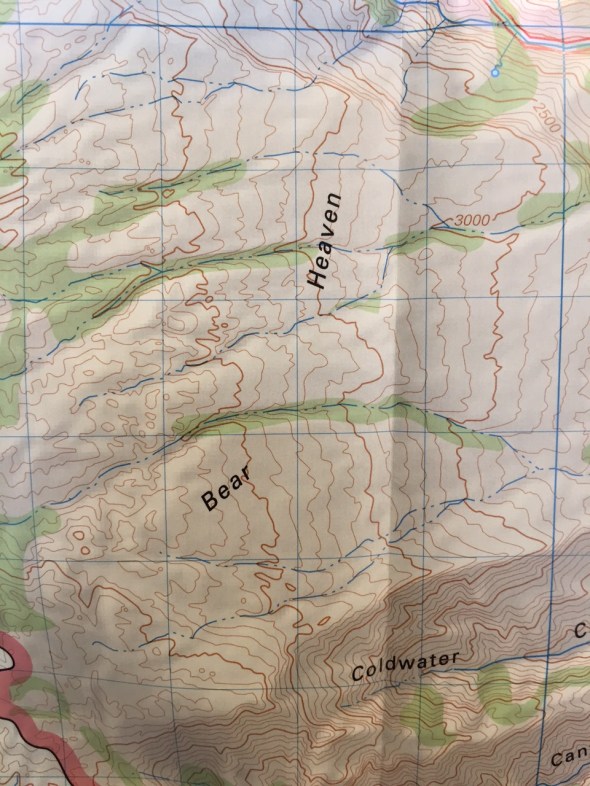
That’s a Tom Harrison map of course: http://www.tomharrisonmaps.com/
(check out this great photo of Bear Heaven on Mr. David Stillman’s blog)
 But be careful, you don’t want to get partially consumed.
Reader Matt W. writes: “Bear Heaven is people hell!”
 Helytimes