
Number of unaccompanied minors, age 17 or lower, apprehended during or after border crossings, fiscal year 2017:
Trump aside, what exactly is the plan here?
Hat tip goes to @BaldingsWorld.
Particular grace at the Constitutional Convention
Posted: July 4, 2018 Filed under: heroes, history Leave a comment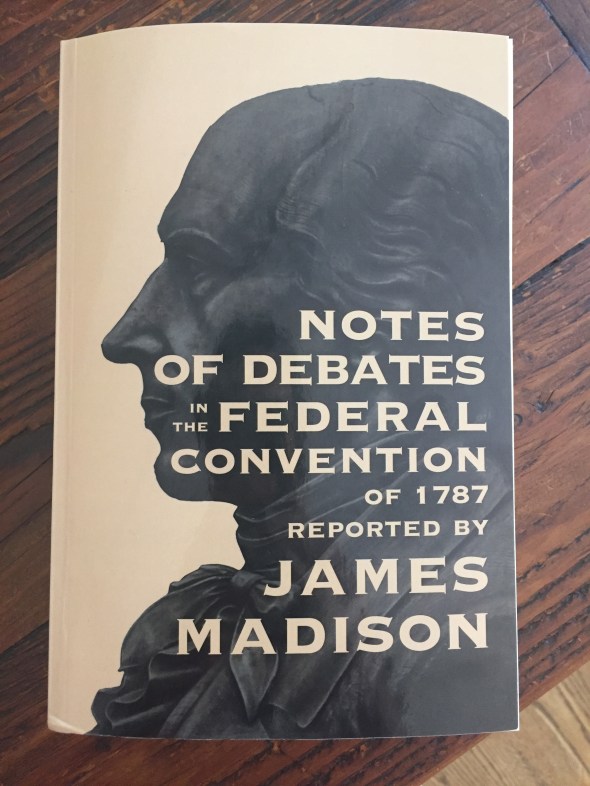
Picture it: Philadelphia, Friday, May 25, 1787.
The convention is getting started. First job is to choose a president. Mr. Robert Morris of Pennsylvania nominates George Washington of Virginia.
Mr Jn RUTLIDGE seconded the motion; expressing his confidence that the choice would be unanimous, and observing that the presence of Genl Washington forbade any observations on the occasion which might be otherwise be proper.
General Washington was accordingly unanimously elected by ballot, and conducted to the chair by Mr R. Morris and Mr. Rutlidge; from which in a very emphatic manner he thanked the Convention for the honor they had conferred on him, reminded them of the novelty of the scene of business in which he was to act, lamented his want of better qualifications, and claimed the indulgence of the House towards the involuntary errors which his inexperience might occasion.
That’s George Washington, the guy who had just defeated the British Empire, who held the Continental Army together over seven horrible years on the strength of his own character. He begins this job with an expression of humility. An apology for any involuntary errors.
Then Madison adds, in a parenthetical:

Particular grace.
Happy Fourth of July everybody!
Warren Buffett on why Coke is so good
Posted: July 2, 2018 Filed under: America Since 1945, business 2 Commentsjump to 6:42:
(h/t Naval Ravikant. )
Ended up watching this whole Buffett Q&A. If you watch other Buffett talks he does tend to repeat himself. This one is good.
Interesting to me how much Buffett talks about two companies, See’s and Coca-Cola, that have an emotional connection to the consumer. The results of that might be in the balance sheet, but the reason is beyond numbers. A genius of Buffett to combine cold technical investment analysis with being, like, the ultimate late 20th century American consumer.
As for Coke, the only new drink I know of that people drink five or six of a day is:
The history books
Posted: July 2, 2018 Filed under: politics Leave a comment
sometimes you see the lesser villains of this current political period hit with “you’re gonna look bad in the history books!”
This seems very silly to me. Paul Ryan’s not gonna be in the history books! Not any popular ones anyway. He might be deep in the more exhaustive ones, but who cares? Who was the Speaker of the House during the Civil War? World War II? (“You’re legacy will be as controversial as Galusha Grow’s and Schuyler Colfax’s!“)
Maybe he longed for the history books once, but it feels to me that Paul Ryan made a choice to whimper away to what he imagines will be a high paying lobbying life.
Wouldn’t it be better to say, “during your lifetime your face will remind us of embarrassment and cowardice and no one will pay you to talk.”
I do respect the earnest, history buff energy of the taunt “you’re gonna be real ashamed when you read the history books, pal.”
I just think it gives too much respect to Paul Ryan’s motivations.
Observations from the Big March
Posted: July 1, 2018 Filed under: the California Condition Leave a comment
- Many signs called for Abolish ICE. I myself don’t know enough about ICE and its functions. Agree I don’t like the vibe at the moment. Not enthused about letting the current prez start any new forces? What about “re-vibe ICE”?
- Not a sign guy but if I were maybe I’d go with “return to a loosey-goosy, live and let live style of border enforcement that reflects reality and shared humanity.”
- One of the few speakers I heard most of was from the American Indian Movement. She focused on the raping and misery aspects of California’s mission history and the history of Los Angeles. While there’s an important place for that history to be considered, I felt this was a bummer approach, and contrary to the goal of gathering, organizing, mobilizing, and inspiring large numbers of people. Though I myself had nothing to do with the raping of California’s native people, and retroactively disapprove of it, hard not to feel a little bit judged for enjoying the California which has emerged. Legislating the crimes of two hundred years ago can be cathartic, but I’m afraid the villains at this point have largely escaped justice. The goal here is to get a lot of people together and united, right?
- Way too many speakers. That’s probably a problem as old as public protest.
- Didn’t see Garcetti but watched his speech later.
Lame. The current Democratic officeholders seem very unsure of where they stand on anything. Give me confident assurance of anything over hedging and options traders. Where is LA’s Alexandra Ocasio-Cortez?

Why do we not have an even younger, cooler, and more stylish socialist? This is LA, baby!
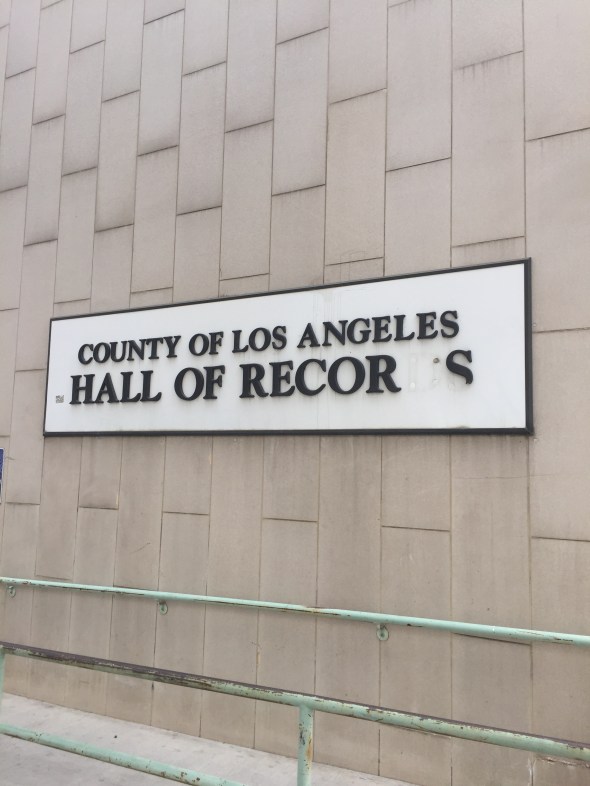
dawg you gotta fix this
- Damn, Maxine Waters:
If you shoot me, you better shoot straight. There’s nothing like a wounded animal,” she said.
- Downtown LA is coming up, but man. There are not enough shelters and safe spaces for LA’s population of homeless, semi-homeless, and deranged outsiders. More green parks where a person could get some shade would be a good start.
- One second after I’d been thinking, “smart move to have lots of American flags here,” heard someone loudly say (paraphrase) “uh, the American flag is part of the problem. Good thing there’s 5,000 of them here!” Though I’m disgusted at recent desecration of the American flag, I think, more often than not, the American flag has been a positive symbol.
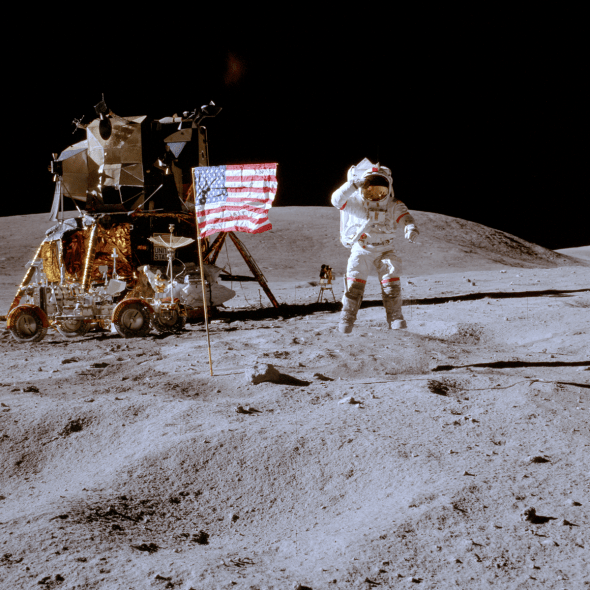
NASA/Charlie Duke. C’mon guys, let’s focus on the positive.
(is the USA the only country where the anthem is a song about how beautiful the flag is?)
John Madden, Vince Lombardi
Posted: July 1, 2018 Filed under: sports Leave a comment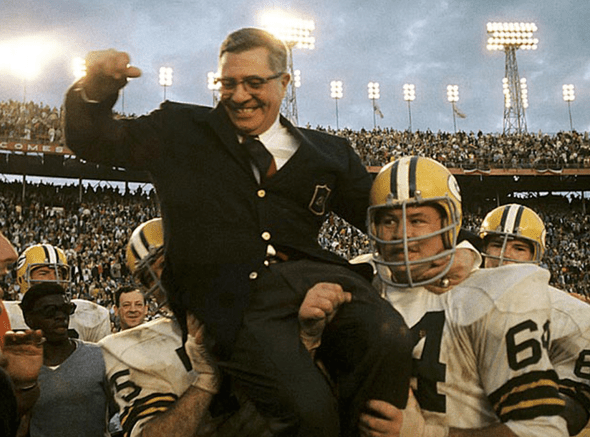
source: this medium article.
In 1962, John Madden, then an assistant coach at San Diego State, emptied his savings account to go to a Vince Lombardi coaching clinic in Reno, where he listened to Vince speak on a single play for eight hours.
My source for this: this Intelligent Fanatics article.
John Lanchester
Posted: July 1, 2018 Filed under: America Since 1945, business Leave a commentOne example I saw when I was researching Whoops!, my book on the crisis, was in Baltimore. There people going to buy houses for the first time would turn up at the mortgage company’s office and be told: ‘Look, I’m really sorry, I know we said we’d be able to get you a loan at 6 per cent, but something went wrong at the bank, so the number on here is 12 per cent. But listen, I know you want to come out of here owning a house today – that’s right isn’t it, you do want to leave this room owning your own house for the first time? – so what I suggest is, since there’s a lot of paperwork to get through, you sign it, and we sort out this issue with the loan later, it won’t be a problem.’ That is a flat lie: the loan was fixed and unchangeable and the contract legally binding, but under Maryland law, the principle is caveat emptor, so the mortgage broker can lie as much as they want, since the onus is on the other party to protect their own interests. The result, just in Baltimore, was tens of thousands of people losing their homes. The charity I talked to had no idea where many of those people were: some of them were sleeping in their cars, some of them had gone back to wherever they came from outside the city, others had just vanished. And all that predatory lending was entirely legal.
strikes again in LRB (link, free).
Napoleon said something interesting: that to understand a person, you must understand what the world looked like when he was twenty. I think there’s a lot in that.
[…]
I notice, talking to younger people, people who hit that Napoleonic moment of turning twenty since the crisis, that the idea of capitalism being thought of as morally superior elicits something between an eye roll and a hollow laugh. Their view of capitalism has been formed by austerity, increasing inequality, the impunity and imperviousness of finance and big technology companies, and the widespread spectacle of increasing corporate profits and a rocketing stock market combined with declining real pay and a huge growth in the new phenomenon of in-work poverty. That last is very important. For decades, the basic promise was that if you didn’t work the state would support you, but you would be poor. If you worked, you wouldn’t be. That’s no longer true: most people on benefits are in work too, it’s just that the work doesn’t pay enough to live on. That’s a fundamental breach of what used to be the social contract. So is the fact that the living standards of young people are likely not to be as high as they are for their parents. That idea stings just as much for parents as it does for their children.
Cool photo
Posted: July 1, 2018 Filed under: photography, war Leave a comment
Marines Hit Three Feet of Water as They Leave Their LST to Take the Beach at Cape Gloucester, New Britain. Photographer appears to be Sgt. Robert M. Howard.
July 2017
Posted: June 30, 2018 Filed under: America, America Since 1945 Leave a commentThat was a good month of posts on Helytimes, if you’re one of those folks who likes poking around in the archives.
Bob Marley, John Adams, Bert Hölldobler, Deke Slayton, Amban, Ansel Adams.
Also feel I did fine work in July 2014.
Playing It Down
Posted: June 30, 2018 Filed under: writing Leave a comment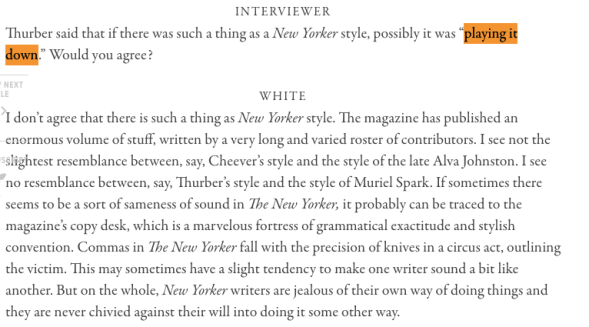
E. B. White in the Paris Review. Thurber:
INTERVIEWER
Does the fact that you’re dealing with humor slow down the production?
THURBER
It’s possible. With humor you have to look out for traps. You’re likely to be very gleeful with what you’ve first put down, and you think it’s fine, very funny. One reason you go over and over it is to make the piece sound less as if you were having a lot of fun with it yourself. You try to play it down. In fact, if there’s such a thing as a New Yorker style, that would be it—playing it down.
Shake Shack fries
Posted: June 29, 2018 Filed under: business, food Leave a comment
The fries at Shake Shack are what I hoped Micro Magic fries would taste like, in my boyhood:

Anybody ever eat things? The packaging was attractive. They fooled me quite a few times.
Perhaps they failed in attempting to live up to an idea of a “fry.” A fry is firm, and Micro Magic just couldn’t get there. But they were making a salty mushed potato product that might’ve been attractive on its own terms.
A taxonomy error, perhaps.
Google led me to that image of Micro Magic fries on the website of New Adult Contemporary Romance author Jennifer Friess (don’t know if it’s a coincidence that her name is fries)
There was really a period there where the expectations put on the microwave were insane. Supermarkets were full of hallucinatory projections of what was gonna come out of the microwave.
Quite reasonable
Posted: June 29, 2018 Filed under: food Leave a comment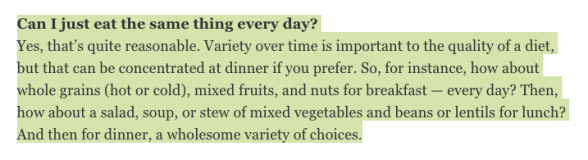
Mark Bittman in Grub Street’s omnibus interview.
Merrick Garland
Posted: June 28, 2018 Filed under: America Since 1945 Leave a comment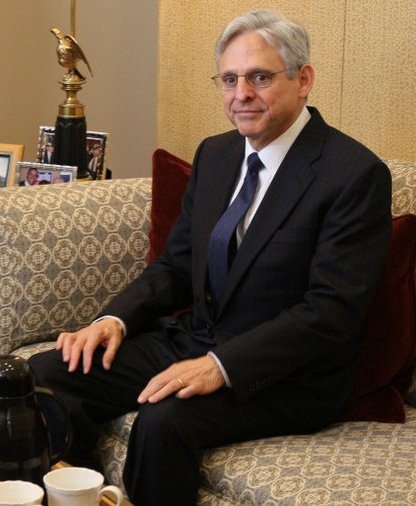
The optics were never exactly right with this guy.
(Found this picture screensaved, and can’t even find where it’s from. Google thinks it’s the generic picture for “tuxedo.”)
The word amid
Posted: June 28, 2018 Filed under: business 1 Comment
In attempts to make narratives out of the movements of a stock’s price on a given day, the word “amid” does a lot of work.

Other articles at different places cited the Trump administration’s confused policies towards Chinese investment in tech as “stoking investor fears.”
That’s another phrase you come across a lot.
“Making investors jittery.” “Market jitters amid fears of…”

I’m struggling to decide whether, when we talk about why a stock or the stock market does something, we’re all that much different than those ancient diviners who pored over sheep entrails for clues to the future.
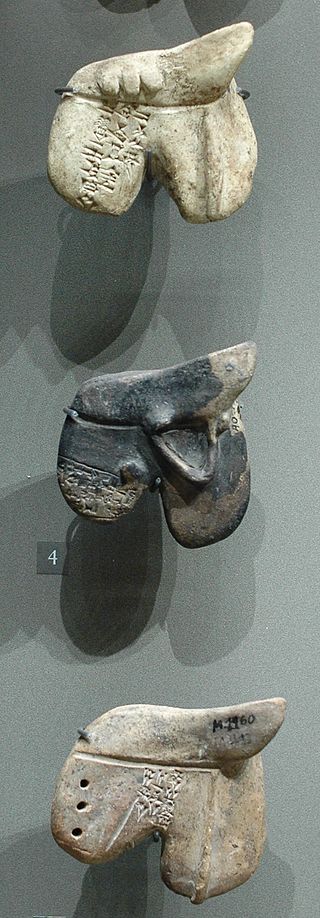
Jastrow on Wikipedia did the service of taking this photo of Akkadian liver models at the Louvre (of Jay Z and Beyonce fame)
In the popular business press, the explanations given for stock price movement are so often oversimplified or misleading. The gun stocks fallacy an insidious case.
‘Twas ever thus I guess. “Amid” is a safe choice if the real answer is “who can say why it went up or down?”
I here perceive a bias towards narrative in a world that’s absurd and often ridiculous.
Reminded of E. M. Forster in Aspects Of The Novel.
Let us define a plot. We have defined a story as a narrative of events arranged in their time-sequence. A plot is also a narrative of events, the emphasis falling on causality. “The king died and then the queen died” is a story. “The king died, and then the queen died of grief” is a plot.
Amid is a word that lets you muddy up the distinction between story and plot.
The valkyrie of the piano
Posted: June 27, 2018 Filed under: music Leave a comment
was listening to KUSC the other day, and they said Venezuelan Teresa Carreño’s nickname was “the valkyrie of the piano.” What a nickname. Some of her compositions:
Chalk and cheese
Posted: June 25, 2018 Filed under: Ireland, words Leave a comment
The tour guide at Dublin’s Farmleigh House used the expression “chalk and cheese.”
I took it to mean something like “apples and oranges,” “two things you can’t compare.”
Or maybe it’s more like, “two things that are very different but which you could mistake for each other.”
Went looking for real life examples and found this fine, civil exchange on a Linkedin story about Lagos and Tokyo, whether they are chalk and cheese:
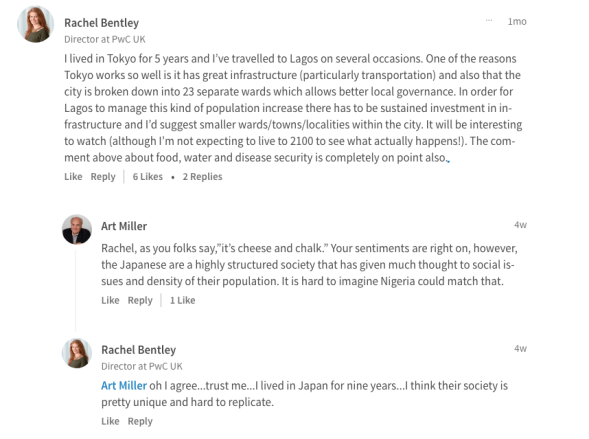
Interesting point about Tokyo’s 23 wards! Sometimes I wonder if Los Angeles needs way localer governance.
Borders Part 2
Posted: June 24, 2018 Filed under: America Since 1945, Wonder Trail Leave a comment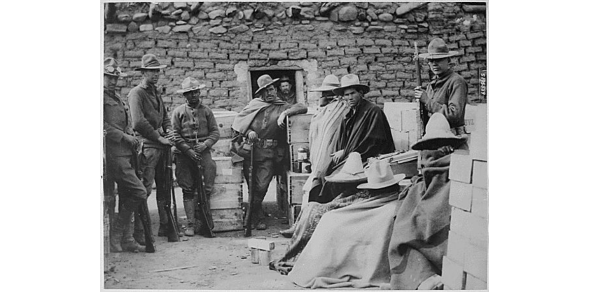
“Villa bandits who raided Columbus, New Mexico, caught by American soldiers in the mountains of Mexico and held, in camp near Namiquipa, April 27, 1916.” from NARA
Lots of INTENSE feedback about post yesterday on borders.
I’m just reporting reality as I perceive it.
Since Pershing went after Pancho Villa, it’s been clear that along one thousand nine hundred and blahblah miles of desert, even the fiercest efforts of government are gonna, at best, disappear into the dust.
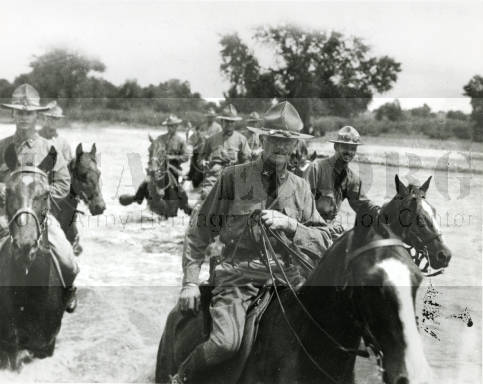
from the Mexican Border Service photo collection.
And they had Patton!
(How ’bout this by the way:
Pershing was permitted to bring into New Mexico 527 Chinese refugees who had assisted him during the expedition, despite the ban on Chinese immigration at that time under the Chinese Exclusion Act. The Chinese refugees, known as “Pershing’s Chinese”, were allowed to remain in the U.S. if they worked under the supervision of the military as cooks and servants on bases. In 1921, Congress passed Public Resolution 29, which allowed them to remain in the country permanently under the conditions of the 1892 Geary Act. Most of them settled in San Antonio, Texas.
).
What kind of conservative believes that the federal government can put a wall here and stop people from moving across it?
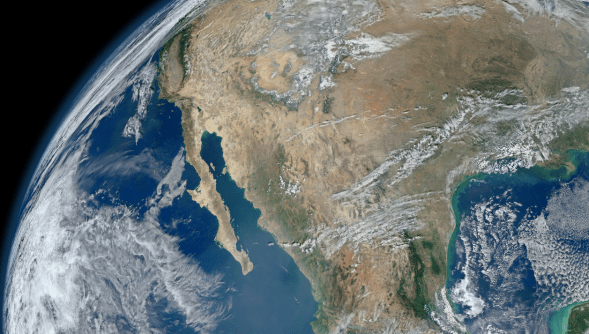
close up of this 2012 NASA composite image
Does declaring an new federal attempt to impose “no tolerance” enforcement seem more tyrantish or freedomish to you?
Does the fear of brown people from south of our border, like the fear of psychotically violent black people, have something to say about our own guilty conscience? There isn’t a country from Mexico to Chile that hasn’t been severely screwed by the USA.
Look, I’m no expert. My book about Mexico, Central and South America was the work of an enthusiastic amateur, not a serious scholar!
From where I sit, in Los Angeles, California, USA, I can understand the traditional politician approach of talking any way you want to get elected and then not going anywhere near actually doing anything about the border.

The current president got elected by sticking his fork in this electrical socket. I’m not seeing how it ends? Best case he declares victory and moves on.
Hubbard
Posted: June 24, 2018 Filed under: the California Condition 1 Comment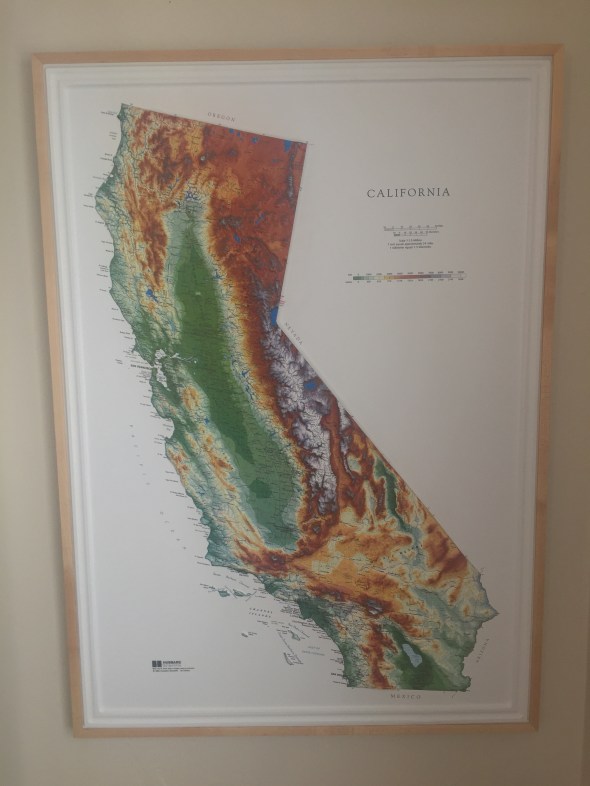
The Hubbard Scientific Relief Map of California giving me some insights into our state’s geography, a true passion.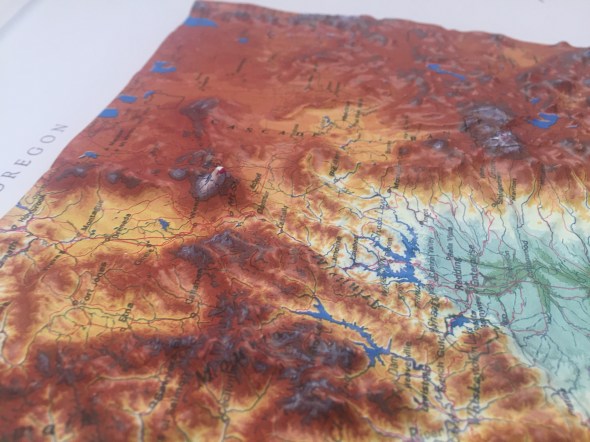
The unusual and dramatic way Mount Shasta shoots up like a pimple. 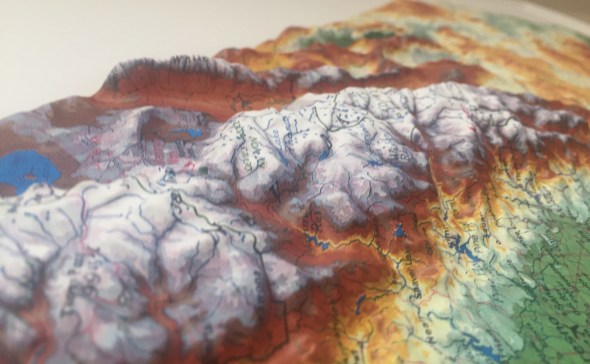
The sharp, razorish line of the White Mountains beyond the Sierras. 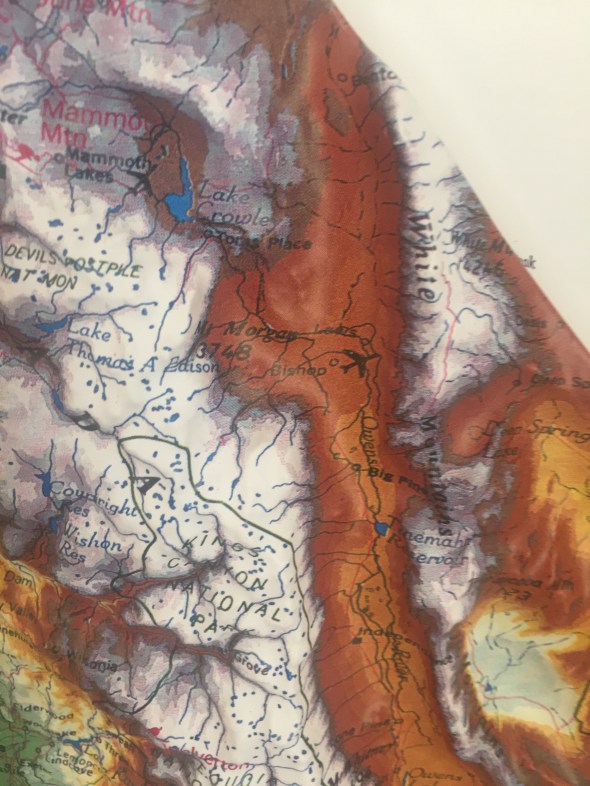
And the bowl-like scoop of Saline Valley.
Borders
Posted: June 22, 2018 Filed under: America Since 1945, politics 1 Comment
Feel like I am the only person in the world who accepts the reality that borders are over.
This isn’t a political position or something I’m advocating for. It’s an observation of fact.
Hard to say when we can date it, exactly. The first time we could see Earth from space? Maybe Malcolm McLean‘s pioneering of the shipping container. Stuff, an unstoppable amount of stuff, and money, and information, and people flow and move across borders in a way that is way beyond the ability of any state or government to stop.
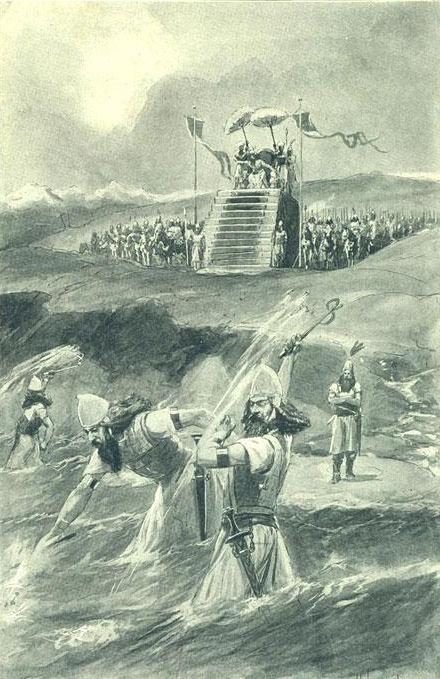
The idea of a wall stopping this seems about as futile as Xerxes ordering his guys to whip the sea as punishment.

UAC there standing for unaccompanied children. That’s from the US Customs and Border Patrol website.
Tyler Cowen reports:
U.S.A. fact of the day
“What exactly is the plan here?” is the question for sure.
How much force and violence would be needed to stop this? Who would direct that? Do the guys in charge seem like they could handle that?
How many trans-border families already exist, and what to do about that?
I have no answers, only a feeling that statements like “if you don’t have a border you don’t have a country” or something are not in touch with reality.
We already don’t have a border. Without massive government expenditures, force and violence that would sicken any liberal or conservative, we never will again.
What’re we gonna do now?
Uncle Vanya, A New Version By Annie Baker
Posted: June 21, 2018 Filed under: reading, the California Condition, the theater, writing Leave a comment
We were up in San Luis Obispo and took a walk to the campus of Cal Poly.

In the college bookstore, among the unsold textbooks, I found this and bought it:
Man, I felt like Keats looking into Chapman’s Homer reading this thing. These lifeless translations can kill you when you take on foreign literature. The bad translation can put you off a whole literature for the rest of your life. In college I was supposed to read one of Chekhov’s plays. Trying to save a couple bucks bought the Dover Thrift translation, which is probably worse than putting the Russian into Google Translate. (We didn’t have Google Translate then, children).
I KNEW something was wrong here. There was something about Chekhov that moved people to tears, there was a reason theater people were still talking about Uncle Vanya.

You think this guy didn’t know what he was doing?
Well, anyway, in this Annie Baker edition, you can feel it. The pain and the sadness and the funniness and the absurdity and the humanity of the whole situation. Man.
Five stars.


