David Letterman
Posted: May 19, 2015 Filed under: America Since 1945, comedy, TV 2 Comments
Gave me my first job ever. I only met him once, for thirty seconds.
I hated the actual work of working there. I had no idea how to write in this man’s voice, no clue what he was going to be into. I was terrible at it. On the show at that time he’d often throw out all the comedy and just telephone his assistant Stephanie on air instead. From my office I could see the Hudson River and I’d stare at tugboats going by. After six months I got fired.
Still it launched my career. People still ask me about it and probably will be for the rest of my life.

Steve Young had the office next to me, he’d been working there since 1989 or 1990. His office was full of records of industrial songs, and every once in awhile he’d play one for me. I remember one that was a rap that helped KFC employees remember how to make biscuits.
What a great man.
Another memory: every single day I ate the same thing: a BLT from Rupert’s deli downstairs.
Another one: they played the show, or at least the top ten list, on the radio. Sometimes, on my taxi ride home, the driver would be listening to it.
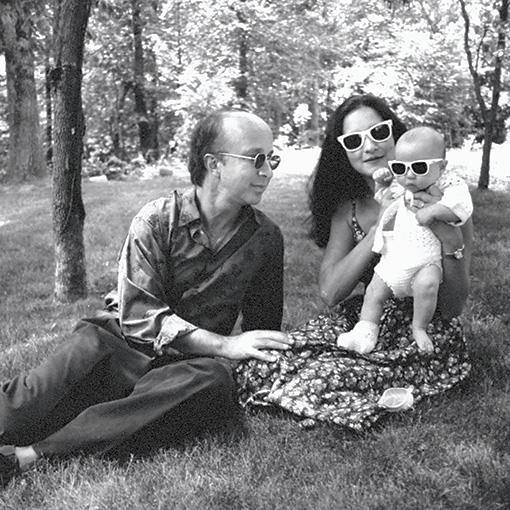
If you haven’t seen the last Norm MacDonald appearance there’s no helping you, but watch this old one. In these late episodes it’s easy to forget how sharp and fast and energized Letterman was at full strength.
The guy I’ll really miss though is Paul Schaffer.

“The secret I finally learned, after all these years, is just stay loose with this stuff,” says Paul Shaffer. “Swing with whatever happens onstage, because everybody else is.”
“Chivalby is alive and well here”
Posted: May 15, 2015 Filed under: actors, comedy, TV Leave a comment
The Twelve Angry Men parody was amazing. Had not been watching Amy Schumer but then Bronson told me to watch her on Ellen:
(Does Bronson watch Ellen?)
UPDATE: almost didn’t post this because I thought it was so accepted and obvious, but am getting some serious blowback! You can reach Helytimes at helphely at gmail. Love any strong takes.
Food
Posted: May 13, 2015 Filed under: food Leave a comment The food in 2001: A Space Odyssey is what I’m looking for. Four nourishing mushes you eat with a monofork.
Stray Items
Posted: May 12, 2015 Filed under: Africa, America Since 1945, assorted, fscottfitzgerald, writing Leave a comment
Sorry I haven’t been posting more. Trying to finish my book and get Great Debates Live organized (get your tickets by emailing greatdebates69@gmail.com. We are legit almost sold out). Honestly it’s a LITTLE unfair to be mad at me for not producing enough free content.
A few items too good to ignore came across our desk:
1) Reader Robert P. in Los Angeles sends us this item:
Dear Helytimes,
Thought you might enjoy this wiki. There’s a great part about a riddle and another great part about conducting a trial. http://en.m.wikipedia.org/wiki/The_Numbers_Gang
Gotta say, this is one of the most intriguing Wikipedia pages I can remember. I love when Wikipedia takes myth at face value.
2) Re: our recent post about Tanya Tucker, reader Bobby M. writes:
Saw that Tanya Tucker’s Delta Dawn popped up. Love that one. We like to joke that the lyrics are a conversation wherein some jerk is taunting an insanse person. “Oh, and, Delta? Did I hear you say he was meeting you here today? And (aside to chittering friend: ‘get a load of this’) did I also hear you say he’d be taking you to his mansion. In the sky? Yeah, that’s what I thought you said, Delta. Nice flower you have on.” Midler’s version blows.
Bobby M. is one of the contributors to Lost Almanac, a truly funny print and online comedy mag.
3) We ran into reader Leila S. in New York City. She was reading the letters of F. Scott Fitzgerald, and sends in some highlights:
to John Peale Bishop, March, 1925, he wrote “I am quite drunk” at the top of the paper above the date, then later in the letter: “I have lost my pen so I will have to continue in pencil. It turned up– I was writing with it all the time and hadn’t noticed.”to H.L. Mencken, May 4, 1925, re: Great Gatsby:“You say, ‘the story is fundamentally trivial.'”
to Gertrude Stein, June 1925, after a long letter kissing her ass:
“Like Gatsby, I have only hope.” Dude quoted his own book he just wrote!
to Mrs. Bayard Turnbull, May 31, 1934, after a long apology about his embarrassing behavior at a tea party:“P.S. I’m sorry this is typed but I seem to have contracted Scottie’s poison ivy and my hands are swathed in bandages.”
to Joseph Hergesheimer, Fall 1935, re: Tender Is The Night“I could tell in the Stafford Bar that afternoon when you said that it was ‘almost impossible to write a book about an actress’ that you hadn’t read it thru because the actress fades out of it in the first third and is only a catalytic agent.”to Arnold Gingrich, March 20, 1936:“In my ‘Ant’ satire, the phrase ‘Lebanon School for the Blind’ should be changed to ‘New Jersey School for Drug Addicts.'” [The letter continues about other things, then at the very end, emphasis his] “Please don’t forget this change in ‘Ants.'”to Ernest Hemingway, August, 1936
“Please lay off me in print.”
As always you can reach helytimes at helphely at gmail.com
The News
Posted: May 5, 2015 Filed under: America Since 1945 Leave a comment
Man, I miss Andrew Sullivan. I’d been reading him since he got rolling in 2001, when the Internet to me was just him and Salon.com (since devolved into deeply unreadable garbage).
Andrew Sullivan was interesting, almost every day. He changed sides, he was passionate. He posted disagreements people had with him, admitted he was wrong maybe not every time but plenty. He was not an idea tip-toer. He’d say things he knew would draw outrage and was prepared to be a rare dissenter when necessary.
One of the main ideas he had, that gay marriage might be a good idea, went from totally nuts to pretty much accepted reality, just in the time I was reading him. But he self-identified as conservative, he believed that sometimes very old ideas were still best thinking on a subject.
I could calibrate to him, feel his moods and changes, he became familiar to me. Sometimes he was frustrating, or overdramatic, or wrong-headed, but he still surprised, kept me engaged. When something happened I wanted his take.
The Internet’s worse without him.
Not sure there’s an exact connection, maybe there’s none, but lately: I haven’t cared too much about “the news”
I used to love “the news,” presidential elections especially. This time around though? It got me thinking about:

My memory of this book is of Sean Penn’s voice from the audiobook, as I drive back and forth to

After I was done with the audiobook, I gave the CDs to Justin Spitzer. Who knows what happened to after that. But I did remember Dylan (Sean Penn) saying something like: “I didn’t care about the news. ‘Mr. Garfield’s been shot down, shot down.’ To me, that was the news.”
The motto of Helytimes is GO BACK TO THE SOURCE, so I did.
As usual, I didn’t have it quite right.
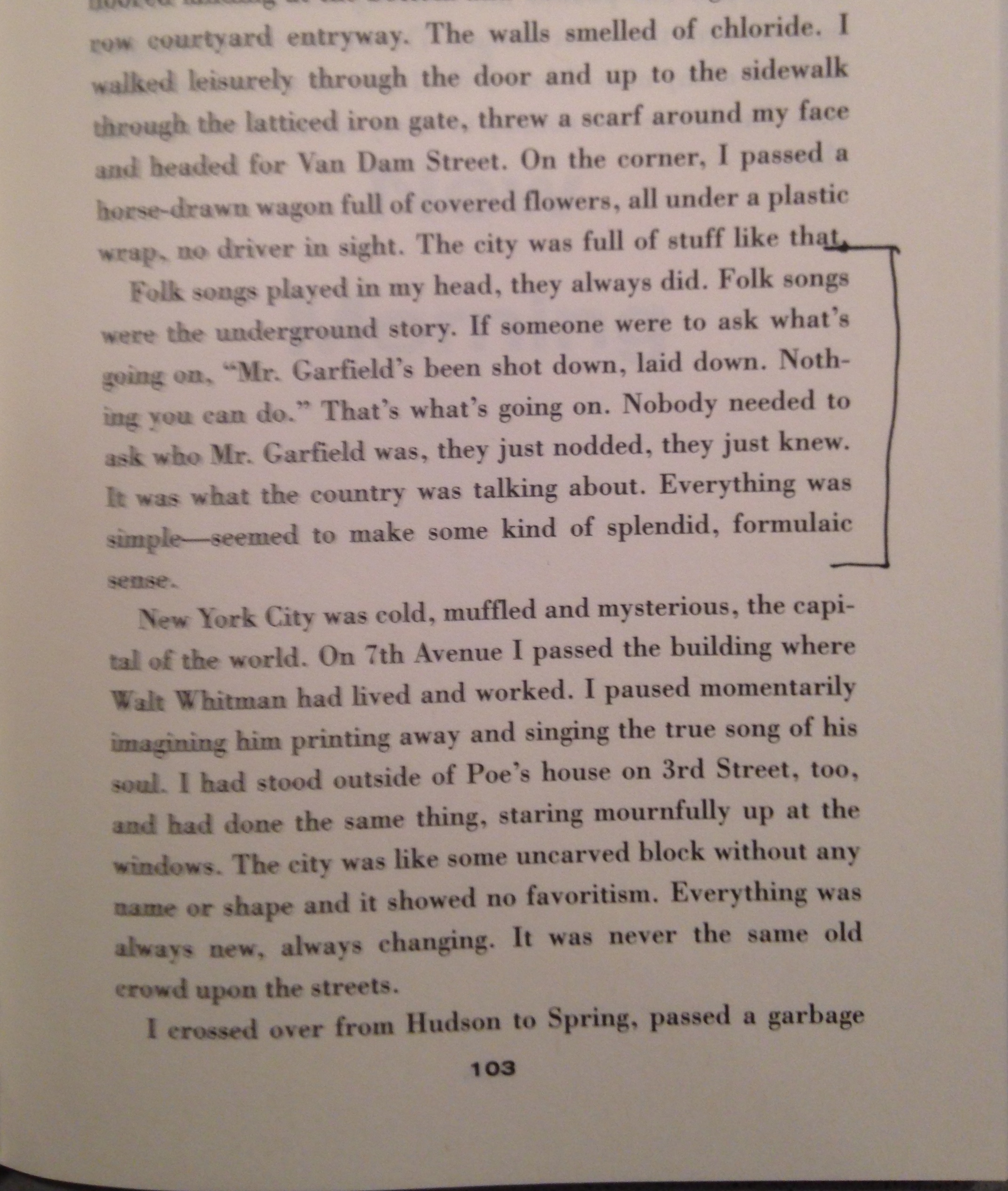
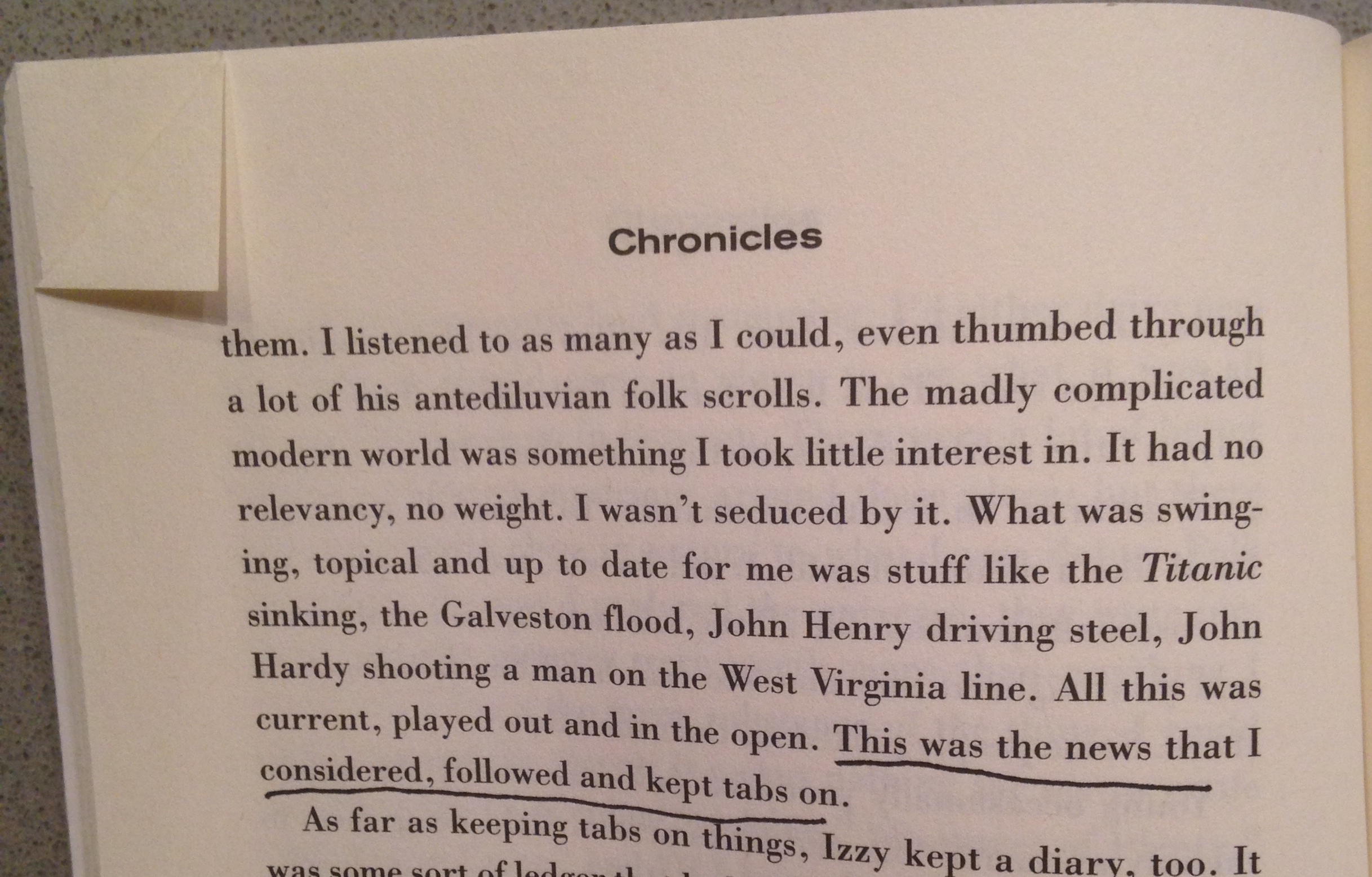
Also got to thinking about Bob Dylan’s friend, Herman Melville. I (half-mis-)remembered a point he made, almost backhanded, about the news being awful repetitive:
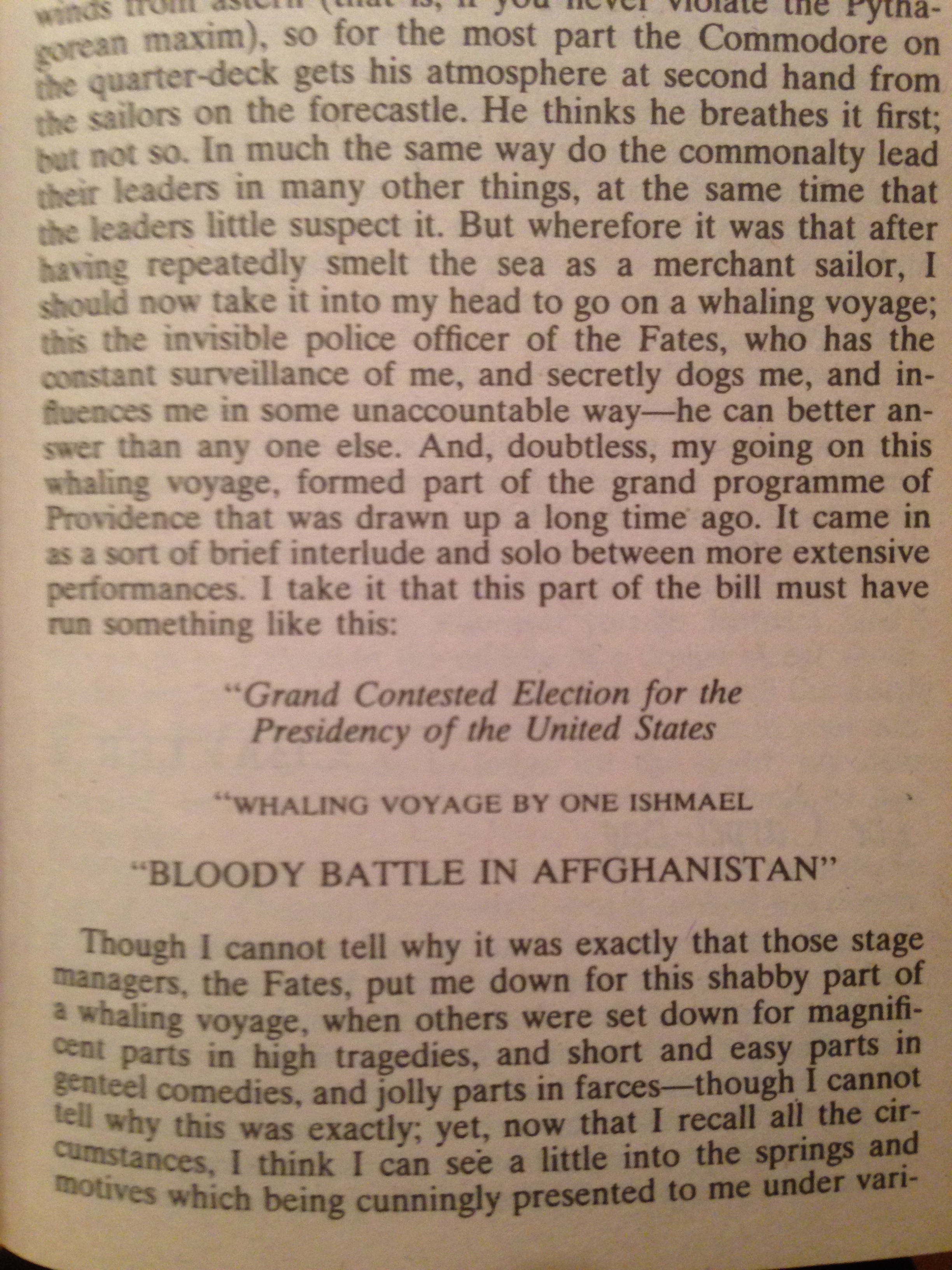
Minus Ishmael, but with the misspelling, could that be on Drudge tomorrow?
Surprised to find how many interesting things I forgot from Chronicles. For example: been thinking myself lately about Robert E. Lee (mainly I guess because of Ta-Nahesi Coates’ writings on the Civil War).
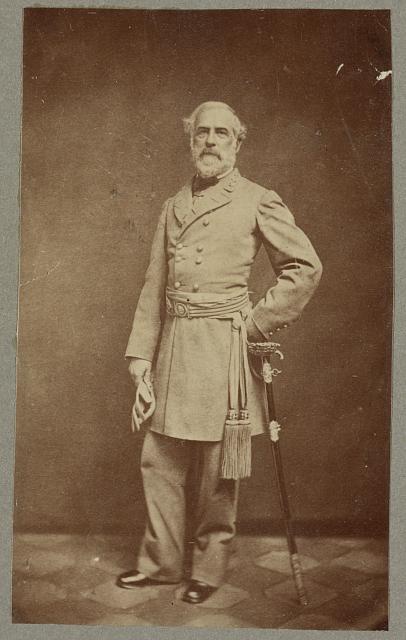 Here is a man who fought for a country that kept humans as slaves. But he was also, in very many ways, indisputably excellent. Even (maybe especially) his enemies were in awe of him. In a way, maybe that’s his worst crime.
Douglas Southall Freeman studied Lee more than anybody else ever had. That was while Freeman was also a newspaper editor (The Richmond News Leader) and sought-after advisor to Dwight Eisenhower and George Marshall:
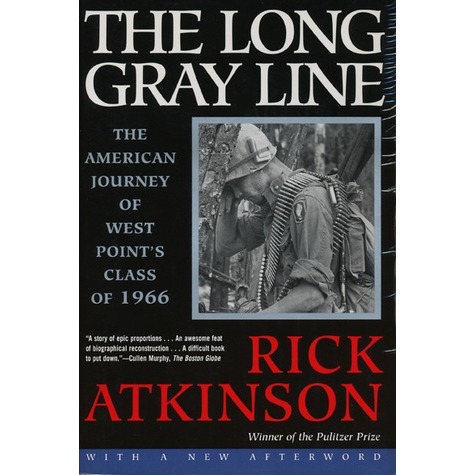
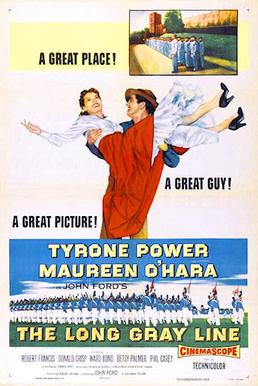
Freeman stresses how Lee, and some other generals, were objects of great affection among their men. They were spoken of like they were gods, even years after the war was over. One wonders if this was because of shared risks. One of the best books about the Vietnam War, The Long Gray Line*, notes that in the Civil War, the risk of battle death to a general was twice that of a private. (Whereas in eleven years of fighting in the Vietnam War, only three general officers were killed in action.) The halo effect over Lee is centered on his concern for the lives of his troops, particularly in never ordering them to make unwarranted charges into death traps.
How many World War II generals had grandfathers who fought with Lee?

George S. Patton, Sr. Patton’s grandfather, who died fighting with Lee.
What are we gonna do with this guy?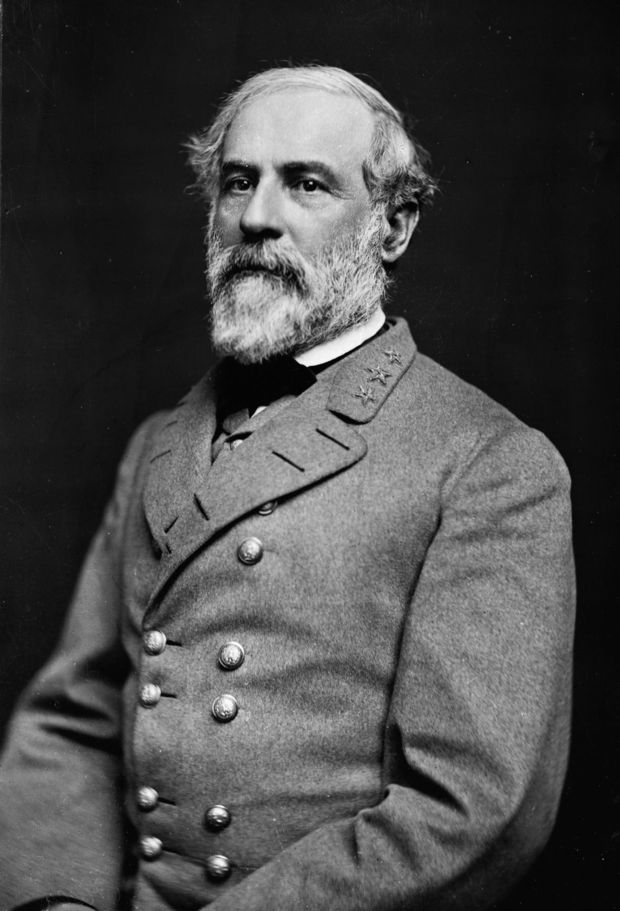 How many high schools are named after him?:

Here is Bob Dylan’s take:
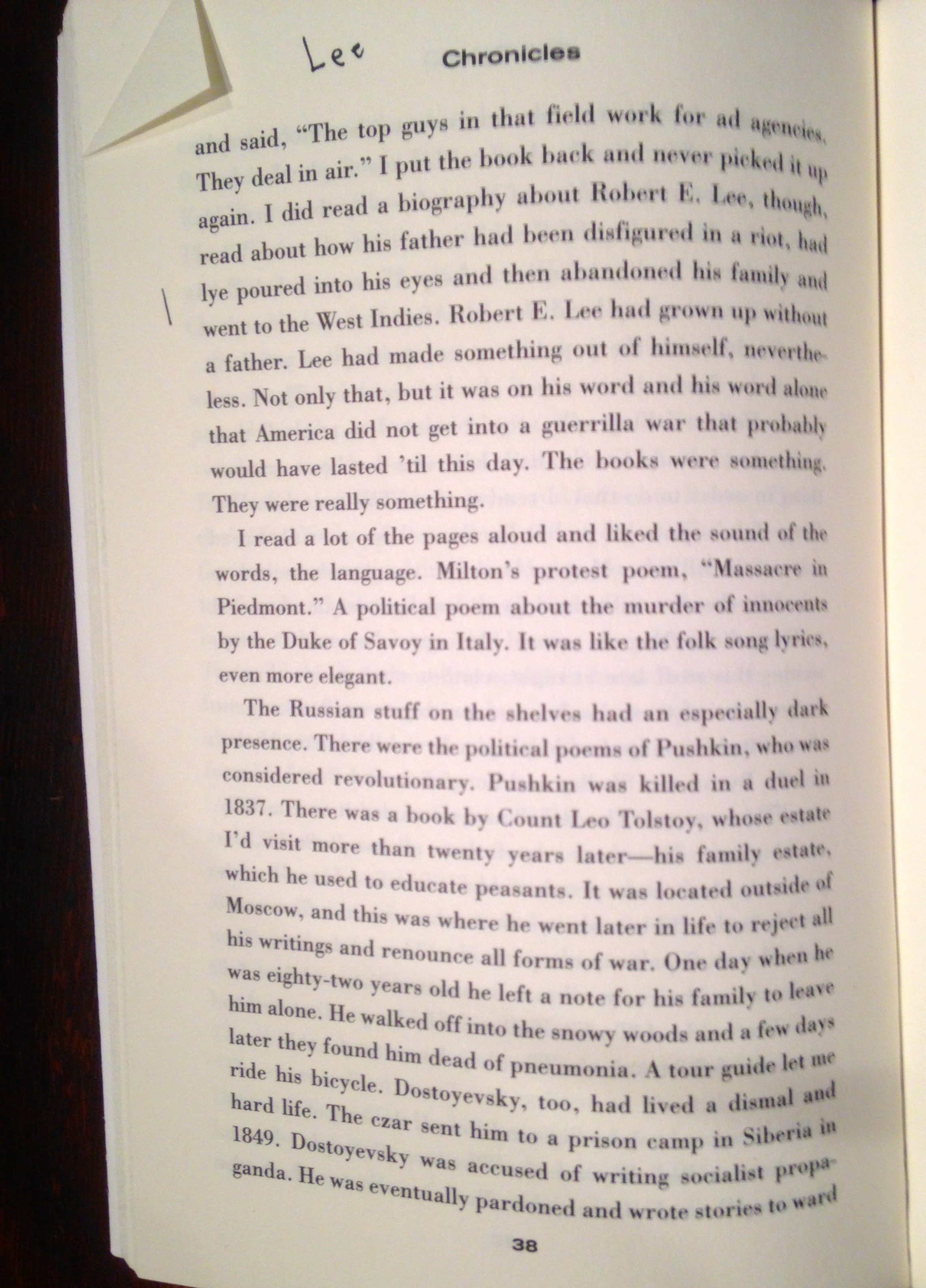
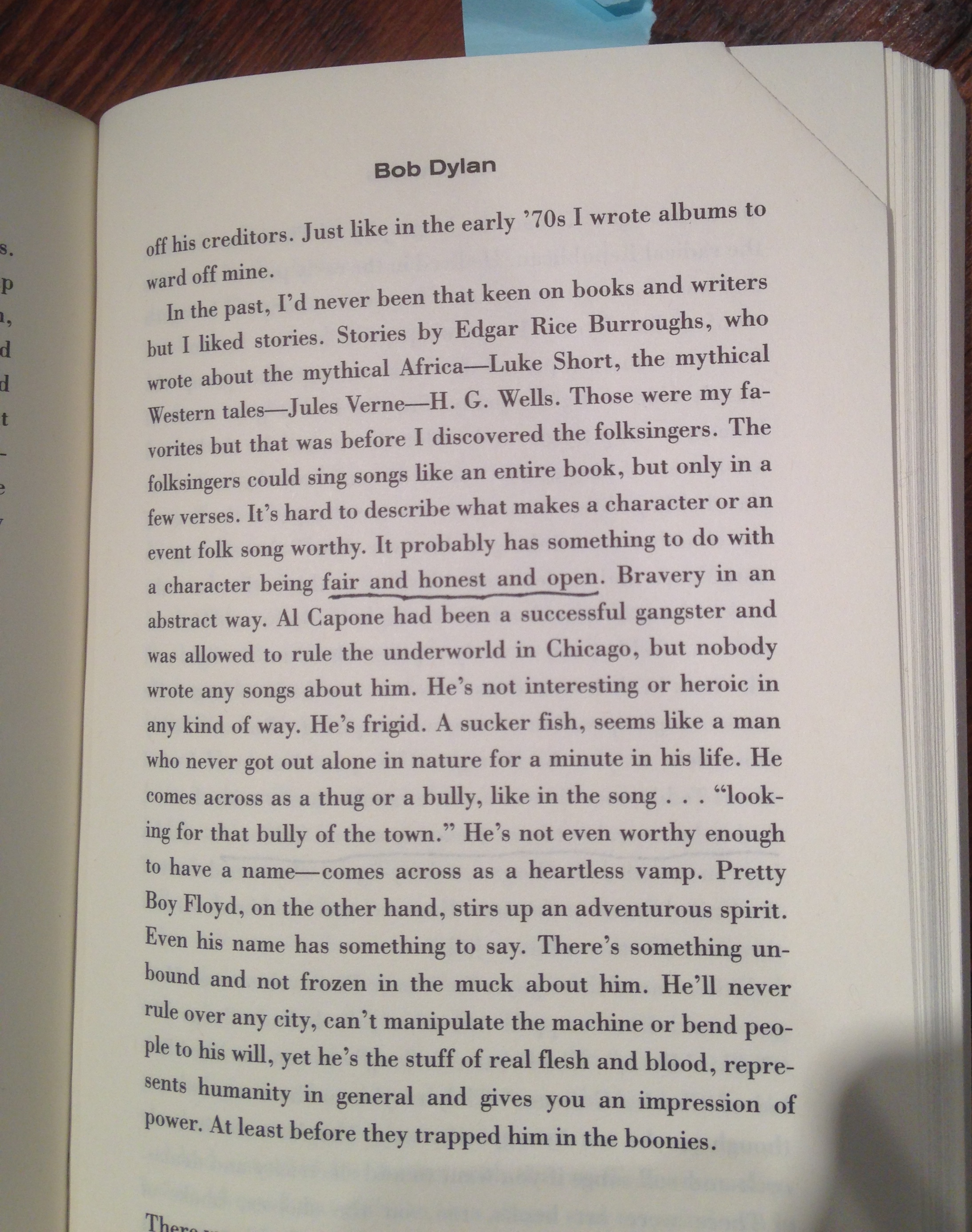
Dylan! Nobody else could put it quite the same way. He’s in his friends’ apartment, on Vestry Street if I read right, reading books. On Al Capone vs. Pretty Boy Floyd:
These people had the greatest apartment library in New York:
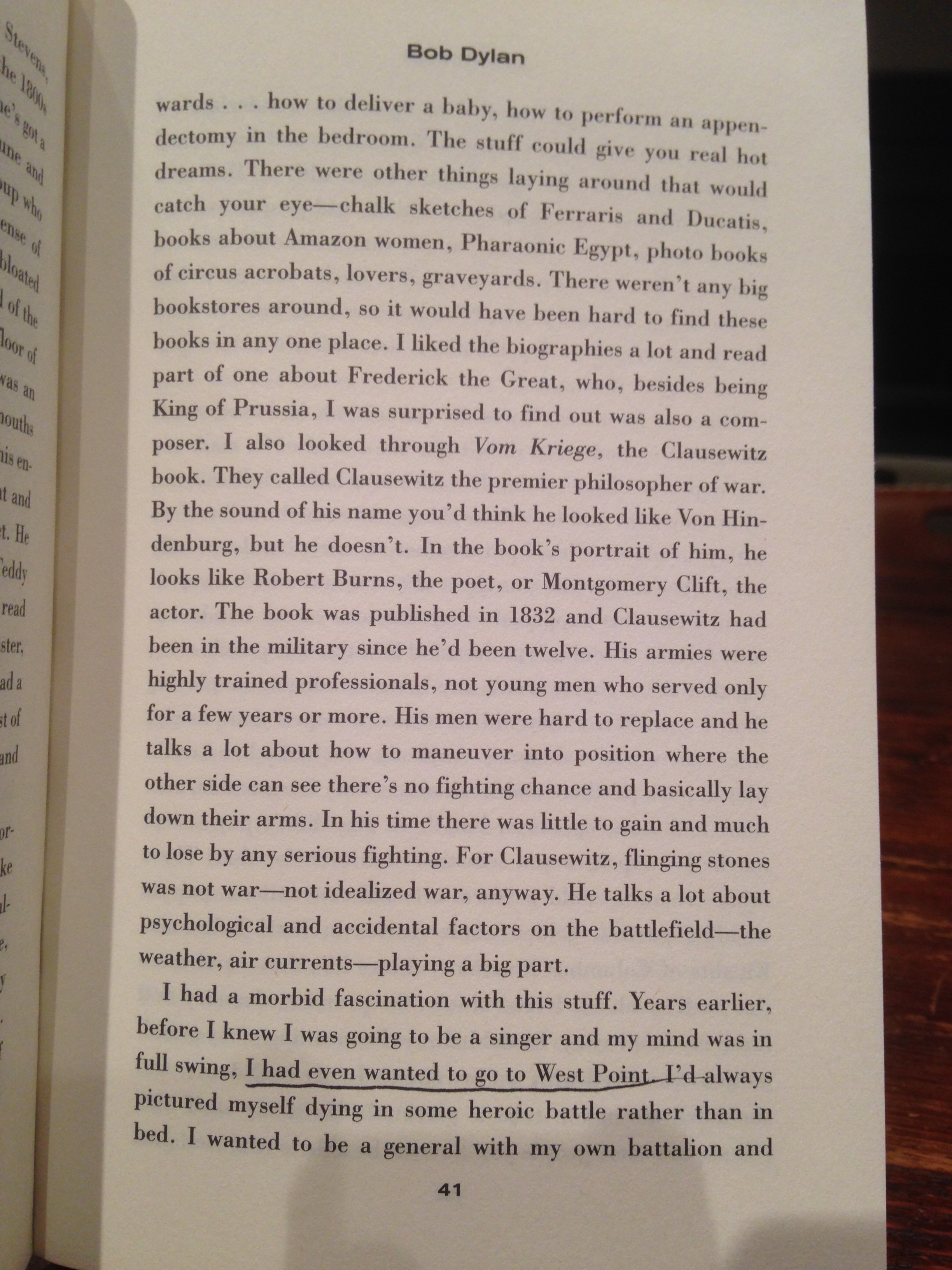
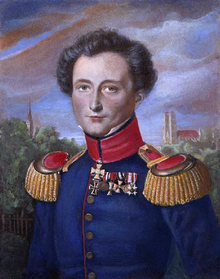
Clausewitz.
If Dylan had gone to West Point, I wonder if he would’ve ended up something like James Salter.
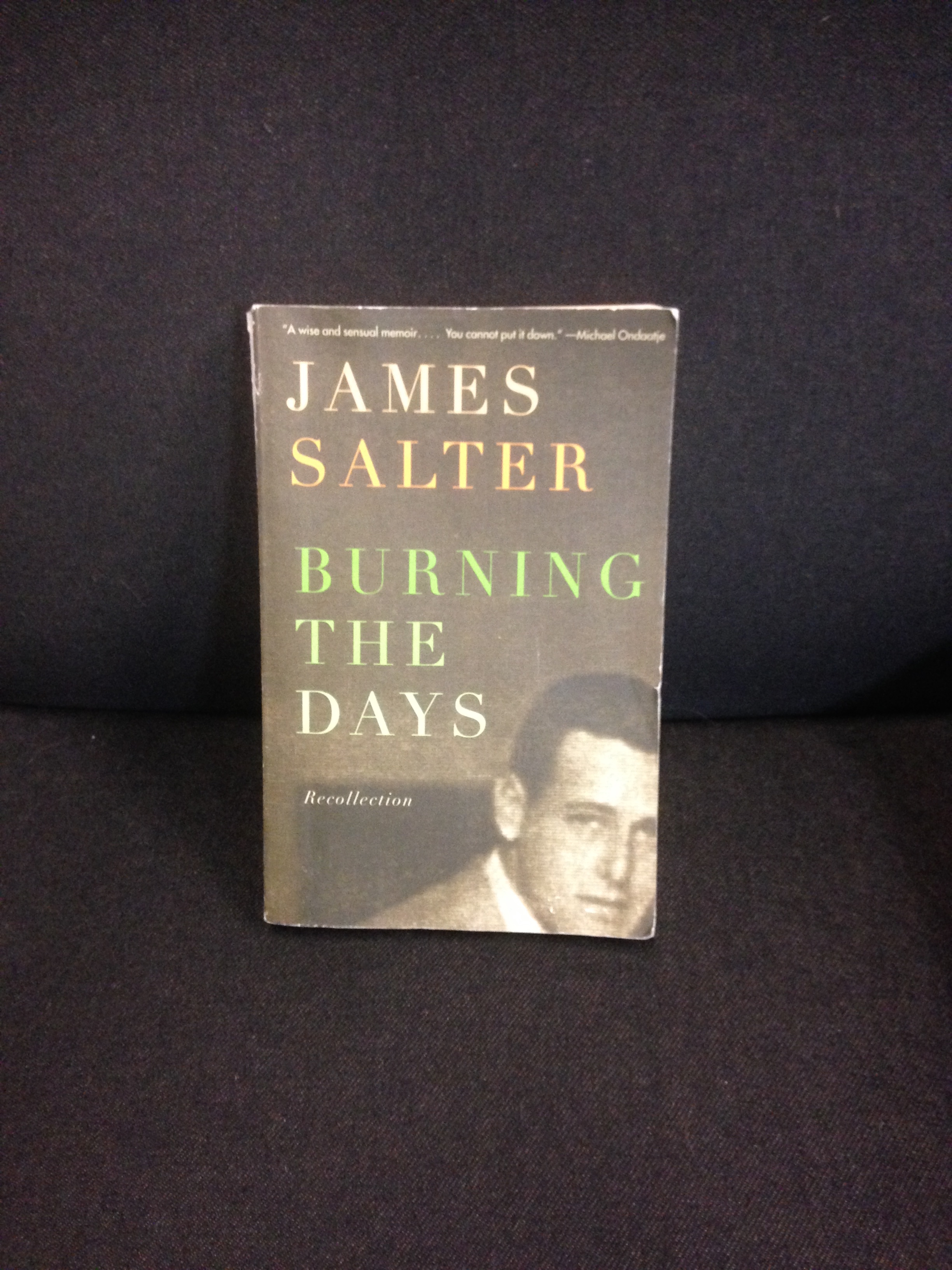
Also recommended:
Man. That one knocked my head off. Very glad I read it when I did, should read it again. Part of it is about North Korea. Not to be confused with:
Documentary tracking these women over the next fifty years
Posted: April 22, 2015 Filed under: America Since 1945 Leave a comment
Aquarium Drunkard
Posted: April 22, 2015 Filed under: America Since 1945, music, the California Condition Leave a comment
Picked this one up from listening to Aquarium Drunkard‘s playlists on Spotify.

Don’t know anything about Aquarium Drunkard except passed-down oral legend and intend to keep it that way but I’m not the first to discover him — the guy is brightening my life with his (?) music curating.

Sherrill initially planned to have Tucker record “The Happiest Girl In the Whole USA,” but she passed on the tune to Donna Fargo, choosing “Delta Dawn” — a song she heardBette Midler sing on The Tonight Show — instead. Released in the spring of 1972, the song became a hit, peaking at number six on the country charts and scraping the bottom of the pop charts. At first, Columbia Records tried to downplay Tucker’s age, but soon word leaked out and she became a sensation. A year later, Australian singer Helen Reddy would score a No. 1 U.S. pop hit with her version of “Delta Dawn.”
She had begun drinking in her late teens, and she explained how it started: “You send your ass out on the road doing two gigs a night and after all that adoration go back to empty hotel rooms. Loneliness got me into it.” In 1978 Tucker moved to Los Angeles, California, to try, unsuccessfully, to broaden her appeal to pop audiences, and was quickly captivated by the city’s nightlife. She also said that she “was the wildest thing out there. I could stay up longer, drink more and kick the biggest ass in town. I was on the ragged edge.”
Worth having a look at Bette’s version if only for her outfit:
Tam Is Uniform For This Bridge Player
Posted: April 17, 2015 Filed under: America Since 1945 Leave a comment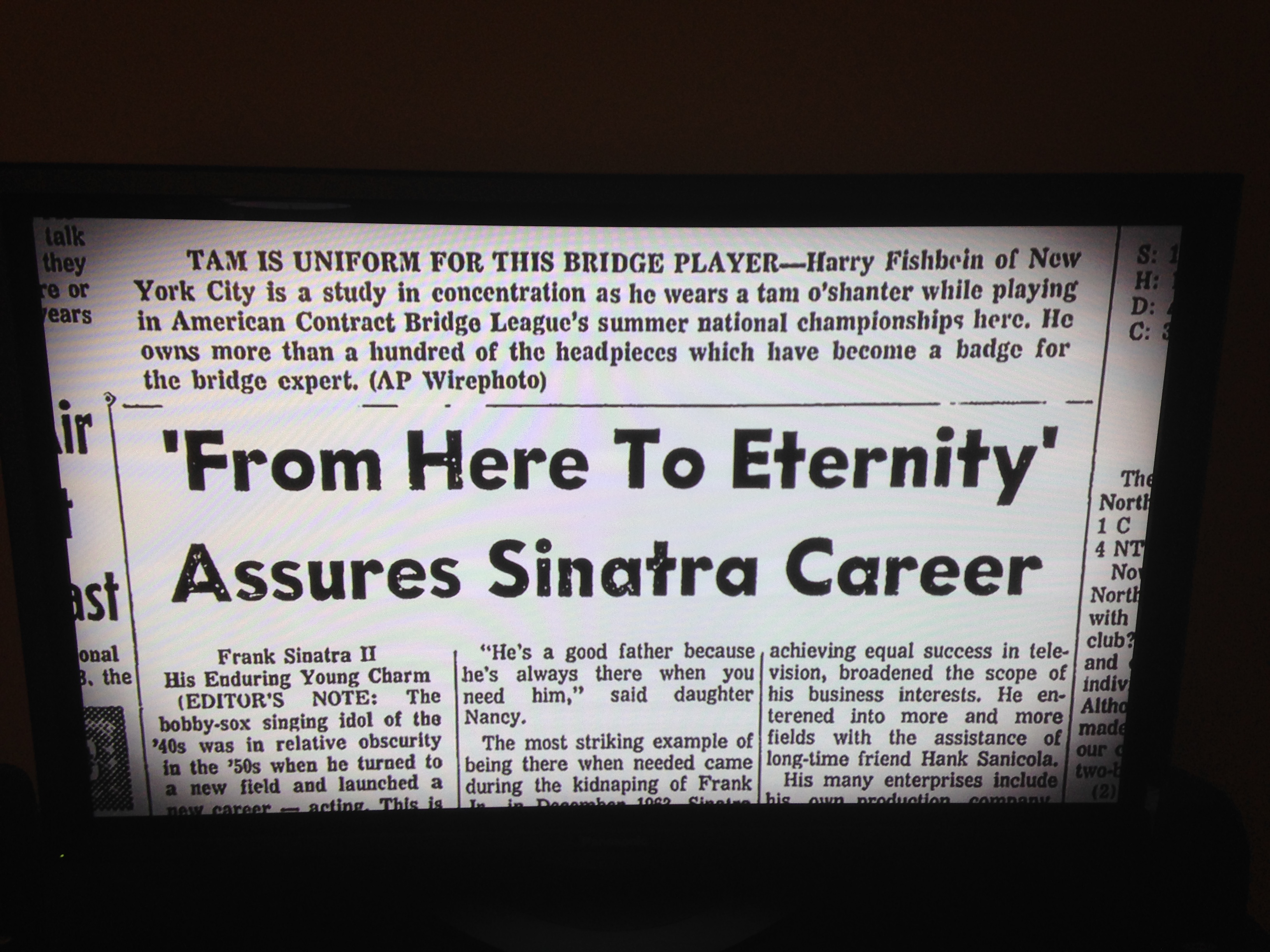
Guessing that Bobby from work is the only other person who maybe paused the Frank Sinatra HBO documentary to read some of the other articles.
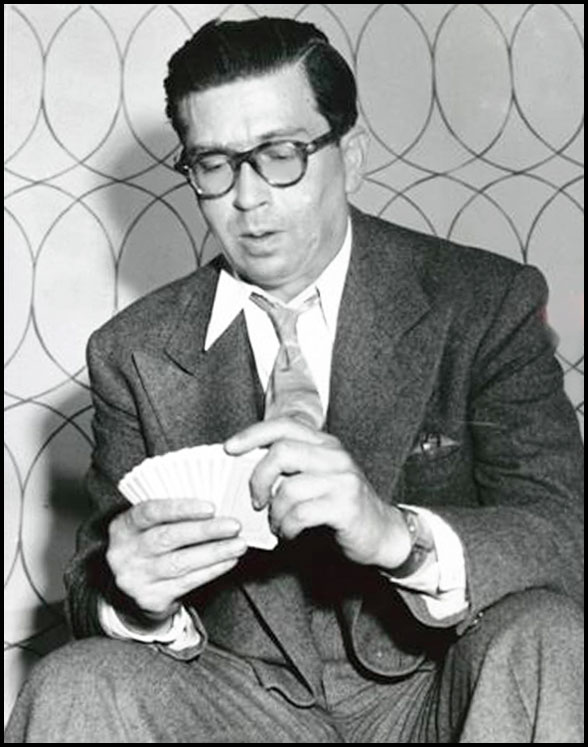
Fishbein, tamless.
It’s really too bad how much journalism has declined.

Bookbinderlocal455.com
Posted: April 16, 2015 Filed under: Uncategorized Leave a commentyou gotta keep this one in your rotation.
here’s to pretzels
Posted: April 15th, 2015 | No Comments »
THE WORLD’S DRYEST SNACK
Shady Grove
Posted: April 16, 2015 Filed under: America Since 1945, music Leave a comment
In my foolish youth I thought Tom Petty was kind of a joke, until Bob Dylan in Chronicles woke me up hard.
Bob also has words of respect for Jerry Garcia:
What an eerie tune. Wikipedia is unusually quiet on this one.
Many verses exist,[citation needed] most of them describing the speaker’s love for a woman called Shady Grove. There are also various choruses, which refer to the speaker traveling somewhere (to Harlan, to a place called Shady Grove, or simply “away”)

Harlan
The folks at mudcat.org take on the problem:
| Subject: Origins: ‘Shady Grove’ a mondegreen ? From: GUEST,Jake Date: 15 Aug 10 – 11:23 PMMulling (for the thousandth time) over the incongruity of ‘Shady Grove’ which is nothing about trees protecting the singer from the sun, but seems to be a woman’s name, it occurred to me in a flash of insight, that of course it must have started as a song about a Woman or girl named “Sadie” with the surname “Grove”, ie, “Sadie Grove”, and was corrupted by the usual vagaries of oral transmission, etc, etc. Searching this forum and the web generally provides no support for this conjecture, however. |
| Subject: RE: Origins: ‘Shady Grove’ a mondegreen ? From: MGM·Lion Date: 15 Aug 10 – 11:32 PMI have always shared this confusion: Shady Grove seems to be the woman’s name, but also the name of the place or location in which she lives, sometimes incongruously both at the same time. The fact that it’s one of those myriad songs [Going Down Town; Bowling Green …] which share pretty much the same set of ‘floaters’ doesn’t help.~Michael~ |
| Subject: RE: Origins: ‘Shady Grove’ a mondegreen ? From: Hamish Date: 16 Aug 10 – 03:18 AM”Wish I was in Shady Grove” takes on a new meaning.”When I was in Shady Grove I heard them pretty birds sing” (and the earth moved, no doubt). |
| Subject: RE: Origins: ‘Shady Grove’ a mondegreen ? From: GUEST,Lynn W Date: 16 Aug 10 – 04:11 AMThere is a comment on Wikipedia that the melody is similar to Matty Groves. Any connection, I wonder? |
| Subject: RE: Origins: ‘Shady Grove’ a mondegreen ? From: Jack Campin Date: 16 Aug 10 – 05:19 AMWikipedia has got it backwards. The folk-revival version of “Matty Groves” took its tune from “Shady Grove”. |
That’s as far down this hole as I can go at the moment.
I’d be shocked if any Helytimes readers hadn’t wikipedia’d The Child Ballads.
If demographizing the known Helytimes readership, I’d say “it’s people, mostly people I know, who have Wikipedia’d The Child Ballads.”
Still, why not a refresher on some best ofs?
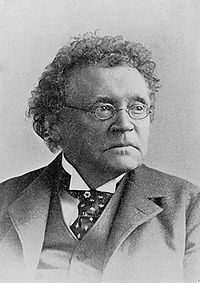
Although shy and diffident on account of his working-class origins, he was soon recognized as “the best writer, best speaker, best mathematician, the most accomplished person in knowledge of general literature” and he became extremely popular with his classmates.
Child became the Boylston Professor of Rhetoric and Oratory when he we was 26. Says an admirer, writing in the 1970s:
Child well understood how indispensable good writing and good speaking are to civilization, or as many would now prefer to say, to society. For him, writing and speaking were not only the practical means by which men share useful information, but also the means whereby they formulate and share values, including the higher order of values that give meaning to life and purpose to human activities of all sorts. Concerned as he thus so greatly was with rhetoric, oratory, and the motives of those mental disciplines, Child was inevitably drawn into pondering the essential differences between speech and writing, and to searching for the origins of thoughtful expression in English.
(Yes! That’s the good reason for being into this I’ve been looking for.)
Sometimes I picture Child backpacking around from pub to pub learning these things. Mostly, though, he got them from manuscripts.
Don’t you worry, he could cut loose sometimes:
he also gave a sedulous but conservative hearing to popular versions still surviving.
Child engaged
in extensive international correspondence on the subject with colleagues abroad, primarily with the Danish literary historian and ethnographer Svend Grundtvig, whose monumental twelve-volume compilation of Danish ballads, Danmarks gamle Folkeviser, vols. 1–12 (Copenhagen, 1853), was the model for Child’s resulting canonical five-volume edition of some 305 English and Scottish ballads and their numerous variants.
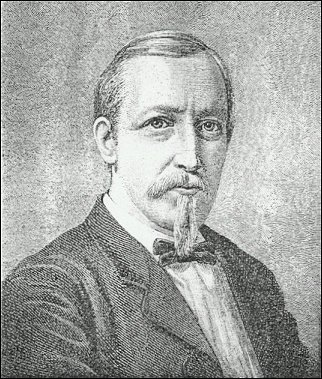
Svend.
Child is buried in the Sedgwick Pie.
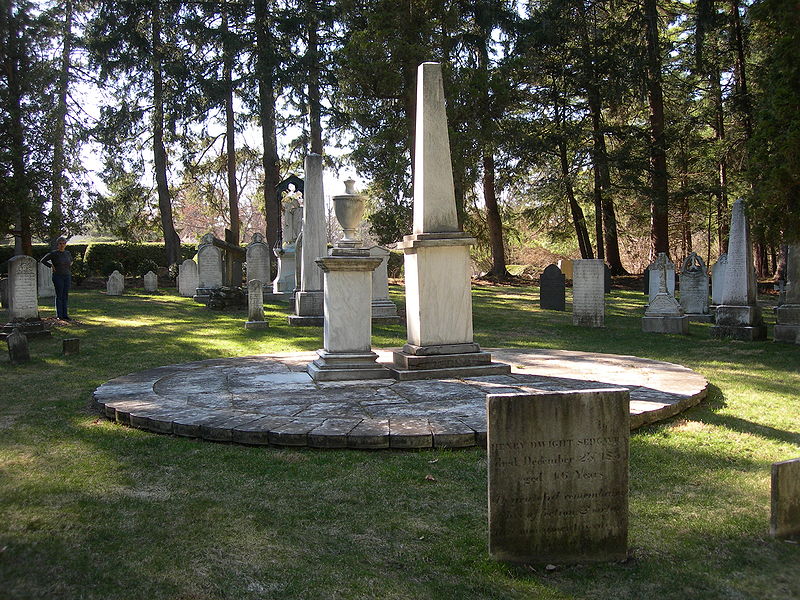
Is Kyra Sedgwick eligible for the Sedgwick Pie? Seems like she might be. Also seems a bit rude to ask a wonderful and very alive actress and mother if she’s given any thought to her grave.
Famously (? I guess, I never read the biography) not included:

Videos discussed last night
Posted: April 12, 2015 Filed under: animals, film, music 1 Commentfrom a conversation about whether my friends should get a goat:
from a conversation about Tinashe:
Yaaass
Posted: April 11, 2015 Filed under: America Since 1945 Leave a comment
Not everyone likes Yass cat. Myself, I think it’s about the best seven seconds of filmmaking I’ve ever seen. I hate when people apply “perfect” to invariably flawed human works but this video is perfect.
Perfect performances, perfect editing, perfect lighting, perfect audio quality. Perfect three act structure.
Perfect.
An informant told me about Yaaaaaaas Gaga guy.
When Rupert Murdoch talks about his dad
Posted: April 10, 2015 Filed under: Australia Leave a commenthe’s talking about a man who was born in 1885.

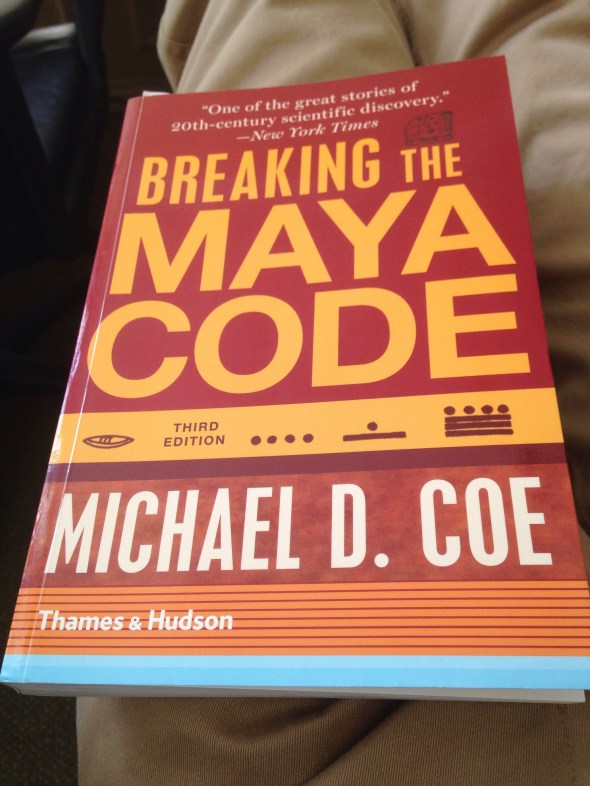
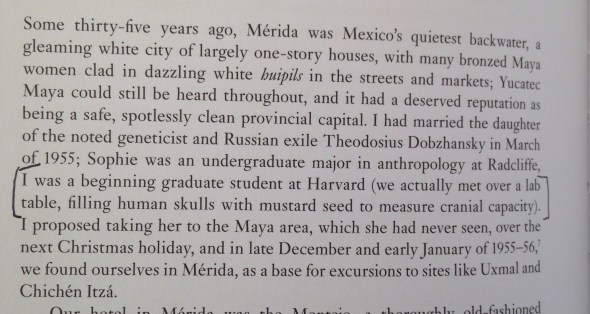
Breaking The Maya Code
Posted: April 8, 2015 Filed under: trips Leave a comment
Franciscan monk Diego de Landa arrived in the Yucatan in the year 1541. He wrote up a description of the Mayan people he found there. He says:
These people also used certain characters or letters, with which they wrote in their books about the antiquities and their sciences; with these, and with figures, and certain signs in the figures, they understood their matter, made them know, and taught them. We found a great number of books in these letters.
So: what did he do next?
Do you guess made put together a fantastic collection for posterity?
The answer is:
Since they contained nothing but superstitions and falsehoods of the devil we burned them all, which they took most grievously, and which gave them great pain.
What kind of jackass shows up in a place and the first thing he does is burn all the books? Even fellow missionaries thought de Landa was a little much.
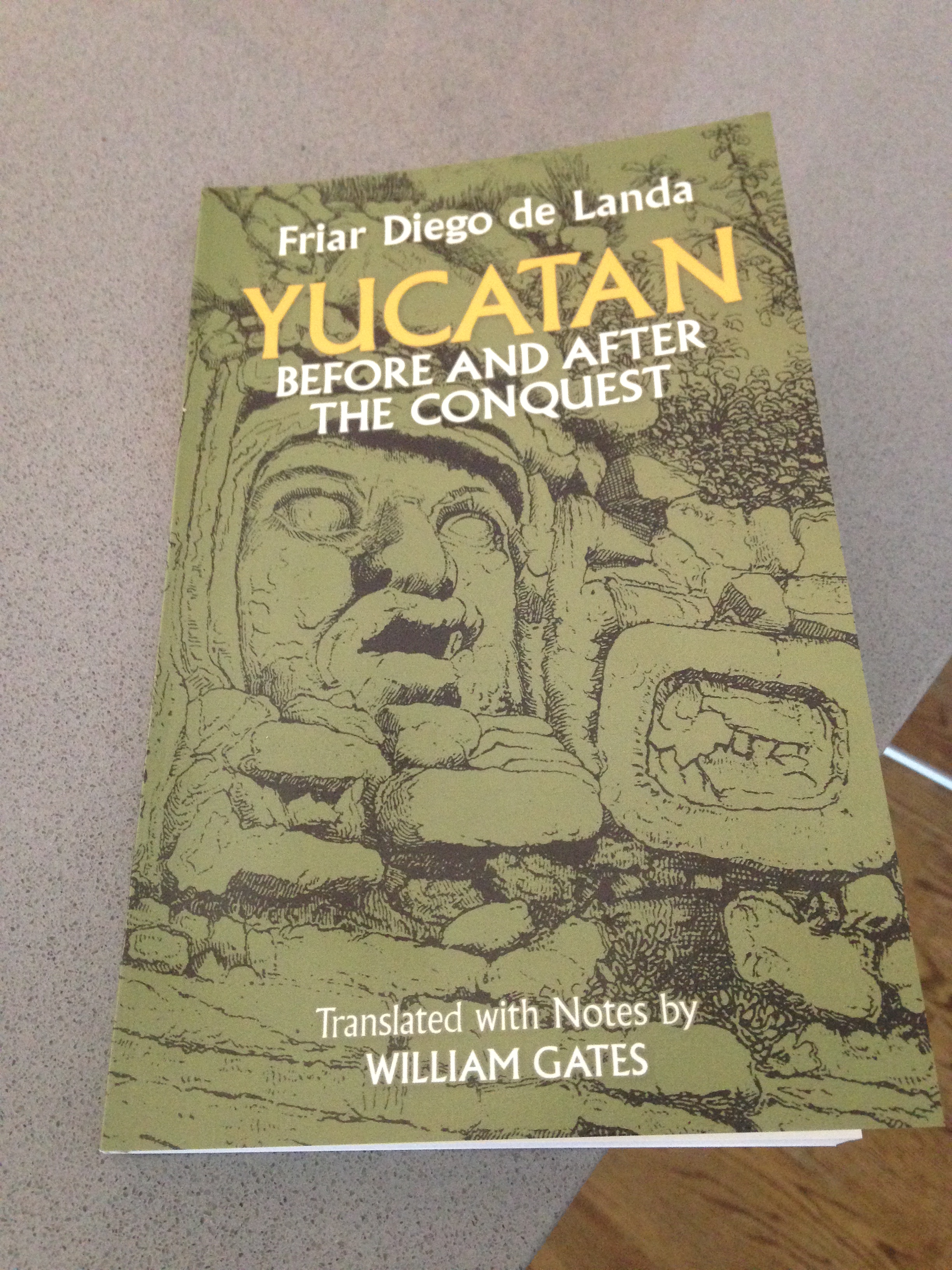
To look at it from his perspective though? Just for one second? In his mind he was in a jungle where every single person was worshipping idols or demons or maybe even the Devil himself and bound for fiery Hell unless by a miracle their souls could be saved.
Supposedly — who knows if this is true, but this is a story — on like his first day in the Yucatan he was walking out in the sticks when he interrupted a human sacrifice, and the whole thing freaked him out.
Anyway: the total number of Mayan books that survived – codices is the more accurate word, I’m told, because they’re not bound like books exactly — the total number of Mayan codices is three. Maybe four. Dresden, Madrid, Paris, named for the city that had the dusty library where they were found. Maybe Grolier is authentic too, I refuse to weigh in, Grolier is named for a private club of book-collectors in Manhattan where it was exhibited after it was, allegedly, found in a cave in the 1970s.
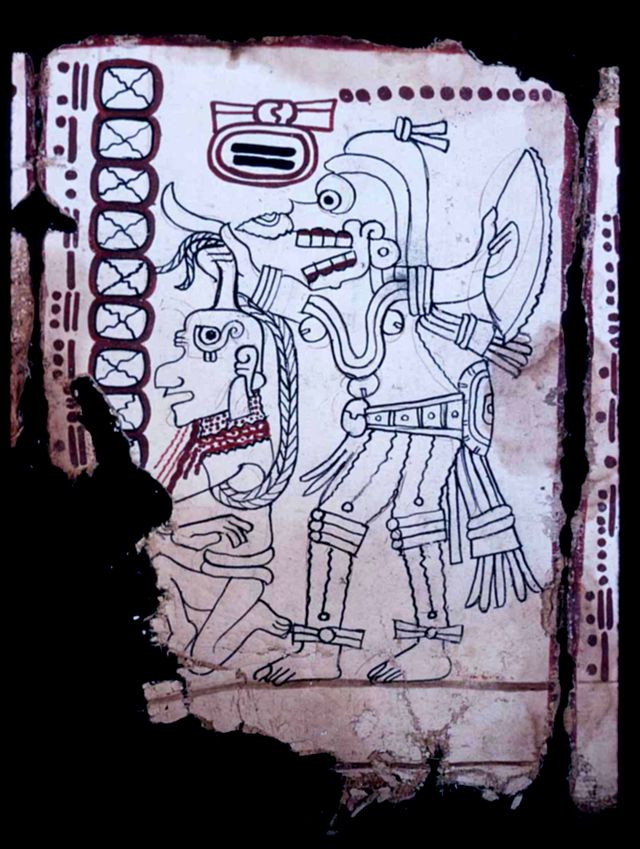
The Grolier Codex. Suspicious.
Each of the codices has some amazing backstory. The Dresden Codex was underwater for awhile.
The story of how they figured out how to read Mayan is great. A bunch of wacky geniuses take on the world’s hardest crossword puzzle, where new clues are hidden in the jungle might be the logline.

The story is well told in this book.
Virtually everybody involved was some kind of lunatic: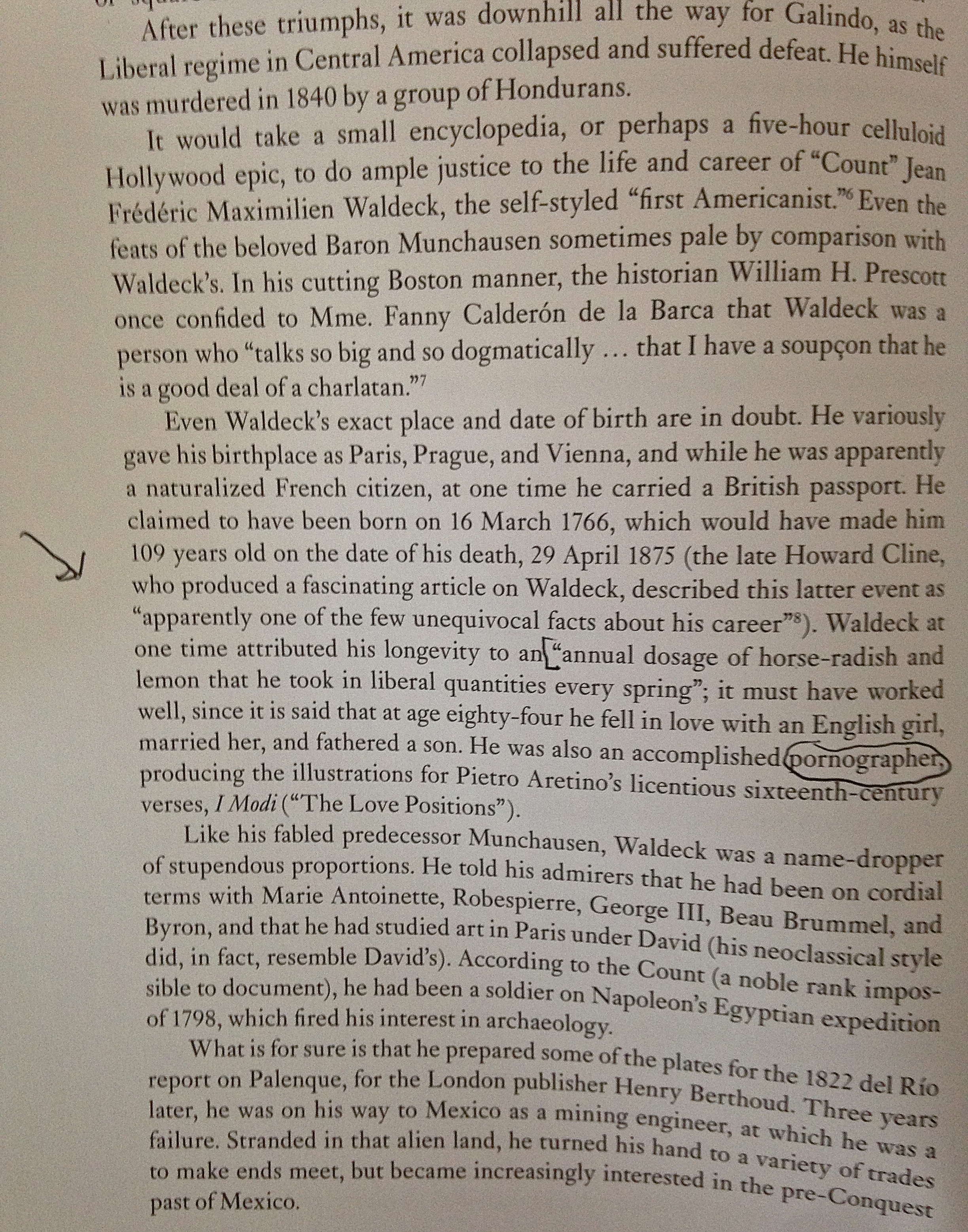

Now that’s the way to go!
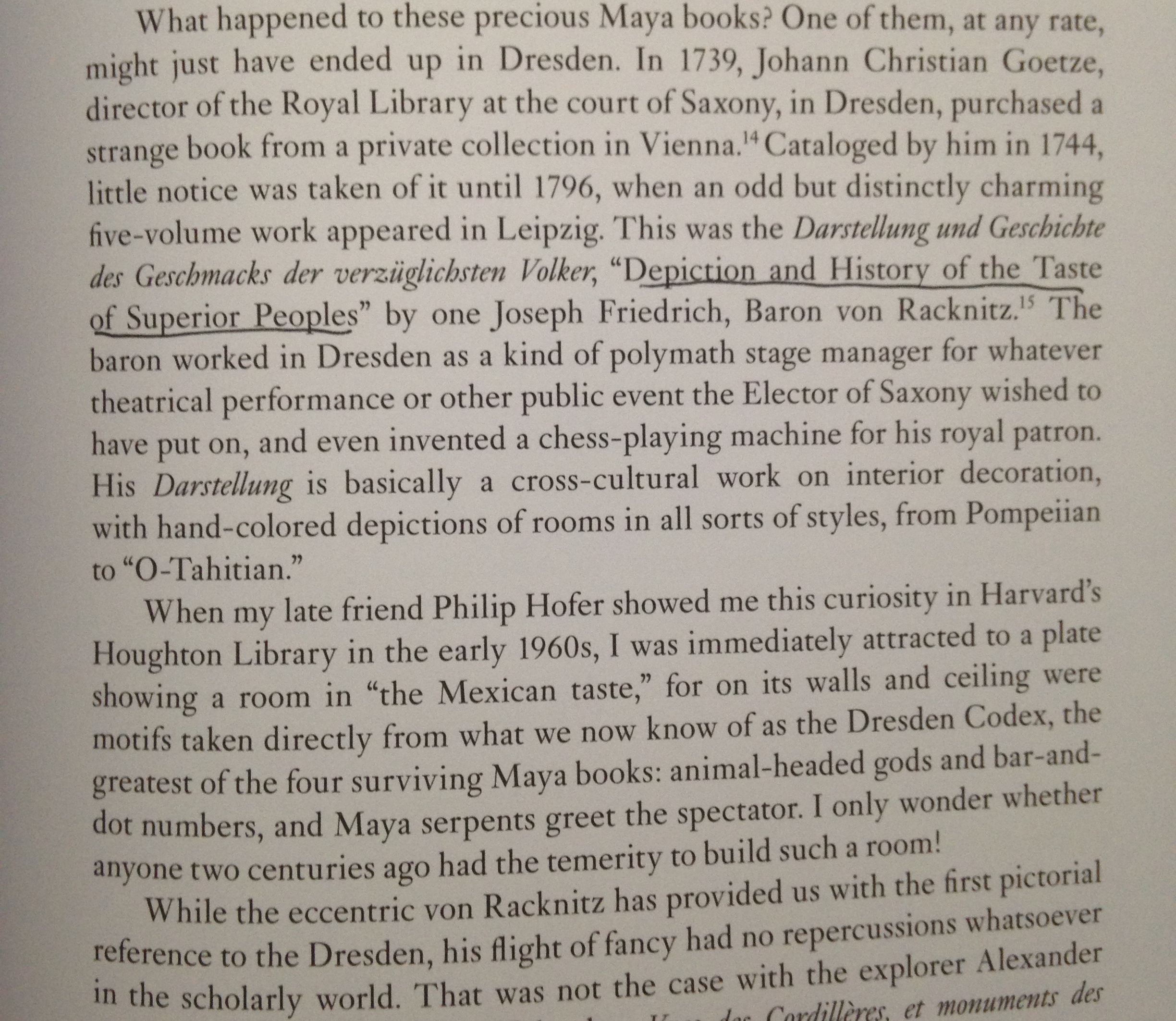
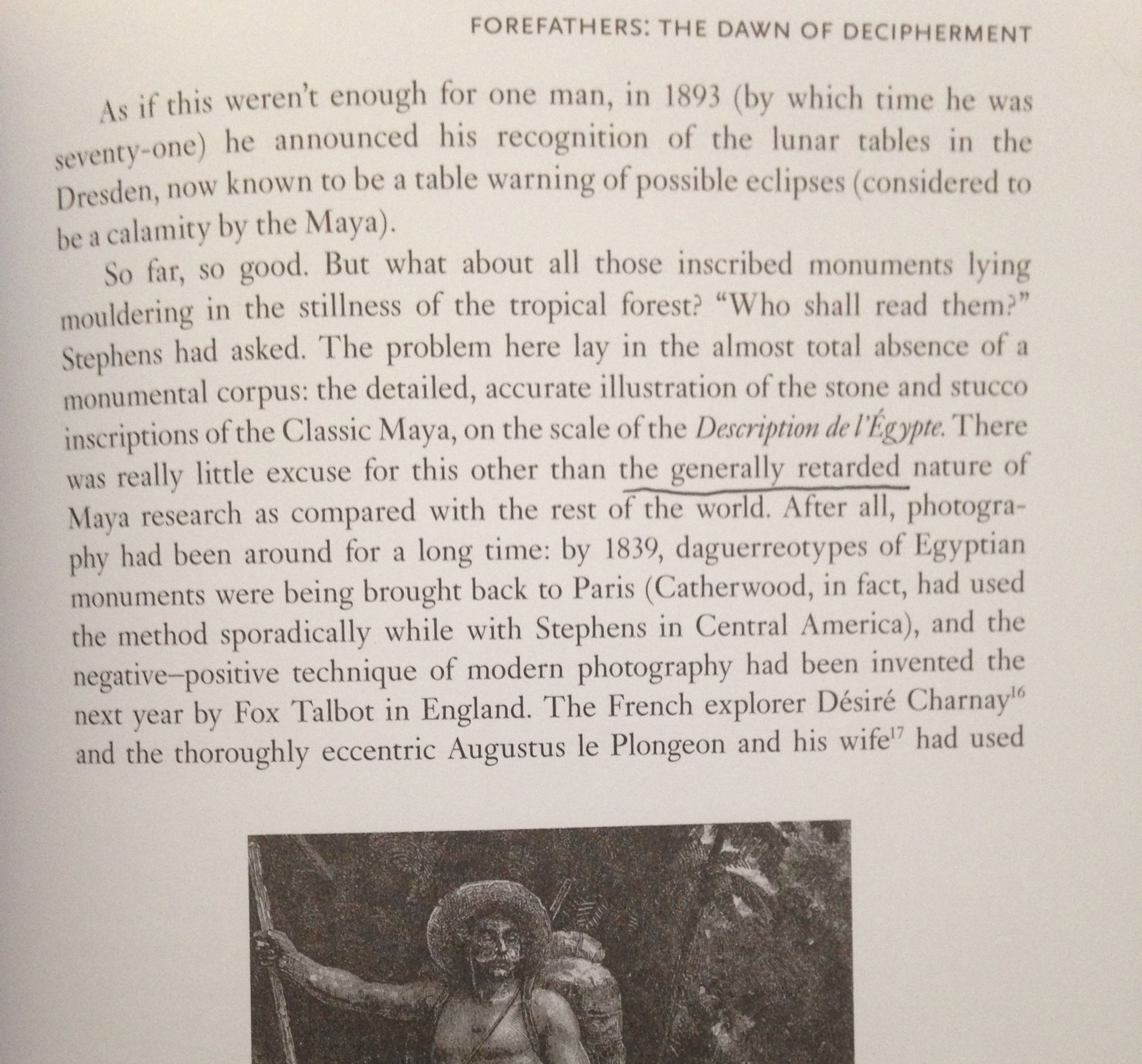
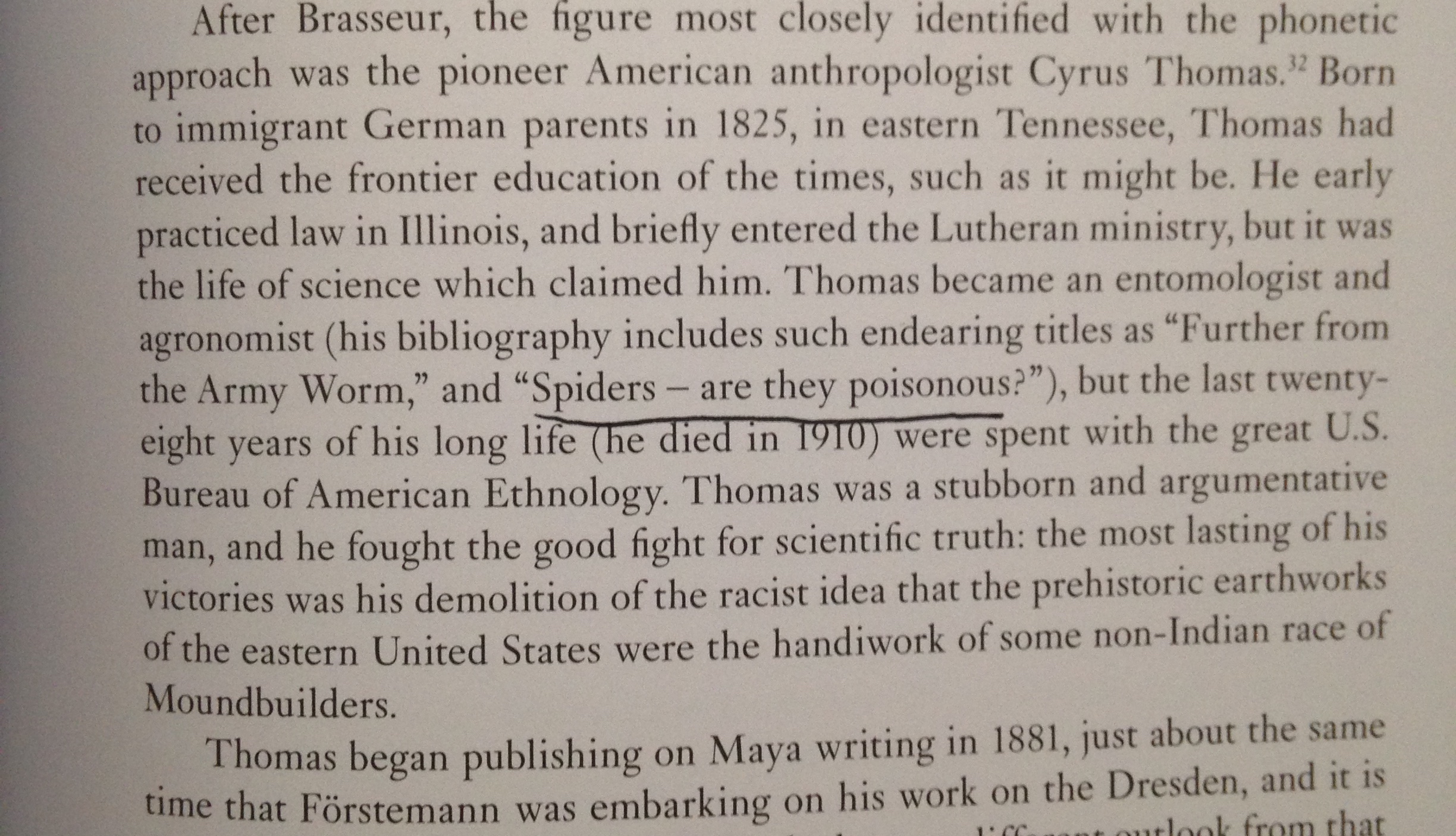
How about Cyrus Thomas?
Or amateur linguist Benjamin Whorf?:
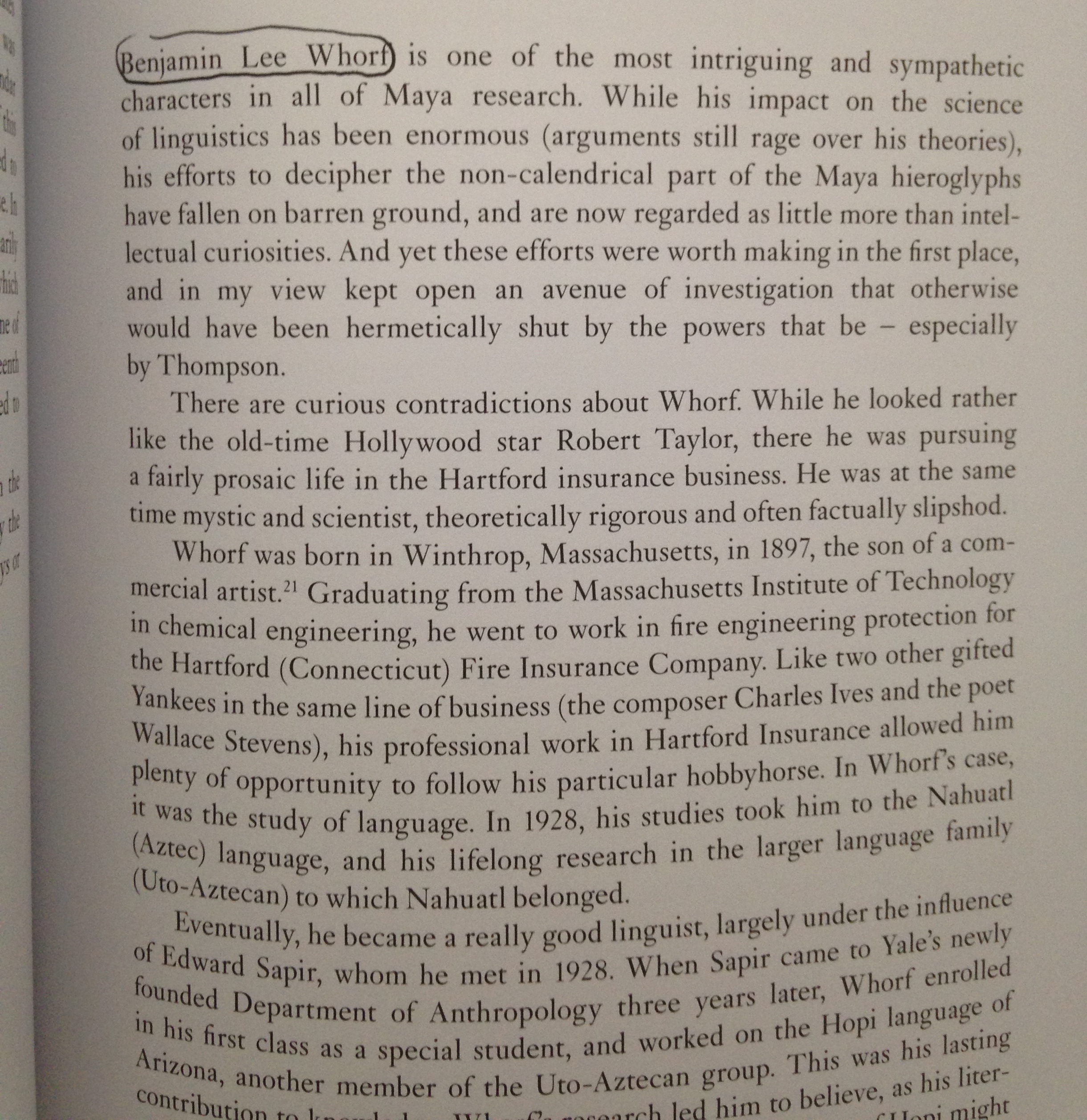
(Don’t think for one second, by the way, that Whorf was letting all this distracting from his insurance work. From wiki:
He was particularly good at the job and was highly commended by his employers. His job required him to travel to production facilities throughout New England to be inspected. In one anecdote his arrival at a chemical plant is described in which he was denied access by the director because he would not allow anyone to see the production procedure which was a trade secret. Having been told what the plant produced, Whorf wrote a chemical formula on a piece of paper, saying to the director: “I think this is what you’re doing”. The surprised director asked Whorf how he knew about the secret procedure, and he simply answered: “You couldn’t do it in any other way.”
Another famous anecdote from his job was used by Whorf to argue that language use affects habitual behavior. Whorf described a workplace in which full gasoline drums were stored in one room and empty ones in another; he said that because of flammable vapor the “empty” drums were more dangerous than those that were full, although workers handled them less carefully to the point that they smoked in the room with “empty” drums, but not in the room with full ones. Whorf explained that by habitually speaking of the vapor-filled drums as empty and by extension as inert, the workers were oblivious to the risk posed by smoking near the “empty drums”
Whorf got himself mixed up in the Hopi Time Controversy, a dispute about whether the Hopi language suggests a whole other way of conceiving/perceiving time, whether the Hopi walked around in some tripped-out timeless cognitive condition.
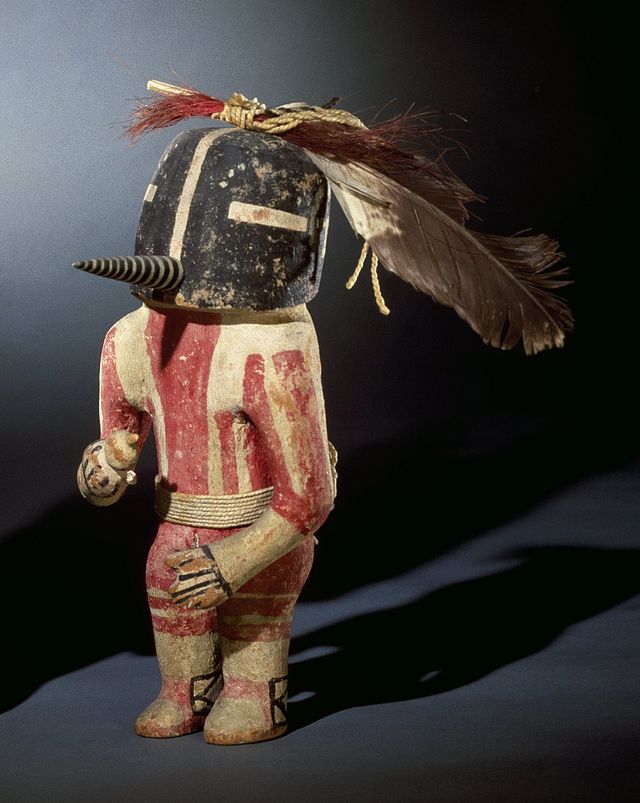
As I know many Helytimes readers are quite tired of that subject let’s just agree it’s pretty badass to have your own law in Uto-Aztecan linguistics and go back to Coe.
How about another enthusiastic amateur, John Teeple, who used to work out the Mayan calendar on his commute?
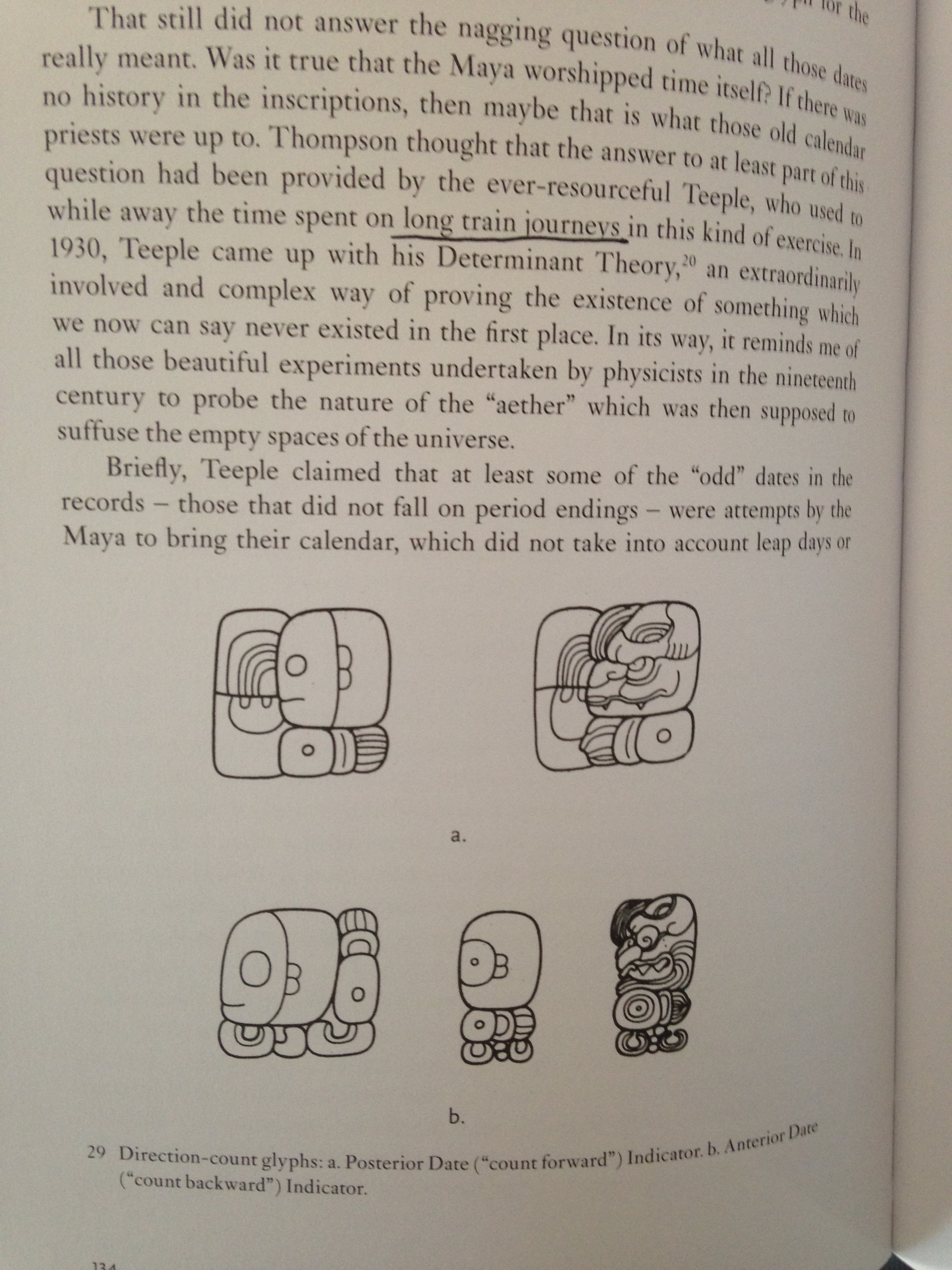
And what do we learn from all this reading? That the Mayans were deeply wack:


Recommended.
Almonds and water
Posted: April 6, 2015 Filed under: California, the California Condition Leave a comment
Written about California water before. If I had ten hours to spare for the round trip I’d drive up to Bishop and retake this photo:

Taken about this time three years ago, I bet there’d be no snow in it now.
This article by Helaine Olsen on The Baffler seemed insightful to me:
Barely mentioned was the fact that the clueless wealthy might just as well go ahead and turn on the taps—let ten thousand golf course bougainvillea bloom. They aren’t the problem, or not much of the problem.
Listen up: California’s agricultural sector uses about 80 percent of the state’s water. As Mother Jonesreported, it takes one gallon of water to grow a single almond, and nearly five gallons to make a walnut edible.
But, hey, Governor Brown says those almonds and other produce grown in California aren’t living large. That’s why agriculture was all but excused from his edict. “They’re not watering their lawn or taking long showers,” Brown told ABC’s This Week, of the farmers. “They’re providing much of the fruits and vegetables of America.”
Nuts: Too tasty to fail?
The ritual shaming of the public, in which politicians blame us for their failures, seems like democratic politics in reverse. And the bigger the crisis, the greater the gall. For example, as we all know but few care to remember, the United States recently went through a financial crisis. Banks made massively leveraged bets that didn’t pay off. Complicated, risky financial innovations were presented as safe by people and institutions all of who should have known better. Subprime mortgages were pushed and promoted, often under false pretenses. Credit was offered up to Americans, many of whom took it because they were told it is was a good idea, and cheap, and, anyway, their incomes weren’t keeping up with the cost of housing, healthcare, and education and they needed to get money from somewhere, dammit.
Alex Tabarrok saying similar things on Marginal Revolution:
The NYTimes has an article on California’s extreme water drought with the usual apocalyptic imagery (see the video especially):
California is facing a punishing fourth year of drought. Temperatures in Southern California soared to record-high levels over the weekend, approaching 100 degrees in some places. Reservoirs are low. Landscapes are parched and blighted with fields of dead or dormant orange trees.
The apocalyptic scenario needs to be leavened with some basic facts.
California has plenty of water…just not enough to satisfy every possible use of water that people can imagine when the price is close to zero. As David Zetland points out in an excellent interview with Russ Roberts, people in San Diego county use around 150 gallons of water a day. Meanwhile in Sydney Australia, with a roughly comparable climate and standard of living, people use about half that amount. Trust me, no one in Sydney is going thirsty.
So how much are people in San Diego paying for their daily use of 150 gallons of water? About 78 cents. As Matt Kahn puts it:
Where in the Constitution does it say that the people of California have the right to pay .5 cents per gallon of water?
Water is such a small share of most people’s budgets that it could double in price and the effect on income would still be low. Moreover, we don’t even have to increase the price of water for residential or industrial uses. As The Economist points out:
Agriculture accounts for 80% of water consumption in California, for example, but only 2% of economic activity.
What that means is that if agriculture used 12.5% less water we could increase the amount available for every residential and industrial use by 50%–grow those lawns, fill those swimming pools, manufacture those chips!–and the cost would be minimal even if we simply shut down 12.5% of all farms.
Moreover, we don’t have to shut down that many farms, we just have to shut down the least valuable farms and use water more efficiently. If you think water is cheap for San Diego residents it’s much cheaper for
farmers. Again from The Economist:
Farmers flood the land to grow rice, alfalfa and other thirsty crops….If water were priced properly, it is a safe bet that they would waste far less of it, and the effects of California’s drought—its worst in recorded history—would not be so severe.
Even today a lot of CA agriculture uses the least efficient flood irrigation system.
According to data from the state Department of Water Resources, 43 percent of California farmland in 2010 used some form of gravity irrigation, an imprecise method that uses relatively large amounts of fresh water and represents a big opportunity for water conservation.
The NYTimes article is worried about farm loss:
“I’m going to fallow two acres of my land immediately,” said Geoffrey C. Galloway, who has a citrus grove on his ranch near Porterville, in the Central Valley. “Depending on how the season goes, we may let another four go.”
…Last year, at least 400,000 acres went unplanted, and farmers reported losses of $2.2 billion, said Mr. Wenger, the head of the farm bureau, who owns a farm in Modesto. “This year we could see easily 50 percent more,” he said. “We are probably going to be looking at well over a million acres.”
California has approximately 25 million acres of farmland. And while our bodily fluids might be precious not every acre of farmland is. A few less acres of farmland producing low value crops in return for a lot more water is a very acceptable tradeoff.
Addendum: Low prices are not always wasteful. David Zetland’s short primer on water policy is available for free as pdf. Matt Kahn’s Fundamentals of Environmental and Urban Economics is on Amazon for Kindle for just $1. Both are very good.
I have a personal, untested theory of a major factor in the California water problem:

The boom in almond milk consumption. Almond milk is made of 1) water and 2) water intensive almonds.
Think Piece About Mad Men
Posted: April 6, 2015 Filed under: America Since 1945, writing 1 Comment
Mad Men is great.
The writing is great.
The directing is great.
The actors are good.
The set decorating is great. Really colorful.
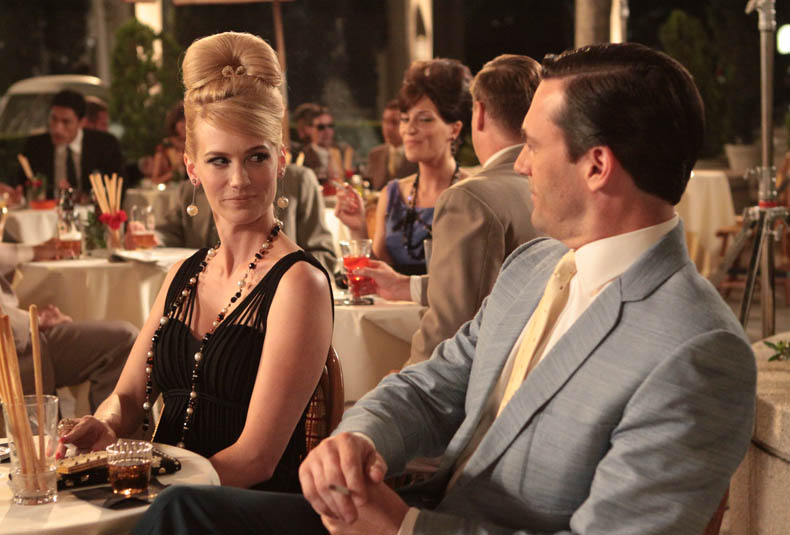
The main guy is cool and I like the stuff he does.
The other guys are funny.
The girls are hot and wear cool clothes.

There’s good stories, with surprises.
Sometimes I don’t know what’s happening but usually I figure it out or I just kinda go along.
So, I think, Mad Men is great.
How big was Mexico City in 1519?
Posted: April 5, 2015 Filed under: trips Leave a comment
Another possible interpretation is that “she” represents the Aztec main temple, the Templo Mayor. In Mesoamerican literature, the temple is often referred to as “she,” since both men and women were sacrificed there and a considerable part of the main temple was dedicated to the Aztec rain god, who is often described as a female. The temple was uncovered in 1978 (three years after the album was released) after being buried beneath Mexico City for nearly 500 years.
On a more cynical note, in Jimmy McDonough’s biography of Young, entitled Shakey, the author asked Neil if his songs were autobiographical. Young replied, “What the fuck am I doing writing about Aztecs in “Cortez the Killer” like I was there, wandering around? ‘Cause I only read about it in a few books. A lotta shit I just made up because it came to me.”[1]
Reader Amanda W. in Connecticut writes:
Much as I enjoyed your post about A Bachelor’s Mexico I think we’re all wondering: why did you need the letters of Cortes?
Great question Amanda. I needed them because I was writing about Mexico City. And I was trying to figure out the size of the city that was there before, Tenochtitlan.
I got distracted reading the incredible recollections of Cortes expedition veteran Bernal Diaz, but let’s pick up:
Tenochtitlan:

from the mural at the Museo Nacional de Antropologia
Tenochtitlan was the great city of the… well, Aztec is not the preferred nomenclature anymore. The great Charles Mann calls the people in charge of Tenochtitlan “the Triple Alliance.” They might’ve called themselves “Mexica.”
In the middle of a fifty-some square mile lake, there was this massive city.

Here’s Diego Rivera’s mural of it, which is in the Palacio National I think. Stole this photo from http://culturacolectiva.com/influencias-prehispanicas-en-la-obra-de-diego-rivera/
How many people lived in Tenochtitlan?
212,500, says Professor Michael E. Smith of SUNY Albany in this article in the Journal Of Urban Studies.
But even he counsels cautious. He takes awhile to pause and talk about rank-size analysis:
In the 1950s and 1960s, geographers developed the technique of rank-size analysis to study the sizes of cities within nation-states.33 An empirical pattern was observed in a number of areas of the world in which the second-largest city has roughly one-half the population of the largest city, the third-largest city has one-third the population, and so on down the size scale. This distribution, known as the log-normal distribution, is illustrated by plotting city size (Y axis) against rank (X axis). When these variables are graphed using logarithmic scales, the log-normal distribution is expressed as a declining straight line. Two major kinds of deviations from the log-normal pattern have been noted for various nations and regions: primate distributions (in which the largest city is “too large” for the log-normal pattern) and convex distributions (in which there are “too many” very large cities). Much of the literature on rank-size analysis is devoted to exploring the causes and implications of deviations from log-normal distributions.34 Archaeologists seized on rank-size analysis as a potentially useful tool for analyzing settlement patterns, and they joined the discussion of the determinants of the various rank-size distributions. Most applications by archaeologists have been conducted on a regional scale, such as the Valley of Oaxaca and the Basin of Mexico, or the plains of Mesopotamia.35 A number of archaeologists went beyond the limits of the method to address the distribution of the sizes of tiny settlements that were not central places.36 To summarize the findings of geographers, anthropologists, and archaeologists, log-normal distributions tend to be found in large urban systems with a long history of commercial and demographic interaction among central places.
The great Charles Mann again:
Tenochtitlan dazzled its invaders – it was bigger than Paris, Europe’s greatest metropolis. The Spaniards gawped like yokels at the wide streets, ornately carved buildings, and markets bright with goods from hundreds of miles away. Boats flitted like butterflies around the three grand causeways that linked Tenochtitlan to the mainland. Long Aqueducts conveyed water from the distant mountains across the lake and into the city. Even more astounding than the great temples and immense banners and colorful promenades were the botanical gardens — none existed in Europe. The same novelty attended the force of a thousand men that kept the crowded streets immaculate. (Streets that weren’t ankle-deep in sewage! The conquistadors had never conceived of such a thing.)

Open-air model of Tenochtitlan, in the Zocalo of Mexico City, so what was once more or less dead center on this model. found at http://www.mexicolore.co.uk/aztecs/home/aztecs-have-been-called-many-things
Cortes himself said:
The great city of Texmixitan is built on the salt lake, and from the mainland to the city is a distance of two leagues.
(a Spanish league at that time was 2.6 miles, the word originally meant the distance a man could walk in an hour).
The city is as large as Cordoba or Seville.

16th century Seville painted by Alonso Sanchez Coello maybe?
Cortes and his guys arrived in Tenochtitlan in 1519. Two years later the whole place was destroyed.
Brief Digression about William Prescott:
The first American — talking United States American here — to really write a history of Cortes and the conquest of Tenochtitlan was William Prescott.

Prescott’s eyes were fucked up because he got hit with a crust of bread in the eyeball during a food fight when he was at Harvard. As far as I can tell he never went to Mexico. But he had been to Spain, he was pals with aristocratic Spaniards who sent him “eight thousand sheets of manuscript beautifully copied from the Spanish archives, all the original documents, diaries, letters, never yet published, never seven seen.”
So says Van Wyck Brooks, who describes Prescott like this:
He had an extravagant love of jolly parties. He talked with a joyous abandon, running over with animal spirits, laughing at his own inconsequences, with always some new joke or witty sally. He could be happy in more ways, in spite of his defective eyes, and happier in every one of them, than anyone else his friends had ever seen. One met him in the street, with his rosy air, with his gay blue satin waistcoat, tall, graceful, with light brown hair and a clear and ruddy complexion… One of his relatives, meeting him on the street, not long before his book appeared, urged him to undertake some serious task. It would be so good for him. It would be more respectable than leading this unprofitable life.
… He did not like to get up in the morning, and had to instruct his servant, the faithful Nathan, to pull away his bed-clothes. He did not like to work. He had to make bets with his secretary that he would write a certain number of pages or carry out some other resolution… When he broke too many resolutions, he introduced into his reckoning sets of fixed exceptions, amendments on amendments; then he scored them all off and opened a new account. By this means, and others, he made himself a causist, able to comprehend the Spanish mind.
Anyway. Prescott wrote a monster History of Ferdinand and Isabella, and then he took on the History Of The Conquest of Mexico.
 Here’s what Prescott has to say about Tenoch, which gives a pretty good sense of his vibe:


Prescott’s history came out in 1843. When the US Army stormed Mexico City three years later a bunch of the officers had copies with them.
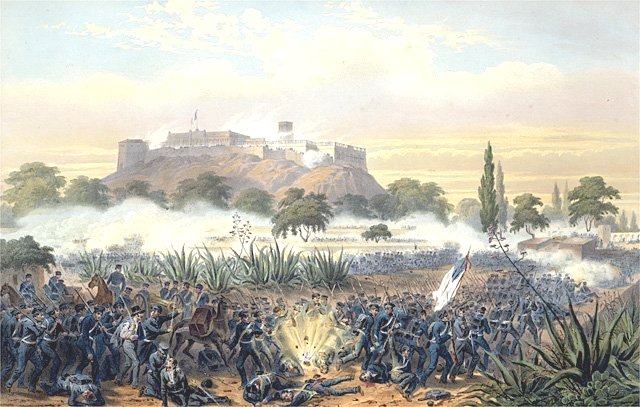
I prefer Bernal Diaz:
who rode with Cortes and saw Tenochtitlan with his own eyes in 1519. Fifty years or so later he dictated what he remembered.

Here’s what Bernal Diaz says he saw when they crossed the causeway into Tenochtitlan:
 At first things were groovy. Montezuma took them to a banquet:

Mexican food:

In Tenochtitlan, they had their own Hollywood:

What really impressed Diaz though was the shopping:

One unique item:

Montezuma took them to the top of the temple for a view:

Well, things went downhill from there.
If you pull out some illustrations from the Florentine Codex, you can read it like a comic book.
Things fall apart, basically:

Montezuma gets killed — Diaz says by his own people while he was trying to give a speech:

They chucked his body:

Cortes and his guys got driven out of the city.

The Spanish are driven out into the cactus lands:
 But they round up allies:
 Meanwhile, the Aztecs get smallpox and everybody dies:


Diaz says:

There was a guy, Diaz says, who claimed to Cortes that he knew how to build a catapult. Turns out he didn’t. Cortes was piiiiiiiiiiiiissed.
More battles.

Maybe ninety days of continuous fighting, Diaz says.

This sounds horrifying:


Geez. Even Diaz, who’d seen plenty already, says he came pretty close to losing it:


In the end, Diaz’s team won. The aftermath:

Why did Bernal Diaz write this book? I don’t know enough about 16th century Spanish or Latin American publishing to speak to that. He says at the beginning that he’s poor and maybe he can leave something to his descendants this way. Maybe it was a like a pop war hero bestseller like American Sniper or Lone Survivor.
Here’s what he says happened to Cortes:

Very last words in the book:

I wonder if he was.
That’s the story of Tenochtitlan. On its ruins arose Mexico City. The big cathedral is right on top of where the rubble of the Templo Mayor was buried.

The cathedral’s off-center, sinking, because the ground underneath is soft. There was a fifty mile lake around it once.

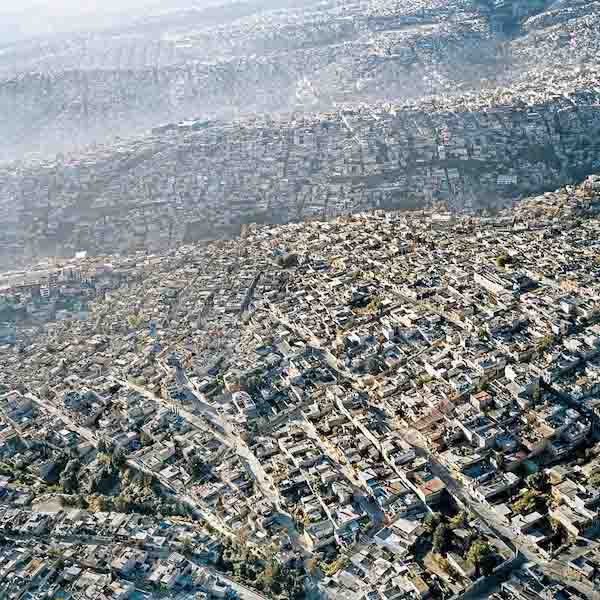
Mexico City by Pablo Lopez Luz, found here: http://discoveringice.com/travels/north-america-mexico/41-fun-and-interesting-facts-about-mexico-city.html
Thanks for writing, Amanda!
(I have no idea if I’m allowed to put up whole chunks of books like this without permission. The Florentine Codex is online and free here, and if there are any descendants of Bernal Diaz out there lemme know, I’ll paypal you a couple bucks.)
If you are jonesin’ for Game Of Thrones
Posted: March 26, 2015 Filed under: trips Leave a commentmay I recommend:

Never read the Game Of Thrones books. Don’t know why, that specific kind of nerddom is not my kind. I bet George RR Martin has read this book. It is fucking incredible.
You are very busy so let me summarize it for you. I’m reading the translation by JM Cohen:

(I’m about to quote pretty generously from it. If any of the attorneys who read Helytimes could advise me on the legality of that, it’d be great. I think it’s ok, because I’m not making any money from this, and the whole point is to encourage you to buy this book.)
Bernal Diaz was eighty-four, blind, on an estate in Guatemala when he decided to dictate what he remembered from when he was twenty-seven, in 1519, when he went along with Hernan Cortés on an expedition to the interior of Mexico.
This is the best source, as far as I can tell, for what happened. Cortés wrote letters to the king of Spain, but if you read them you won’t come away with the impression you can trust him.
There exists also a sort of “Aztec” (not the preferred nomenclature) source: the Florentine Codex:
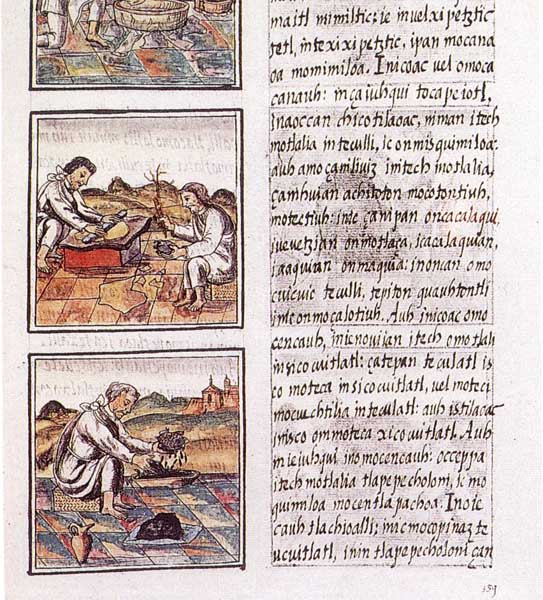 which has its own insane story, it was written by a Franciscan friar who learned Nahautal and went around listening to and summarizing oral histories. So this is written by a Spanish guy, too, history is written by the winners, but at least he was asking around.
I’m gonna steal from the drawings inked into the codex. If you want you can look at it yourself here or here:

Diaz says, when they landed:
There were five hundred and eight not counting the ships’ captains, pilots, and sailors, who amounted to a hundred,
and
sixteen horeses or mares, the latter all fit to be used for sport or as chargers.
Some Campeche Indians saw them and shouted castilan! castilan!
Like, “Castilian”? What the fuck? How did they know where they were from?

The natives communicated somehow that there were other Spanish people there.
So Cortés wrote down a letter, and bribed the natives with beads to bring it to them.
Some days later there arrived a man in a canoe:
As he leapt ashore, [he] exclaimed in inarticulate and clumsy Spanish: “God and the blessed Mary of Seville!”
This was Jeronimo de Aguilar. He was a Franciscan friar and he had survived a shipwreck, eight years before. Maybe fifteen other people had survived, too, including two women:
He, his companions, and the two women had then got into the ship’s boat, thinking they could reach Cuba or Jamaica. But the currents were so strong that they were thrown ashore in this country, where the Calachiones of the district had divided them up, sacrificing many of his companions to their idols. Some too had died of disease, and the two women only recently of overwork, for they had been made to grind corn. The Indians had intended to sacrifice him, but one night he had escaped and fled to that Cacique with whom he had been living ever since. Now, he said, the only survivors were himself and a certain Gonzalo Guerrero.

When Aguilar got Cortes’ letter he was ecstatic. He sent a letter to Guerrero, who lived several villages away.
Guerroro wrote back (paraphrasing): I have a face tattoo now. I have an Indian wife, and half-Indian kids. I’m with these guys now.
Aguilar says this is true, Guerroro was actually famously respected for his courage. Aguilar wrote him again, saying like “but what about your Christian soul?” Guerrero didn’t write back to that.
When Cortés heard this he exclaimed: “I wish I could get my hands on him. For it will never do to leave him here.”
Years later, it’s said, the dead body of Guerrero was found after a battle in Honduras. He got shot fighting with the local tribes against the Spanish.
Aguilar was happy to go with his countrymen. He told them how he had been entirely true to his vow of chastity even despite the local chief tempting him:

So says Washington Irving.
Aguilar could translate the local languages. The Spanish unloaded their ships:
When the horses came ashore they were very stiff and afraid to move, for they had been on board for some time. Next day, however, they moved quite freely… The best horses and riders were chosen to form the cavalry and little bells were attached to the horses’ breastplates. The horsemen were ordered not to stop and spear those who were down, but to aim their lances at the faces of the enemy.

Down the coast, they were spied on and then attacked by, says Diaz, the locals. This built into a massive battle:
I remember that whenever we fired our guns, the Indians gave great shouts and whistles, and threw up straw and earth so that we could not see what harm we had done them. They sounded their trumpets and drums, and shouted and whistled, and cried “Alala! Alala!”*
Just at this moment we caught sight of our horsemen. But the great host of Indians was so crazed by their attack that they did not at once see them approaching behind their backs…
When it was over, we bandaged our wounded with cloths, for this was all we had, and sealed the wounds of our horses with fat from the corpse of an Indian that we had cut up for this purpose. We then went to look at the dead that were lying about the field, and found more than eight hundred, most of whom had been killed by sword-thrusts, and the rest by cannon, muskets, or crossbows.
On the Spanish went.

On the morning of March 15, 1519 [Cohen says this date is incorrect, but that’s what Diaz says]:
many Caciques and important persons came from Tabasco and the neighboring towns and paid us great respect. They brought a present of gold, consisting of four diadems, some ornaments in the form of lizards, two shaped like little dogs and five like ducks, also some earrings, two masks of Indian faces.
These gifts were nothing, however, compared to the twenty women whom they gave us.
Among these women was one who ended up with the name Dona Marina. Diaz says you could tell just by looking at her that she was a princess and a “mistress of vassals,” though he doesn’t explain that.
Cortés doled these women out to his top officers. He gave Dona Marina to Alonso Hernandez Puertocarrero, but when he went back to Spain, Cortés himself impregnated her.
Dona Marina could speak several of the local languages, including one Jeronimo Aguilar understood, so between them they could translate. Over and over again she warned Cortés about traps he was going to fall into, plots he wasn’t seeing. Diaz says he’s sure he and all the rest of the Spanish would’ve been killed without her.

Cortes asked them where they procured their gold and jewels, and they answered from the direction of the sunset, saying “Culua” and “Mexico.”
Onward they go. A scout reports unsettling discoveries:


Some Indians come up to them to more or less surrender, and offer their allegiance. They’d decided Cortés, and the new guys, must be better than the man who was boss for five hundred miles, Montezuma:


Some of Cortés’ guys wanted to get back on the ships and go back to Cuba. “We’ve done enough!” was more or less their argument.
Cortés says, “Fine. Go ahead. Get on a ship. I’m not stopping anybody.” They’re kinda confused. Nervously a few of them get on a ship. They start getting ready, and are just about to leave, when Cortés drags them all back. Cortes is like “you assholes. You’re not going anywhere.” Just to make sure, says Diaz:

It’s time to go. Cortes gives a final speech, and he rounds up 200 of his new allies to help:

Time to go inland:


Along the way, they meet the locals, who all tell them more about Montezuma:

Scary warnings:


Different methods of religious conversion are discussed, and the terrifying hound:

Another battle:

Strange discoveries, the bones of a giant:
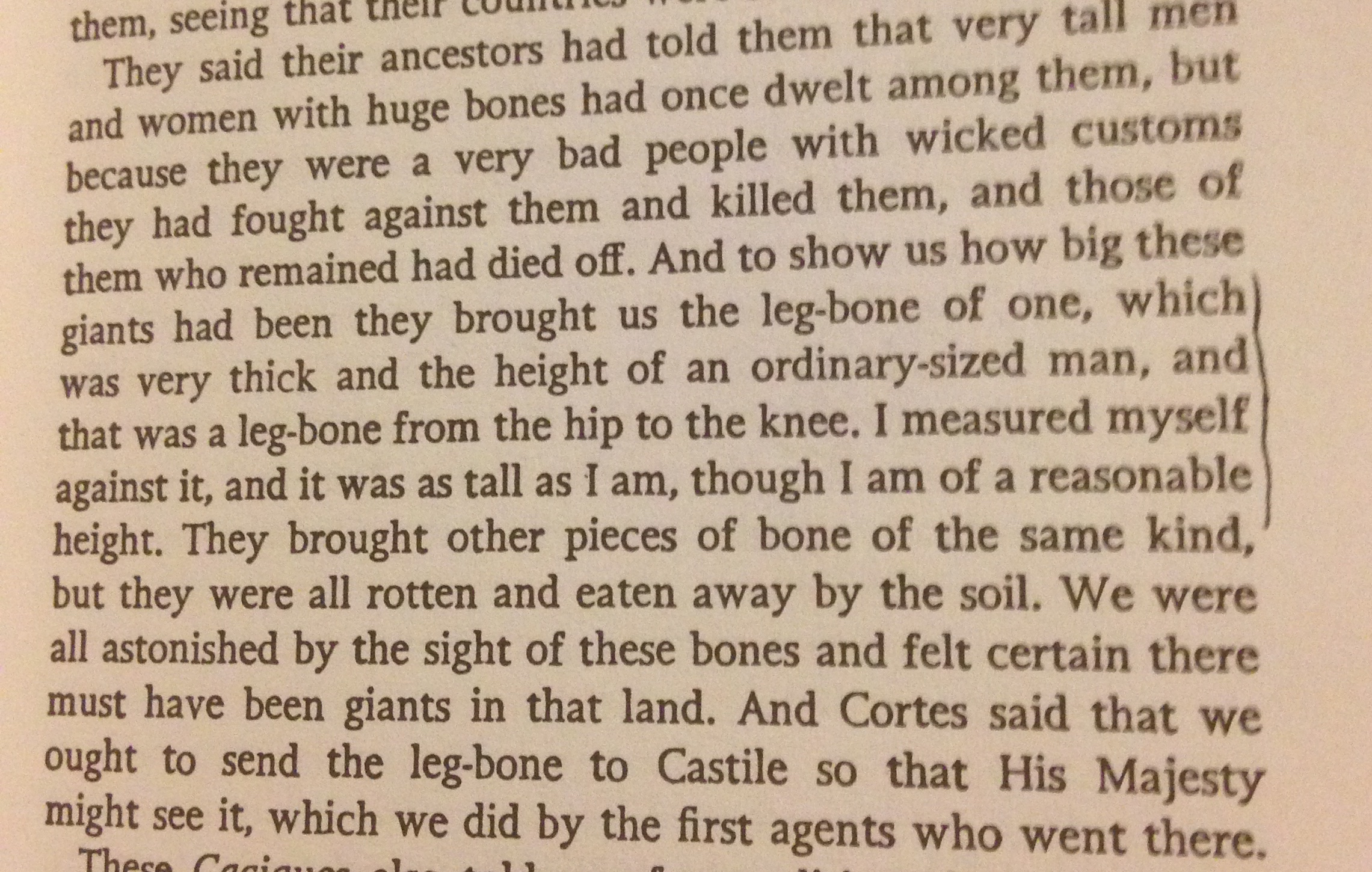 Some of Cortes guys’ want to quit. To which he says, basically, “we ain’t going back”:


Montezuma, meanwhile, was freaking out:
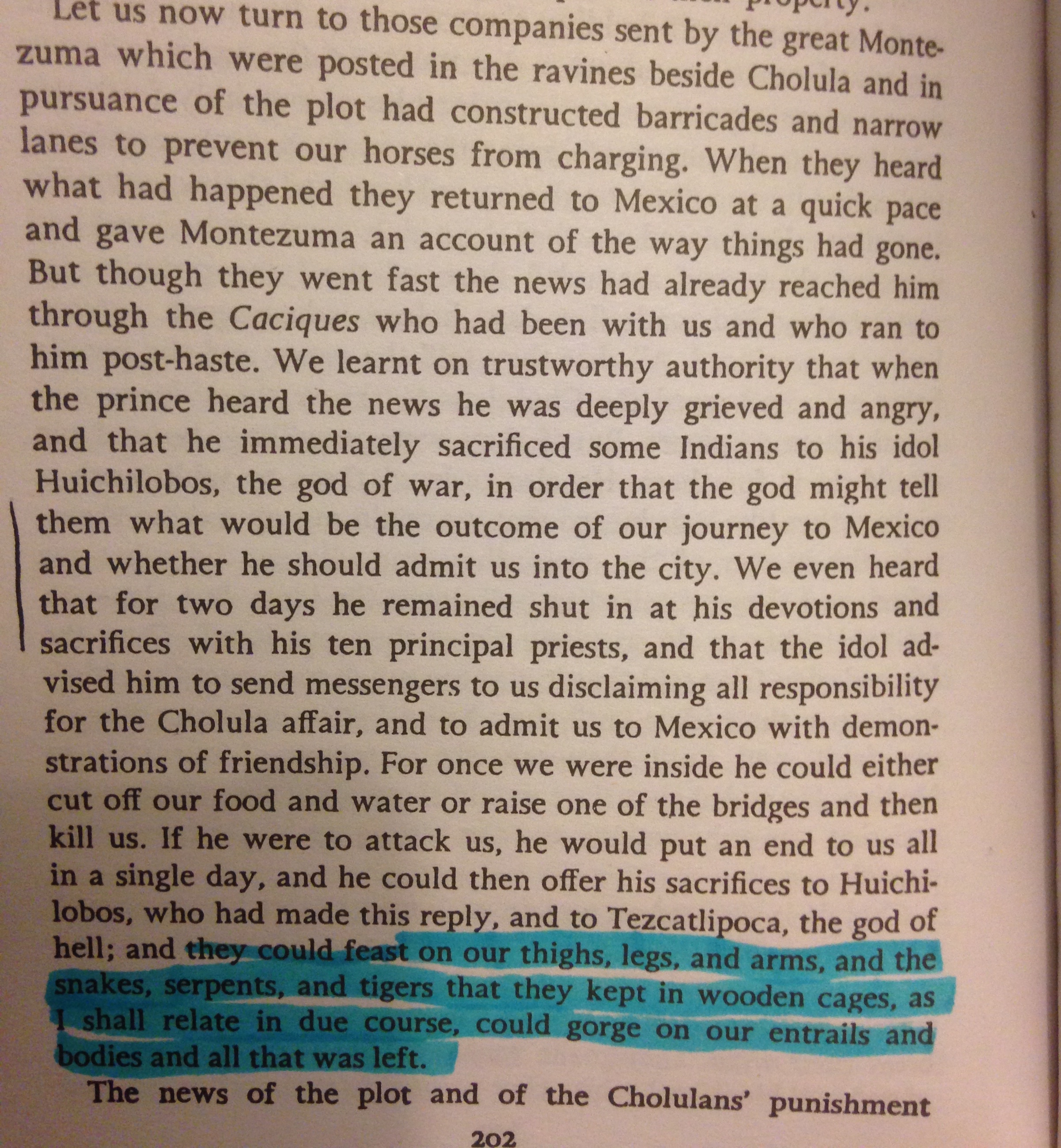

Diaz says they got to the town of Cholula – maybe twenty thousand people, who are not sure what to make of what’s happening. The Spanish round up the nobility of the town in the central square, and then, on the signal of a gunshot, they start massacring them all.

Diaz says this was all justified:


On the Spanish go. By now they have a growing mob of natives with them.
They come to a fork in the road. One side is blocked by pine trees. That’s the road that leads to Montezuma’s capital.

The Spanish climb over the ridge. And when they saw what was down there, Diaz says:
We were astounded… Indeed, some of our soldiers asked whether it was not a dream… it was all so wonderful that I do not know how to describe this first glimpse of things never heard of, seen or dreamed of before.
Next time on helytimes: the city of Tenochtitlan.

*Several times in his letters Cortés describes native temples as “mosques,” mezquilas. Kind of interesting. The Spanish had been fighting the Islamic Moors of North Africa for seven hundred years. Recent historians of all this consider this “Reconquista” important context for how Cortés and his guys did their thinking.
Bachelor’s Mexico
Posted: March 22, 2015 Filed under: Mexico, South America, trips Leave a comment
Helytimes readers – hey guys – will no doubt have noticed a decline in the quantity (but not quality?) of posts here lately. That’s because the deadline for my book keeps creeping up on the calendar.
That project’s got me pretty well busy, among other things with research. Today, for instance, I stopped by the Central Library in downtown LA to get my hands on a copy of Hernan Cortes’ letters to the Spanish king.
While I was in the “history of Mexico” section, a colorful volume attracted my eye:

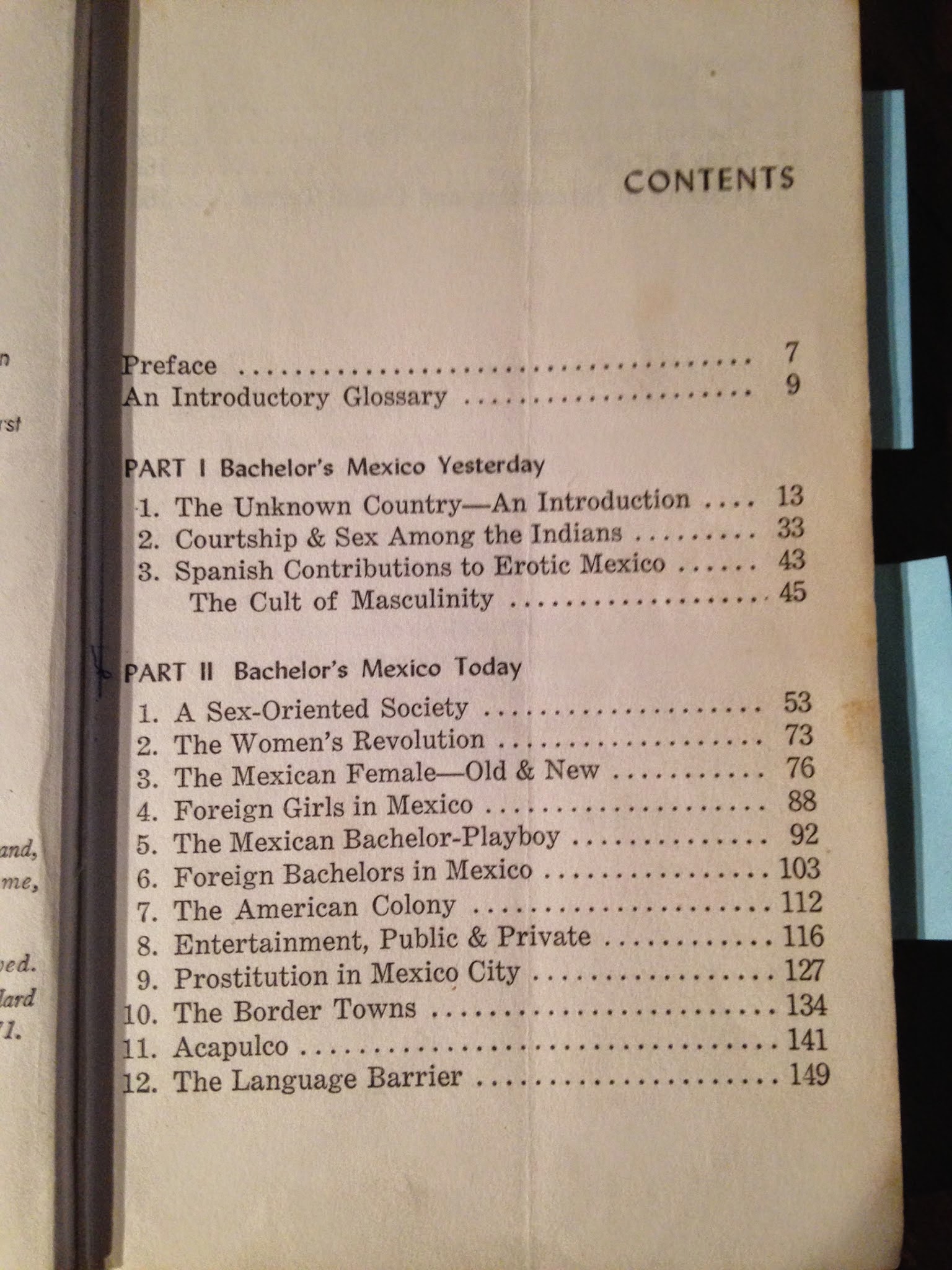
Most interesting might be the handwritten edit I found inside:

Other books by Boye de Mente:

From his wikipedia page:

De Mente with Ben Carlin during their crossing of the Pacific Ocean by amphibious vehicle in the late 1950s.


