Reality can be hacky!
Posted: September 9, 2015 Filed under: America, America Since 1945 Leave a comment
Reading this Jeffrey Goldberg article about Angola prison.
If you tried to come up with a name for a Louisiana prison warden, and you came up with Burl Cain, you would chide yourself for being a little “on the nose.”
Very positive way to spin the death of Tiffany 2
Posted: August 15, 2015 Filed under: America Since 1945, animals, cats Leave a comment
from the Guinness Book of World Records, exciting news from Oregon:

Good things about True Detective
Posted: August 10, 2015 Filed under: actors, America Since 1945, the California Condition Leave a commentSomething was cheesing me off last night about critics on Twitter piling on to this show. I mean, I guess that can be fun, I’ve been guilty of it myself. But, also, what the hell? You try making a TV show.
Sure, it didn’t make all the sense in the world. But it’s hard to make good stuff. I guess it’s worthwhile to explore why something doesn’t land, so you can think about how to make better stuff. But what’s the point of ongoing negative criticism, especially when attention is at such a scarcity relative to content? There’s so much TV out there, if you don’t like something shouldn’t you just skip it and talk about something you do like?
Anyway, I watched every episode of the show and here are some things I enjoyed. 
- Rachel McAdams wears very comfortable-looking hoodies/sweatshirt
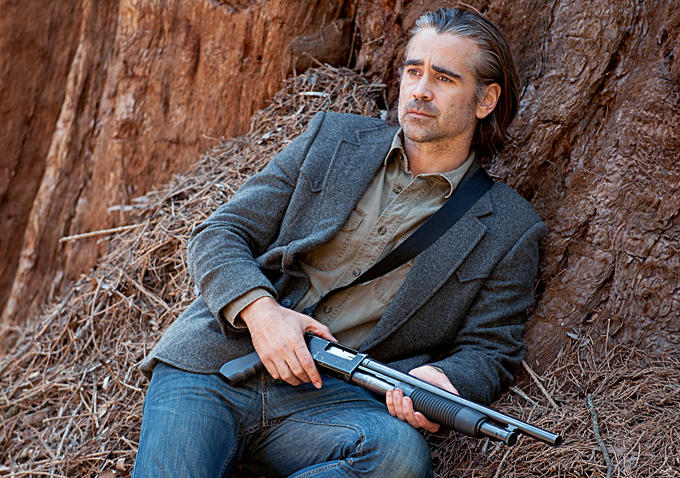
 Colin Farrell did a very good job I thought.
- I liked seeing the redwoods
- It was big and ambitious
- It was about secret evil/darkness/power/corruption at the heart of southern California, which is worth thinking about
- It was so unrelentingly bleak in a way that had to be a kind of pulpy choice, which is an interesting thing to do.
- I liked the way the girls were dancing in the shots of Venezuela
- The aerial footage of California was cool.
Archibald MacLeish
Posted: August 10, 2015 Filed under: America Since 1945 Leave a comment
Knew both Ernest Hemingway and Bob Dylan.
Was Laura Dern’s great-great-uncle.

Julie London
Posted: August 7, 2015 Filed under: actors, America Since 1945, music, the California Condition, women Leave a comment
came up on my Spotify. One great sentence after another on her wiki page:
In 1947, London married actor Jack Webb (of Dragnet fame). This pairing arose from their common love of jazz.

Her widely regarded beauty and poise (she was a pin-up girl prized by GIs during World War II) contrasted strongly with her pedestrian appearance and streetwise acting technique (much parodied by impersonators).

London and Troup appeared as panelists on the game show Tattletales several times in the 1970s. In the 1950s, London appeared in an advertisement for Marlboro cigarettes singing the “Marlboro Song” and in 1978 appeared in television advertisements for Rose Milk Skin Care Cream.

A private and introverted lady,[13] London suffered a stroke in 1995 and was in poor health until her death on October 18, 2000 (the day her husband, Bobby Troup, would have been 82), in Encino, California, at age 74.
In an interview, Mantooth claimed London “was not impish nor a diva. She was a soul, kind of mother. She was the kindest person I have ever known.” He also added, “I don’t know if it was up to her, but Kevin and I were both kept calm by her personality, when we were shooting in the hospital. Only Bobby Troup knew who she was…she was just like Julie! She made us laugh!”
Aug 6 1945
Posted: August 6, 2015 Filed under: America Since 1945, WW2 Leave a comment
Fireball of the Trinity Test, 0.016 second after explosion, July 16, 1945
At 10 a.m. on May 31, the committee members filed into the dark-paneled conference room of the War Department. The air was heavy with the presence of three Nobel laureates and Oppenheimer. Stimson opened the proceedings on a portentous note: “We do not regard it as a new weapon merely,” he said, “but as a revolutionary change in the relations of man to the universe.” The atomic bomb might mean the “doom of civilization,” or a “Frankenstein” that might “eat us up”; or it might secure world peace. The bomb’s implications “went far beyond the needs of the present war,” Stimson said. It must be controlled and nurtured in the service of peace.

Stimson, meanwhile, was personally preoccupied with saving Kyoto, the ancient capital whose temples and shrines he had visited with his wife in 1926. He requested that it be struck from the shortlist of targets. Japan was not just a place on a map, or a nation that must be defeated, he insisted. The objective, surely, was military damage, not civilian lives. In Stimson’s mind the bomb should “be used as a weapon of war in the manner prescribed by the laws of war” and “dropped on a military target.” Stimson argued that Kyoto “must not be bombed. It lies in the form of a cup and thus would be exceptionally vulnerable. … It is exclusively a place of homes and art and shrines.”

Kyoto
With the exception of Stimson on Kyoto—which was essentially an aesthetic objection—not one of the committee men raised the ethical, moral, or religious case against the use of an atomic bomb without warning on an undefended city. The businesslike tone, the strict adherence to form, the cool pragmatism, did not admit humanitarian arguments, however vibrantly they lived in the minds and diaries of several of the men present.

Stimson w/ Truman. George Skadding, LIFE Magazine.
Those quotes from this interesting Atlantic article by Paul Ham, excerpted from his book.
This blog goes deeper into the Kyoto decision, and the idea that Truman didn’t totally understand the power of the atomic bomb. (where I found that Stimson photo)
Highly recommend a listen to Allison Silverman’s 20 minute piece about “This Is Your Life” on This American Life, which includes a story about how they introduced a (drunk) Captain Robert Lewis of the Enola Gay to “Hiroshima maidens” on TV.
”If I live a hundred years, I’ll never quite get these few minutes out of my mind,” Captain Lewis said in his log of the Enola Gay’s mission, written in pen and pencil on the back of War Department forms, on Aug. 6, 1945.
”Everyone on the ship is actually dumbstruck even though we had expected something fierce. It was the actual sight that we saw that caused the crew to feel that they were part of Buck Rodgers’ 25th century warriors.”
FDR
Posted: August 5, 2015 Filed under: America Since 1945, heroes, history, politics Leave a comment
No man should run for president until life has driven him to his knees a few times.
Who does young FDR look like?
Making a difference
Posted: August 4, 2015 Filed under: America Since 1945, politics Leave a comment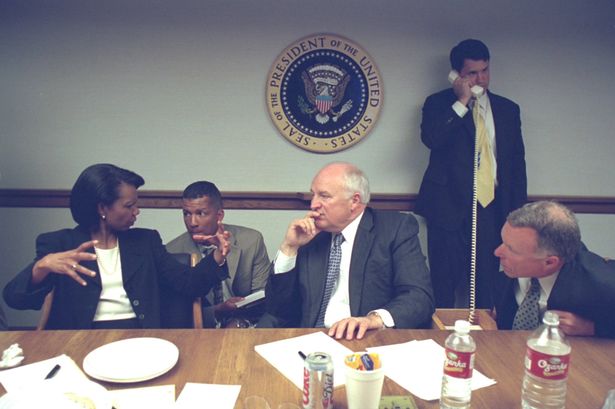
Ashley Weinberg, a psychologist at the University of Salford who has interviewed dozens of former members of the British Parliament about why they liked their jobs, says that the phrase “being at the center of things” kept coming up. That yearning doesn’t require convictions. “You’re sensing things happening around you,” Weinberg says. “Which is quite different from whether you want specificthings to happen around you.”
That’s from this interesting article about George Pataki, and why a longshot guy would run for president.
MANY CANDIDATESWITH no chance of victory run for president because of conviction. Like, say, Ron Paul in 2012 or Bernie Sanders today, they have a set of issues they passionately want to advance.
This does not, as far as I can tell, apply to George Pataki. As Jonah Goldberg put it in a column last month, Pataki seems to be “pretending to have core convictions just so he can run.” Even the Pataki website motto—”People over politics”—suggests a desire to avoid serious thought. And such an impression is nothing new. As Pataki’s third term as governor of New York was winding down in 2005 and 2006, The New York Sun wrote that “one looks in vain to discern any principle or idea that Mr. Pataki stands for consistently.” Columnist Deroy Murdoch wrote in National Review that Pataki was “a politician of breathtaking mediocrity” whose “lack of competence, charisma, and character composes a sickening trifecta.” Kindest was The New York Times, which complained that under Pataki “reform was a talking point, not a doing point,” while nonetheless conceding that, overall, “New Yorkers are well aware that it is possible to do worse.”
Another common explanation for why people choose to run doomed presidential campaigns is that it raises the odds of getting a Cabinet post. Perhaps Pataki wishes to be secretary of Agriculture? But that’s unlikely. While steering a federal department is prestigious, the work is hard. Which, I’m afraid, brings us to another harsh point made by many observers of Albany: that Pataki is not only light on convictions but also disinclined to exertion. “The consensus was he was a lazy guy,” says George Marlin, a leader of New York’s Conservative Party, who was appointed by Pataki to head the Port Authority but later became a prominent critic of the governor. “Energy was not his strong suit.”
In 2006, New York Post state editor Fredric Dicker described Pataki’s administration as one “marked by a torpidity unprecedented in modern times” and estimated, based on testimony from sources in Albany, that Pataki averaged about 15 hours of work per week. Meanwhile, The New York Observer saw a “legacy of laziness, mediocrity and pervasive neglect of the public interest.” The 15-hour-a-week claim seems improbable, of course, and Pataki’s spokesperson David Catalfamo calls it “ludicrous,” saying no one lazy could get elected three times, enact numerous changes, or steer the state through the aftermath of September 11. But it’s fair to say that those who praise Pataki tend to mention intelligence or analytical power rather than midnight oil.
Amazing.
It reminded me of seeing Rahm Emanuel once on Charlie Rose. Asked why he’d wanted to run for Congress, he said “to make a difference.” Charlie nodded. Humans are obsessed with “making a difference” in general, but (duh) not all difference is good.
It seems, when you read about politics, that a lot of people go into it to sort of pretend to others and maybe to themselves to be doing something, without necessarily figuring out what they should be doing.
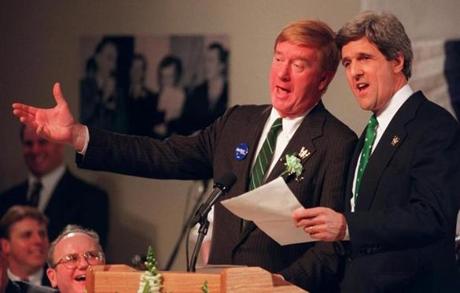
Governor William Weld and Senator John Kerry sang together in 1997 during the St. Patrick’s Day Breakfast. Michael Robinson-Chavez/Globe Staff/File 1997
A guy who seemed to be a great case study in this when I was growing up reading the newspaper was Bill Weld, Governor of Massachusetts, who, it seemed pretty clear, basically got bored of the job before he was out of office. How about this, from a 2004 James Fallows article previewing Bush-Kerry debates. Fallows is talking about when Weld and Kerry debated during the 1996 campaign for Senate
But they differed in a crucial way. Kerry tried harder. His tone was more appropriate to a TV debate (Kerry was understated and almost languid, Weld strangely blustering). He was quicker to turn each answer into an attack. And he more clearly figured out the theme that would be troublesome for his opponent, as he hammered home the idea that Weld was a comrade of Newt Gingrich and the national Republican Party—a kiss of death in Massachusetts. (Perhaps illustrating the truism that aristocrats don’t sweat off the squash court, on the day of the first debate Weld was worrying about a chess match against a journalist. “I would advise the President not to engage in any chess games by mail while engaged in debates with Senator Kerry,” Weld told me. “I was studying the chess game in my office and also preparing for the debate that night—and I made just a little bit of a mistake and lost a pawn. And I really hated losing that pawn.”)
Obviously he’s being a bit of a showoff, WASPy understatement etc., but man. Everything’s just an amusing game to this guy. From Weld’s wikipedia page:
In July 1997, Weld was nominated to become United States Ambassador to Mexico by President Bill Clinton. His nomination stalled after Senate Foreign Relations committee Chairman Jesse Helms refused to hold a hearing on the nomination, effectively blocking it. … This refusal to hold hearings was also rumored to be at the request of former United States Attorney General and friend of Helms, Edwin Meese. Meese had a long-standing grudge against Weld stemming from Weld’s investigation of Meese during the Iran-Contra affair. Weld publicly criticised Helms, which the White House discouraged him from doing, but Weld relished the opportunity, saying: “It feels like being in a campaign. I feel newly energized. I love to stir up the pot. I seem to click on more cylinders when the pot is stirred up.”
Very human, I guess. But perhaps either unsettling or amusingly absurd to think on how much of history might be driven by just people’s desire to stir the pot and click their cylinders. Boredom, in other words.
Whole Foods didn’t have the mezcal I like
Posted: July 31, 2015 Filed under: America Since 1945, food, world Leave a comment
You can call that the ultimate #firstworldproblem. But I bet not being able to find your favorite alcohol is a relatable problem in every nation on Earth, among every race* and at every level of wealth and poverty.
* how many races are there? is this a useful way to categorize people? was it ever? (was thinking the other day about “Asian/Pacific Islander.” Are a Tongan and a Han Chinese in Beijing any more related than a white guy from Dublin and a black man from Senegal? )
Live Great Debates Tonight
Posted: July 27, 2015 Filed under: America Since 1945, comedy 1 Comment Guys! Really excited about tonight’s Great Debates Live at the UCB on Sunset. If you’re in LA hope you’re considering coming, last I checked there were 14 tickets left. The UCB’s doing us a huge solid by letting us perform there, would be great to sell it out. We’ve got some great fun planned, special guests. Little Esther is gonna warm up the crowd:
You can buy a ticket for five bucks right here:
https://sunset.ucbtheatre.com/performance/40748#reservation
But before we can all have fun together, I do have to just dispense with an unpleasant sort of cloud that’s hanging over this event. The rumor that so-called “Debater X” is planning some kind of mischief for tonight’s live Great Debates event is just that — a rumor. This is a guy who won’t even reveal his face, let alone his name, so how he acquired any credibility at all is beyond me. The best theory I heard — by best I mean most amusing in its ridiculous — is that Debater X is a famous athlete. HIGHLY doubt it. Just doesn’t fit the psychology here.

Please. The lamest thing about Anonymous is that they saw this and were like “COOL LOOK!”
What “Debater X” is is something much simpler. He’s a troll. Trolls are all too common in the anonymous world of the Internet, where you can hide behind your avatar and fire darts from the safety of a desk covered in crinkled Chipotle wrappers. So, do not worry about Debater X, just grab a ticket, come on out, show’s at 8:30pm, enjoy yourself!
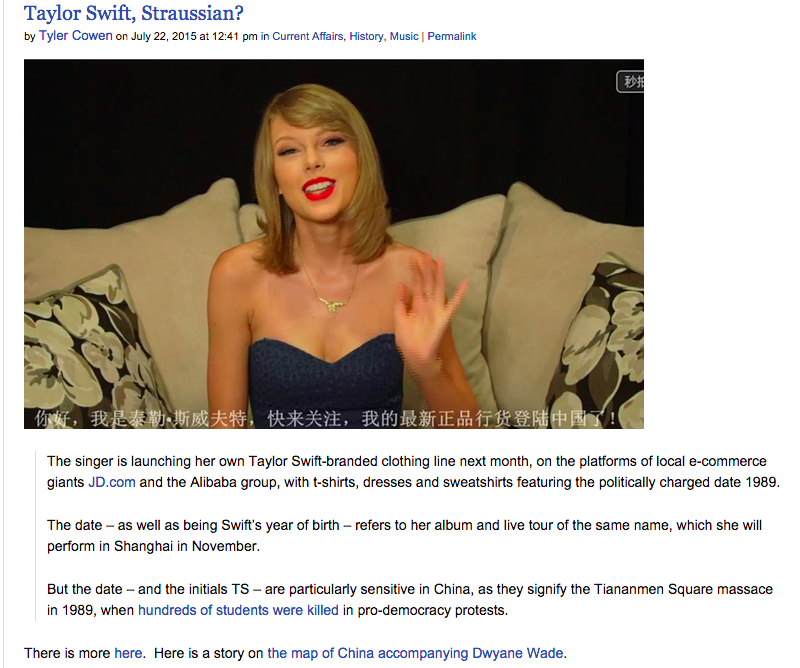
There are no coincidences.
Posted: July 22, 2015 Filed under: America Since 1945 1 CommentLifting this wholesale from Tyler Cowen:
E. L. Doctorow
Posted: July 22, 2015 Filed under: America, America Since 1945, writing 1 CommentINTERVIEWER
You once told me that the most difficult thing for a writer to write was a simple household note to someone coming to collect the laundry, or instructions to a cook.
E. L. DOCTOROW
What I was thinking of was a note I had to write to the teacher when one of my children missed a day of school. It was my daughter, Caroline, who was then in the second or third grade. I was having my breakfast one morning when she appeared with her lunch box, her rain slicker, and everything, and she said, “I need an absence note for the teacher and the bus is coming in a few minutes.” She gave me a pad and a pencil; even as a child she was very thoughtful. So I wrote down the date and I started, Dear Mrs. So-and-so, my daughter Caroline . . . and then I thought, No, that’s not right, obviously it’s my daughter Caroline. I tore that sheet off, and started again. Yesterday, my child . . . No, that wasn’t right either. Too much like a deposition. This went on until I heard a horn blowing outside. The child was in a state of panic. There was a pile of crumpled pages on the floor, and my wife was saying, “I can’t believe this. I can’t believe this.” She took the pad and pencil and dashed something off. I had been trying to write the perfect absence note. It was a very illuminating experience. Writing is immensely difficult. The short forms especially.
from here of course.
The only Doctorow I read is this one, which is great:

I also read the beginning of this one:

Billy Bathgate has a lot of sexy stuff in it that I really appreciated at the time (16?). Both books start with one guy violently taking the woman of another guy as the other guy is more or less forced to watch. It’s pretty primal and intense shit. Welcome To Hard Times was even a little too much for me.
DOCTOROW
Well, it can be anything. It can be a voice, an image; it can be a deep moment of personal desperation. For instance, with Ragtime I was so desperate to write something, I was facing the wall of my study in my house in New Rochelle and so I started to write about the wall. That’s the kind of day we sometimes have, as writers. Then I wrote about the house that was attached to the wall. It was built in 1906, you see, so I thought about the era and what Broadview Avenue looked like then: trolley cars ran along the avenue down at the bottom of the hill; people wore white clothes in the summer to stay cool. Teddy Roosevelt was President. One thing led to another and that’s the way that book began: through desperation to those few images. With Loon Lake, in contrast, it was just a very strong sense of place, a heightened emotion when I found myself in the Adirondacks after many, many years of being away . . . and all this came to a point when I saw a sign, a road sign: Loon Lake. So it can be anything.
How about:
INTERVIEWER
For describing J. P. Morgan, for an example, did you spend a great deal of time in libraries?
DOCTOROW
The main research for Morgan was looking at the great photograph of him by Edward Steichen.
Google Image Search “Morgan by Edward Steichen”:

Good one from cuz
Posted: July 22, 2015 Filed under: America Since 1945, family, Texas Leave a comment
more.
Yes to this attitude!
Posted: July 20, 2015 Filed under: America Since 1945, writing Leave a comment
4,835 words on Ta-Nahesi Coates and Gawker controversy and Donald Trump
Posted: July 17, 2015 Filed under: America Since 1945, animals, Kennedy-Nixon Leave a comment ; ) just kidding! Instead here:

“My mother told a funny story,” says Caroline Kennedy, who is now the US ambassador to Japan, but was once – a little over 50 years ago – a toddler growing up in the White House.
“She was sitting next to Khrushchev at a state dinner in Vienna. She ran out of things to talk about, so she asked about the dog, Strelka, that the Russians had shot into space. During the conversation, my mother asked about Strelka’s puppies.
“A few months later, a puppy arrived and my father had no idea where the dog came from and couldn’t believe my mother had done that.”
The puppy was Strelka’s daughter, Pushinka, listed on her official registration certificate as a “non-breed” or mongrel.
“Pushinka was cute and fluffy,” says Ambassador Kennedy – in fact the Russian name translates as Fluffy.
(from)

From the Traphes L. Bryant oral history over there at the JFK Library:
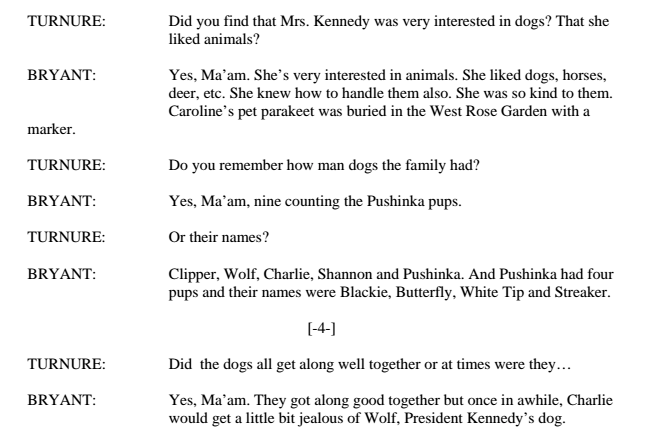 And:
And:
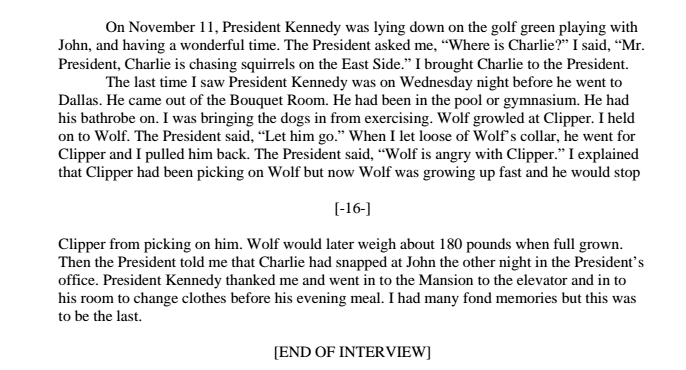
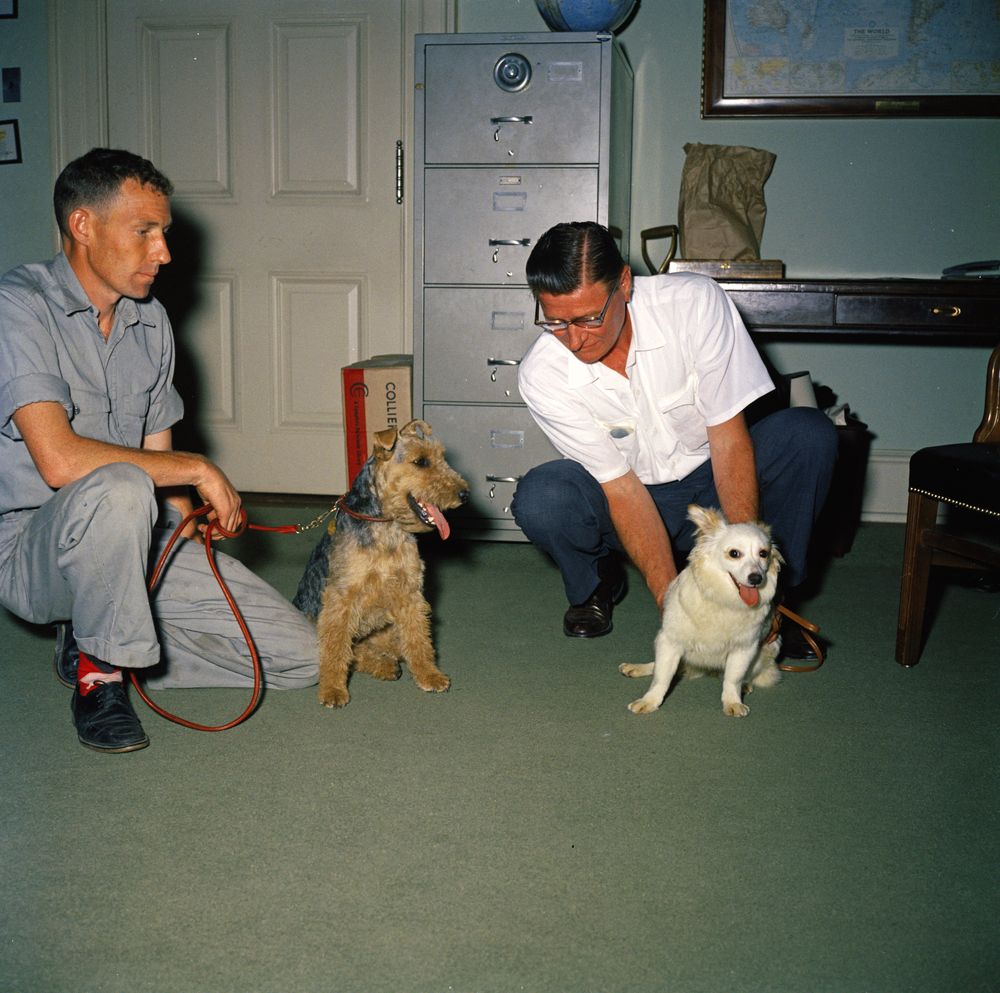
Charlie and Pushinka:
The Relationship That Dares Not Speak Its Name
Posted: July 8, 2015 Filed under: America Since 1945, love 4 Comments
The relationship that is so important and yet perhaps the hardest to express and discuss is FRIENDSHIP.
You love your friends. You love them so much. How to tell them? Can you? Should you? Is it acceptable? Are there rituals for it? Can other people ever understand it?

Is the expression of this part of what we love in sports?
Maybe the difficulty of expressing this relationship is why it makes for such powerful art.
What is the power of this gif from Broad City?

It is that Ilana is having almost orgasmic feelings, not from sex but from friendship-love for Abby*.
I haven’t seen all of Broad City, but I bet there’s a lot more of this emotion than there is of sex-having joy, or man-woman emotion.
I remember in high school my English teacher calling our attention to an essay called “Come Back To The Raft Ag’in Huck Honey” by Leslie Fielder. It’s not easily avail online but by the first sentence it’s talking about homosexual tension between Huck and Jim, who remember spend the whole book on a raft together, close as can be:
Fiedler’s first critical work appeared in 1948 and came about from his habit of reading American novels to his sons. The essay appeared in Partisan Review (enabled by Fiedler’s recent acquaintance with Delmore Schwartz) and was the subject of a great amount of critical debate and controversy. “Come Back to the Raft Ag’in, Huck Honey!” argued a recurrent theme in American literature was an unspoken or implied homoerotic relationship between men, famously using Huckleberry Finn and Jim as examples. Pairs of men flee for wilderness rather than remain in the civilizing and domesticated world of women. Fiedler also deals with this male bonding in Love and Death in the American Novel (1960), Waiting for the End (1964) and The Return of the Vanishing American (1968).
As Winchell wrote in his book on Fiedler, “Reading ‘Come Back to the Raft’ over half a century later, one tends to forget that, prior to Fiedler, few critics had discussed classic American literature in terms of race, gender, and sexuality” (Winchell 53). Fiedler emphasized the fact the males paired in these wilderness adventures tend to be of different races as well, which created an additional critical dimension. “Come Back to the Raft” not only caused a stream of letters of protest to be sent to Partisan Review, but it also was attacked by the critical community. For instance, Queer theoristChristopher Looby argues that Fiedler’s claims were noticeably given from a 20th Century urban perspective and did not adequately address the time period in which Huckleberry Finn was written (i.e. the debate on the sexuality of Abraham Lincoln).
Well, call me a square, but I don’t think Huck Finn is really about queer theory. I think it’s about men bonded together in friendship. No sex, just men intensely and closely together.
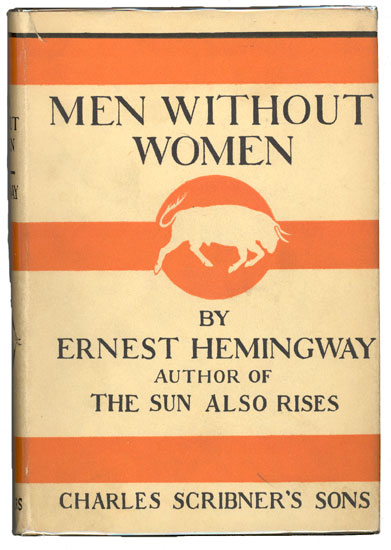
Hemingway as us. puts it succinctly:
I think intense, almost inexpressible friendship is a theme that runs through American literature, and probably world lit.
Many, many times in the history of America, men were bonded to each other in intense ways. And women were bonded to each other in intense ways. That’s how they got through life.
Forget history: think of your own life.
There is little language or ritual for this relationship. The big ritual is marriage: man and woman (and now man/man, woman/woman etc. but it’s not the same thing).

In a way, at a wedding you’re saying goodbye to your friend relationships.
The two most popular TV shows of my youth, Friends and Seinfeld, were about friends who are bonded to each other.
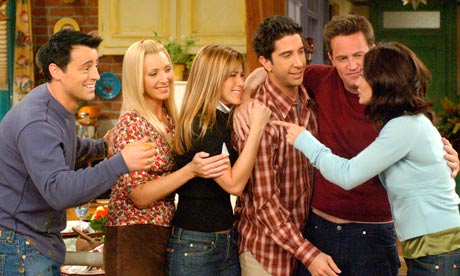
The romantic relationships they form are disposable by comparison.
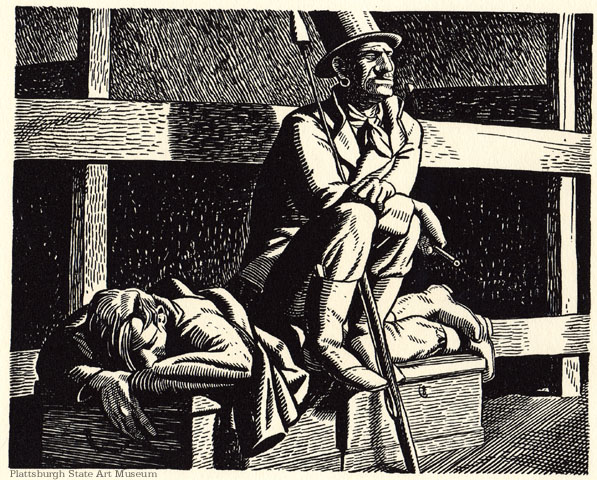
What’s going on in Moby-Dick, really? What’s the most important relationship in this book with almost no women?
You could say it’s the friendship between Ishmael and Queequeg?
How about Gatsby? The whole summer over which Gatsby occurs, Nick is dating some chick named Jordan who he in the end discards as unworthy. What relationship from that summer was important to Nick? His friendship with another dude. How about this moment when Gatsby lives up to Nick’s dream of him?:
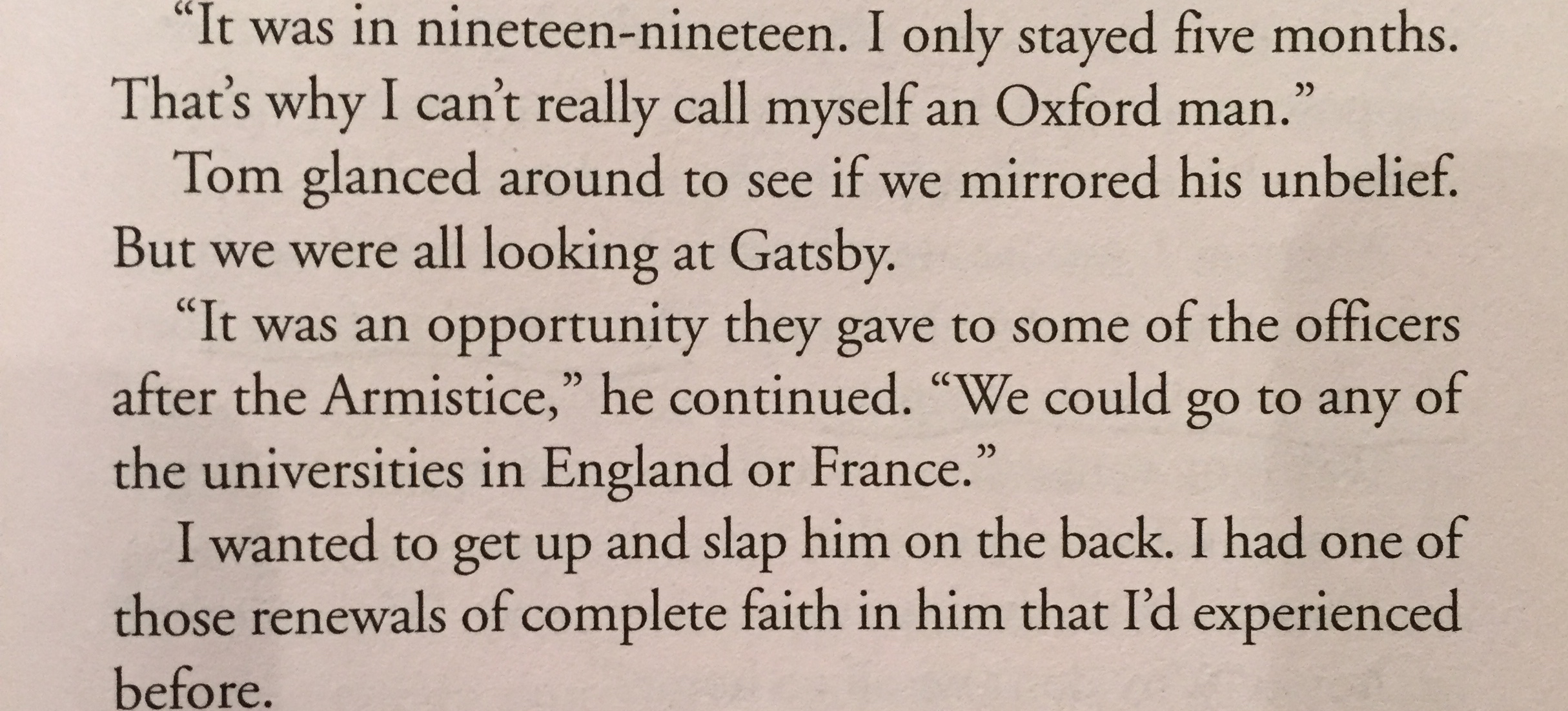
I wanted to get up and slap him on the back. I had one of those renewals of complete faith in him that I’d experienced before.
Gatsby is like a love letter from Nick to his great, doomed friend.
Why was True Detective good last year and not good** this year? Tons of reasons (if you agree with the premise).
But last year it was about partners. Male partners.
Not sex partners — geez, it’s not all sex. Men can love each other without fucking. True Detective 1 is about guys who had to be loyal to each other. In the beginning, and also the “end,” in fact, they hate each other. But in the true end? They are there for each other. They love each other so much it breaks your heart. Isn’t the last shot or whatever Harrelson carrying McConaughey?
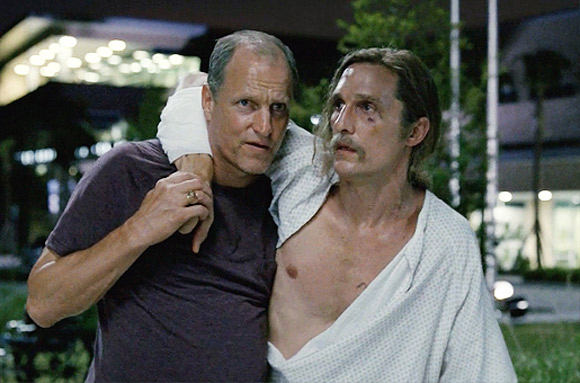
(Yeah I’m no dunce, I know that’s also meant to be Jesus or whatever too — for that matter, what are the Gospels about if not friendship and love among bros?)
What is Entourage about?
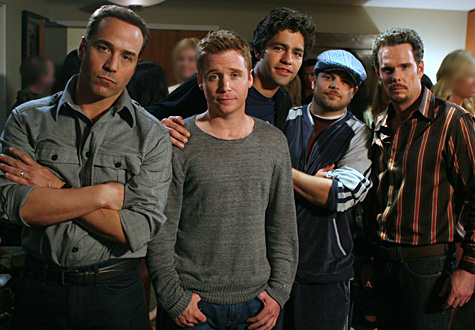
I started watching Ballers this year. Ballers = Entourage but about sports, right? I’m sure that’s how they pitched it.
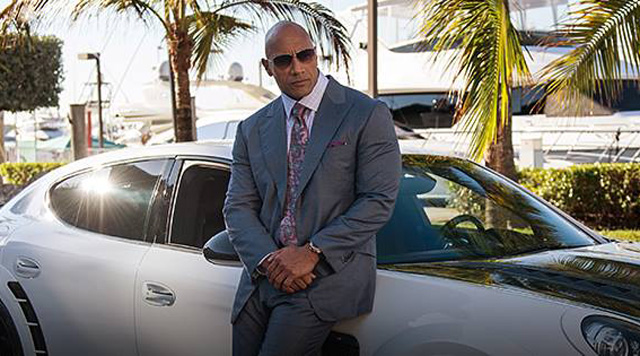
But Ballers sucks** so bad it makes you revisit and consider what made Entourage tick.
What was Entourage about? Friends. Male friendship. It’s so awkward to talk about that the only way the Entourage dudes could express it was in talking about fuckin’ chicks, or making fun of how gay Lloyd is. There are (at least in the movie) zero emotional moments between men and women in Entourage. The emotion is men, trying so hard to express something that their culture/life whatever gives them no language for: the non-sexual love between men.
Ballers sucks because The Rock has no real friends in it. Who is his friend, Corddry?

C’mon.
In Ballers, there’s no loyalty to a friend that he puts above everything else in his life.
Consider The Bridges At Toko-Ri, by James Michener. (I’m stealing this point from some military guy in an interview. I can’t remember who. When I find it I’ll post, this bit about Bridges at Toko-Ri is more or less a summary of what some guy said in something I read years ago:)
In this movie/book, William Holden has a great life, post-war. But he’s called back to war to help out his shipmate. His wife, Grace Kelly, can’t understand this relationship. Who cares? Stay with your great life and wife and kids! She doesn’t understand “shipmates.” But William Holden knows it’s the most important relationship in his life.
In the end, he dies in a ditch with his friend Mickey Rooney. This was his fate, to die with his friend. Tragic, maybe, but noble.
How about this?
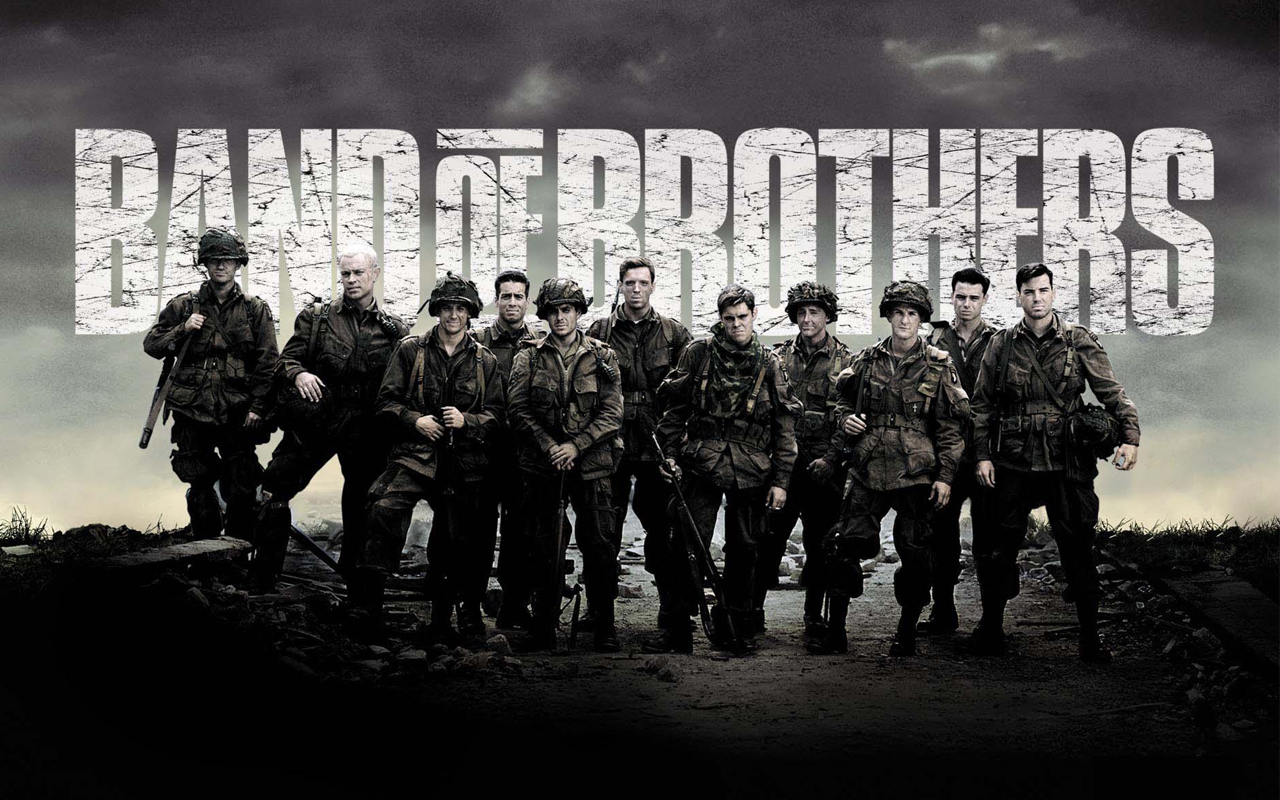
What you read about in books about war is men bonded to each other so deeply, so intensely, beyond anything they’ve ever felt before.

famous one from the Korean War by Al Chang, whose career seems worth investigating at some later date.
… and then it’s gone. It can never come back.
If you survive you get on with the regular relationships of life, always missing the closeness you once had.
What is Broad City about?

Friendship. A time in your life that will not last forever when your most important relationship, a relationship transcending all other bullshit, a relationship felt so deeply you almost can’t take it, is friendship.
My point is just: friendship is such a big deal in life. But we hardly even have language to talk about it. So exploring it can make powerful art/comedy/drama.
* I think, not 100% sure on the context here, as always write me if I’m wrong as I so often am.
** so far — I’m a believer and rooter-for.
Cleanin’ out my DVR
Posted: July 6, 2015 Filed under: America Since 1945, Indians, TV Leave a comment One of the local public broadcasting stations here in SoCal aired an episode of the Berenstain Bears in Lakota.
The Lakota language represents one of the largest Native American language speech communities in the United States, with approximately 6,000 speakers living mostly in northern plains states of North Dakota and South Dakota.
The USWNT
Posted: July 2, 2015 Filed under: America Since 1945, sports Leave a comment
I gotta say, I’m enjoying the women’s World Cup, and I am for the US women. I like Tobin Heath

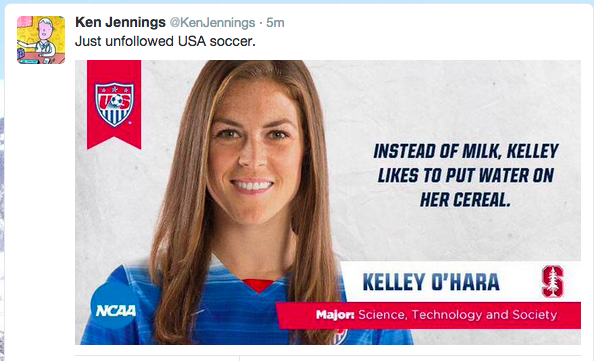
And Kelley OHara

And Sydney Leroux

I like this:

And I like that Alex Morgan wrote a bestselling book for middle schoolers:

This is the only one star review:

Do agree with Ken that this is troubling:
Summer
Posted: June 29, 2015 Filed under: America Since 1945, California, the California Condition 1 Comment
Wait! You can’t be shut down for summer! I need my Helytimes!
writes reader Melanie in Nashville. Aw, thanks! Don’t worry, there’s tons to read… in the archive!

There have been over 560 posts on Helytimes. Here are the ten most popular:
1) Sundown by Gordon Lightfoot
Off the charts most popular post, because of people googling supposed inspiration/John Belushi partyfriend Cathy Smith
Those’ll keep coming over the summer!
3) Cinderella and Interrogation Technique
Disney + Nazis will bring ’em in.
A personal passion
5) What was up with European witch trials?
Feel like this is my wheelhouse, summarizing dense history of the general reader, but it’s a lot of work to write posts like this.
6) Ships’ Cats
I mean, for Convoy alone.
The “it man” of Norwegian literature!
Just a real great story.
9) Losing The War by Lee Sandlin
This blew my mind, some of the best writing I’ve ever read on WWII.
10) Coaches, parts 1 and 2.
About Pete Carroll, Nick Saban, and Bill Belichick
Now, here are just some personal favorites:
– Record Group 80: Series: General Photographic File Of the Department of the Navy, 1943-1958
Here’s stuff related to a current project:
– The Conquest Of New Spain by Bernal Diaz
Here is some backstory on Donald Trump, lately in the news:
You can also browse yourself by category. Probably the deepest holes are
– Music
See you later!
Shuttin’ Up For Summer
Posted: June 28, 2015 Filed under: America Since 1945, heroes, writing 1 Comment
Time for summer vacation here at Helytimes!
Before I go there were a couple things to get out of my system:

New David Brooks book
I like David Brooks, I’ve read all his books. Lately he’s been getting hammered by the millennials. That’s gonna happen when you tell people stuff they don’t wanna hear, true or not, and you don’t seem to actually have it all figured out yourself. Whatever, he has an exhausting job. Shouldn’t Times columnists take a year off every so often?
The message that’s at the center of this book might be, you must work hard every day at being a better person.
Who would disagree with this? Yet it’s not really a message we hear that often.
Brooks thinks people used to hear this message all the time, it was part of the public life or public religion or culture of this country. As his sparker example, he cites a radio broadcast he heard from the end of WW2:
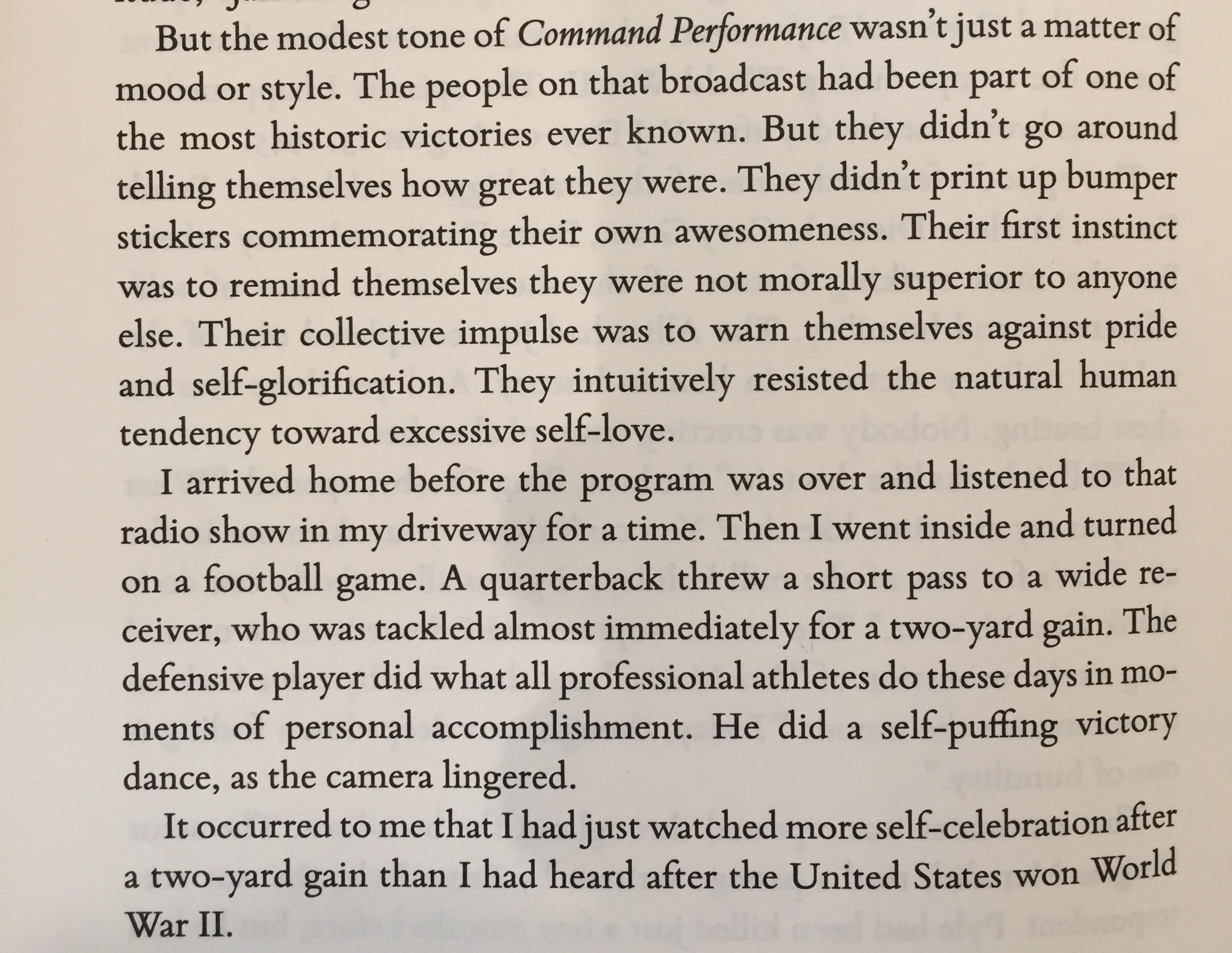
Well, ok. But maybe they were somber because three hundred thousand American guys had gotten killed, half of Europe was leveled, China was fucked, they’d just dropped two world-changing weapons on Japan, there was footage somewhere of bodies being shoved into ditches by bulldozers at Nazi camps, and we might have to fight the Soviets tomorrow.
Maybe they were just tired and exhausted and depressed.
As for the football thing, you know durn well that’s not a fair comparison, Brooks. You’re being glib. An adrenalined athlete and a broadcast at the end of a war are going to have different tones.
Anyway. The book is mini-biographies of:

George Marshall
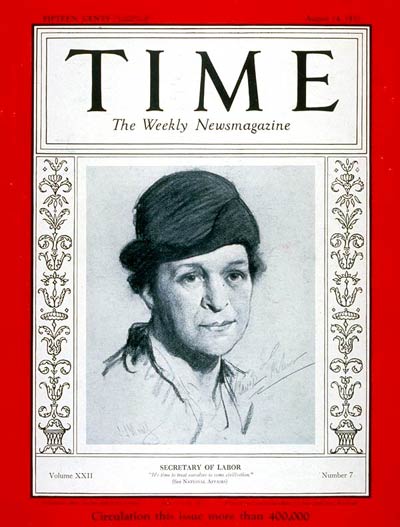
Francis Perkins
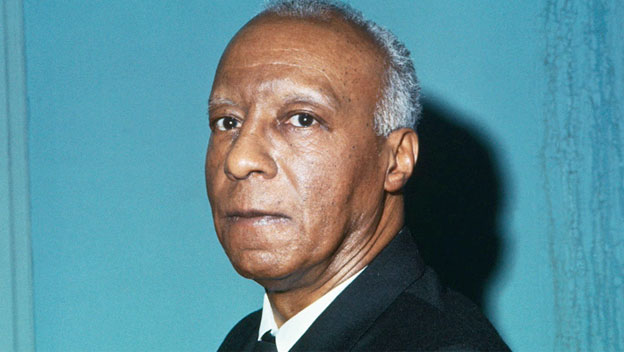
A. Philip Randolph
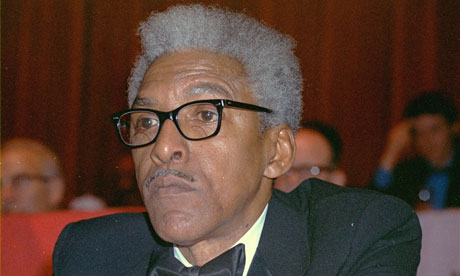
Bayard Rustin

Dorothy Day (a fox, Brooks, you should’ve mentioned that, kind of part of the story here)
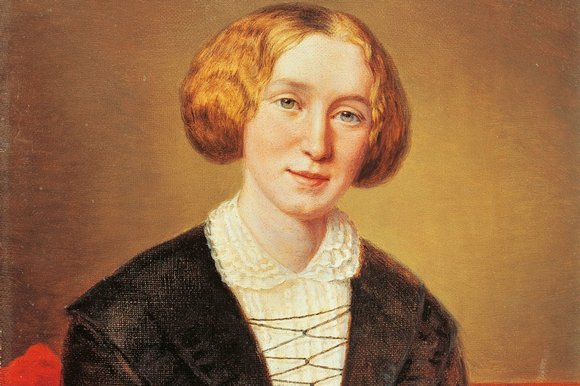
George Eliot
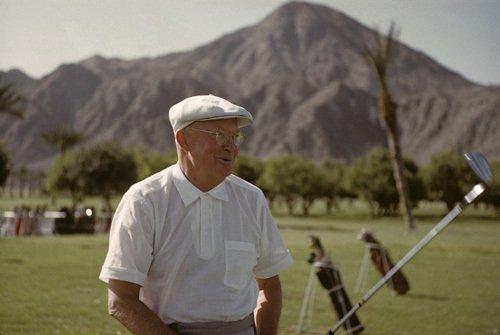
Dwight Eisenhower
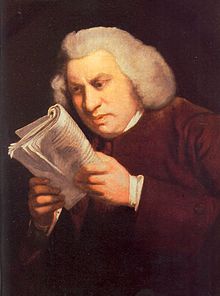
Samuel Johnson plus there’s Johnny Unitas, etc.
Those are all good. Who doesn’t love little biographies?
The basic message is that all these people worked hard to be their best, to find what that was, sort out their values and then live up to them. They overcome crazy challenges, achieved impossibilities, etc.
The world these people grew up in was very different. For one thing it was way poorer. It was way slower. It was traditional. It was segregated. Some of these people worked to change those things, others were like the embodiment of preserving those values.
So not all the lessons are easily transferable. Eisenhower and Marshall were military guys. Day worked in the Catholic tradition. Perkins and Eliot were from rigid semi-aristocracies. Maybe a moral of this book might be “use the values you’ve been taught. Lock into some tradition and try to advance it.” That’s an interesting idea.
One thing that I think is a fake claim in the Brooks book is this:
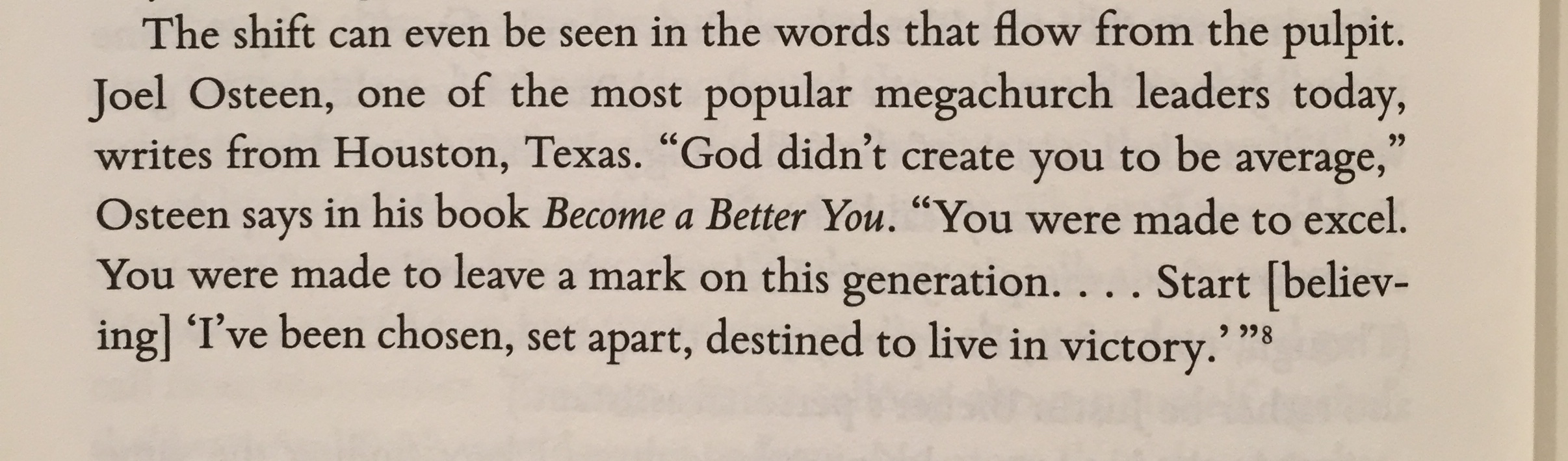
Well whatever, Joel Osteen gives me the willies, but all these characters Brooks describes believed they were “made to excel… to leave a mark on this generation… chosen, set apart”
On the whole though, the book was a fine read, and it’s worth thinking about this stuff. It reminded me of the lectures my high school headmaster used to give. There was a lot of sense in them, I look over this book of them a lot.
This is a fair slam on Brooks’ book.
When Your Enemy Wants To Surrender, Let Him.

Disappointed Brooks wrote a column about Lee without noting my and Bob Dylan’s work on the topic. As it happens I’ve been thinking about Lee a lot lately.
Grant, who’d seen thousands of people, many of them children, die horrible deaths because of Lee’s brilliance, because of his perseverance, because of his ability to inspire an army, Grant who’d lost friends and had to send his own guys to get killed by the thousands because of Lee, treated him with utmost magnanimity.
Here is what Grant says about Lee when they met at Appomattox:
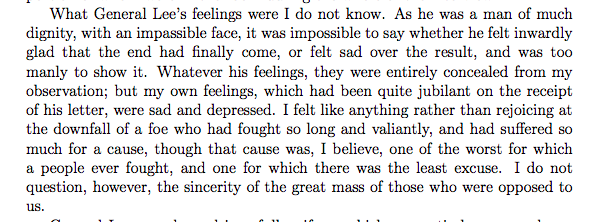
The best one hour about Lee for my money is this PBS American Experience doc, avail free on my PBS Roku channel:
(How hard does American Experience dominate?)
Union General Montgomery Meigs thought of a punishment for Lee. He turned Lee’s wife’s ancestral home, to which Lee hoped to retire one day, into a fucking cemetery:

As for naming schools after him? Sure — maybe it’s a good lesson about how you can have some amazing qualities but be wrong about the most important things of your age. Kids can be reminded every day to ask “what might I be wrong about? what are we ALL wrong about?”
But also who cares? We can and should change our heroes as time goes on. Name it after the next guy. Name all those schools after Harriet Tubman or Sally Ride. Or Francis Perkins or Bayard Rustin.
Anyway: summer!
(I enjoy fails but I do prefer when I know for sure the guy isn’t paralyzed.)
If you need me btw you can find me here!:

– one of the prettiest songs ever written, says Dick Clark.
 Helytimes