Boston (England)
Posted: October 27, 2017 Filed under: Boston, New England, writing Leave a comment
There’s a lot of crime fiction about Boston, America, but is there any about Boston, UK? I went looking and was directed to the works of Colin Watson, who writes about a fictional town, Flaxborough, which is based on Boston (UK version)?

I can’t say it was totally compelling to me but cheers to Colin Watson.
Watson was the first person to successfully sue Private Eye for libel, for an article in issue 25 when he objected to being described as: “the little-known author who . . . was writing a novel, very Wodehouse but without the jokes”. He was awarded £750.
Trump: Our First Mexican President
Posted: October 26, 2017 Filed under: Mexico, the California Condition, Wonder Trail Leave a commentAn inflammatory clickbait headline but I have a point.

Excerpt from Trump’s presidential announcement speech, as transcribed by Time:

Did he say “they’re rapists” or “their rapists,” as in “they’re bringing crime, their rapists”?
The latter seems to me the kind of way Trump talks. We in the media (everybody) hurt the anti-Trump cause if we do anything that could remotely be considered exaggerating. It’s not necessary, the person who gave this speech obvi shouldn’t be President, whether he said “they’re rapists” or “their rapists.” Why not give him any margin calls to avoid accusations of unfairness?
Whatever — the point is Trump’s candidacy was driven by fear of Mexico / Mexicans, South America and Latin America.
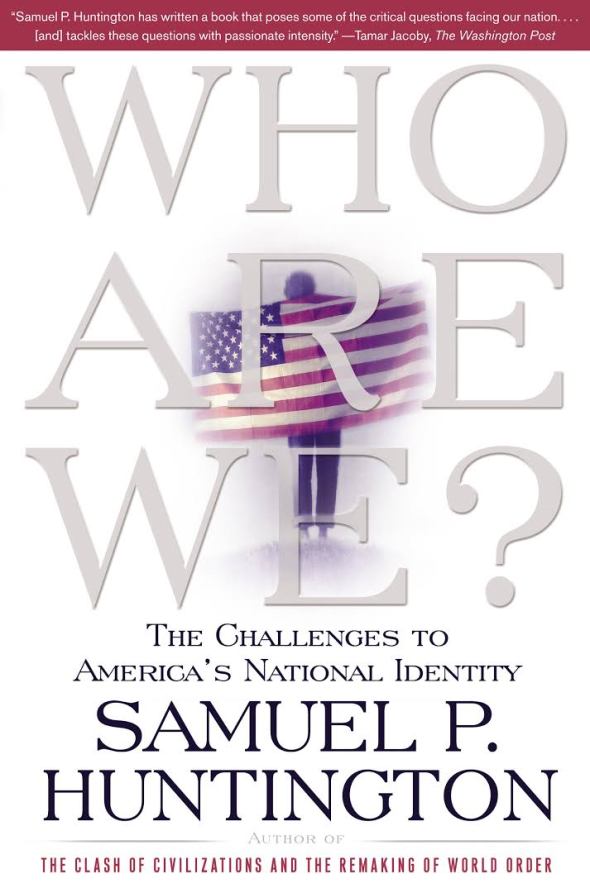
Concern that the Anglo-Protestant tradition of America was about to be overwhelmed or subsumed or at least weakened by a Mexico-Catholic-Hispanic tradition is as old as Anglo-Protestants and Hispanic-Catholics sharing a continent I reckon. It’s a theme in this book, for instance.
My suggestion here is that what could be more Latin American than electing a bullying gangster/businessman who talks like this?:
Trump might build a wall, but Latin American style politics has come to us.
My Chilean buddy mentioned that when he saw Trump at the U. N., he thought, “oh he’s Chavez.”
One of the reasons why Mexico sucks is their presidents have been guys like Trump: nepotistic bully-gangsters who care about nothing but enriching themselves, their family, their idiot sons-in-law, and creating enough chaos and division that the “order” appears necessary.

Pinochet of Chile
Something I tried to get at in my book

is that Los Angeles is at least as much a part of the South American world as it is a part of the Anglo world.
It’s the northernmost city in South America, as much a part of this world:

and this world

as it is of this world

and this world

This doesn’t have to be bad, duh. It’s part of why Los Angeles is one of the most dynamic, exciting, creative, and appealing places in the country. (That along with trans-Pacific partnership, which Trump is also fouling up.)
Trump voters should be less worried about Latin Americans coming here, and more worried about a Latin American-style president.
Worry less about Mexicans, and more a breakdown into Mexican style corruption, disregard for rule of law, one party rule, and a generally more cruel, ugly, hopeless and depressing politics.
Worry less about Mexicans coming here, and more about the United States becoming more like Mexico.
Trump voters should be doing a lotta things different, if you ask me!
Did not know
Posted: October 26, 2017 Filed under: America Since 1945, music, women Leave a comment
That one Jody Miller, no relation to Roger Miller, did a response to his song “King Of The Road” entitled “Queen Of The House.”
Carey
Posted: October 25, 2017 Filed under: food Leave a comment
INTERVIEWER
How did you manage the historical setting?
CAREY
Well, I’m a bloody colonial, aren’t I? London is not my place and Britain is not my country. How was I going to have the authority to invent London in 1837? First I had to know something that’s different from what anybody ever thought about the period. I couldn’t steal from literature even if I wanted to—for the most part metropolitan literature takes the place for granted. So I spent a lot of time reading about people visiting London from abroad. They’re going to see things that would not occur to the Englishman. There was a German visitor to London, for instance, who spends all this time describing this weird English breakfast that turns out to be toast. That was terrific—the familiar defamiliarized. I was trying to imagine—what was it really like? We generally think of London in that period as gloomy and sooty and filthy, but in the New York Public Library I found an account by an American visitor who described London as ablaze with light. That’s not how anyone thinks of that period, but if you came from Australia or America at that time it was bright. I thought, that’s it—this story will start at night, and it will be blazing bright. That’s the first way in which I can colonize London for myself, take imaginative possession of the territory.
from the Paris Review interview with Peter Carey
On My Mind!
Posted: October 24, 2017 Filed under: on my mind Leave a commentThe Scarecrow Festival
is underway up in Cambria.
What the hell are we doing in Niger?
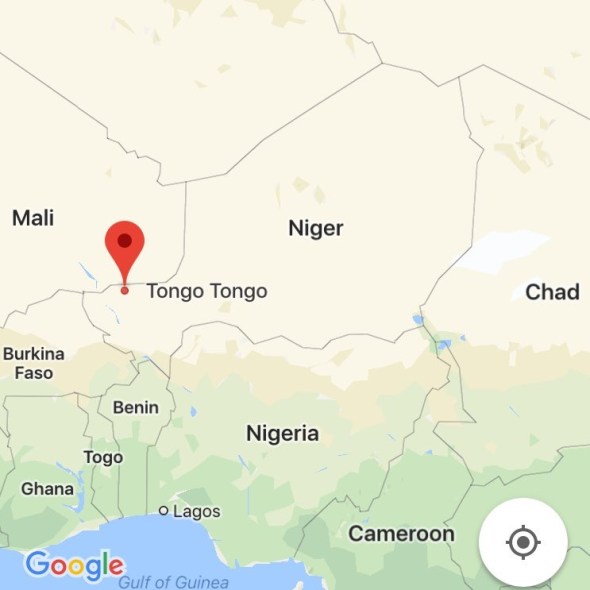
This is where four US soldiers died. Why?
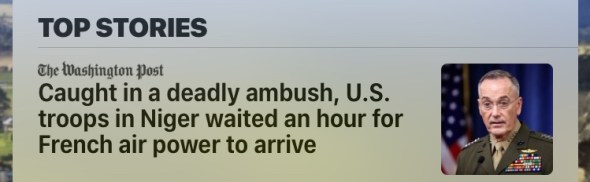
What the hell were our boys doing waiting for the damn Frogs?! The damn French Air Force has to bail out our boys? When we have the best goddamn Air Force in the world? We better anyway, we’re paying for it to the tune of $132 billion a year.
For that matter, what are the French doing in Niger? They haven’t exactly cloaked themselves in honor in the region:
Following the 1885 Berlin conference during which colonial powers outlined the division of Africa into colonial spheres, French military efforts to conquer existing African states were intensified in all French colonies including Niger. This included several military expeditions including the Voulet Chanoine Mission, which became notorious for pillaging, looting, raping and killing many local civilians on its passage. On 8 May 1899, in retaliation for the resistance of queen Sarraounia, captain Voulet and his men murdered all the inhabitants of the village of Birni-N’Konni in what is regarded as one of the worst massacres in French colonial history. French military expeditions met great resistance from several ethnic groups, especially Hausa and Tuareg groups.

If you’re gonna be in Niger, you want to be near the river.

Source taken by diasUndKompott.
The rest of it looks rough!

Dinner in the desert

Attended a fun dinner.

Book I gave up on

Incredible title. But what the hell is this guy talking about?
Bought it after I read this bit in Girard’s NY Times obituary:
Professor Girard’s central idea was that human motivation is based on desire. People are free, he believed, but seek things in life based on what other people want. Their imitation of those desires, which he termed mimesis, is imitated by others in turn, leading to escalating and often destructive competition.
His first work, published in French in 1961 and in English in 1965 as “Deceit, Desire, and the Novel,” introduced this idea through readings of classic novels. Over time, the idea has been used to explain financial bubbles, where things of little intrinsic value are increasingly bid up in the hope of financial gain. It has also been cited to explain why people unsatisfied by high-status jobs pursue them anyway.
And:
Mr. Thiel, of PayPal, said that he was a student at Stanford when he first encountered Professor Girard’s work, and that it later inspired him to quit an unfulfilling law career in New York and go to Silicon Valley.
He gave Facebook its first $100,000 investment, he said, because he saw Professor Girard’s theories being validated in the concept of social media.
“Facebook first spread by word of mouth, and it’s about word of mouth, so it’s doubly mimetic,” he said. “Social media proved to be more important than it looked, because it’s about our natures.”
Scene in Los Angeles

A guy at the East Side Food Festival was demonstrating a machine that’s basically a Keurig for marijuana.
How Many

copies of the Blu-Ray of Baywatch Extended Cut does Paramount expect to sell?
Xi

From Wiki:
In May 1966, Xi’s secondary education was cut short by the Cultural Revolution, when all secondary classes were halted for students to criticise and fight their teachers.
Never forget how crazy the world is.

Xi as a boy, left.
The President of China sent his daughter to attend Harvard. That, to me, seems like a good example of American “soft power.”
Xi’s wife is famous singer Peng Liyuan.
Excerpt
and then Bobby added the “S”
(from Vulture’s oral history of SNL’s David S. Pumpkins sketch.)
What?

Somehow this was up on my phone when I picked it up.
Atlas

Satisfied with my purchase of a new atlas
I’m always trying to get new views.

Critics on critics on critics
Posted: October 17, 2017 Filed under: America Since 1945, art history, books, writing Leave a comment
This review in the New York Times, by Vivan Gornick of Adam Gopnik’s “At The Strangers’ Gate” caught my attention.
Critics have taken aim on Adam Gopnik before. To which New Yorker editor David Remnick says:
‘The day any of these people write anything even remotely as fine and intelligent as Adam Gopnik will be a cold day in hell.'”
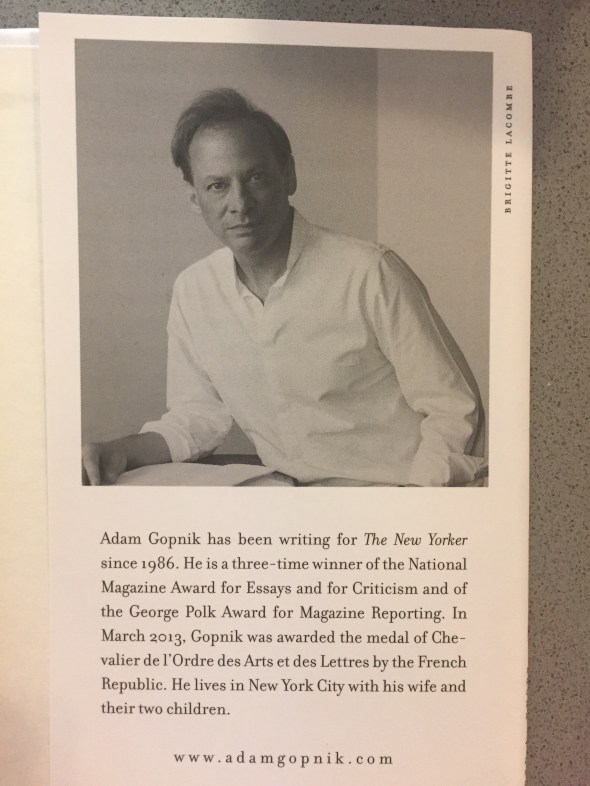
The key to this memoir might be when the author reveals he graduated high school at age fourteen. He’s a boy genius.

This is kind of Young Sheldon the book.

The book has some good stories in it. Adam Gopnik tells about how a guy who came to one of his lectures on Van Gogh. This guy had an axe to grind and it was this: why did Vincent never paint his brother Theo?

My favorite part of the book was Gopnik’s discussion of Jeff Koons. Gopnik is illuminating on the topic of Jeff Koons. Here is Koons talking to Gopnik at a party.

(I added the potato because while it may not be strictly legal to electronically reproduce pages of books, if I include them in an original work of art, that’s gotta be allowed, right?)

What is hidden will be exposed
Posted: October 16, 2017 Filed under: bible 2 Comments


The news and whatnot got me thinking about how a theme/promise in both the Bible and Quran is that anything hidden will be revealed. Surah 69:18 there above.
Thomas Cleary’s version goes:
On that day you will be exposed;
no secret of yours will be hidden

Thomas Cleary. Source.
Luke 8:17:

Luke hits us with this again in 12:2:
The time is coming when everything that is covered up will be revealed, and all that is secret will be made known to all.
Whatever you have said in the dark will be heard in the light, and what you have whispered behind closed doors will be shouted from the housetops for all to hear!


Blythe Intaglios
Posted: October 13, 2017 Filed under: the California Condition Leave a comment
Way out near the border to Arizona are the Blythe Intaglios, California’s answer to the Nazca lines.
You can see them easily on Google Maps.
Intaglio comes from an Italian word: to engrave.

What was the point of these things?
Some researchers hypothesize that the intaglios are stopping points on a keruk pilgrimage or simply the practice of the keruk ceremony at various places.[13] The keruk was a mourning ceremony that was practiced by various Native Americans in southern California. The keruk included the reenactment of the creator’s death and the recognition of the people who had died since the last keruk. Warfare has been offered a possible explanation as to the spread along the Colorado River of ceremonies such as the keruk and the similar style of desert intaglios.[13]
They were first “discovered” by pilots in the ’30s.
I keep meaning to go out there and have a look but it’s like four hours away.

When you lied on your CV
Posted: October 12, 2017 Filed under: animals, Fate, writing Leave a comment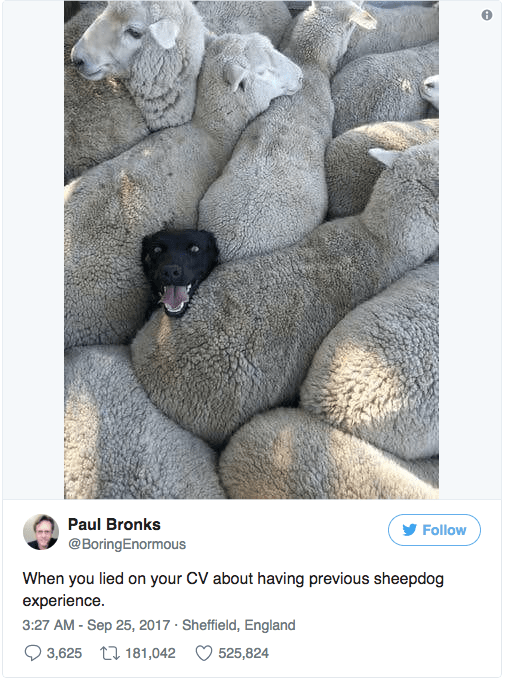
The source of that photo is Tasmanian sheep farmer Charlie Mackinnon, who said of the dog:
She was an absolute legend, worked all day.
Funny story told in Jay McInerney Paris Review interview:
MCINERNEY
I felt like I had really arrived because—well, it was The New Yorker. But it was the fact-checking department. I wanted to be in the fiction pages, but still. It actually paid pretty well, and I was seeing great writers like John McPhee and John Updike coming to visit William Shawn. J. D. Salinger was still calling on the phone. There was a terrific buzz about the place. But it was also a little depressing. There were all these unwritten rules. Like, for instance, if you were a fact-checker, you didn’t speak to an editor or writer in the hall—it just wasn’t done. Also, it turned out I wasn’t very good at it. And ten months after I got there, I was fired, and left ingloriously with my tail between my legs.
INTERVIEWER
How bad were you?
MCINERNEY
My biggest mistake was to have lied on my résumé and said that I was fluent in French, which I wasn’t. So when the time came to check a Jane Kramer piece on the French elections, it was assigned to me, and I had to call France and talk to a lot of people who didn’t speak English. That was really my downfall. And of course I couldn’t admit to anyone that I had this problem. Jane Kramer discovered factual errors just before publication. Nothing earth shattering, but you would think that I had . . .
Bellow
Posted: October 10, 2017 Filed under: Chicago, writing 3 Comments
Bracing for Amis too is a late essay of Bellow’s, ‘Wit Irony Fun Games’ – ‘quite possibly the last thing he ever wrote’ – that insists that ‘most novels have been written by ironists, satirists, and comedians’. Amis concludes, ‘The novel is comic because life is comic.’
Readin’ that line in this review of Martin Amis, The Rub of Time: Bellow, Nabokov, Hitchens, Travolta, Trump – Essays and Reportage, 1986–2016, by Christian Lorentzen over on Literary Review
So I says, let’s get a copy of this late essay of Bellow’s and see what he has to say. I’ve never read much Saul Bellow.
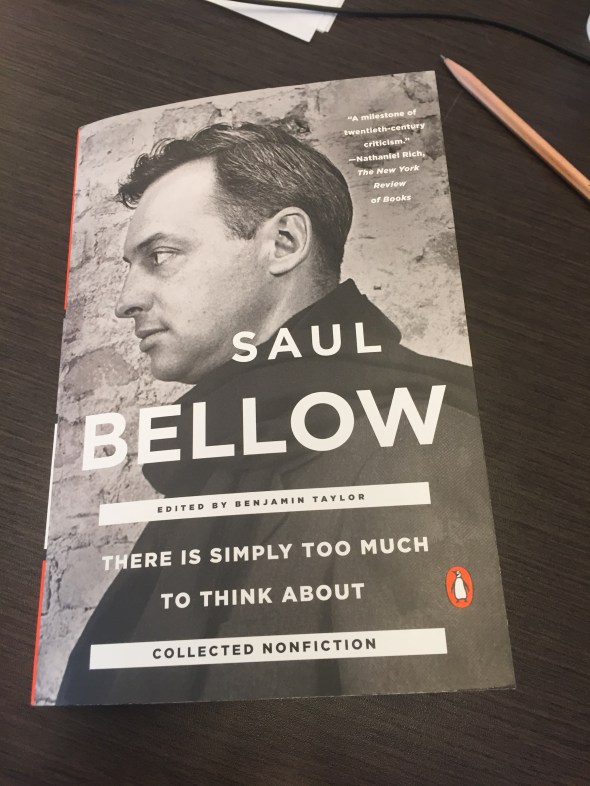
Sure enough it’s pretty good! Here in “Wit Irony Fun Games” he talks about Lincoln’s humor:

This, in an essay about FDR, gives backstory I didn’t know to the story of the attempted assassination:

In this essay, Bellow says his famously controversial comment about “who’s the Tolstoy of the Zulus” was all a misunderstanding:

He likes Zulus, and Papuans as well:
Papuans probably have a better grasp of their myths than most educated Americans have of their own literature. But without years of study we can’t begin to understand a culture very different from our own. The fair thing,, therefore, is to make allowance for what we outsiders cannot hope to fathom in another society and grant that, as members of the same species, primitive men are as mysterious or as monstrous as any other branch of humankind.

Yang-Na
Posted: October 9, 2017 Filed under: Uncategorized Leave a commentThis Columbus day, I renew my call for Los Angeles to return to its original name, Yang-Na

 Santa Paula, CA Chumash mural
Petition this Columbus Day to return LA back to its original name of Yang-Na:
 from:
from:
Can’t forget one of our key missions here
Posted: October 7, 2017 Filed under: hely, sports Leave a commentReporting on notable Helys. Here’s one:

That’s in the Ahmedabad Mirror.

Kalyan Shah took that for us over on Wikipedia, thanks Kalyan!
We could use some good news. Keep going, Hely!
Bob Dancer
Posted: October 6, 2017 Filed under: the American West Leave a comment
fascinated by this quote in this New York Times article about the Vegas shooter.
Made me think about Addiction By Design which we discussed here. Would love to hear Natasha Dow Schüll’s take on this guy.
Harrowing
Posted: October 6, 2017 Filed under: America Since 1945, words Leave a comment
Ken Burns & Lynne Novick’s The Vietnam War I felt was “harrowing.”


What does the word harrowing mean?

source:
In farming this is a harrow.
A device consisting of a heavy framework having several disks or teeth in a row, which is dragged across ploughed land to smooth or break up the soil, to remove weeds or cover seeds;
A harrowing documentary feels like it’s doing this to you?
A harrowing experience is painful, but it breaks up your clods.
The etymology drifts back into the mists of Old Norse before dissolving away into Proto-Indo-European and Old Persian, but it may have something to do with “harvest”
Icelandic
Etymology
From Proto-Germanic*harjōną (see also East Frisian ferheerje, German verheeren(“to harry, devastate”)) Swedish härja(“ravage, harry”)), from Proto-Germanic*harjaz(“army”) (see also Old English here, West Frisian hear, Dutch heer, German Heer), from Proto-Indo-European*koryos (compare Middle Irish cuire(“army”), Lithuanian kãrias(“army; war”), Old Church Slavonic кара(kara, “strife”), Ancient Greek κοίρανος(koíranos, “chief, commander”), Old Persian [script needed](kāra, “army”)).
As a boy, Winston Churchill went to a school called Harrow:

which he found to be a harrowing experience. Churchill had many harrowing experiences. He was in combat, for one. That’s a famous harrow. Having polio is harrowing.

UNITED STATES – SEPTEMBER 27: President Franklin D. Roosevelt leaves his home at 49 East 65th Street for a short visit to his family estate at Hyde Park, north of New York City. This photograph is unusual in that FDR’s leg braces are clearly visible. (Photo by Martin Mcevilly/NY Daily News Archive via Getty Images)
Childbirth has got to be harrowing, as is growing up on the frontier.

You wouldn’t wish any harrowing experiences on anybody, but it seems like all great leaders had been through a harrowing or two.
Lincoln Mailbag!
Posted: October 5, 2017 Filed under: history, mailbag Leave a comment
Wow, reader Dan G. didn’t take to Elizabeth Pryor Brown’s book, of which I spoke positively:
First chapter berates Lincoln for a disorderly approach to the military — fair enough, I suppose — without acknowledging the more defensible reasons for this, such as a desire to establish the facts on the ground independent of the possibly self-serving officers in the chair of command. To hear her, the military should be spared any outside audit or opportunity for whistleblowing. And she doesn’t even mention his ultimate success. Her second chapter pooh-poohs his coarse humor and sometimes rustic rhetoric as though the prissy rareified manners of a Boston drawing room were innately superior and not, as they would have been in real life, a barrier to communicating with and leading the broad mass of the people.
It’s not just me:
https://www.civilwarmonitor.com/blog/pryor-six-encounters-with-lincoln-2017
He goes on to describe the book as:
a biography of Sam written by Diane
which is a funny idea.
Raven Maps
Posted: October 4, 2017 Filed under: America Since 1945, maps Leave a comment
I’ve spoken before of my love of Raven Maps. Shoutout to Professor McHugh for putting me onto them.

Recently I had some correspondence with them. With their permission I share it with you.
Name: Steve Hely
Their Questions or Comments: Hi! Big fan of your maps, have bought several. I was interested in learning some cartography basics so I can make a topo map of a small (five square miles) area of the world I inhabit and love. Do you have or know of any resources for learning these skills! Thanks!
(That’s what I wrote, on their form).
Raven Maps replies:
Steve Hely,
Well, that’s a good question. The old techniques have long-since been reduced to algorithms and interred in software. All maps are now produced digitally, but I assume you want to just enjoy learning your area in the way that mapping it allows? You don’t need to become a GIS / Cartography tech for that.My suggestion: get the printed USGS 1:24,000 scale 1:7.5′ map of your area (perversely, an area you are interested in often turns out to be at the edge of two, or at the corners of two or three, in that case get all the sheets you need), or print them out from an on-line digital source); get tracing paper (or polyester drafting film), and start tracing the features you are particularly interested in– and just keep at it. Many iterations, probably many dozens. That’s OK, tracing paper is cheap. Colored pencils cost more but you won’t need all that many. Remember that every completed map has a great many more layers and classes of features than you probably care about, and probably does not show the ones you DO care about– and that’s where the fun starts, as you figure out what to leave off, how heavy / what color the lines are, how to identify the features you care about, and so on.For an area of 5 miles on a side, differences in projection (among various source maps, which you will probably start consulting) will be only a very minor problem, you can probably ignore. Scale differences can be corrected at your local FedEx copy shop.And always, keep on hand some sample map you especially like, so that you can see how that map handled the particular issue you are wondering how to solve. (There’s a reason you see aspiring painters closely studying the classics in museums– first, learn how THEY did it.)Hope this helps,Stuart AllanRaven Maps

I mean the USGS website is sick. What a beautiful thing we the taxpayers have made.
Gun Stocks
Posted: October 3, 2017 Filed under: business 1 Comment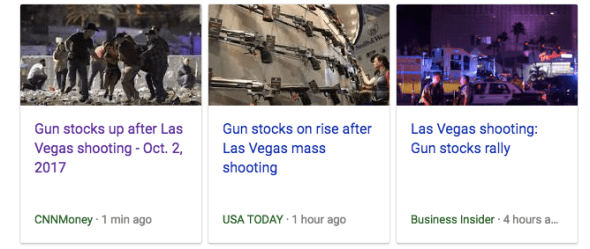
I don’t know why I care about this. I guess because I’m interested in what moves stock prices, narratives invented around stock prices, and how things get reported?
This effect seems to me to be exaggerated.
Motley Fool notes:
The market for firearms is highly fragmented, with many names — Glock, Colt, Beretta — privately owned, located abroad, or both. This can making investing in guns tricky. One of the easiest ways for an investor to gain exposure to this market, though, is through buying shares of industry leader American Outdoor Brands.
American Outdoor Brands is a nicer name than “Smith & Wesson”
Yesterday they were up 3.21%.
I asked a financial friend if he thought that was significant:
3%? Not very
The other big gun stock is Sturm, Ruger – RGR.
Yesterday they were up 3.48%. Today they’re up another 1.78%.
Is that meaningful? Maybe? A tiny bit?

Soaring?
There is an initial burst in stock price immediately when trading opened, but that was mostly corrected by the end of the day.
Why do we tell ourselves this story?
I guess because it’s shocking these companies aren’t at all harmed when their product or a competitor’s products are used to shoot hundreds of people.
We tell this story because it’s twisted and we like twisted stories.
Even the Norwegian Sovereign Wealth Fund owns a buncha gun stock:

Shady Grove
Posted: October 3, 2017 Filed under: America Since 1945, music Leave a commentIn honor of the late great Tom Petty I invite you not to forget Mudcrutch, and post this Helytimes classic from April 2015
In my foolish youth I thought Tom Petty was kind of a joke, until Bob Dylan in Chronicles woke me up hard.
Bob also has words of respect for Jerry Garcia:
What an eerie tune. Wikipedia is unusually quiet on this one.
Many verses exist, most of them describing the speaker’s love for a woman called Shady Grove. There are also various choruses, which refer to the speaker traveling somewhere (to Harlan, to a place called Shady Grove, or simply “away”)
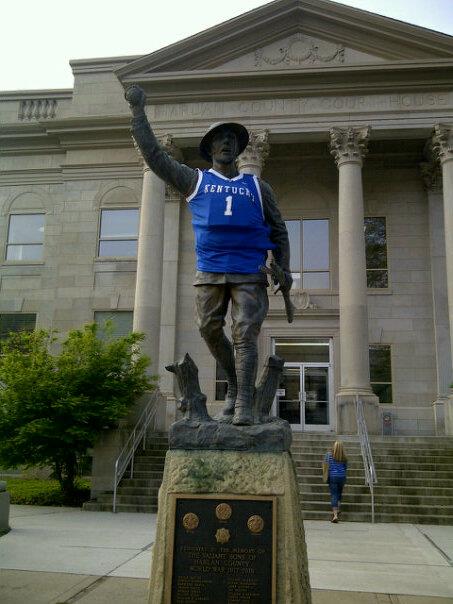
Harlan
The folks at mudcat.org take on the problem:
| Subject: Origins: ‘Shady Grove’ a mondegreen ? From: GUEST,Jake Date: 15 Aug 10 – 11:23 PMMulling (for the thousandth time) over the incongruity of ‘Shady Grove’ which is nothing about trees protecting the singer from the sun, but seems to be a woman’s name, it occurred to me in a flash of insight, that of course it must have started as a song about a Woman or girl named “Sadie” with the surname “Grove”, ie, “Sadie Grove”, and was corrupted by the usual vagaries of oral transmission, etc, etc. Searching this forum and the web generally provides no support for this conjecture, however. |
| Subject: RE: Origins: ‘Shady Grove’ a mondegreen ? From: MGM·Lion Date: 15 Aug 10 – 11:32 PMI have always shared this confusion: Shady Grove seems to be the woman’s name, but also the name of the place or location in which she lives, sometimes incongruously both at the same time. The fact that it’s one of those myriad songs [Going Down Town; Bowling Green …] which share pretty much the same set of ‘floaters’ doesn’t help.~Michael~ |
| Subject: RE: Origins: ‘Shady Grove’ a mondegreen ? From: Hamish Date: 16 Aug 10 – 03:18 AM”Wish I was in Shady Grove” takes on a new meaning.”When I was in Shady Grove I heard them pretty birds sing” (and the earth moved, no doubt). |
| Subject: RE: Origins: ‘Shady Grove’ a mondegreen ? From: GUEST,Lynn W Date: 16 Aug 10 – 04:11 AMThere is a comment on Wikipedia that the melody is similar to Matty Groves. Any connection, I wonder? |
| Subject: RE: Origins: ‘Shady Grove’ a mondegreen ? From: Jack Campin Date: 16 Aug 10 – 05:19 AMWikipedia has got it backwards. The folk-revival version of “Matty Groves” took its tune from “Shady Grove”. |
That’s as far down this hole as I can go at the moment.
I’d be shocked if any Helytimes readers hadn’t wikipedia’d The Child Ballads.
If demographizing the known Helytimes readership, I’d say “it’s people, mostly people I know, who have Wikipedia’d The Child Ballads.”
Still, why not a refresher on some best ofs?
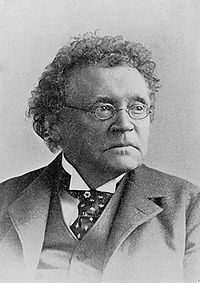
Although shy and diffident on account of his working-class origins, he was soon recognized as “the best writer, best speaker, best mathematician, the most accomplished person in knowledge of general literature” and he became extremely popular with his classmates.
Child became the Boylston Professor of Rhetoric and Oratory when he we was 26. Says an admirer, writing in the 1970s:
Child well understood how indispensable good writing and good speaking are to civilization, or as many would now prefer to say, to society. For him, writing and speaking were not only the practical means by which men share useful information, but also the means whereby they formulate and share values, including the higher order of values that give meaning to life and purpose to human activities of all sorts. Concerned as he thus so greatly was with rhetoric, oratory, and the motives of those mental disciplines, Child was inevitably drawn into pondering the essential differences between speech and writing, and to searching for the origins of thoughtful expression in English.
(Yes! That’s the good reason for being into this I’ve been looking for.)
Sometimes I picture Child backpacking around from pub to pub learning these things. Mostly, though, he got them from manuscripts.
Don’t you worry, he could cut loose sometimes:
he also gave a sedulous but conservative hearing to popular versions still surviving.
Child engaged
in extensive international correspondence on the subject with colleagues abroad, primarily with the Danish literary historian and ethnographer Svend Grundtvig, whose monumental twelve-volume compilation of Danish ballads, Danmarks gamle Folkeviser, vols. 1–12 (Copenhagen, 1853), was the model for Child’s resulting canonical five-volume edition of some 305 English and Scottish ballads and their numerous variants.
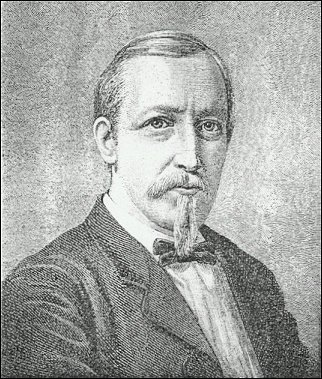
Svend.
Child is buried in the Sedgwick Pie.
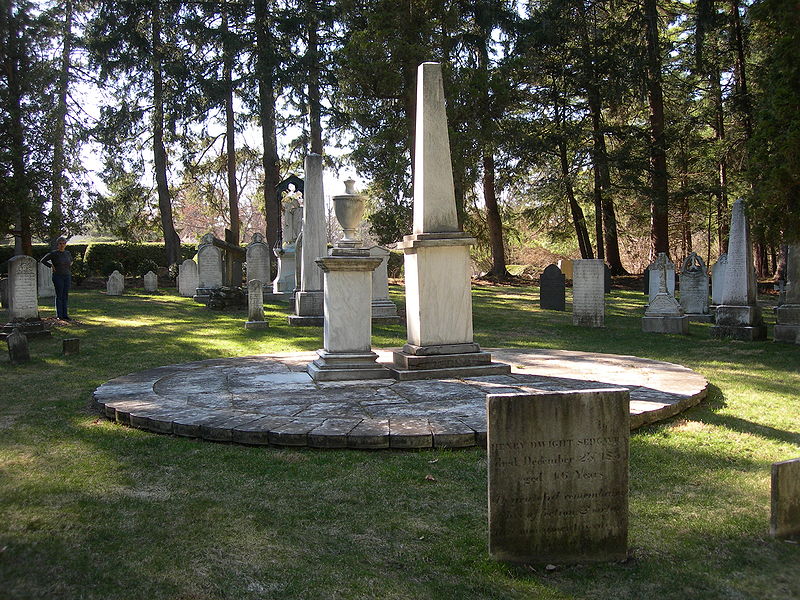
Is Kyra Sedgwick eligible for the Sedgwick Pie? Seems like she might be. Also seems a bit rude to ask a wonderful and very alive actress and mother if she’s given any thought to her grave.
Famously (? I guess, I never read the biography) not included:

Catholic
Posted: October 2, 2017 Filed under: religion Leave a comment
St. Padre Pio relics will be displayed at St. Thomas More Church as part of national tour
A Rhode Island correspondent sends us this article from the RI Catholic:
Many of the relics showcased in the exhibition relate to Pio’s stigmata, including blood from the wounds, scabs collected from them, and the fingerless gloves which the saint used to conceal the nail-marks on his hands. Other relics on display include the saintly priest’s mantle, a lock of his hair and a handkerchief used to wipe his brow as he lay dying.
Increasingly clear to me I was born into a cult — but then again, aren’t most people?
The Catholic Church’s emphasis on suffering can be warping
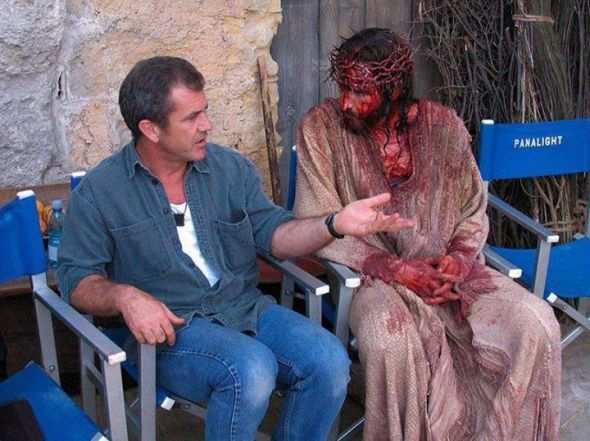
but in my Catholic boyhood I saw the ways this faith gave meaning and holiness to people’s suffering and pain, and the comfort of that can’t be measured.
On the other hand:
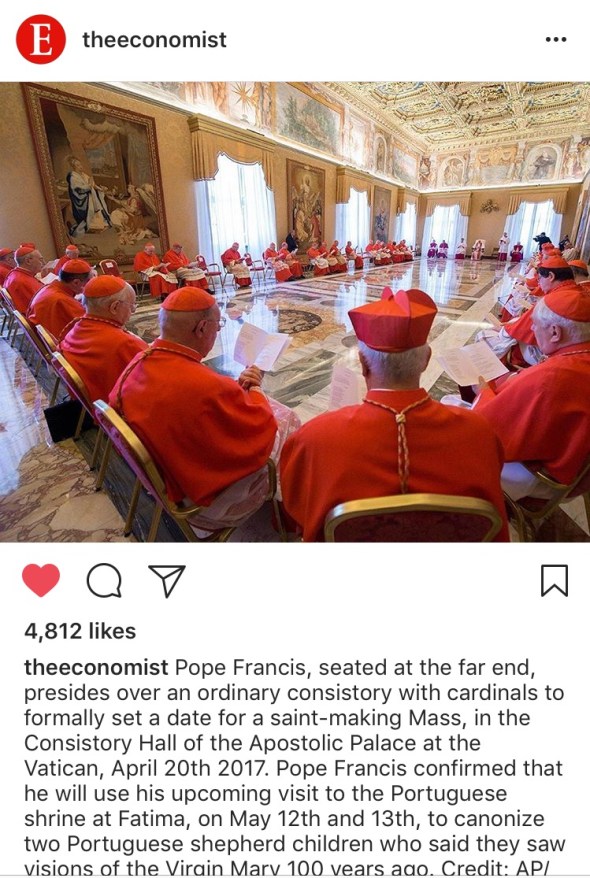
If Jesus Christ as described in any of the Gospels, canon or no, saw this, do you think he would say anything other than SMH?
Woe to you, scribes and Pharisees, you hypocrites! You shut the kingdom of heaven in men’s faces. You yourselves do not enter, nor will you let in those who wish to enter.
How did we end up here?
It’s enough to make me sign on for this Lutheran propaganda I saw at LACMA:

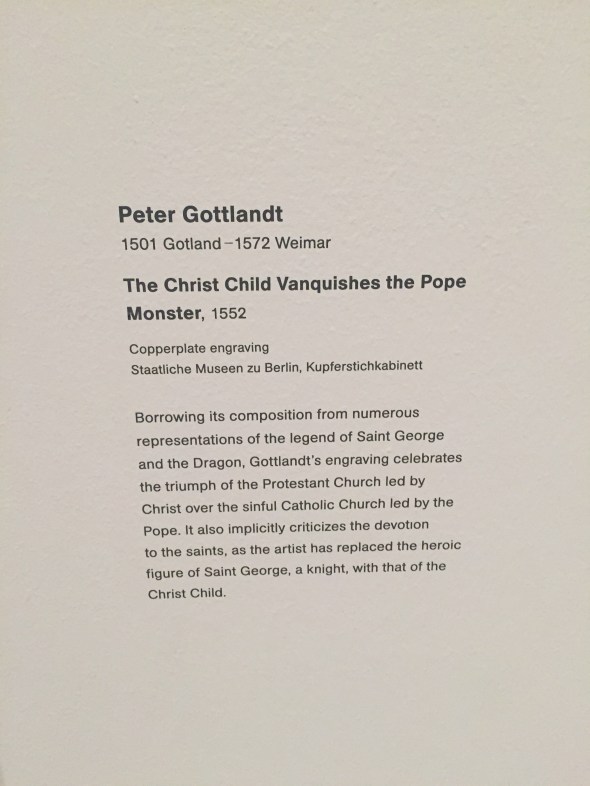
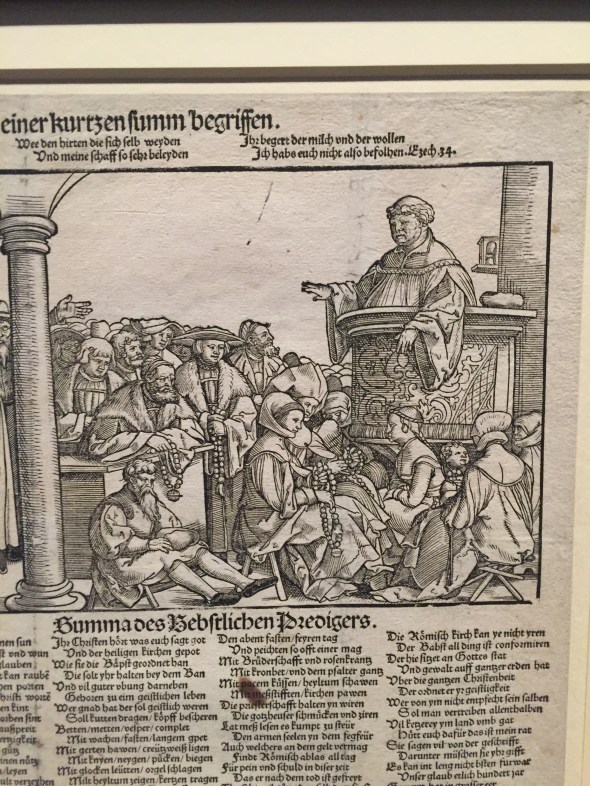

On the other hand I would go look at some famous scabs, sure.

photos: our RI correspondent


